Why medium mixed breeds stay in rescue while everyone wants puppies
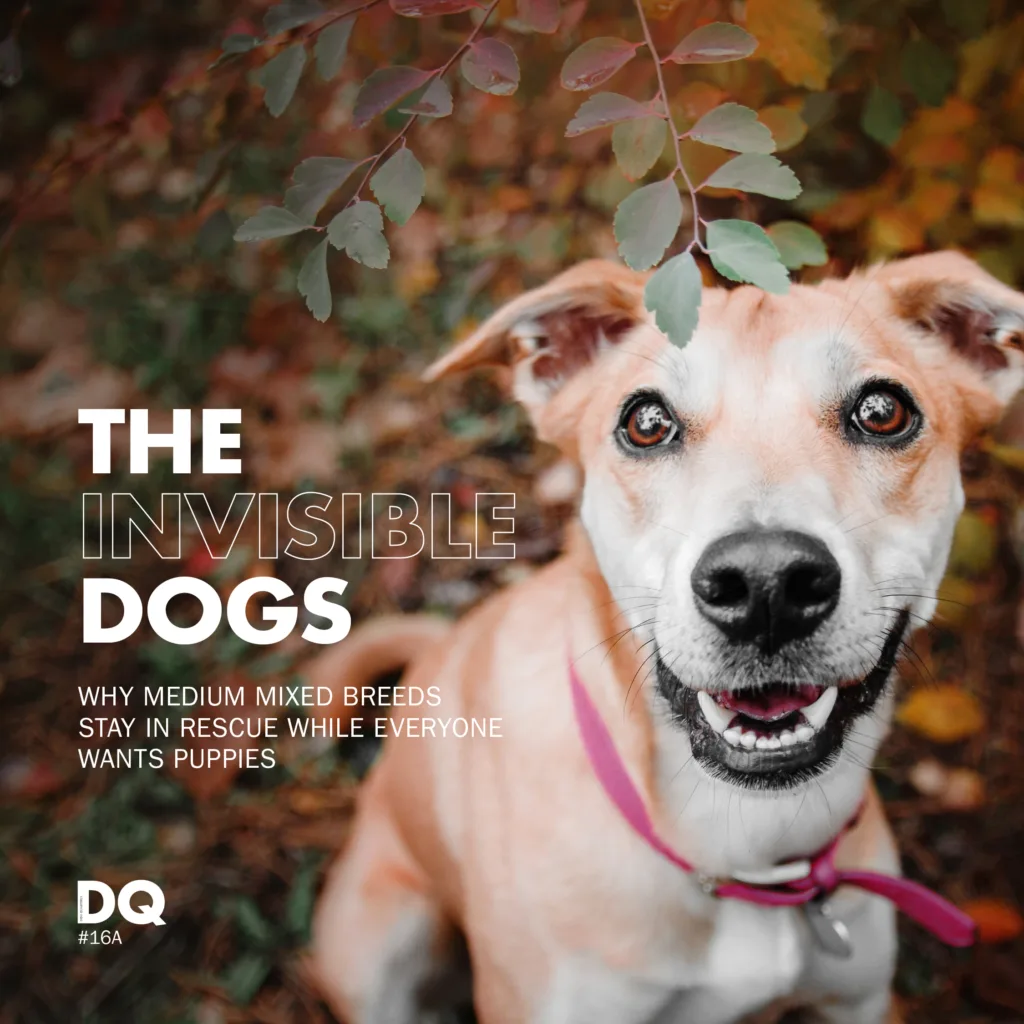
Walk through any South African animal shelter and you will see them: medium-sized, mixed-breed, adult dogs. Brown ones, black ones, tan-and-white ones. Short coats, longer coats, wiry coats. Some are slightly stocky, others lean and athletic. All healthy, most friendly, many well-behaved. They blend together into the background – unremarkable, undistinctive, forgettable.
These are the invisible dogs. While tiny puppies get adopted within days, while purebreds and unusual-looking dogs attract immediate interest, these medium mixed-breed adults wait. Weeks become months. Months become years. Some will spend their entire lives in rescue. Many will be euthanised to make space for the next intake, not because anything is wrong with them, but because nobody looks at them long enough to see them.
This is not an accident. This is the predictable result of what people want versus what dogs need homes, and the gap between the two is full of perfectly good dogs that ‘nobody wants’.
What everyone wants
Rescue organisations know exactly what flies off the adoption floor because they see it repeatedly. The perfect adoptable dog, according to public demand, is: a puppy (ideally under six months, under one year acceptable), small to medium-small in size, with an unusual or distinctive appearance (specific breed, interesting colour or markings, unique features), and preferably with a compelling story.
Puppies get adopted immediately, often with multiple applications competing. Small dogs, particularly small purebreds or distinctive small mixes, get adopted quickly. Large purebreds, especially popular breeds like Labradors or German Shepherds, find homes reasonably fast. Dogs with unusual appearances – one blue eye, interesting coat patterns, rare breeds – attract attention.
The dog that looks like every other dog, weighs 20-25kg, has short brown or black fur, and is three to seven years old? That dog is invisible. Nobody scrolls through rescue listings looking for ‘medium brown dog.’ Everyone scrolls looking for something special, something that stands out, something they can post on social media and have people say, ‘What a beautiful dog!’
Why medium mixes are invisible
These dogs suffer from accumulated disadvantages that make them the least adoptable despite often being the most suitable:
- They are adults. Puppies allow owners to imagine they can ‘shape’ the dog into what they want. Adults come as they are – personality formed, size determined, behaviours established. Many people find this intimidating or less appealing, even though adult dogs are often easier than puppies (house-trained, past the destructive puppy stage, calmer).
- They lack a distinctive appearance. In a world of social media, where dogs are lifestyle accessories and status symbols, an ordinary-looking dog has less appeal. People want dogs that photograph well, that others will comment on, that reflect something about the owner. A medium brown mixed breed reflects nothing except that you adopted a medium brown mixed breed.
- They blend together. When someone scrolls through pages of rescue dogs, individual medium brown mixes blur together. Without distinctive features to anchor memory, people forget which dog was which. They remember the three-legged dog, the Husky mix, the tiny puppy – not the six different medium brown dogs that all looked similar.
- They are too big for apartments but too small to impress. Small dogs fit in apartments and tiny spaces. Large dogs make impressive companions and guards. Medium dogs are neither compact enough for space-limited homes nor imposing enough to fulfil ‘big dog’ desires. They are the wrong size for most people’s practical or psychological needs.
What these dogs actually offer
The cruel irony is that these invisible dogs are often the best candidates for adoption for most households. They offer exactly what most owners actually need, rather than what they think they want:
- Predictable temperament: Adult dogs have formed personalities. What you see is what you get. A friendly, calm, three-year-old mixed breed in rescue will likely remain friendly and calm in your home. A puppy is a gamble; you have no idea what personality will develop or what the adult size will be.
- Past difficult stages: Puppies are hard work – house-training, destructive chewing, endless energy, constant supervision. Adult medium mixes are usually house-trained, past their peak destructiveness, calmer, and able to be left alone for reasonable periods. They slot into routines far more easily than puppies.
- Suitable size: Medium dogs (20-30kg) are large enough to be robust and enjoy active lifestyles, small enough to fit in cars and homes comfortably, and easy to manage physically for most owners. This size is genuinely practical for most South African households.
- Moderate exercise needs: Most medium mixes have reasonable exercise requirements – a daily walk and some play, not the extreme demands of working breeds or the fragility of tiny breeds. They suit average active households without requiring devotion to dog sports.
- Proven health: Adult dogs in rescue have usually been health-checked, vaccinated, and sterilised. You know what health issues exist, rather than gambling on genetic problems that may emerge in puppies. Many medium mixes are remarkably healthy – hybrid vigour often makes mixed breeds hardier than purebreds.
- Grateful companions: While any dog can bond deeply, rescue organisations consistently report that adult dogs who have experienced shelter life seem genuinely grateful for homes. These are dogs who settle quickly, bond deeply, and seem to understand they have been given a second chance.
Why this matters
The obsession with puppies, purebreds, and distinctive dogs creates suffering on multiple levels. Invisible adult mixed breeds spend years in rescue or are euthanised despite being perfectly adoptable. Shelters remain full because the dogs people want (puppies) get adopted while the dogs needing homes (adults) wait indefinitely. Resources that could help more dogs go toward long-term care for dogs nobody wants.
Meanwhile, many puppy adopters struggle with the realities of puppy ownership and end up surrendering their dogs to rescue within months. Many purebred seekers buy from backyard breeders or puppy mills, funding animal suffering while shelter dogs wait. The disconnect between what people seek and what is available creates a system that fails dogs consistently.
Changing the narrative
Some adopters do choose invisible dogs, and their experiences tend to be remarkably positive. Ask owners of adopted medium mixed-breed adults, and you hear consistent themes: ‘best dog I ever had,’ ‘so easy compared to puppies,’ ‘fits perfectly into our family,’ ‘cannot believe nobody wanted this dog.’
What would make these dogs visible? Changed mindset about adoption. Instead of ‘I want a puppy so I can train it myself,’ recognising that adult dogs are often easier and more predictable. Instead of ‘I want a distinctive-looking dog,’ recognising that great dogs come in ordinary packages. Instead of ‘I need to know the breed,’ recognising that temperament and suitability matter more than pedigree.
If you are seeking a family pet, an exercise companion, or a loyal friend, what you actually want is probably waiting invisible in a shelter right now. They are not exciting. They are not dramatic. They are just good dogs who need homes.
The bottom line
The invisible dogs are invisible because we have collectively decided what dogs should look like, what ages are desirable, and what stories are compelling. These criteria have almost nothing to do with what makes a good companion animal and everything to do with human vanity, social media culture, and misunderstanding of what dog ownership actually involves.
Every time someone adopts a medium mixed-breed adult, they are choosing substance over appearance, suitability over status, and reality over fantasy. They are also quite often getting an exceptional dog that nobody else noticed. The invisible dogs stay invisible only as long as we refuse to see them. They are there. They are waiting. They have been waiting for us to look past what we think we want and see what they actually offer.
Next time you browse rescue listings, stop scrolling past the ordinary-looking medium brown dogs. Read their descriptions. Consider their suitability for your actual life, not the idealised version of dog ownership. One of those invisible dogs might be exactly what we need – if we just take the time to see them.
Our covers
For the next 12 months, we are committed to featuring medium-sized brown dogs on our covers. All of us, including those of us working in the office, find ourselves drawn in by the unusual-looking dogs, the very big or very small, the different colour patterns or the status of a purebred. We’re going to change that, at least in our small team, by focusing on using as many pictures as possible of medium-sized adult dogs. If you have any pictures you’d like to share, please send them to lizzie@dqmagazine.co.za, and we’ll do our best to feature them in the magazine.