Building fitness safely
The eager Labrador returns from a run limping. The couch-potato Bulldog suddenly expected to hike mountains on holiday. The agility dog pushed through weekend competitions despite obvious fatigue. These scenarios share a common thread: dogs whose fitness level does not match the demands being placed on their bodies.
Canine fitness is often misunderstood or ignored entirely. Many of us assume that because dogs are naturally active animals, they do not require structured conditioning. Others believe that any exercise is beneficial regardless of quantity or intensity. Some push athletic dogs too hard in pursuit of performance goals, while others underestimate how unfit their sedentary companions have become.
The consequences of poor fitness management are significant. Acute injuries – muscle strains, ligament sprains, joint damage – occur when unfit dogs are suddenly asked to perform demanding activities. Chronic problems develop in dogs consistently worked beyond their fitness level: arthritis, tendon degeneration, and muscular imbalances that create pain and dysfunction. Even behaviour can suffer, with either excess energy from insufficient appropriate exercise or behavioural shutdown from chronic overwork.
Building canine fitness correctly requires understanding how dogs’ bodies adapt to exercise, recognising individual starting points, progressing systematically through appropriate training phases, and monitoring for signs of overtraining or injury. Whether preparing a young dog for sport, rehabilitating an older dog after injury, or simply improving your pet’s general fitness and quality of life, the principles remain consistent: start appropriately, progress gradually, monitor continuously, and prioritise long-term soundness over short-term goals.
Understanding canine fitness
What is fitness in dogs?
Fitness is not simply the absence of obesity or the ability to run without immediate collapse. True fitness encompasses multiple interconnected systems working efficiently together. Cardiovascular fitness allows the heart and lungs to deliver oxygen to working muscles effectively. Muscular strength enables dogs to generate force – jumping, pulling, and accelerating. Muscular endurance allows sustained activity without fatigue. Flexibility and joint range of motion prevent injury and allow efficient movement. Balance and proprioception – the body’s awareness of position in space – enable coordination and prevent falls or missteps.
A truly fit dog possesses all these qualities in balance appropriate to their lifestyle and activities. The agility dog needs explosive power, quick direction changes, and excellent proprioception. The hiking companion needs cardiovascular endurance and muscular stamina. The family pet needs baseline fitness supporting comfortable daily activities and occasional adventures without injury or excessive fatigue.
Fitness is also highly specific. A dog fit for long, slow walks may not be fit for sudden sprints. A dog with excellent cardiovascular endurance may lack the muscular strength for jumping. Training must match intended activities, progressively building the specific fitness components those activities require.
Why fitness matters
Beyond enabling athletic performance, fitness profoundly affects quality of life and longevity. Fit dogs maintain healthy body weight more easily, reducing stress on joints and organs. They have a lower risk of cardiovascular disease, diabetes, and certain cancers. Their musculoskeletal health remains better into old age, with stronger muscles supporting joints and reducing arthritis progression.
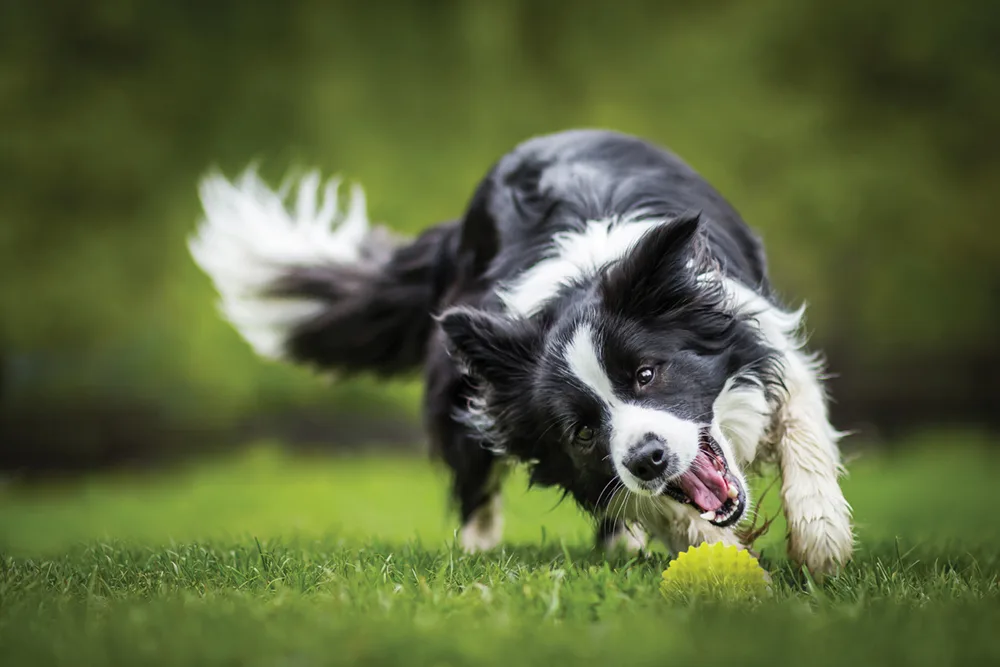
Behaviourally, appropriate fitness work provides mental stimulation, satisfies natural drives, and prevents boredom-related behavioural problems. A Border Collie denied adequate physical and mental challenge becomes destructive or obsessive. A Retriever without opportunities to run and retrieve may develop anxiety or hyperactivity. Meeting fitness needs often resolves behavioural issues that owners attribute to training problems.
For working and sport dogs, fitness directly determines performance capability and injury risk. An unfit agility dog cannot execute courses safely. An unfit search-and-rescue dog cannot work full shifts effectively. Building and maintaining fitness is not optional for these dogs; it is fundamental to their ability to work safely and successfully.
Breed and individual considerations
Breed profoundly influences fitness requirements and capabilities. Breeds developed for endurance work – Huskies pulling sledges, Pointers hunting all day – possess genetic advantages for cardiovascular fitness and can handle high volumes of sustained activity. Breeds developed for explosive power – Bull Terriers, Pit Bulls – excel at short, intense efforts but may struggle with marathon endurance. Brachycephalic breeds – Bulldogs, Pugs – have compromised respiratory systems, limiting cardiovascular capacity regardless of training.
Body structure also matters. Long-backed breeds like Dachshunds are vulnerable to spinal injuries and need modified exercise programmes. Giant breeds grow slowly and should not be exercised intensely while skeletally immature. Breeds prone to hip or elbow dysplasia require careful fitness work that strengthens supporting muscles without exacerbating joint problems.
Individual variation within breeds is enormous. Two Labradors from the same litter may have dramatically different fitness levels based on activity history, body condition, motivation, and individual physiology. Some dogs are naturally athletic and motivated. Others are less driven or face structural limitations that affect performance. Fitness programmes must be individualised rather than following generic breed recommendations.
Age significantly affects fitness capacity and training approach. Puppies should not engage in repetitive, high-impact activities before skeletal maturity. Young adult dogs build fitness most easily. Middle-aged dogs maintain fitness well but may need longer recovery between hard efforts. Senior dogs can improve their fitness but require carefully modified programmes that respect age-related limitations.
Assessing your dog’s current fitness levels
Starting point evaluation
Before beginning any conditioning programme, honestly assess your dog’s current fitness. This evaluation determines the appropriate starting intensity and helps prevent the common mistake of starting too ambitiously. Many injuries occur in the first weeks of conditioning programmes when owners overestimate their dog’s capabilities.
Body condition scoring provides essential baseline information. Using a standard 1-9 scale where 1 is emaciated, and 9 is severely obese, most dogs should score 4-5: ribs easily palpable but not visible, waist visible from above and a slight abdominal tuck. Dogs scoring 6-7 (overweight) or 8-9 (obese) need weight management alongside gradual fitness building. Attempting vigorous exercise with an obese dog creates excessive joint stress and cardiovascular strain.
Muscle condition matters separately from body fat. A lean dog may still have poor muscle development, appearing bony over the hips and spine. Muscle atrophy indicates either inadequate exercise in the past or a recent period of rest due to injury or illness. Dogs with poor muscle condition need extended periods of gentle conditioning before attempting demanding activities.
Observe your dog during typical activities. How do they handle a normal walk? Are they eager and comfortable, or do they tire quickly? After exercise, do they recover within 10-15 minutes with normal breathing, or do they remain panting and exhausted for extended periods? Can they complete activities you regularly do – your usual walking route, play sessions in the yard – without apparent fatigue or soreness the next day?
Watch for movement quality. Does your dog move fluidly and symmetrically, or do they show stiffness, limping, or reluctance to use certain legs? Do they struggle with activities that should be easy – stepping into the car, climbing stairs, getting up from lying down? These signs may indicate either very poor fitness or underlying pain and injury requiring veterinary assessment before beginning conditioning.
When to seek veterinary clearance
Certain dogs should not begin conditioning programmes without a veterinary evaluation. Senior dogs, particularly those who have been sedentary, need screening for cardiovascular and musculoskeletal problems. Dogs with known health conditions – heart disease, respiratory issues, arthritis, previous injuries – require veterinary guidance on safe exercise levels.
Any dog showing signs of pain during or after exercise needs a veterinary examination before continuing or intensifying work. Limping, yelping, reluctance to bear weight, stiffness that lasts more than a day after exercise, and behavioural changes such as irritability or withdrawal can all indicate injury or pain. Pushing through these signs worsens problems and creates chronic issues.
For dogs intended for serious sport or working roles, pre-conditioning veterinary examination identifies potential problems early. Hip and elbow radiographs can reveal dysplasia before it causes clinical symptoms. Cardiovascular screening catches heart conditions that might cause sudden death during intense exercise. This screening is not paranoia but responsible preparation for demanding physical work.
Principles of progressive conditioning
The 10 percent rule
The single most important principle in safe conditioning is gradual progression. The 10 percent rule – never increase volume or intensity by more than 10 percent per week – prevents the majority of overuse injuries. This rule seems conservative, almost painfully slow, particularly when your dog seems capable of much more. Yet rushing progression is the primary cause of conditioning injuries.
Why 10 percent? Bodies adapt to training stress gradually. Bones increase density, tendons strengthen, muscles develop, cardiovascular capacity expands – but these adaptations take time, measured in weeks and months rather than days. Increasing demands faster than the body can adapt creates cumulative stress that eventually manifests as injury.
Applying the 10 percent rule in practice means tracking your dog’s exercise volume and increasing it systematically. If your dog currently walks 20 minutes daily, increase it to 22 minutes next week. The week after, 24 minutes. This feels slow, but over 10 weeks, you have safely doubled your exercise duration. Attempting to double the duration in week two poses a high risk of injury.
The 10 percent rule applies to all aspects of conditioning: duration, distance, intensity, and frequency. If running three days weekly, do not suddenly jump to five days. If walking on flat ground, do not suddenly add steep hills. Each increase must be gradual, systematic, and accompanied by monitoring for signs of excessive stress.
Adaptation and recovery
Exercise creates controlled stress that, given adequate recovery, prompts adaptation, making the body stronger and more capable. Without adequate recovery, stress accumulates, adaptations fail to occur, and breakdown happens. Understanding this stress-adaptation-recovery cycle is fundamental to effective conditioning.
During exercise, muscle fibres sustain microscopic damage, energy stores are depleted, and metabolic waste products accumulate. This is normal and necessary. The body responds to this stress by rebuilding stronger: muscle fibres repair with increased size and capacity, energy storage improves and waste clearance becomes more efficient. But this repair and adaptation happen during rest, not during exercise itself.
Recovery time requirements vary by intensity and duration of work. After easy exercise – a gentle walk – recovery is nearly immediate. After moderate intensity work – a sustained run or demanding hike – dogs need 24-48 hours for full recovery. After very hard work – intense agility training, long-distance running, repetitive retrieving – recovery may take 48-72 hours or longer.
Young dogs in their physical prime recover faster than older dogs. Fit dogs recover faster than unfit dogs just beginning conditioning. Individual variation is significant: some dogs bounce back quickly, while others need extended recovery. Learning your individual dog’s recovery needs through observation prevents overtraining.
Signs of inadequate recovery include persistent fatigue, reluctance to exercise, decreased performance, increased injury occurrence, and behavioural changes like irritability or depression. If your dog shows these signs, they are being worked too hard relative to recovery time. Scaling back intensity or frequency allows adaptation to catch up.
Variation and periodisation
Effective conditioning programmes incorporate variation rather than doing identical work every day. Variation prevents repetitive stress injuries, maintains a dog’s motivation, develops different fitness components, and allows for active recovery. A weekly schedule might include one longer, slower endurance session, one or two moderate intensity sessions, one or two easy recovery days, and one or two rest days.
Periodisation – organising training into cycles with different focuses – structures conditioning toward specific goals. Base building phases emphasise volume at lower intensity, developing cardiovascular and muscular endurance. Strength-building phases incorporate hill work, resistance training, and power exercises. Peak phases focus on sport-specific training at higher intensity. Recovery phases allow adaptation and prevent burnout.
Even dogs not destined for competition benefit from periodised training. Seasonal variation naturally creates periods of higher and lower activity. The summer hiking season might represent a peak period. Winter weather might necessitate reduced activity, serving as a recovery phase. Spring becomes a base-building period, preparing for summer adventures. This natural rhythm respects both the body’s need for variation and the practical realities of weather and lifestyle.
Building the base
Starting with walking
Walking is the foundation of all canine conditioning. It is low impact, accessible regardless of fitness level, easily modified in duration and terrain, and provides cardiovascular benefits while allowing joints and muscles to strengthen gradually. Every conditioning programme, regardless of ultimate goals, should begin with walking.
For very unfit or overweight dogs, start with what they can comfortably handle – perhaps just 10-15 minutes once or twice daily. The distance and speed matter less than establishing a consistent routine. Walk at a pace where your dog moves purposefully but is not panting excessively or struggling. They should be able to maintain the pace comfortably throughout the walk.
Progress walking duration and frequency before adding intensity. Increase the duration by 10 percent weekly until reaching 30-45 minutes for medium dogs and 45-60 minutes for larger dogs. Smaller dogs may reach their endurance limits at shorter durations – a 30 minute walk for a Chihuahua represents far more relative effort than for a Labrador.
Once the duration is established, vary the terrain to increase the challenge. Walking on soft surfaces like sand or grass requires more effort than pavement. Gentle hills add intensity while building hindquarter strength. Varied terrain – switching between surfaces and gradients – develops proprioception and prevents repetitive stress from always moving identically.
Walking also serves as active recovery between harder efforts once your dog progresses to more intense training. Easy walks on recovery days maintain mobility, promote blood flow to aid recovery, and provide mental stimulation without adding significant physical stress.
Introducing controlled running
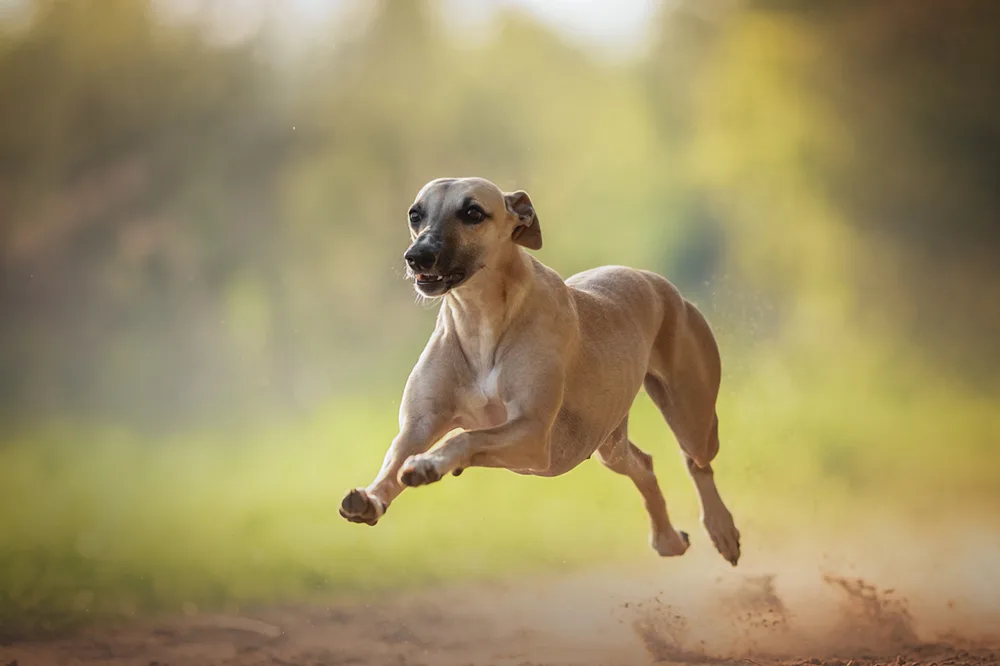
Running places higher demands on the cardiovascular system, muscles, and joints than walking. It should be introduced only after dogs have established solid walking fitness – typically 8-12 weeks of progressive walking for previously sedentary dogs. The transition from walking to running must be gradual, using interval training to allow adaptation.
Begin with walk-run intervals: Five minutes walking, one minute easy jogging, repeat. The running portions should be relaxed, sustainable pace – not sprinting. Total session duration matches current walking fitness level. Over several weeks, gradually increase running intervals while decreasing walking intervals: Four minutes walk, two minutes run. Then 3:3. Eventually 2:4, then 1:5.
This progression typically takes 8-12 weeks before dogs can run continuously for their full exercise duration. Rushing this transition causes shin splints, muscle strains, and joint problems. The walking intervals allow partial recovery, preventing excessive fatigue and maintaining good running form.
Running surface matters significantly. Grass or dirt trails provide cushioning, reducing impact on joints. Pavement is very hard and unforgiving. Sand provides excellent strengthening but is very demanding – use sparingly initially. Varying surfaces develop adaptability while preventing repetitive stress injuries.
Monitor your dog closely during and after runs. They should move fluidly, with the head up and the tail neutral or up. Heavy panting, excessive tongue lolling, lagging behind, or an altered gait indicate excessive intensity or duration. After runs, dogs should recover normal breathing within 10-15 minutes and show no stiffness or soreness the next day.
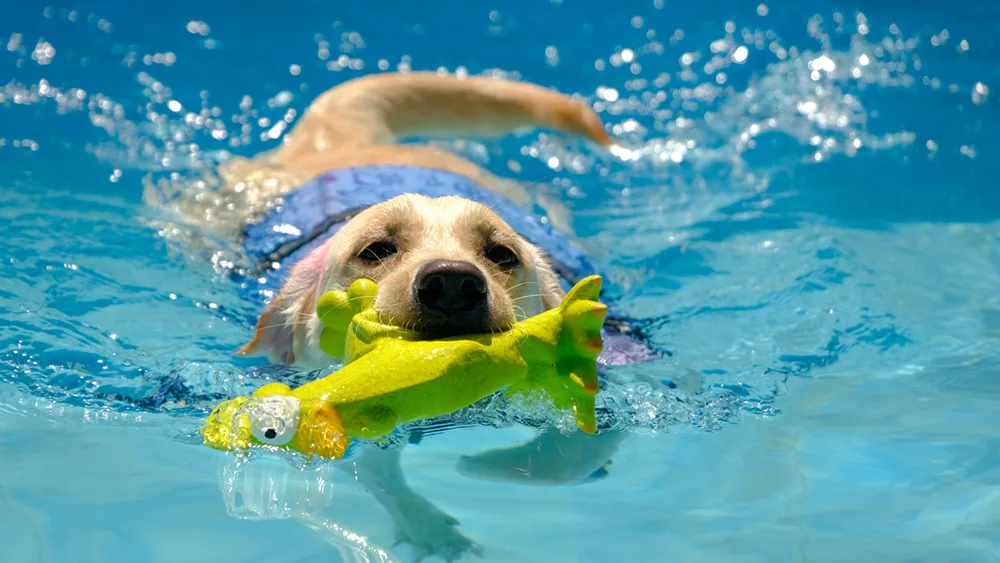
Swimming for low-impact conditioning
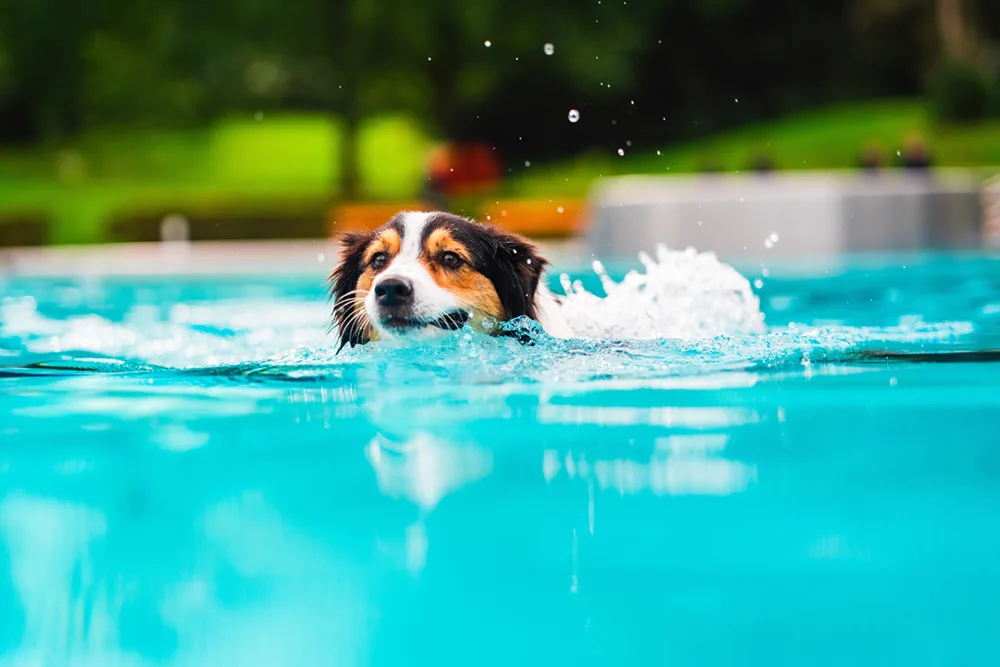
Swimming provides excellent cardiovascular and muscular conditioning with minimal impact on the joints. The water’s buoyancy removes weight-bearing stress while resistance strengthens muscles throughout the body. For dogs with joint problems, obesity, or a history of injury, swimming often allows for fitness building when land exercise is too stressful.
Not all dogs swim naturally or enjoy water. The introduction must be gradual and positive. Start in shallow water where the dog can touch bottom. Use treats and encouragement to build confidence. Never force a fearful dog into water – this creates lasting negative associations. Some dogs never enjoy swimming, and that is acceptable. Not every dog needs to swim.
For dogs who do swim, begin with short sessions – just 5-10 minutes. Swimming is deceptively exhausting. Even fit dogs tire quickly when first beginning swim conditioning. Watch for signs of fatigue: head dropping lower in water, struggling to maintain forward motion, panicked paddle-swimming. End sessions before exhaustion develops.
Gradually increase swim duration over many weeks. A dog fit for 45-minute land walks might build up to 20-30-minute swims. Swimming intensity cannot be easily modified – the dog swims or they do not – so duration and frequency are the primary variables for progression. Swimming two to three times weekly complements land conditioning effectively.
Safety is paramount. Never swim where currents, deep water, or exit difficulties pose risks. Consider using dog life jackets, particularly during initial conditioning or for dogs with physical limitations. Rinse dogs after swimming to remove chlorine, salt, or contaminants. Dry ears thoroughly to prevent infections.
Strength and power development
Hill training
Hill work simultaneously builds cardiovascular fitness, muscular strength, particularly in the hindquarters, and power. Climbing hills requires dogs to push against gravity, strengthening muscles more effectively than flat work. The cardiovascular demand increases heart and lung capacity. Descending hills builds eccentric muscle strength and proprioceptive awareness as dogs control their descent.
Hill training should begin only after establishing a solid base fitness through weeks of walking or running on flat terrain. Even gentle hills add significant intensity. Start with slight inclines, short duration – perhaps 5-10 minutes of hill work within a longer walk. Watch your dog’s breathing and movement quality. They should maintain a steady pace without excessive effort.
Progress hill training gradually by increasing duration, steepness, or frequency – but never all simultaneously. Add a few minutes weekly to hill portions. Gradually seek steeper inclines as strength develops. Initially, limit hill work to once or twice weekly to allow adequate recovery. Over months, hill work can become a regular part of conditioning.
Uphill work is generally safer than downhill, which places eccentric stress on muscles and joints. Introduce downhill work even more gradually than uphills. Initially, walk dogs downhill slowly on a lead to control pace and prevent excessive impact. As strength and control develop, dogs can handle faster descents, but these always pose a higher risk of injury than climbing.
For sport dogs, hill sprints develop explosive power. After months of foundation hill work, short sprints up steep inclines – 5-10 seconds maximum, full recovery between efforts – build the fast-twitch muscle fibres generating jumping power and acceleration. This very intense training requires careful progression and should constitute only a small portion of overall conditioning.
Resistance and weight work
Adding resistance through weighted vests, pulling exercises, or working in resistance media such as deep sand or water strengthens muscles beyond what bodyweight exercise can achieve. This training particularly benefits dogs requiring significant strength for their activities – weight pulling dogs, search and rescue dogs navigating difficult terrain, or sport dogs needing explosive power.
Weighted vests distribute additional weight evenly across the dog’s body. Start with very light loads – just two to five percent of the dog’s body weight. A 30kg dog might begin with 600g-1.5kg added weight. Walk normally with a weighted vest for short periods initially, gradually increasing duration as adaptation occurs. Never run or jump with weighted vests – the impact force multiplies with added weight, creating injury risk.
Pulling exercises using properly fitted harnesses develop serious strength and power. Start with minimal resistance – perhaps pulling a light tyre on grass. Focus on short pulls with good form rather than maximum effort or distance. Dogs should pull steadily without struggling or showing an altered gait. Rest fully between efforts. Gradually increase resistance only after weeks of conditioning.
Working in challenging mediums provides natural resistance. Deep sand requires significantly more effort than solid ground, strengthening muscles throughout the body and increasing cardiovascular demand. Water walking – wading chest-deep – provides resistance while reducing joint stress. Snow offers similar benefits. These natural resistance training opportunities should still follow progressive principles – start with short duration and build gradually.
Safety requires appropriate equipment and technique. Harnesses must fit properly to distribute force safely. Watch for signs of excessive strain: struggling, altered gait, and reluctance to continue. Never push dogs to maximum effort in resistance training – moderate, sustainable loads build strength safely. Maximum-effort attempts increase injury risk, particularly in conditioned but not elite-level dogs.
Core and balance work
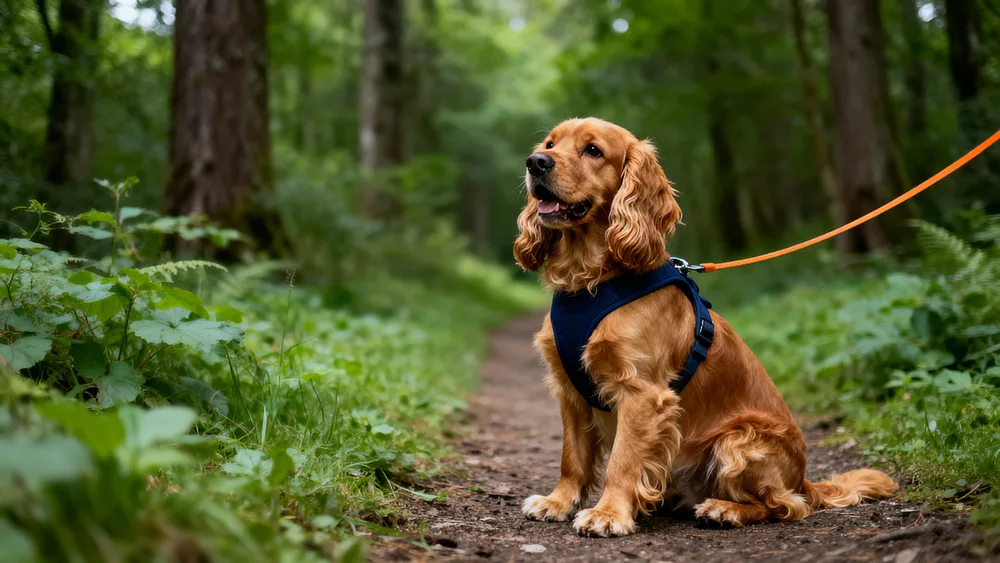
Core strength – the muscles stabilising the spine and connecting front and rear quarters – is fundamental to injury prevention and efficient movement. Dogs with weak cores develop compensatory movement patterns, increasing joint stress and the risk of injury. Balance training challenges proprioception and neuromuscular coordination, develops body awareness, and prevents falls and missteps.
Simple exercises effectively build core strength. Standing with front paws elevated on a platform (starting low, perhaps 10-15cm) and holding this position engages core muscles, stabilising the body. Begin with 10-15 seconds, gradually increasing to 30-60 seconds over the course of weeks. Similarly, elevating the rear paws while keeping the front paws on the ground engages different muscle groups.
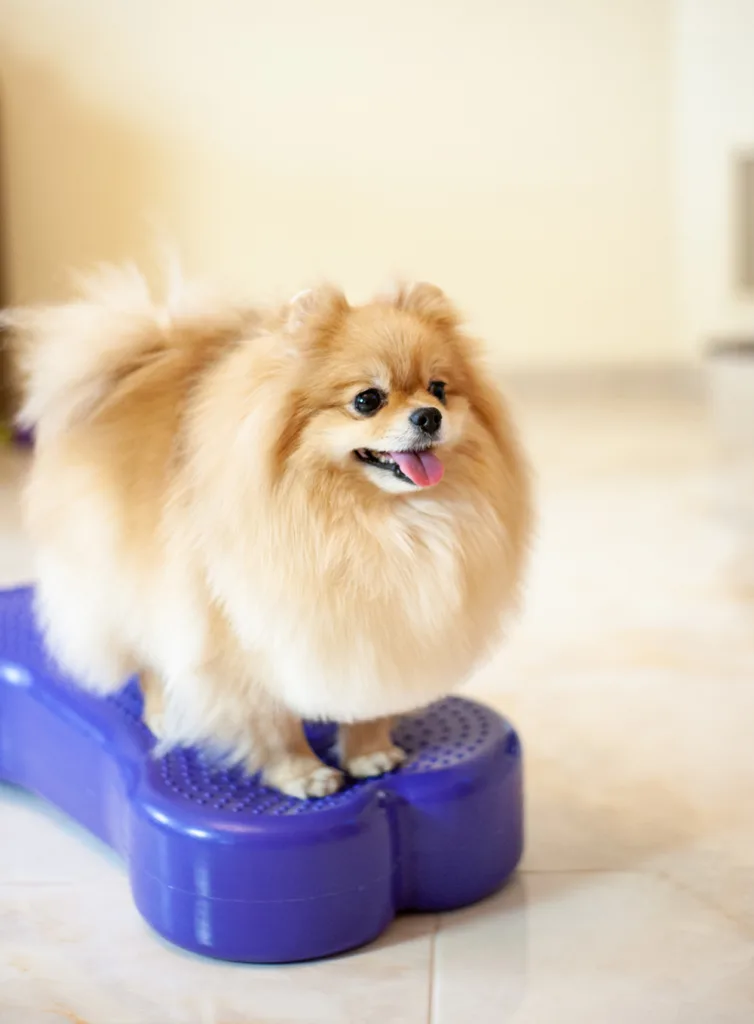
Unstable surfaces challenge both core and balance. Fitness platforms, balance discs, or even a folded blanket create instability requiring active stabilisation. Start with all four paws on the surface, simply standing. Progress to holding positions longer, placing just front or back paws on an unstable surface, or having the dog shift weight between paws.
Cavaletti work – stepping over raised poles in sequence – develops coordination, proprioception, and core control. Begin with poles on the ground. As coordination develops, raise poles to the appropriate height (roughly mid-lower leg for small dogs, mid-lower leg to hock for larger dogs). Start with three to four poles and build to six to eight. Walk through initially, then progress to trot once dogs can negotiate the poles smoothly at walk.
These exercises require focus and are mentally tiring despite appearing physically easy. Keep sessions short – five to ten minutes maximum. Quality matters far more than quantity. A few repetitions with excellent form and focus build more effectively than many repetitions with deteriorating attention and technique.
Sport-specific conditioning
Agility training preparation
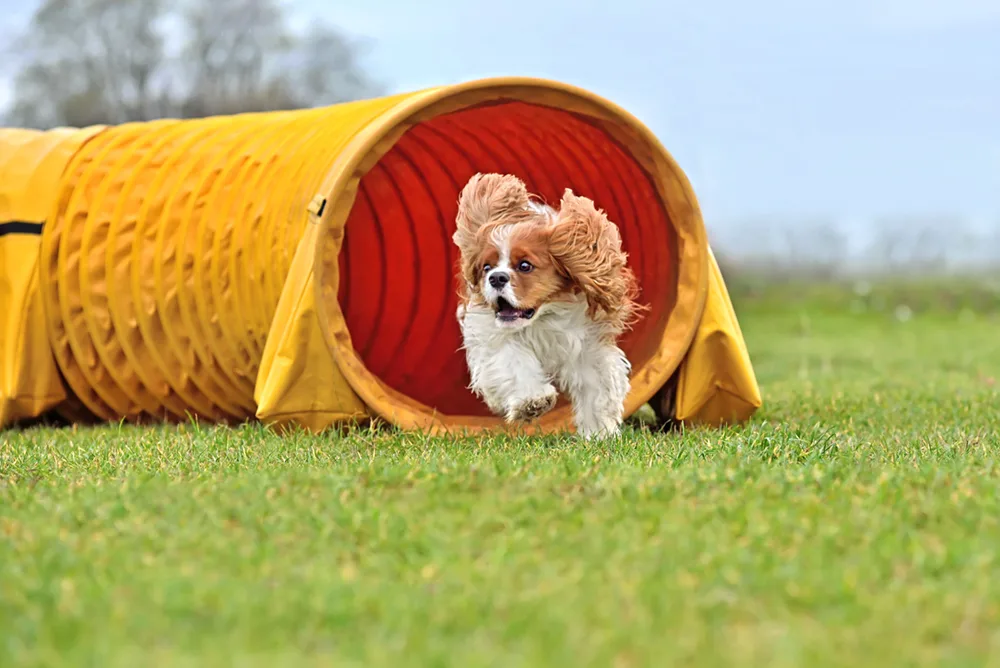
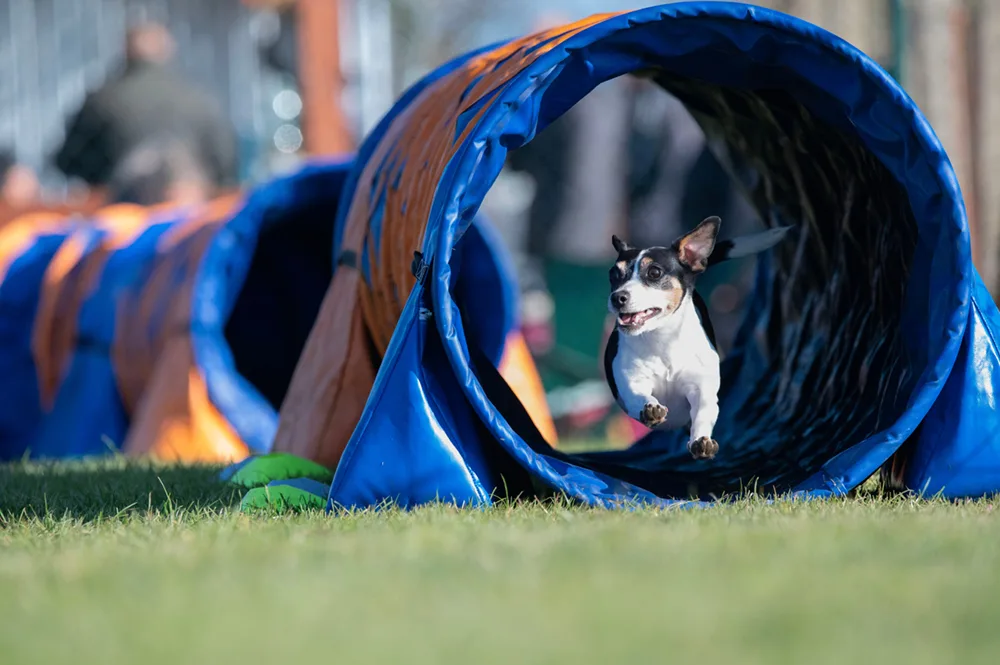
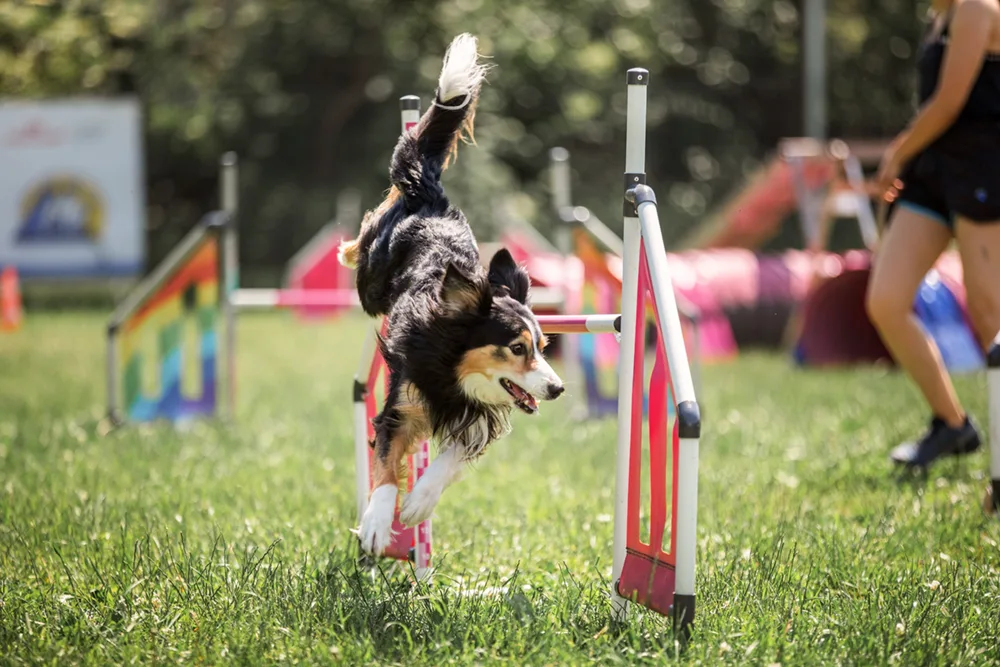
Agility demands explosive power for jumps, quick acceleration and deceleration, tight turns, and sustained effort through courses. Conditioning must address all these components while preventing common agility injuries: shoulder strains, iliopsoas injuries, and spinal stress from repeated jumping and turning.
Foundation fitness for agility includes a strong cardiovascular base through running intervals, hindquarter strength from hill work, and core stability from balance exercises. Before beginning agility-specific training, dogs should handle 30-45 minutes of varied exercise, including running, maintain good body condition (score 4-5, lean and muscular), and demonstrate body awareness through basic balance work.
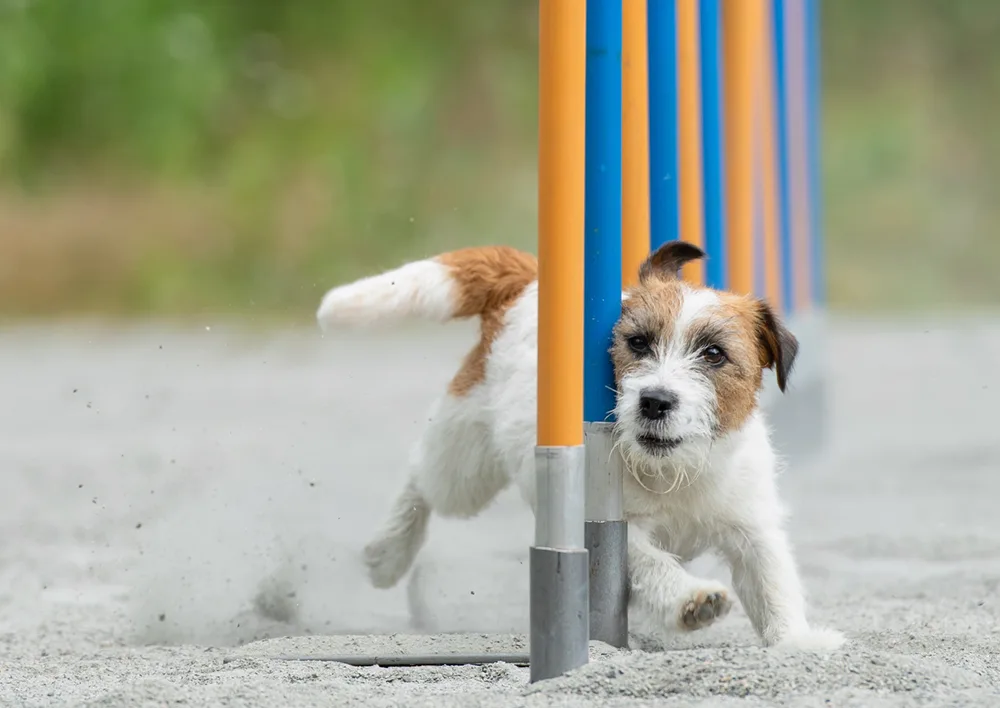
Initial agility training uses very low jumps – bar on the ground or just a few centimetres high – emphasising technique and understanding rather than height. Dogs learn to judge takeoff points, clear obstacles without hitting them, and land balanced and ready to continue. Rushing to competition-height jumps creates poor technique and increases injury risk.
Conditioning for tight turns characteristic of agility requires strength and flexibility. Dogs turning tightly put a significant force on the inside legs and spine. Gradual exposure to tighter turns as strength develops prevents injury. Incorporate easy curves before asking for 90-degree or sharper turns. Build duration of turns progressively – a few turns initially, eventually handling full courses with multiple direction changes.
Agility dogs need regular conditioning maintenance beyond coursework. Course running alone does not build or maintain fitness; it tests existing fitness. Weekly hill work, swimming, or other complementary conditioning prevents breakdown from pure agility training.
Working dog conditioning
Working dogs – search and rescue, detection dogs, herding dogs – need fitness for sustained effort over extended periods, often in challenging conditions. Their conditioning emphasises endurance, strength, and adaptability to varied terrain and weather. Training must prepare them for the unpredictability of real working situations.
Search and rescue dogs need exceptional endurance, the ability to navigate extremely difficult terrain, strength to climb over obstacles, and the stamina to sustain long searches. Conditioning includes long hikes with weighted packs (building up gradually), off-trail work on steep, rough terrain, scrambling over various obstacles, and work in different weather conditions. Sessions might last several hours, mirroring actual search conditions.
Detection dogs need moderate fitness – enough to work several hours without fatigue – combined with mental stamina. Physical conditioning helps maintain a healthy body weight and overall fitness through regular walks and play. Mental conditioning matters more for these dogs: practising searches, working in varied environments, and maintaining focus amid distractions. Overworking detection dogs physically while they are working mentally can impair their effectiveness.
Herding dogs need explosive power for short bursts, agility for quick changes of direction, and sufficient endurance for extended workdays. Conditioning combines sprint work, agility-style directional changes, and endurance through long walks or runs. Actual herding work provides excellent conditioning but must still be progressed gradually, particularly for young dogs just learning their job.
Companion dog fitness goals
Not every dog needs athletic conditioning. Many dogs simply need fitness to support a comfortable daily life and occasional adventures. Their fitness goals focus on maintaining a healthy weight, supporting joint and cardiovascular health, and enabling participation in family activities without injury or excessive fatigue.
Companion dog conditioning is straightforward: regular daily walks of appropriate duration for size and age, varied terrain and surfaces, occasional longer adventures as desired, and play activities the dog enjoys. The emphasis is on consistency and enjoyment rather than progressive intensity.
For older companions, gentle conditioning maintains mobility and quality of life. Shorter, more frequent walks prevent stiffness. Swimming or water treadmill work provides joint-friendly exercise. Avoiding high-impact activities protects ageing joints while maintaining muscle mass that supports those joints. The goal is to sustain comfortable movement throughout the senior years.
Young companion dogs benefit from age-appropriate conditioning that builds good habits and a fitness foundation. Before skeletal maturity, puppies need short, frequent exercise sessions and should avoid repetitive activities. Adolescent dogs can begin structured conditioning similar to that of sport dogs, but without the pressure of competition. Adult dogs can work toward fitness goals matching their lifestyle – perhaps building to weekend hiking fitness or maintaining a healthy, active lifestyle.
Monitoring and adjusting
Signs of appropriate training load
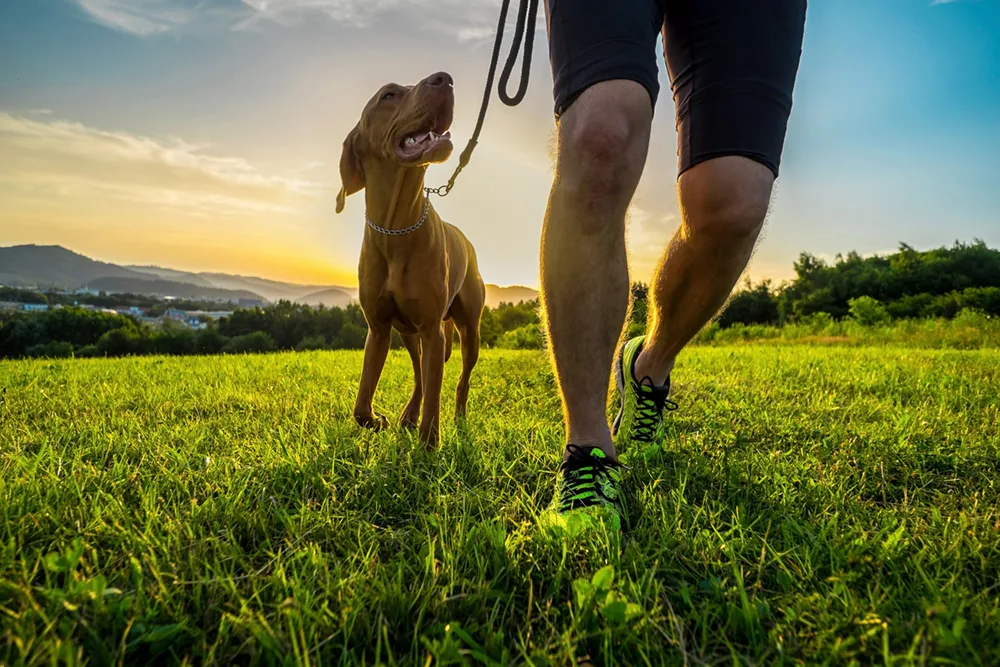
Well-conditioned dogs, when handled appropriately, show consistent positive indicators. They are eager for exercise, showing enthusiasm when you prepare for activities. During work, they move fluidly with good energy throughout sessions. They maintain good form and responsiveness rather than deteriorating as they tire. After exercise, they recover quickly – breathing returns to normal within 10-15 minutes, and they appear satisfied but not exhausted.
The day after conditioning sessions, appropriately loaded dogs show no soreness or stiffness. They move normally, respond eagerly to exercise opportunities, and show no behavioural changes that suggest discomfort. Over weeks and months, you observe steady improvement: they handle longer or more intense sessions with less effort, recover more quickly, and appear more fit with better muscle development and ideal body condition.
Mental indicators are just as important. Dogs enjoying their conditioning are alert and engaged, showing interest in their environment during and after work. They maintain a good appetite, sleep normally, and show a stable, positive temperament. Training becomes something they anticipate positively rather than tolerate or avoid.
Warning signs of overtraining
Overtraining develops when cumulative training stress exceeds recovery capacity. It manifests through physical, behavioural, and performance indicators that, if ignored, progress from mild to serious. Recognising early signs allows adjustment before damage occurs.
Physical signs include persistent soreness or stiffness lasting more than a day after exercise, decreased appetite, changes in sleep patterns, more frequent minor injuries, slow healing of minor injuries, and persistent fatigue rather than normal energy levels. Dogs may show reluctance to bear weight normally, lick or chew at legs or paws excessively, or display altered gait during supposedly comfortable activities.
Behavioural changes characteristic of overtraining include decreased enthusiasm for exercise, reluctance to work as hard as previously, irritability or unusual aggression, social withdrawal, depression-like symptoms, or anxiety. Dogs who previously loved their activities may suddenly become difficult to motivate or exhibit avoidance behaviours as exercise time approaches.
Performance decline – decreased speed, endurance, power, or accuracy – despite continued training indicates overtraining rather than lack of training. This seems counterintuitive: surely more training improves performance? But without adequate recovery, additional training leads to cumulative fatigue and deterioration rather than improvement.
If signs of overtraining appear, reduce training volume and intensity immediately. Take several full rest days. Resume with much lighter work and slower progression than previously. Some dogs need extended rest periods – weeks, not days – to recover from significant overtraining fully. Prevention is far easier than treatment.
Adjusting programmes based on response
Conditioning programmes must remain flexible, adjusting to individual dogs’ responses. What works excellently for one dog overwhelms another. Even within the same dog, responses vary by season, life circumstances, and age. Rigid adherence to predetermined plans, regardless of the response, creates problems.
If your dog is handling conditioning well – showing positive indicators, progressing steadily, remaining enthusiastic – you can continue as planned or even progress slightly faster than conservative guidelines. If signs suggest training is too much – persistent fatigue, behaviour changes, performance plateau – scale back immediately. Better to progress slowly but steadily than push too hard and create setbacks.
Life circumstances require adjustment. Busy periods that reduce available exercise time may necessitate a temporary reduction in conditioning volume. Illness or injury obviously requires cessation and rehabilitation. Hot weather may require reducing intensity or shifting to early morning sessions. Travel disrupts routines and may require modified programmes. These adjustments are normal and necessary, not failures.
Seasonal variation naturally creates conditioning cycles. Many dogs are more active in moderate weather and less active during temperature extremes. This creates natural periodisation: base-building in spring, peak fitness in summer, maintenance or recovery in extreme heat, and rebuilding in autumn. Rather than fighting these natural patterns, it is best to work with them.
Special considerations
Conditioning senior dogs
Older dogs benefit significantly from appropriate conditioning, which helps maintain mobility, muscle mass, and quality of life. However, age-related changes require programme modifications. Senior dogs have reduced cardiovascular capacity, decreased muscle mass, joint changes, including arthritis, slower recovery from exercise, and increased injury risk due to diminished proprioception and reaction time.
Conditioning for seniors emphasises maintaining function rather than building performance. Goals include preserving muscle mass, supporting ageing joints, maintaining cardiovascular health within age-appropriate limits, sustaining mobility and comfortable movement, and preventing obesity, which exacerbates all age-related problems.
Senior programmes use lower intensity and volume than young adult programmes. Walking remains the cornerstone. Swimming provides excellent joint-friendly conditioning. Gentle hills maintain strength. Avoid high-impact activities like jumping or rapid changes in direction unless the dog has maintained them comfortably throughout adulthood. Introduce new activities very cautiously.
Recovery time increases with age. Where young dogs might need 24-48 hours between hard efforts, seniors may need 48-72 hours or longer. Schedule easier days between demanding sessions. Watch carefully for soreness or stiffness, which may indicate excessive stress. Be prepared to reduce demands more quickly than you would with younger dogs.
Mental engagement remains important. Even if physical capacity has diminished, seniors need mental stimulation through varied walks, gentle training games, and social interaction. Conditioning provides this along with physical benefits, supporting overall quality of life.

Conditioning overweight dogs
Overweight or obese dogs need to improve fitness but face challenges: excess weight stresses their joints and cardiovascular system, making exercise uncomfortable or painful; they overheat more easily; and they are at higher risk of injury. Yet exercise is essential for weight loss and health improvement. Navigating this requires careful programme design prioritising safety while enabling progress.
Weight loss must combine dietary management with exercise. Exercise alone rarely achieves significant weight loss without calorie reduction. Work with your vet to design an appropriate feeding plan. As weight decreases and fitness improves, exercise capacity increases, creating a positive feedback loop.
Initial conditioning must be very gentle. Short walks – perhaps just five to ten minutes twice daily – on soft surfaces minimise joint stress. Swimming is ideal if available, providing cardiovascular conditioning without weight-bearing stress. Avoid running, jumping, or prolonged exercise until significant weight loss has occurred.
Progress more slowly than typical conditioning guidelines suggest. The 10 percent weekly increase may still be too aggressive for significantly overweight dogs. Five percent weekly increases provide safer progression. Prioritise consistency over intensity – regular gentle exercise builds fitness without injury risk.
Monitor closely for distress. Overweight dogs overheat quickly and may be uncomfortable at levels that seem easy for fit dogs. Heavy panting, reluctance to continue, excessive fatigue, or limping indicate the session has exceeded capacity. End immediately, provide water and cooling, and reduce intensity in the next session.
Puppy and adolescent considerations
Young, growing dogs require especially careful conditioning. Growth plates – areas of developing bone near joints – do not close until skeletal maturity, occurring at widely different ages depending on breed. Small breeds mature by eight to twelve months. Medium breeds by twelve to fifteen months. Large breeds by fifteen to eighteen months. Giant breeds not until 18 to 24 months, or even longer.
Before skeletal maturity, avoid repetitive high-impact activities. This means no sustained running on hard surfaces, no repetitive jumping, and no agility training beyond very low obstacles. These activities risk growth plate injury, potentially causing permanent deformity or arthritis. Free play, where puppies self-regulate their activity, is safe, but forced exercise, where you determine the duration and intensity, poses risks.
Appropriate puppy exercise includes short, frequent walks, swimming, gentle play, and exploration of varied terrain at the puppy’s pace. “Five minutes per month of age twice daily” provides a rough guideline: a four-month-old puppy might walk 20 minutes twice daily. This is a maximum, not a daily goal.
Adolescent dogs, after skeletal maturity but before full physical development (roughly two to three years for most breeds), can begin more structured conditioning but still require caution. Introduce running, hill training, and sports activities gradually. Avoid maximum effort or competition until full maturity. Build foundation slowly, prioritising long-term soundness over early performance.
Final thoughts
Building canine fitness correctly requires patience. The 10 percent weekly progression feels painfully slow when your dog seems capable of more. Waiting months before introducing running or sport-specific training feels unnecessary when other dogs are already competing. Taking full rest days can seem lazy when you want to maximise training time.
Yet this patience – this systematic, gradual, responsive progression – creates dogs who remain sound and capable for their entire working lives rather than breaking down early. The conditioning shortcuts that seem to work initially create cumulative damage, manifesting as injury, chronic pain, and shortened careers. The dog pushed too hard, too soon, may perform brilliantly at three years old, but be arthritic and sore by six. The dog conditioned patiently may develop more slowly but remain sound and enthusiastic at ten, twelve, or fifteen years old.
Starting where your dog is, not where you wish they were, provides a foundation for lasting success. The overweight dog needs gentle conditioning and weight management. The sedentary dog needs weeks of walking before he can run. The young dog needs years of foundation before serious sport training. These starting points may feel frustrating, but they acknowledge biological reality.
Progress measures success better than comparison to other dogs. Your Labrador may build fitness faster than your neighbour’s, or slower. This reflects individual differences, not training quality. Judge your programme by your dog’s response: Are they improving steadily? Remaining enthusiastic? Staying sound? These indicators matter far more than whether they match someone else’s timeline.
Remember that fitness serves the dog, not us. Conditioning should enhance our dog’s life by improving health, enabling comfortable movement, and supporting enjoyable activities. If our conditioning programme causes stress, pain, or behavioural problems, it has failed, regardless of fitness achievements. The goal is a dog who can do what they want to, stays sound, and shares many years of active partnership with us.
TLDR SUMMARY:
- The 10 percent rule: Never increase volume or intensity more than 10% weekly.
- Progressive foundation: 8-12 weeks walking before running, months of base before sport-specific work.
- Recovery is training: Adaptation happens during rest, not exercise. Adequate recovery prevents overtraining.
- Individual assessment: Start where your dog is, not where you wish they were.
- Monitor continuously: Watch for signs of appropriate load vs overtraining.
- Adjust responsively: Programmes must flex based on individual response.
- Special populations: Seniors, puppies, and overweight dogs need modified programmes.
- Safety first: No result is worth injuring your dog.