But they are not for everyone
Why this exceptional working breed deserves respect, not hype.
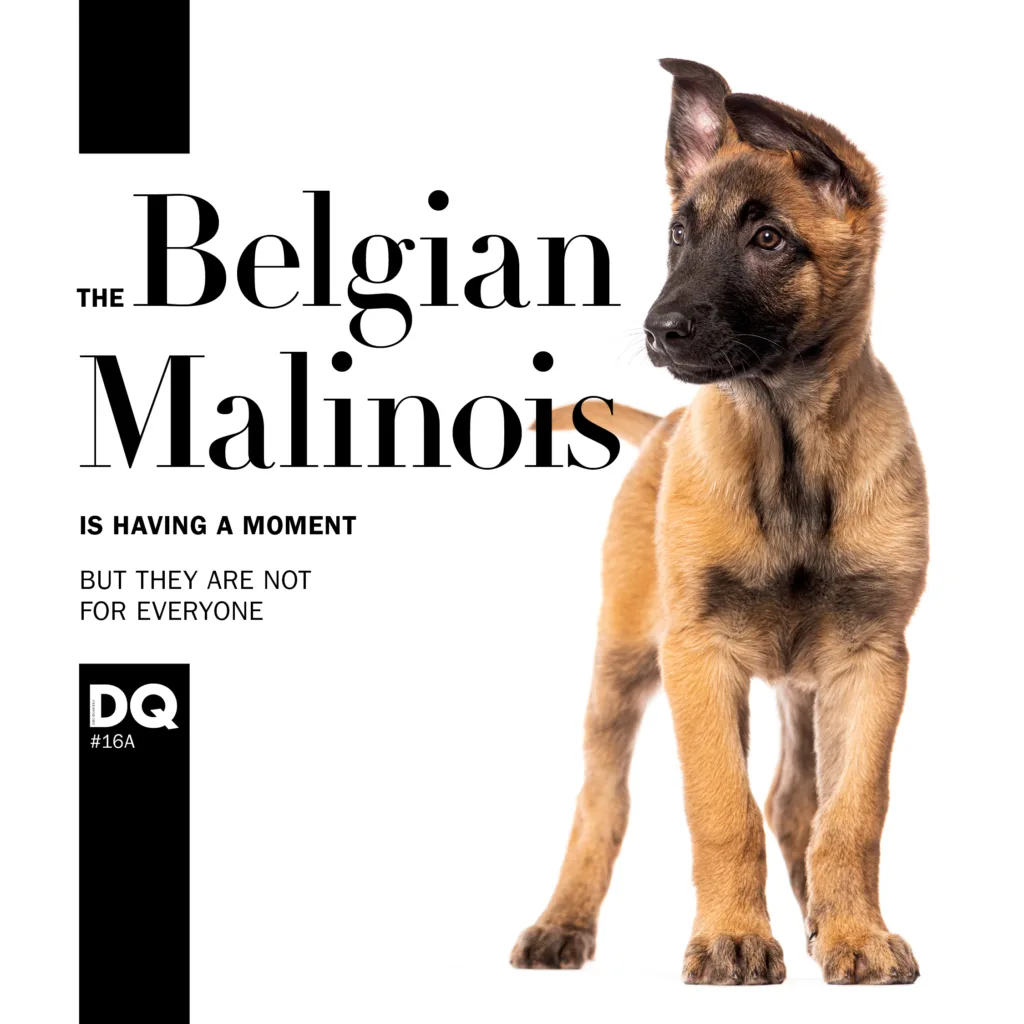
The Belgian Malinois is having a moment. Scroll through social media, and you will see them everywhere – sleek, intense dogs executing flawless protection work, scaling walls, detecting explosives, taking down suspects in police training videos. They look incredible. They look like the ultimate dog. And increasingly, people who have never owned a working breed before are buying Malinois puppies, convinced they are getting a loyal protector and impressive companion.
What many of these new owners discover, often within months, is that they have brought home a canine athlete with the work ethic of an Olympic competitor, the focus of a laser, and energy reserves that make Border Collies look sedate. The Belgian Malinois is an extraordinary breed – but extraordinary does not mean suitable for most households. This is a breed experiencing a surge in popularity at exactly the moment when fewer people than ever have the lifestyle, experience, or commitment to own one responsibly.
This is not a hit piece on the Malinois. This breed deserves immense respect for what it can do, but respect means understanding what the breed actually needs, not what viral videos suggest it needs. If you are considering a Malinois, or if you already own one and are struggling, understanding what you are really dealing with is the first step toward either successful ownership or the honest recognition that this might not be the right breed for your situation.
Understanding the breed
The Belgian Malinois is one of four Belgian herding breeds (alongside the Tervuren, Groenendael, and Laekenois), developed in Belgium in the late 1800s for herding and guarding livestock. Unlike many modern breeds created for companionship or show, Malinois were bred with singular focus: work capacity. Every trait – intelligence, drive, physical capability, responsiveness, intensity – was selected to create a dog that could work all day, think independently when needed, take direction when required, and never, ever quit.
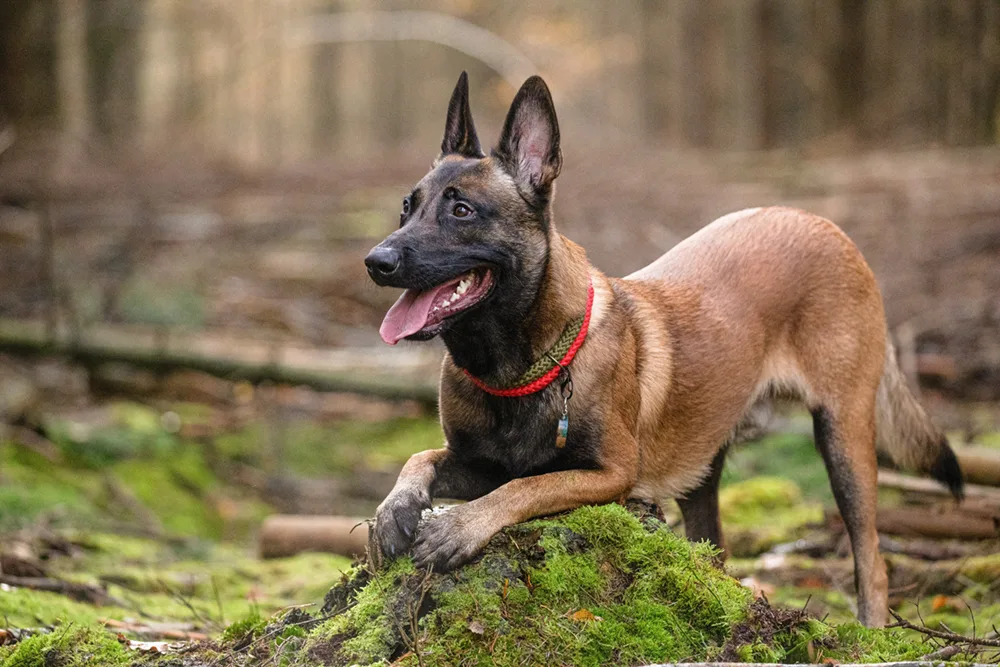
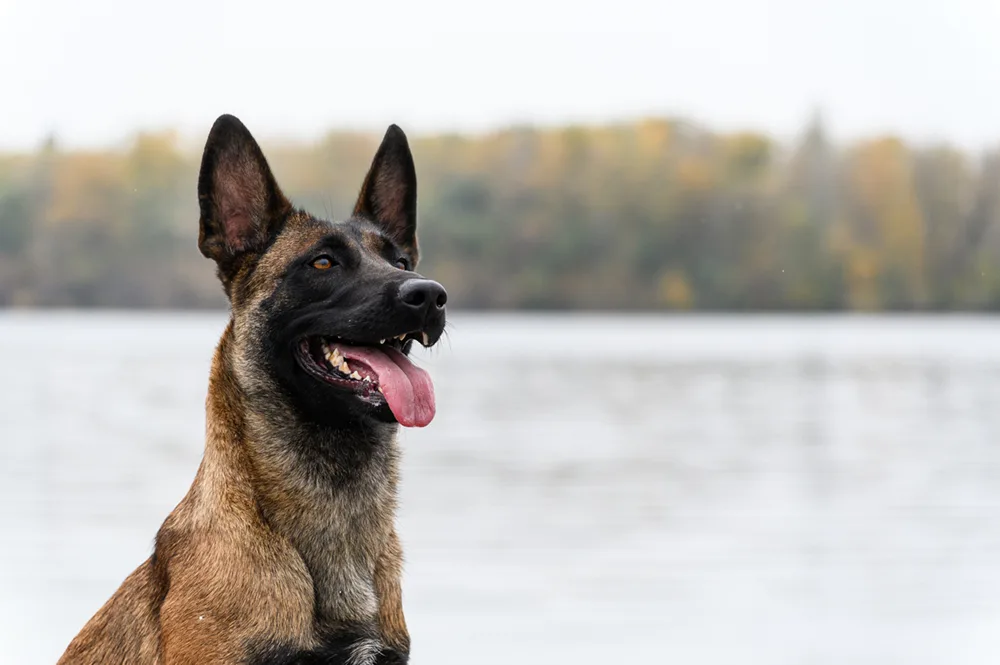
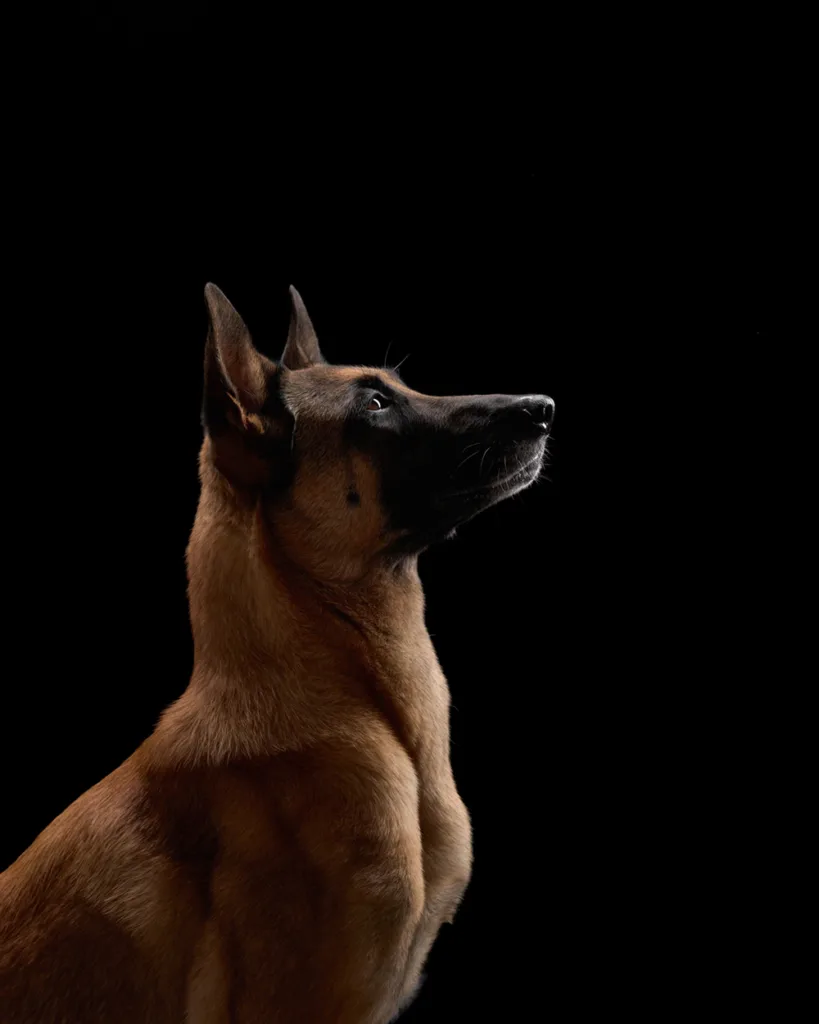
Modern Malinois are medium-sized dogs (20-30kg typically, though working lines can be larger), short-coated, usually fawn to mahogany with a black mask. They are athletic without being bulky, built for endurance and agility rather than power. Their defining characteristic is not physical, though – it is mental. Malinois have extraordinary work drive, meaning an intense, consuming need to have a job and do it obsessively.
This drive manifests differently from other working breeds. A working Labrador is enthusiastic and eager to please. A Border Collie is intense and focused. A Malinois is relentless. They do not work because it makes them happy in the moment – they work because not working creates stress, anxiety, and frustration that finds outlet in ways owners rarely appreciate.
Why they are having a moment
Several factors have converged to make Belgian Malinois suddenly desirable to people who would never have considered them a decade ago.
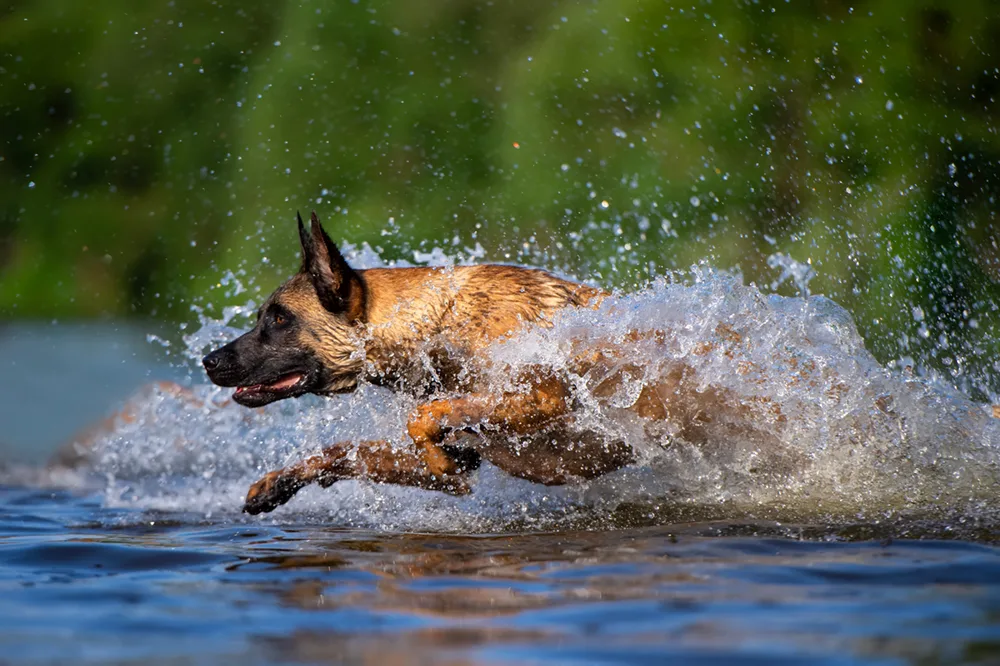
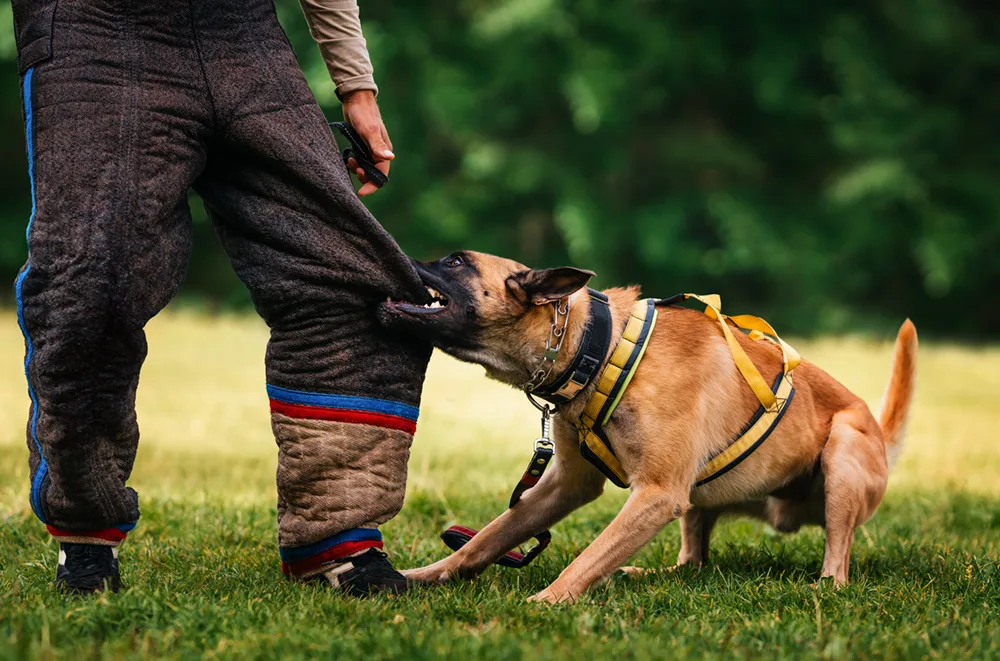
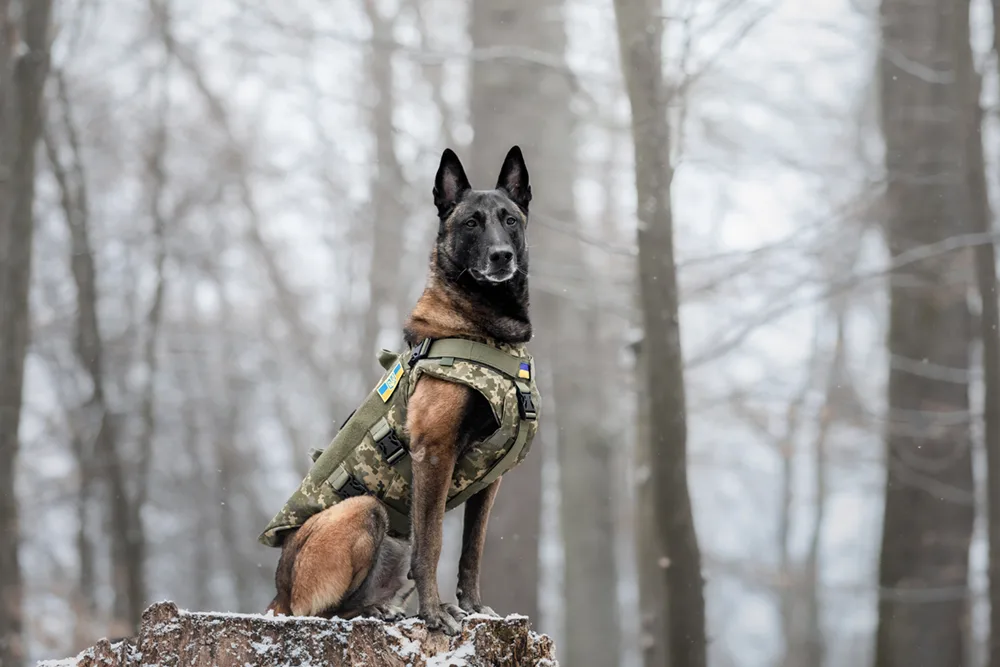
Media visibility: Films featuring military working dogs (often Malinois), police K9 reality shows, and social media accounts showcasing protection sport and bite work have shown how impressive this breed is. These dogs are show scaling walls, apprehending suspects, and detecting explosives with perfect focus. What this visibility does not show is the hours of training daily, the structured lifestyle, the expert handling, and the carefully managed environment these working dogs require.
Perceived protection: In an era of increasing security concerns, particularly in South Africa, many people want a protective dog. The Malinois, frequently seen in protection and police work, seems like the obvious choice. What people miss is that protection training requires expert instruction, liability awareness, and daily reinforcement – and that an untrained or poorly trained Malinois could be dangerous, not protective.
The ‘alpha’ dog fantasy: Some owners are drawn to Malinois because they represent toughness, intensity, and dominance. These owners want a dog that makes them look tough or capable. This is possibly the worst reason to acquire any dog, but particularly a breed that requires nuanced, skilled handling rather than dominance displays.
Breed availability: As demand has increased, so has breeding. Not all of this breeding maintains the working temperament and trainability that make Malinois manageable in the right hands. Some breeders are producing Malinois with health issues, or drive so high that even experienced handlers struggle. Other breeders are deliberately breeding ‘toned down’ Malinois for the pet market, creating dogs that lack the breed’s characteristic biddability and focus.
What Malinois actually need
Understanding what this breed requires is essential before acquisition, and unfortunately, most new Malinois owners dramatically underestimate the commitment.
Mental stimulation (not just physical exercise)
The most common mistake with Malinois is thinking that physical exercise solves everything. New owners often report: ‘I run my Malinois 10km daily, but he is still destructive and anxious.’ This misunderstands the breed. Malinois do need physical exercise, certainly, but they need mental work even more critically.
Mental work means structured training, problem-solving activities, scent work, obedience, trick training, or sport training (protection sport, agility, tracking). It means giving the dog’s mind something complex and engaging to focus on. A Malinois running 10km on a lead learns nothing and solves nothing; he just becomes a very fit dog with no outlet for his mental energy.
Minimum requirements for most Malinois: one to two hours daily of structured training or working activities. This is not ‘take to the park and throw a ball’ but rather focused training sessions teaching complex skills or working through challenging tasks. This is in addition to physical exercise.
Consistent, skilled training from day one
Malinois are extremely intelligent and highly trainable – in the right hands. In inexperienced hands, their intelligence means they learn bad habits as quickly as good ones, their high drive means those habits become entrenched rapidly, and their intensity means correcting problems requires expertise many owners do not have.
This breed needs training that is consistent, fair, clear, and ongoing. There is no ‘train them for six months then you are done’ with Malinois. Training is a lifestyle, not a phase. They need structure, clear rules, and someone who can read their communication and respond appropriately.
Critically, Malinois often do poorly with purely positive training methods in inexperienced hands. This is not because they need harsh corrections – they do not – but because their drive and intensity require someone who can provide clear boundaries, redirect high arousal appropriately, and maintain authority without force. Many first-time Malinois owners find themselves overwhelmed when their purely positive approach creates a dog that makes decisions independently, ignores recall, and becomes increasingly difficult to control.
Socialisation that never stops
Malinois can be aloof with strangers and dog-selective. This is normal and acceptable in the breed, but what is not acceptable is a Malinois that is reactive, aggressive toward all strangers, or cannot be managed in public. Achieving the former while preventing the latter requires extensive, ongoing socialisation.
Early socialisation (8-16 weeks) is critical but insufficient for the long term. Malinois need continued exposure to varied environments, people, animals, and situations throughout their lives. They need to learn that novelty is not threat, that strangers are neutral, and that arousal does not always equal action. Without this ongoing work, many Malinois become increasingly reactive and difficult to manage as they mature.
An owner who can handle intensity
Malinois are intense about everything. When excited, they are extremely excited. When focused, they are laser-focused. When aroused, they are highly aroused. When stressed, they are very stressed. This intensity is what makes them exceptional working dogs. It is also what makes them challenging pets.
Living with a Malinois means living with a dog that is ‘on’ most of the time. They are not dogs that relax easily. They are not dogs that sleep peacefully through lazy Sundays. They are dogs that notice everything, react to everything, and want to engage with everything. Managing this intensity requires calm, confident, consistent handling every single day.
Who should own a Belgian Malinois
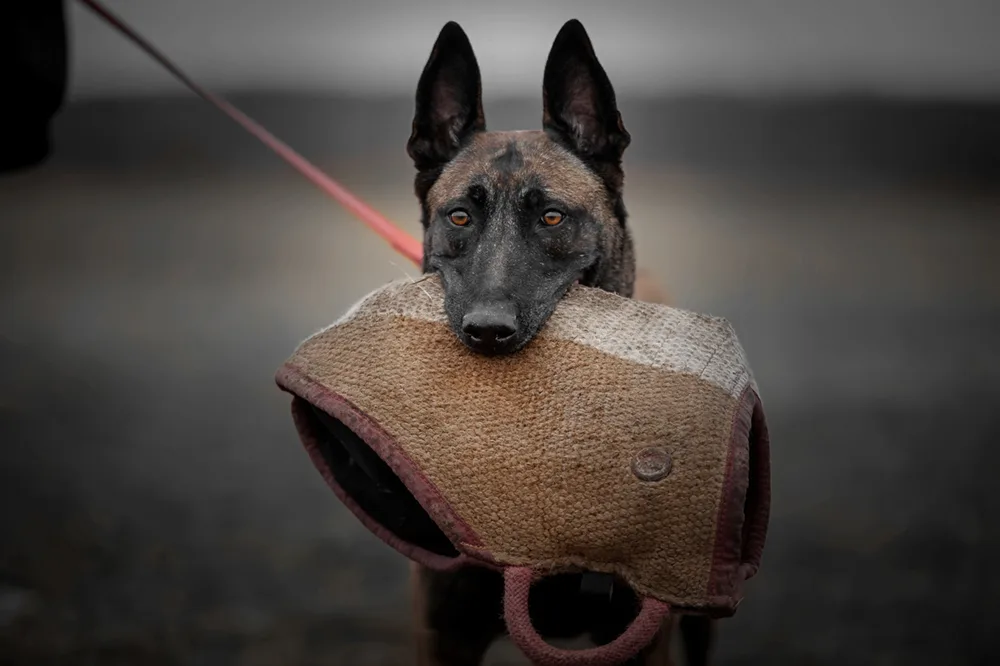
The honest answer is: very few people. This is not elitism – it is recognition of what the breed actually needs for welfare and safety. Suitable Malinois owners typically have most or all of these characteristics:
Experience with high-drive working breeds: Someone who has previously owned and successfully managed German Shepherds, working-line Collies, or other demanding breeds understands what high drive looks like and how to channel it. First-time dog owners or people whose previous dogs were Labradors or Golden Retrievers are usually unprepared for Malinois intensity.
Genuine interest in dog sports or working activities: People who actively participate in protection sport (IPO/Schutzhund, French Ring, Mondio Ring), detection work, agility at competitive levels, or similar activities have both the knowledge and the lifestyle to keep a Malinois fulfilled. Casual interest is insufficient – this breed needs an owner whose hobby or career involves serious dog training.
Time and commitment for daily training: Someone who can dedicate two to three hours daily to structured training and work, plus exercise, grooming, and general care. This is not a ‘fit them into my schedule’ breed – this is a ‘my schedule revolves around my dog’ breed.
Financial resources for professional training: Even experienced owners benefit from professional guidance with Malinois. Training classes, private instruction, and sport club membership are not optional extras for this breed, they are necessities. Budget R3,000-R10,000 monthly for training, activities, and working equipment.
Secure, appropriate living environment: Malinois need secure, high fencing (minimum 1.8m, many can clear 2m), safe containment when unsupervised, and space to work and exercise. Small apartments or properties with inadequate fencing create management problems.
Realistic expectations about protection: If you want a Malinois specifically for protection, you need professional protection training. Protection training is expensive (often R30,000+ for basic foundation), requires ongoing maintenance, and involves legal and ethical responsibilities most owners are unprepared for.
Who should not own a Belgian Malinois
Just as important as understanding suitable owners is recognising unsuitable situations. You should not acquire a Malinois if:
You want a protective dog but lack training experience: Protection without control is danger, not safety. An untrained Malinois that ‘protects’ you is actually a dog making independent decisions about when to use aggression – and you cannot control or predict those decisions.
You are attracted to the breed’s ‘tough’ image: If you want a Malinois because they look intimidating, make you feel powerful, or impress others, you are acquiring a dog for your ego, not for appropriate reasons. This almost always ends badly.
You work full-time and cannot provide adequate time: A Malinois left alone 8-10 hours daily with minimal training will develop serious behavioural problems. This is not a breed that tolerates benign neglect.
You have young children and no working breed experience: Malinois and young children can coexist successfully, but this requires experienced management. Many Malinois are too high-energy, too mouthy, and too intense for households with small children unless the owner has significant experience managing this combination.
You want a dog that adapts to your lifestyle: Malinois do not adapt – you adapt to them. If you want a dog that fits into your existing lifestyle without major changes, choose a different breed.
Your living situation is unstable: Moving frequently, uncertain housing, and financial instability – all create problems for high-maintenance breeds. Malinois need consistency and resources. Unstable situations often end in surrender.
The reality of Malinois rescue and rehoming
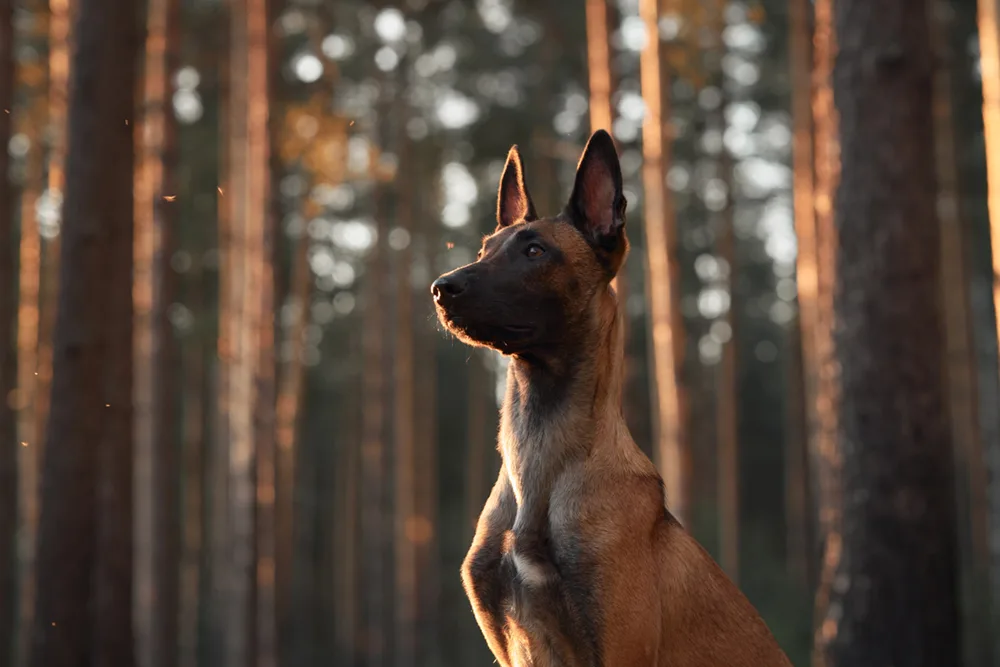
The surge in Malinois popularity has created a corresponding surge in Malinois surrenders. Rescue organisations report that Malinois surrenders are increasing dramatically, often with dogs under two years old. Common surrender reasons include:
‘Too energetic’ – meaning the owner did not understand the breed’s exercise and mental stimulation needs. ‘Destructive’ – often meaning under-stimulated dogs finding inappropriate outlets. ‘Aggressive’ – sometimes meaning genuine aggression, more often meaning a dog with insufficient training and socialisation. ‘Too much to handle’ – the most honest reason, acknowledging the owner is overwhelmed.
These surrendered Malinois face difficult prospects. Many have developed behavioural issues from inadequate management. Many have poor training foundation. Some have learned that aggression works to control situations. Rehabilitating and rehoming these dogs requires experienced rescue organisations and even more experienced adopters. Many Malinois stay in rescue for months or years. Some are euthanised because they are too damaged to safely rehome.
This situation is entirely preventable – through responsible breeding that screens buyers carefully, through honest education about the breed’s needs, and through potential owners making informed decisions rather than impulsive acquisitions based on how impressive the breed looks on Instagram.
Respecting the breed means honest assessment
The Belgian Malinois is an extraordinary breed. In appropriate situations with knowledgeable owners, they are loyal, trainable, capable, and impressive partners. They excel at every task they are bred for and many they are not. Their work ethic and intelligence are unmatched. This is a breed deserving of admiration.
But admiration from a distance is very different from suitable ownership. The vast majority of people attracted to Malinois right now should not own one. This is not judgment – it is recognition that this breed’s needs are specific, demanding, and non-negotiable. A Malinois in an inappropriate home is miserable. The owner is miserable. Often the dog ends up surrendered, creating trauma for the dog and burden for rescue organisations.
If you are considering a Malinois, be brutally honest about your situation. Can you genuinely provide two to three hours of structured work daily? Do you have working breed experience? Are you prepared to make your schedule revolve around your dog? Do you want to participate seriously in dog sports or working activities? Can you afford professional training? Do you have appropriate facilities? If the answer to any of these is no, consider different breeds. There are many wonderful, capable, trainable breeds that do not require the extreme commitment of a Malinois.
If you already own a Malinois and are struggling, seek professional help immediately. A qualified trainer or behaviourist experienced with the breed can assess your situation and provide guidance. Sometimes this guidance is ‘here is how to make this work.’ Sometimes it is ‘this is not working and rehoming is the kindest option.’ Both outcomes are valid. What is not valid is keeping a dog you cannot manage appropriately, creating suffering for the dog (and yourself!) and risk for others.
The Belgian Malinois deserves better than being the latest trend. They deserve owners who chose them for the right reasons, prepared appropriately, and committed fully. They deserve to work, to train, to use their extraordinary capabilities. They deserve respect – and respect means understanding that for most people, admiring this breed is enough. Ownership is a different question entirely.
The Belgian Malinois at a glance
Origin: Belgium, developed late 1800s for herding and farm work.
Size: Medium (20-30kg typically)
Coat: Short, fawn to mahogany with black mask.
Lifespan: 10-14 years
Exercise needs: Very high – minimum two hours daily structured work plus exercise.
Trainability: Extremely high with skilled handling.
Common roles: Police K9, military working dogs, detection, protection sport, search and rescue.
Suitable for: Experienced working dog owners, sport competitors, working dog handlers.
Not suitable for: First-time owners, families wanting a pet, people working full-time, those wanting low-maintenance dogs.