What you need to know
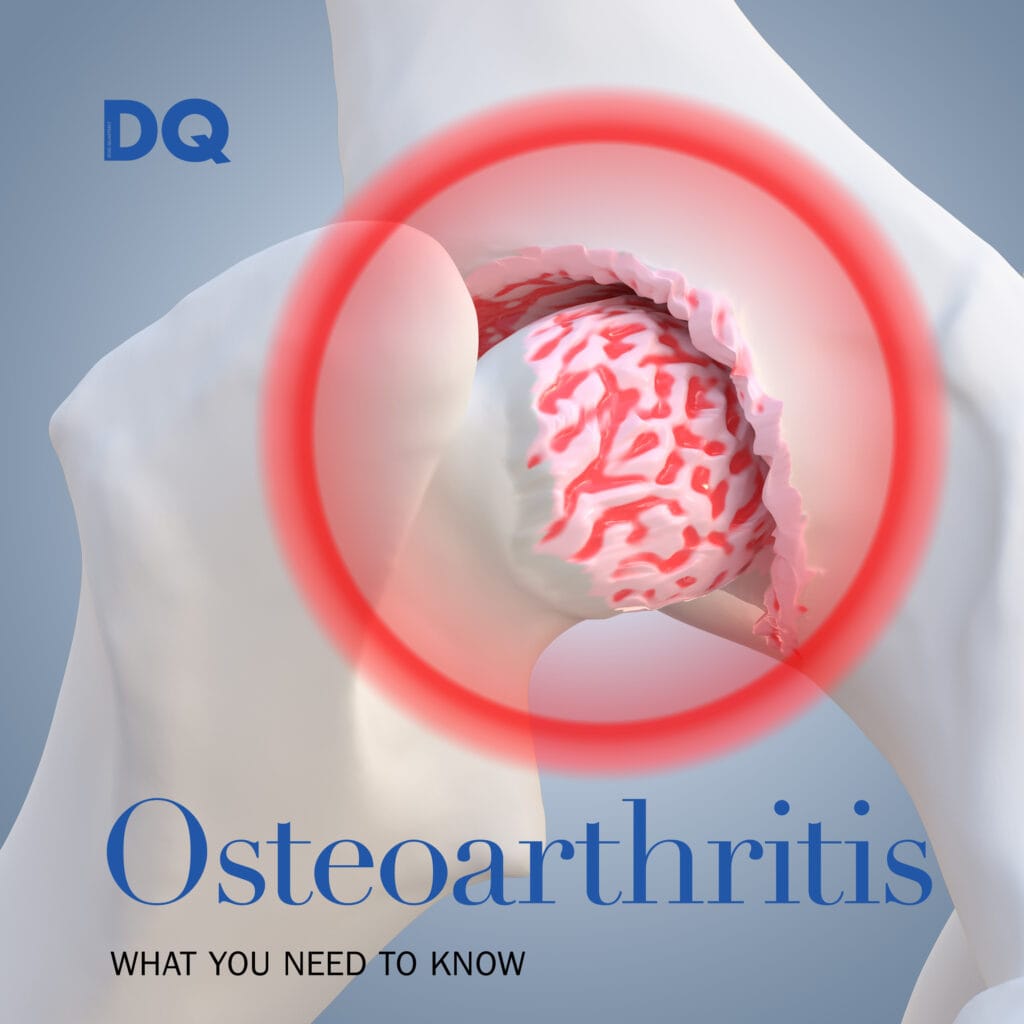
Osteoarthritis (OA) is a complex, multifactorial condition involving inflammation and degeneration of one or more of your dog’s joints. Dogs with OA experience pain and inflammation in various joints, which interfere with their daily life and activities.
Diagnosis
OA is diagnosed by your vet through a thorough physical examination, palpation (feeling with the fingers to localise pain and determine its intensity), and additional diagnostics, including radiographs (X-rays) or other imaging technologies.
Causes
There is no single cause of OA. There are many factors involved, including:
- Body conformation (how a dog is built)
- Body condition/weight (being overweight or obese is highly correlated with OA)
- Abnormal joint development (such as in the case of hip dysplasia, elbow dysplasia, luxating patellas, etc.)
- Activity history (very active or very inactive dogs are more prone to OA)
- Injury history (e.g., past fracture, ligament damage, muscle injury, joint infection)
- Orthopaedic surgery
- Nutritional history
Most dogs with OA experience a combination of these factors as their OA develops and progresses. We now know that just ‘getting old’ is NOT a cause of OA.

Did you know?
While any dog can develop osteoarthritis, certain breeds are more at risk due to genetics or conformation:
- Labrador Retrievers
- Golden Retrievers
- German Shepherds
- Rottweilers
- Bulldogs
- Dachshunds (due to spinal issues)
If your dog belongs to one of these breeds, early joint care and regular monitoring are especially important.

Signs and symptoms
Dogs can exhibit various signs when they have OA, and they do not necessarily display all the same signs at all times. This means that OA often goes unnoticed for some time before a diagnosis is made. Here’s a list of some of the symptoms that might suggest your dog is suffering from OA:
Mobility and movement changes:
- Stiffness, especially after rest or in cold weather
- Limping or lameness (may be intermittent at first)
- Slower walking pace or reduced stamina on walks
- Reluctance or difficulty getting up from lying down
- Difficulty jumping into cars, onto furniture, or climbing stairs
- Awkward or altered gait (e.g., bunny-hopping or dragging limbs)
- Decreased range of motion in joints
- Hesitation during activities they previously enjoyed
Signs of pain:
- Flinching or reacting when certain joints are touched
- Whining, whimpering, or yelping during movement
- Muscle atrophy (especially around the hips or shoulders)
- Licking, chewing, or biting at joints or limbs
- Restlessness or difficulty settling down, especially at night
- Avoiding certain positions or lying on one side only
Behavioural signs:
- Irritability or aggression when handled
- Withdrawn or less interactive with people and other pets
- Decreased enthusiasm for walks, play, or toys
- Increased time spent sleeping or lying down
- General signs of depression or anxiety
Physical signs:
- Arched back or abnormal posture
- Noticeable joint swelling or thickening
- Audible joint clicking or popping when moving
- Weight shifting to avoid using a painful leg (e.g., holding up a paw)
Indirect/secondary signs:
- Loss of appetite (due to pain or stress)
- Weight gain (from reduced activity)
- Overgrown nails (due to inactivity)
- Changes in toilet habits (difficulty squatting or posture changes)

Treatment
Unfortunately, there is no ‘magic bullet’ for treating OA. Once OA is established, it is less a case of treating the disease than managing it because OA is not a disease that can be cured. OA is a complex disease process, so managing it is complex because we achieve the best results by combining multiple modalities. Typical multimodal management of arthritis generally includes the following:
- Nutrition
- Normalising body condition is critical, so your vet may prescribe a specific diet to accomplish this goal. There is now a nutrient profile that can support the joints while helping to normalise body weight and condition. It is important to stick strictly to the prescribed nutritional programme.
- Pain medications
- Non-steroidal anti-inflammatory drugs (NSAIDs) are generally used as the first line of defence against the pain of OA. Common drugs in this category are meloxicam. carprofen, deracoxib, grapiprant, robenacoxib and firocoxib. Your vet will decide if your dog is a suitable candidate for this class of medication.
- Rarely, a corticosteroid anti-inflammatory drug will be prescribed instead of an NSAID. The two classes of medication cannot be used together.
- Gabapentin is a pain medication that addresses chronic pain differently from NSAIDs or corticosteroids and complements those medications. It provides a way to address the chronic nature of OA pain and is especially helpful when the patient is older and unable to take an NSAID.
- Other less commonly used drugs include tramadol, amantadine, and acetaminophen, but they are less effective unless paired with other drugs mentioned above.
IMPORTANT
Never use your own medication for your dog when he limps or has been diagnosed with OA.

Nutraceuticals
A nutritional supplement with medicinal effects is called a ‘nutraceutical’. There are numerous products on the market, many of which are labelled for use with joint disease. Some commonly used products include glucosamine, chondroitin, omega-3 fatty acids, and polysulfated glycosaminoglycans. Consult your vet about the scientific evidence supporting the prescribed nutraceuticals before investing in supplements that have not been proven to be effective.
Here’s a breakdown of evidence-based nutraceuticals that have shown clinical benefit in managing canine OA:
Glucosamine and Chondroitin Sulphate:
- What they do: Support cartilage repair and inhibit enzymes that break down cartilage.
- Evidence: Mixed but generally positive, especially when used long-term. Some studies show reduced pain and improved mobility.
- Best used: In early stages of OA and as part of a multi-modal approach.
- Form: Often combined in joint supplements.
Omega-3 Fatty Acids (EPA and DHA from Fish Oil):
- What they do: Potent anti-inflammatories that reduce joint inflammation and pain.
- Evidence: Strong. Multiple studies have demonstrated improvements in weight-bearing and reduced NSAID use in dogs with OA.
- Best used: For long-term management of moderate to severe OA.
- Form: Fish oil capsules or veterinary therapeutic diets enriched with omega-3s.
Green-Lipped Mussel (GLM):
- What it does: Provides omega-3s, glycosaminoglycans, and antioxidants.
- Evidence: Several studies have shown improvement in joint pain and function in dogs with OA.
- Best used: As a natural anti-inflammatory alongside other treatments.
- Form: Powder or capsules.
Undenatured Type II Collagen (UC-II):
- What it does: Helps regulate the immune response to joint cartilage, potentially reducing inflammation and pain.
- Evidence: Promising. Some studies have shown UC-II to be as effective, or even more effective, than glucosamine/chondroitin in improving mobility.
- Best used: For long-term, consistent use in dogs with chronic OA.
Avocado/Soybean Unsaponifiables (ASUs):
- What they do: Inhibit cartilage breakdown and promote repair.
- Evidence: Studies suggest ASUs can reduce cartilage degradation and inflammation when used with glucosamine and chondroitin.
- Form: Often included in high-quality joint supplements.
CBD Oil (Cannabidiol):
- What it does: May reduce pain and inflammation.
- Evidence: Still emerging, but early research is encouraging. A 2018 Cornell study demonstrated improved comfort and mobility in dogs with OA.
- Important note: Use only veterinary-formulated CBD with known concentrations and no THC.
Other nutraceuticals with limited or emerging evidence:
- MSM (Methylsulfonylmethane): Anti-inflammatory; often included in joint formulas.
- Hyaluronic Acid: Aids joint lubrication, more commonly used in injectable form.
- Turmeric (Curcumin): Natural anti-inflammatory, but bioavailability is a concern unless well-formulated.
Tips on nutraceutical use for dog owners
- Consistency is key: These supplements work best when given daily over several weeks or months.
- Choose products with research or veterinary backing. Look for:
- Clinical studies supporting efficacy
- Veterinary-formulated brands
- AND discuss the options with your vet
- Don’t DIY dose: Always ask your vet for the correct dosage and safe combinations.
Physical rehabilitation

Physical rehabilitation is a discipline that translates physical therapy techniques from human medicine for application in animal patients. These techniques include (but are not limited to) therapeutic laser, therapeutic exercise, joint mobilisation, and hydrotherapy using an underwater treadmill. Your vet can refer you to a rehabilitation specialist. There are lots available in South Africa.
Other modalities

Medical acupuncture can provide excellent pain relief for many dogs with OA. Likewise, other physical medicine disciplines, such as chiropractic and medical massage, may also be helpful.
Surgery
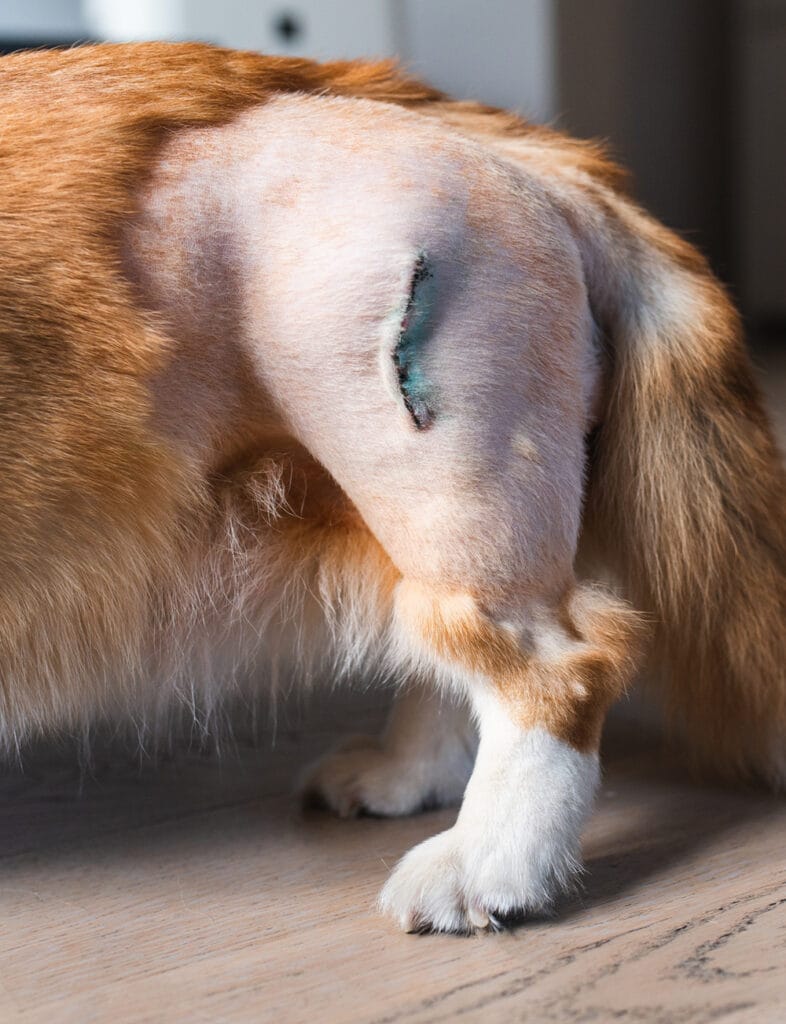
For the most extreme of cases, some surgical procedures can alleviate the pain associated with OA. Total hip replacements and femoral head/neck ostectomy (FHO) can be done with good results, as well as some joint arthrodesis (fusion) procedures. In a minimal number of select patients, elbow or knee replacements may be considered.
What else can I do?
There are simple things that any dog owner can provide to a dog with OA that can help with comfort and mobility. These include:
- Soft, padded bedding
- Raised food and water dishes (elbow height)
- Non-slip floor surfaces (put down rugs)
- A ramp/step for entering and exiting a vehicle or getting on and off furniture
- Adhering to prescribed feeding and medication recommendations

Prognosis
With proper management, dogs with OA can live a normal life expectancy. It is important to remember that their activity and play may have to be adjusted to accommodate their changing bodies. Your vet can provide specific guidance tailored to your dog.
Can canine OA be prevented?
Allowing a dog to grow slowly as a puppy and maintaining a lean body condition throughout growth into adulthood is the most effective way to prevent OA, and delaying spay and neuter procedures until dogs have reached full maturity (dependent on the breed) can help reduce the development of bone abnormalities.
However, it is essential to recognise that growth abnormalities and, of course, injuries cannot always be predicted, so even our best efforts may not be sufficient to prevent OA in a dog.
Ultimately, though, with slow growth, good nutrition, optimal body condition, and regular exercise, the odds of preventing or at least delaying OA are excellent. Your vet will work closely with you to develop the best plan for your dog.
Final thoughts
Our dogs are our best friends, and the thought of them suffering in pain is distressing. Many dogs show only subtle signs and symptoms, especially in the early stages of OA, so if you suspect your dog may be experiencing pain secondary to OA, contact your vet as a priority.