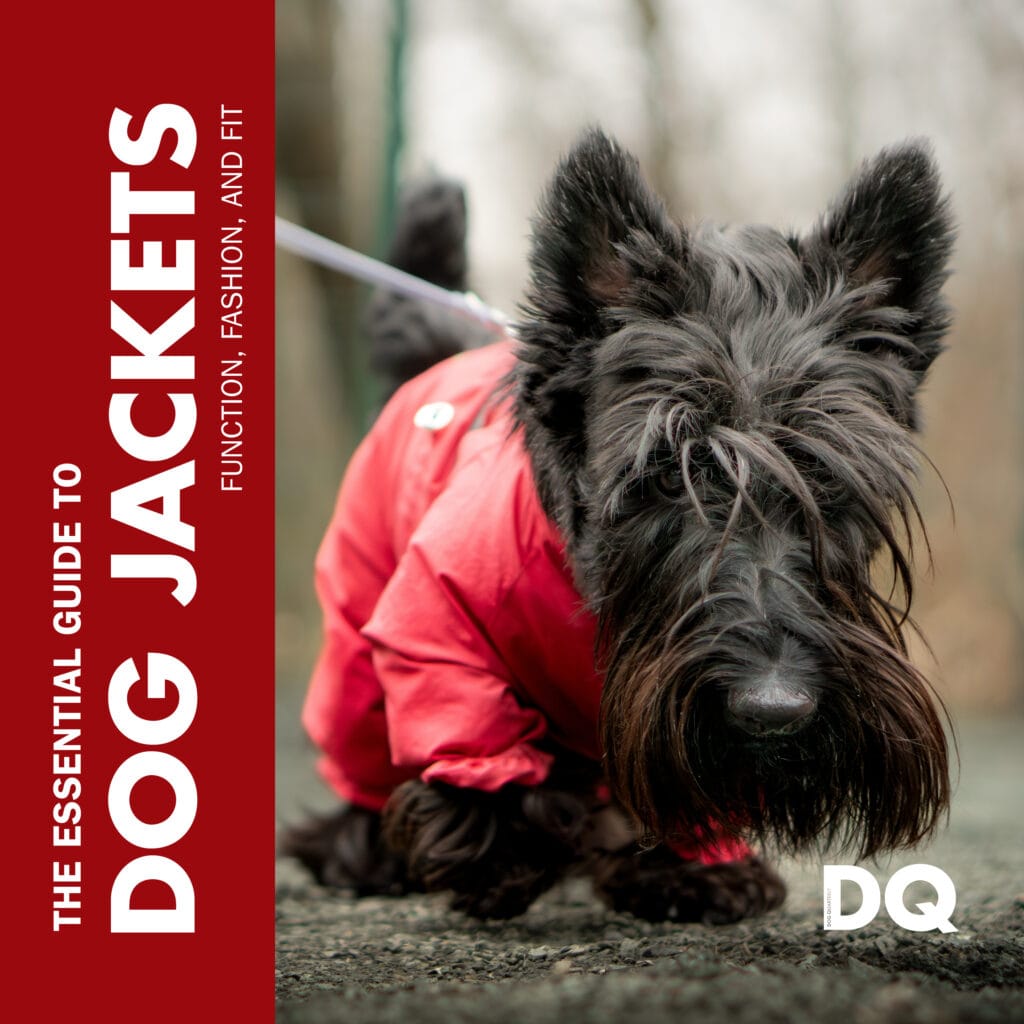
Function, fashion, and fit
As the weather cools down across South Africa, we thought it was time to explore the world of dog jackets. It’s important to remember that dog jackets are more than just a fashion statement—they’re a functional necessity for many breeds, especially in colder weather conditions. Whether your dog is battling the cold, rain, or wind, a well-chosen jacket can make his outdoor experiences more comfortable and enjoyable. This article explores the importance of dog jackets, their different types, and how to choose the right one for your furry friend.
Fast fact
Hairless dogs, including American Hairless Terriers, Xoloitzcuintlis and Chinese Cresteds, can all struggle to regulate their temperatures in cold weather. These hairless breeds need to wear a jacket when going outside in cold weather.
Why do dogs need jackets?
Not all dogs are built for all weather conditions. While some breeds have thick, insulating fur that protects them against the cold, others, particularly those with short or thin coats, smaller breeds, older dogs, puppies, and dogs with health issues, may require extra protection from the cold or damp conditions. Here are the primary reasons dog jackets are needed:
- Warmth: Dogs with thin coats or low body fat, such as Greyhounds or Whippets, can benefit significantly from an extra layer of insulation against the cold. Similarly, old and young dogs, as well as those suffering from health conditions, who may struggle to stay warm, can benefit from an extra layer. Small dogs also benefit from a jacket, as their surface area-to-body weight ratio means they struggle to maintain their body temperature in cold weather.
- Weather protection: For dogs that need to go out regardless of weather conditions, a jacket can protect against rain, snow, and wind.
- Safety: Many dog jackets have reflective features that enhance a dog’s visibility during early morning or late evening walks.
- Comfort: A jacket can make the experience of going outside more pleasant for a dog, encouraging them to exercise even when the weather isn’t ideal.

Note
Dogs with clipped coats, such as Poodles, lack the natural insulation that a full coat provides. These dogs can quickly become cold in lower temperatures, so they are likely to need coats.
Types of dog jackets
Dog jackets come in various styles and materials, each suited to different needs and environments:
- Lightweight jackets: For dogs who get cold easily, a lightweight jacket can be helpful when the weather starts to cool. These light jackets can help keep dogs comfortable and allow them to enjoy being outside in chilly weather without overheating.
- Insulated jackets: These are designed to keep dogs warm in cold weather. They often have a filling similar to human winter jackets and are ideal for snowy and icy conditions.
- Rain jackets: Even dogs who don’t get cold easily can benefit from wearing rain jackets in wet weather. Made from waterproof or water-resistant materials, rain jackets help keep your dog dry during rainy walks.
- Snowsuits and bodysuits: Dogs can get the most overall protection from cold weather in a snowsuit or bodysuit. These jackets cover your dog’s entire body, including the legs. These suits are especially useful for lean-bodied or hairless dogs with longer legs, who are susceptible to cold weather.
- Cooling jackets: In hot weather, cooling jackets can help keep dogs comfortable. These are typically made from special fabrics that require soaking in water before use. As the water evaporates, it provides a cooling effect.
- Reflective or safety jackets: These jackets are made with reflective material that shines brightly under lights, making them ideal for nighttime safety.

Did you know?
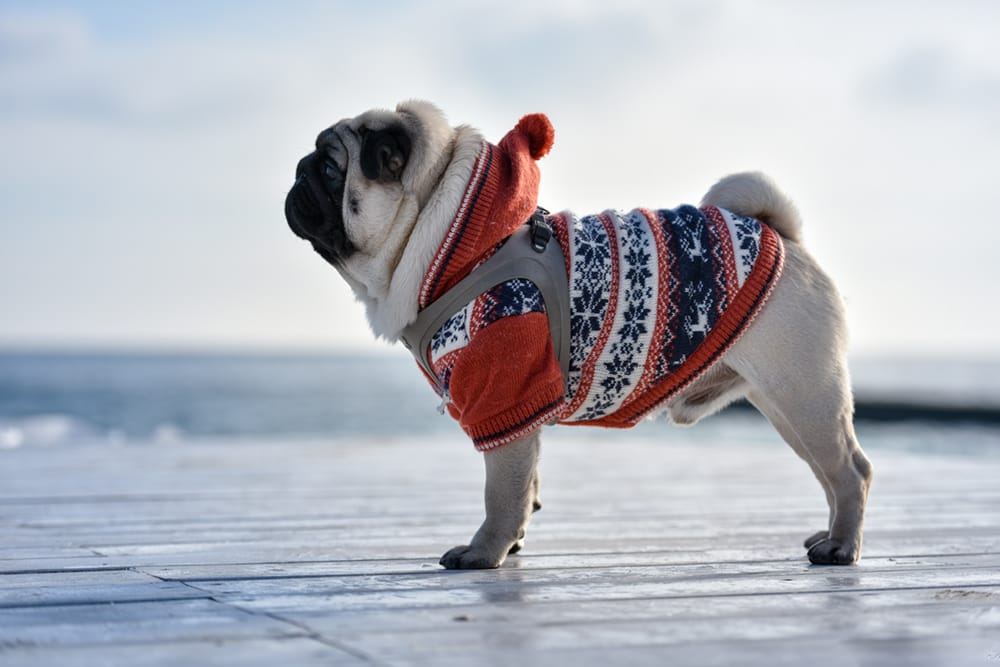
Some jackets come with a built-in hole for the lead attachment to pass through on the back. This feature makes it easy to put your dog’s jacket on over the harness if they wear a back-clip harness for walks.
Choosing the right jacket
Selecting the right jacket involves considering several factors to ensure comfort, ease of movement, and the correct level of protection:
- Size and fit: Measure your dog’s length, neck, and chest circumference to ensure a proper fit. A well-fitting jacket should be snug but not tight, allowing a full range of motion. Many manufacturers provide sizing charts.
- Material: Choose a material suited to your dog’s needs—insulated materials for cold weather, breathable fabrics for mild weather, and waterproof materials for rain.
- Ease of use: Look for jackets that are easy to put on and take off. Jackets with Velcro, clips, poppers or zippers are generally easier to handle, especially if your dog is not used to wearing ‘clothes’.
- Sanitary: Look for jackets with sanitary cut-outs that reduce mess and allow your dog to relieve themselves comfortably while wearing the jacket.
- Durability: Opt for jackets that are well-made and durable, especially if your dog is active and spends a lot of time outdoors.
- Washability: Since dog jackets are likely to get dirty, choosing one that is machine washable is a practical option.
Did you know?
Loose jackets can pose a potential hazard for dogs, as they may get caught, leading to accidents.
Introducing your dog to the jacket
Before expecting your dog to be comfortable going outside and playing in a jacket, it’s essential to properly introduce the jacket to your dog, rather than simply putting it on and expecting them to accept it. By introducing the jacket in advance and making it a positive experience for your dog, you’ll ensure that your dog is comfortable wearing their coat.

Did you know?
Osteoarthritis symptoms tend to worsen in cold weather, so dogs suffering from osteoarthritis often benefit from wearing a jacket, as it reduces the impact of the cold on their joints.
When not to opt for a jacket
While dog jackets can be beneficial for keeping your furry friend warm and protected in cold or wet weather, there are certain situations when dogs should not wear jackets. Here’s when it’s advisable to skip the jacket:
- Overheating risk: If the weather is mild or warm, wearing a jacket can cause a dog to overheat, especially for breeds with thick coats that are designed to insulate them naturally. It’s essential to assess the temperature and your dog’s temperature and comfort level, rather than dressing them based on human perceptions of cold.
- Indoors: When inside a heated environment, dogs typically do not need extra layers. Wearing a jacket indoors can lead to overheating and discomfort.
- During high activity: If your dog is engaged in vigorous exercise or play, especially in moderate to warm weather, wearing a jacket may cause them to overheat. Active dogs generate a significant amount of body heat, and a jacket can prevent this heat from dissipating efficiently.
- If the jacket is wet: If a dog’s jacket gets wet from rain and isn’t dried properly before the next use, it can make the dog cold rather than keeping them warm, potentially leading to hypothermia in very cold weather.
- If the dog is uncomfortable: Some dogs simply do not like wearing clothing. If a jacket seems to cause distress, restrict movement, or lead to behaviours like chewing at the jacket or seeming generally anxious, it’s best to reconsider its use. Comfort should always be a priority.
- Poor fit: A jacket that does not fit correctly can chafe, restrict a dog’s movement, or even pose a safety hazard if it’s too loose. Ensure that any jacket fits properly before using it regularly.
- Allergic reactions: Some materials can irritate a dog’s skin. If you notice any signs of irritation, discomfort, or allergies, such as scratching, redness, or hair loss under the jacket, discontinue its use.
- Unattended dogs: If your dog is unsupervised, avoid leaving him in a jacket. Jackets can get caught on objects and result in accidents, so dogs wearing clothing require supervision.
Choosing whether or not to put a jacket on your dog involves considering the specific needs of your dog, the weather conditions, and how your dog reacts to wearing clothing. Always monitor your dog’s behaviour while wearing a jacket and adjust your approach based on their needs and comfort.
Conclusion
Dog jackets are a practical addition to your pet’s wardrobe, providing protection, comfort, and safety in various weather conditions. By considering your dog’s specific needs and ensuring a proper fit, you can make outdoor adventures more enjoyable and comfortable for your pet.