What they mean and when to worry
Skin problems are among the most common reasons for a trip to the vet. Dogs can’t tell us when they’re itchy, sore or in pain—at least not with words. But their skin often does the talking. From scabs and rashes to bumps and bald patches, skin lesions can be a sign of anything from mild allergies to serious underlying health issues.
Here’s what we, as dog parents, need to know about the different types of skin lesions in dogs, what causes them, and how to manage them.
Did you know?
The skin is the largest organ in your dog’s body.
What is a skin lesion?
A skin lesion is any abnormal change to the surface of your dog’s skin. Lesions can look like:
- Red patches or rashes
- Bumps or lumps
- Scabs or sores
- Blisters or pustules
- Ulcers or open wounds
- Crusty, flaky or scaling areas
- Bald spots or thinning hair
- Thickened or discoloured skin
Some lesions are dry and itchy. Others may ooze, bleed or be painful to the touch. Regardless of how small or large they are, it’s essential to identify the cause early and institute the necessary treatment, if any.
Common causes of skin lesions in dogs
Here are some of the most frequent reasons dogs develop skin lesions:
- Parasites
Fleas, ticks, lice and mites can irritate the skin, causing your dog to scratch, lick or bite. This leads to hair loss, scabs, and inflamed skin. Mange mites (e.g., Demodex or Sarcoptes) can cause especially severe lesions.
- Allergies
Dogs can be allergic to food ingredients, pollen, grasses, dust mites or even flea saliva. Allergies often present as itchy, red skin, usually around the face, belly, ears or paws. Chronic scratching can lead to secondary infections and sores.
- Bacterial or fungal infections
Bacterial infections, such as pyoderma, and fungal infections, like ringworm or yeast, can cause crusty or weepy lesions. These are often smelly and may require both topical and oral medication.
- Hot spots

Hot spots (also known as acute moist dermatitis) are red, raw, and often weeping areas that appear suddenly, usually after the dog has licked or chewed at an itchy area. They spread fast and need prompt treatment.
- Blocked hair follicles or glands
Blocked hair follicles or glands can cause sebaceous cysts to form, which typically appear as nodules filled with clear or bluish fluid.
- Trauma or burns
Scrapes, cuts, insect bites or chemical burns can damage the skin. Dogs with thin coats or sensitive skin are more prone to sunburn or contact irritation.
- Hormonal imbalances
Conditions like hypothyroidism or Cushing’s disease can lead to skin thinning, poor coat condition, and recurring infections or sores.
- Autoimmune or immune-mediated conditions
Rare, but serious conditions like pemphigus or lupus can cause severe ulcerative lesions, particularly around the face, nose, and paws.
- Age-related skin changes
Many older dogs develop skin tags, warts, sebaceous cysts, sores, and lipomas due to a variety of factors involved in the ageing process, such as lower mobility, a less active immune system, and poorer dietary absorption.
- Cancer
Skin tumours or growths can sometimes look like benign bumps at first. Any lesion that changes in size, colour, or shape—or bleeds—should be checked.
Did you know?
Dogs with wrinkles, such as Bulldogs or Shar-Peis, are more prone to skin fold infections.
Appearance of skin lesions
- Papules
- Description: Small, red, raised bumps (less than 1cm).
- Common causes:
- Bacterial infections (e.g., superficial pyoderma)
- Flea allergy dermatitis
- Insect bites

- Pustules
- Description: Small bumps filled with pus (like pimples).
- Common causes:
- Staphylococcal bacterial infections
- Puppy impetigo
- Autoimmune skin diseases (e.g., pemphigus foliaceus)
- Macules and patches
- Description: Flat, discoloured areas—macules are small; patches are larger.
- Common causes:
- Allergies
- Bruising or trauma
- Immune-mediated diseases
- Nodules
- Description: Larger, firm lumps in the skin or under the surface.
- Common causes:
- Abscesses
- Tumours (benign or malignant)
- Deep fungal infections
- Vesicles and bullae
- Description: Fluid-filled blisters (vesicles are small, bullae are large).
- Common causes:
- Rare immune-mediated diseases
- Thermal or chemical burns
- Severe allergic reactions
- Ulcers
- Description: Open sores where the skin surface is broken.
- Common causes:
- Self-trauma from scratching or licking
- Pressure sores in immobile dogs
- Autoimmune disease or cancer
- Crusts
- Description: Dried serum, blood or pus forming a scab.
- Common causes:
- Secondary to pustules or ulcers
- Mange or bacterial skin infections
- Ringworm
- Scales
- Description: Flaky, dry skin (dandruff-like).
- Common causes:
- Seborrhoea
- Endocrine disorders (e.g., hypothyroidism)
- Poor nutrition or parasitic infestations
- Alopecia (hair loss)
- Description: Localised or generalised bald patches.
- Common causes:
- Mange, fleas, or ringworm
- Allergies
- Hormonal imbalances or stress

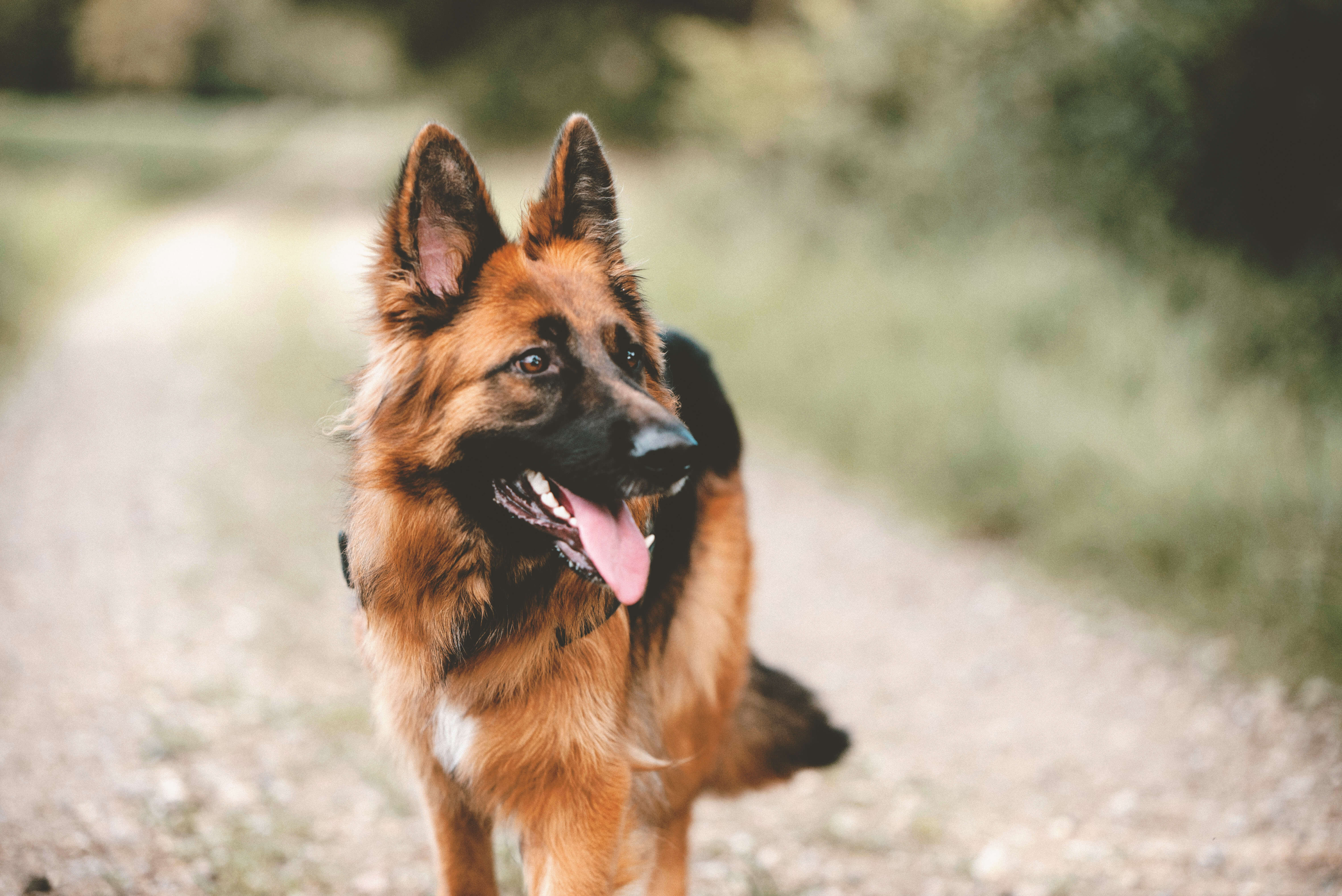
Alopecia on the face of a German Shepherd.
- Lichenification
- Description: Thickened, leathery, darkened skin from chronic inflammation.
- Common causes:
- Chronic scratching or licking
- Long-standing allergies
- Yeast infections
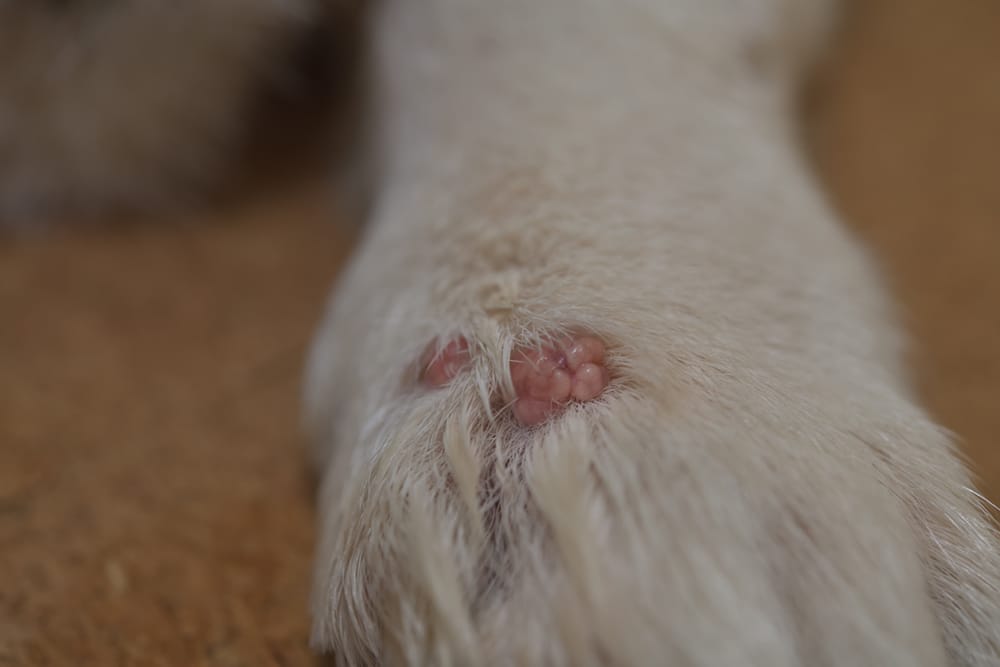
- Tumours or masses
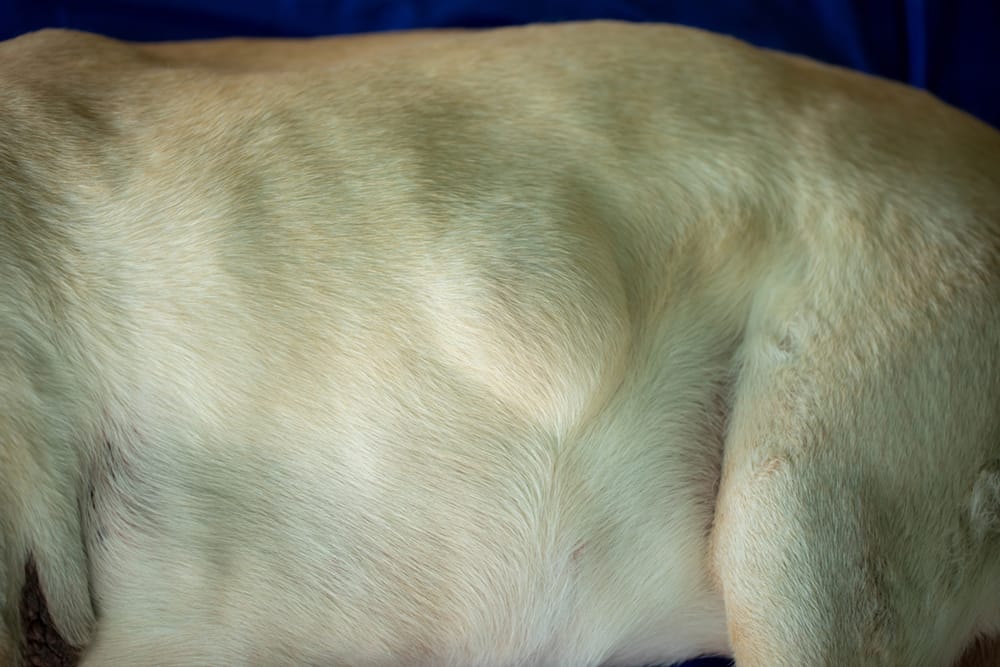
- Description: Solid lumps can be benign or malignant.
- Common causes:
- Lipomas (fatty tumours)
- Mast cell tumours
- Skin cysts or warts
When to see the vet

Any skin lesion should be evaluated by your vet, especially if:
- It’s growing or spreading
- It changes in colour
- It bleeds or becomes ulcerated
- It smells bad or oozes
- Your dog is scratching constantly
- There is pain, heat or swelling in the area
- There’s hair loss around the lesion
- Your dog seems tired, in pain, or has a fever
- The lesions do not heal or keep reoccurring
Prompt diagnosis can prevent further complications and relieve your dog’s discomfort.
Diagnosis and treatment
Your vet may do the following to determine the cause:
- Skin scrapings to check for mites
- Fungal and bacterial cultures
- Cytology (looking at cells under a microscope)
- Blood tests for allergies or systemic disease
- Biopsies or excision biopsies (removing the lesion) for suspicious growths
Treatment depends on the cause. It may include:
- Topical ointments or medicated shampoos
- Antibiotics or antifungals
- Flea and parasite control
- Dietary changes or allergy testing
- Anti-inflammatory or immunosuppressive medications
- Surgical procedures to remove cancerous or troublesome growths
Preventing skin lesions
It is impossible to truly prevent skin lesions, but here are a few things you can try:
- Keep your dog on year-round flea and tick prevention.
- Bathe your dog with gentle, dog-specific shampoos.
- Feed a balanced diet with essential fatty acids.
- Groom regularly to check for lumps, rashes or wounds.
- Address any scratching or licking issues early to prevent them from worsening.
Final thoughts
Skin lesions in dogs are more than just a cosmetic issue—they can be uncomfortable or even a sign of serious illness. If you notice anything unusual on your dog’s skin, don’t wait it out. A quick vet visit could make all the difference in keeping your dog happy, healthy, and itch-free.