Understanding depression in dogs
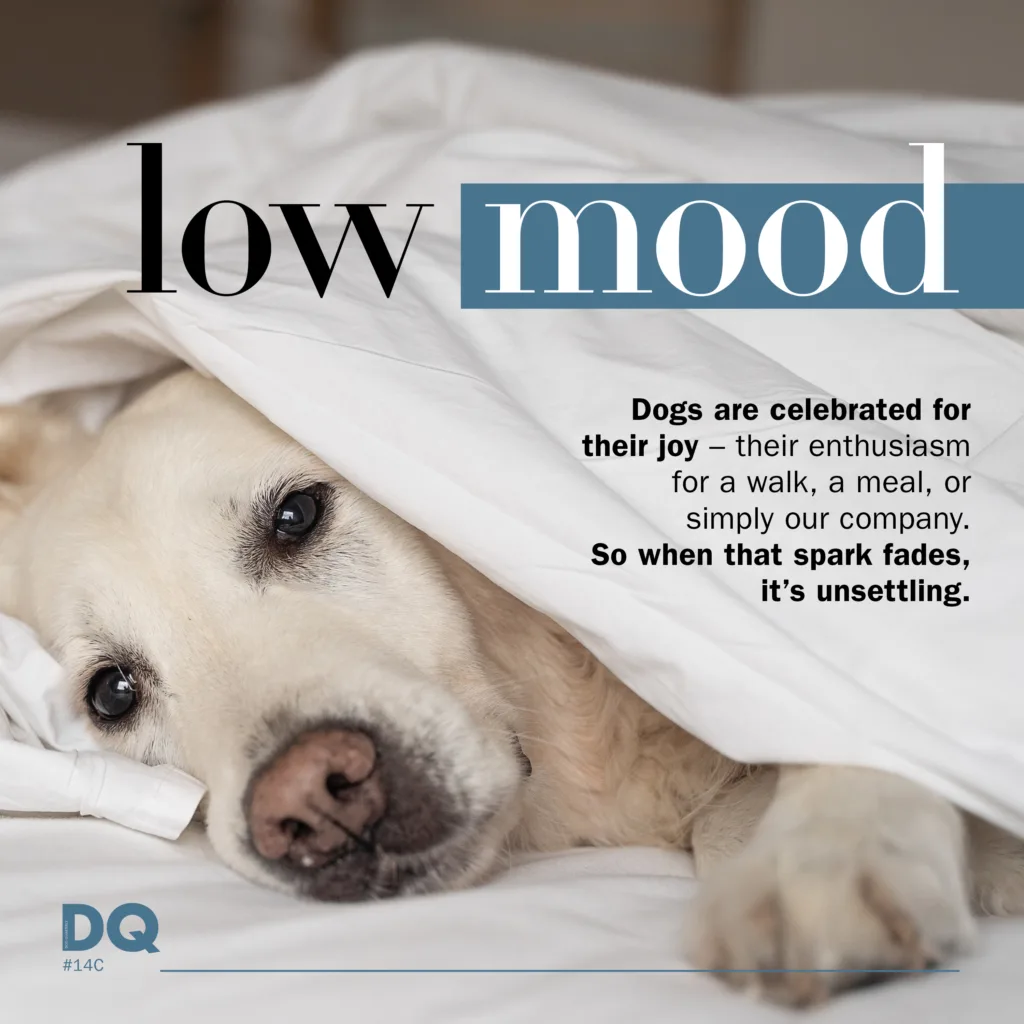
Dogs are celebrated for their joy – their enthusiasm for a walk, a meal, or simply our company. So when that spark fades, it’s unsettling. A dog who once bounced to the door may now stay in bed. A wag that once greeted every human might slow to a half-hearted thump.
Could it be depression? And if so, what does that really mean for a species so emotionally intertwined with our own?
Can dogs truly get depressed?

The short answer is yes – sort of. Dogs don’t experience depression in quite the same complex cognitive way humans do, but they do experience low mood and anhedonia – the loss of interest or pleasure in things they previously enjoyed.
Veterinary behaviourists often describe canine depression as a cluster of symptoms: withdrawal, reduced play, changes in appetite or sleep, and altered social behaviour. These changes reflect shifts in the brain’s neurochemistry – particularly involving serotonin, dopamine, and cortisol, the same chemicals linked to human mood disorders.
In other words, while your dog may not be pondering existential questions, their emotional state can still fall into imbalance.
What causes it?
Canine depression usually develops secondary to life changes, chronic stress, or illness. The most common triggers include:
- Loss or separation – the death of a companion (human or animal) or prolonged absence.
- Change in environment – moving house, routine disruption, or a new baby or pet.
- Owner stress – dogs mirror our emotions; high household tension can affect their behaviour and cortisol levels.
- Illness or pain – physical discomfort often presents as emotional withdrawal.
- Boredom and under-stimulation – long periods of inactivity can deplete the dopamine system that drives motivation and joy.
What it looks like

The signs of depression are subtle at first. You might notice:
- A quieter or less social dog.
- Less enthusiasm for play or walks.
- Sleeping more than usual.
- Loss of appetite or slow eating.
- Changes in posture – head low, tail down, little movement.
- Increased clinginess or detachment.
- Reduced curiosity about surroundings.
Some dogs also regress in training, while others may start to lick or chew themselves obsessively. These can overlap with signs of pain or other health conditions, so a veterinary exam is always the first step before assuming emotional causes.
Diagnosis and the body-mind connection
Because dogs can’t describe their feelings, diagnosing depression is a process of exclusion and observation.
Veterinarians first rule out conditions like thyroid disease, arthritis, digestive pain or neurological issues. If physical causes are cleared, a behavioural history helps identify emotional triggers. This will include when the changes began, what life events occurred, and how the dog’s relationships or environment have shifted.
Research also shows that chronic stress changes the body itself. Prolonged high cortisol levels can dull the immune system, alter gut bacteria, and impair serotonin production, reinforcing a cycle of lethargy and low mood.

How to help a low-mood dog
- Restore routine
Dogs find safety in predictability. Mealtimes, walks, and sleep schedules should remain stable, even if enthusiasm is low. - Encourage gentle engagement
Don’t overwhelm your dog with activity, but offer opportunities for success – short sniffing walks, puzzle feeders, soft social contact. These small wins reignite dopamine release. - Increase social contact
If your dog has lost a companion, try short, positive interactions with other friendly dogs or new environments that aren’t overstimulating. - Mirror calm
Dogs are emotional barometers. Speaking softly, keeping routines steady and managing your own stress help your dog’s system rebalance. - Consider professional help
For prolonged or severe depression, a veterinary behaviourist may suggest targeted behaviour modification, pheromone therapy, or, in some cases, medication to stabilise serotonin and restore engagement.
When the light returns
Recovery is usually gradual and occurs as a reawakening rather than like a switch being flicked. The first signs of improvement might be a brighter eye, a renewed interest in food, or a tentative tail wag.
For many dogs, depression is temporary once underlying issues are addressed. But for those with chronic pain, loss or trauma, it may require ongoing management and patience.
The key is recognition. Depression isn’t defiance or laziness; it’s communication. And when we notice, adjust, and support, most dogs find their way back to joy.

Final thoughts
Depression in dogs isn’t an abstract concept. It’s a physiological, emotional and social reality for lots of dogs. Caring for their mental health isn’t indulgent; it’s part of good welfare.