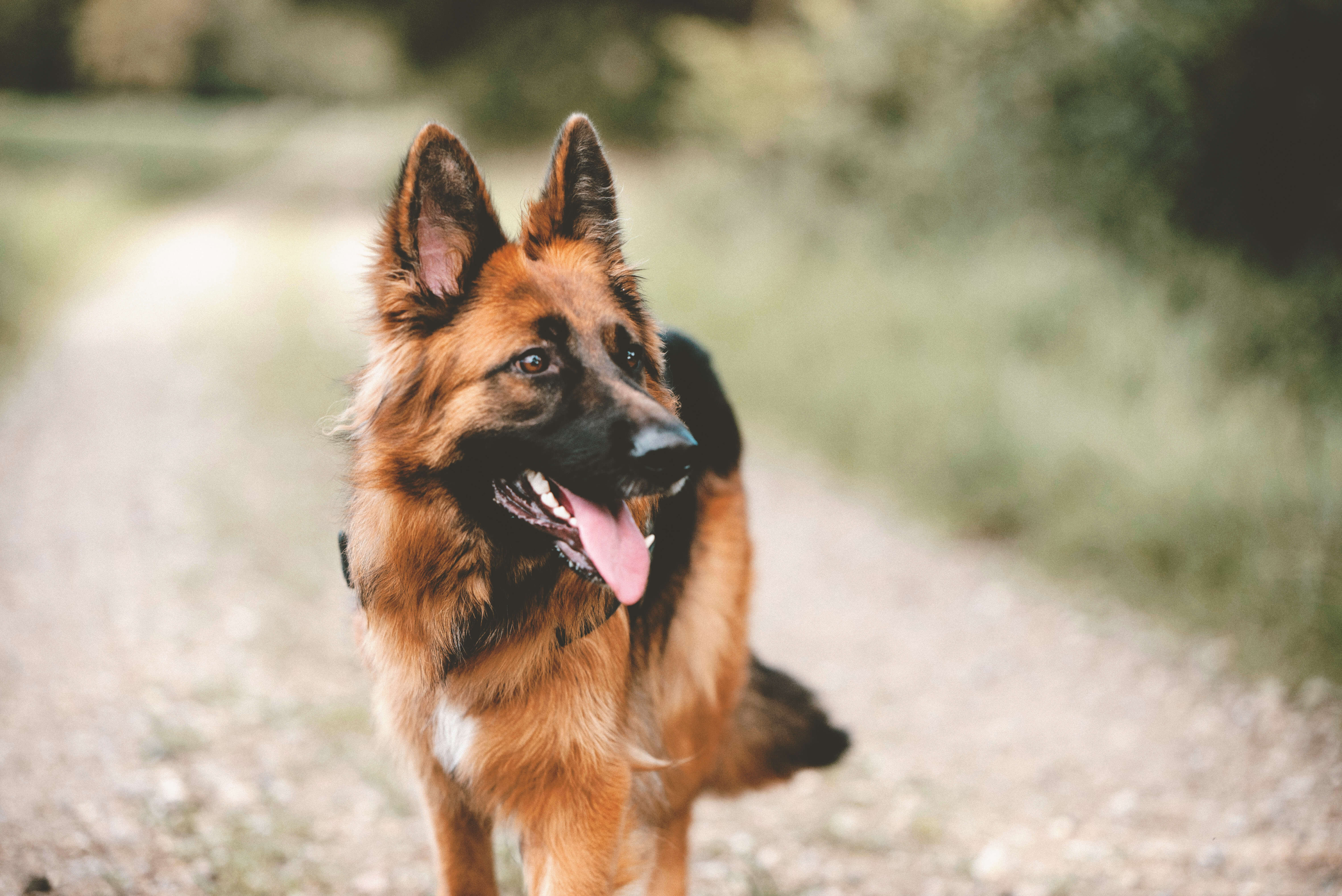
Are we missing the signs?
Pain in dogs doesn’t always look like pain. There’s rarely limping, yelping, or obvious injury. More often, chronic pain whispers rather than shouts, showing up as restlessness, irritability, reluctance, or a quiet withdrawal that’s easy to misread as just getting older.’
Vets and behaviourists are increasingly concerned that chronic pain is one of the most under-recognised welfare issues in companion dogs today. And when left undiagnosed, it can lead to what many owners interpret as ‘bad behaviour’ or ‘withdrawal’.
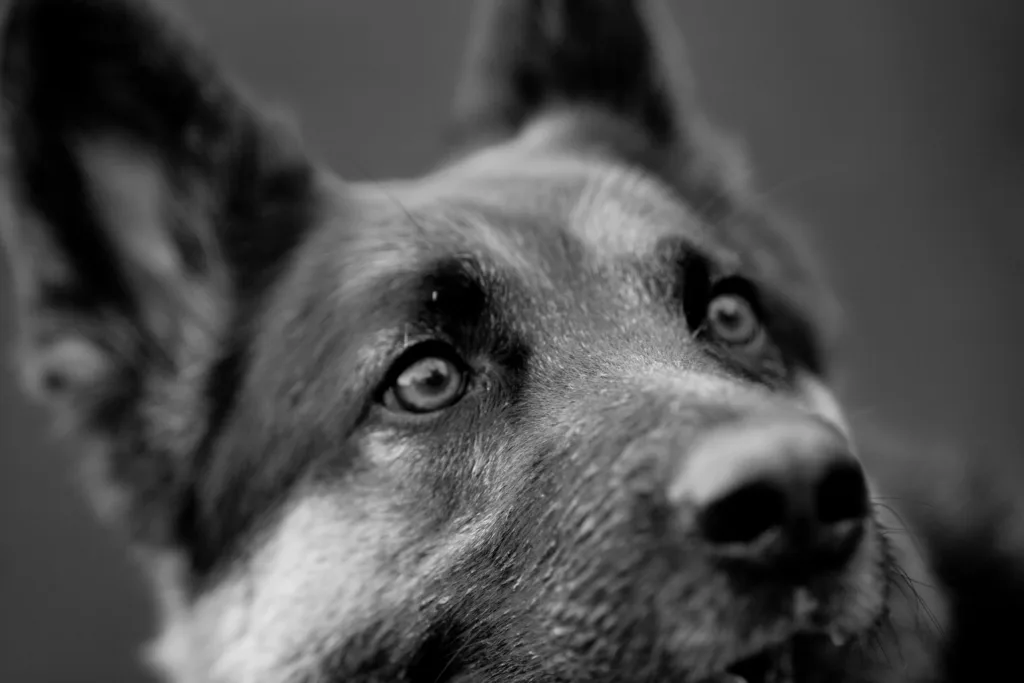
Much more common than we think
Recent studies estimate that up to 40% of dogs over the age of seven experience some degree of chronic pain – most commonly due to arthritis, muscle tension, or spinal discomfort. But even younger dogs can be affected through undiagnosed injuries, poor biomechanics, or conditions like hip dysplasia and dental disease.
Because dogs adapt so well, they often learn to live with ongoing discomfort. Their brains release endorphins to help them cope, masking the signs for months or even years. Over time, though, that pain subtly alters the way they move, sleep, and react to the world.
When behaviour tells the story
Many behaviour changes we label as training issues may actually be pain issues in disguise.
A dog who growls when being brushed, refuses to jump into the car, or hesitates before climbing stairs may not be ‘stubborn’ but uncomfortable.
Here are some common behavioural red flags linked to underlying pain:
- Avoiding touch or suddenly flinching when stroked
- Growling, snapping, or showing irritability during handling
- Reluctance to play, jump, or perform known commands
- Restlessness or frequent position changes while lying down
- Changes in posture, such as arched backs or tucked tails
- Excessive licking of a specific area (even when the skin looks normal)
- Withdrawal or loss of enthusiasm for walks
If these changes appear gradually, owners often assume it’s ageing or mood. In reality, it’s often the dog’s only way to communicate that something hurts.
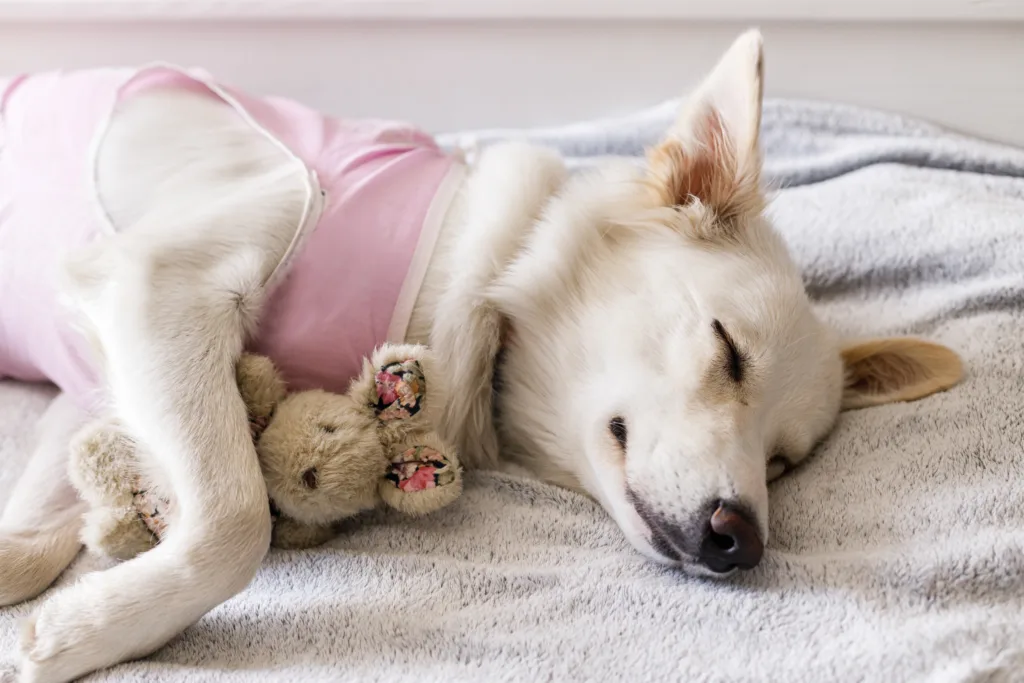
The link between pain and behaviour
Chronic pain doesn’t just affect the body; it changes the brain.
Persistent discomfort keeps stress hormones like cortisol elevated, which in turn lowers a dog’s threshold for frustration or fear. A previously calm, social dog might begin reacting aggressively to other dogs or appear anxious in situations they once enjoyed.
Pain can also erode the bond between dog and human. When a dog’s body hurts, they may start avoiding interaction altogether, spending more and more time alone.
Addressing the pain early doesn’t just relieve suffering: it can restore confidence, rebuild trust, and prevent behavioural spirals that later require complex training interventions.
Finding answers
If you suspect pain, your vet is the first stop, but don’t be afraid to seek a thorough, whole-body assessment rather than a quick check-up. Mention any subtle behavioural shifts you’ve noticed; these clues are invaluable and, ultimately, you know your dog best.
Diagnostic imaging, mobility scoring, and manual palpation can reveal pain that isn’t obvious externally. Some owners also benefit from referral to veterinary physiotherapists, hydrotherapists, or canine chiropractors for a full musculoskeletal review.

For long-term management, your vet may recommend:
- Anti-inflammatory or pain-modulating medication
- Weight optimisation and joint supplements
- Controlled exercise and hydrotherapy
- Bodywork or massage to release tension
- Acupuncture or laser therapy for chronic cases
Small changes have a big impact
You can make your dog’s world easier – and kinder – starting today:
- Swap slippery floors for rugs or mats.
- Use ramps to avoid jumping into cars or up onto couches.
- Keep exercise gentle and consistent rather than high-impact.
- Provide orthopaedic bedding and a warm, dry sleeping area.
- Regularly review the fit of harnesses.
Even small environmental changes can dramatically reduce strain and improve comfort.

Final thoughts
Living with dogs teaches us that behaviour is communication. When a once-bubbly companion becomes grumpy, hesitant, or withdrawn, it isn’t defiance; it’s a sign we need to pay attention to. By learning to interpret these quieter signals, we can offer earlier relief, prevent frustration-driven aggression, and, most importantly, give our dogs the comfort and dignity they deserve.