When a dog’s gut goes wrong, it can affect far more than digestion.
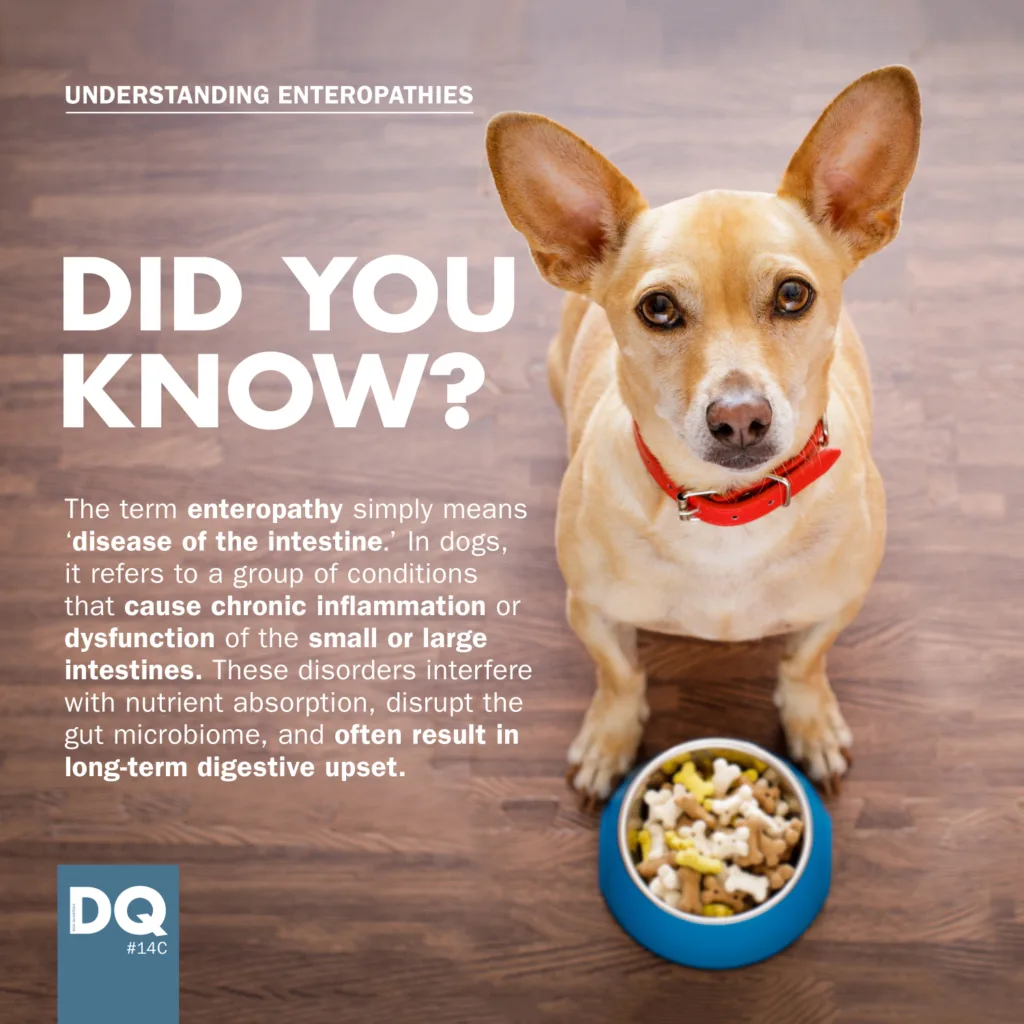
The term enteropathy simply means ‘disease of the intestine.’ In dogs, it refers to a group of conditions that cause chronic inflammation or dysfunction of the small or large intestines. These disorders interfere with nutrient absorption, disrupt the gut microbiome, and often result in long-term digestive upset.
Veterinary specialists typically classify enteropathies according to how they respond to treatment:
- food-responsive enteropathy (FRE)
- antibiotic-responsive enteropathy (ARE)
- steroid-responsive enteropathy (SRE), also known as inflammatory bowel disease (IBD)
Although their causes and severity differ, these conditions can look very similar at first glance – chronic diarrhoea, vomiting, weight loss, or a dull coat are all possible signs.
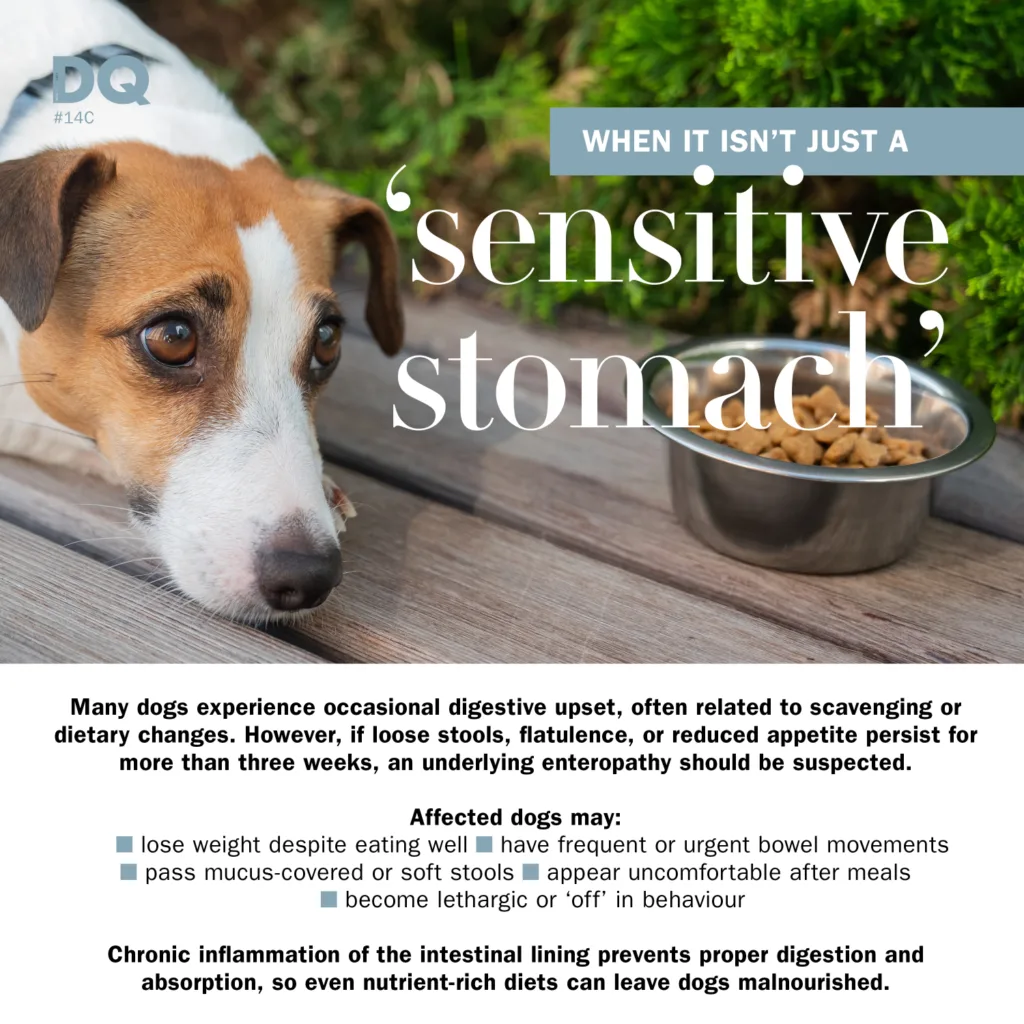
When it isn’t just a ‘sensitive stomach’
Many dogs experience occasional digestive upset, often related to scavenging or dietary changes. However, if loose stools, flatulence, or reduced appetite persist for more than three weeks, an underlying enteropathy should be suspected.
Affected dogs may:
- lose weight despite eating well
- have frequent or urgent bowel movements
- pass mucus-covered or soft stools
- appear uncomfortable after meals
- become lethargic or ‘off’ in behaviour
Chronic inflammation of the intestinal lining prevents proper digestion and absorption, so even nutrient-rich diets can leave dogs malnourished.
The role of the immune system and microbiome
Most canine enteropathies are immune-mediated, meaning the dog’s immune system overreacts to normal gut contents such as bacteria or food proteins. This response damages the intestinal wall, allowing more antigens to pass through and perpetuating inflammation.
Research has also shown that dogs with chronic enteropathies have dysbiosis, or an imbalance in their intestinal bacteria. Beneficial microbes are reduced, while inflammatory species increase. The result is a vicious cycle: inflammation alters the microbiome, and the altered microbiome fuels further inflammation.
Diagnosing chronic enteropathy
Because symptoms overlap with many other disorders, diagnosis involves ruling out parasites, infections, pancreatic disease, and metabolic issues. Veterinarians may perform:
- faecal testing for parasites and pathogens
- bloodwork to assess protein levels and inflammation
- imaging such as ultrasound
- endoscopic or surgical biopsies, which remain the gold standard for confirming intestinal inflammation
Once other causes are excluded, treatment trials help determine which category of enteropathy a dog has.
Treatment options
- Dietary management
A strict elimination diet, using a novel protein (such as venison or duck) or a hydrolysed diet, is commonly the first step. Dogs that improve within two to four weeks are considered to have food-responsive enteropathy. Long-term dietary management usually keeps these dogs healthy. - Antibiotic therapy
If diet alone doesn’t help, a course of antibiotics such as tylosin or metronidazole may be tried to modify the gut microbiome. Some dogs respond dramatically, although routine use is now approached with caution due to concerns about antimicrobial resistance. - Immunosuppressive therapy
For dogs that fail to respond to diet or antibiotics, corticosteroids (prednisolone, budesonide) or other immunosuppressants are used to reduce inflammation and control immune-mediated damage. This form, steroid-responsive enteropathy, closely mirrors human inflammatory bowel disease. - Supportive care
Probiotics, prebiotics, omega-3 fatty acids, and vitamin supplementation may all aid recovery by restoring microbial balance and reducing intestinal inflammation.
Living with a dog with chronic enteropathy
Management can be lifelong. Owners play a key role in:
- maintaining consistent feeding routines
- avoiding treats or scraps that may trigger relapse
- monitoring stool quality and weight
- working closely with their vet to adjust therapy when needed
Stress reduction, regular exercise, and enrichment also help support gut health via the gut–brain axis, now recognised as an important factor in chronic digestive disorders.
The bigger picture
Canine enteropathies remind us that the gut is not an isolated system; it influences immunity, skin health, mood, and even behaviour. Advances in microbiome research are offering new hope, from tailored probiotics to faecal microbiota transplantation, though these remain specialist treatments for now.
Early recognition and a science-based approach give affected dogs an excellent quality of life. Behind every chronic tummy issue may be a complex interplay of diet, bacteria, and immune function, but with patience and veterinary support, balance can be restored.
References:
- Jergens, A.E. et al. (2019). Chronic enteropathies in dogs: Advances in understanding pathogenesis and management. Journal of Veterinary Internal Medicine.
- Allenspach, K. (2020). Canine chronic enteropathies – diagnostic and therapeutic update. Veterinary Clinics: Small Animal Practice.
- Redfern, R.E. et al. (2023). Microbiome modulation in canine inflammatory bowel disease: current insights. Frontiers in Veterinary Science.