

Or just clever marketing?
Walk down any pet food aisle and you’ll notice it: more and more bags and tins boasting ‘salmon,’ ‘whitefish,’ or ‘ocean blend.’ Fish-based diets are being hailed as the new superfood for dogs – promising glossy coats, better joints, and high-quality protein. But are these diets genuinely superior, or are we seeing another wave of clever marketing dressed in omega-rich packaging?
The case for fish
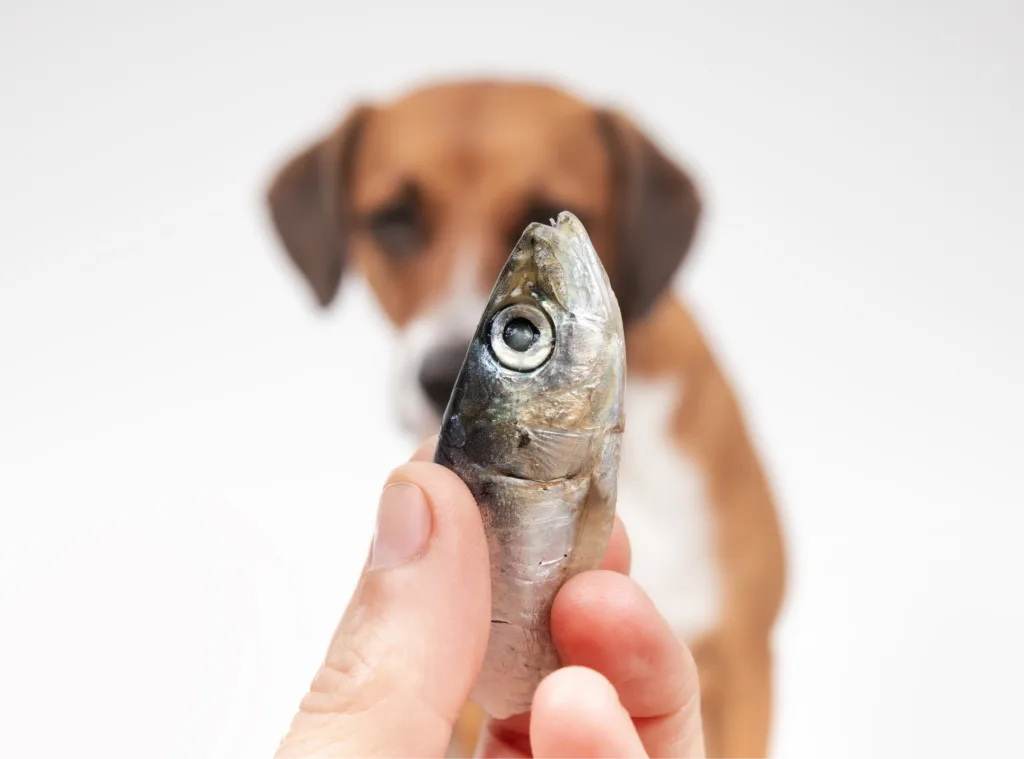
Fish can be an excellent protein source for dogs. It’s rich in omega-3 fatty acids, particularly EPA and DHA, which help reduce inflammation, support brain function, and maintain healthy skin and joints.
For dogs with joint disease or inflammatory skin conditions, these fatty acids can make a real difference. Studies show they can reduce itching, improve coat quality, and even help manage arthritis symptoms.
Fish protein is also highly digestible and naturally lean, making it suitable for dogs with sensitive stomachs or those who need a lower-fat diet. And because certain fish proteins (like salmon or whitefish) are novel to many dogs, they’re often recommended in elimination diets for dogs with suspected food allergies.
So far, so good.
Sustainability
But behind the health claims lurks a tougher question: how sustainable is our enthusiasm for fish?
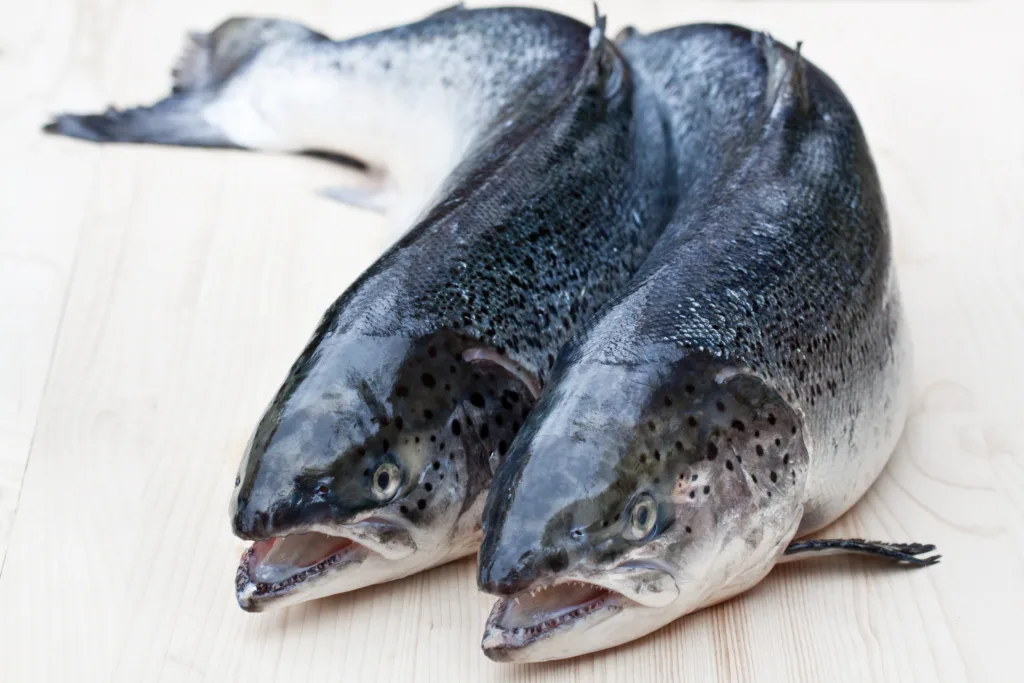
While many brands use by-products from the human fishing industry (like fish trimmings or heads), others rely on wild-caught fish or farmed salmon. These sources raise environmental concerns – from overfishing to the ecological impact of intensive aquaculture.
The World Wildlife Fund and other sustainability advocates warn that fishmeal production contributes to the depletion of small ‘forage fish’ species, which are vital to marine ecosystems. Farmed fish, meanwhile, can pose challenges related to antibiotic use, waste, and escape into wild populations.
For truly eco-conscious dog owners, it’s important to check whether your brand is sourcing certified sustainable fish, such as those approved by the Marine Stewardship Council (MSC) or Aquaculture Stewardship Council (ASC).
Alternatively, some brands are now turning to algae-based omega-3 oils, which deliver the same benefits without the environmental cost of fishing.
Health and allergy balance
Despite the marketing glow, fish isn’t a magic ingredient, and it’s not risk-free.
For one, while fish allergies are uncommon in dogs, they do exist. As fish becomes more common in pet foods, it’s likely to appear in more cases of canine food allergy, simply because exposure increases risk.
Another issue is contaminant load. Certain fish species can accumulate heavy metals, such as mercury, and environmental pollutants, such as PCBs and dioxins. Commercial dog foods usually test within safe limits, but owners who feed homemade or raw fish diets need to be especially careful about sourcing and variety.
And not all fish are created equal. Salmon and sardines, for example, are high in omega-3s and low in mercury, while large predatory fish (like tuna or swordfish) should generally be avoided.
Marketing or meaningful progress?
The surge in fish-based diets reflects a broader shift in how we think about functional feeding, using food to support specific health outcomes rather than just meet nutritional needs. That’s a good thing. But some of the hype is undeniably marketing.
Adding ‘with salmon’ to a kibble that contains 4% fish may not offer measurable health benefits, yet it can create a perception of premium quality. What matters most is the formulation, not the flavour.
A high-quality fish-based diet should:
- Name its protein sources clearly (‘salmon,’ ‘whitefish’) rather than ‘fish meal.’
- Include a balanced omega-3 to omega-6 ratio.
- Be tested for heavy metals and toxins.
- Come from verifiably sustainable sources.
If those boxes aren’t ticked, the health halo around ‘fish’ becomes more style than substance.
So, should you switch?

For dogs with skin issues, inflammatory conditions, or food sensitivities, a fish-based diet can be genuinely beneficial. But for healthy dogs already thriving on a balanced food, there’s no evidence they need fish over other protein sources.
The best choice – as always – depends on the individual dog, the quality of the formulation, and the values of the owner.
If you do switch, do it gradually, and watch your dog’s coat, energy, and digestion closely. The best diet is one that’s nutritionally complete, sustainably sourced, and makes your dog feel great.
In summary
Fish-based diets can be both a science-backed option and a marketing trend, depending on how thoughtfully they’re made and chosen. The real challenge for the modern dog owner isn’t deciding whether fish is good; it’s deciding which fish, from where, and for whom.

