

Green-lipped mussels
Green-lipped mussels (Perna canaliculus) might sound like an exotic fad, but in canine nutrition, they’ve quietly built a strong scientific reputation, particularly for joint health. Native to the pristine waters around New Zealand, these shellfish contain a unique blend of omega-3 fatty acids, amino acids, antioxidants and glycosaminoglycans that make them more than just another fish-oil supplement.
The science beneath the shell
Unlike standard marine oils, green-lipped mussels contain a rare omega-3 known as eicosatetraenoic acid (ETA). ETA helps to block key enzymes involved in inflammation, such as COX and LOX, and can dampen the cascade of inflammatory signals that lead to joint pain and swelling.
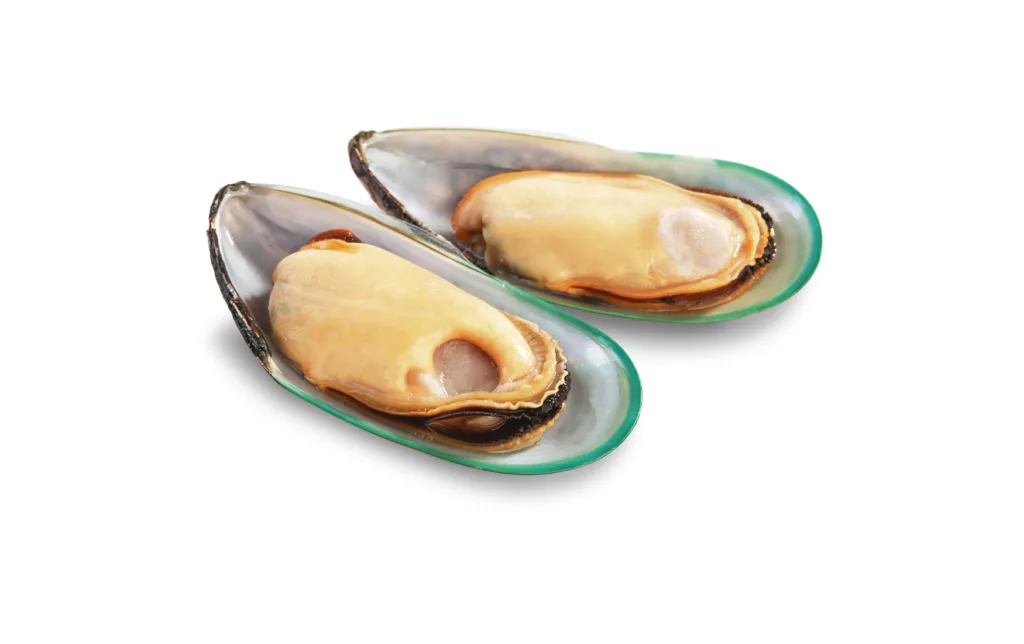
They also provide EPA and DHA, the same fatty acids found in fish oil, but the presence of ETA gives green-lipped mussels a broader anti-inflammatory profile.
In addition, the mussels are naturally rich in glycosaminoglycans – the building blocks of cartilage – as well as chondroitin sulphate and hyaluronic acid, which help maintain the cushioning and fluid balance inside joints. This dual action – reducing inflammation and supporting repair – is what sets them apart.
What the research says
Multiple studies in both dogs and humans suggest that green-lipped mussel extract can reduce joint stiffness, improve mobility, and decrease pain scores in cases of osteoarthritis. Results vary with the product and dosage used, but many dogs show measurable improvements within six to eight weeks.
Interestingly, the extract also appears to benefit skin and coat health, likely through its omega-3 content and antioxidant action, making it a useful addition for dogs with chronic inflammatory skin issues.
When to consider them
Green-lipped mussels are often recommended for:
- Dogs with early signs of osteoarthritis or joint wear
- Senior dogs whose mobility is starting to decline
- Working or sporting dogs under high physical strain
- Dogs recovering from orthopaedic injury or surgery
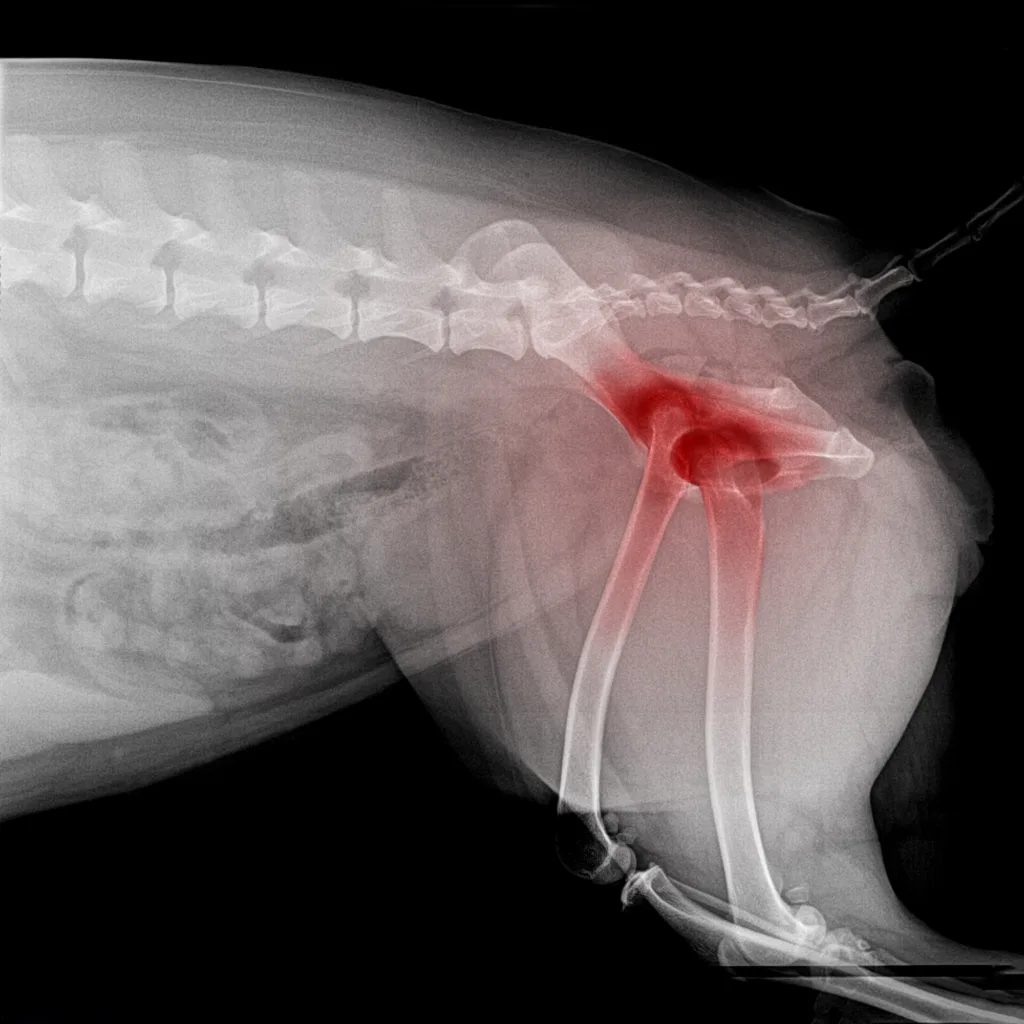
They can be fed as a powder, capsule or chew, often as part of a joint supplement formula. For most dogs, green-lipped mussel extract is safe and well-tolerated, but because it’s a shellfish derivative, owners should use caution in dogs with seafood allergies.
How common are seafood allergies in dogs?
- Overall, food allergies in dogs are rare: a large veterinary overview found that only about 0.2% of dogs were affected by true food allergies.
- Specifically for fish/seafood: studies suggest only a small percentage of dogs with food allergy issues react to fish. For example, one Japanese study found ~1.3% of dogs with food allergy/intolerance reacted to fish in one sample of 297 dogs.
- Another resource says fish allergies in dogs are ‘rare, but can happen.’
So seafood allergies do exist, but in reality are extremely rare. The most common allergens in dogs tend to be proteins like beef, chicken, dairy, and eggs.
Choosing the right supplement
Look for products that specify the amount of active extract per dose, not just ‘contains green-lipped mussel.’ A standard effective amount ranges from 200–500 mg of extract per 10 kg body weight, though this varies between formulations. Cold-processed or freeze-dried products tend to retain more active compounds than heat-treated versions.
The bottom line
Green-lipped mussels are more than just another wellness trend for dogs; they represent one of the best examples of a naturally derived, evidence-based joint support for dogs. They won’t replace veterinary treatment, but as part of a multimodal approach to joint health, they can make a real difference in comfort and quality of life.

