A practical, evidence-based Q&A for the festive season
The festive period often brings an increase in veterinary consultations, not because dogs suddenly become fragile, but because heat, routine changes, travel, and diet disruption all converge at once. The challenges aren’t new, but their timing and combination create a perfect storm for health complications.
Here are clear, science-based answers to some of the most common December dog health concerns.
Heat stroke
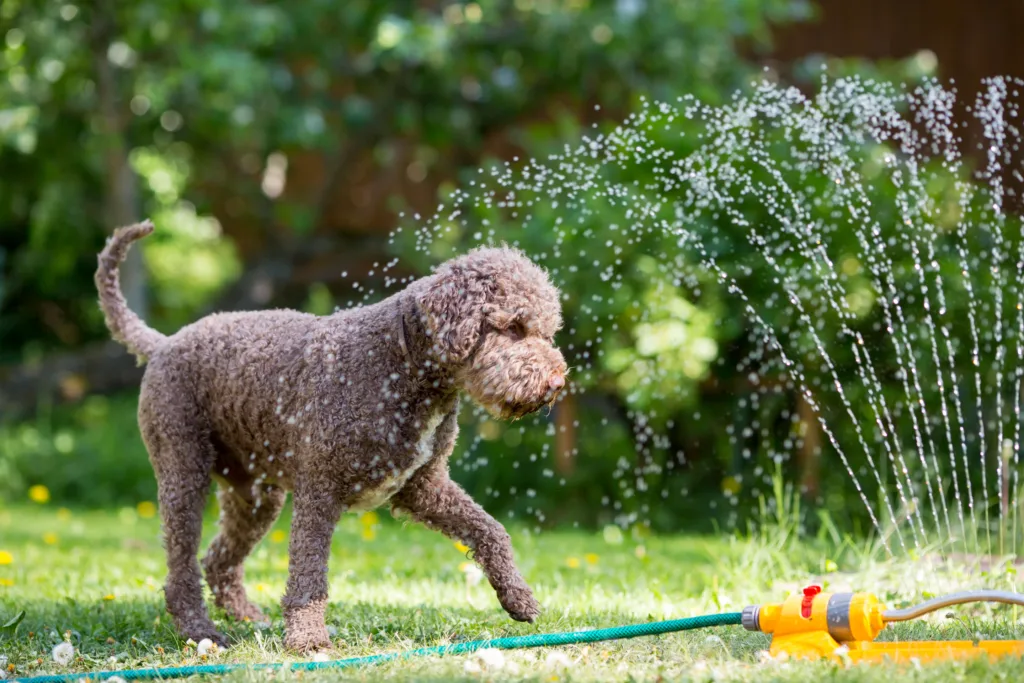
Q: Can dogs really get heat stroke if they’re ‘used to the heat’?
A: Yes. Heat tolerance is not immunity.
Dogs do not adapt to heat in the same way humans do. While humans can acclimatise by producing sweat more efficiently and adjusting cardiovascular responses, dogs have limited physiological options for improving heat tolerance. Even dogs living in warm climates remain vulnerable to heat stress, especially when humidity is high, airflow is limited, exercise or excitement increases body temperature, or recovery time is inadequate between heat exposures.
The common myth goes: ‘My dog is acclimatised, so heat stroke won’t happen.’ The reality is that acclimatisation may improve tolerance slightly, shaving a few degrees off the temperature at which a dog becomes distressed, but it does not eliminate risk. A dog who seems comfortable at 28°C can still suffer heat stroke at 35°C, regardless of where they live.
Heat stroke can occur during car travel even with windows cracked, short bursts of activity that seem innocuous, play at social gatherings where excitement overrides the dog’s normal self-regulation, or time spent outdoors without adequate shade or airflow. Early signs include excessive panting that doesn’t resolve with rest, drooling that seems abnormal in volume, restlessness and an inability to settle, and reluctance to lie down even when clearly tired.
Heat-related illness can escalate rapidly – sometimes within minutes – and should always be treated as urgent. By the time a dog is stumbling or collapsing, irreversible organ damage may already be occurring.
Digestive issues
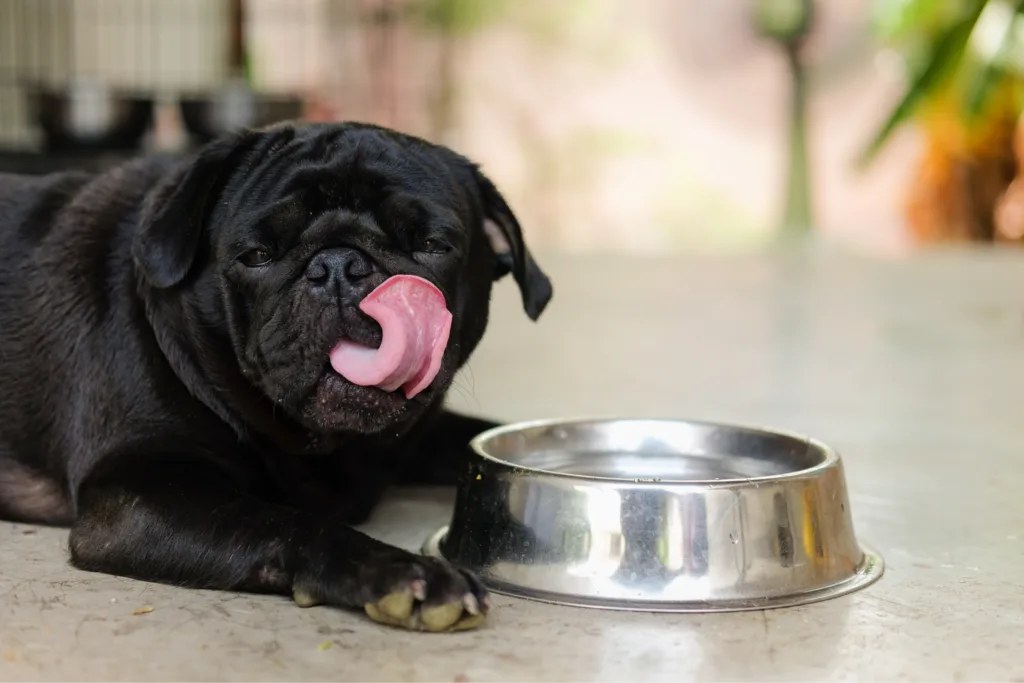
Q: Is it normal for dogs to get diarrhoea after the holidays?
A: It’s common, but not normal, and it shouldn’t be ignored.
Post-holiday diarrhoea is usually linked to sudden dietary changes where the microbiome doesn’t have time to adjust, fatty or unfamiliar foods that stress the pancreas and digestive system, multiple small ‘extras’ over several days that accumulate beyond what seems significant in the moment, and stress and disrupted routines that affect gut motility and immune function.
While many cases are mild and self-limiting, resolving within 24 to 48 hours with supportive care, diarrhoea is a sign that the gastrointestinal system is under strain. It’s your dog’s body telling you something has exceeded its capacity to cope.
You should monitor closely and if stools remain loose for more than 24 to 48 hours without improvement, your dog appears lethargic or less engaged than usual, vomiting is also present (which suggests more systemic involvement), appetite is reduced beyond just being picky, or there is blood or mucus in the stool, you should contact your vet immediately. These signs indicate that the problem may be more than simple dietary indiscretion.
Dogs with previous gastrointestinal disease, pancreatitis, or chronic conditions may deteriorate more quickly and should be assessed sooner rather than later. What’s manageable in a healthy young dog can become serious in a dog with underlying health vulnerabilities.
Q: When should I worry, and when is it okay to wait?
A: This is one of the hardest decisions for owners, especially during holidays when access to care may be limited, emergency clinics are overrun, and the guilt of ‘wasting’ a vet’s time weighs heavily.
It may be reasonable to monitor at home if your dog is bright, alert, and responsive to their environment, appetite is only mildly reduced rather than completely absent, symptoms are mild and short-lived rather than escalating, and hydration is maintained (you can check by gently pinching the skin at the scruff of the neck and it should snap back quickly).
Seek veterinary advice promptly if you notice collapse or weakness that’s unusual for your dog, persistent vomiting or diarrhoea that continues beyond a few episodes, signs of abdominal pain like a hunched posture, reluctance to move, or vocalisation when touched, heat stress symptoms including excessive panting, drooling, disorientation, or elevated temperature, refusal to drink even small amounts of water, rapid deterioration where your dog seems markedly worse within hours, or any symptoms in very young, elderly, or chronically ill dogs whose systems are less resilient.
When in doubt, err on the side of caution. Delays during the festive period can complicate otherwise manageable conditions. A phone call to your vet costs nothing and can provide clarity when you’re unsure. Most veterinary professionals would rather reassure you than treat a preventable emergency.
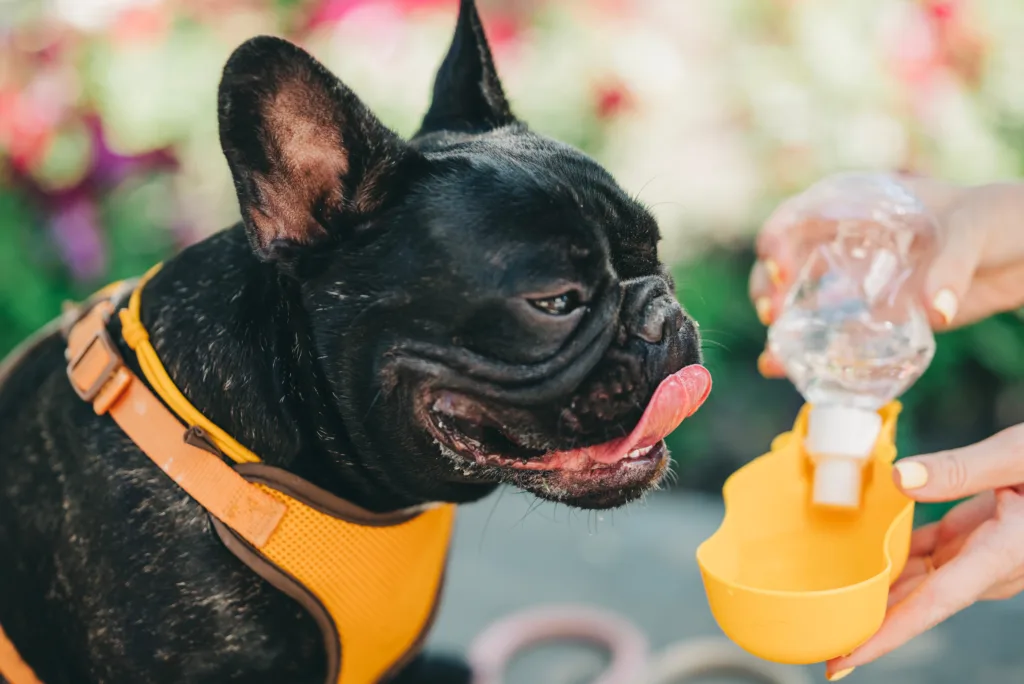
Q: Are there things owners do with good intentions that make problems worse?
A: Yes. The impulse to help can sometimes lead to interventions that complicate rather than resolve the problem.
Well-intended actions that can cause harm include forcing food or water into a dog who is actively nauseous or distressed (which can cause aspiration or worsen vomiting), overusing supplements or home remedies without understanding dosing or interactions, exercising sick dogs to ‘flush things out’ or tire them when what they actually need is rest, delaying care because symptoms seem minor and owners worry about overreacting, and assuming stress-related signs like panting or pacing are purely behavioural when they may indicate pain or illness.
Holiday health issues are rarely about a single mistake. They’re usually the result of cumulative strain – multiple small stressors compounding over days until the dog’s system can no longer compensate. Early intervention often prevents escalation from a minor issue that resolves with rest to a major crisis requiring hospitalisation.
The takeaway
December dog health issues are rarely dramatic in their onset, but they are predictable in their pattern. Heat, food changes, stress, and disrupted routines all place pressure on the body. Most problems are manageable when recognised early and approached calmly.