

Separating marketing momentum from biological need
January brings a familiar wave of ‘fresh start’ messaging with reformulated foods, detox claims, weight-reset promises, and the idea that a new year should come with a new bowl. The pet food industry knows exactly when humans feel most vulnerable to change, and they time their campaigns accordingly.
For dogs, however, dietary change should never be driven by the calendar. Nutritional decisions are biological, not seasonal, and unnecessary changes can do more harm than good.
Marketing cycles vs actual need
Pet food marketing often follows human behaviour patterns with precision. New Year campaigns focus on ‘clean’ eating narratives that mirror human diet culture, weight loss messaging that capitalises on post-holiday guilt, novelty ingredients presented as breakthroughs despite minimal evidence of superiority, and reformulations framed as upgrades when the changes may be purely cosmetic or driven by ingredient cost rather than nutritional improvement.
These cycles create urgency where none may exist. The implication is always the same: what you’re doing now isn’t enough, and this new option will finally solve problems you may not actually have.
From a physiological perspective, a dog’s nutritional requirements do not reset in January. If a dog is maintaining a healthy body condition, producing good-quality stools consistently, displaying stable energy levels appropriate for their age and breed, and maintaining a healthy coat and skin, there is no biological reason to change food. These markers indicate that their current diet is meeting their needs.
Frequent food changes, even between high-quality diets, increase the risk of gastrointestinal upset as the digestive system adapts to new protein sources and nutrient profiles, microbiome disruption that can take weeks to stabilise, inconsistent nutrient intake that makes it difficult to identify what’s actually working, and misinterpretation of food sensitivities when symptoms may actually reflect the constant state of dietary transition rather than the food itself.
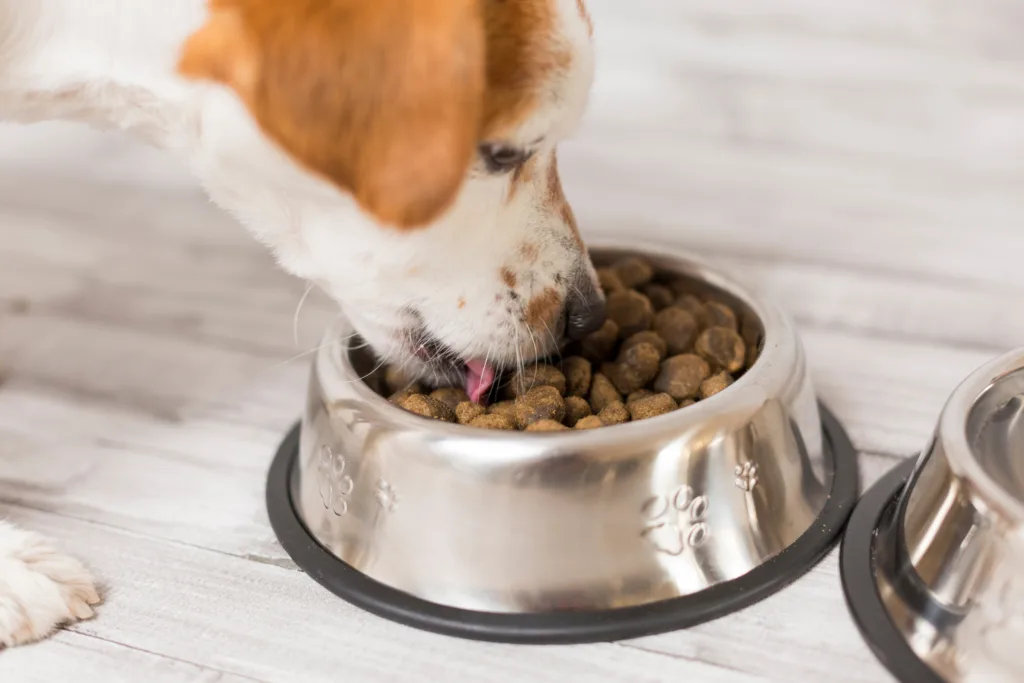
Stability matters. The digestive system thrives on predictability, and the microbiome – the complex ecosystem of bacteria that aids digestion and supports immune function – needs consistency to maintain balance.
When food changes are justified
Dietary adjustments can be appropriate when there is a clear, evidence-based reason rather than a vague sense that something should change. Common justifications include unintended weight gain or loss that persists despite consistent portions, life-stage transitions such as moving from puppy to adult food or transitioning to senior formulations when metabolic needs genuinely shift, diagnosed medical conditions like kidney disease or food allergies that require therapeutic diets, chronic gastrointestinal signs that haven’t resolved with other interventions, sustained changes in activity level – not temporary holiday slowdowns but genuine, long-term shifts in exercise patterns – and veterinary-directed therapeutic diets for specific health management.
Importantly, these decisions should be based on trends observed over weeks to months, not short-term fluctuations after holidays. A dog who seems heavier in early January may simply be reflecting a few weeks of extra treats and reduced exercise, not a fundamental dietary inadequacy. Give the body time to respond to resumed normal routines before changing the foundational diet.
How to assess body condition objectively
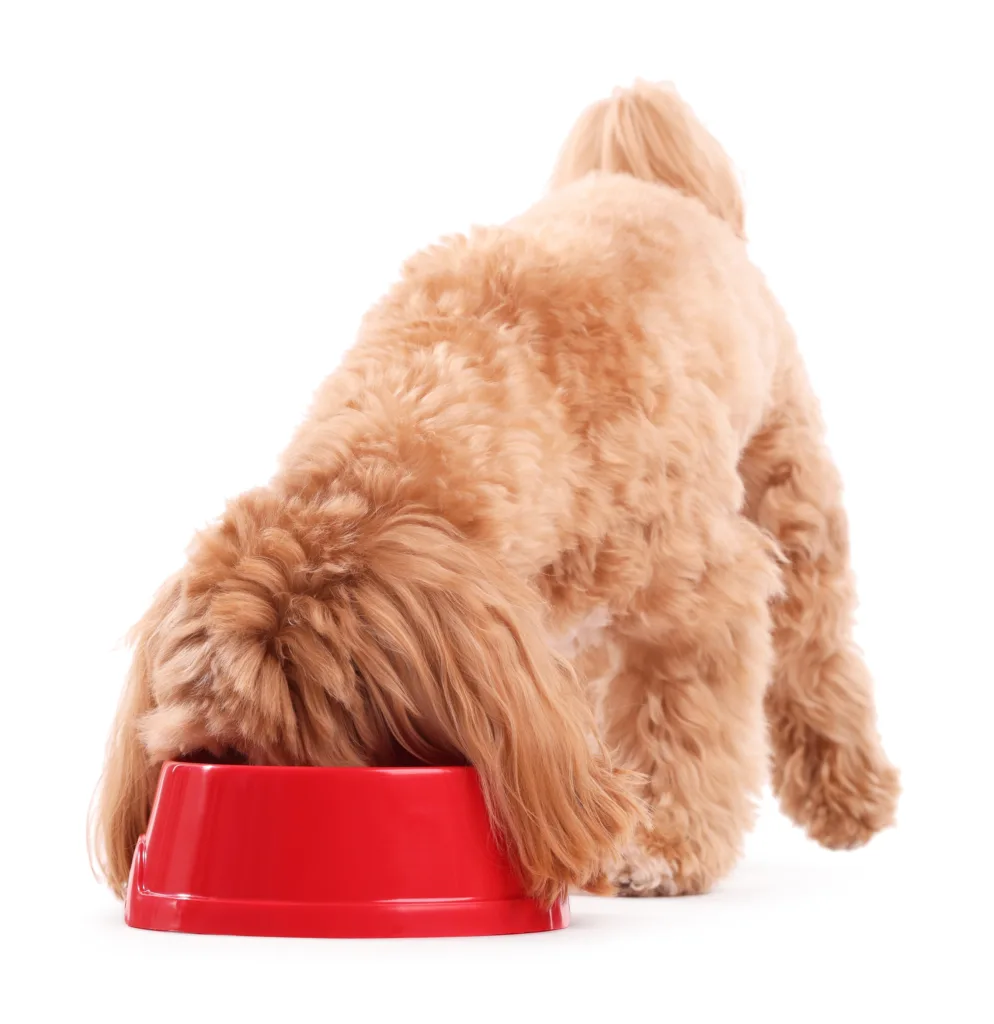
Weight alone is not a reliable indicator of health. Two dogs of the same breed and height can have dramatically different ideal weights based on their frame size and muscle mass. Body composition matters more than the number on the scale.
A simple body condition assessment includes a rib check – ribs should be easily felt under a thin fat layer without pressing hard, but they shouldn’t be visible from a distance. A waist view from above should show a visible narrowing behind the ribs, not a straight line or outward bulge. An abdominal tuck when viewed from the side should show the belly rising up toward the hindquarters rather than hanging level or sagging. Ease of movement without stiffness, fatigue, or reluctance to exercise should be present; excess weight often shows up first in decreased mobility.
Dogs who are over- or under-conditioned benefit more from portion adjustment and activity management than from immediate food changes. If the food is nutritionally appropriate but the quantity is wrong, changing the food masks the real issue, which is portion control or caloric output.
The risk of dieting
Post-holiday guilt often leads to abrupt dietary shifts – drastically reduced portions in an attempt to compensate for December’s indulgences, sudden switches to ‘light’ formulas without understanding whether the dog actually needs weight loss, or added supplements based on marketing claims rather than diagnosed deficiencies.
This approach can slow metabolism inappropriately when the body interprets sudden caloric restriction as scarcity and adapts by becoming more efficient, trigger hunger-related stress that manifests as food obsession, begging, scavenging, or anxiety around meal times, mask underlying health issues where weight change is a symptom of illness rather than simple overfeeding, and reduce nutrient adequacy if not properly balanced – many ‘light’ formulas reduce fat but also reduce fat-soluble vitamins and essential fatty acids unless carefully reformulated.
Gradual, data-driven adjustments are far more effective than drastic resets. If your dog gained half a kilogram in December, losing it should take weeks, not days. The goal is sustainable change, not dramatic correction that causes its own problems.
What actually supports long term nutritional health
Consistent feeding routines where meals happen at predictable times create digestive rhythm and reduce anxiety around food. Appropriate portion sizes based on your dog’s actual needs, not the feeding guide on the bag, which is a starting point rather than gospel. Measured treats that are accounted for within the daily caloric intake rather than eliminated entirely – deprivation isn’t welfare, but treats should never exceed 10% of daily calories. Monthly body condition monitoring using the same assessment method so you can identify trends early. Adjusting intake based on sustained activity changes; if your dog is genuinely more active now than they were three months ago, they may need more food, not less.
Food is a foundation, not a quick fix. Expecting dietary change to solve behavioural problems, compensate for inadequate exercise, or magically improve health without addressing other factors is likely to result in disappointment.
The takeaway
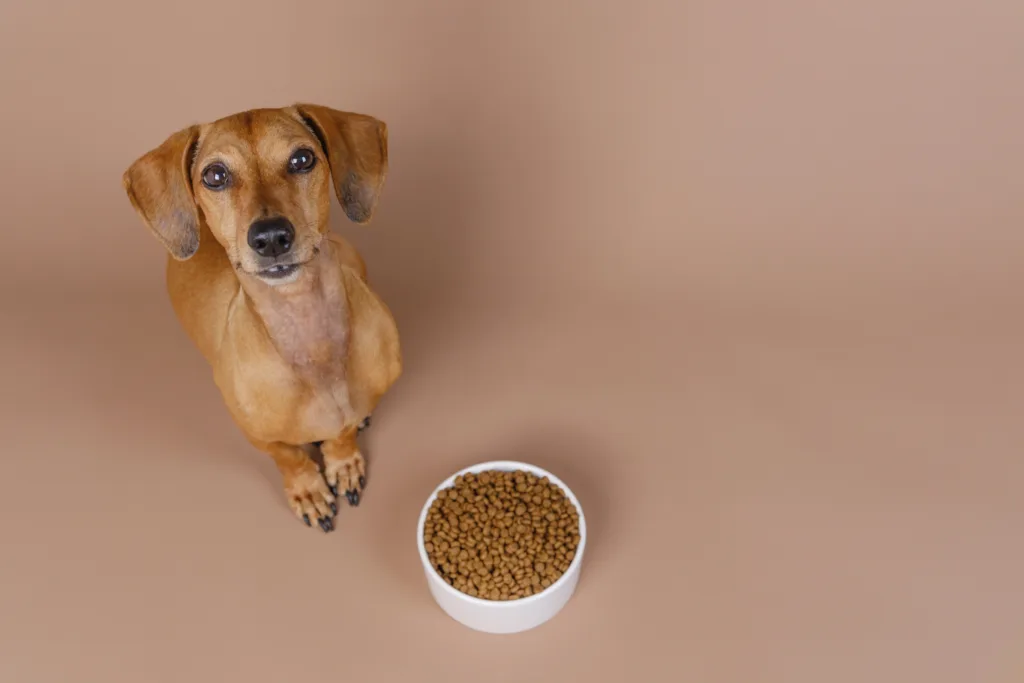
The new year does not require a new diet. If your dog is thriving, stability is success. If changes are needed, they should be intentional, gradual, and guided by observable need rather than marketing momentum or your own emotional response to the calendar.
Nutrition is not about novelty. It’s about consistency, adequacy, and long-term well-being. The bowl that works in December also works in January, unless something concrete has changed about your dog’s needs.

