Six common assumptions that don’t hold up
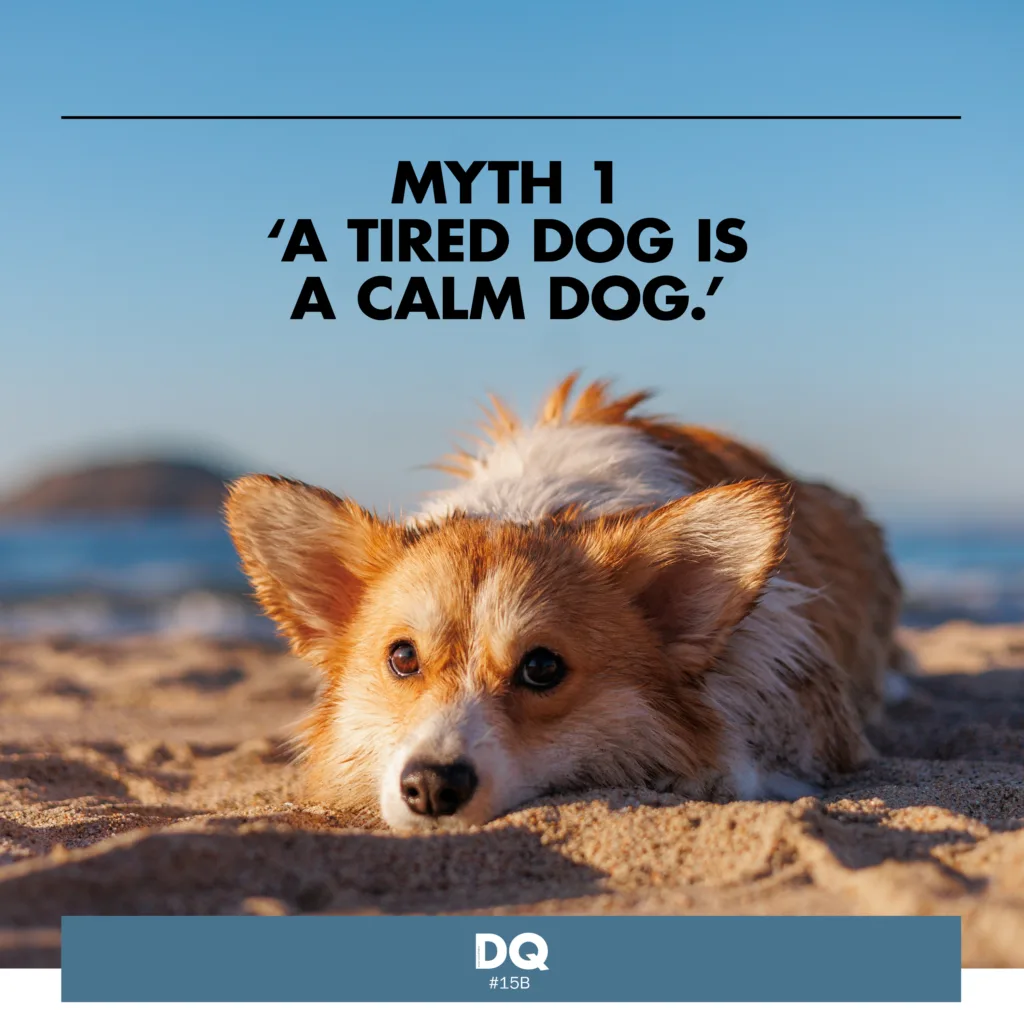
Fatigue suppresses behaviour temporarily but doesn’t teach regulation. Chronically overtired dogs are often more reactive, restless, and unable to settle, as their nervous systems remain activated even when their bodies are exhausted. Calm comes from nervous system regulation, not exhaustion. A dog who has been run ragged may collapse, but they haven’t learned how to self-soothe or downshift arousal. The moment they recover physically, the reactivity returns because nothing has changed about their capacity to regulate.
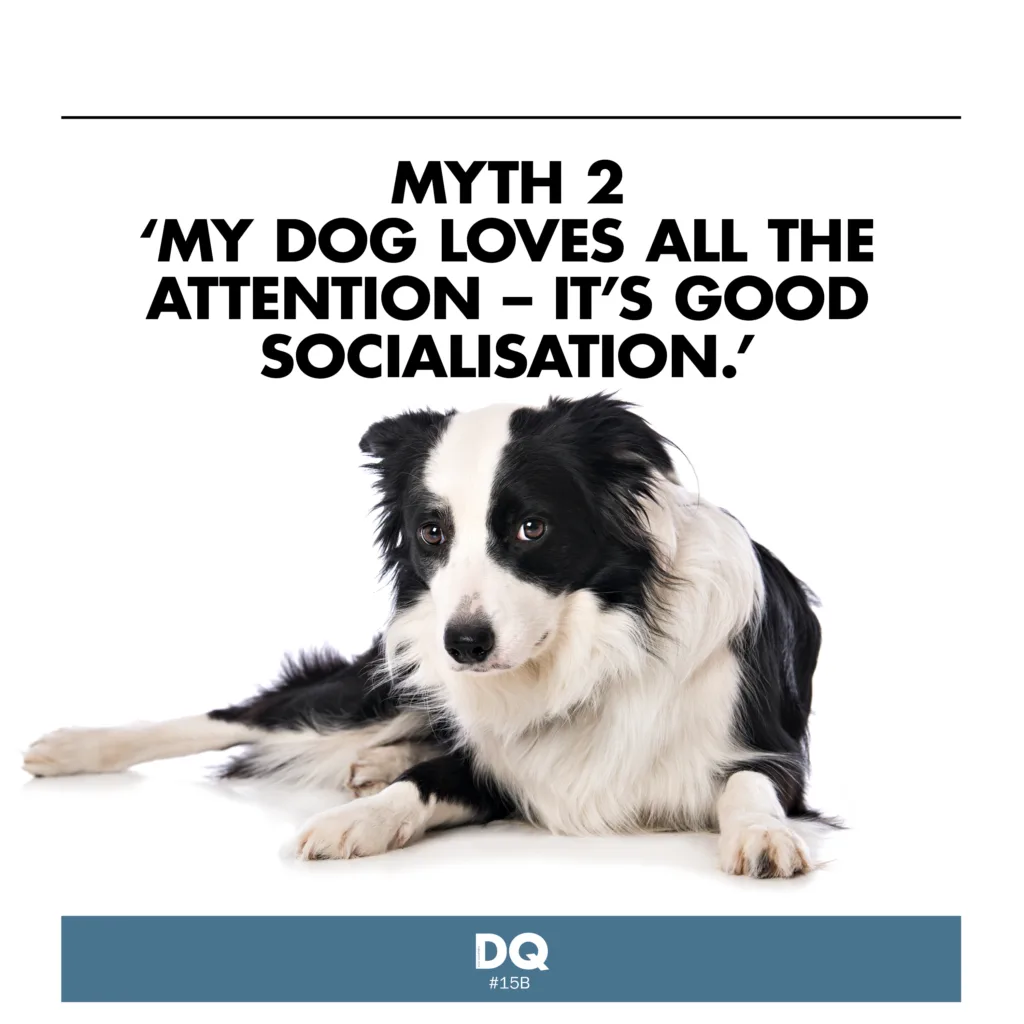
Tolerance is not enjoyment. Many dogs cope politely with unwanted attention until they can’t, and the breaking point often comes without warning. What looks like a social, friendly dog may actually be a dog under chronic social pressure who has learned that objecting makes things worse. Forced interaction during busy gatherings often increases stress and can worsen fear-based behaviour in the long term. Effective socialisation means dogs have agency—they can move away, their communication is respected, and social interaction is optional rather than obligatory.
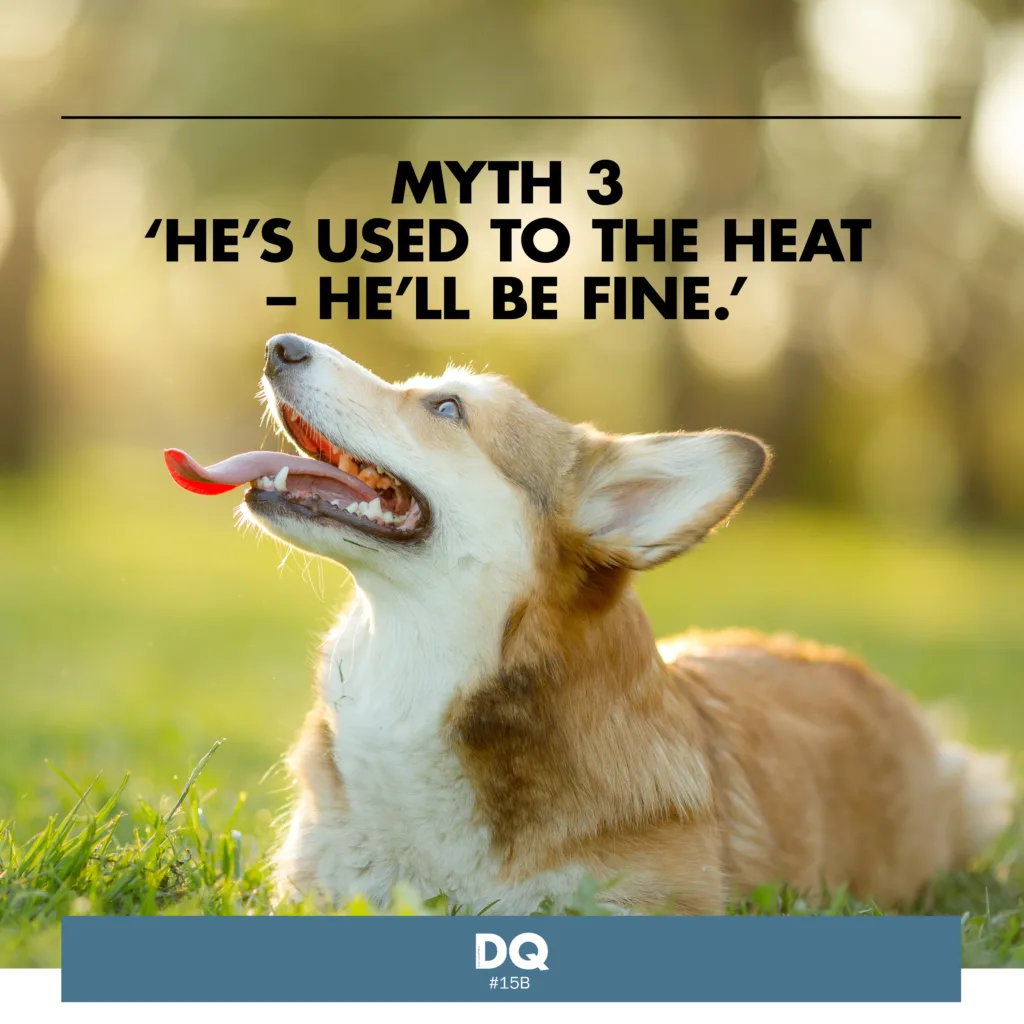
Heat tolerance is not immunity. Dogs do not acclimatise to heat the way humans do, and even dogs who live in warm climates year-round remain vulnerable to heat stress. Excitement, humidity, poor airflow, and limited recovery time all increase risk regardless of where a dog lives or what they’re ‘used to.’ The belief that familiarity creates safety is dangerous because it leads to complacency. Heat stroke doesn’t care about your dog’s history; it cares about the temperature, the humidity, and the dog’s ability to dissipate heat in that specific moment.
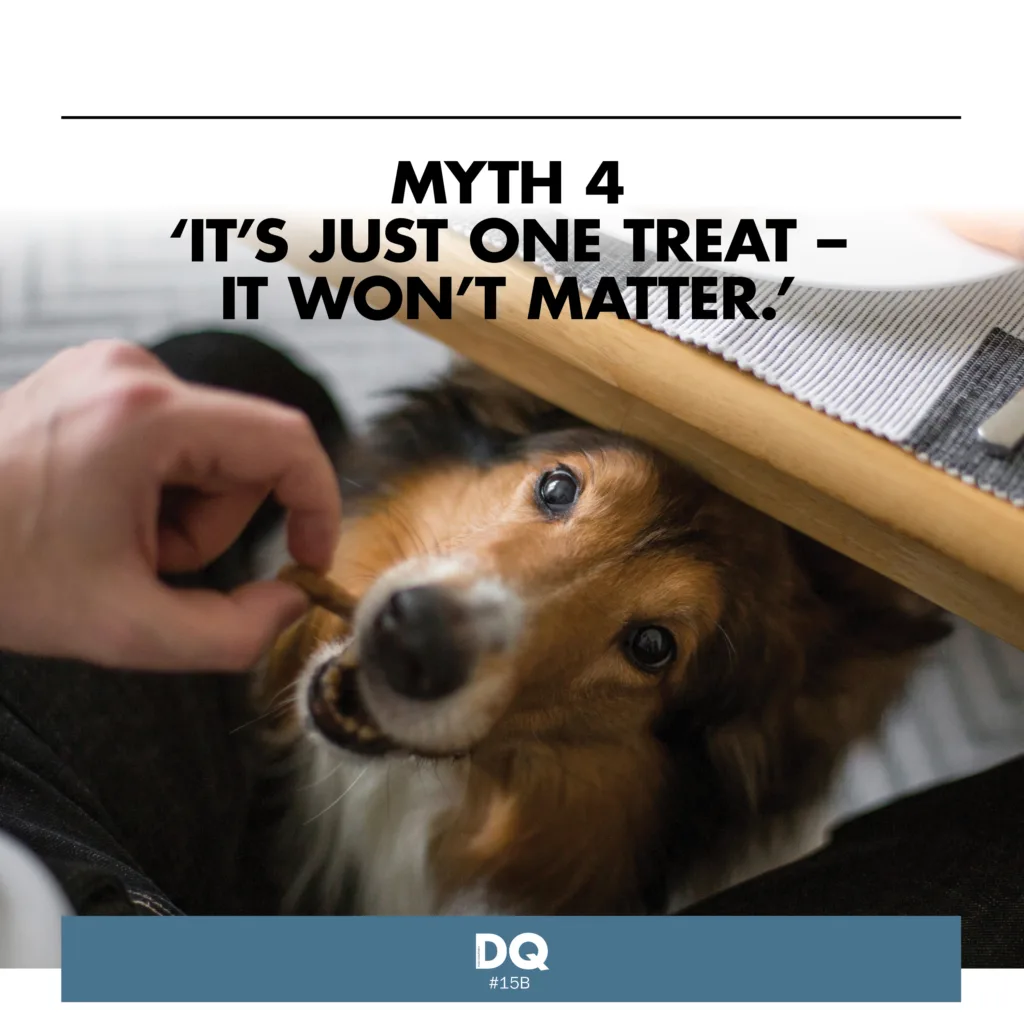
Holiday illness is rarely caused by one indulgence in isolation. It’s the accumulation of fatty, unfamiliar foods over several days – the chicken skin from dinner, the cheese from the platter, the gravy-soaked leftovers, the sample of Christmas pudding – that overwhelms the digestive system and increases pancreatitis risk. Each ‘just one treat’ seems harmless, but the pancreas is responding to the cumulative load. By the time symptoms appear, the damage has been building for days. What feels like generosity in the moment becomes a veterinary emergency by Boxing Day.
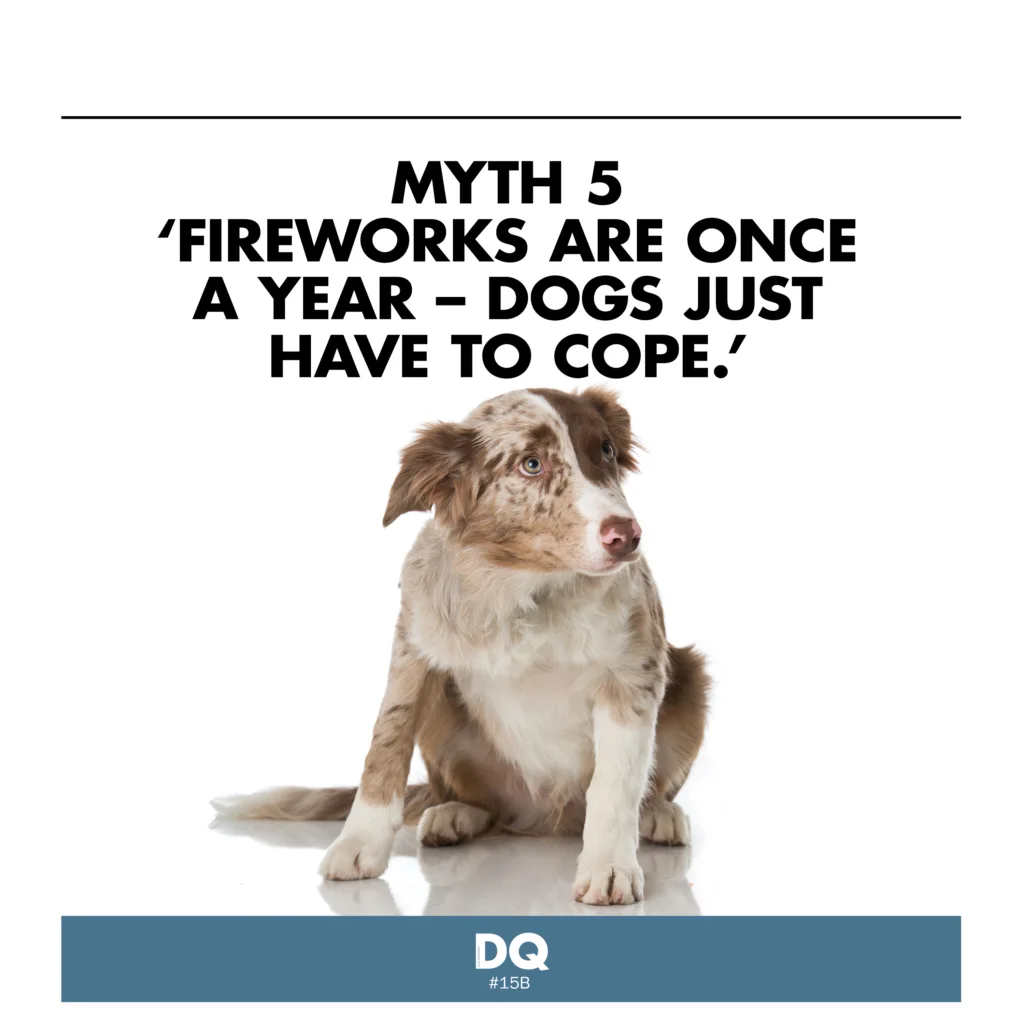
Fear learning happens fast, but recovery takes time. A single terrifying experience can establish a phobia that persists for years, while undoing that fear requires weeks or months of careful, gradual work. Unmanaged exposure doesn’t build resilience; it reinforces anxiety and worsens responses year after year. Each unprotected fireworks season makes the next one harder, not easier. Preparation matters more than toughness. A dog who ‘just copes’ is often a dog who is suffering in silence, and that suffering accumulates into increasingly severe fear responses.

Behaviour doesn’t reset with the calendar. The cultural moment of New Year’s resolutions has nothing to do with your dog’s nervous system capacity or learning readiness. Long-term change depends on habits built through consistent repetition, environments structured to support regulation rather than demand performance, and welfare-first planning that addresses why behaviour is happening before trying to change what behaviour looks like. Motivation spikes are emotionally satisfying but behaviourally irrelevant. What matters is what you’re still doing in March, not what you resolved to do in January.
The takeaway
Holiday problems aren’t caused by ‘bad dogs’ or careless owners; they’re caused by misunderstood biology and unrealistic expectations. Adjusting assumptions and replacing myths with evidence-based management improves outcomes by creating conditions where dogs can succeed.