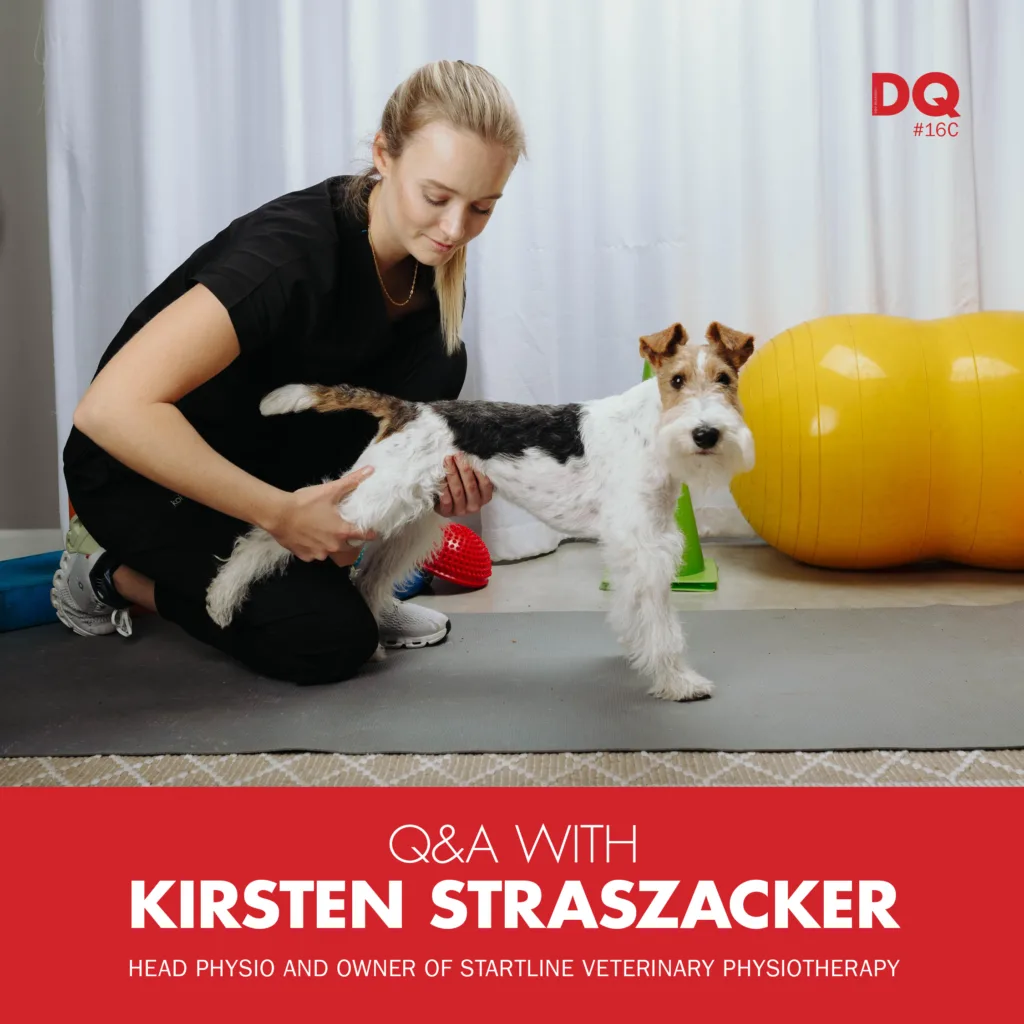
DQ: Can you tell us a little about your background and what led you into veterinary physiotherapy, particularly working with dogs?
KS: I’ve always had a passion for health and physical well-being; with a strong sporting background and a generally pro-active nature, I was drawn to rehabilitation. In addition to this, animals have always brought out my sensitive and intuitive nature. When I found out that physiotherapy for animals was an option, there was no question that combining proactive therapy with those who can’t speak for themselves was the perfect fit for me. This career path, together with my mentor, Christelle Van Wyk, who believed in my ability so much she sponsored my studies, was providential.
DQ: We’ve seen Stig on your website. Can you tell us a bit about him and your passion for agility?
KS: For me to not believe in miracles would be impossible. My best friend through college arranged a Notsung Fox Terrier pup for me as a gift after having lost my childhood dog very suddenly in 2018. Stig was described as the outgoing, confident and bold boy of the litter. What truly sold me was that the breeder’s wife just adored him. I knew then that he was special. From the moment he arrived, his little body has not stopped moving. Six years later, his Top Gear-inspired name could not be more fitting. We started agility 3.5 years ago, and it’s almost like he was born for this sport. His speed, resilience, athleticism and pure energy have made him a fierce competitor. Agility is a sport that combines hours of training and proofing behaviours with speed and excitement in the competition ring. I love this sport because it’s based so strongly on trust and confidence between the handler and dog. Combining a sport I love with my work has been nothing short of a miracle.
About physiotherapy
DQ: How would you explain what veterinary physiotherapy actually is, in everyday terms?
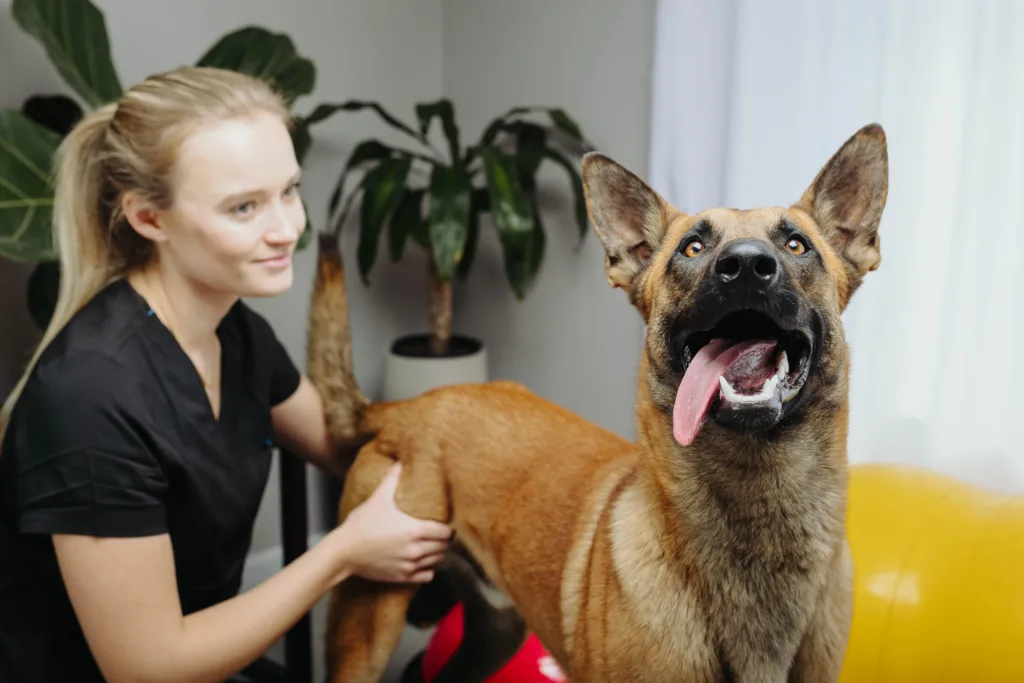
KS: In basic terms, it is physical therapy for animals. The term ‘physical therapy’ encompasses holistic pre- and post-injury and chronic disease interventions that maintain optimal physical balance and function. I wish I had 1000 words for this answer alone, because veterinary physiotherapy is so much more than just treating injuries; it’s the before, the after and everything in between.
DQ: What are some of the most common reasons dogs are referred for physiotherapy?
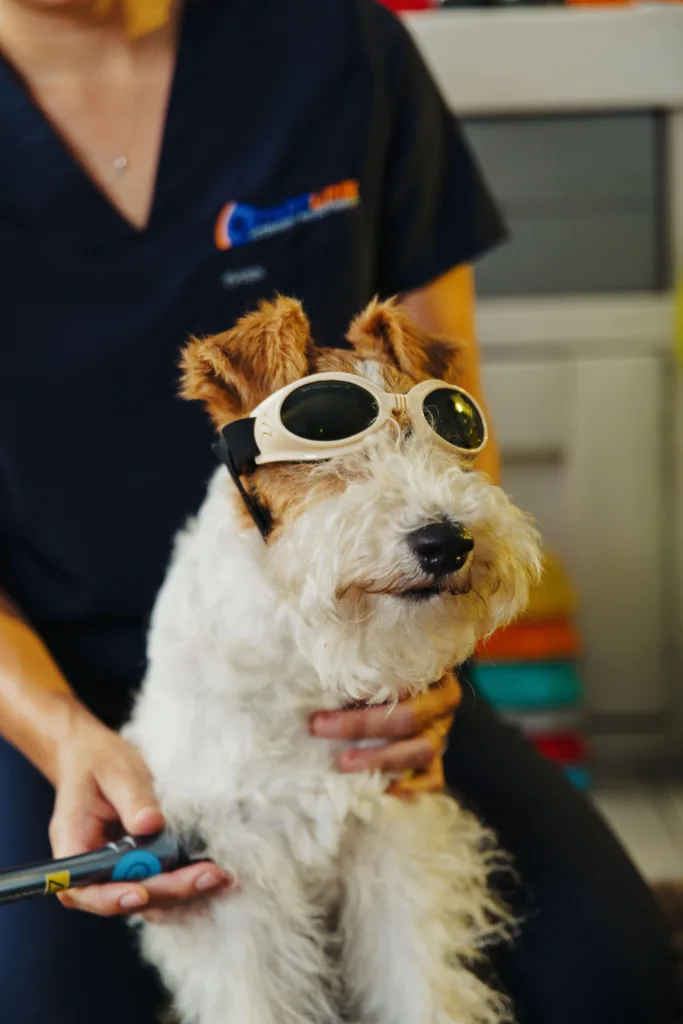
KS: Most common referrals include arthritis, post-surgical assistance, cruciate ligament injuries/disease, elbow or hip dysplasia, neurological disorders or functional impairment.
DQ: In your experience, how does pain or physical discomfort typically show up in dogs – especially when it’s subtle or chronic rather than acute? Are there any signs that you believe are commonly missed by owners?
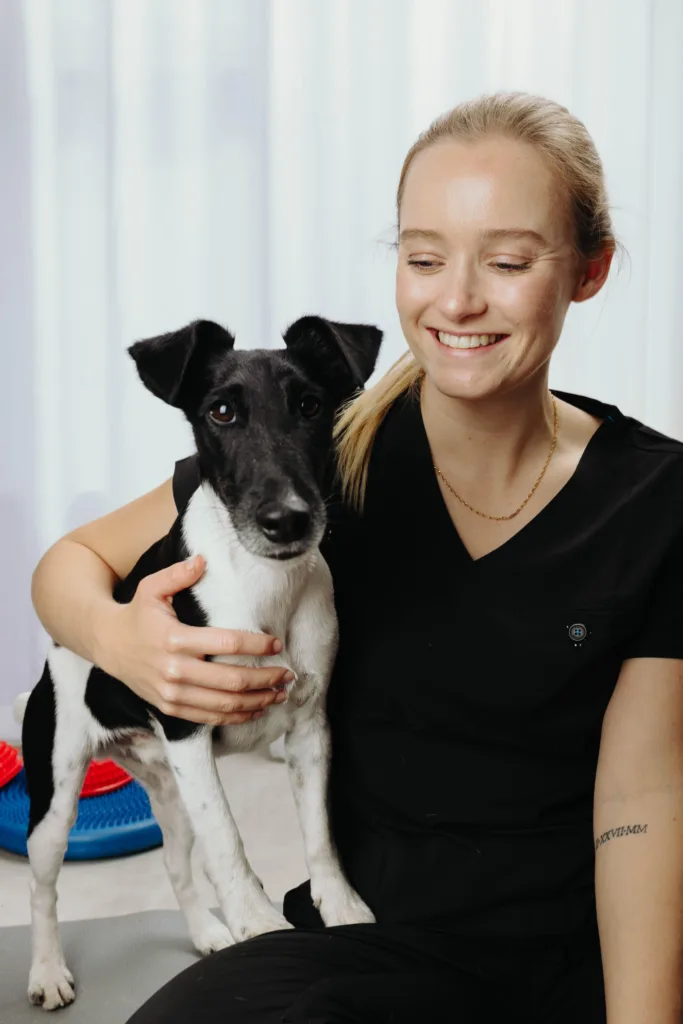
KS: Typical signs we see are obvious functional impairments like limping, not being able to jump onto the couch or into the car, stiffness when getting up from lying down, yelping or crying when being touched in painful areas. Now for the less typical signs: behavioural changes like increased anxiety, reactivity, depression or increased lethargy, abnormal sound sensitivity, persistent licking of specific body regions, changes in coat appearance, postural changes like rounding of the back or an abnormally low head carriage, changes to paw posture like splayed or lifted toes, slowing down on walks or reluctance to perform tricks that used to be automatic or ‘easy’. Emotional well-being heavily depends on physical comfort and pain levels. Changes to character or temperament should always be investigated further.
DQ: Are there common myths or misunderstandings about canine physiotherapy that you’d like to clear up?
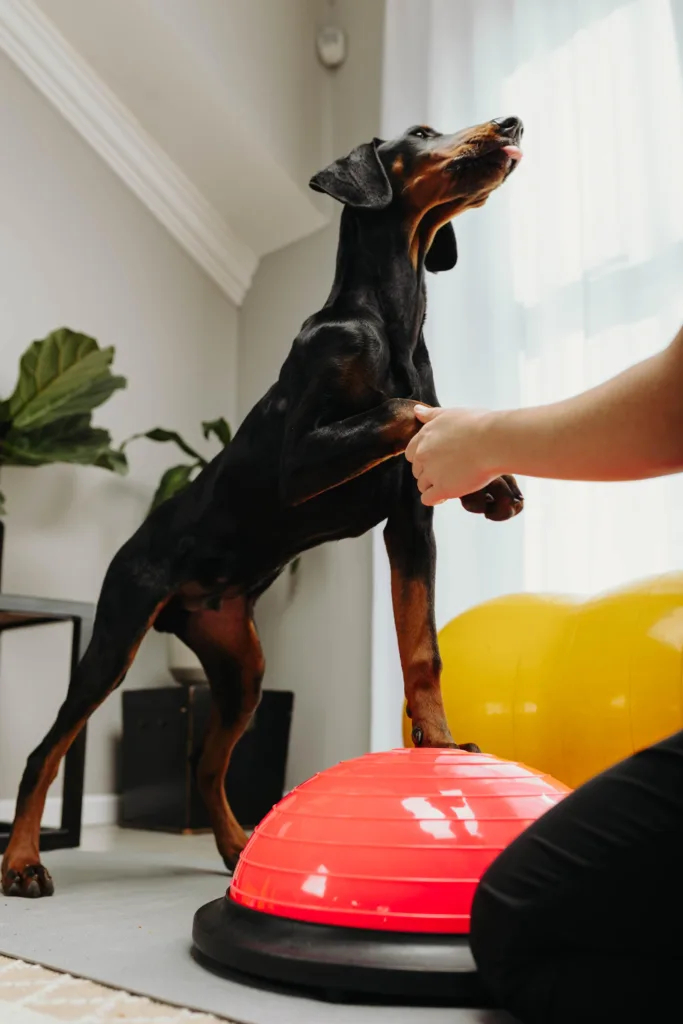
KS: Most owners only call on physiotherapists when their animal is suffering physically. We are the link that detects subtle changes or abnormalities before they become big problems. A routine check-in with a physiotherapist every six months could greatly reduce your animal’s risk of developing severe injuries, while also giving you a better holistic approach to understanding where your dog’s body needs support and/or better management at home. When it comes to sporting dogs, it is commonly known that working dogs will work through pain. It is our job to make sure owners are aware of their dog’s discomfort before significant injury occurs.
Startline Veterinary Physiotherapy
DQ: What led you to start Startline Veterinary Physiotherapy?
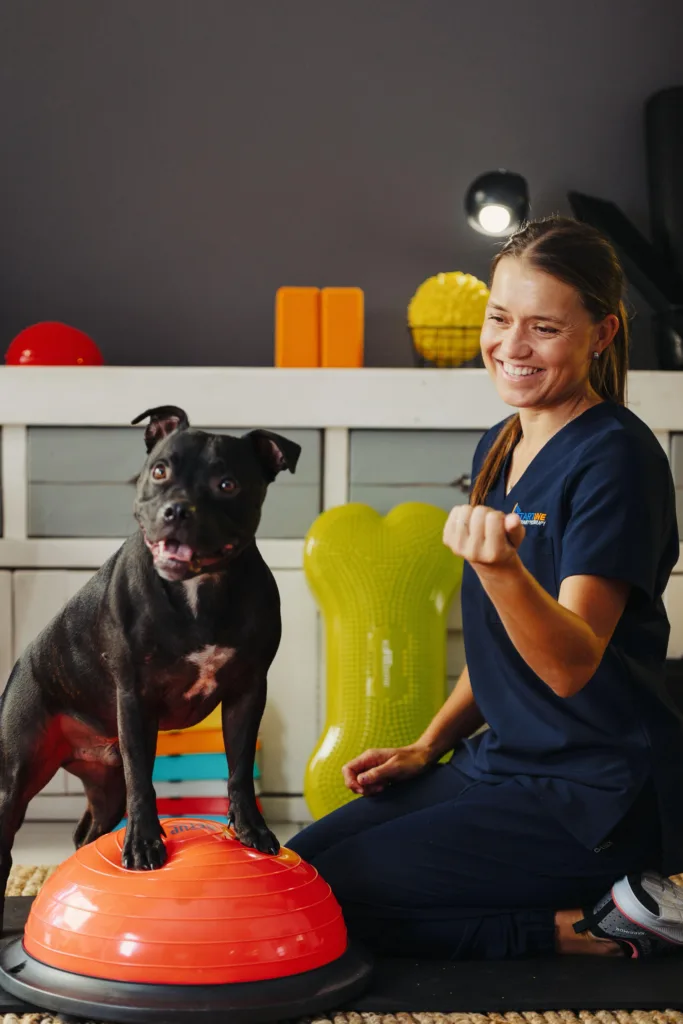
KS: I am incredibly passionate about proactive conditioning and care. Startline was developed to form a part of the foundational support team for owners to trust that their dogs are best prepared for an active and full quality of life, whether as a companion or sporting teammate. Our team is made up of fully qualified and registered physiotherapists ensuring optimal care.
DQ: What does an initial physiotherapy assessment usually involve at Startline, and how do you tailor treatment plans or fitness plans to the individual dog rather than the diagnose alone?
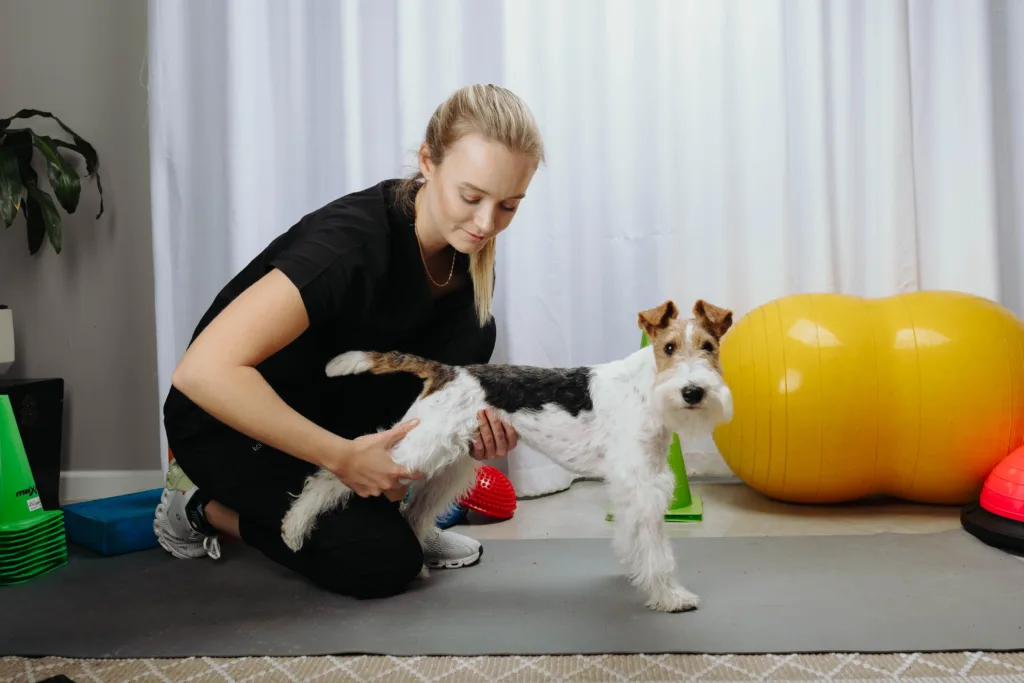
KS: At Startline, our initial assessments involve an extensive consultation including a subjective and objective analysis of the dog. We find out everything there is to know about the patient’s history, exercise and home management, diet and owner concerns. Once a physical assessment is performed, we develop a specific management plan and exercise programme that considers the patient’s diagnosis, treatment goals and owner goals. We pride ourselves in creating comprehensive programs that take the dog’s ability and the owner’s ability into consideration, ensuring optimal compliance and results that last.
DQ: We see you tend to travel for patients. Is there a specific reason for this?
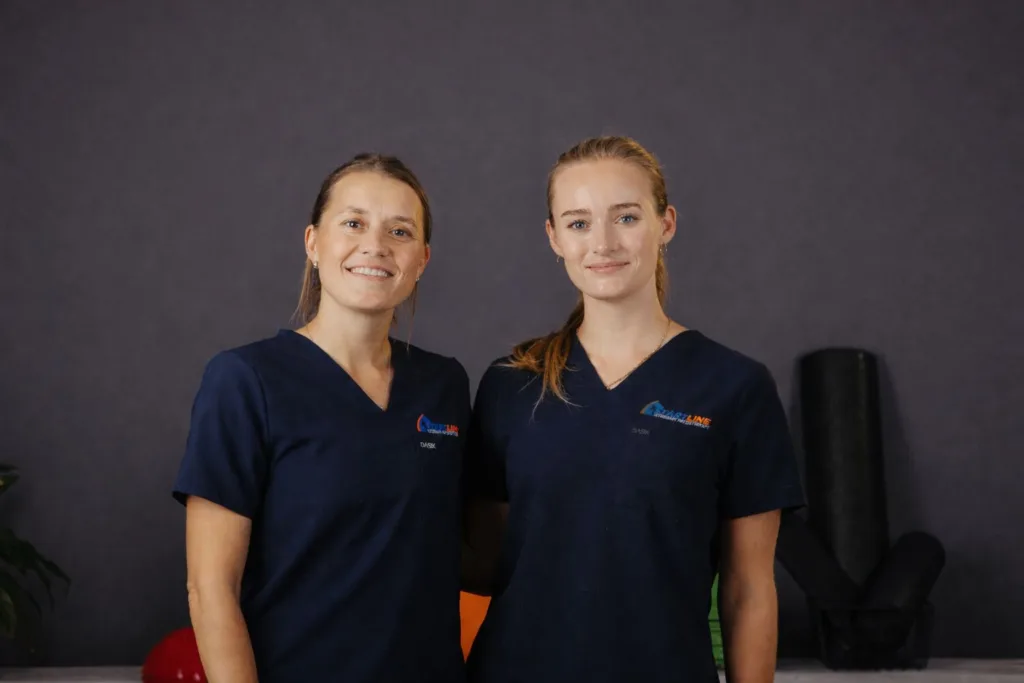
KS: We are a solely mobile clinic; we perform all treatments in the comfort of the dog’s home. This ensures that the dogs are most comfortable, promoting reduced stress and improved treatment response. This also gives us a great understanding of the dog’s home environment for more appropriate management strategies. Additionally, we find that this suits the owner’s convenience to better accommodate consistent treatment intervals.
DQ: How closely do you work with veterinarians?
KS: We form a part of the veterinary health-care team, so we are regularly reporting treatment outcomes to veterinarians to ensure that our patients are progressing optimally.
DQ: How much do owners need to be involved in the physiotherapy process?
KS: A great deal of patient progress is based on correct management at home. Owner involvement ensures ideal home management, supervision, and exercise-conditioning consistency, ensuring that patients are progressing appropriately. Better owner compliance plays a large role in patient outcomes.
DQ: Are there particular breeds, life stages, or lifestyles that you specialise in?
KS: We treat all dogs, big or small, companion or sporting. Our team is made up of individual therapists with an interest in particular aspects of rehabilitation relating to different conditions in companion and sporting dogs.
DQ: What sets a Startline Physio apart?
KS: Startline emphasises foundations. Our physiotherapists are trained and prepared to address every foundational aspect of optimal care. We guide our owners through the entire journey with care, clarity and attention to detail.
Future
DQ: Where do you hope to take your work in the future?
KS: The future me dreams of working amongst and supporting the best sporting canine athletes in the county.
DQ: What do you believe the future of veterinary physiotherapy looks like in South Africa?
KS: I am very pleased to say that our country is producing veterinary physiotherapists that match the level of quality and expertise of those produced around the world. I hope for veterinary physiotherapists to be a stronger part of the foundation of exceptional veterinary care, alongside the industry-leading veterinary healthcare professionals in this country.