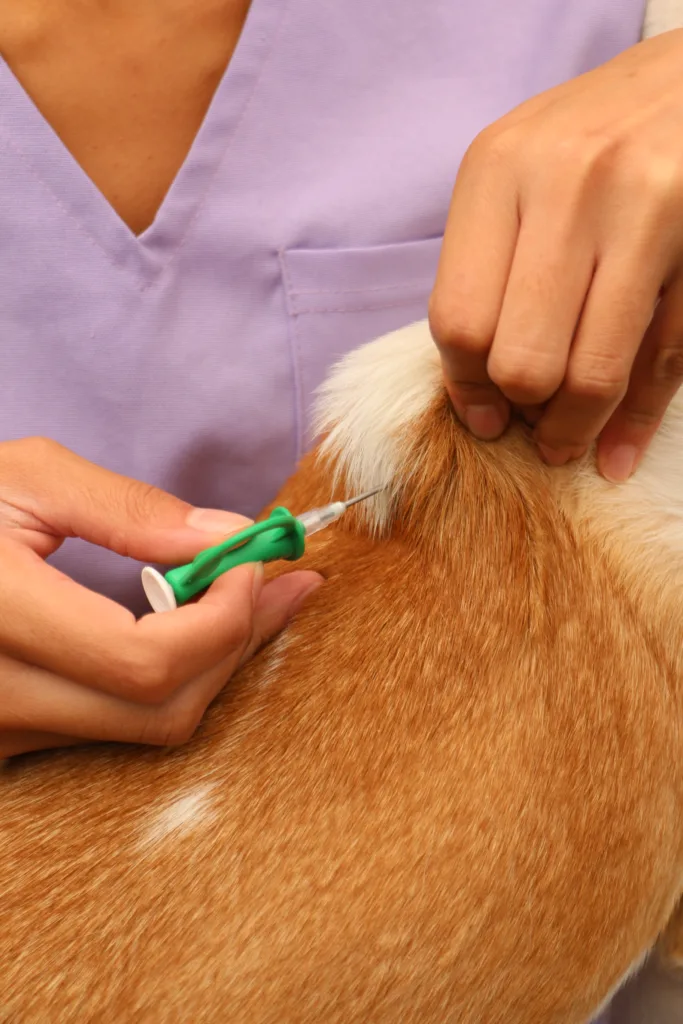
Why microchipping matters this National Pet ID Week
It’s the kind of thing no pet owner wants to think about. Your dog bolts through an open gate, your cat slips out while you’re bringing in the groceries, and just like that, they’re gone. No collar, no tag, and no way for whoever finds them to get in touch with you.
It happens more often than you’d think, and the reality is that most lost pets never make it home. But here’s the good news: a microchip can change that entirely.
This National Pet ID Week (17–23 April), TEARS Animal Rescue is urging all pet owners to get their animals microchipped. If you’ve already done that, the next step is to ensure that your contact details are up to date.
The numbers don’t lie
If your pet goes missing, having a microchip dramatically increases the chances of a happy reunion.
The problem? According to the Cape of Good Hope SPCA, less than 90% of lost pets arriving at their pound are microchipped. That means the vast majority of animals that come through those doors have almost no way of getting home. The State of Pet Homelessness Project (South Africa) paints an equally dismal picture, stating that “only 21% of dogs and 22% of cats owned in SA are microchipped, and that only about one‑third of lost pets are found or returned overall.”
A chip is only as good as the info behind it
Here’s what a lot of people don’t realise – even microchipped pets can fall through the cracks. Studies show that 35.4% of microchipped animals have incorrect or disconnected phone numbers linked to their chip, while 9.8% have chips that were never registered in the first place. In some cases, owners simply don’t respond to contact attempts. So, while the chip itself is essential, it’s only half the equation. The information tied to it needs to be accurate and up to date. If you’ve moved house, changed your phone number, or rehomed a pet, updating those details could be the difference between a reunion and a permanent goodbye.
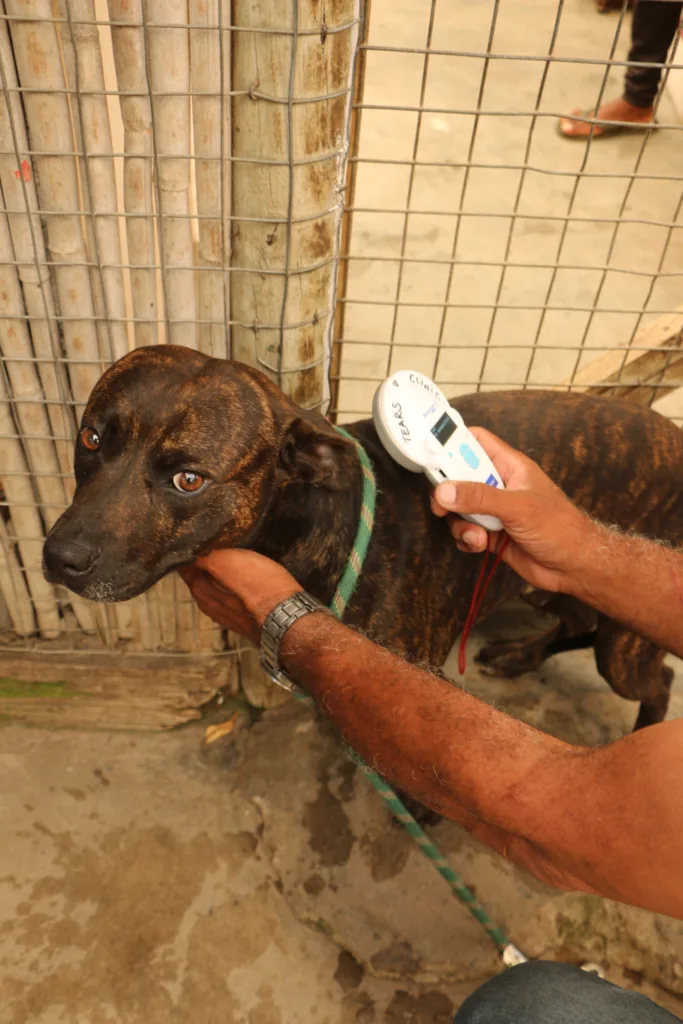
What TEARS wants you to know
TEARS knows this reality better than most. As a rescue organisation that takes in strays on a daily basis, the team sees firsthand the difference a microchip makes. And what happens when there isn’t one. Only 35% of stray animals arriving at TEARS are microchipped. For those that are, the chances of being reunited with their owner are almost guaranteed. But for the rest – the odds of a happy reunion are slim.
That’s why TEARS microchips every single stray animal that comes through its doors, and every dog and cat available for adoption leaves with a chip already in place.
With an estimated 4 million stray cats and dogs in South Africa, making up 22% of all companion animals in the country, the scale of the problem is enormous. Many of those strays were once someone’s beloved pet. A microchip won’t prevent your pet from getting lost, but it’s the single most effective way to make sure they find their way back.
If you need proof that microchips work, look no further than Padfoot, a cat born in Dubai, brought to South Africa by his family, and lost for seven years after running away. When TEARS’ Feral Cat Project finally trapped him, they discovered he’d been living just 50 metres from home the entire time. Thanks to his microchip (originally registered in Dubai), TEARS was able to track down his family and reunite them. “As animal rescue workers, there is nothing more satisfying than reuniting pets with their loving owners,” says Dylan Malander, TEARS’ Marketing Lead.
What you can do this National Pet ID Week
Microchipping is quick, affordable, and lasts a lifetime. Here’s how you can take action this week:
- Get your pet microchipped. If your four-legged family member isn’t chipped yet, now’s the time. TEARS offers microchipping for just R100, because they believe cost should never be a barrier to keeping your pet safe. Call TEARS reception on 021 785 4482 to book an appointment.
- Check your chip. Already chipped? Ask your vet to scan it at your next visit to make sure it’s still working and registered.
- Update your details. Log into your pet’s microchip registry and confirm that your contact information is current. It only takes two minutes.
- Spread the word. Share this message with fellow pet parents. Because this technology only works if people know about it.
A tiny chip. A lifetime of peace of mind. That’s a trade-off every pet owner should be willing to make.
About TEARS Animal Rescue
TEARS (The Emma Animal Rescue Society) is a registered non-profit organisation based in Cape Town, South Africa, dedicated to the rescue, rehabilitation, and rehoming of abandoned and abused animals.
Through medical assistance, humane education, rescue, rehabilitation and rehoming, TEARS works to end pet homelessness, neglect and abuse across the communities it serves — powered by individual and corporate support, and partnerships with fellow animal welfare organisations.