Why ‘stubborn’ dogs aren’t being difficult — they’re often just scared
Your dog refuses to get in the car.
He barks at the neighbour’s dog.
She growls when the brush comes out.
He ‘won’t listen’ at the vet.
It’s tempting to see these moments as disobedience, but more often than not, they are something else entirely: fear in disguise.
In dog training and behaviour, we’ve come a long way, but one misunderstanding remains stubbornly persistent: the belief that dogs ‘act out’ to defy us. In truth, most so-called bad behaviour is rooted not in defiance, but in distress.
Fear isn’t always loud. Sometimes it’s subtle, misunderstood, or punished before it’s even recognised. But when we learn to see fear for what it is, and respond with compassion rather than correction, everything changes.
The biology of fear
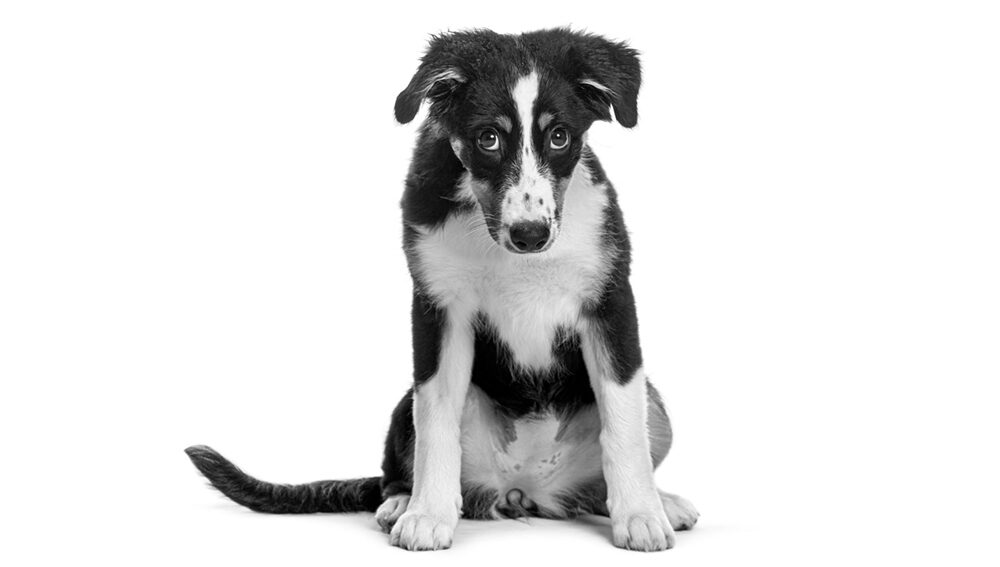
Fear is a survival response. It triggers the fight, flight, freeze, or fidget system in all mammals, including dogs. What we interpret as ‘reactivity’ (barking, lunging), ‘stubbornness’ (refusing to move), or ‘defiance’ (growling, pulling away) is often the dog’s way of saying:
‘I don’t feel safe.’
Unlike humans, dogs can’t rationalise fear and they don’t fake it. If a dog shows avoidance, aggression, or shutdown behaviours, it’s because their nervous system genuinely perceives a threat, even if we don’t see one.
And when we punish that fear? We don’t teach confidence. We teach them not to show us how scared they are.
Common ways fear shows up
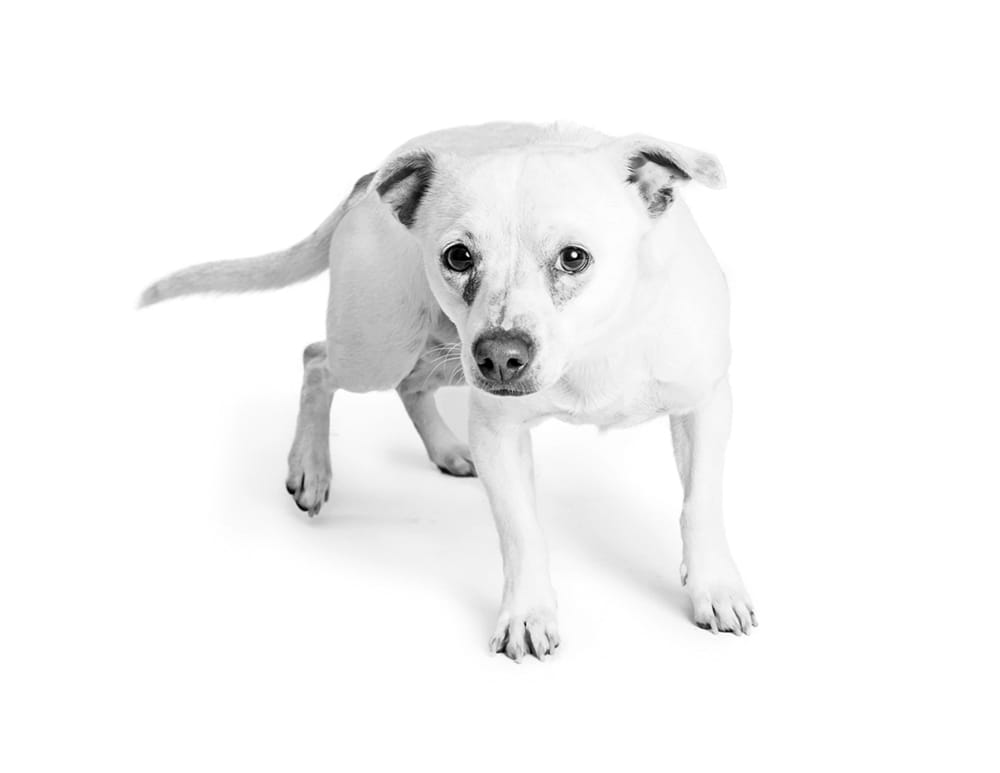
Fear can wear many masks. If you know what to look for, you’ll begin to see the emotional truth beneath the behaviour.
- Reactivity: Barking, lunging, spinning are often a fear responses in disguise, especially on lead.
- ‘Stubbornness’: Refusing to walk, pulling away, shutting down are classic signs of uncertainty or emotional overload.
- Growling or snapping: A communication of discomfort is not ‘bad behaviour’ but a boundary.
- Hyperactivity: Zoomies, panting, jumping are sometimes stress responses, not excitement.
- Avoidance: Hiding, turning away, flinching, yawning and lip-licking are subtle but important signals.
- Shaking, whining, or toileting indoors can all be signs of underlying fear
Every dog will express fear differently, some loudly, some silently, and neither should be ignored.
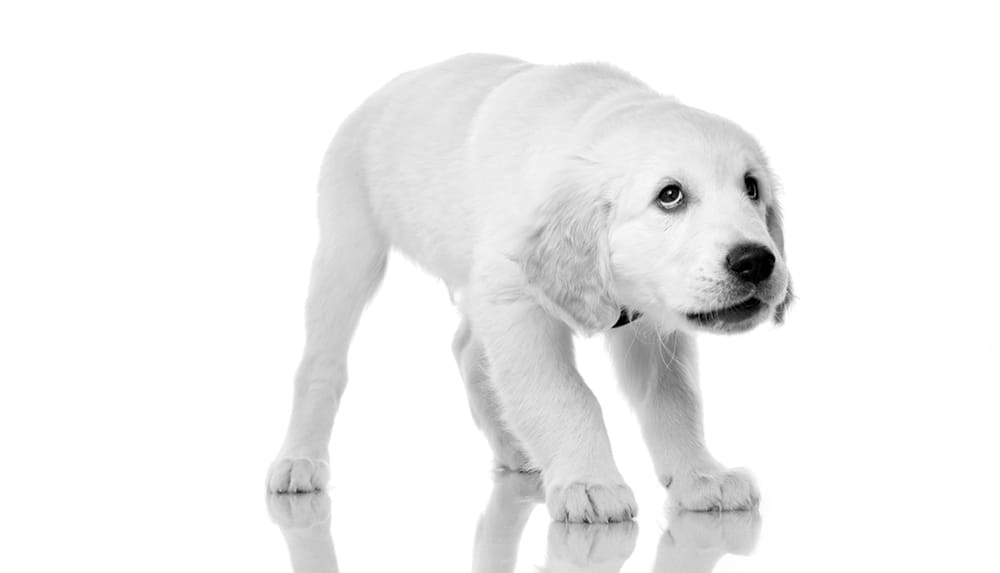
Handling and grooming: Where fear is commonly misread
Routine procedures like nail trimming, ear cleaning, brushing, bathing, or vet checks are among the most fear-inducing experiences for many dogs, especially rescues, puppies with poor early socialisation, or brachycephalic breeds who feel vulnerable being restrained.
A dog that squirms, growls, or tries to escape during grooming isn’t being ‘naughty’, they’re trying to protect themselves.

Why punishment backfires
Correcting fear-based behaviours (shouting, leash jerks, alpha rolls, or electric collars) may suppress the outward behaviour, but at what cost?
- It increases emotional stress, which can make fear worse
- It erodes trust, teaching your dog not to seek safety with you
- It often causes escalation and a dog that stops growling may go straight to biting next time.
- It can result in learned helplessness, where the dog shuts down completely, but still suffers inside.
If your dog is scared, they don’t need obedience. They need support.
Fear-free handling tips
- Slow down. Don’t rush touch, introductions, or new environments. Let the dog set the pace.
- Observe body language. Look for yawning, panting, turning away, wide eyes, and tail tension.
- Give choice. Let them walk away. Let them sniff. Let them opt out and opt in again.
- Pair handling with treats. This builds positive associations and reduces anxiety.
- Start small. Desensitise to tools (nail clippers, brushes) slowly and positively.
- Use cooperative care cues. Teach behaviours like chin rest or mat work that let the dog say ‘yes’ (see our article on consent based handling in this edition).
- Seek professional help. Work with a qualified, force-free trainer or vet behaviourist for fear-based issues.
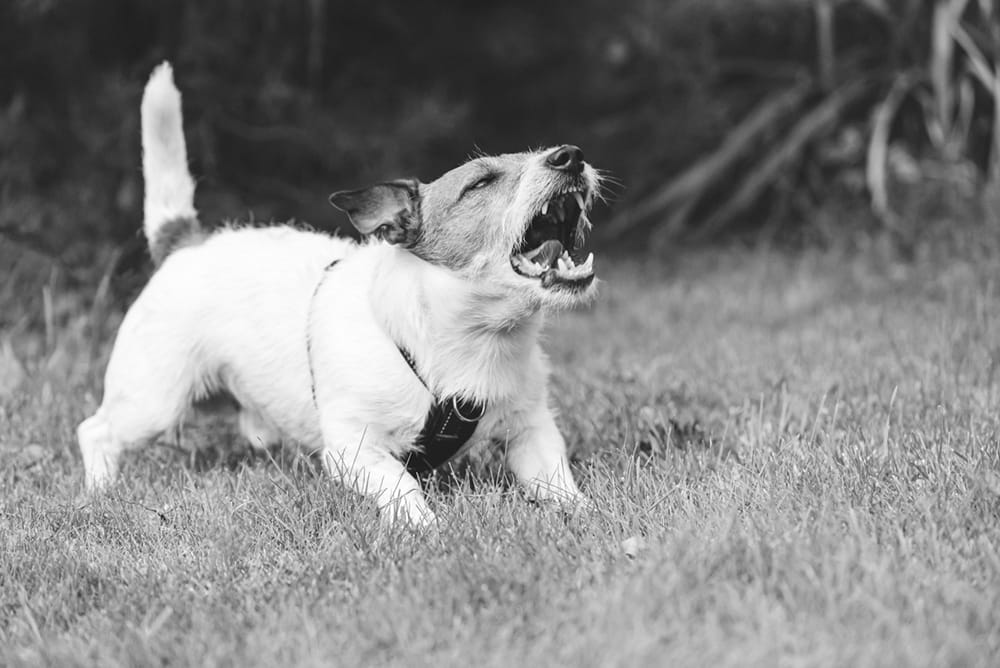
A new lens on behaviour
When a dog growls, he isn’t trying to dominate you; he’s asking for space.
When a dog barks at another dog, he isn’t being aggressive; he’s asking for distance.
When a dog freezes during grooming, he isn’t being difficult; he’s overwhelmed.
Fear is not a training failure. It’s communication — and it deserves to be heard.
Red flags to watch for in dog training
Not all training methods support emotional safety. Be cautious of anyone who:
- Uses phrases like ‘pack leader,’ ‘alpha,’ or ‘dominance-based’.
- Advocates for physical corrections (e.g., leash pops, alpha rolls, spray bottles).
- Uses shock, prong, or choke collars.
- Dismisses signs of fear as ‘acting out’.
- Encourages ignoring growling, barking, or avoidance.
- Promises ‘quick fixes’ or guaranteed obedience
Look for trainers who use:
- Positive reinforcement (R+)
- Fear-free or force-free language
- Cooperative care techniques
- Evidence-based methods
- And have respect for canine emotions
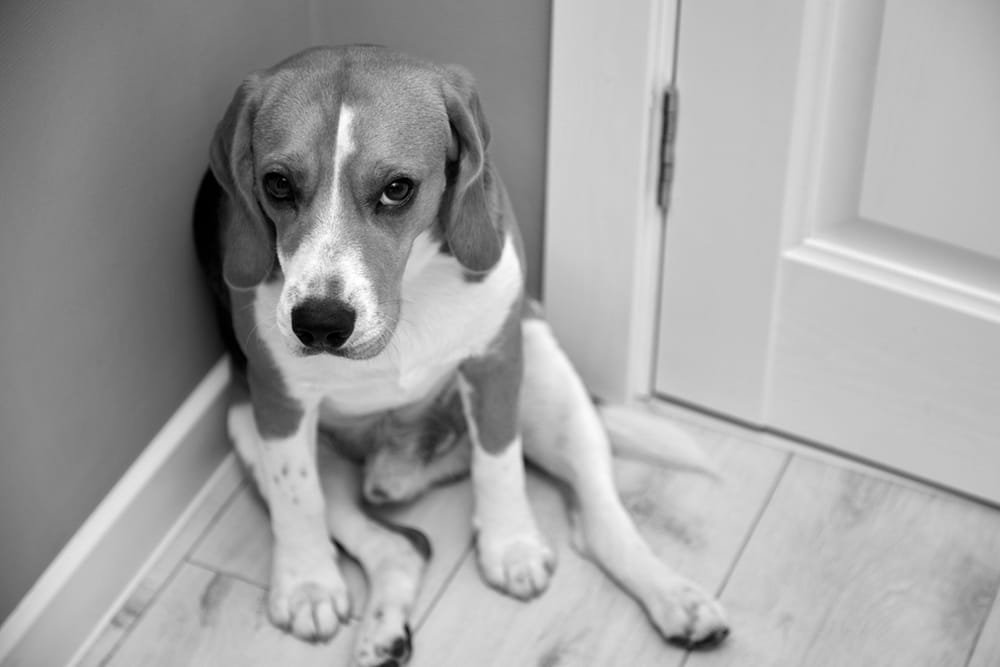
Final thoughts
The next time your dog struggles, ask not ‘How do I stop this?’ but ‘What are you afraid of — and how can I help you feel safe?’