Cost-effective, simple ways to boost your dog’s quality of life
When we think of enrichment, it’s easy to imagine expensive toys, complex training courses, or subscription boxes filled with premium puzzles and treats. But true enrichment isn’t about big spend — it’s about meeting your dog’s need for stimulation, agency, and joy.
The good news? You don’t need to spend much (or anything at all) to make your dog’s world bigger, better, and more fulfilling. With a little creativity, enrichment can become part of your everyday routine — no credit card required.
Here are some low-cost (and often no-cost) enrichment ideas that support your dog’s wellbeing, keep boredom at bay, and strengthen your bond.
1. Sniffari walks
A ‘sniffari’ is a walk where the goal isn’t distance or exercise, but exploration. Research shows that sniffing lowers a dog’s heart rate, reduces stress, and provides vital mental stimulation.
Top tip
Use a longer lead (two to three metres) and allow your dog to stop whenever they wish (provided it is safe to do so). Let your dog choose the route if possible.
Cost: Free
Time investment: 15–30 minutes
Enrichment value: High
2. DIY puzzle feeders
You don’t need fancy slow-feeding bowls to turn mealtime into brain time. Dogs love to work for their food — so let them!
Ideas:
- Towel roll-up: Sprinkle kibble along a towel, roll it up, and let your dog unroll it to find food.
- Muffin tin treasure: Place kibble in a muffin tray, then cover each hole with a ball.
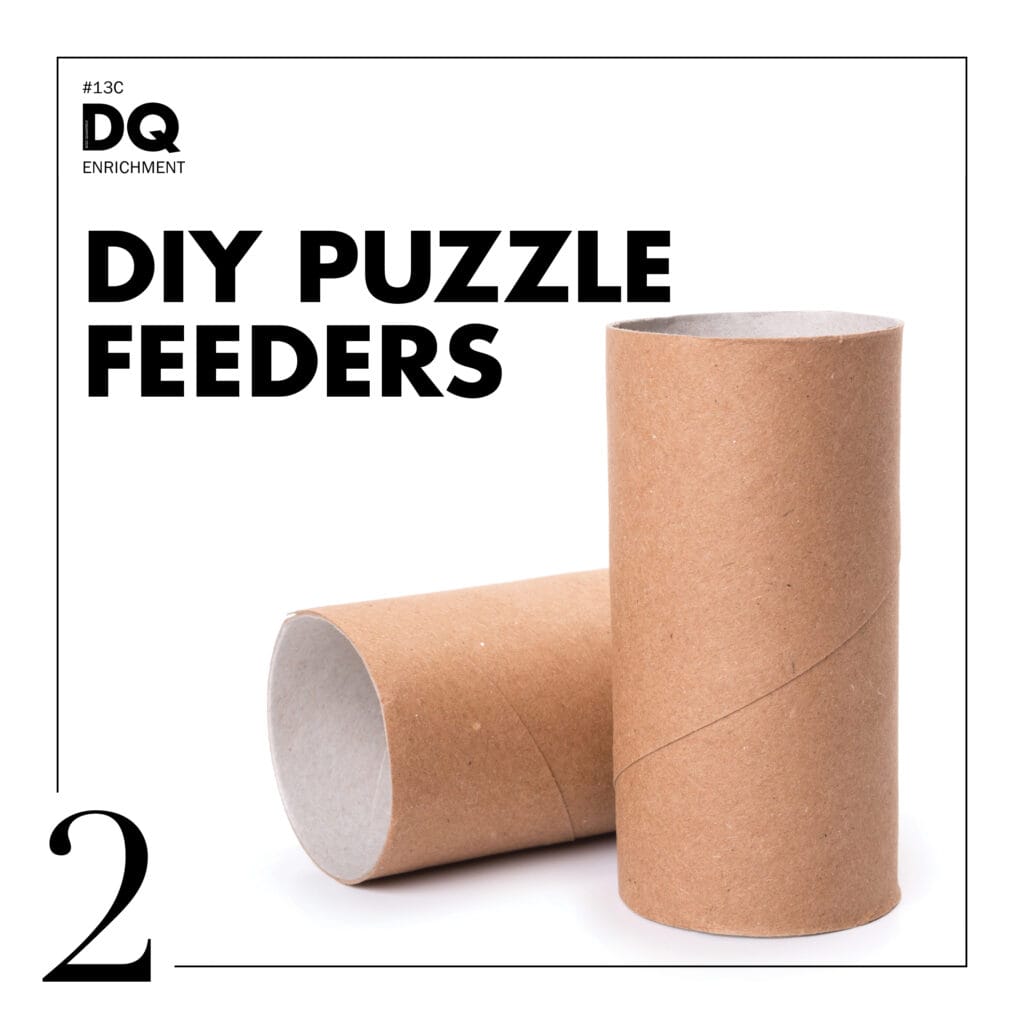
- Toilet roll hunt: Fold kibble into empty toilet roll tubes and hide them in different rooms.
Top tip
If your dog becomes frustrated searching for the kibble make it easier for them. Over time most dogs come to enjoy the hunt.
Cost: Free – R30
Time investment: 5 minutes prep
Enrichment value: Excellent for cognitive stimulation
Bonus
Rotating puzzle types keeps interest high and reduces frustration.
3. Scent games in the home
Scentwork isn’t just for working dogs — it’s deeply satisfying for all dogs.
Try this simple game:
- Place your dog in another room.
- Hide a few treats (or kibble) around the house at nose height or lower.
- Let them ‘go find it!’
Start easy, then increase difficulty as they get the hang of it.
Top tip
Vary hiding spots — behind chair legs, under rugs, in cardboard boxes, or outdoors in the garden.
Cost: Free
Time investment: 10–15 minutes
Enrichment value: Stimulates natural foraging behaviours and reduces boredom

4. Rotate the toy box
Dogs, like kids, get bored with the same toys. But that doesn’t mean you need more, you just need a smarter system.
Here’s how:
- Divide toys into three or four groups.
- Only keep one group out at a time.
- Rotate every few days to ‘refresh’ their interest.
Top tip
Add new life to old toys by rubbing them with something smelly (like a treat), or by playing with them yourself to reignite your dog’s curiosity.
Cost: Free
Time investment: 5 minutes every few days
Enrichment value: Keeps play fresh and engaging
5. Training as enrichment
Teaching new cues or tricks isn’t just about obedience — it’s mentally enriching and builds your dog’s confidence.
Start with fun basics:
- Shake
- Spin
- Back up
- Touch your hand
- Nose to object
- ‘Find the toy’
Use tiny food rewards or praise. Keep sessions short, upbeat, and pressure-free.
Bonus
Trick training is especially helpful for shy or anxious dogs — it gives them a sense of agency and structure.
Cost: Free
Time investment: 5–10 minutes a day
Enrichment value: High, especially for nervous or under-stimulated dogs
6. Natural textures and terrain
Let your dog engage with the world. Sensory diversity matters: the feel of bark under paw, the smell of wet leaves, the sound of a bird call.
Take a different route on your walk. Visit a quiet hiking trail. Let them stroll on gravel one day, sand the next.
Don’t underestimate the richness of novelty — it nourishes their brain (and ours too!)
Cost: Free
Time investment: Built into daily walk
Enrichment value: Multi-sensory and grounding
Final thought
Enrichment doesn’t need to be Instagrammable or expensive.
Dogs who are given opportunities to sniff, solve, chew, choose, and explore are happier, calmer, and better able to cope with life’s challenges.
So next time your dog is pestering you or chewing a slipper, ask yourself — what need are they trying to meet? And how can you help them meet it in a fun and creative way?