Q: What makes a dog a dog?
A: A dog is defined as a domesticated carnivorous mammal belonging to the family Canidae and the genus Canis. Several characteristics and attributes collectively define what makes a dog a dog:
- Species classification: Dogs belong to Canis lupus familiaris, a subspecies of the grey wolf (Canis lupus). This classification distinguishes them from other animals. It means that they are a domesticated form of the grey wolf (or one of his ancestors), and whilst they are classified within the broader species, they are a distinct subspecies due to their long history of selective breeding by humans.
- Genetic similarity: Dogs share a common ancestry with wolves. They have been selectively bred over generations for specific traits, resulting in various breeds with distinct appearances, behaviours, and temperaments.
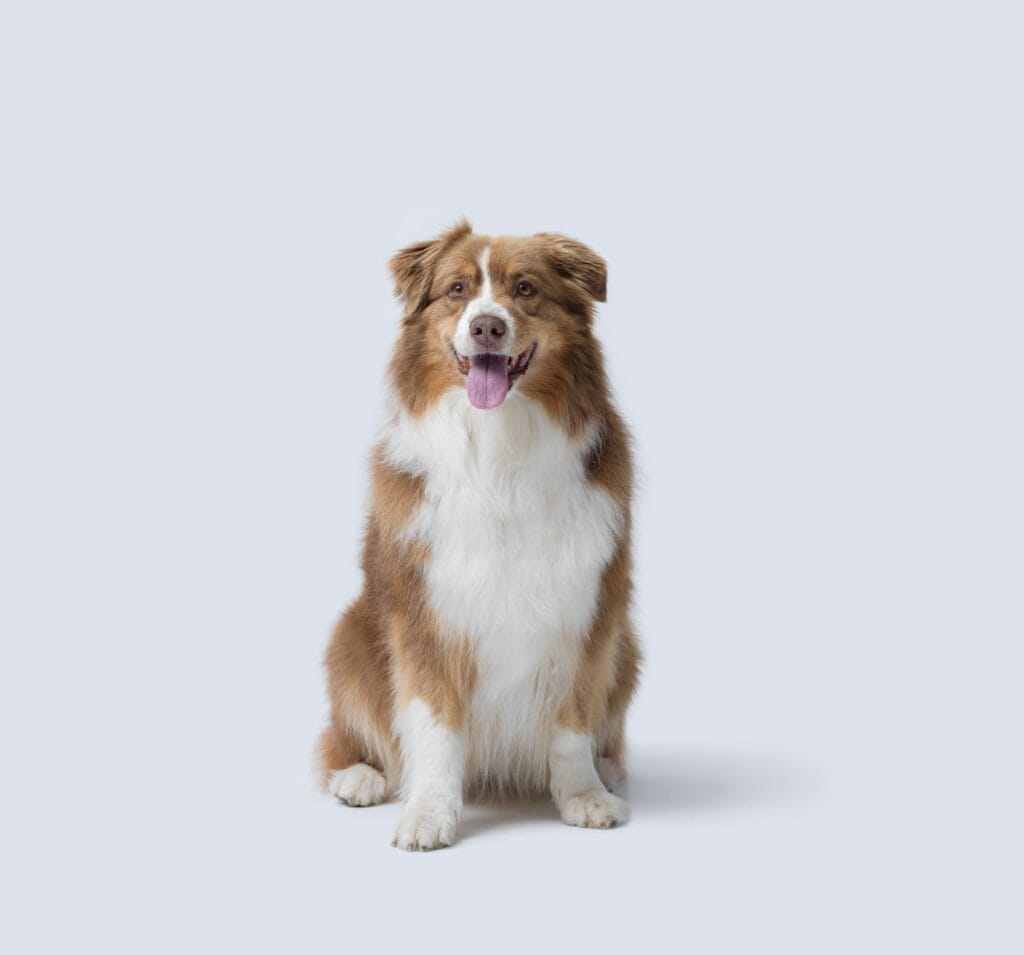
- Physical characteristics: While there is a wide variation in appearance among dog breeds, common physical characteristics include four legs, four paws with non-retractable claws, a tail, ears (which can vary in shape), and a well-developed sense of smell.
- Social nature: Dogs exhibit social behaviours such as forming strong bonds with humans and other dogs and engaging in various forms of communication.
- Domestication: Dogs were among the first animals to be domesticated by humans. This process involved selectively breeding wolves with desirable traits, leading to the development of various dog breeds. Domestication has influenced their behaviour, physiology, and appearance.
- Behavioural traits: Dogs typically exhibit a wide range of behaviours, including loyalty, playfulness, and a strong sense of smell. These behaviours can vary depending on the breed and individual dog.
- Communication: Dogs communicate through vocalisations (barking, growling, whining), body language (tail wagging, ear positioning, facial expressions), and scent marking. They have developed a sophisticated way of interacting with other dogs and humans.
- Cognitive abilities: Dogs have demonstrated a certain level of intelligence and problem-solving skills. They can learn commands, follow cues, and understand many human gestures.
- Role in human society: Dogs have been companions to humans for thousands of years and have played various roles, such as hunting partners, herders, guards, and service animals. Their close relationship with humans has profoundly impacted their behaviour and lifestyle.
- Diversity of breeds: The immense diversity among dog breeds, with variations in size, coat type, colour, and behaviour, showcases the adaptable nature of dogs to fulfil different roles and suit various environments.
In summary, a dog is characterised by its domesticated status, genetic relationship to wolves, physical attributes, social behaviour, communication methods, and historical and ongoing partnership with humans. These combined factors define what makes a dog a distinctive and cherished member of the animal kingdom and human society.