Q: Do all dogs have the same paw structure?
A: While dogs share a standard basic paw structure, there can be variations in the size, shape, and characteristics of their paws among different breeds. Here are some general features of a dog’s paw structure:
- Digits: Most dogs have four primary toes on each paw, while some may have dewclaws (reduced digits) higher up on the leg, which are vestigial and not always present in all breeds.
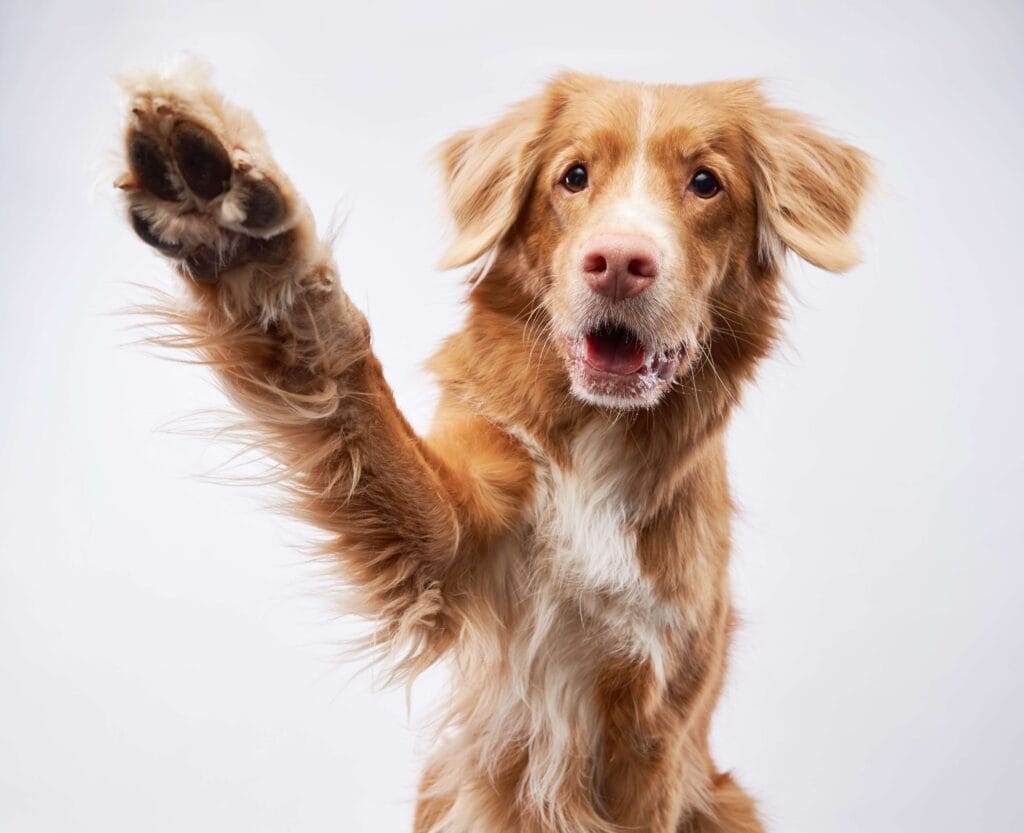
- Nails: Dogs have non-retractable claws. These claws are used for activities such as digging, scratching, and maintaining traction while running.
- Footpads: The bottom of a dog’s paw is covered with tough, thick skin, known as the footpad. The footpads provide protection, cushioning, and insulation for the paws.
- Digital pads: These pads are located on the underside of each toe, providing additional cushioning and traction. They help dogs maintain stability while walking or running.
- Metacarpal and metatarsal Pads: These pads are located higher up on the paw, corresponding to the ‘wrist’ and ‘ankle’ areas. They also contribute to cushioning and support.
- Paw shape and size: Different dog breeds have varying paw shapes and sizes, which are often adapted to their specific functions and environments. For example, dogs bred for running long distances might have more elongated and streamlined paws, while those bred for digging might have sturdier and wider paws.
- Webbing: Some dog breeds have webbing between their toes. This trait is more common in breeds that are natural swimmers, as the webbing helps improve their swimming abilities.
- Hair and fur: The fur and hair on a dog’s paws can vary in thickness and length, providing additional insulation and protection against different weather conditions.
- Scent glands: Dogs also have scent glands on their paw pads, contributing to their ability to mark territory and communicate with other dogs through scent.
In summary, while there are commonalities in the basic paw structure among all dogs, variations have evolved due to the diverse roles and environments in which different breeds have been bred. These variations contribute to the unique characteristics and abilities of various dog breeds.