As winter approaches, it’s essential to adapt your dog’s care routine to ensure their health, safety, and happiness during the colder months. Whether you’re dealing with frosty temperatures, snow, or ice, this guide will help you manage your dog’s winter needs effectively.
-
Keeping warm
– Winter clothing: Not all dogs have thick, insulating coats. Short-haired breeds, small dogs, puppies, and older dogs can benefit from wearing sweaters or jackets. Make sure the clothing fits well and doesn’t restrict movement.
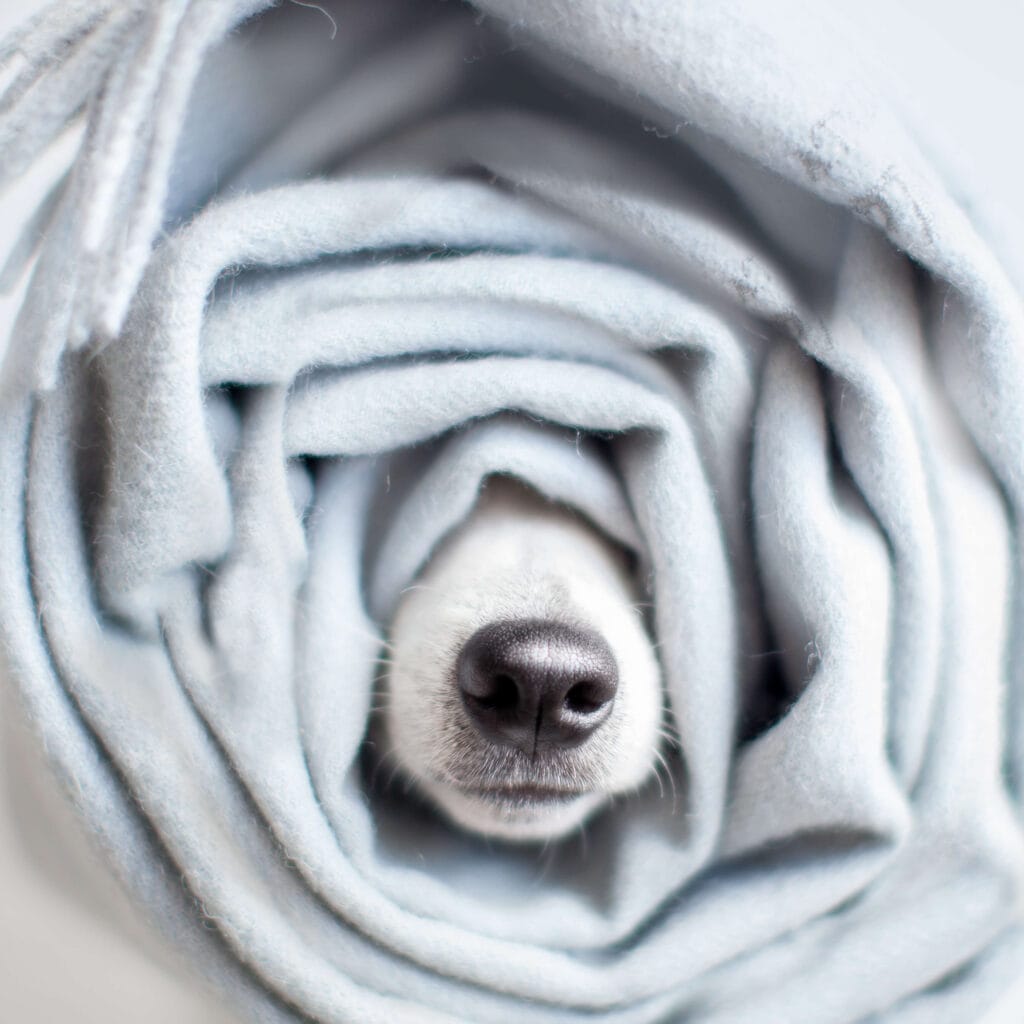
– Comfort: Ensure your dog has a warm, comfortable place to sleep. Consider using padded bedding or heated pet mats. Keep their sleeping area away from drafts and cold floors.
-
Outdoor safety
– Limited exposure: Monitor the time your dog spends outside. Limit walks and playtime to prevent prolonged exposure to the cold, especially for breeds not suited to cold weather.
– Paw protection: Salt, ice, and cold pavements can be harsh on your dog’s paws. Use dog booties to protect their feet or apply a paw balm before and after walks. Regularly check for cracks or irritation.
– Reflective gear: Winter days are shorter, and visibility can be low. Equip your dog with reflective collars, leashes, and jackets to ensure they are visible during walks in low-light conditions.
-
Exercise and play
– Indoor activities: Keep your dog mentally and physically stimulated indoors with interactive toys, puzzle feeders, and games. Hide and seek, tug-of-war, and fetch can all be adapted for indoor play.
– Shorter, frequent walks: Instead of long walks, consider shorter, more frequent outings. This helps your dog stay active without being exposed to the cold for too long.
– Snow play: If your dog enjoys the snow, supervise their play to prevent overexposure to the cold. Be mindful of ice and hidden hazards under the snow.
-
Diet and nutrition
– Adjusted feeding: Cold weather can increase your dog’s energy needs. Consult your veterinarian about adjusting their diet to maintain a healthy weight. However, avoid overfeeding to prevent weight gain.
– Hydration: Ensure your dog has access to fresh water at all times. Outdoor water bowls can freeze, so check them regularly and consider using heated bowls if necessary.
-
Health checks
– Regular vet visits: Winter can exacerbate certain health conditions, such as arthritis. Regular vet check-ups can help manage any health issues and ensure your dog is in good shape to handle the cold.
– Vaccinations and parasite control: Cold weather does not eliminate the risk of certain diseases and parasites. Keep up with vaccinations and parasite control to protect your dog year-round.
-
Emergency preparedness
– Winter kit: Prepare a winter emergency kit for your dog, including extra food, water, medications, a blanket, and a first-aid kit. This is particularly important if you live in an area prone to severe weather or if you are travelling in the car with your dog during inclement weather.
-
Special considerations
– Senior dogs: Older dogs may have a harder time regulating their body temperature and could suffer more from the cold. Provide extra warmth and consider shorter, more frequent outings.
– Puppies: Young puppies are also more vulnerable to the cold. Limit their outdoor exposure and ensure they have a warm, safe environment indoors.
Final thoughts
Managing your dog’s needs during winter requires some adjustments, but with the right preparation, you can keep your furry friend safe, healthy, and happy all season long. By providing warmth, protecting against the elements, and ensuring adequate exercise and nutrition, you and your dog can enjoy the winter months together. Always consult your veterinarian for specific advice tailored to your dog’s individual needs.