New research into vaccine hesitancy comes as South Africa records 15 human rabies deaths this year, ahead of World Rabies Day on 28 September
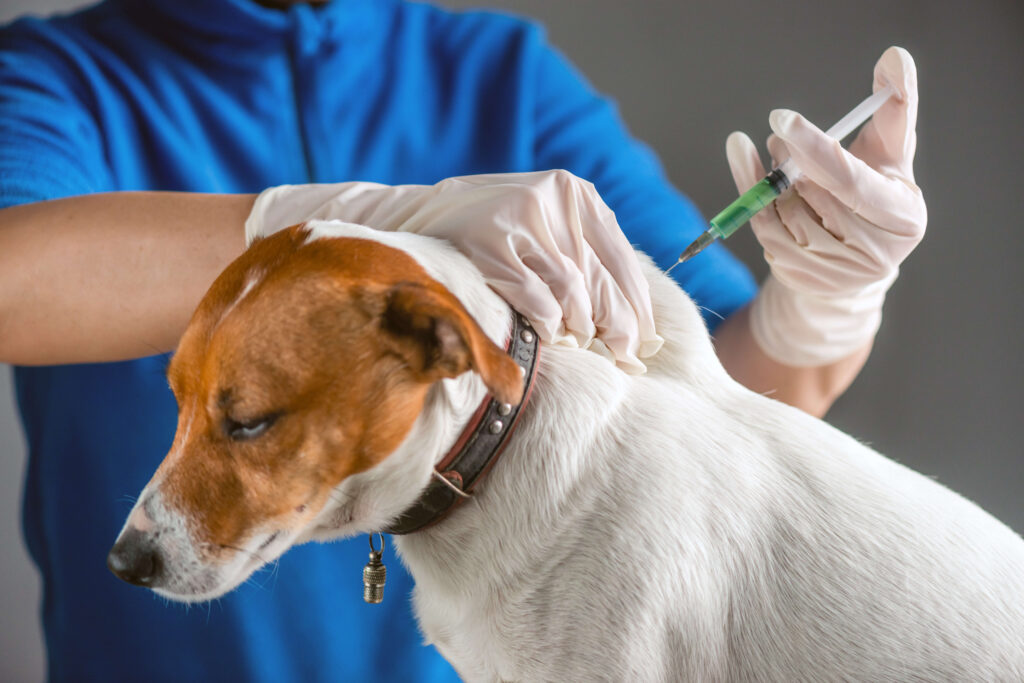
Why would an owner who clearly cares for his dog turn down a vaccine? Research presented at a US veterinary conference this month suggests the answer is often less about fear than about risk assessment, with many owners simply believing that their dog does not need it.
What the research found
Dr Jessica Pritchard, a veterinary internal medicine specialist, presented the findings at the Fetch National Harbor veterinary conference in Maryland. The survey, carried out in summer 2022, asked 333 dog owners in Wisconsin about vaccines during their dogs’ wellness appointments (dvm360, 2026).
The most common reason for declining a vaccine was believing it was not medically necessary. Concern about side effects came second and cost third. More than half of the owners who declined leptospirosis or Lyme disease vaccines did not believe their dog was at risk. Unsurprisingly, owners who were hesitant about their own vaccines were more likely to be hesitant about their dog’s (dvm360, 2026).
There was an encouraging finding too amonst these others. Owners said they trusted their vet’s advice on vaccines more than their own doctor’s. “Those who are in the middle are the ones where we can really make inroads,” Dr Pritchard said. “Every time we have this conversation, we’re hopefully moving one step closer toward a yes” (dvm360, 2026).
The survey has clear limits. It was small, it came from one American state, and its respondents were mostly white, wealthy and university-educated. It tells us nothing directly about South African owners. The pattern it describes is still worth taking seriously, though, because low perceived risk is exactly what makes a preventable disease dangerous.
The risk here is real
Rabies has killed 15 people in South Africa so far this year: nine in the Eastern Cape (seven confirmed and two probable), five in KwaZulu-Natal and one in Limpopo. These are the Department of Agriculture’s figures as of 26 August. There were also 115 laboratory-confirmed cases in animals between January and July, and the disease is present in all nine provinces (SAnews, 2026).
“No one should lose their life to a disease we know how to prevent,” Minister of Agriculture Willie Aucamp said ahead of World Rabies Day on 28 September. This year’s theme is ‘Stronger together’ (SAnews, 2026).
Rabies vaccination is not optional in South Africa. It is legally required for every dog and cat. The first vaccine is due at 12 weeks, with a booster before 12 months of age. After that, dogs are revaccinated every year or every three years, depending on the vaccine (Cape of Good Hope SPCA, n.d.). A vet can confirm which schedule applies.
If a person is bitten or scratched by an animal that might have rabies, the Department advises washing the wound with soap and running water for at least 10 minutes and seeking medical attention immediately (SAnews, 2026).