A modern reframe of the Five Freedoms
In the past, welfare meant food, water, shelter, and a warm place to sleep. A full bowl, a dry bed, and an annual vet visit —once these were all ticked off, the boxes were checked. But in 2025, our dogs live in a dramatically different world — one shaped by urban densification, loneliness, fast-paced human lifestyles, and, paradoxically, both under- and over-stimulation.
Dog ownership has evolved — and so must our understanding of what good welfare truly means.
The Five Freedoms reimagined
The ‘Five Freedoms’ have long underpinned animal welfare thinking. Originally developed for livestock, they have been adopted widely across animal shelters, veterinary standards, and welfare policy.
But it’s time we move from simply avoiding suffering to actively creating conditions in which dogs can thrive.
Here, we take a fresh look at each freedom and what it means for South African dogs in 2025.
Freedom 1. Freedom from hunger and thirst
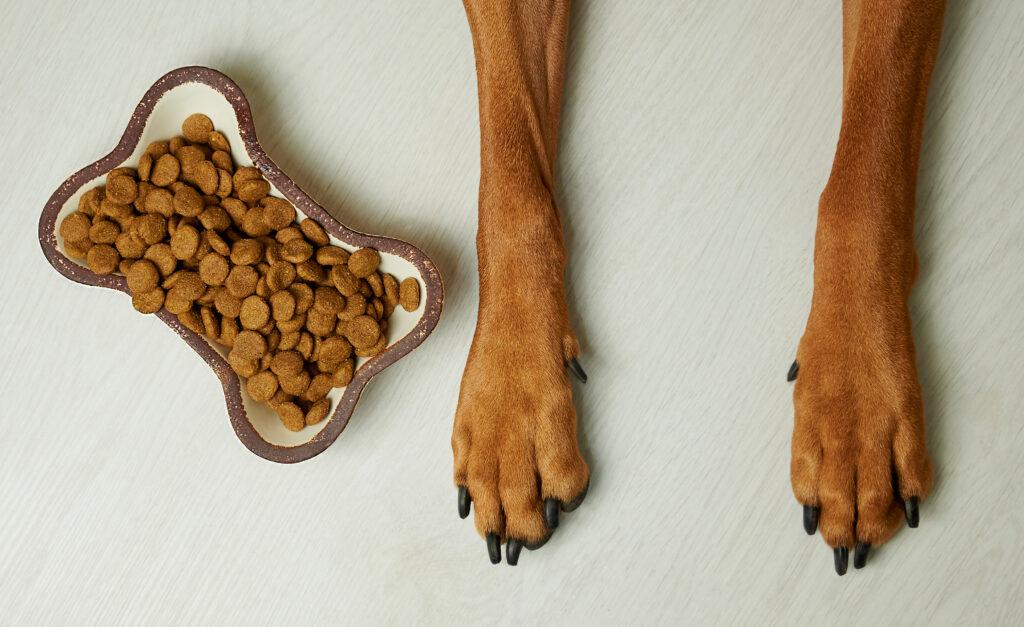
Modern welfare means more than a full bowl; it means nutritional relevance. Is your dog’s diet species-appropriate, digestible, and tailored to their needs?
In some areas, we see overweight dogs consuming commercial diets loaded with fillers. In other settings, dogs may survive on maize meal and scraps. Meanwhile, high-performance dogs may be fed for energy but not gut health.
Reframed: Freedom from nutritional imbalance — where every dog receives food and hydration that supports long-term health, cognitive function, and physical resilience.
Freedom 2. Freedom from discomfort
We tend to think of ‘comfort’ as a soft bed or warm kennel. But discomfort isn’t always visible — it can be pain from dental disease, pressure from poorly fitted harnesses, joint pain secondary to obesity or temperature extremes in urban flats where dogs are left all day without airflow.
Reframed: Freedom from invisible suffering — including chronic pain, dental disease, skin allergies, and poorly understood discomforts that reduce quality of life.
Freedom 3. Freedom from pain, injury or disease
Vaccination, parasite control, and veterinary care are still cornerstones of this freedom, but new challenges have emerged.
We now recognise that dogs bred for aesthetics (e.g., brachycephalic dogs like French Bulldogs) often live with daily suffering from breathing problems. Working dogs often lack access to preventive care, and many owners simply don’t notice pain until it becomes severe.
Reframed: Freedom from preventable health decline — where welfare includes proactive care, ethical breeding, and pain literacy in owners.
Freedom 4. Freedom to express normal behaviour
This is the most overlooked freedom in modern urban life. Dogs are walked less, left alone more, and forced to suppress their instincts. In the name of ‘good behaviour,’ we often punish barking, digging, chewing, and chasing — all of which are completely natural.
Border Collies live in flats. Huskies live in the Lowveld. Toy dogs are carried more than they’re walked. And yet we wonder why they develop anxiety or frustration.
Reframed: Freedom to be a dog — with meaningful outlets for movement, social interaction, sniffing, chewing, digging, and play.
Freedom from boredom: Why enrichment is essential
In 2025, behavioural vets agree: boredom is a welfare issue. A dog with nothing to do will often develop coping strategies — barking, destructive chewing, licking, pacing — that we mislabel as ‘problem behaviour.’
- Sniffari walks (letting your dog sniff freely) are better than perfect heelwork.
- Food puzzles turn meals into 20 minutes of brain work.
- Rotate toys weekly to keep interest high.
- Teach scent games or trick training to offer challenge and bonding.
Enrichment isn’t a luxury — it’s a biological need.
Freedom 5. Freedom from fear and distress
Fear is still too often mislabelled as disobedience. Dogs who hide, shake, growl, or lunge are seen as ‘badly trained,’ rather than as animals trying to cope in a world that overwhelms them.
In South Africa, many dogs live in chaotic or unpredictable environments, from fireworks season to high traffic past their fences with sudden loud noises and conflicts.
Reframed: Freedom from emotional suppression — where we foster safety, predictability, and agency, and where training is consent-based, not control-based.
Whose welfare are we talking about?
It’s easy to think of ‘welfare’ only in terms of dogs in shelters or extreme neglect, but welfare applies to your dog, too. The beloved agility champion with chronic pressure to perform. The boutique puppy sold before eight weeks old. The family dog left alone all day. All dogs have welfare needs, and all dogs deserve to have them met.
Welfare is a verb
Welfare in 2025 isn’t about looking good on paper. It’s about daily choices: How do we house, handle, feed, teach, and love our dogs?
We can’t eliminate all suffering, but we can create a world in which dogs are not only safe and fed, but also seen, understood, and joyful.
It’s time to reframe the five freedoms and strive for more for our canine companions.