What every owner should know
Brachycephalic breeds have captured hearts worldwide with their distinctive flat faces and charming personalities. From the dignified French Bulldog to the affectionate Pug, these dogs are amongst the most popular companions in South Africa and globally. But what exactly does ‘brachycephalic’ mean, and what makes these breeds unique?
What does brachycephalic mean?
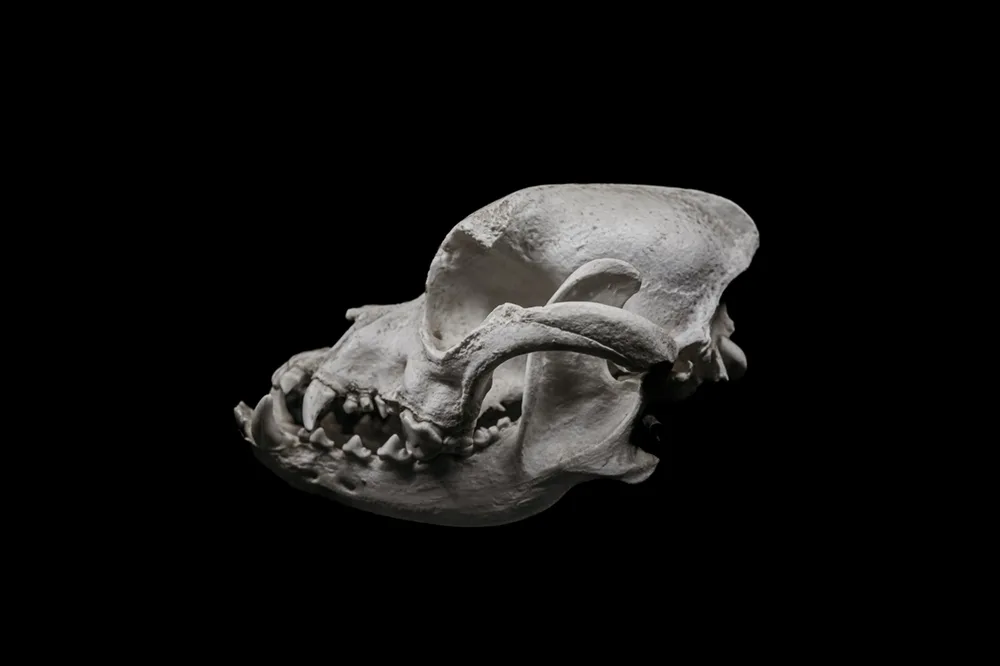
The term brachycephalic comes from Greek: ‘brachy’ meaning short, and ‘cephalic’ meaning head. These breeds have been selectively bred over generations to have shortened skulls, resulting in their characteristic flat faces, large eyes, and endearing expressions that many find irresistible.
Popular brachycephalic breeds
The most recognisable brachycephalic breeds include:
French Bulldogs have become extraordinarily popular in recent years, known for their bat-like ears and playful temperament. These compact dogs typically weigh 8-14 kilograms and adapt well to both apartment and house living.
Pugs are ancient companions with wrinkled faces and curled tails. Their cheerful disposition and moderate exercise needs make them suitable for various living situations. Adult Pugs generally weigh between 6-8 kilograms.
English Bulldogs are larger, muscular dogs with a gentle nature. Despite their somewhat fierce appearance, they’re known for being excellent family companions, typically weighing 18-25 kilograms.
Boston Terriers, often called the ‘American Gentleman’ due to their tuxedo-like markings, are lively and intelligent dogs weighing 5-11 kilograms.
Shih Tzus were bred as companion dogs for Chinese royalty and remain devoted lap dogs today, weighing 4-7 kilograms.
Boxers, whilst having less exaggerated features than some brachycephalic breeds, still fall into this category. These energetic, loyal dogs weigh 25-32 kilograms.
Cavalier King Charles Spaniels have moderately shortened muzzles and are beloved for their gentle, affectionate nature, weighing 5-8 kilograms.
Why are they so popular?
Brachycephalic breeds appeal to many South African families for several reasons. Their compact size suits both urban and suburban living. Many have moderate exercise requirements, making them manageable for busy households. Their expressive faces and affectionate personalities create strong bonds with their families.
Additionally, several brachycephalic breeds have relatively quiet temperaments compared to some terrier or hound breeds, which can be advantageous in neighbourhoods with noise restrictions.
The responsibility of ownership
Whilst these breeds offer wonderful companionship, prospective owners should understand that their distinctive anatomy comes with specific care requirements. The same flat faces that give them their appealing appearance can also create health challenges that require informed, committed ownership.
Brachycephalic breeds need owners who understand their unique needs, can recognise signs of distress, and are prepared for potential veterinary care. In South Africa’s varied climate – from coastal humidity to Highveld heat – understanding how to keep these breeds comfortable and healthy is essential.
Making an informed choice
If you’re considering a brachycephalic breed, research thoroughly and speak with veterinarians familiar with these dogs. Visit reputable breeders who prioritise health over extreme features. Ask about the parents’ breathing, exercise tolerance, and any health testing performed.
These breeds can be delightful companions when matched with informed owners who understand and can meet their specific needs. The key is entering ownership with realistic expectations and a commitment to providing the specialised care these unique dogs require.
In our next article, we’ll explore the specific health considerations for brachycephalic breeds and how to recognise when your dog needs veterinary attention.
Our thoughts on brachycephalic breeds
Our attitude at DQ is that whilst these dogs are wonderful companions, they unfortunately have health challenges that mean that we should be looking to breed out the flattest faces over time. We only support breeders who avoid selecting for extreme features and, ultimately, try to breed healthy dogs. However, we also accept that these dogs have been around for, in some cases, thousands of years, so extreme examples of the flat-faced features are not going to disappear rapidly. Therefore, outside of supporting responsible breeding, we also aim to educate owners on how best to care for these dogs with their unique requirements. That’s probably the best we can hope to do at this point in time!