Historic additions bring total recognised breeds to 205
Dog enthusiasts in America have three exciting reasons to celebrate as 2026 begins. The American Kennel Club announced on Tuesday that three breeds have earned full AKC recognition, effective January 1, 2026. The Basset Fauve de Bretagne, Russian Tsvetnaya Bolonka, and Teddy Roosevelt Terrier can now compete in AKC conformation shows and other events, bringing the total number of recognised breeds to 205.
“We are excited to welcome the Basset Fauve de Bretagne, Russian Tsvetnaya Bolonka and Teddy Roosevelt Terrier to the registry,” said Gina DiNardo, AKC President and CEO. “As always, it’s extremely important to do your research to find a breed that matches your lifestyle.”
These aren’t newly developed breeds; each has existed for decades or even centuries in different parts of the world. Full AKC recognition means there’s now a large enough population in the United States, with active ownership and established breed clubs, to meet the requirements for full recognition.
Basset Fauve de Bretagne
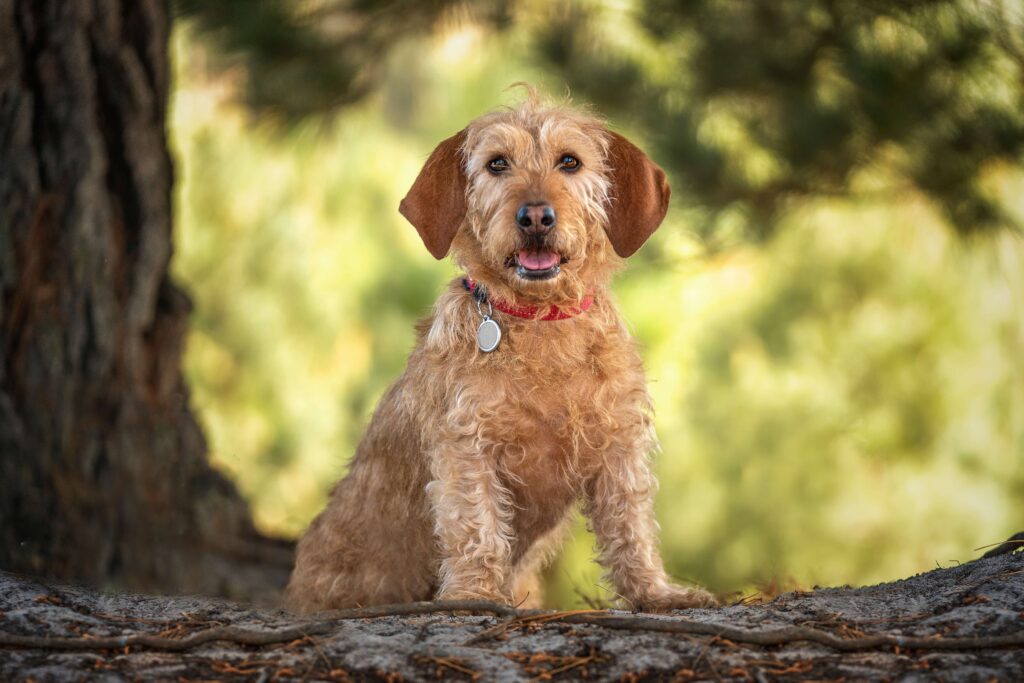
Group: Hound
Size: 30-40cm tall; 10-17 kg
Pronunciation: bah-SAY’ fove deh breh-TAHN’-yeh
Translation: Fawn-colored, low-set dog from Brittany
This compact French hunting hound has aristocratic roots stretching back to 16th-century France, with early depictions appearing in art from the 1300s. The Basset Fauve de Bretagne sports a coarse, wiry fawn-colored coat ranging from golden wheat to red brick shades, designed to repel dirt without matting.
As a scent hound bred to hunt all day, the Basset Fauve possesses intelligence, daring, and an unwavering focus on its quarry. But this hardy hunter also excels as a family companion, displaying a sweet expression and outgoing nature.
Cindy Hartman, a South Carolina service dog trainer, has championed the breed in the United States since bringing a pair of fauve puppies back from France in 2001. She has since trained and placed approximately 20 Fauves as medical alert dogs for people with diabetes – a testament to the breed’s intelligence and trainability.
“They’re wicked smart, and so if you’re wanting a dog that’s just going to lie around all day long, a fauve is not for you,” Hartman explained. “But yet, when challenged mentally and physically, they’re happy to come in with you and curl up on the sofa for the evening.”
The breed requires a good, brisk walk twice daily and thrives on being with their family. Their coat needs weekly combing and brushing, with longer coats requiring hand-stripping to maintain the proper texture.
The Basset Fauve de Bretagne Club of America, established in 2013, guided the breed through the Foundation Stock Service (FSS) beginning in February 2015, advancing to the Miscellaneous Class in 2023 before achieving full recognition.
Teddy Roosevelt Terrier
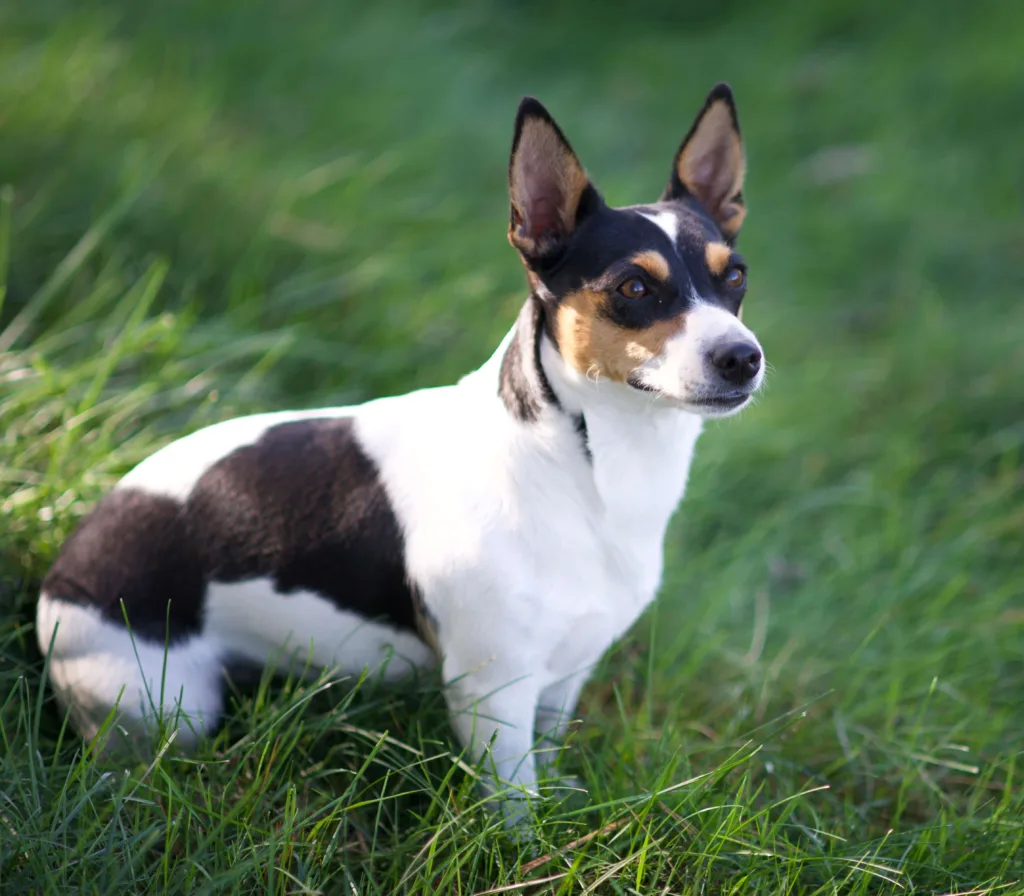
Group: Terrier
Size: 20-35cm tall; 3.5 – 11kg
Origin: United States
Despite its presidential name, Theodore Roosevelt didn’t create this breed; it was named in his honour because of his well-documented fondness for dogs, particularly terriers. This distinctly American breed was developed to rid homes and farms of vermin, making it a valued working dog with boundless energy and endurance.
Originally viewed as a short-legged variant of the Rat Terrier (called Type B Rat Terrier while the Rat Terrier was Type A), breeders recognised the Teddy as deserving its own breed standard in 1999. The smooth-coated, muscular dogs come in a variety of colors and possess a rectangular body shape.
“They know how to get you to laugh,” says Cindy Rickey of Waynesville, North Carolina, secretary of the American Teddy Roosevelt Terrier Club. While terriers are typically known for their independent streak, Rickey notes that her Teddy competes successfully in obedience. “They’re terriers, no doubt about it, but they also have this tremendous desire to please.”
The breed is lively, friendly, and affectionate with family members, showing strong protective instincts and pack mentality. Teddies adapt well to any living situation, equally happy sounding the alarm when strangers approach or snuggling on a cushy pillow at day’s end. They excel at dog sports and prove to be formidable ratters when given the opportunity.
Deb Botruff, president of the American Teddy Roosevelt Terrier Club, helped shepherd the breed to recognition. In 2016, the American Teddy Roosevelt Terrier Club of America was formed, and the breed was accepted into the AKC FSS, advancing to the Miscellaneous Class in July 2019.
Grooming is straightforward, requiring only weekly brushing, though these energetic dogs need regular exercise to stay happy and calm.
Russian Tsvetnaya Bolonka
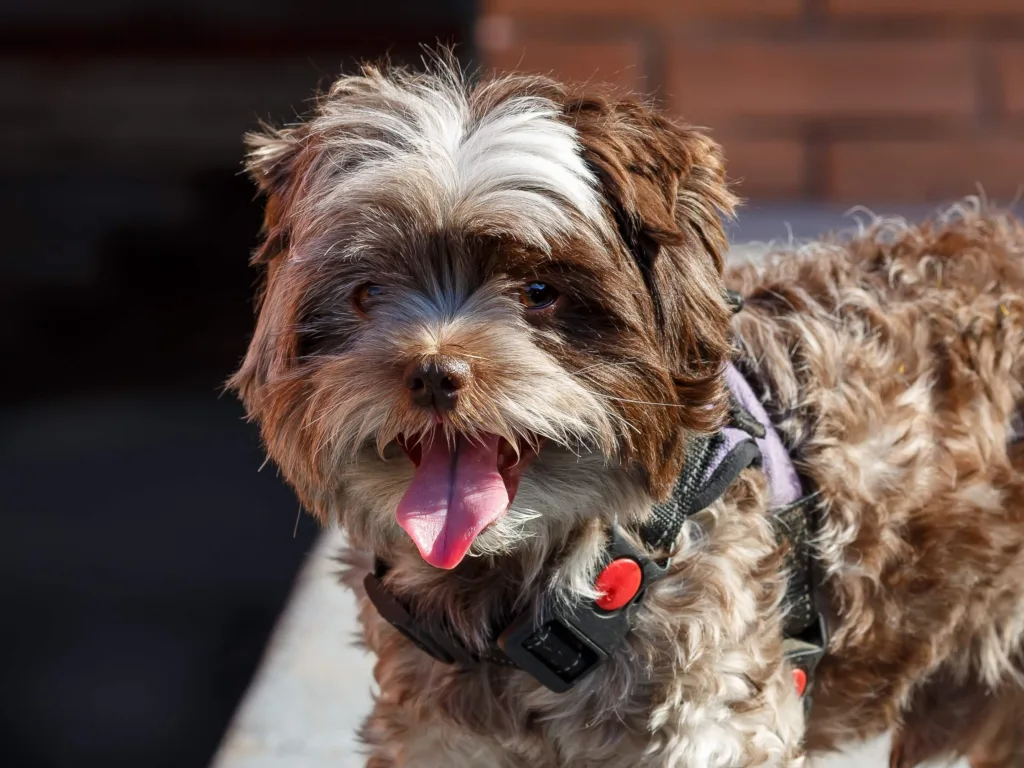
Group: Toy
Size: Up to 26cm tall; 3-4kg
Pronunciation: zvit-NEYE’-ah boh-LON’-kah
Translation: Russian coloured lapdog
The Russian Tsvetnaya Bolonka emerged from post-World War II Soviet-era Leningrad (now St. Petersburg) as a breed specifically developed for apartment dwellers. Created from a mix of foreign lapdogs, including Maltese, Bolognese, and Shih Tzu, the Bolonka (bolonki is the proper plural) was designed as the ultimate house pet for city living.
These small dogs feature thick, wavy coats in a variety of colours, often sporting charming moustaches and beards framing their faces. Despite their toy size, Bolonki possess surprisingly sturdy bodies and sweet, clever personalities.
“Having a Bolonka is like having a 3-year-old kid running around your house,” explains Denise Dang of Oklahoma City, secretary of the Russian Tsvetnaya Bolonka Club of America. “They can enjoy their time lying on the couch with you, but you’ve got to be prepared to play with them and keep them entertained.”
The breed shows no signs of aggression and is characteristically friendly to all, but they are quick to alert their owners of unfamiliar sounds or people. Early socialisation helps them warm up to new people, and their affectionate temperament makes them excellent with children and other animals.
Highly intelligent and eager to please, Bolonki excel at dog sports including obedience, rally, tracking, and agility.
While they don’t require extensive exercise – a good walk twice a week suffices – Bolonki are higher maintenance when it comes to grooming. Their low-shedding coats require brushing or combing several times weekly to prevent matting. Even when cut fairly short, baths every couple of weeks are recommended.
American breeders formed the North American Russian Tsvetnaya Bolonka Club in 2000 to raise awareness and work toward AKC recognition. When the AKC approved the breed for the FSS in 2015, the club changed its name to the Russian Tsvetnaya Bolonka Club of America. After 10 years in the Foundation Stock Service, the breed has now achieved full recognition.
Getting recognised
The AKC doesn’t limit how many breeds it might eventually recognise, but the organisation maintains rigorous standards. According to AKC spokesperson Brandi Hunter Munden, the club isn’t “adding dogs indiscriminately,” but rather providing “an established framework for growth, breed standards, competition and education in the U.S.”
The recognition process takes years of dedicated work by breed clubs, requiring documentation of breeding programmes, establishment of breed standards, and building a sufficient population of dogs with active ownership in the United States. Each of these three breeds spent years in the Foundation Stock Service before advancing to the Miscellaneous Class and ultimately achieving full recognition.
Notably absent from the AKC’s recognised breeds list are ‘doodles’ and other popular poodle hybrids. These designer mixes, while beloved by many pet owners, haven’t yet met the requirements for breed recognition, which requires consistent breeding to a standard over multiple generations.
Looking ahead
With full AKC recognition, owners of these three breeds can now compete for prestigious titles in conformation shows, including the possibility of competing at the AKC National Championship and even the famed Westminster Kennel Club Dog Show. The recognition also increases visibility for these breeds, potentially introducing them to pet lovers who might find them the perfect match for their lifestyle.
Dog show enthusiasts can look forward to seeing these fresh faces in the ring throughout 2026, each bringing their unique heritage, characteristics, and charm to American dog sport.