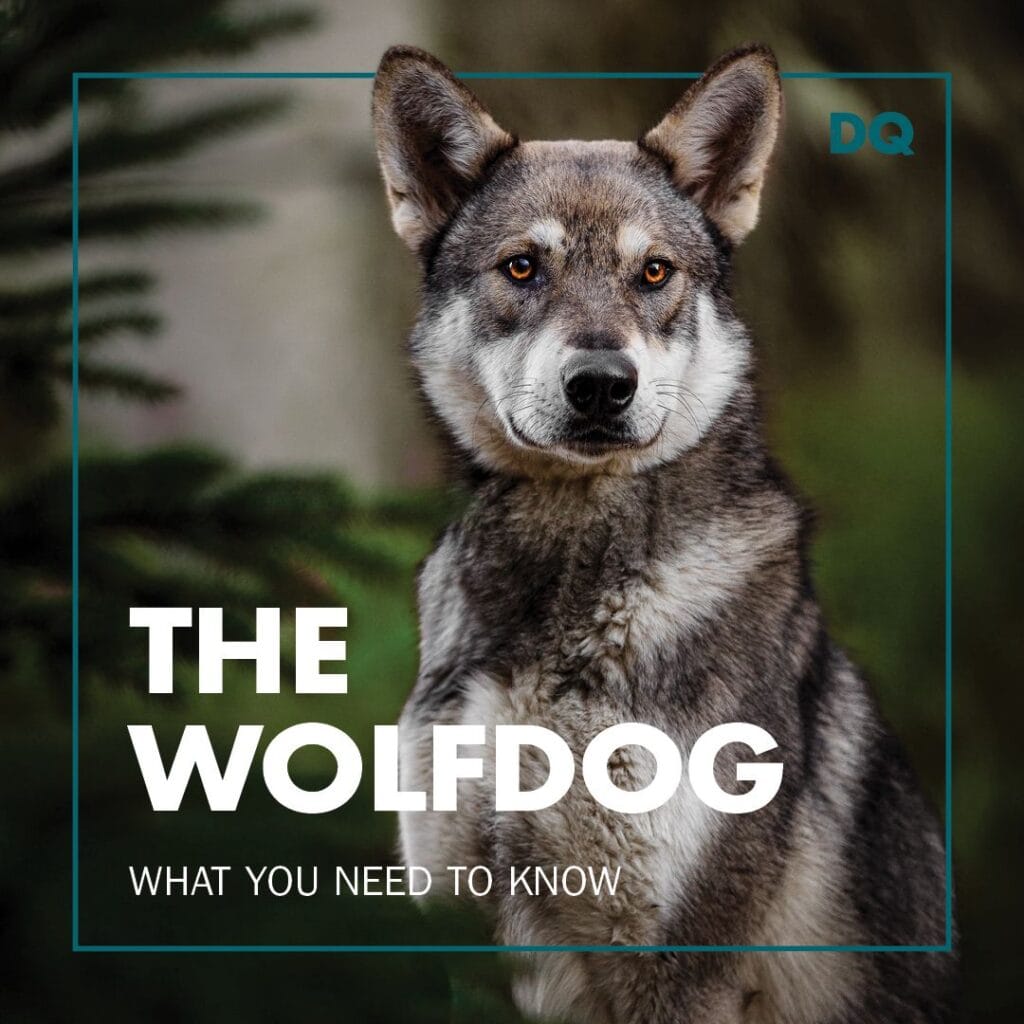
The Wolfdog is a creature that captures the imagination and curiosity of dog lovers and wildlife enthusiasts worldwide. With its lupine looks and untamed energy, the Wolfdog is not your average pet, and in South Africa, it’s a breed that sparks plenty of admiration but also debate and caution.
Wolfdog Fast Facts
- Origin: Cross between a domestic dog and a grey wolf.
- Wolf content: Can range from low (under 25%) to high (over 75%).
- Size: Medium to large (30–50 kg on average).
- Lifespan: 12–16 years.
- Coat: Thick double coat; seasonal heavy shedding.
- Temperament: Intelligent, independent, high prey drive, shy with strangers.
- Ideal home: Large, secure property with plenty of space to roam.
- Exercise needs: Very high — requires physical and mental stimulation daily.
- Legal status in SA: May require permits depending on province and wolf content — always check regulations.
What is a Wolfdog?
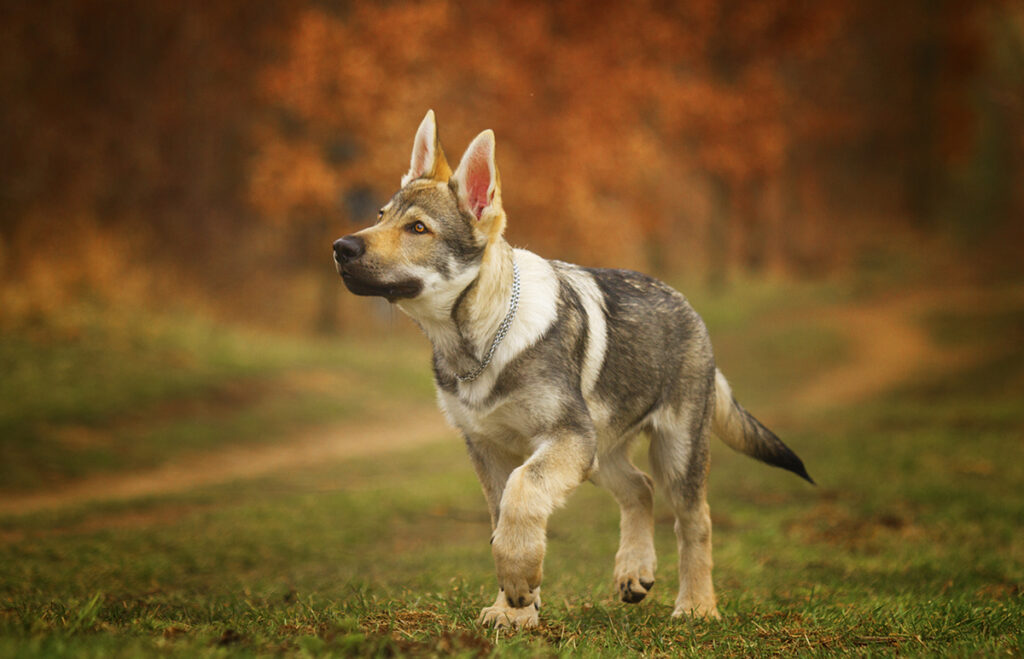
A Wolfdog is a hybrid between a domestic dog (Canis lupus familiaris) and a wolf (Canis lupus). Depending on the percentage of wolf ancestry, these dogs can have varying physical traits and temperaments. Some Wolfdogs have only a small amount of wolf heritage, while others are considered ‘high-content’, meaning they retain a stronger wolf-like genetic makeup and behaviours.
Appearance
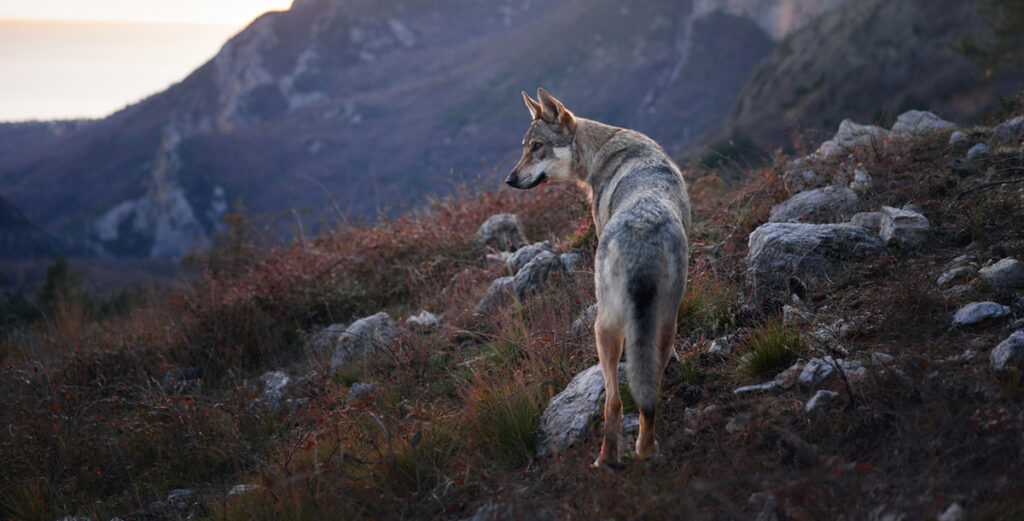
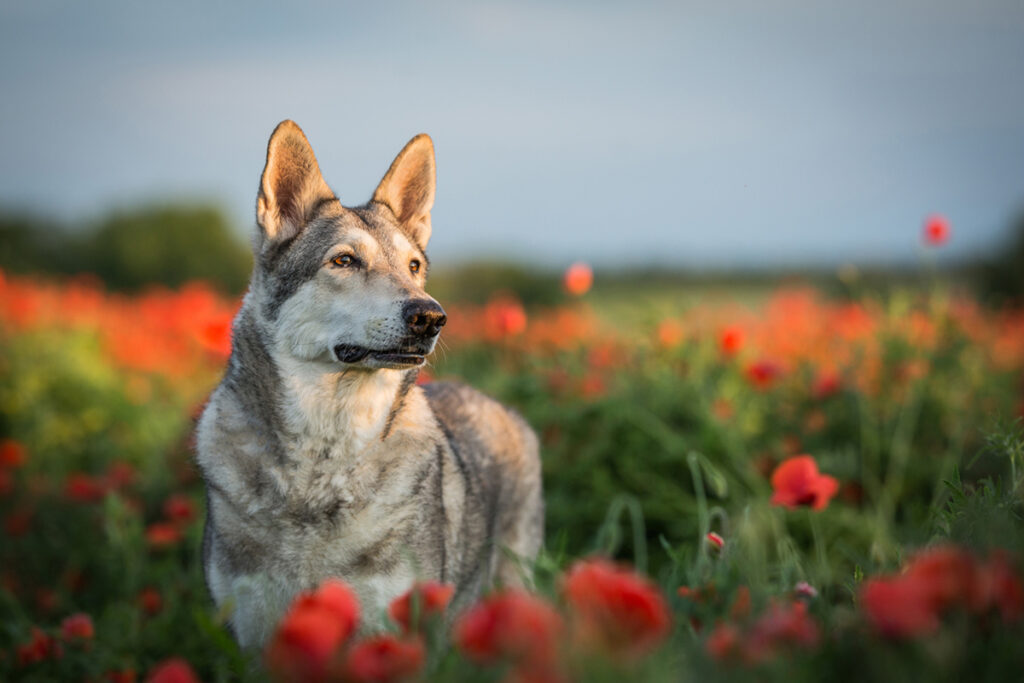
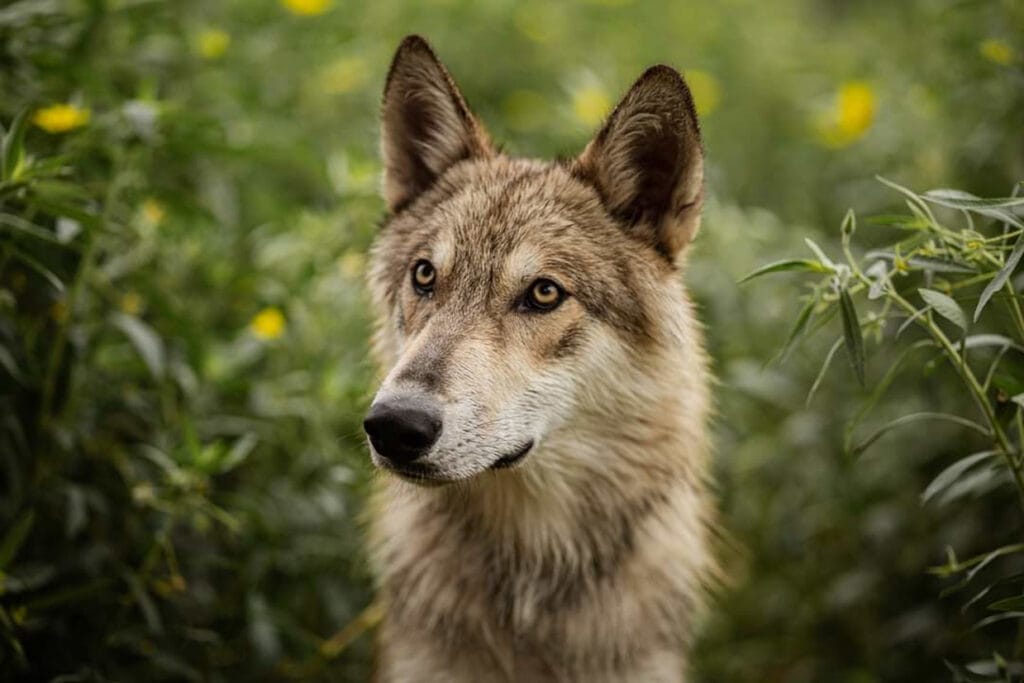
Most Wolfdogs are strikingly beautiful animals, with their wild, piercing eyes, dense double coat, strong bone structure, and erect ears. Their coat colours can range from classic grey wolf shades to white, black, or sable.
Temperament
Wolfdogs are known for their intelligence, independence, and high prey drive. While they can bond closely with their humans, they are not generally suited to life as a pet. They require lots of space, mental stimulation, and close management as unlike typical domestic breeds,
Wolfdogs can display more unpredictable behaviours, especially if not socialised early. Many are shy or aloof with strangers and need careful management around small animals and often children due to their prey instincts.
Wolfdogs occupy a unique space in the animal world and this means that are often misunderstood; they are neither domesticated dogs nor fully wild wolves, falling in the gap between the two. Their instincts make them challenging to train, and they often do not respond well to traditional training, but they are not fully ‘wild’ either.
Types of Wolfdogs
Wolfdogs vary widely depending on their wolf content and the breeds they are crossed with.
The most common types include:
Low-content Wolfdog
Typically under 25% wolf heritage. These dogs resemble domestic breeds more closely and tend to be more manageable in terms of behaviour and training. Some may look like Northern breeds such as Huskies or Malamutes.
Mid-content Wolfdog
These dogs often have a stronger wolf appearance and temperament. They may be more aloof, have heightened prey drives, and require experienced handling. Mid-content Wolfdogs usually range between 25–50% wolf ancestry.
High-content Wolfdog
With over 50% wolf DNA, high-content Wolfdogs tend to behave much more like wolves. They can be shy, territorial, and difficult to train using conventional methods. They often struggle to adapt to domestic environments and need specialised care and secure housing.
Breed-specific crosses
Some of the more established types of Wolfdogs include:
- Czechoslovakian Wolfdog: A recognised breed, created by crossing German Shepherds with Carpathian wolves, known for loyalty and endurance.
- Saarloos Wolfdog: A Dutch breed combining German Shepherds with European wolves, bred initially for working purposes but now known for their shy, sensitive nature.
Each type requires a deep understanding of both canine and wolf behaviour to ensure their wellbeing and successful integration into a human household.
Did you know?
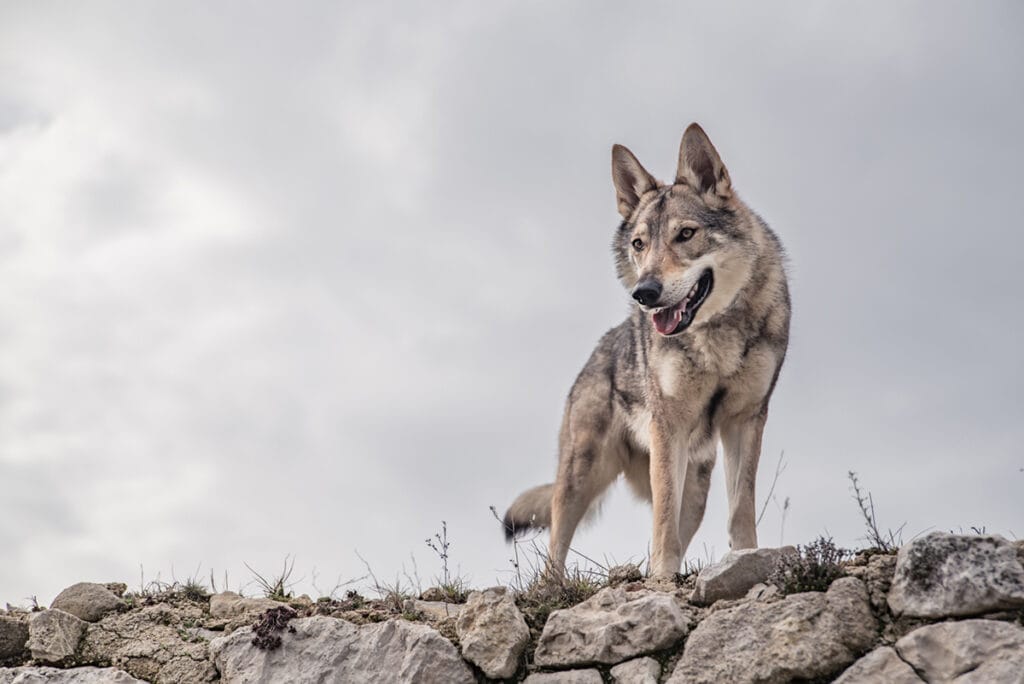
Loki the Wolfdog (check him out on Instagram) is a ‘low content’ Wolfdog.
The Wolfdog controversy
Wolfdogs often spark strong opinions within both the animal welfare and dog-owning communities. On one hand, their beauty and connection to the wild inspire awe. On the other, concerns about their welfare, temperament, and suitability as domestic pets have led to heated debates globally — including here in South Africa.
Animal welfare organisations warn that many Wolfdogs are misunderstood, resulting in them being surrendered to shelters when owners realise the animal’s needs exceed what a typical home can provide. Their high energy, unpredictability, and difficulty adjusting to urban life make them prone to behavioural issues in unsuitable environments.
Conservationists also raise concerns about Wolfdogs potentially threatening wildlife if they escape into the wild. Additionally, in areas where wolves are endangered, the ethical implications of breeding hybrids add to the controversy.
Supporters argue that when responsibly bred, well-socialised, and raised in the right setting, Wolfdogs can thrive and bond deeply with their owners. However, many experts agree they are not suited to most households and are best kept by highly experienced handlers who understand the unique balance between their wolf instincts and domestic dog behaviours.
Are Wolfdogs legal in South Africa?
Wolfdogs fall into a grey area in terms of legality. In some provinces, ownership may require special permits, particularly if the animal has a high percentage of wolf ancestry. It’s vital to check with local authorities and conservation bodies before considering one.
South Africa’s National Environmental Management: Biodiversity Act (NEMBA) also places restrictions on the import and breeding of certain exotic species, and this can extend to high-content Wolfdogs depending on how they are classified.
The Wolfdog in SA culture
Although less common here than in North America or Europe, Wolfdogs are gaining popularity among exotic animal lovers and on social media platforms, where their wolfish looks captivate audiences. However, rescue centres and animal welfare organisations in South Africa warn that these animals often end up in shelters due to owners underestimating the demands of such a unique breed.
Final thoughts
Wolfdogs are fascinating and powerful animals, embodying the raw spirit of the wild. However, they are not suitable pets for the average person. In South Africa, responsible ownership means understanding their special needs, respecting their heritage, and ensuring their welfare and the safety of those around them comes first.