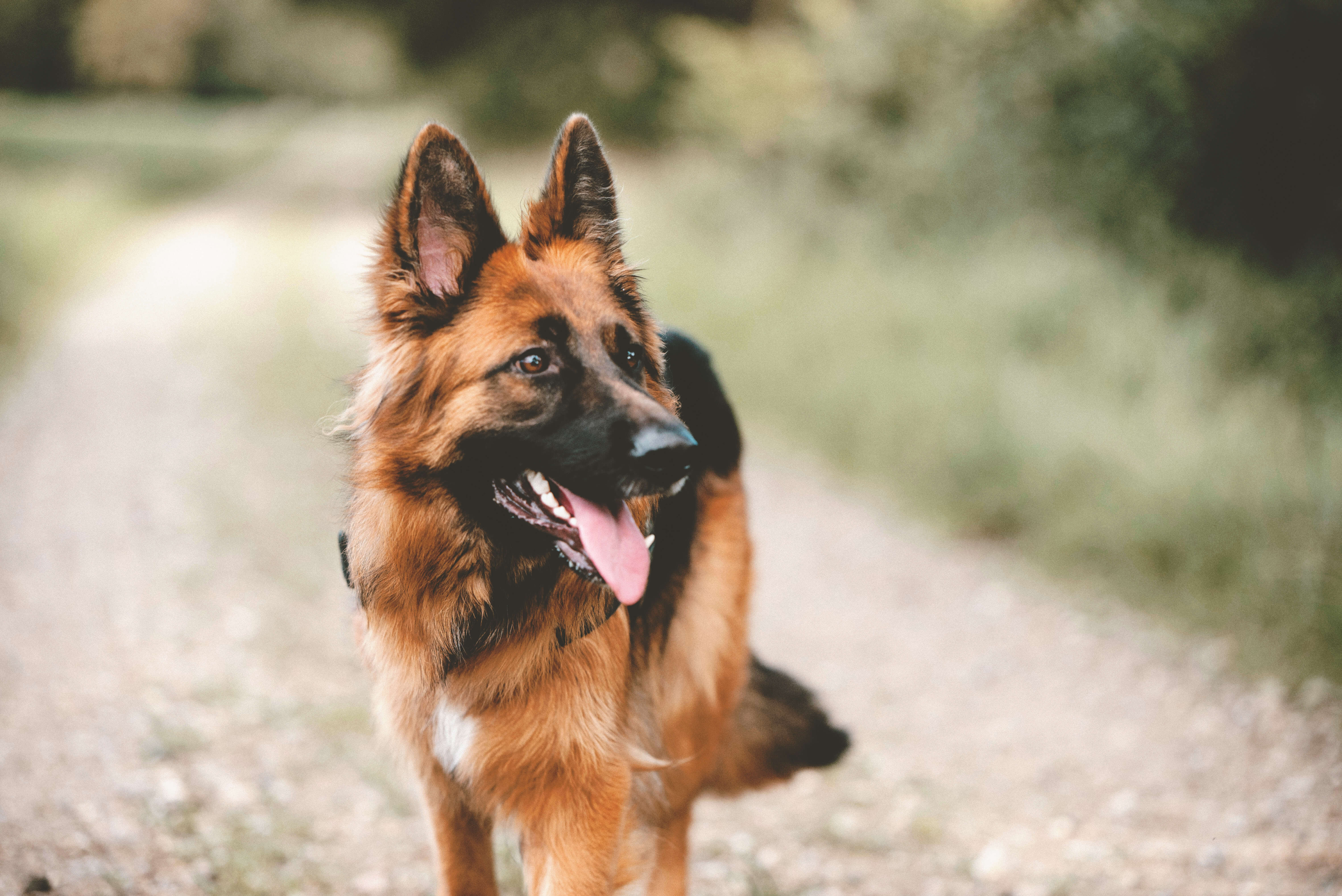
In canine sports, there are almost as many events as there are breeds!
Dogs may compete from the recreational level right through to the elite level in sports such as agility, flyball, frisbee, canicross and sheepdog trials or may work as service dogs or herding dogs. The list is endless.
At all levels, athletic performance depends on breed, genetics, training and nutrition. If the dog is in a sport that suits their breed and has the appropriate training, the winning margins within a competition may in fact be small. What can really give the winning edge is sport-specific nutrition.
Canine energy use
Before looking at sport-specific nutrition one needs to understand the three systems that dogs draw on for energy:
- Immediate energy for 5-20 seconds, which comes from burning adenosine triphosphate (ATP).
- Glycolytic energy for 20-120 seconds, which involves the anaerobic breakdown of glucose.
- Oxidative metabolism, which starts after about two minutes of exertion. This system is the most efficient and can use various energy sources (fat, carbohydrates and protein).
Each of these systems is relevant and plays a role, but the dominant system depends on the type of exercise the dog performs.
Sport-specific nutrition
When planning how best to support the nutritional needs of the sporting dog, the B-FIT principle is an excellent place to start. Considering these elements allows the development of a sports-specific diet that will support the demands of training and allow the dog to perform at their best on competition days.
B Breed of the dog
F Frequency of exercise (how often over a week or month the dog trains or competes)
I Intensity of exercise
T Type of exercise
The intensity and type of exercise
The type and intensity of exercise determine the energy and nutrient requirements of the canine athlete because they dictate what the main source of fuel for the working muscles will be.
High-intensity exercise, such as sprinting. This type of exercise uses glycolytic energy to supply working muscles with energy. This may be supported by the inclusion of high-carbohydrate foods straight after exercise.
Endurance exercise. This takes place at low to moderate-intensity exercise levels for several hours. It relies on aerobic metabolism, where fat is broken down into free fatty acids as a source of energy for the working muscles. An example of this is sledge dog racing.
Intermediate exercise. This can be a mixture of low to moderate-intensity exercise (aerobic) and may include some bouts of high-intensity work (anaerobic). Both fats and carbohydrates are, therefore crucial for this type of exercise. Dog sports such as agility, frisbee, canicross and field trials fall into this group.
Matching the food and feeding methods to the type and intensity of activity enhances performance, so providing the right amount of energy from the correct source is important. Whether the preferred energy source is carbohydrate or fat depends on the exercise type. Sprints depend on carbohydrates as fuel; endurance exercise needs fat as fuel; and intermediate sports need carbohydrates and fat as fuel.
High-intensity exercise
Sprinters need diets heavier in carbohydrates and slightly lighter in fats. For them, 40-50% carbohydrates (dry matter basis) and 12-17% fat are appropriate, with 300-400 calories per cup of food. These dogs should have small meals the day before an event and receive carbohydrates post-exercise, especially if they do multiple short events in one day.
Endurance exercise
As the distance and duration of exercise increase, dogs use fat as an aerobic fuel source, and fathas the most profound effect on increasing stamina in dogs.
While burning fat, an endurance dog holds off on using up muscle glycogen, which delays fatigue. Incidentally, using fat for energy is metabolically “cooler” than using protein. Keeping body temperatures from rising is a plus for dogs doing endurance events.
For true endurance dogs, then, a diet high in fat is important. Up to 35% of the diet (dry matter basis) should be fat, with 500-600 calories per cup of food. These dogs do not need this kind of food all year, however. During their off-season, the intense diet can taper down. Then, as competition season approaches and training increases, food should be shifted to a high-fat diet. Four to six weeks is a good timeline for acclimating a dog’s body to the working diet.
Did you know?
In one study published in the Journal of the American Animal Hospital Association, Beagles fed a high-fat diet were not exhausted until after 20 miles. When the dogs were fed a lower-fat diet, however, they were exhausted by 15 miles.
Intermediate exercise
Higher fat diets are recommended because they supply the right amount and type of energy. They are also highly palatable and digestible, which can be very helpful as fatigue and even mild dehydration may reduce appetite during and after exercise.
What is interesting is that dogs, unlike human athletes, rely on free-fatty acids for energy generation at all exercise intensities. It, therefore, follows that the training diet should have a higher percentage of fat compared to periods when the dog is less active. Studies have shown that feeding a high-fat diet to sporting dogs allows their muscles to use fatty acids earlier in the bout of exercise, which has a glycogen-sparing effect – leaving the glycogen for the times it is needed during high-intensity work.
NOTE: It is worth considering that ambient temperatures may increase overall energy requirements by 1.5-2.5 times, while cold weather may increase requirements by a further 50%.
Nutritional strategies
Once the sports-specific diet is formulated, nutritional strategies further enhance performance. These strategies depend on the type of exercise performed and include pre and post-exercise nutrition, additional fat as supplements, antioxidants, the timing of meals, and addressing fluid balance to avoid even mild dehydration.
Pre- and post-event carbohydrate
In sports such as agility, many people question whether it would be worth providing additional carbohydrates before and after exercise to boost muscle stores. We know from human studies that the amount of carbohydrates stored in muscles is a key factor in delaying the onset of fatigue. For this reason, many human athletes undertake a period of carbohydrate loading before an event, where they increase the carbohydrate content of their diet while resting from training for a day or so. This allows their muscles to ‘super-compensate’ with glycogen allowing them to exercise for longer before fatigue sets in, thereby enhancing performance.
However, this is not the case for dogs.
Research suggests that the ability to use fatty acids as fuel is more important for dogs than being able to draw on muscle glycogen. Studies have also shown that carbohydrate loading in dogs may actually cause a form of exertional rhabdomyolysis related to the rapid anaerobic metabolism of muscle glycogen. This leads to the accumulation of lactic acid, which results in fatigue and reduced performance.
Human athletes involved in successive training sessions or repeated bouts of competition may suffer from glycogen depletion in muscles, leading to fatigue and loss of performance. While this is less pronounced in dogs, canine athletes involved in multi-day events will deplete the carbohydrate stored in their muscles. We know that a particular enzyme called glycogen synthase, which produces glycogen is at its most active in the two hours immediately following exercise. Therefore, if a carbohydrate snack is given within this window, the enzyme will be working at its most rapid rate to convert the carbohydrate into glycogen to be stored in the muscle. This is particularly helpful for athletic events which take place over a few days.
Therefore, if dogs are fed most of their calories as fat, a carbohydrate supplement immediately after exercise can increase glycogen refuelling and may enhance performance. Carbohydrates in the form of a powder added to water can be used, or a small portion of high carbohydrate low-fat dog food as an alternative.
Additional fat to boost performance
To increase the fatty acid content of the diet, fat can be added in the form of unsaturated oil. This can help give a boost of fat when needed without feeding added bulk. It is worth noting that oils such as coconut oil, commonly recommended for sporting dogs, are very high in saturated fat, and unsaturated oil may be a better choice.
Antioxidants to support athletic performance
Strenuous exercise can lead to oxidative damage of the cells and tissues, and the high-fat diet fed to canine athletes may put them at increased risk. Studies which have looked at the antioxidant properties of fruit and vegetables have shown that exercising dogs may benefit from a diet containing an increased level of antioxidant nutrients to counteract the effect of strenuous exercise. Berry fruits are an excellent source, and the frozen varieties can be kept in the freezer, ready to add to a meal or into recipes.
The timing of meals
Once the amount of food has been determined, working out the time that a meal is given relative to exercise is essential. A feeding schedule could look something like this:
- Feed the main meal of the day after exercise or four hours before if this is not practical.
- If possible, feed at least two to three meals per day. One of these meals could be 1.5-2 hours before the activity.
- Feed a carbohydrate food immediately after work involving multiple sprints. The rate of glycogen refuelling is doubled in the first two hours after exercise.
- Feed a meal within two hours post-exercise.
- Feed small amounts of food during exercise.
- Begin a new food at least six weeks before the competition season begins.
Fluid balance
The only way to truly know how much water the dog loses during training is to measure their weight before and after the session. Even mild dehydration of only 2-3% weight loss following exercise is associated with up to 30% loss of performance. Water loss can be significantly more than this, depending on the environmental conditions.
Weight loss corresponds to the volume of fluid lost in that session. We can work this out as a percentage of the body weight and should aim to keep it below 2%.
For example, if weight after exercise has gone down by 600g, this means that 600mls will be needed to support this exercise. It can be added before, during (if possible) and after in small amounts. It is vital to get it right in training so that you are not experimenting during competition.
Senior dogs
If your dog is a senior athlete, you must be sure to provide plenty of high-quality protein. Dogs tend to lose muscle mass as they age. The exception to feeding extra protein would be for a dog with other health problems, such as liver or kidney ailments, where extra protein would be detrimental.
Senior canines, whether performance dogs or not, also benefit from joint supplements and omega-3 fatty acid supplements.
Final thoughts
Overall, the ultimate goals of performance nutrition for the canine athlete are to maintain an optimum body condition, support performance and prevent fatigue and injury. Supporting high-quality training is the key factor. If the dog is adequately fueled for training and refuelled afterwards, then their training session will be of the highest quality and the dog will compete fully prepared. A sports-specific diet, coupled with nutritional strategies on the day of an event, may just give your canine sporting partner the winning edge.