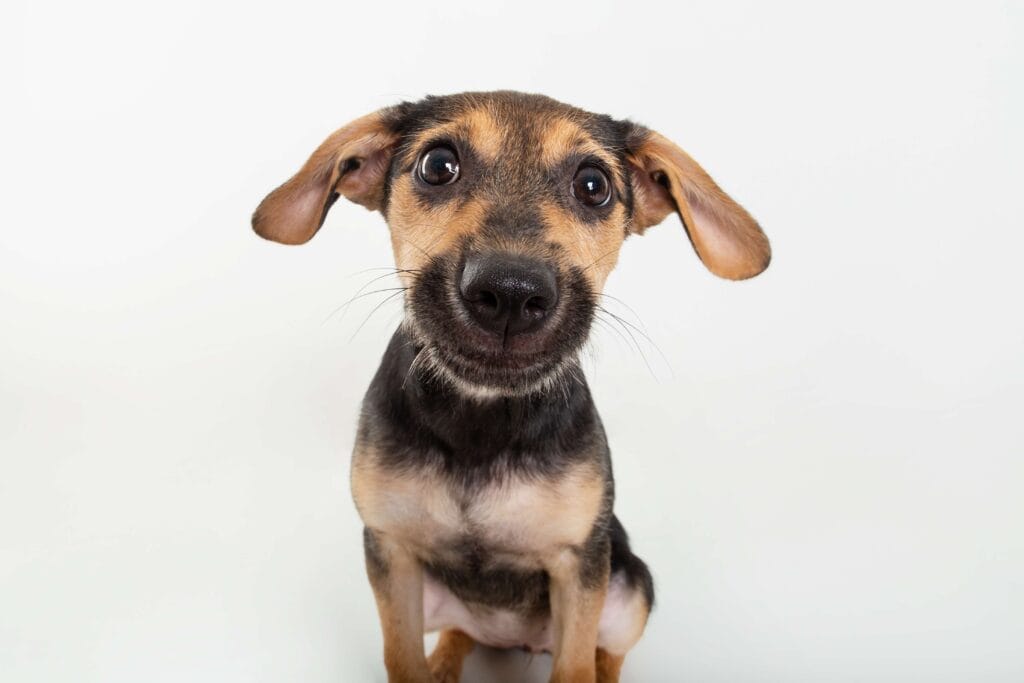
Shy dogs can be a joy, but their sensitive nature requires extra care and understanding. Whether you’re working to build their confidence or navigating the bustling holiday season, these tips will help you support your shy dog and create a more comfortable environment for them.
What makes some dogs shy?
Shyness in dogs can result from various factors, including genetics, early experiences, and life circumstances. Here’s a closer look at why some dogs might exhibit shy or fearful behaviour:
-
Genetics
Just like humans, dogs inherit personality traits from their parents. Some breeds or individual dogs are naturally more reserved or cautious due to their genetic makeup. For example, herding breeds like Border Collies are often highly sensitive and may be more prone to shyness.
-
Lack of socialisation
The critical socialisation period for dogs occurs between 3 and 14 weeks of age. If puppies don’t encounter a variety of people, places, and situations during this time, they may grow up fearful or shy around unfamiliar things. A lack of exposure to positive experiences early in life can make it harder for them to adapt as adults.
-
Traumatic experiences
A dog who has experienced trauma, such as abuse, neglect, or a frightening event, may develop shyness as a coping mechanism. Even a single negative experience—like being frightened by a loud noise—can lead to long-term fearfulness if not addressed.
-
Inconsistent or harsh training/treatment
Dogs that have been punished harshly or inconsistently may become fearful and hesitant. A lack of clear guidance can make them insecure and unsure of how to respond in different situations.
-
Medical issues
Sometimes, shyness or sudden fearfulness in dogs can be linked to health problems. Pain, hearing loss, or vision issues might cause a dog to become more withdrawn or wary of their surroundings.
-
Sensitive temperament
Some dogs naturally have more sensitive personalities. These dogs may be more reactive to environmental changes and take longer to adjust to new situations.
Building confidence
A shy dog thrives when they feel safe and secure. Here are some ways to help them feel safe:
- Create a safe space: Provide a quiet area where your dog can retreat when they feel overwhelmed. A cosy bed in a low-traffic room works well. This space should be their sanctuary, free from disturbances.
- Use positive reinforcement: Reward your dog for small steps outside their comfort zone. For example, praise and treat them when they approach new people or explore unfamiliar environments. This helps them associate new experiences with positive outcomes.
- Socialisation at their pace: Gradually introduce your dog to new situations and people. Avoid pushing them too quickly, as this can reinforce their fears. Start with quiet settings and work your way up to busier environments.
- Build skills through play: Interactive games like hide-and-seek or puzzle toys can boost your dog’s confidence and create a bond between you. These activities give them a sense of accomplishment in a non-threatening way.
- Enlist professional help: If your dog’s shyness is severe, consider working with a certified dog trainer or behaviourist. They can provide tailored strategies to help your dog overcome their fears.
Managing the holidays
The holiday season can be incredibly daunting for shy dogs. With new people, noise, and changes in routine, it’s important to plan ahead:
- Prepare your dog in advance: If you know guests are coming, acclimate your dog to small changes gradually. Introduce holiday decorations slowly, and consider playing recordings of doorbells or chatter to desensitise them.
- Set boundaries for guests: Let visitors know your dog is shy and needs space. Encourage them to avoid direct eye contact and let your dog approach on their own terms. Giving treats to guests for your dog can help create positive associations.
- Keep their routine consistent: Stick to regular feeding, walking, and bedtime schedules as much as possible. Familiar routines offer comfort and predictability.
- Provide an escape route: Ensure your dog can easily access their safe space if the festivities become overwhelming. Make it clear to guests that this space is off-limits.
- Use calming aids: Consider calming sprays, anxiety wraps, or background music designed for dogs. These can help your pup relax during stressful times.
Communicating your dog’s needs
It’s essential to advocate for your shy dog, especially when others may not understand their behaviour.
- Educate your guests: Explain your dog’s fears in a way that fosters empathy. For example, “Our dog is a little nervous around new people, so he needs time to warm up. Please let him approach you when he’s ready.”
- Use visual cues: Consider a bandana or leash with messages like ‘I’m shy’ or ‘Need space.’ These signals can alert strangers to approach gently or not at all.
- Model patience: Show your guests how to interact calmly with your dog. Demonstrating a soft voice, slow movements, and a relaxed demeanour can set the tone for others.
- Share your dog’s progress: Let visitors know when your dog makes progress. Hearing about progress can encourage others to participate positively in your dog’s journey.
Celebrating small victories
Every shy dog is unique, and progress may come in small steps. Celebrate these milestones, no matter how small, as they’re significant for your pup. With patience, love, and the right strategies, you can help your shy dog feel more confident and enjoy life—even during the festive period!