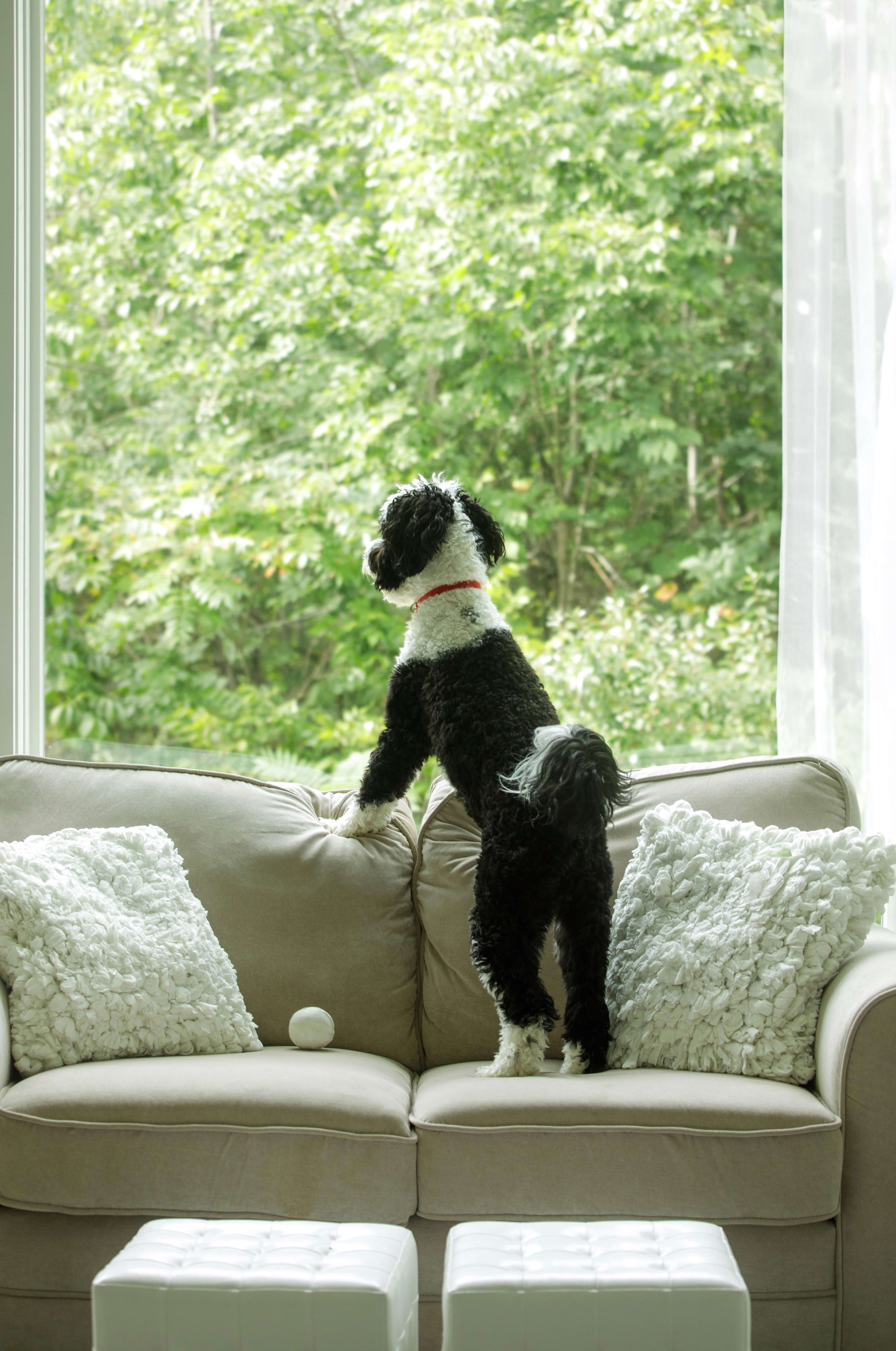
Why it really happens and what science says about fixing it
Few behavioural problems cause as much distress, to both dogs and their owners, as separation anxiety. The barking that starts the moment you leave. The destruction that greets you at the door. The neighbours who text. The guilt that follows you to work. Separation-related problems in dogs are extraordinarily common, and they are poorly understood, even by many of the professionals tasked with treating them.
New research published in Scientific Reports in January 2026 offers the most detailed professional insight yet into what drives these problems, drawing on interviews with veterinarians, animal behaviourists, and dog trainers across Denmark, Sweden, and Norway. What emerges is a picture far more complex than the popular conception of ‘a dog that misses their owner.’
What is separation anxiety, really?
The clinical term is separation-related problems, or SRPs – an umbrella that covers a range of distress responses triggered by a dog being alone or separated from specific attachment figures. These can include:
– Vocalisation (barking, howling, whining) when left alone.
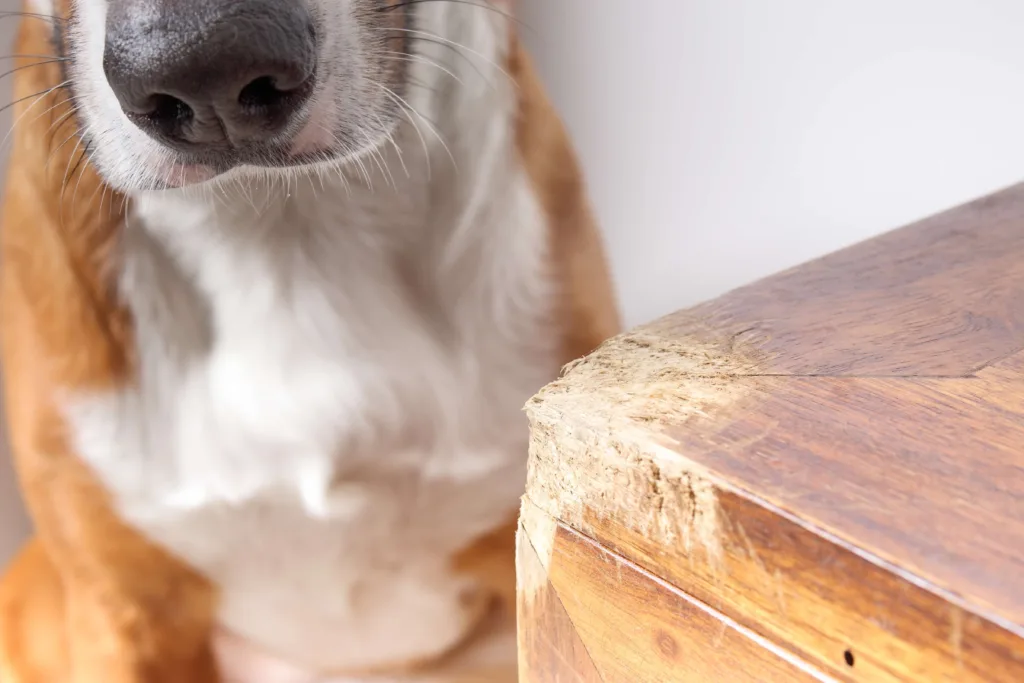
– Destructive behaviour, often focused on exits like doors and windows.
– House-soiling in an otherwise toilet-trained dog.
– Excessive salivation, panting, or trembling.
– Attempts to escape that can result in self-injury.
– Refusal to eat when alone.
– Visible distress signals in the period before the owner departs.
Importantly, separation-related problems are not simply bad manners or poor training. They represent a genuine state of emotional distress, and treating them as a discipline issue is one of the most common and counterproductive mistakes owners make.
Six key themes from the research
The 2026 Scientific Reports study interviewed 15 professionals involved in treating SRPs – including veterinarians, animal behaviourists, and trainers from across Scandinavia. Through detailed thematic analysis, six recurring factors emerged:
1. Co-occurring behavioural difficulties
Dogs with separation anxiety rarely present with that problem alone. Many also show signs of generalised anxiety, noise phobia, hyperattachment, or reactivity. Professionals noted that these conditions often overlap and interact, meaning that treating separation anxiety in isolation, without addressing the broader anxiety profile of the dog, frequently produces incomplete or unstable results.
2. A body in flux
Physical health matters more than many owners realise. Pain, hormonal changes, neurological shifts, and even gastrointestinal issues can trigger or worsen separation-related distress. A dog that develops separation anxiety suddenly in middle age, without a clear environmental trigger, warrants a veterinary examination before behavioural treatment begins.
3. Dog training gone wrong
Counter-intuitively, some training approaches can worsen or even cause separation-related problems. Punishment-based responses to the symptoms – scolding a dog for destruction, or using aversive tools to suppress vocalisation – do not address the underlying anxiety and may intensify it. Even well-intentioned management techniques, such as crating dogs that are not crate-trained, can compound distress.
4. Breed type
Certain breeds are significantly more prone to separation-related problems than others. Breeds selectively developed for close working partnerships with humans, including many herding breeds, spaniels, and some working breeds, may have an inherent tendency toward strong attachment and lower independence. This does not mean separation anxiety is inevitable in these breeds, but it does mean that owners may need to invest more proactively in building confidence and independence from an early age.
5. Changes to routine and environment
Many cases of separation anxiety are triggered by significant life changes: a new home, the arrival of a baby, a shift in work patterns, the loss of another pet, or, as many owners discovered during the pandemic, a sudden change from constant owner presence back to regular absences. Dogs thrive on predictability, and disruptions to their routine can destabilise dogs that previously coped well with being alone.
6. The psychological interplay between dogs and their owners
This final theme is perhaps the most overlooked. The emotional state of the owner directly influences the emotional state of the dog. An owner who is anxious about leaving, who prolongs and dramatises departures, or who returns with high-energy greetings that reinforce arousal may inadvertently maintain or worsen the problem. Separation anxiety treatment is not just about the dog; it requires owners to examine and sometimes change their own behaviour.

What the science says about treatment
The evidence base for treating separation anxiety has grown substantially in recent years, and the consensus is clear: effective treatment requires systematic desensitisation and counterconditioning, often combined with environmental management and, in some cases, veterinary pharmacological support.
Desensitisation means gradually and very slowly exposing the dog to the experience of being alone, starting with absences of just seconds and building incrementally, and only progressing when the dog remains relaxed. The keyword is gradually. Owners often try to rush this process, which backfires.
Counterconditioning means changing the emotional association with departures from negative to neutral or even positive. This might involve a special food puzzle that only appears when the owner leaves, or calm, low-key departures and arrivals that reduce the drama around separation.
Medication is not a weakness or a shortcut. For dogs with moderate to severe separation anxiety, anti-anxiety medication prescribed by a veterinarian can reduce the baseline level of distress enough to make behavioural treatment possible. The medications most commonly used – including fluoxetine and clomipramine – have good evidence bases in dogs and work best when combined with behaviour modification.
Professional support is often essential. If your dog’s separation anxiety is more than mild, working with a certified clinical animal behaviourist or a veterinary behaviourist is strongly recommended. The problem is too complex and too individualised for generic online advice.
A note on prevention
The best time to build separation tolerance is before a dog develops a problem. Puppies should be gently introduced to brief periods of alone time from early in their lives. Avoid creating a dynamic where the puppy never experiences being alone, even in a home where someone is always present, build in regular, positive alone-time practice. This is especially important for breeds with strong attachment tendencies.
For dogs acquired during periods of remote work or extended home presence, plan deliberately for the return to normal routines, ideally weeks or months before it happens.
The bottom line
Separation anxiety is not a moral failure – yours or your dog’s. It is a genuine emotional disorder with multiple contributing causes, and it deserves to be taken seriously. The science gives us clear direction: address health factors first, build up alone time slowly and systematically, examine your own departure and return behaviours, and seek professional help if the problem is significant.
Your dog is not being difficult. They are telling you, in the only language available to them, that they are struggling. The good news is that most dogs, with the right support, can learn to feel safe on their own.
Source: “Professional perspectives on recurrent characteristics of dogs with separation-related problems,” Scientific Reports, January 2026. Part of a larger research project by the University of Copenhagen Research Ethics Committee.