Anxiety in dogs is a common concern for pet owners. Like humans, dogs experience anxiety that can affect their behaviour and quality of life. Understanding and addressing canine anxiety is crucial for fostering a happy, healthy, and harmonious home. Here, we explore the signs of anxiety in dogs and offer practical tips for managing and alleviating these symptoms.
Recognising anxiety in dogs
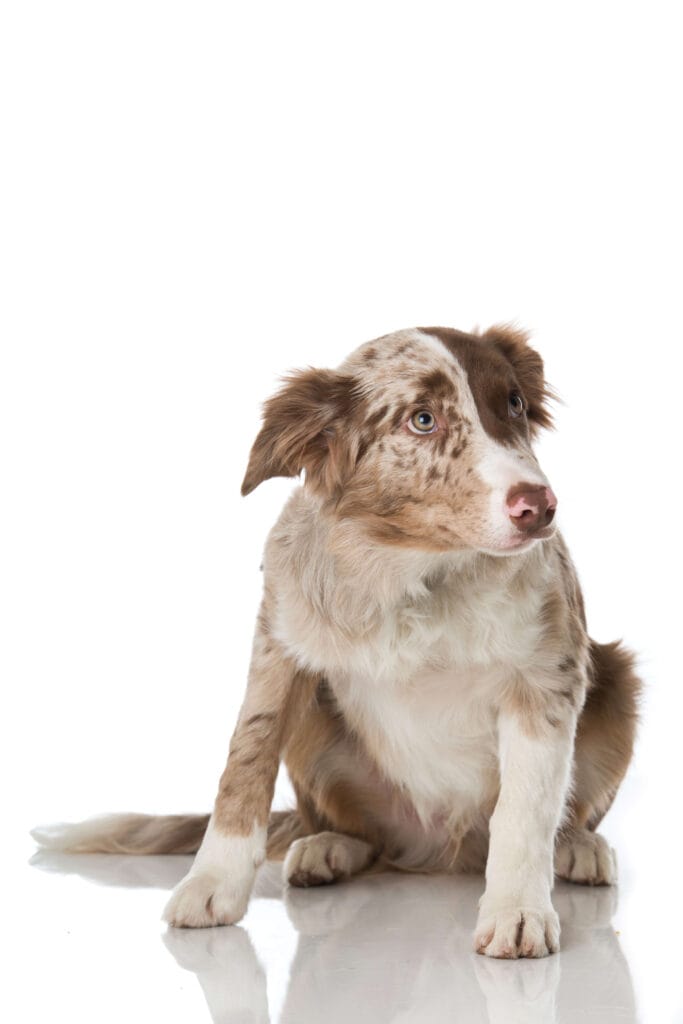
Anxiety can manifest in various ways, both behavioural and physical, depending on the dog and the type of anxiety they are experiencing. Common signs include:
- Excessive barking or howling: Dogs may bark or howl excessively when left alone or when feeling anxious about their environment.
- Pacing or restlessness: An anxious dog might pace around the house or seem unable to settle down, often moving in repetitive patterns.
- Shivering or trembling: This can occur in the absence of cold temperatures and is typically related to fear or nervousness.
- Destructive behaviour: Chewing, digging, or destroying furniture can be a sign of anxiety, especially if it occurs when they are left alone (a symptom of separation anxiety).
- Excessive licking or chewing: Dogs may lick or chew their paws excessively as a self-soothing behaviour when anxious.
- Avoidance or hiding: An anxious dog might try to hide or escape from situations where they feel stressed.
- Changes in eyes and ears: Dogs might display dilated pupils or flatten their ears against their head when feeling anxious.
- Changes in body posture: Lowered body posture or tucking the tail between the legs can indicate anxiety or fear.
- Panting: Excessive panting, when it’s not warm, is a common sign of stress or anxiety.
- Loss of appetite: Anxiety can cause some dogs to lose their appetite or refuse to eat.
- Urinating or defaecating indoors: Dogs who are otherwise house-trained may have accidents indoors when they are experiencing anxiety.
Types of canine anxiety
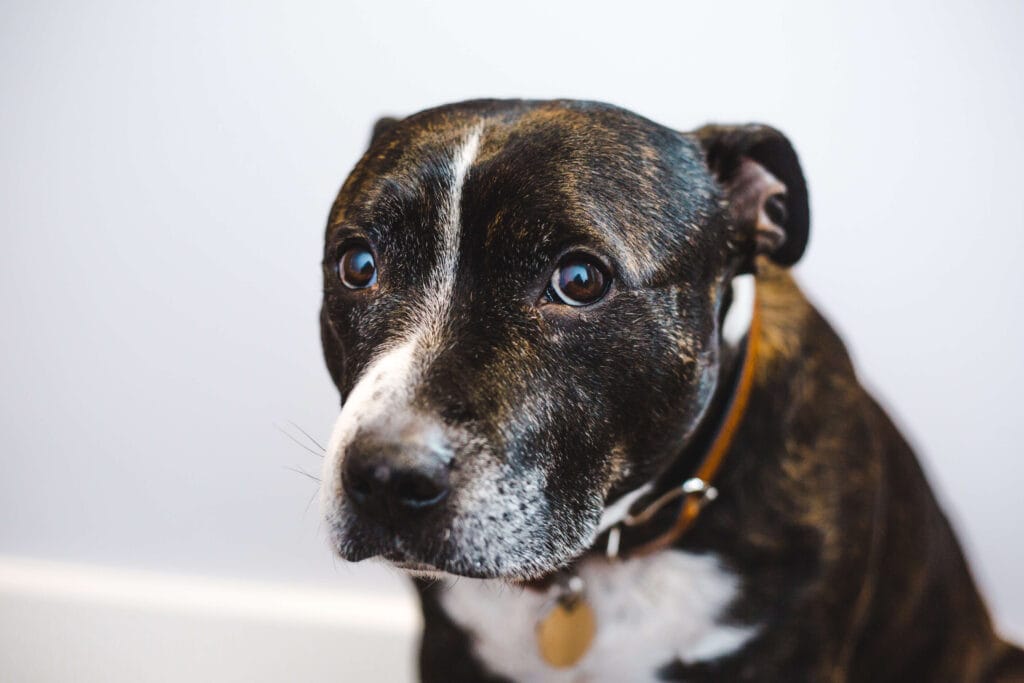
Understanding the type of anxiety your dog is experiencing can guide effective interventions:
- Separation anxiety: Distress and behaviour problems when separated from their owners or pet siblings or when left alone.
- Fear-related anxiety: Caused by loud noises, strange people or animals, new environments, or specific situations like the vet’s office.
- Age-related anxiety: Affects older dogs and can be associated with cognitive dysfunction syndrome (CDS).
Causes of anxiety
Anxiety in dogs can be caused by a variety of factors, ranging from environmental influences to genetics. Understanding these causes is crucial for effectively managing and treating anxiety in dogs. Here are some of the most common causes of anxiety in dogs:
- Genetics: Just like humans, some dogs are genetically predisposed to anxiety and may be more susceptible due to their breed or family history. Breeds known for their high-strung or sensitive nature, such as Border Collies, Labrador Retrievers, and German Shepherds, can be more prone to developing anxiety disorders.
- Lack of socialisation: Dogs that haven’t been adequately socialised during their critical period of socialisation (typically between three and 14 weeks of age) may develop fearfulness or anxiety. This can include fear of unfamiliar people, animals, and environments.
- Traumatic experiences: Past trauma, such as abuse, abandonment, or a particularly frightening event, can lead to lasting anxiety. This could manifest anytime the dog is reminded of these past events, even in seemingly unrelated situations.
- Change in environment or routine: Dogs thrive on consistency, and sudden changes in their environment or daily routine can induce stress and anxiety. This includes moving to a new home, changes in the family dynamic like the addition or loss of a family member, or even changes in work schedules.
- Illness or physical pain: Sometimes, anxiety might be linked to an underlying physical health problem. Pain, sensory decline (such as hearing or vision loss), or neurological disorders can cause a dog to behave anxiously.
Management and treatment
- Create a safe space
Provide a safe, comfortable space where your dog can retreat when they feel stressed. This could be a quiet corner with a cosy bed and some favourite toys.
- Consistent routine
Dogs thrive on routine as it gives them a sense of security. Keep a consistent schedule for feeding, walks, and bedtime to help reduce anxiety.
- Exercise and play
Regular exercise and playtime can significantly reduce anxiety by burning off excess energy and providing mental stimulation. Aim for activities that suit your dog’s breed, age, and physical condition.
- Training and socialisation
Positive reinforcement training can help boost a dog’s confidence. Teach them basic commands and expose them to new environments and people gradually to increase their comfort level.
- Calming products
Consider using products designed to reduce anxiety, such as:
– Calming treats and diets that contain ingredients like L-theanine and casein.
– Anxiety wraps that apply gentle pressure to a dog’s torso.
– Pheromone diffusers, sprays, or collars that mimic the pheromone mother dogs produce to calm their puppies.
- Counterconditioning
This technique is particularly effective for fear-related anxieties. It involves exposing your dog gradually to the source of their anxiety and rewarding them for calm behaviour in the presence of the anxiety trigger i.e. conditioning them to expect good things in the presence of the stressor.
- Professional help
If your dog’s anxiety is severe or does not improve with basic interventions, consult a veterinarian or a professional dog behaviourist. They can offer guidance and, if necessary, prescribe medications to help manage anxiety.
Conclusion
Managing anxiety in dogs requires patience, understanding, and a proactive approach. By recognising the signs of anxiety early and implementing effective management strategies, you can help your canine companion lead a more relaxed and enjoyable life. Remember, every dog is different, and what works for one might not work for another. Tailor your approach to fit your dog’s specific needs and always consult with professionals when needed. Through compassion and care, you can make a significant difference in managing your dog’s anxiety.