SOUTH AFRICA'S PREMIER DOG MAGAZINE
DIGITAL ISSUE 16B | 2026


Welcome to Issue 16B!
There is a statistic in this issue that stopped us in our tracks when we first read it: more than 99% of dogs display behaviours that could be classified as ‘potentially problematic.’ If your immediate reaction is relief rather than alarm, you are not alone, and you are in very good company (if we do say so ourselves!)
That finding, drawn from the Dog Ageing Project and published by Dr Bonnie Beaver at Texas A&M University, forms the heart of our opening piece this issue, and it sets the tone for much of what follows. In essence, no dog/person/situation is perfect, and it’s all about just doing the best we can and acquiring knowledge along the way that helps us make small changes over time.
Our dog training feature takes a clear–eyed look at the evidence on training methods, tackling the dominance myth head–on and making the case – firmly, and with the science to back it up – for reward–based approaches. Alongside it, our comprehensive loose lead walking guide gives you the practical, step–by–step tools to actually put that evidence into practice on your daily walks.
For something a little different, we’ve explored the world of nosework – one of the most accessible and genuinely transformative activities you can offer any dog, regardless of age, breed, or physical ability. If your dog has energy to burn, anxiety to manage, or simply a nose that deserves more credit than it gets, we’d encourage you to start there.
Our in–depth review of this issue tackles canine hip dysplasia – a condition that is widely discussed and, in our experience, often widely misunderstood. We’ve tried to give it the thorough, honest treatment it deserves, covering everything from genetics and early signs to the full range of available management options.
And as always, our Ask DQ section closes out the issue with your questions answered – from a Dachshund yelping on impact to a Whippet who shuts down the moment she steps outside.
Thank you for reading. We hope something in these pages makes life with your dog a little easier, or at least reminds you that you are both doing better than you think!
Lizzie and
the DQ team xxx
Dr Lizzie Harrison | Editor
Designer | Mauray Wolff
DIGITAL ISSUE 16B | 2026
CONTENTS
Does your dog have a behaviour problem?
Almost certainly and that’s okay
Dog training
What we’re getting wrong – A look at the evidence
Loose lead walking
Step-by-step training for enjoyable walks without pulling
Nosework basics
Introduction to scent work activities for mental enrichment
Canine hip dysplasia
A complete guide
AskDQ
Your questions answered
Products we love
Shopping

Does your dog have a
behaviour problem?
Almost certainly and that’s okay
Here is a statistic that might stop most of us mid–scroll: according to a study published in the Journal of Veterinary Behavior, more than 99% of dogs in the United States display behaviours that could be classified as ‘potentially problematic’.
That number is either alarming or reassuring, depending on how you look at it. If 99% of dogs are doing it, can it really be a problem? And what does it mean for the millions of owners (including us) who feel like they are failing because their dog barks too much, won't settle around guests, or reacts to other dogs on a lead?
THE RESEARCH
The study was conducted by Dr Bonnie Beaver at Texas A&M University's College of Veterinary Medicine and Biomedical Sciences, using data from the Dog Ageing Project, the same large–scale, long–running initiative we’ve referred to multiple times in this magazine as the basis for a lot of current research.
Of the dogs included in the dataset:
- 85.9% showed separation and attachment–related behaviours.
- 55.6% displayed some form of aggression.
- 49.9% showed fear and anxiety behaviours.
The top three categories, separation issues, aggression, and fear, are then shown not to be fringe problems affecting a small proportion of ‘poorly trained’ or ‘rescue’ dogs. They are, statistically speaking, the normal experience of the domestic dog.
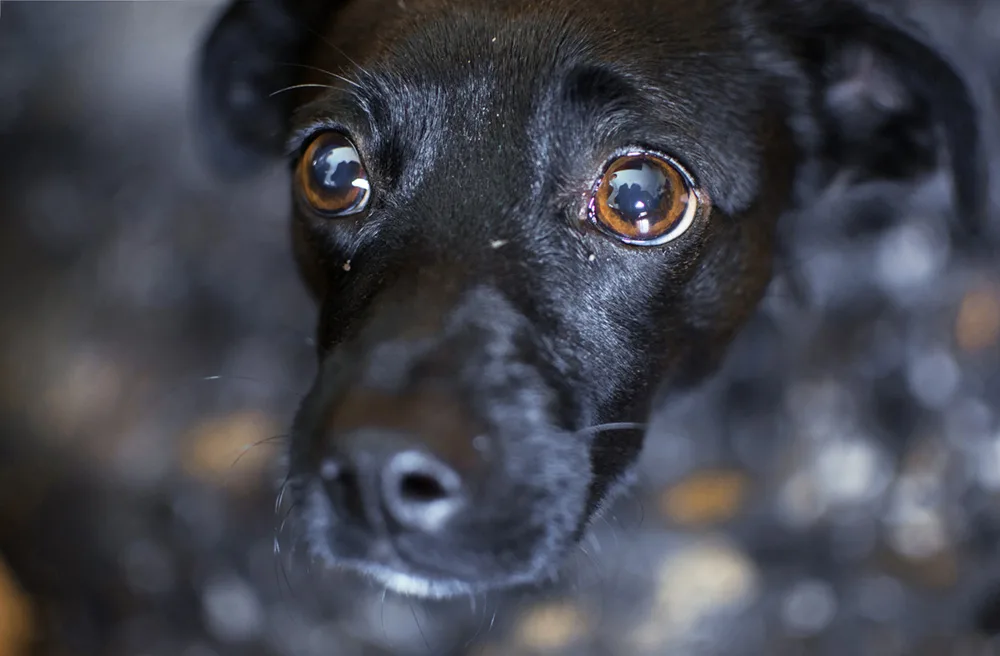
WHAT DOES 'POTENTIALLY PROBLEMATIC' MEAN?
It is worth unpacking the phrase carefully because it does a lot of work in this statistic.
‘Potentially problematic’ does not mean dangerous, disordered, or untreatable. It means behaviours that could cause concern, conflict, or difficulty for the dog, the owner, or others. Pulling on the lead, barking at the neighbours, growling when a stranger reaches over their head, becoming distressed when left alone, cowering at unfamiliar sounds – all of these qualify as potentially problematic, and all of them are remarkably common.
Many of these behaviours are, in fact, entirely natural from a canine evolutionary perspective. Dogs are social animals with strong attachment drives. They communicate through vocalisation and, when communication fails, through the escalating signals that humans often label as aggression. They have evolved finely tuned threat–detection systems that trigger fear and avoidance responses. The problem is not that dogs have these tendencies; it is that our expectations of domestic life often clash with them.

DID YOU KNOW?
Children under seven are the most common bite victims, largely because they are least able to read the signals dogs are giving before an escalation.
THE AGGRESSION FINDING
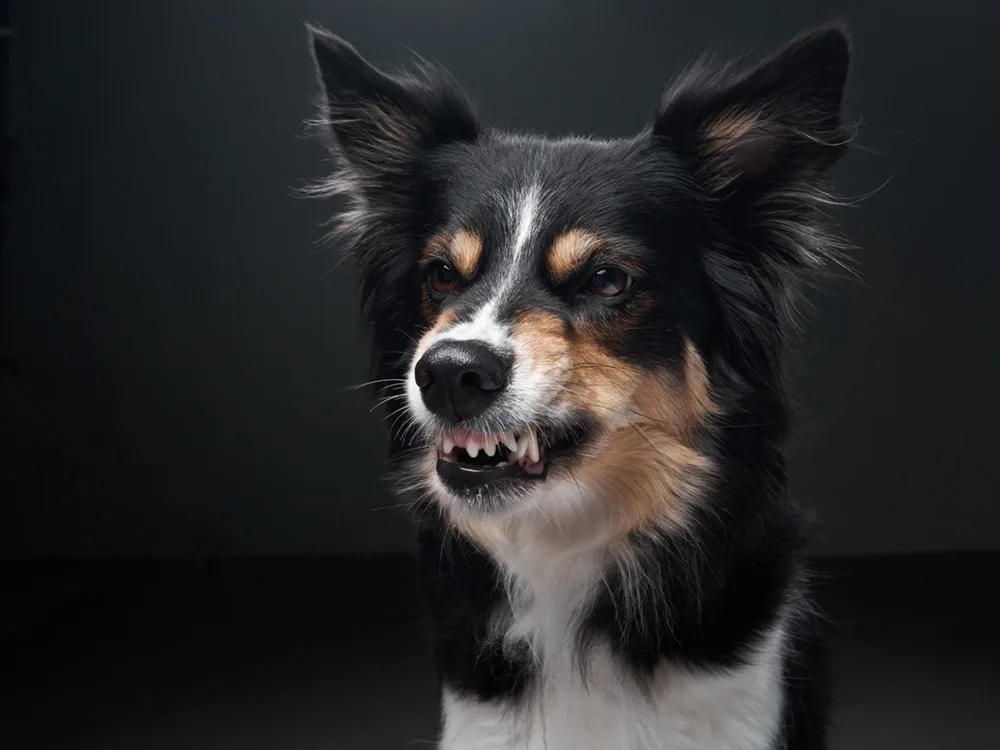
The 55.6% aggression figure is the one most likely to make owners uncomfortable, and the one most in need of context. Aggression in dogs exists on a spectrum that ranges from a warning growl to a full bite, and the former is both common and, from a welfare perspective, actually desirable.
A dog that growls when he feels threatened is communicating. He is using an appropriate signal in his behavioural repertoire to say: I am uncomfortable, please stop. A dog that has been trained or punished out of growling, one that has learned that his warnings are ignored or met with punishment, is a dog that skips straight to biting, with no warning. The growl is not the problem; suppressing the growl often is.
THE NORMALISATION QUESTION
There is a delicate balance to strike here with this research. On one hand, recognising that these behaviours are extremely common can provide enormous relief to owners who feel shame, guilt, or hopelessness about their dog's behaviour. We are not struggling alone, and our dogs are not broken. These are species–typical tendencies playing out in an environment, the human home, that dogs were not entirely designed for.
On the other hand, common does not mean inevitable, untreatable, or acceptable without intervention. Significant separation anxiety causes genuine suffering. Aggressive behaviour that poses a risk to people or other animals needs professional attention. Fear so intense that it prevents a dog from enjoying life is not simply a personality quirk to be accommodated indefinitely.
The goal, then, is not to normalise problematic behaviour as unchangeable, but to remove the stigma that prevents owners from seeking help, and to replace shame with curiosity.

WHAT WE CAN TAKE FROM THIS
We are not alone in our concerns. If our dog barks, reacts, clings, or shows a flash of teeth in the wrong moment, we are in the company of virtually every other dog owner on the planet.
Yet, the commonality of the behaviours does not mean we get to ‘ignore’ them. Behaviour is communication. Before trying to stop a behaviour, we need to ask what our dog might be expressing. Fear, pain, confusion, frustration, overstimulation? These are often at the root of the behaviours we find most difficult and are labelled in this research as ‘potentially problematic’. Addressing the cause of these behaviours is more effective and more compassionate than suppressing the symptom.
And as a final reminder, it is worth noting that professional help is for everyone, or at least the owners of these 99% of dogs who show these ‘potentially problematic behaviours’. A certified animal behaviourist or a trainer committed to evidence–based methods is not just for dogs with ‘extreme’ problems. Even dogs with ‘normal’ levels of reactivity, anxiety, or difficult behaviour can make meaningful progress with the right guidance.
Source
Dr Bonnie Beaver, Texas A&M University College of Veterinary Medicine, published in the Journal of Veterinary Behavior, 2025. Data from the Dog Aging Project.
DOG TRAINING
What we’re getting wrong – A look at the evidence
Dog training has never been more accessible, and the results have never been more inconsistent. There are more trainers, more methods, more YouTube channels, and more conflicting advice than at any point in history. In this saturated landscape, one of the most robust and consistent bodies of scientific research in applied animal behaviour is frequently ignored simply out of habit, tradition, and an attachment to ideas that simply do not hold up to scrutiny.
The science of how dogs learn is not new, but it’s definitely worth a refresher.

THE DOMINANCE THEORY PROBLEM
Let us begin with the most persistent myth in dog training: the idea that dogs are constantly attempting to assert dominance over humans and each other, and that the solution is for the owner to establish themselves as the ‘alpha.’
This framework, rooted in wolf studies conducted in the mid-20th century on captive, unrelated wolves forced into artificial groups, was debunked by the researcher who originally promoted it, Dr L. David Mech, decades ago. Mech has spent years actively trying to undo the damage his early work caused. Natural wolf packs, he clarified, are family units led by parents, not aggressive hierarchies maintained through constant challenge and submission.

More importantly, dogs are not wolves. They diverged from wolves thousands of years ago, and domestication has profoundly altered their social cognition, their relationship with humans, and the way they navigate the world. Applying outdated wolf hierarchy theory to the dog-human relationship actively leads to training approaches that damage the bond between dog and owner and, in many cases, produce worse behavioural outcomes.
Yet alpha rolls, dominance-based corrections, and the idea that a dog walking ahead of its owner on a lead is ‘trying to be the boss’ remain deeply embedded in popular dog training culture. We need to let them go.
WHAT THE RESEARCH ACTUALLY SHOWS
The evidence on training methods is extensive and consistent. A 2020 study published in PLOS One compared dogs trained in reward-based, mixed-method, and aversive-based schools. Dogs from aversive training environments showed significantly more stress indicators, like panting, yawning and lip-licking, and had measurably higher cortisol levels after training sessions. A study in Scientific Reports found that dogs trained with two or more aversive techniques were slower and less willing to engage with ambiguous tasks - a well-validated indicator of a negative emotional state.
A 2025 study found that dogs whose owners were willing to use aversive training methods were more likely to display reactive and aggressive behaviours overall. Multiple reviews of the literature have reached the same conclusion: reward-based training produces dogs that are more obedient, less fearful, less aggressive, and more emotionally resilient than those trained with punishment or intimidation. Critically, there is no evidence that aversive methods are more effective than reward-based approaches, and considerable evidence that they are less so, while carrying significant welfare costs.
The American Veterinary Society of Animal Behavior, the Royal Society for the Prevention of Cruelty to Animals, the Association of Professional Dog Trainers, and virtually every major veterinary and animal welfare organisation in the world now endorses reward-based training and recommends against the use of aversive methods. It’s certainly not ‘fringe’ anymore to insist on positive reinforcement methods; it’s following scientific consensus.

THE 'BALANCE' ARGUMENT
A common response to the evidence above is to advocate for ‘balanced’ training, the use of both rewards and corrections, supposedly giving the best of both worlds. The argument sounds intuitive, but in practice, the research does not support it.
Studies consistently show that mixing reward and punishment confuses dogs, increases stress, and produces more problem behaviours than reward-only approaches. One study found that dogs whose owners used both rewards and punishment showed higher rates of aggression than dogs trained with either method alone, meaning that the supposedly balanced approach produced the worst outcomes.
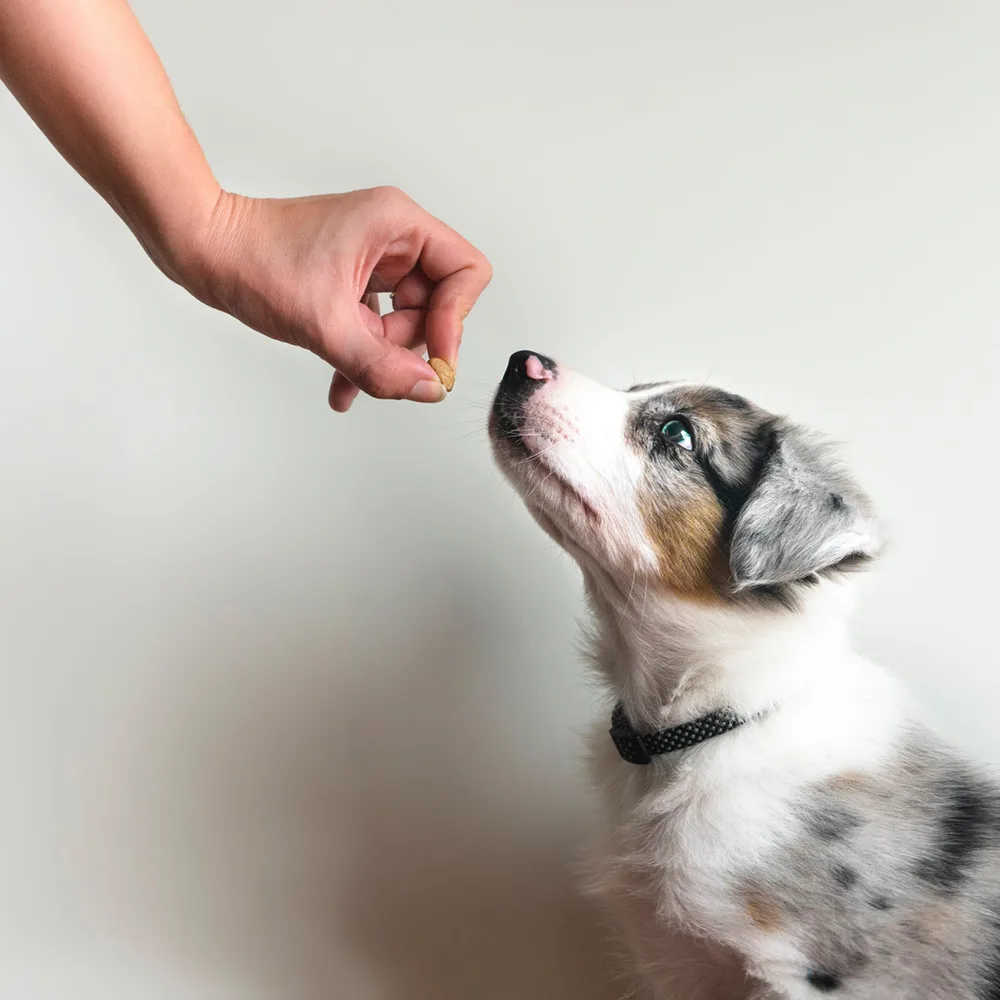
THE TRAINING METHOD GAP
Perhaps the most sobering finding in the research landscape is this: despite the scientific consensus, surveys consistently show that only 16 to 20% of dog owners use exclusively positive reinforcement. The majority continue to use punishment in some form, with roughly half using it more often than rewards.
There is clearly a communication problem between the scientific community and the dog-owning public, and that gap is being actively filled by trainers, social media personalities, and television formats that prioritise dramatic transformations and mythologised authority over the slower, quieter, genuinely effective work of positive training.

WHAT GOOD TRAINING ACTUALLY LOOKS LIKE
Reward-based training is often mischaracterised as permissive, unstructured, or suitable only for ‘easy dogs’. This is false. Force-free training is strategic, systematic, and effective for dogs with significant behavioural challenges, including reactivity, aggression rooted in fear, and complex anxiety disorders.
Good training is built on a clear understanding of how animals learn. It uses high-value reinforcers to build behaviours the dog is motivated to repeat. It sets dogs up to succeed rather than waiting for failure to punish. It reads the dog's emotional state and adjusts accordingly. It is patient, consistent, and genuinely attentive to what the dog is experiencing - not just what the owner wants to see.
This is not soft. It is skilled and it produces results that last, because they are built on understanding and trust rather than suppressed fear.
A NOTE ON REGULATION
Dog training in most countries is almost entirely unregulated. Anyone can call themselves a dog trainer or behaviourist without any qualifications, any scientific knowledge, or any accountability. This is a serious welfare problem, and it is one reason why harmful methods persist in the marketplace.
When choosing a trainer, look for professional qualifications from respected bodies such as the Association of Pet Dog Trainers (APDT), the Institute of Modern Dog Trainers (IMDT), or the Animal Behaviour and Training Council (ABTC). Ask the prospective trainer explicitly whether they use punishment-based techniques and if the answer is yes, or unclear, walk away.
THE BOTTOM LINE
The science is clear, but the gap remains in application. Closing that gap, between what the research tells us about how dogs learn and what is actually happening in training classes, homes, and online tutorials worldwide, is one of the most important things the dog behaviour community can do for canine welfare.
Your dog is not trying to dominate you. They are trying to understand you. The question is whether the methods we use help them do that, or make it harder.
Sources
This article reflects the scientific consensus on canine learning and training methods, as established through peer-reviewed research in applied animal behaviour science. Key studies referenced include work published in PLOS One (2020), Scientific Reports (2021), and Applied Animal Behaviour Science (2025).

Loose lead walking
Step-by-step training for enjoyable walks without pulling
Lead pulling is one of the most common and most fixable canine behaviour problems. Many owners blame stubbornness or dominance, but the truth is simpler: pulling works. Every time your dog surges forward, and you follow, you reward the behaviour. After thousands of repetitions, pulling becomes a deeply ingrained habit. Your dog is not bad; they have simply learned the most effective strategy for getting where they want to go.
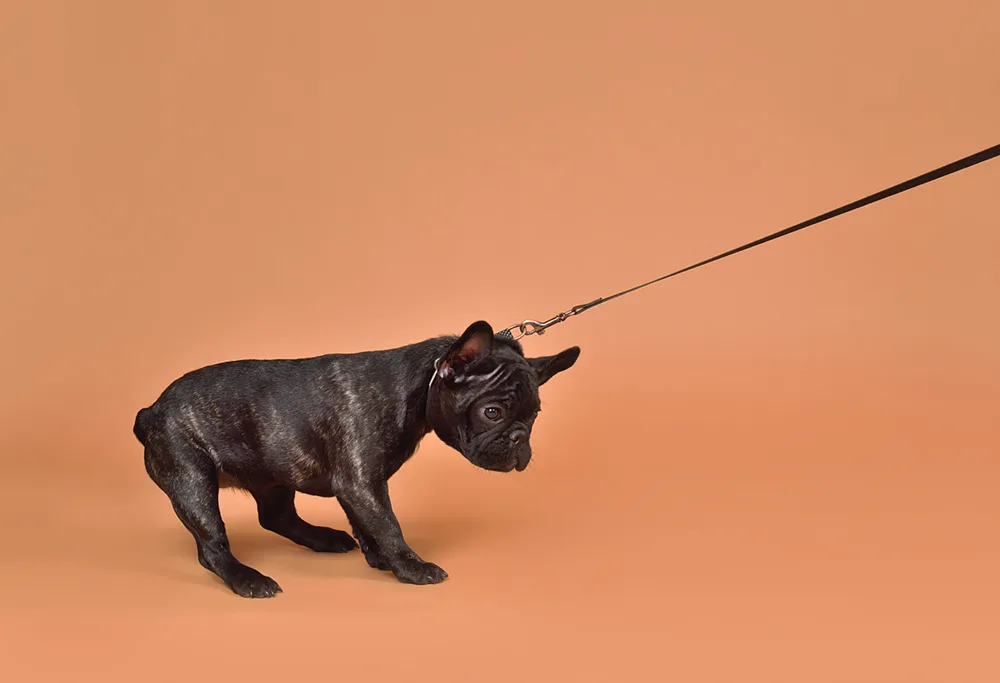
The answer is not stronger equipment or harsher corrections. Aversive tools such as prong collars or choke chains may suppress pulling temporarily, but do not teach dogs what you actually want. Worse, they create negative associations with walks and can increase anxiety and reactivity. What works is systematic positive reinforcement: teaching your dog that calm, loose–lead walking is more rewarding than pulling.

GETTING STARTED
EQUIPMENT:
Choose equipment that supports training:
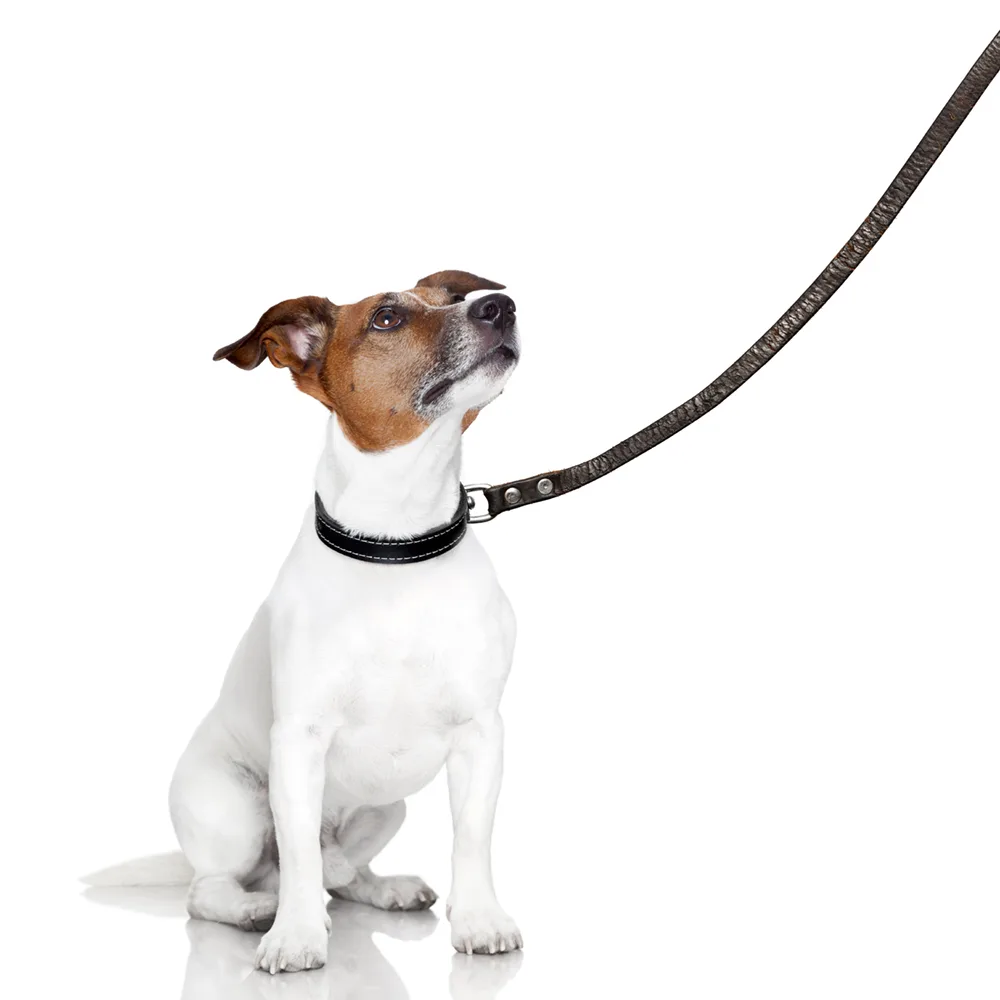
- Front–clip harness – redirects pulling dogs sideways rather than letting them use chest strength to drag you forward. Avoid back–clip harnesses, which make pulling easier.
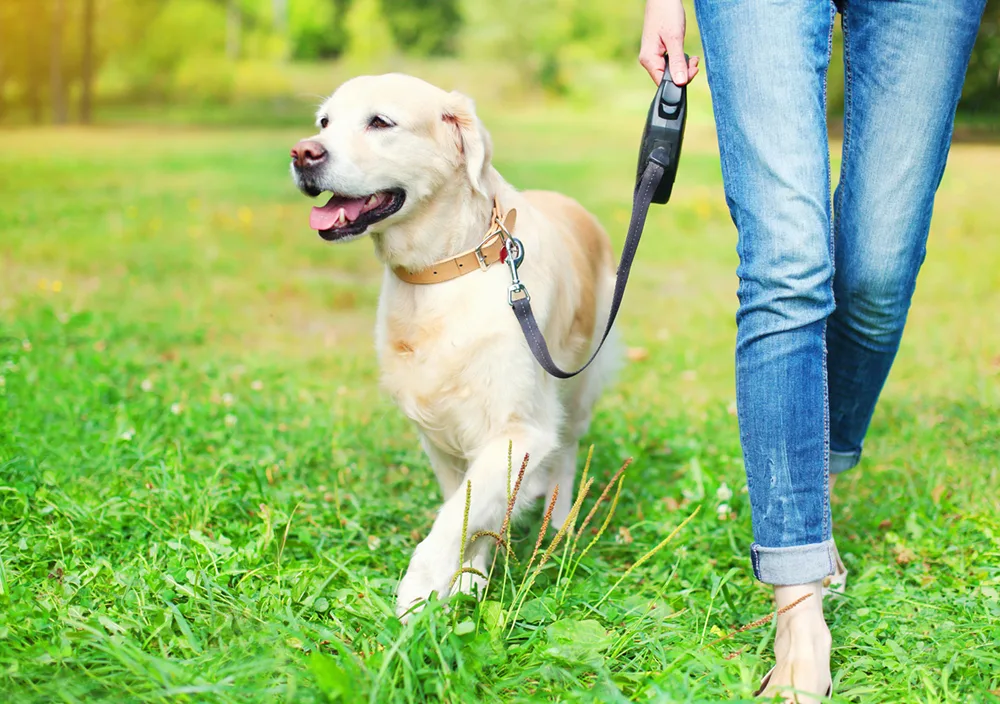
- Standard 1.5 to 2m lead – gives enough freedom while keeping control. Never use a retractable lead during training: constant tension teaches pulling.
- Treat pouch – keeps rewards instantly accessible. You will be treating frequently in early training, so hands–free access matters.
- High–value treats – pea–sized pieces of cheese, chicken, or hot dog. Tiny size matters: you may deliver dozens per session without filling your dog up.
ENVIRONMENT
Always begin training in the least distracting environment available, for example, your living room or garden. Dogs cannot master new skills while overstimulated. Once your dog walks well in a boring space, gradually progress: a quiet street, the park’s periphery, and eventually busier locations. Expect to re–teach the behaviour in each new setting. ‘Learned in the garden’ does not automatically mean ‘learned everywhere.’

THE STOP-AND-GO METHOD
This is the core technique. It requires no corrections, no yanking, no raised voice, just one clear rule:
Lead tight → you stop. Lead loose → you move and reward.
In practice:
- Clip on the lead and start walking.
- The instant the lead tightens, stop completely. Stand still and silent.
- Wait – without pulling your dog back – until they create any slack: a step toward you, a glance back, a pause in pulling.
- The moment the lead loosens, mark with ‘yes!’ and immediately walk forward, treating continuously for a few seconds.
- Repeat. In early sessions, you may stop every two steps. This is normal.
The method works because it removes the reward (forward movement) for pulling while making loose–lead walking pay well. In early training, treat every two to three seconds of calm walking. As your dog improves, gradually space out rewards: every 5 seconds, then 10, then on a variable schedule so they never quite know when the next treat is coming.

BUILDING THE SKILL
CONSISTENCY ACROSS THE HOUSEHOLD
Dogs quickly learn that rules vary from person to person. If one family member lets pulling work, even occasionally, pulling will persist. Everyone who walks the dog must use the same method, every single time. Even 90% consistency is not enough: the 10% of successful pulls keeps the behaviour alive.
USING DISTRACTIONS AS REWARDS
Once your dog understands the basics, use the Premack Principle: require loose–lead walking to ‘earn’ the thing your dog wants. For instance, before reaching a sniff–worthy lamppost, require 10 seconds of calm walking. Then ‘go sniff!’ becomes the reward. This transforms the environment from a distraction into a motivator, and eventually the walk itself becomes reinforcing.
MANAGING OTHER DOGS AND PEOPLE
These are the hardest distractions to cope with. Teach that pulling toward another dog means moving away from it – turn and walk the opposite direction the moment the lead tightens. Require a calm sit or stand on a loose lead before any greeting is permitted. Work at whatever distance allows your dog to think clearly; for some dogs, that means starting 20 metres away.
TROUBLESHOOTING
PROGRESS IS VERY SLOW
This is usually caused by training only during real walks, where the pressure of reaching a destination undermines consistency. Dedicate ten–minute sessions in the garden with no destination goal – just training. Also, check that every member of the household is stopping every single time the lead tightens.
DOG PULLS DESPITE TREATS BEING AVAILABLE
The environment is probably too distracting, or the treats are not valuable enough. Go back to a quieter space and upgrade to something extraordinary, e.g. freshly cooked chicken, not dry biscuits. Also, check your reinforcement rate: treat every two to three seconds in early training, not every 30.

DOG SITS DOWN AND REFUSES TO MOVE
When pulling stops working, some dogs shut down rather than try a new strategy. Do not drag or force. Wait in silence; when they take even one small step, mark and reward generously. Also, rule out physical discomfort from the harness or collar.
ONLY WALKS WELL WHEN TREATS ARE VISIBLE
The dog has learned that visible treats predict the availability of a reward. Fix this by keeping treats in a pouch, never in your hand, and occasionally going for walks without treats at all – substituting play, sniff time, or greetings as rewards. Good behaviour should be worthwhile even when a treat pouch is not in sight.
FINAL THOUGHTS
Loose lead walking takes weeks or months, not days, to perfect, but the investment pays off in years of pleasant walks. The method works for every breed, age, and size. It just requires a lot of commitment to consistency and positive reinforcement! Good luck!

Nosework
basics
Introduction to scent work activities for mental enrichment
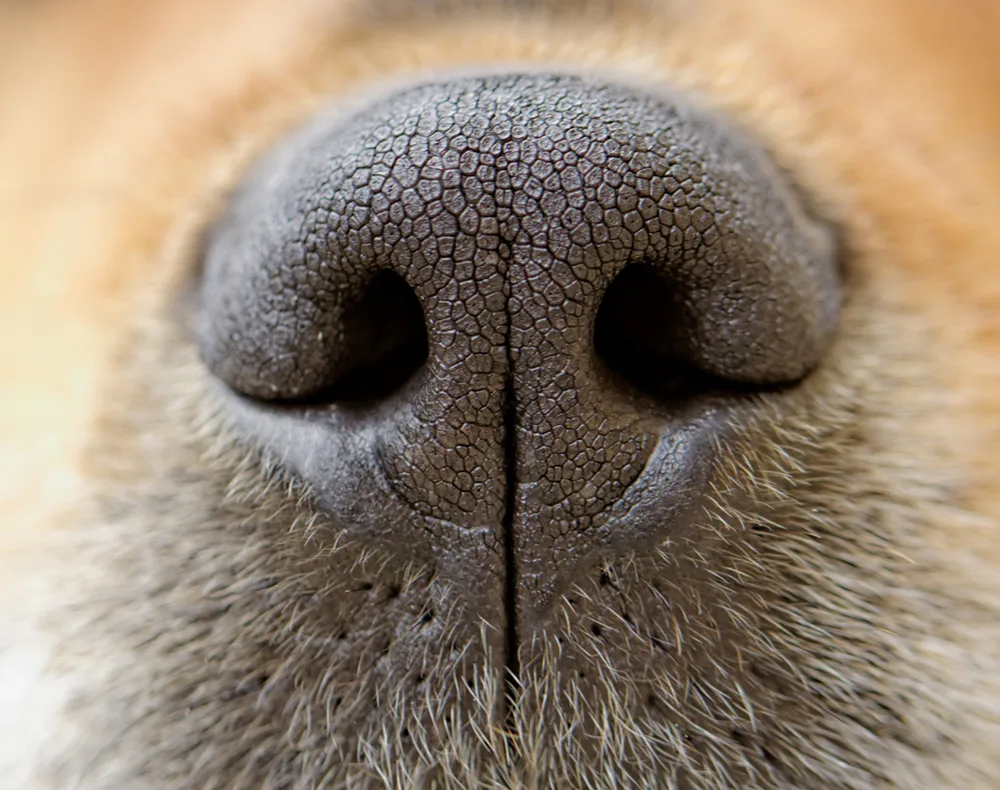
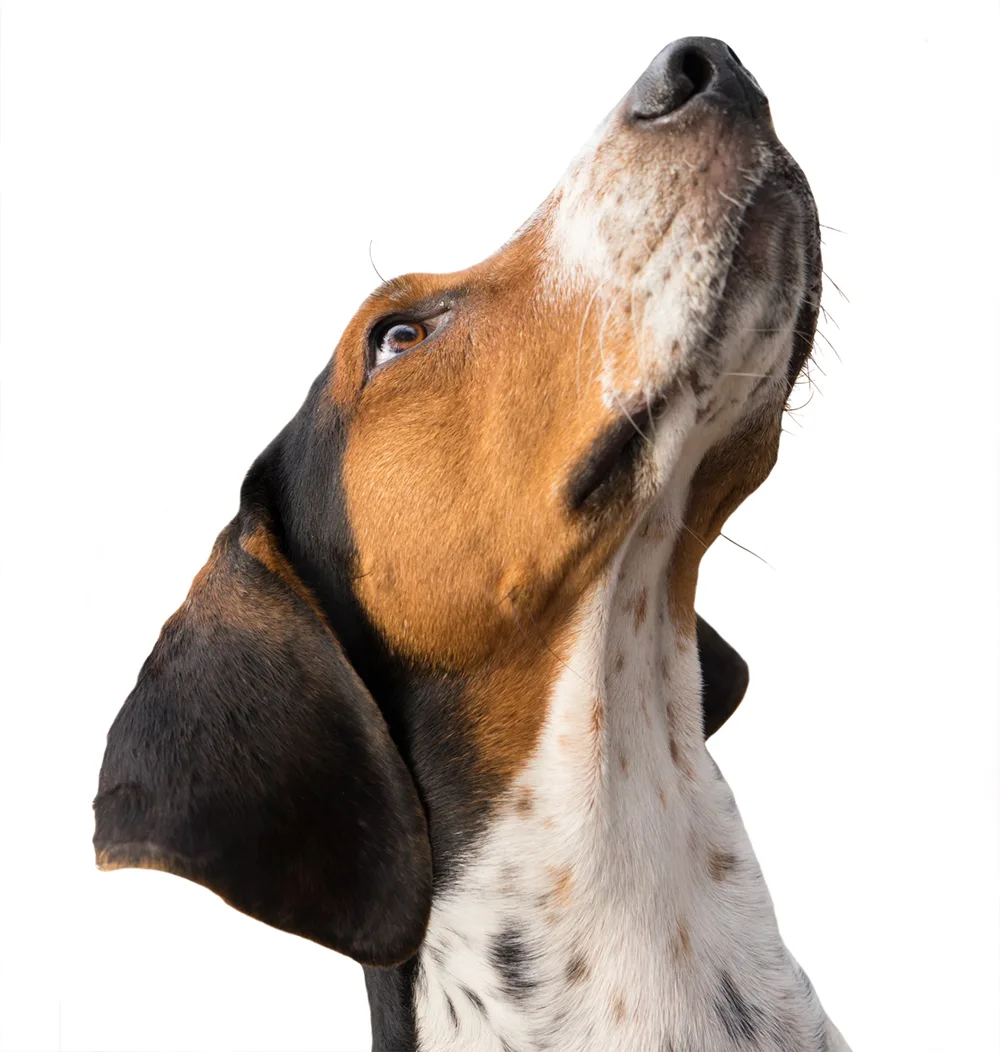
A dog's sense of smell is between 10,000 and 100,000 times more acute than ours, with around 300 million scent receptors compared to our mere 6 million. Yet most pet dogs spend their lives with this extraordinary ability almost entirely unused. We walk them on fixed routes, feed them from bowls, and wonder why they are anxious, destructive, or impossible to settle. The missing ingredient is often mental stimulation, and nosework provides it in abundance.
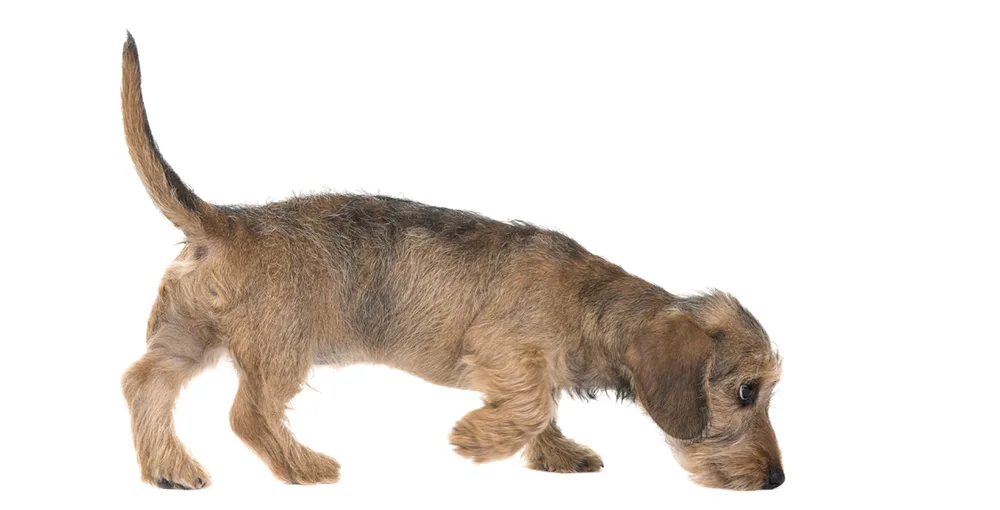
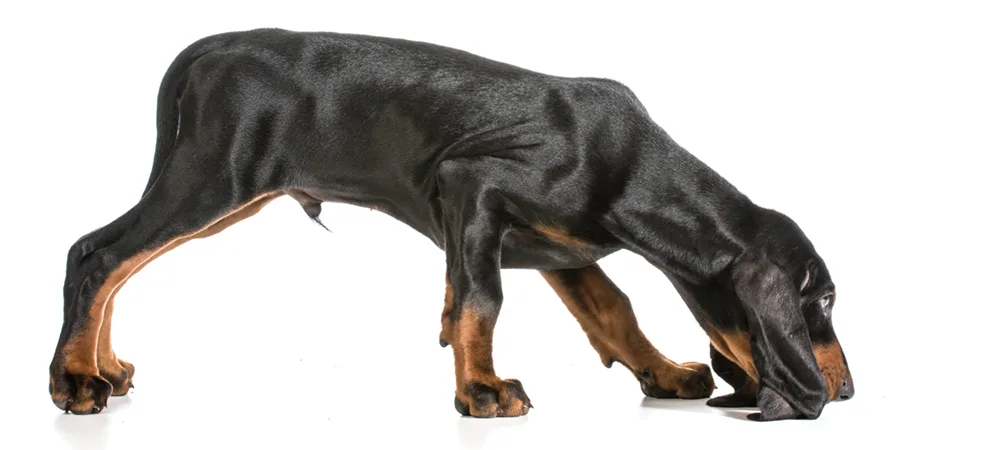
Nosework (also called scent work or detection training) teaches dogs to search environments for specific scents, starting with hidden treats and progressing to target odours such as birch, anise, or clove. It mirrors the work of police and search-and-rescue dogs but requires no special prerequisites. Any dog with a functioning nose can participate: the senior with arthritis, the reactive dog who cannot attend group classes, the deaf dog, the three-legged dog. All can excel.

WHY IT WORKS SO WELL
Fifteen minutes of focused scent searching can tire a dog more than an hour of physical exercise. The concentration required to track odour, solve a search problem, and stay on task depletes mental energy in a way that running simply does not. Dogs who do regular nosework tend to show reduced anxiety, less destructive behaviour, and greater overall contentment.
The activity is also uniquely confidence-building. Because dogs find the scent through their own abilities rather than by following the handler's direction, success feels genuinely theirs. For anxious or fearful dogs, this is especially valuable: the dog who freezes in new environments will often search those same spaces happily when focused on a task. There are no corrections, no physical manipulation, and no pressure. Dogs work at their own pace and experience only success.
WHAT YOU NEED
Getting started costs almost nothing. You need:
- High-value treats: small, soft, and strongly scented. Cheese, chicken, or hot dog pieces work well. Pea-sized is the right size.
- Three to six identical cardboard boxes, roughly shoebox size. Plain brown cardboard is ideal.
- Enthusiasm.
As you progress, you can add varied containers (plastic bins, metal tins, baskets), cotton swabs, and essential oils for introducing target odours. A harness and long line are useful for outdoor work. None of that is needed yet.
TRAINING
STAGE 1: THE SINGLE BOX
Place one box on the floor with several treats inside. Let your dog investigate. Most dogs find the treats within seconds. Praise warmly when they do, then pick up the box and repeat five to ten times. You are teaching three things: boxes contain good things; investigating boxes earns a reward; searching is enjoyable.
Keep sessions to five or ten minutes. Scent work is mentally tiring, and dogs fade faster than you might expect. Short, frequent sessions produce better results than long ones.

STAGE 2: MULTIPLE BOXES
Set out three boxes and place treats in only one. Let your dog search all of them and praise enthusiastically when they find the correct box. Vary which box holds the treats each time so your dog cannot rely on position memory and must actually use their nose. Once reliable among three boxes, add a fourth, then a fifth.
Watch for your dog's natural alert behaviour: some paw at the box, some sit and stare, others nose it repeatedly. Notice what your dog does consistently. This is the behaviour you will build on.
STAGE 3: BUILDING THE ALERT
Start marking your dog's alert. The moment they show their indication, say ‘yes!’ and reward them from your hand rather than letting them eat from the box. This teaches that the alert itself earns a reward, not just the act of finding treats. Over time, remove treats from the box entirely, leaving only the target odour. If the alert behaviour is strongly reinforced, your dog will continue to indicate even when treats are not present. This is the transition from treat-finding to genuine scent detection.

EXPANDING THE SEARCH
Once box searches are solid, introduce variety. Use different containers: plastic bins, tins, baskets, paper bags. Hide treats among furniture, behind cushions, under chairs. Expand from one corner of a room to an entire room, then to multiple rooms. Add multiple hides per session so your dog learns to keep looking after finding the first one. Vary hide heights: most dogs naturally search low, so placing hides on low shelves or chair seats adds a useful challenge.
For outdoor searches, start in a small familiar area such as your garden. Use a long line for safety. Wind carries odour in unpredictable directions, so begin in calm conditions and build from there.

INTRODUCING TARGET ODOURS
Competition nosework uses three essential oils: birch, anise, and clove. For home training, start with just one. Place two or three drops on a cotton swab, put the swab in a small tin with ventilation holes, and leave it overnight. Then use this tin as your hide, initially alongside treats in the same box. After several sessions, your dog begins associating the new smell with a reward. Gradually reduce treats in the box and increase hand rewards until your dog alerts to the odour alone.
The transition takes time. Some dogs make the connection quickly; others need several weeks of consistent pairing. The moment your dog clearly alerts to odour without any treats present is a genuine breakthrough worth celebrating.
COMMON PROBLEMS
LOSING INTEREST
Check the treat value first and raise the stakes with fresher, smellier rewards. Also, check session length: if your dog is losing focus at eight minutes, stop at five. Simplify the search briefly if needed. Easy wins rebuild enthusiasm quickly.
NOT ALERTING CLEARLY
Your dog may be alerting subtly, and you are missing it. Video a session and watch carefully for brief nose pauses or small changes in intensity. If there is genuinely no alert, go back to marking and rewarding any deliberate attention to the correct container.
RUSHING AND MISSING HIDES
Reduce the search area so your dog must cover it thoroughly before moving on. Walking them in calmly on a loose lead, rather than releasing them to run, encourages a more methodical approach.
ANXIETY IN NEW ENVIRONMENTS
Let your dog spend five to ten minutes simply exploring a new space before asking them to search it. Use higher-value rewards than usual and progress gradually, one unfamiliar room at a time, rather than jumping straight to novel outdoor locations.
GETTING STARTED
Successful tick and flea control in the South African summer requires integration of multiple strategies. No single approach works in isolation.
The foundation is the consistent use of effective preventive products on all dogs in your household. Build on this foundation with environmental management – both indoors and outdoors. Add regular checking and early detection. If problems arise despite preventive measures, respond quickly with comprehensive treatment.

Canine hip dysplasia
A complete guide
Hip dysplasia is one of the most commonly discussed conditions in the dog world, and yet it remains widely misunderstood. It is not a single disease with a single cause, a single presentation, or a single solution, but rather a complex, multifactorial condition, part genetic, part developmental, part environmental, that exists on a spectrum from mildly abnormal imaging findings with no outward signs to severely debilitating joint disease that profoundly affects a dog's quality of life.
For owners of affected dogs, and for anyone buying or breeding dogs, understanding what hip dysplasia actually is, and what current science says about preventing and managing it, this guide is for you.

WHAT IS HIP DYSPLASIA?
Hip dysplasia, formally known as canine hip dysplasia, or CHD, is a developmental orthopaedic condition in which the hip joint fails to form correctly. The hip is a ball–and–socket joint: the rounded head of the femur (thigh bone) sits within the cup–shaped socket of the pelvis, called the acetabulum. In a normal, healthy hip, these two surfaces fit snugly together, lined by protective cartilage, distributing load evenly and allowing smooth, pain–free movement.
In a dysplastic hip, this fit is imperfect. The primary problem is laxity (looseness) in the joint. The femoral head does not sit firmly in the acetabulum, leading to abnormal movement and instability. Over time, this instability causes the joint surfaces to wear unevenly, damaging the articular cartilage that lines the joint and triggering the body's inflammatory response. The result is secondary osteoarthritis, a progressive, degenerative joint disease that causes pain, stiffness, and reduced mobility.
Crucially, hip dysplasia is not present at birth in a fixed, final form. It develops during the growing period, and the severity of the resulting osteoarthritis can vary dramatically between individuals, even those with similar degrees of initial joint laxity (looseness). This variability is one of the reasons the condition is so challenging for vets to predict and manage.
WHICH DOGS ARE AFFECTED?
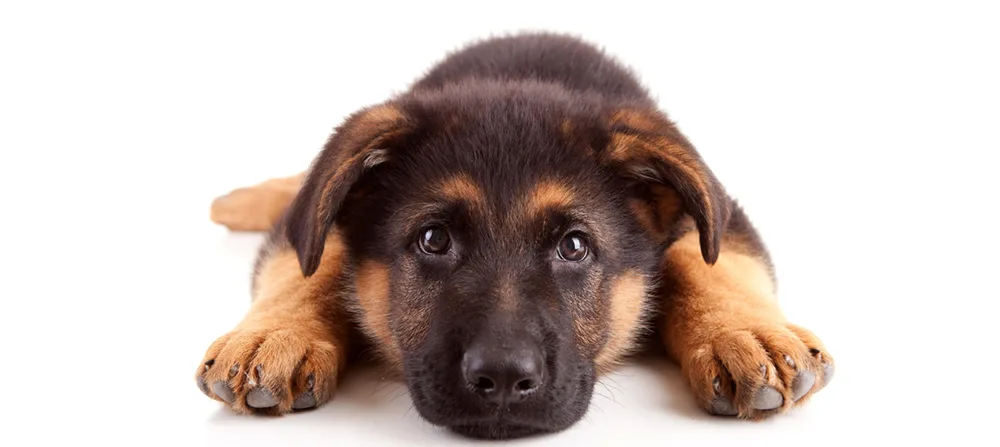
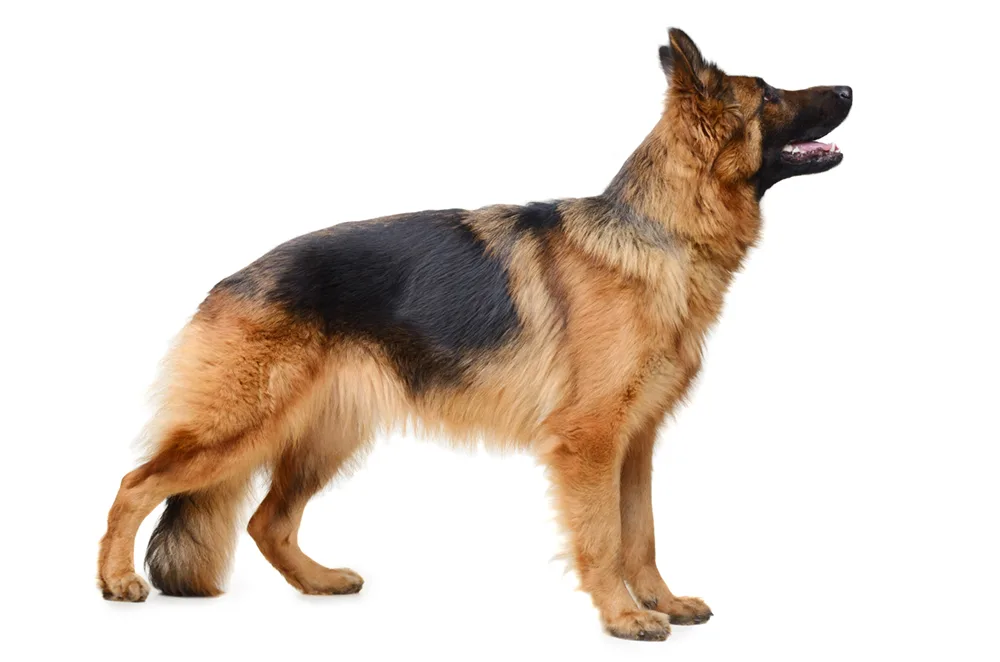
Hip dysplasia is most commonly associated with large and giant breeds. German Shepherd Dogs, Labrador Retrievers, Golden Retrievers, Rottweilers, Bernese Mountain Dogs, and Great Danes are among the breeds with historically high prevalence rates. However, the condition is not exclusive to large dogs. It occurs in medium–sized breeds and, less commonly, in small breeds too.
Prevalence data from the Orthopaedic Foundation for Animals (OFA) shows significant variation between breeds. Some breeds have seen meaningful improvement in average hip scores over decades of selective breeding and screening programmes, demonstrating that the condition is genuinely responsive to careful breeding decisions. Others remain at stubbornly high rates, reflecting the challenges of selecting against a polygenic (multi–gene) trait in these breeds.
CAUSES: GENETICS, ENVIRONMENT, AND THE INTERACTION BETWEEN THEM
Hip dysplasia is described scientifically as a polygenic, multifactorial condition. This means it is influenced by many genes, not a single mutation, interacting with a range of environmental and developmental factors. Understanding this complexity is essential for interpreting both risk and responsibility.
THE GENETIC COMPONENT
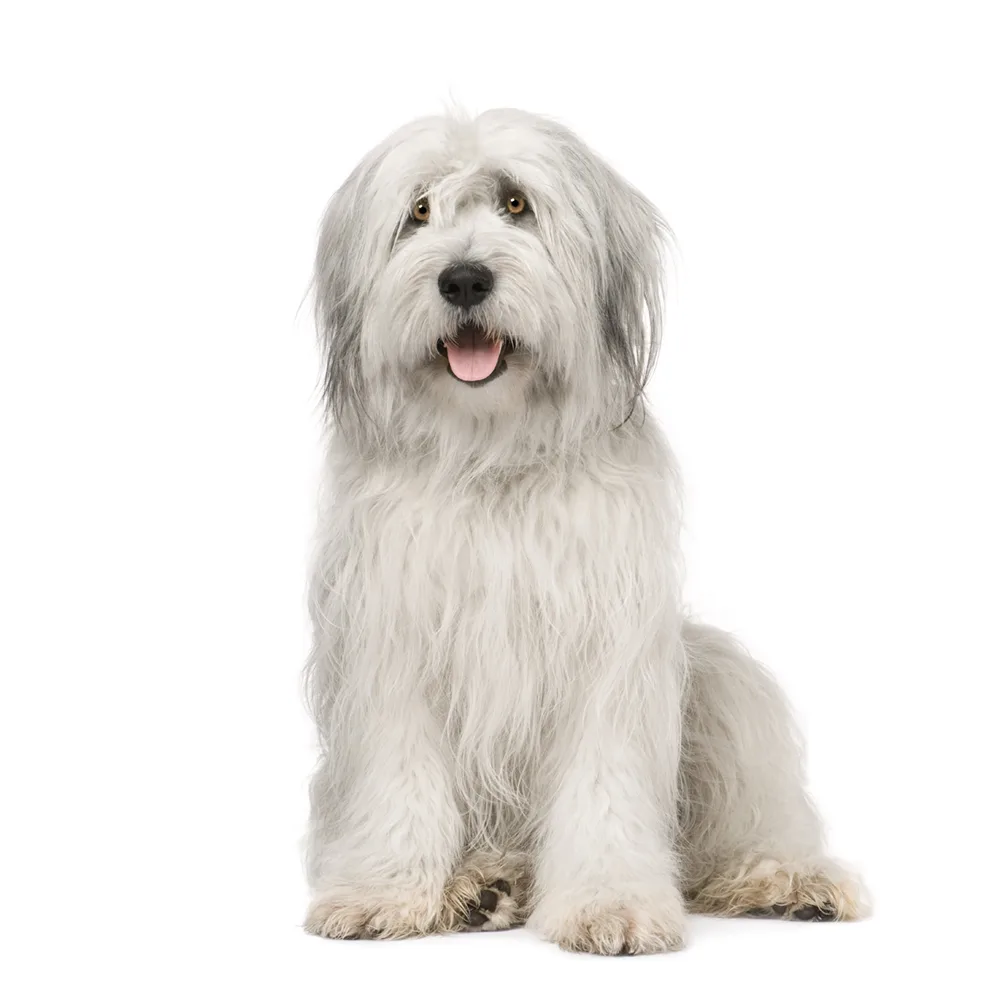
The heritability of hip dysplasia is well–established. Dogs from parents with good hip scores are statistically less likely to develop severe dysplasia than dogs from parents with poor scores, though this is a probabilistic relationship, not a guarantee. Even dogs with excellent hip scores from both parents can develop hip dysplasia, and vice versa, because the many genes involved mean that no screening approach yet available can perfectly predict which dogs will be affected.
A 2024 genome–wide association study in Swedish Labrador Retrievers published in Scientific Reports identified specific genetic loci (areas) associated with both hip dysplasia and body weight, reinforcing the understanding that the genetic architecture of hip dysplasia is genuinely complex and interacts with other heritable traits. The search for reliable genetic markers continues, but current consensus is clear: screening (radiographic assessment of hip conformation) remains the best available tool for breeders, as no genetic test yet provides sufficient predictive power on its own.
ENVIRONMENTAL AND DEVELOPMENTAL FACTORS
Genetics loads the gun, but environment can pull the trigger, and this is particularly true in hip dysplasia. Several environmental factors have been identified as influencing whether a genetically predisposed dog develops clinical disease:
- Body weight and nutrition. Excess weight during the growth phase places significantly greater mechanical load on developing joints. Overfeeding large–breed puppies, particularly providing excess calcium, phosphorus, or overall energy, has been clearly associated with accelerated skeletal development that outpaces the maturation of supporting soft tissues, worsening joint laxity. Keeping large–breed puppies lean during growth is one of the most evidence–backed interventions available to breeders and owners.
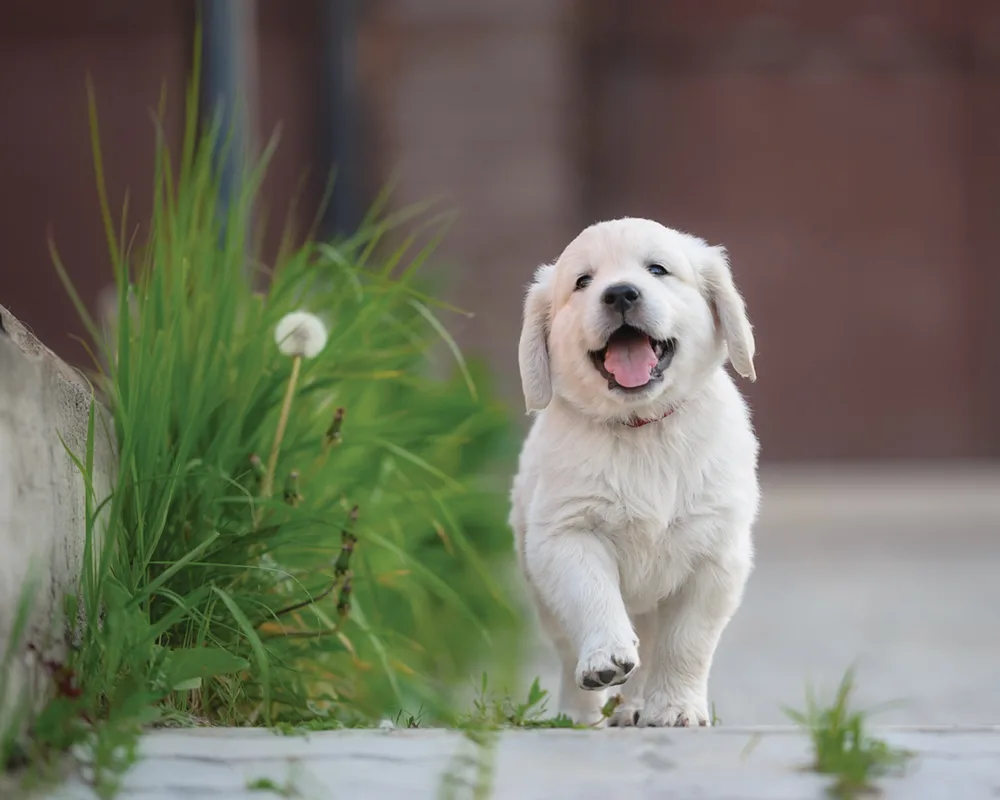
- Exercise type and intensity during puppyhood. The developing joints of large–breed puppies are vulnerable. Repetitive, high–impact exercise on hard surfaces, including excessive road walking and forced running, during the growth period can exacerbate joint instability in susceptible individuals. Research has also found associations between certain types of early exercise (such as stair climbing in very young puppies) and increased hip dysplasia risk. This does not mean puppies should be inactive, appropriate free play and gentle exercise are important for healthy development, but high–impact, repetitive loading should be moderated during the critical growth window.
- Neutering timing. A body of evidence, including studies from the University of California, Davis, has found associations between early neutering (before 12 months in large breeds) and increased risk of joint disorders, including hip dysplasia. The relationship is thought to involve the role of sex hormones in skeletal development and joint maturation. This is an area of active research and ongoing debate, but it is a conversation worth having with your vet when making decisions about timing.

RECOGNISING THE SIGNS
Hip dysplasia does not always announce itself clearly. The signs can be subtle, particularly in the early stages or in young dogs, and may be mistaken for other conditions, including simple growing pains or soft tissue injuries.
Signs in young dogs (typically five–18 months):
- Difficulty rising after rest.
- A ‘bunny–hopping’ gait when running with both hind legs moving together rather than alternating.
- Reluctance to climb stairs, jump into cars, or engage in vigorous play.
- Reduced exercise tolerance.
- A swaying or rolling hindquarter gait.
- Audible or palpable clicking in the hip joint.
- Muscle asymmetry – one or both hindquarters appearing less muscled than the front.
Signs in older dogs:
- Stiffness after rest, improving with gentle movement.
- Progressive reduction in activity levels.
- Lameness, particularly after exercise.
- Signs of pain when the hips are touched or manipulated.
- Muscle wasting in the hindquarters as the dog compensates by shifting weight forward.
It is important to note that there is not always a clear correlation between radiographic severity and clinical signs. Some dogs with badly dysplastic hips on imaging show minimal signs; others with relatively mild radiographic changes are in significant pain. This is one of the features of the condition that makes management so individual.
DIAGNOSIS
Hip dysplasia is diagnosed through a combination of clinical examination and imaging, almost always requiring sedation or anaesthesia to achieve the relaxation necessary for accurate assessment.
ORTOLANI TEST
During physical examination, a vet may perform the Ortolani test, which involves a manual manipulation of the hip joint designed to detect subluxation (partial dislocation) and the characteristic ‘clunk’ of the femoral head slipping back into the acetabulum (the cup–shaped area of the pelvis). This test is most useful in young dogs with lax joints; in older dogs with established osteoarthritis and fibrosis, the joint becomes progressively stiffer and the test less informative.
RADIOGRAPHIC SCREENING
X–rays remain the cornerstone of hip dysplasia diagnosis. Two main screening approaches are in widespread use:
- OFA (Orthopedic Foundation for Animals) scoring uses a single hip–extended radiographic view, assessed by a panel of board–certified radiologists who assign a score of Excellent, Good, Fair, Borderline, Mild, Moderate, or Severe. OFA evaluation is typically performed at two years of age in the UK and the US, when skeletal maturity is largely complete.
- PennHIP (Pennsylvania Hip Improvement Program) uses three radiographic views – hip–extended, compression, and distraction – and produces a quantitative Distraction Index (DI), which measures the degree of joint laxity. The DI is reported alongside the breed distribution, allowing breeders to see exactly how a dog compares to other tested individuals of the same breed. A key advantage of PennHIP is that it can be performed reliably from 16 weeks of age, enabling earlier decisions. Scientific evidence consistently supports the PennHIP method as the more sensitive and predictive of the two approaches for identifying dogs at risk of developing osteoarthritis.
NOTE: CT imaging is increasingly used in specialist settings for more detailed assessment of joint morphology, particularly when surgical planning is required.

MANAGEMENT
Management of hip dysplasia is highly individualised, based on the dog's age, the severity of clinical signs, the degree of radiographic change, the dog's lifestyle, and the owner's circumstances. There is no single correct approach but rather a spectrum of options ranging from conservative medical management to surgical intervention, often used in combination.
CONSERVATIVE (NON–SURGICAL) MANAGEMENT
For many dogs, particularly those with mild to moderate disease, older dogs who are poor surgical candidates, or dogs whose owners prefer a non–surgical route, conservative management can achieve a good quality of life. It is most effective when approached holistically and consistently.
Weight management is arguably the single most impactful non–surgical intervention. Every excess kilogram places additional load on already compromised joint surfaces. Research has demonstrated that weight reduction in overweight dogs with hip osteoarthritis produces measurable improvements in lameness scores and gait analysis parameters.
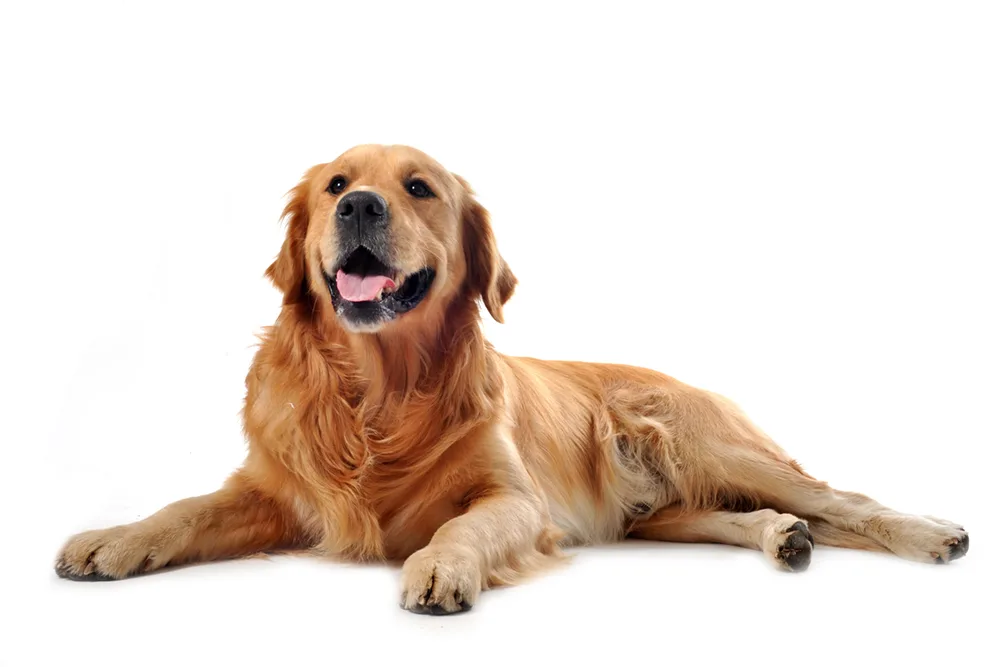
Exercise management follows closely behind. The goal is not rest, but appropriate, joint–friendly movement. Regular, moderate exercise maintains muscle mass (which helps stabilise the hip joint), supports healthy cartilage nutrition, and maintains range of motion. Short, frequent lead walks on soft surfaces are preferable to long, irregular, high–impact outings. Swimming and hydrotherapy are particularly valuable, as water removes weight–bearing load while allowing full–range muscle activity.
Physiotherapy and rehabilitation have an established evidence base for the management of canine hip dysplasia. Structured physiotherapy programmes, including passive range of motion exercises, proprioception work, therapeutic exercises, massage, and hydrotherapy, have been shown to reduce pain, maintain and build muscle mass, and improve functional mobility. A 2021 update to the physical rehabilitation guidelines for canine hip dysplasia in Veterinary Clinics of North America confirmed the importance of rehabilitation in both conservatively managed dogs and the post–surgical period.
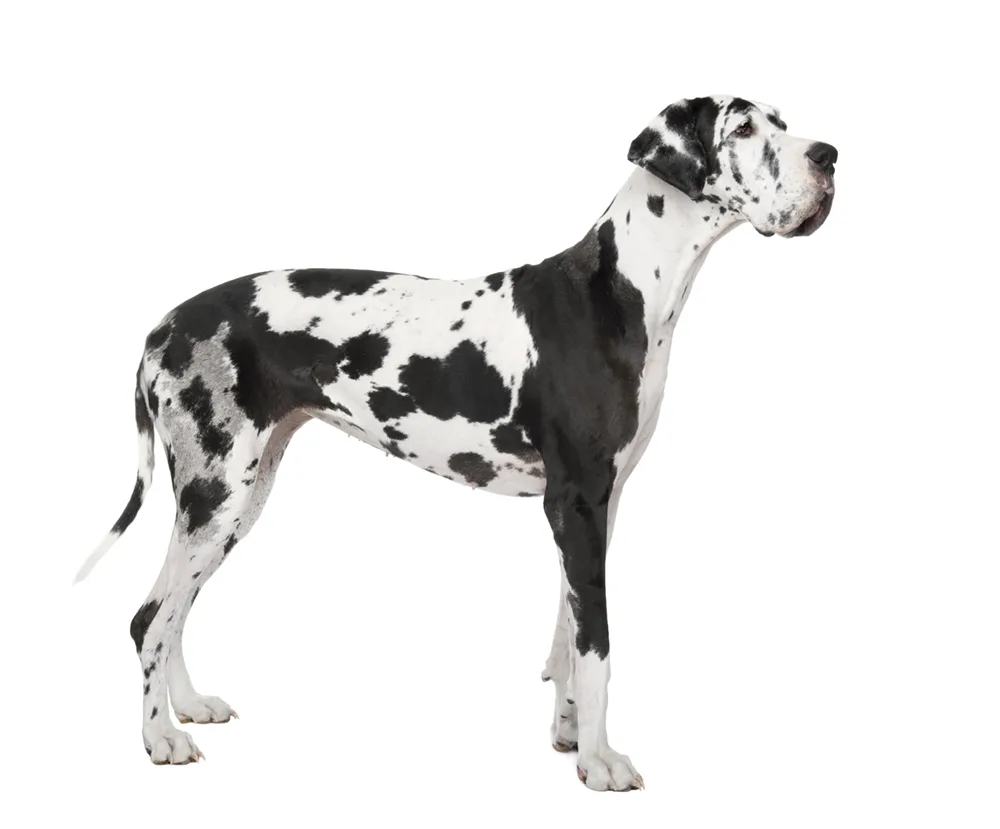
Pain management is central to conservative care and typically involves a combination of approaches. Non–steroidal anti–inflammatory drugs (NSAIDs) are the most commonly prescribed and most evidence–supported pharmacological option for managing osteoarthritis pain in dogs. They should be used at the lowest effective dose and under regular veterinary monitoring, given the potential for gastrointestinal and renal side effects with long–term use.
Joint supplements, including omega–3 fatty acids (particularly EPA and DHA from fish oil), glucosamine, and chondroitin sulphate, are widely used and generally well tolerated. Evidence for their efficacy is variable with omega–3 fatty acids having the strongest scientific support for a modest anti–inflammatory effect, while evidence for glucosamine and chondroitin is mixed. They are unlikely to produce dramatic results on their own but may contribute meaningfully as part of a broader management strategy.
Regenerative therapies, including platelet–rich plasma (PRP) and mesenchymal stem cell therapy, represent an exciting and growing area of veterinary medicine.
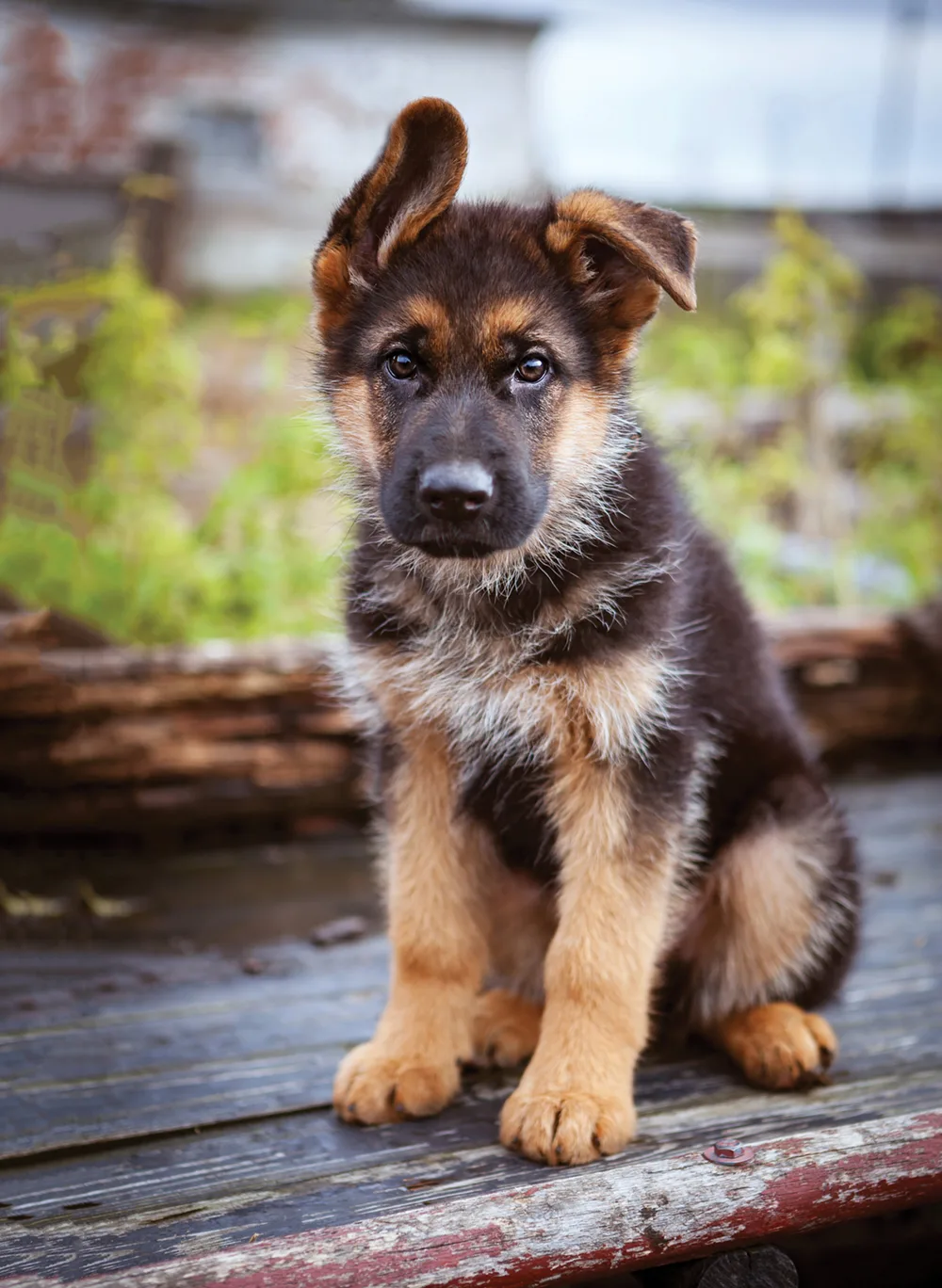
These treatments aim to modulate inflammation and support tissue repair within the joint environment. Early clinical studies have shown promise. For instance, a pilot study using autologous protein solution (a related regenerative product) found significant improvement in pain and function scores in dogs with hip osteoarthritis. However, larger randomised controlled trials are still needed, and these treatments are currently most available through specialist veterinary practices.
Adjunct physical modalities, including therapeutic laser (photobiomodulation), therapeutic ultrasound, transcutaneous electrical nerve stimulation (TENS), and pulsed electromagnetic field therapy, are used by veterinary rehabilitation specialists, often as part of a broader physiotherapy programme. Evidence quality varies across these modalities, but some have demonstrated useful pain–reducing and tissue–healing effects in clinical settings.
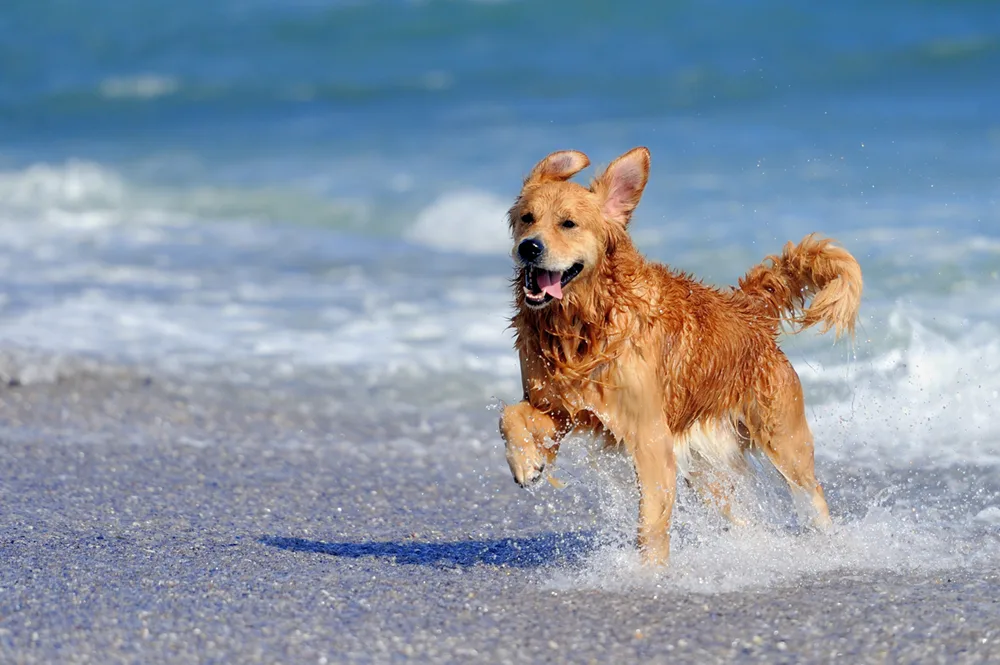
SURGICAL MANAGEMENT
Surgery is typically considered when conservative management fails to provide adequate pain relief and quality of life, or when it offers a clear advantage, particularly in younger dogs where early surgical intervention can prevent or significantly delay the progression of osteoarthritis. Several surgical options exist, each with different indications, outcomes, and recovery profiles.
Juvenile Pubic Symphysiodesis (JPS) is a procedure performed in puppies, typically before 20 weeks of age, in which the growth plate of the pubic symphysis is cauterised. This causes the pelvis to rotate as it continues to grow, thereby improving the acetabular coverage of the femoral head and reducing the risk of the femoral head partially dislocating. It is the least invasive surgical option and most effective when performed early, which is why screening at 16 weeks using PennHIP is clinically valuable.
Triple Pelvic Osteotomy (TPO) and Double Pelvic Osteotomy (DPO) involve cutting and rotating the acetabulum to improve its alignment over the femoral head, then securing it in the new position with a plate. These procedures are most suitable for young dogs (typically under 10–12 months) with hip laxity but minimal osteoarthritic change. Outcomes are generally good when appropriate patient selection is applied.
Femoral Head and Neck Excision (FHO/FHNE) removes the femoral head entirely, eliminating bone–on–bone contact and allowing the body to form a fibrous pseudoarthrosis. While it does not restore normal joint anatomy, it reliably eliminates the source of pain in many dogs, particularly smaller breeds and those that have not responded to other management. Outcomes in large and giant breeds are more variable, and extensive post–operative rehabilitation is important to optimise function.
Total Hip Replacement (THR) is the gold standard surgical treatment for canine hip dysplasia with advanced osteoarthritis, particularly in medium to large breeds. A prosthetic implant replaces both the femoral head and the acetabular cup, restoring near–normal joint mechanics. In appropriately selected candidates, total hip replacement produces excellent long–term outcomes, with the majority of dogs returning to a high level of function. It is a specialist procedure requiring significant post–operative management, and bilateral cases are typically staged rather than performed simultaneously.

BREEDING AND PREVENTION
Hip dysplasia is not going to be eliminated from the canine population any time soon, as its polygenic nature and the imperfect predictive power of current screening tools make that currently (at least) impossible. However, its prevalence and severity can be meaningfully reduced through sustained, evidence–based breeding practices.
The key principles are straightforward:
Screen breeding dogs. Both parents should have their hips formally assessed by an established screening scheme. Dogs with poor scores should not be bred. This seems obvious, but enforcement in many breeds is far from universal.
Outside of the individual dogs, it is also important to consider the whole picture. Estimated Breeding Values (EBVs), which incorporate hip scores from relatives across multiple generations, provide a more statistically powerful predictor than an individual dog's score alone. Guide dog programmes using EBVs across multiple generations have achieved remarkable improvements in hip scores, with over 93% of German Shepherd Dogs and 94% of Labrador Retrievers in one programme achieving Excellent hip–extended scores after eight generations of selection. This demonstrates that sustained, data–driven breeding pressure produces real population–level change.
Keep puppies lean. Whatever a puppy's genetic predisposition, avoiding overfeeding during the growth phase reduces the environmental load on developing hips. This is something breeders and new owners can directly control.

LIVING WELL WITH HIP DYSPLASIA
Many dogs with hip dysplasia live long, comfortable, active lives, particularly when the condition is diagnosed early, managed consistently, and supported by an engaged and well–informed owner.
The most important factors in a good outcome are:
- Early diagnosis – don't wait for lameness to become severe before investigating
- Weight management – this cannot be overstated
- Consistent, appropriate exercise – not restriction, but adaptation
- Regular veterinary review – pain and disease progress over time, and management needs to evolve with the dog
- Physiotherapy – ideally with a qualified canine rehabilitation therapist
- Willingness to consider surgical options when conservative management is no longer sufficient
Hip dysplasia requires commitment. It is a condition managed across a lifetime, not fixed with a single intervention. But with the right support, the right knowledge, and the right team around them, dogs with hip dysplasia can – and regularly do – thrive.
Sources
PMC review, "Diagnosis, prevention, and management of canine hip dysplasia," 2018
"Non–surgical pain management for hip joint disease in veterinary medicine," Veterinary Medicine, 2024
"Physical Rehabilitation for the Management of Canine Hip Dysplasia: 2021 Update," Veterinary Clinics of North America
Kieler et al., "Genome–wide association study in Swedish Labrador retrievers," Scientific Reports, 2024
OFA and PennHIP programme data; American Kennel Club genetics guidance, 2025

YOUR DOG QUESTIONS ANSWERED
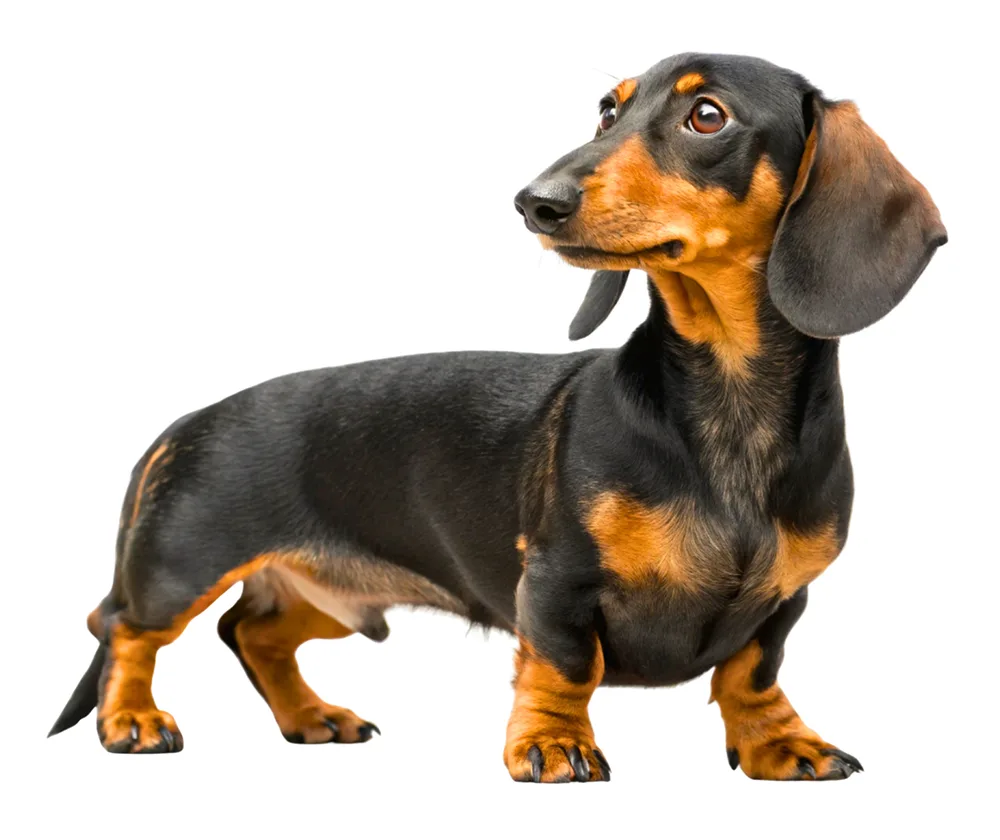
Q: My Dachshund has started yelping when he jumps off the sofa, but seems fine the rest of the time. Could this just be behavioural, or is something wrong?
A: Please don't dismiss this one. Dachshunds, as much as we adore them and (try to) parent two of our own, are a breed with a significant anatomical vulnerability; their elongated spines and short legs put them at considerably higher risk of intervertebral disc disease (IVDD) than most other breeds, and yelping on impact is one of the early warning signs that something may be going on with the spine or discs.
IVDD can range from mild discomfort to severe neurological compromise, and the tricky thing is that in its early stages, a dog can appear perfectly normal in between episodes of pain. So the picture you're describing - fine most of the time, but yelping at that specific moment of impact - is exactly the kind of thing that warrants a proper examination.
In the meantime, it would be sensible to remove access to the sofa (or provide a ramp so he doesn't need to jump at all), and avoid any activity that involves jumping, rough play, or stairs if you can manage it.
Please do book an appointment with your vet as soon as you can; this really shouldn't be left to see how it develops. Caught early, many spinal issues in Dachshunds can be managed very effectively, but time does matter.
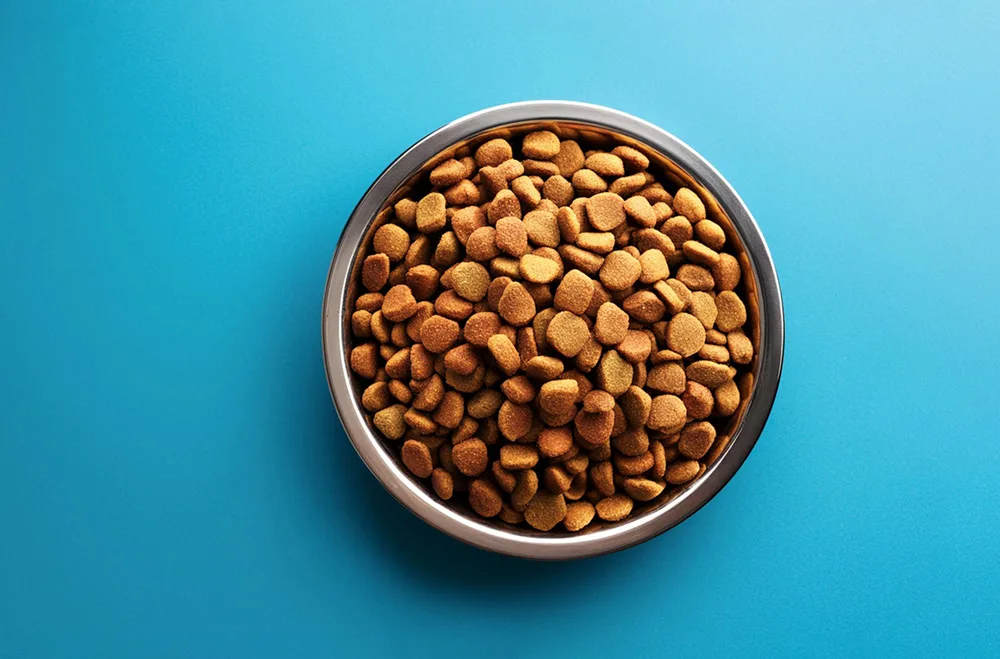
Q: My two-year-old Labrador has recently started resource guarding his food bowl, growling if anyone goes near him while he's eating. He's never done this before. Should I be worried, and what can I do about it?
A: Resource guarding is actually one of the most natural behaviours in the canine world; dogs are hardwired to protect things they consider valuable, and food sits right at the top of that list. The fact that it's emerged now, at two years old, isn't unusual either; this is the age at which many dogs reach full social maturity and begin to assert themselves in ways they didn't as puppies. What matters most is how you respond to it early on, because guarding behaviour can escalate if it's handled incorrectly.
The worst thing you can do is punish the growl. We know that sounds counterintuitive, but the growl is your dog communicating; it's a warning signal, and suppressing it doesn't remove the underlying anxiety, it just removes the warning. Instead, the goal is to change the emotional association your dog has with people approaching his bowl. A technique called counter-conditioning, where you approach the bowl and drop in something even more delicious, then walk away, can go a long way toward teaching him that human presence near his food predicts good things rather than a threat.
That said, because guarding behaviour carries an element of risk, particularly in homes with children, we'd strongly encourage you to get a professional involved sooner rather than later. Please do speak to your vet to rule out any underlying health or pain-related triggers, and then consult a qualified clinical animal behaviourist who can assess the situation in person and build a safe, tailored modification plan.
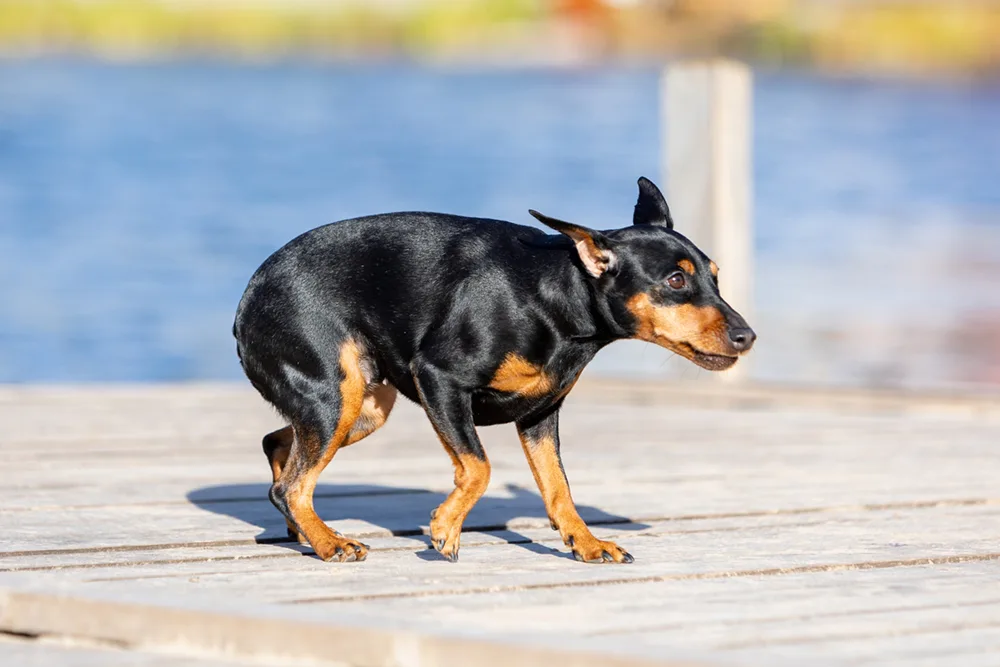
Q: My rescue Whippet has been with us for six months and is wonderful indoors, but the moment we go outside, she shuts down completely (head low, tail tucked, won't take treats). Walks feel like a battle. How do we help her enjoy the outside world?
A: What you're describing is a really common picture with rescue dogs, particularly sighthounds, who tend to be exceptionally sensitive souls. Six months might feel like a long time, but in rescue terms, it's still relatively early days with many dogs take twelve to eighteen months to truly decompress and find their confidence, especially if their history before you was uncertain or difficult.
The shut-down behaviour you're describing, the low head, the tucked tail, the refusal of food, is a classic stress response. When a dog is in that state, the thinking part of the brain is essentially offline, which is why treats stop working. She's not being difficult; she's overwhelmed. The key is to reduce the exposure rather than push through it.
Consider starting much smaller than a ‘walk.’ Simply standing outside your front door for a few minutes, letting her observe the world from a safe distance, then coming back in, can be enormously valuable. Build duration and distance incredibly gradually. Let her set the pace, so if she wants to stop and stare, let her. If she wants to sniff a single lamppost for three minutes, let her. Sniffing is genuinely decompressive for dogs and should be celebrated, not rushed.
It's also worth keeping a diary of where and when she shuts down most, as patterns can reveal a lot about specific triggers. We'd recommend discussing her progress with your vet (there are medical options that can take the edge off severe anxiety while behaviour work is underway) and working alongside a qualified behaviourist who has experience with rescue and fearful dogs.
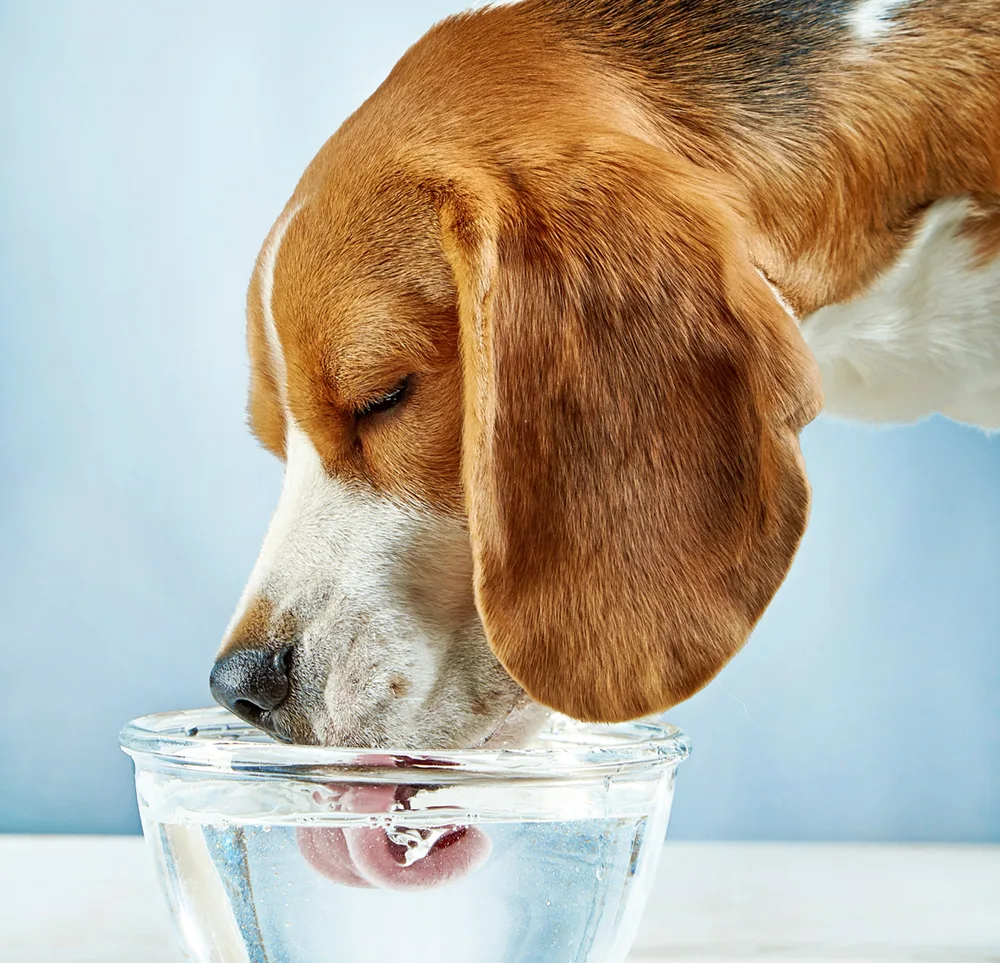
Q: My Golden Retriever is eight years old and has started drinking a lot more water than usual and needing to go outside through the night. She's eating well and seems happy enough. What could be causing this?
A: We're glad you've noticed this, because increased thirst and urination, what vets refer to as PU/PD (polyuria and polydipsia), is one of those symptoms that always deserves investigation, even when the dog seems otherwise bright and cheerful. In a dog of your girl's age, there are several conditions that can cause exactly this pattern, and the important news is that most of them are very manageable when caught in good time.
Among the more common culprits in an older dog are diabetes mellitus, Cushing's disease (hyperadrenocorticism), kidney disease, and certain infections, such as a uterine infection (pyometra) in unspayed females. Some medications, if she's on any, can also cause increased drinking as a side effect.
None of this is meant to alarm you, as we say, many of these conditions respond very well to treatment, but this is genuinely not something to wait out. A vet appointment with a urine sample and some blood work will likely give your vet a very clear picture quite quickly. Please do get her seen promptly, and definitely describe the nighttime disruption too, as the frequency and timing of urination can be a useful diagnostic clue.
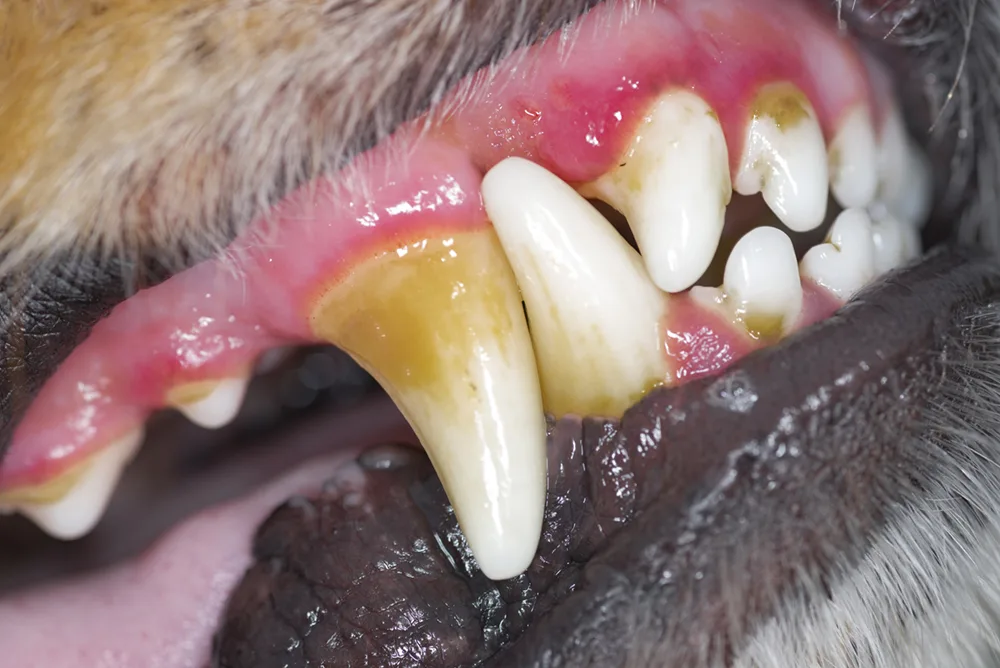
Q: I've been told I should be brushing my dog's teeth, but he absolutely won't let me near his mouth. Is dental hygiene really that important, and is there anything else I can do if toothbrushing just isn't happening?
A: Hand on heart: yes, dental hygiene really is that important, and it's one of the most consistently underestimated aspects of dog care. Dental disease is extraordinarily prevalent in dogs - studies suggest the majority of dogs over three years old have some degree of periodontal disease - and the consequences go beyond bad breath. Chronic dental infection has been linked to heart, kidney, and liver problems, because bacteria from the mouth can enter the bloodstream, so this is genuinely worth persisting with.
That said, we hear you - many dogs find having their mouths handled deeply uncomfortable, particularly if it wasn't introduced in puppyhood. The good news is that toothbrushing, while the gold standard, isn't the only tool in the box. Enzymatic toothpastes (always dog-specific - never use human toothpaste) can do some work even with minimal brushing contact. Dental chews that carry the VOHC (Veterinary Oral Health Council) seal of approval have good evidence behind them. Dental diets and water additives also have their place, though with variable effectiveness.
For the brushing itself, it's worth going back to absolute basics - starting with just touching the outside of the lips, progressing to gently lifting the lip, and only introducing a brush (or a finger brush) much later, once he's relaxed at each stage. It takes patience, but most dogs can get there.
Do chat to your vet at your next check-up about his dental health, specifically as many practices offer dental assessments and can advise whether a professional scale and polish under anaesthetic might be a good reset before you work on the home care routine.

Q: My Border Collie is three years old and has suddenly started herding my children; he’s circling them, nipping at their heels, and staring intensely. The kids are getting upset. What's going on, and how do we stop it?
A: What you're seeing is your Border Collie doing what Border Collies are, at a very deep genetic level, built to do. Herding is not a behavioural problem in the traditional sense; it's an instinct that has been selectively refined over centuries, and in the right context (a farm, a flock, a skilled handler) it's an extraordinary thing to witness. In a family home with small children, however, it can become genuinely problematic, and the nipping in particular isn't something to leave unaddressed.
The key insight here is that this behaviour is typically driven by arousal and frustration - your Collie has an outlet need that isn't being met, and the children (who perhaps move unpredictably, squeal, and run) are inadvertently triggering the herding sequence. The more the children react, the more reinforcing it becomes for the dog.
The first step is management: when the children are running around, and excitement is high, your Collie needs to be in a separate space. This isn't punishment; it's just removing the trigger while you work on things properly. The second, and arguably more important step, is channelling that instinct constructively. Border Collies thrive with purpose - structured training, scent work, agility, or even formal herding lessons with a trainer can make a remarkable difference to a dog whose brain isn't being sufficiently stretched.
Because the nipping is involved and children are affected, we'd really encourage you to get support from a qualified behaviourist who has experience with working breeds. Your vet is also a great first port of call to discuss the behaviour and get a referral if needed - please do reach out to them sooner rather than later.
follow us on Instagram @dogquarterlymag and Facebook dqmagazine
stay tuned for the next issue of