SOUTH AFRICA'S PREMIER DOG MAGAZINE
DIGITAL ISSUE 15B | 2025


Welcome to another issue of DQ Magazine!
December brings together celebration and disruption, rest and pressure, routine and chaos. For dogs, these contradictions can create challenges that often result in misunderstood behaviours.
This edition focuses on what helps during the festive period and beyond, from heat management to food safety, from social pressure to the reality of January resolutions. We hope you enjoy diving into these articles and that they help make this season easier (and, of course, more fun!) for you and your canine companions.
Thank you to our advertisers for supporting DQ Magazine throughout 2025, and of course, you, our readers, for checking back every month. DQ has had a great 2025, and we look forward to an even bigger and better 2026.
From all of us here at DQ Magazine, have an amazing Christmas and very happy start to 2026.
Lizzie and
the DQ team xxx
Dr Lizzie Harrison | Editor
Designer | Mauray Wolff
DIGITAL ISSUE 15B | 2025
CONTENTS
For the love of pets
Montego
Travelling with dogs in the South African summer
What the science says about heat, hydration, motion sickness vs anxiety
Christmas treats
What's safe, what's risky, what's unnecessary
Dietary changes for the new year
Separating marketing momentum from biological need
Holiday stress in dogs
What the science says
Dogs and summer swimming
Safety checklist
Managing guests when your dog struggles socially
Why not all dogs want to be festive
New year, calmer dog
What actually changes behaviour long-term
Holiday myths busted
Six common assumptions that don't hold up
Year-end welfare snapshot
What rescues actually faced in 2025
Ask DQ
Your questions answered
Products we love
Shopping
For the love of pets
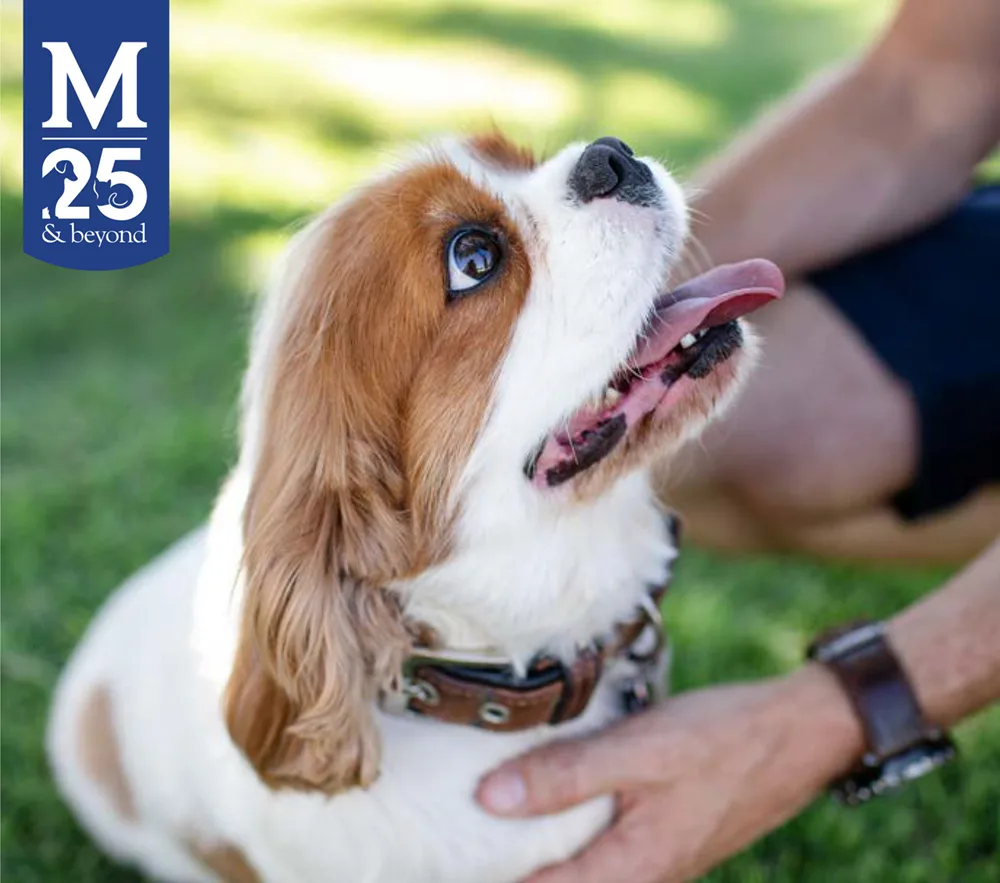
Producing more than 94 000 tonnes of pet food a year and shipping their trusted brand to over 20 countries around the world, Montego is the choice of customers who treat their pets like family. But how the company grew from underdog to best in show is a surprising story.
When founder Hannes van Jaarsveld began producing Montego dog food, he had no experience in pet nutrition – but he knew how important his dogs were to him. “My first English bulldog, Max, was a gift from my wife, Carol-ann,” he remembers fondly.
Max was a laid-back dog that would sleep at their feet in the lounge, something which made Hannes question his value as a guard dog. “One day I slipped outside, disguised in an old coat, hat and scarf, to ring the doorbell. My wife answered, accompanied by Max.” When Hannes lunged towards Carol-ann, Max instantly got between them.
“I realised he just looked half-asleep – he’d been ready to protect his mistress the whole time.”
That the dog lover came to establish a pet nutrition company that is Africa’s biggest independent producer of pet food is not something Hannes could have foreseen. He’d started his career as an auditor and, in 1998, was appointed as financial director at a roller mills in Graaff-Reinet.
The mills produced various livestock feeds and the owner had ambitions for dog food too – he’d created Montego Feeds as a separate entity for that purpose. But within an hour of taking up the position, Hannes discovered that the roller mills was effectively insolvent. To put the company on a sound financial footing, he obtained a R1.4m loan for Montego Feeds to buy over equipment from the mills.
I wanted us to be known for good quality food.
Although by the start of 1999 the cash injection from Montego had eased pressure on the roller mills, rash business decisions by the owner led to its liquidation before the year was out. Yet Montego Feeds, the ‘side project’ of the roller mills’ owner, was a standalone concern and had manufacturing capability. Hannes got the opportunity to take it over – along with the R1.4m debt. He was in a tight spot: he couldn’t practise as an auditor for a further three years due to a barring clause and one of his three sons was still at school. “I had no choice. That is how I bought a dog food company, without cash, but with a big debt,” he says.
The first order of business was to reformulate the food. “I had a different vision for Montego. Instead of producing cheap food, I wanted us to be known for good quality food at an affordable price.” So he increased the protein content and focused on a high-quality protein that was still relatively unknown: ostrich, a lean game meat that is protein dense and hypoallergenic.

Getting customers to buy a little-known product was a stiff challenge, but the team had a secret weapon in the food itself. “Our sales agent, Laurie Stronach, used to bet potential buyers the contents of his wallet that their dog would pick Montego over what they were currently feeding. The owner would put down two bowls and time and again, the dog went for our food above their regular supply,” recounts Hannes.
We had the same values and were working towards the same goals.
In the first month of production, June 2000, Montego sold 65 tonnes of dog food. Back then the company was a small team, just 11 people, roughly split between admin staff and factory workers.

Hannes jumped in to help wherever he could, working on the factory floor or hitching a trailer to his bakkie and driving from butcher to butcher to buy fat. “I had no capital and I still had to pay off the original loan. Many months I couldn’t pay myself until another order came in.” But there were customers who believed in the product and were willing to pay upfront.
“I knew I was on to something with Montego when my sons joined the business,” he says. The three siblings were willing to invest ‘sweat capital’ to build something of lasting value. Morné was the first to be appointed, in 2003, to handle payroll and finances. Johan followed in 2004 to take charge of marketing and Marco joined in 2005 to oversee the technical side of production. “We had the same values and were working towards the same goal: to establish Montego as the leading pet food manufacturer in South Africa.”
When a Montego-fed dog claimed the top prize at a boerboel show in 2005, it was a highlight for Hannes. “Boston was a beautiful dog that had been fed Montego from birth – his condition proved that our food delivered the right results,” he says. So impressed was Hannes with Boston that he got one of his puppies for the Montego factory. For several years Monty was a familiar sight at the Graaff-Reinet premises. Staff members fussed over him and took him for walks. “At the weekend, I’d get up early to go to the factory and take Monty out on the back roads.” The dog eventually went home with one of the Montego staffers.
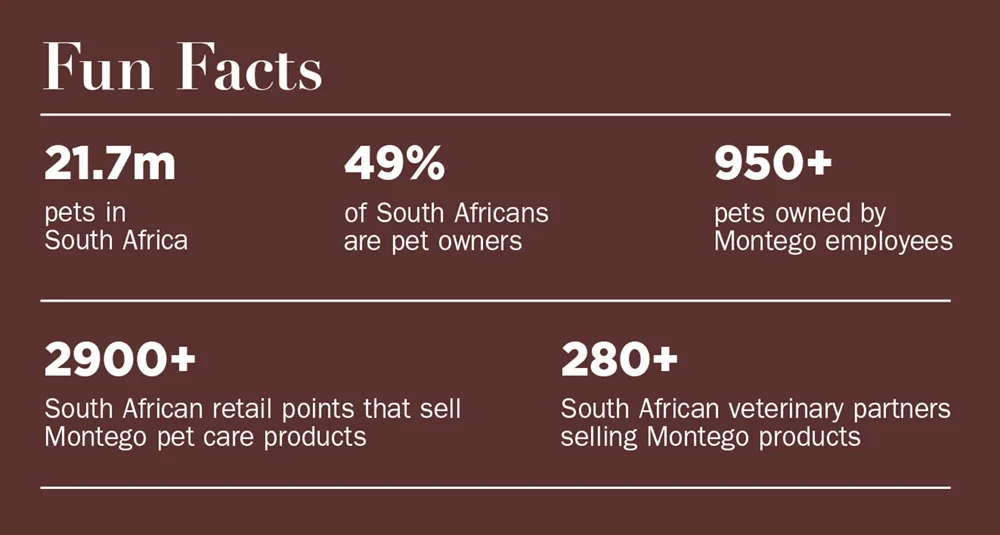
During the course of 25 years, much has changed at Montego. The first month’s production of 65 tonnes has been surpassed many times over, with average monthly sales of over 8 000 tonnes in 2024. The company employs more than 800 people and has a national footprint, with a second production plant in Centurion and depots across South Africa.
During the course of 25 years, much has changed at Montego.
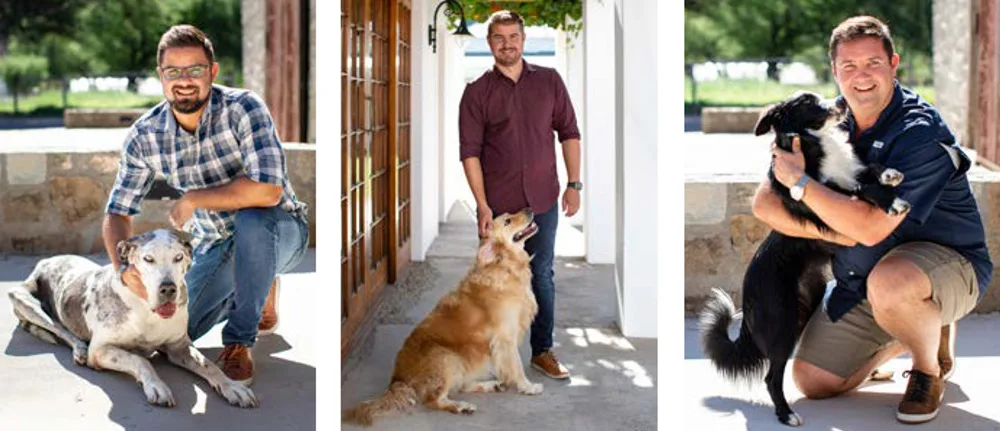
In 2014, Hannes retired as MD, handing over the reins to his son Johan. All three brothers still work at Montego and all three have their own dogs, which sometimes feature on packaging and in television commercials. Their love of animals goes back to their childhood pet, Tracey, a fluffy Maltese that they doted on. It’s a love that has turned the company into a critical success and has shaped its Legacy of Pets, Purpose and Progress.
If you’d like it instead broken into clean paragraphs (but still unformatted), or with quotes standardised, just say the word.
About Montego
Montego Pet Nutrition, a family business established in 2000 in the Karoo, is the leading independent pet food manufacturer in the African market. As a pioneer in pet care, we have always been passionate about bettering pets, people and the planet. For 25 years, our genuine love of pets has been at the heart of our business and supports our brand promise of “Better Every Day”. Today, pet owners in more than 20 countries across five continents trust us to produce world-class products with the health and wellbeing of pets in mind.
For more information, please contact Robyn Oliver, PR Officer
robyno@montego.co.za
049 891 0825


Travelling with dogs
in the South African summer
What the science says about heat, hydration, motion sickness vs anxiety
Summer travel is part of life for many dog owners in South Africa, from holiday road trips to weekend visits, and family gatherings. Yet heat remains one of the most underestimated risks dogs face during transport, particularly in vehicles.
Understanding how dogs regulate body temperature, how hydration really works, and how stress presents during travel allows owners to make informed, welfare-led decisions, including when not to travel at all.
HEAT STRESS
DOGS DON'T COOL DOWN LIKE WE DO
Dogs rely primarily on panting to dissipate heat. Unlike humans, they have limited sweat glands, and their ability to offload excess body heat depends on a complex interplay of factors: airflow, ambient temperature, humidity, respiratory efficiency, and individual characteristics like body size, coat type, and breed.
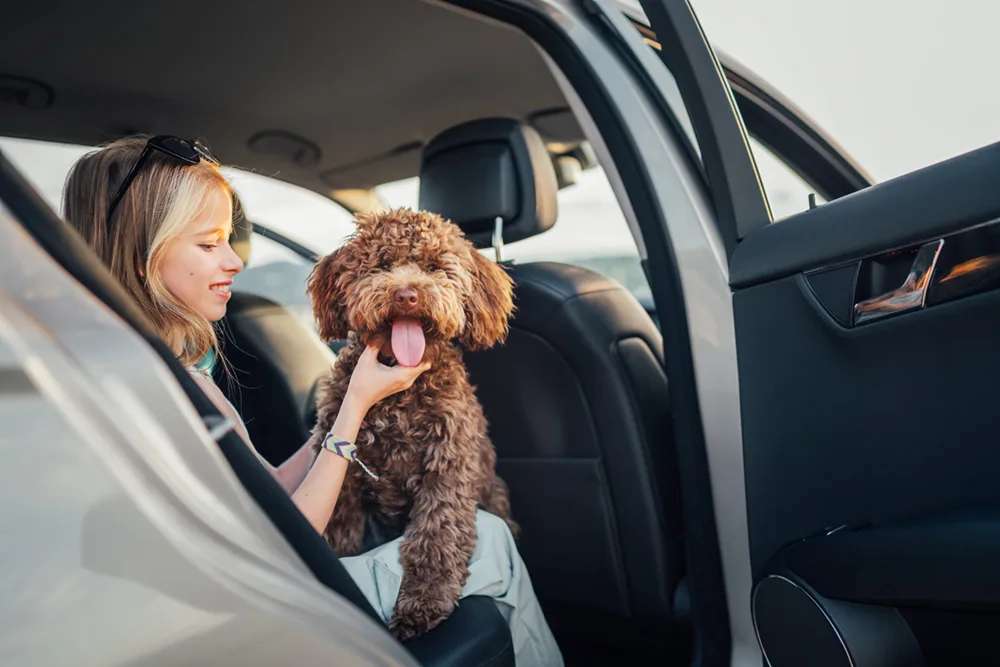
In a vehicle, even one with air conditioning, these systems are compromised. The dog who seems perfectly comfortable at home may struggle in the back seat of a moving car, where conditions are fundamentally different from what their thermoregulatory system evolved to handle.
WHY VEHICLES ARE RISKY ENVIRONMENTS
Heat builds quickly in vehicles, even with windows opened slightly. The greenhouse effect means that internal temperatures can rise dangerously within minutes, and airflow is often uneven, with the front of the vehicle receiving most of the cooling while the back remains stuffy and hot. Sun exposure through glass increases radiant heat, turning even a well-ventilated car into a heat trap.
Dogs lying on seats or in crates retain heat beneath them, unable to dissipate warmth through their undersides. Studies have shown that internal car temperatures can rise to dangerous levels faster than most owners anticipate, and dogs can overheat before anyone realises there's a problem. The risk isn't just when the car is stationary as moving vehicles create their own thermal challenges that catch many owners off guard.
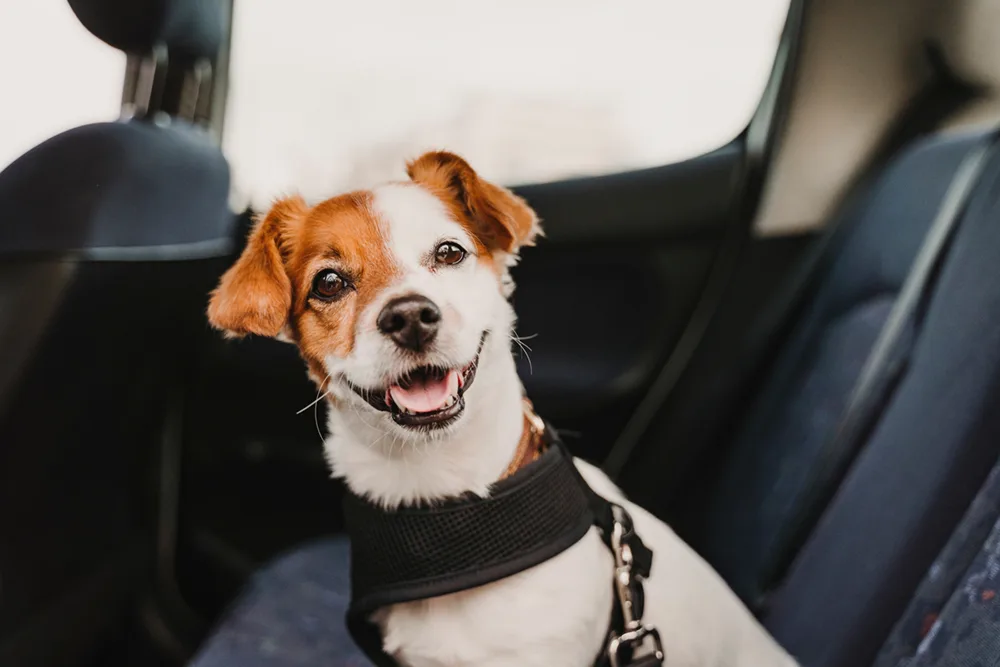
THERMOREGULATION
A dog's normal body temperature ranges from 38–39°C. Heat-related illness can begin when body temperature exceeds 40°C, and damage escalates rapidly beyond this point. What makes heat stress particularly treacherous is how quickly it can progress and how deceptive the early signs can be.
Early signs of heat stress include excessive panting, drooling, restlessness, reluctance to lie down, and glassy eyes. These symptoms are easy to mistake for normal travel behaviour, especially in dogs who are naturally anxious in cars. As heat stress progresses, dogs may show vomiting or diarrhoea, weakness or collapse, disorientation, and in severe cases, seizures.
Importantly, heat stroke can occur without obvious warning, especially during travel when other stressors are present. A dog might seem fine one moment and critical the next. This unpredictability is why prevention is so much more important than response.

COOLING STRATEGIES THAT WORK
Effective summer travel management includes travelling during early morning or late evening when temperatures are lower, pre-cooling the vehicle before loading the dog so they're not climbing into an already hot space, and ensuring airflow reaches the dog's area, not just the driver's seat.
Using light-coloured bedding reduces heat absorption, avoiding direct sunlight through windows protects dogs from radiant heat, and stopping regularly for rest and hydration gives dogs a chance to recover. Never leave a dog unattended in a vehicle, even briefly. ‘Just five minutes’ is enough to cause serious damage.
Cooling mats and damp towels can help, but they are supportive tools, not guarantees of safety. They work best as part of a comprehensive approach that addresses all the factors that contribute to heat stress.
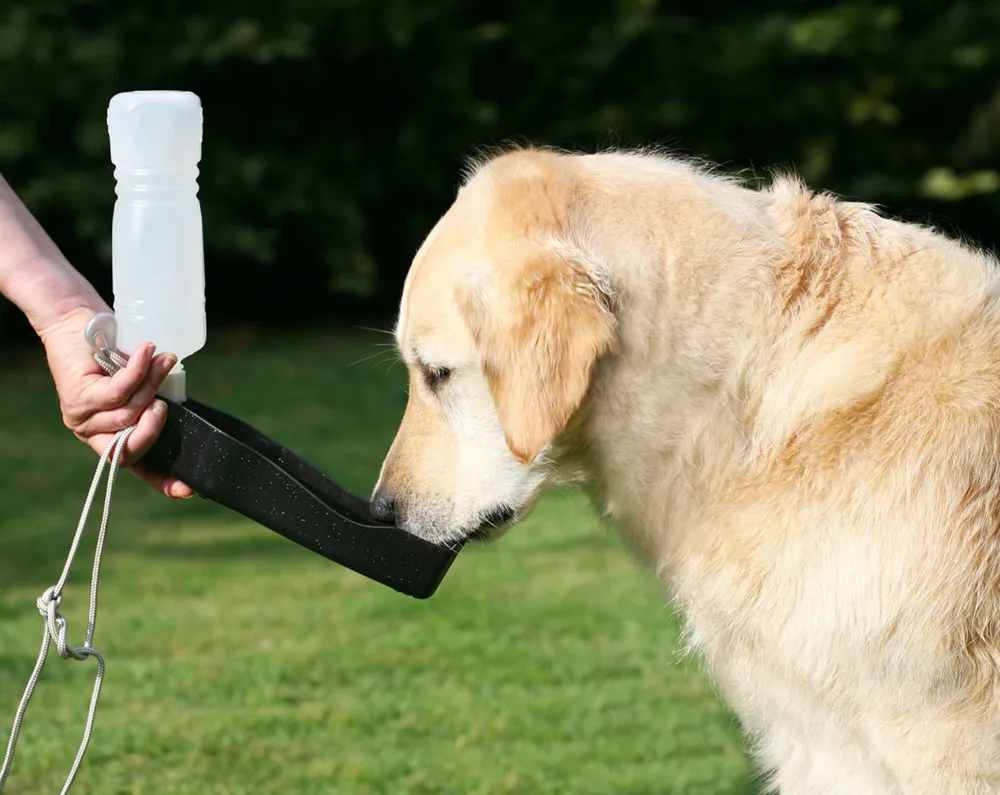
UNDERSTANDING HYDRATION AND TRAVEL
The internet is full of conflicting advice about hydration during travel, and separating fact from fiction matters when your dog's wellbeing is at stake.
The idea that ice water causes shock is largely a myth. Cool water can help lower body temperature, but forcing a dog to drink large volumes is not advised and can be dangerous. Best practice involves offering small amounts of cool (not freezing) water frequently, allowing voluntary drinking, and avoiding pouring water into the mouth of a panting dog. A panting dog has an open airway that makes aspiration (taking liquid into the lungs) a real risk.
Electrolytes are often overused in dogs, sometimes with the best intentions but without scientific backing. Electrolyte supplementation is not routinely necessary for travel and may actually disrupt sodium balance, worsen dehydration if improperly diluted, or irritate the gastrointestinal tract. Electrolytes should only be used under veterinary guidance, in dogs with documented fluid loss (such as from vomiting or diarrhoea), or for specific medical indications.
For most dogs, fresh water combined with rest and cooling is safer and sufficient. The drive to ‘do something’ can sometimes lead us to interventions that complicate rather than help.

MOTION SICKNESS VS TRAVEL ANXIETY
Not all ‘car stress’ is the same, and treating the wrong issue can worsen the problem. This is where careful observation becomes crucial.
Motion sickness is more common in puppies and young dogs, particularly those with immature vestibular systems (the balance system found in the dogs’ ears). Signs include drooling, nausea, vomiting, and reluctance to enter the vehicle. Motion sickness often improves with age and gradual exposure, as the inner ear matures and the dog becomes accustomed to the sensation of movement.
Travel anxiety, by contrast, is behavioural in origin and often linked to previous negative experiences, confinement stress, or anticipation of unpleasant destinations like vet visits. Signs include panting before the car even moves, pacing or trembling, vocalisation, and refusal to settle. A dog with travel anxiety may be distressed the moment they see the car keys, long before any physical motion occurs.
Understanding which issue your dog faces shapes how you help them. Motion sickness responds to anti-nausea medications and time, while anxiety requires behavioural modification and sometimes anxiolytic support.
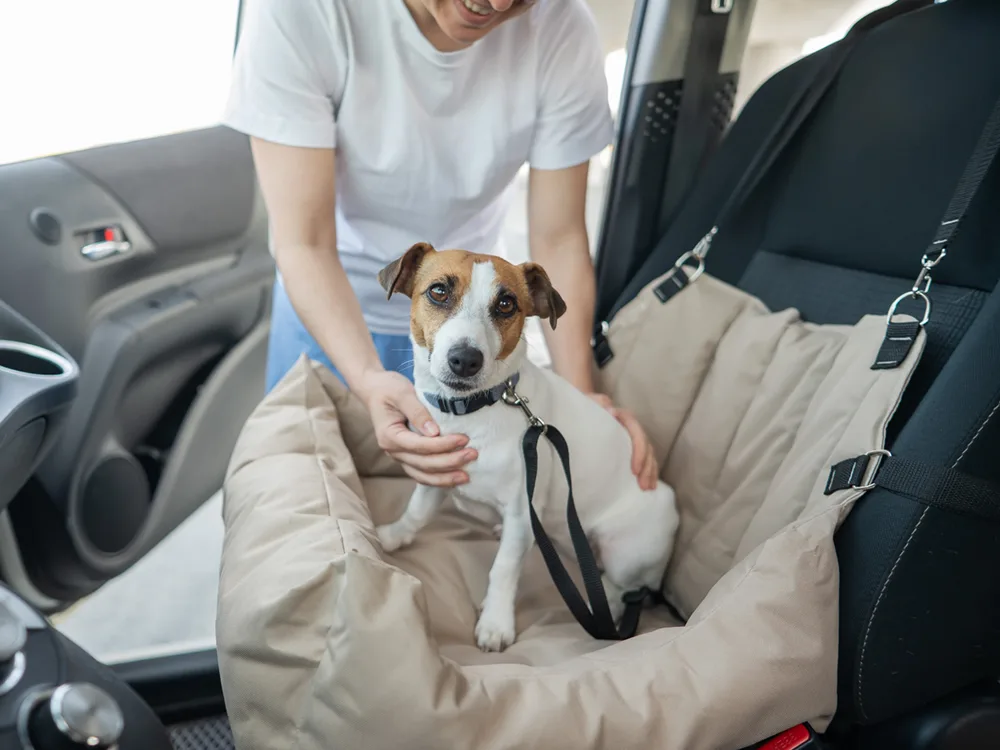
WHEN MEDICATION IS APPROPRIATE
Anti-nausea medications may be appropriate for true motion sickness, while anxiolytic or sedative medications may help dogs with significant travel anxiety. However, medication should always be prescribed by a veterinarian, trialled before long journeys to ensure it works as intended and doesn't cause adverse effects, and used as part of a broader management plan rather than a standalone solution.
Medication isn't a substitute for good management. It's a tool that works best when combined with appropriate travel conditions, gradual desensitisation, and realistic expectations about what your dog can handle.

WHEN NOT TO TRAVEL WITH YOUR DOG
Consider postponing travel if your dog is brachycephalic (short-nosed breeds like Bulldogs, Pugs, or Boxers, who struggle with heat regulation even in ideal conditions), has heart or respiratory disease that compromises their ability to cope with stress, is elderly or very young with less robust thermoregulatory systems, or is overweight, which increases heat retention and reduces cooling efficiency.
Dogs who have recently been ill, who show signs of heat intolerance in normal conditions, who have severe travel anxiety that significantly impacts their welfare, or who are recovering from surgery or injury should also stay home. In these cases, staying home may be the most responsible choice, even if it's inconvenient.

FINAL THOUGHTS
Travelling with dogs in summer isn't inherently unsafe, but it demands planning, restraint, and honest assessment of risk. Heat stress doesn't announce itself loudly. Hydration myths can cause harm when we act on misinformation. Behavioural distress often looks trivial when it's actually caused by discomfort or physical illness.
Adapting plans around the dog - driving overnight, splitting journeys into shorter trips, or deciding not to travel - may be necessary. These adjustments reflect informed risk assessment rather than overprotection.
Christmas
treats
What's safe, what's risky,
what's unnecessary
Christmas often comes with the instinct to share – plates are fuller, routines loosen, and treats appear everywhere. For dogs, however, festive feeding is one of the most common triggers for acute gastrointestinal illness, particularly pancreatitis.
The issue is rarely one single food. It's fat content, portion size, novelty, and accumulation, often over several days. What seems like small indulgences add up in a dog's digestive system in ways we don't always anticipate. In this article, we look at a few of the biggest risks and how we can avoid them.

PANCREATITIS
Pancreatitis is an inflammatory condition of the pancreas that is strongly associated with high–fat foods, especially when introduced suddenly. The pancreas produces enzymes to digest food, but when it becomes inflamed, these enzymes can begin digesting the organ itself, causing severe pain and systemic illness.
Dogs at higher risk include small breeds whose smaller organs are more easily overwhelmed, older dogs with reduced digestive resilience, overweight dogs who already carry additional metabolic stress, dogs with a history of pancreatitis (recurrence is common), and dogs with endocrine diseases such as diabetes or Cushing's disease.
Common festive triggers include fatty meats and trimmings that well–meaning relatives slip under the table, skin from roast chicken or turkey (which concentrates fat), gravy and pan sauces laden with butter and drippings, cheese–based snacks that appear at every gathering (yay for humans, less so for dogs), and rich leftovers that seem too good to waste. The cumulative effect of these foods across multiple meals and days is what often tips a dog from coping to crisis.
Pancreatitis can be painful, serious, and expensive to treat, and it's far more common over the holiday period than many owners realise. Emergency vet visits spike between Christmas and New Year, with pancreatitis among the leading reasons dogs need hospitalisation.

CHOCOLATE ISN'T JUST 'CHOCOLATE'
Most owners know chocolate is toxic to dogs, but many forget where it hides. It's not just the chocolate bar left within reach; it's the desserts, decorations, and cooking ingredients that contain concentrated forms of theobromine, the compound dogs cannot metabolise effectively.
High–risk chocolate equivalents include baking cocoa and cocoa powder, which are extremely concentrated and far more dangerous than milk chocolate. Dark chocolate desserts, chocolate sauces and syrups, chocolate–flavoured icing, and brownies, cakes, and truffles all present serious risks. Even small amounts of these products can contain enough theobromine to cause toxicity, particularly in smaller dogs whose body weight means the dose–to–effect ratio is much higher.
The darker and more pure the chocolate, the more dangerous it is. A Labrador who eats a milk chocolate Santa might experience mild gastric upset, while the same dog eating a square of 85% dark chocolate could face tremors, seizures, and cardiac complications.

'NATURAL' DOESN'T MEAN SAFE
Festive tables are often full of foods labelled natural, organic, or healthy, but several are completely unsuitable for dogs. The appeal of the term ‘natural’ is powerful in marketing, but toxicity operates on biochemical principles that don't care about packaging claims.
Common culprits include macadamia nuts, which are toxic to dogs and cause weakness, tremors, and hyperthermia even in small amounts. Onions, leeks, and garlic, including powdered forms in stuffing and seasonings, damage red blood cells and can cause anaemia. Raisins, sultanas, and currants, often found in Christmas pudding, mince pies, and fruit cakes, can cause acute kidney failure in some dogs, with no clear dose threshold established.
Fatty bones pose a double risk: obstruction if splintered or swallowed in large pieces, and pancreatitis due to their marrow and fat content.
Raw dough is particularly dangerous because it produces alcohol as it ferments in the warm, moist environment of a dog's stomach, while also expanding and causing gastric dilation.
WHAT'S UNNECESSARY (AND OFTEN HARMFUL)
Dogs do not need festive variety. They don't experience food the way we do; they're not sitting at the table feeling left out of the celebration because they didn't get to try three different types of dessert. They don't need human portion sizes, which are calibrated for bodies much larger than theirs. They don't need daily ‘special’ treats that disrupt their digestive routine. And they certainly don't need table scraps given as affection, even though sharing food feels like love.

What dogs actually need during busy periods is digestive consistency. Sudden dietary changes, even with foods that are technically ‘safe’, can cause diarrhoea, vomiting, and discomfort. The dog's microbiome, the complex ecosystem of bacteria in the gut, thrives on predictability. When you introduce novel proteins, different fat levels, or unusual ingredients, you're asking that system to adapt rapidly, and it often can't.
The impulse to include our dogs in celebration is understandable and even admirable. But inclusion doesn't require dietary indulgence. Your dog experiences connection through your presence, not your plate.
WHAT IS SAFE?
In small, controlled portions, certain foods can be offered without significant risk. Plain cooked chicken breast, no skin, no seasoning, provides lean protein without the fat that triggers pancreatic distress. Steamed pumpkin or butternut offers fibre and nutrients while being gentle on digestion. Carrot sticks provide satisfying crunch with minimal calories. Apple slices, with seeds removed (which contain trace cyanide compounds), make a sweet, hydrating treat. Commercially formulated dog treats, fed sparingly according to package guidelines, are designed with canine digestion in mind.
The key is moderation, and importantly, subtracting from regular meals if treats are added. Treats aren't extra; they're part of the daily caloric intake. If you're adding festive treats, reduce meal portions accordingly to avoid overfeeding.

A simple festive treat
(nutritionist approved!)
FROZEN TURKEY AND PUMPKIN BITES
Ingredients: Plain cooked turkey breast (skinless, unseasoned), cooked pumpkin or butternut, and water or low-sodium bone broth (dog-safe, with no onion or garlic).
Method: Shred a small amount of turkey into fine pieces. Mix with mashed pumpkin until well combined. Add enough liquid to form a soft, spoonable mixture, not too wet, but cohesive. Spoon into silicone moulds or ice cube trays. Freeze until solid and serve occasionally as a special treat.
This recipe is low in fat, digestive-friendly, cooling for summer weather, and portion-controlled by design. Serve one or two pieces only - this is a treat, not a meal. The frozen format also provides enrichment through licking, which has a calming effect and makes a small amount last longer.

THE TAKEAWAY
Christmas treats should never compromise health. For dogs, less variety, less fat, and more consistency are the greatest gifts you can give. Celebration doesn't have to mean excess, and your dog won't miss what their pancreas can't handle.
The veterinary emergency room doesn't close for Christmas. Every year, vets treat dogs whose owners had the best intentions but underestimated the risks. Thoughtful restraint isn't deprivation, it's protection. And sometimes the most loving thing we can do is say no to sharing, even when it feels like we're excluding someone we love.
Dietary changes for the new year
Separating marketing momentum from biological need
January brings a familiar wave of ‘fresh start’ messaging with reformulated foods, detox claims, weight-reset promises, and the idea that a new year should come with a new bowl. The pet food industry knows exactly when humans feel most vulnerable to change, and they time their campaigns accordingly.
For dogs, however, dietary change should never be driven by the calendar. Nutritional decisions are biological, not seasonal, and unnecessary changes can do more harm than good.

MARKETING CYCLES VS ACTUAL NEED
Pet food marketing often follows human behaviour patterns with precision. New Year campaigns focus on ‘clean’ eating narratives that mirror human diet culture, weight loss messaging that capitalises on post-holiday guilt, novelty ingredients presented as breakthroughs despite minimal evidence of superiority, and reformulations framed as upgrades when the changes may be purely cosmetic or driven by ingredient cost rather than nutritional improvement.
These cycles create urgency where none may exist. The implication is always the same: what you're doing now isn't enough, and this new option will finally solve problems you may not actually have.
From a physiological perspective, a dog's nutritional requirements do not reset in January. If a dog is maintaining a healthy body condition, producing good-quality stools consistently, displaying stable energy levels appropriate for their age and breed, and maintaining a healthy coat and skin, there is no biological reason to change food. These markers indicate that their current diet is meeting their needs.
Frequent food changes, even between high-quality diets, increase the risk of gastrointestinal upset as the digestive system adapts to new protein sources and nutrient profiles, microbiome disruption that can take weeks to stabilise, inconsistent nutrient intake that makes it difficult to identify what's actually working, and misinterpretation of food sensitivities when symptoms may actually reflect the constant state of dietary transition rather than the food itself.
Stability matters. The digestive system thrives on predictability, and the microbiome - the complex ecosystem of bacteria that aids digestion and supports immune function - needs consistency to maintain balance.

WHEN FOOD CHANGES ARE JUSTIFIED
Dietary adjustments can be appropriate when there is a clear, evidence-based reason rather than a vague sense that something should change. Common justifications include unintended weight gain or loss that persists despite consistent portions, life-stage transitions such as moving from puppy to adult food or transitioning to senior formulations when metabolic needs genuinely shift, diagnosed medical conditions like kidney disease or food allergies that require therapeutic diets, chronic gastrointestinal signs that haven't resolved with other interventions, sustained changes in activity level - not temporary holiday slowdowns but genuine, long-term shifts in exercise patterns - and veterinary-directed therapeutic diets for specific health management.
Importantly, these decisions should be based on trends observed over weeks to months, not short-term fluctuations after holidays. A dog who seems heavier in early January may simply be reflecting a few weeks of extra treats and reduced exercise, not a fundamental dietary inadequacy. Give the body time to respond to resumed normal routines before changing the foundational diet.
HOW TO ASSESS BODY CONDITION OBJECTIVELY
Weight alone is not a reliable indicator of health. Two dogs of the same breed and height can have dramatically different ideal weights based on their frame size and muscle mass. Body composition matters more than the number on the scale.
A simple body condition assessment includes a rib check - ribs should be easily felt under a thin fat layer without pressing hard, but they shouldn't be visible from a distance. A waist view from above should show a visible narrowing behind the ribs, not a straight line or outward bulge. An abdominal tuck when viewed from the side should show the belly rising up toward the hindquarters rather than hanging level or sagging. Ease of movement without stiffness, fatigue, or reluctance to exercise should be present; excess weight often shows up first in decreased mobility.
Dogs who are over- or under-conditioned benefit more from portion adjustment and activity management than from immediate food changes. If the food is nutritionally appropriate but the quantity is wrong, changing the food masks the real issue, which is portion control or caloric output.

HOW TO ASSESS BODY CONDITION OBJECTIVELY
Weight alone is not a reliable indicator of health. Two dogs of the same breed and height can have dramatically different ideal weights based on their frame size and muscle mass. Body composition matters more than the number on the scale.
A simple body condition assessment includes a rib check - ribs should be easily felt under a thin fat layer without pressing hard, but they shouldn't be visible from a distance. A waist view from above should show a visible narrowing behind the ribs, not a straight line or outward bulge. An abdominal tuck when viewed from the side should show the belly rising up toward the hindquarters rather than hanging level or sagging. Ease of movement without stiffness, fatigue, or reluctance to exercise should be present; excess weight often shows up first in decreased mobility.
Dogs who are over- or under-conditioned benefit more from portion adjustment and activity management than from immediate food changes. If the food is nutritionally appropriate but the quantity is wrong, changing the food masks the real issue, which is portion control or caloric output.
THE RISK OF DIETING
Post-holiday guilt often leads to abrupt dietary shifts - drastically reduced portions in an attempt to compensate for December's indulgences, sudden switches to ‘light’ formulas without understanding whether the dog actually needs weight loss, or added supplements based on marketing claims rather than diagnosed deficiencies.
This approach can slow metabolism inappropriately when the body interprets sudden caloric restriction as scarcity and adapts by becoming more efficient, trigger hunger-related stress that manifests as food obsession, begging, scavenging, or anxiety around meal times, mask underlying health issues where weight change is a symptom of illness rather than simple overfeeding, and reduce nutrient adequacy if not properly balanced - many ‘light’ formulas reduce fat but also reduce fat-soluble vitamins and essential fatty acids unless carefully reformulated.
Gradual, data-driven adjustments are far more effective than drastic resets. If your dog gained half a kilogram in December, losing it should take weeks, not days. The goal is sustainable change, not dramatic correction that causes its own problems.
WHAT ACTUALLY SUPPORTS LONG TERM NUTRITIONAL HEALTH
Consistent feeding routines where meals happen at predictable times create digestive rhythm and reduce anxiety around food. Appropriate portion sizes based on your dog's actual needs, not the feeding guide on the bag, which is a starting point rather than gospel. Measured treats that are accounted for within the daily caloric intake rather than eliminated entirely - deprivation isn't welfare, but treats should never exceed 10% of daily calories. Monthly body condition monitoring using the same assessment method so you can identify trends early. Adjusting intake based on sustained activity changes; if your dog is genuinely more active now than they were three months ago, they may need more food, not less.
Food is a foundation, not a quick fix. Expecting dietary change to solve behavioural problems, compensate for inadequate exercise, or magically improve health without addressing other factors is likely to result in disappointment.

THE TAKEAWAY
The new year does not require a new diet. If your dog is thriving, stability is success. If changes are needed, they should be intentional, gradual, and guided by observable need rather than marketing momentum or your own emotional response to the calendar.
Nutrition is not about novelty. It's about consistency, adequacy, and long-term well-being. The bowl that works in December also works in January, unless something concrete has changed about your dog's needs.
Holiday stress
in dogs
Every December, we see the same headlines: ‘How to stop your dog misbehaving over the holidays’ or ‘Surviving festive chaos with your dog.’ The language matters, because these dogs aren't misbehaving at all.
They are coping.
Holiday stress in dogs isn't about poor training or bad manners. It's about physiology, arousal, and disrupted recovery in an environment that suddenly becomes louder, busier, hotter, and far less predictable. To understand what really helps dogs at this time of year, we need to move beyond the ‘naughty dog’ narrative and look at what's happening inside the body and brain.

STRESS IS A BIOLOGICAL PROCESS
When dogs encounter stressors, noise, novelty, separation, travel, social pressure, their bodies activate the hypothalamic–pituitary–adrenal (HPA) axis, releasing cortisol and adrenaline. In the short term, this response is adaptive. It helps a dog stay alert, mobile, and responsive.
The problem comes when stressors occur repeatedly, when recovery time is insufficient, and when arousal remains chronically elevated. This is where holiday stress becomes cumulative rather than momentary. What looks like a dog ‘acting out’ is often a nervous system trying desperately to regulate itself under conditions that make regulation nearly impossible.

CORTISOL
Cortisol is often misunderstood. Unlike adrenaline, which spikes and vanishes, cortisol lingers. Research shows that cortisol levels can remain elevated for hours or even days after a stressful event, especially if the dog is exposed to multiple stressors in close succession.
This has profound implications for how we think about holiday schedules. Last night's fireworks, followed by a house full of guests, followed by a car trip the next day, aren't separate events to a dog's nervous system. They stack. Each new stressor lands on top of the last, building a physiological load that doesn't simply evaporate when the immediate trigger disappears.

AROUSAL STACKING
Arousal stacking refers to the accumulation of physiological and emotional stress without adequate recovery in between. Think of it like filling a bucket. A single stressor might only add a cup of water, but when you keep adding more without giving the bucket time to drain, eventually it overflows.
A dog experiencing arousal stacking may show restlessness, irritability, reduced impulse control, increased reactivity, difficulty settling or sleeping, and even gastrointestinal upset. Importantly, this is not defiance or regression but rather a nervous system that hasn't had the chance to reset.
Holiday schedules often remove the very things that help dogs regulate: predictable routines, quiet rest periods, familiar environments, and uninterrupted sleep. Dogs are expected to be flexible and adaptable during the exact period when their capacity for flexibility is most compromised.

SLEEP DISRUPTION
Sleep is when dogs process stress and restore balance in their nervous systems. It's not simply downtime, but active recovery. During the holidays, though, dogs often sleep later than usual, sleep in different locations, experience fragmented sleep due to noise, heat, or movement, and nap less during the day.
Studies in both animals and humans show that sleep deprivation increases cortisol, reduces emotional regulation, and lowers stress thresholds. A tired dog is not a resilient dog. When we keep dogs up late for festivities or wake them repeatedly throughout the night, we're not just interrupting their rest; we're actively undermining their ability to cope with everything else the season throws at them.
WHICH STRESSORS MATTER MOST?
Not all holiday stressors affect dogs equally. Based on behavioural research and clinical observation, fireworks tend to rank as the most impactful. They're high–intensity, unpredictable, and completely uncontrollable from the dog's perspective, triggering a strong physiological stress response that can take days to resolve fully.
Travel comes next, bringing confinement, motion, temperature changes, and unfamiliar environments. This is moderate to high stress for most dogs, and especially challenging for those prone to nausea or anxiety. Then there are parties and guests, which create social pressure, noise, and loss of safe space. The stress here is highly variable and depends heavily on the individual dog: some thrive on social interaction, while others find it overwhelming.
Decorations and novelty, the visual changes and new smells that come with festive preparation, usually register as low stress unless paired with other factors. But here's the key point: it's rarely just one thing. It's the combination, the timing, and the lack of recovery between events that tips dogs from coping to struggling.
CALM ENRICHMENT VS DISTRACTION
Many well–meaning owners respond to holiday stress by offering more toys, more games, more activity, more novelty. The thinking goes: if my dog is stressed, I'll keep them busy and distracted. But stimulation is not the same as regulation.
Distraction–based enrichment increases arousal, keeps the dog busy rather than calm, and can actually worsen stress in already activated dogs. It's like trying to help an overtired toddler settle down by taking them to a theme park: you might exhaust them eventually, but you're working against their physiology, not with it.
Calm enrichment, on the other hand, supports nervous system downregulation. It encourages settling and self–soothing, working with physiology rather than against it. This includes activities like sniffing and foraging, which tap into dogs' natural behaviours and lower arousal. Licking, whether from frozen Kongs, lick mats, or other appropriate items, has a similar effect, as does appropriate chewing. The rhythm and repetition of these activities help dogs self–regulate.
Gentle, predictable routines and quiet companionship also fall into this category. Sometimes the most helpful thing we can offer a stressed dog isn't entertainment; it's simply our calm presence and the permission to rest.
WHAT ACTUALLY HELPS (AND WHAT DOESN'T)
Maintaining routine where possible makes an enormous difference. While holiday schedules inevitably shift, keeping meal times, walk times, and sleep times as consistent as possible gives dogs anchors in the chaos. Providing quiet rest spaces, places where dogs can retreat and won't be disturbed, is equally crucial. This might mean setting up a bedroom or quiet corner as a dog–only zone during gatherings.
Calm enrichment activities like sniffing and licking help far more than high–energy ‘distraction’ toys that ramp up arousal. Predictable walks and rest times support regulation better than the common approach of over–exercising dogs to ‘tire them out’, which often just creates tired, wired dogs with even less capacity to cope.
Proactive stress management beats waiting until stress escalates. This means recognising early signs and intervening before your dog reaches their threshold. Allowing dogs to opt out of interactions respects their communication and prevents situations from deteriorating. Avoidance is a coping strategy, not misbehaviour. Recognising this distinction helps prevent situations from escalating.

Supporting sleep and downtime is non–negotiable, yet it's often the first thing that disappears during the holidays. Late nights and noisy environments might be part of human celebration, but for dogs they're stressors that compound everything else. Finally, vet– or behaviourist–guided support is far more valuable than one–size–fits–all advice from social media or well–meaning friends (or even magazines!). Every dog is different, and what works brilliantly for one may backfire for another.
THE MOST IMPORTANT REFRAME
Holiday stress doesn't mean your dog is untrained, difficult, spoilt, or regressing. It means their environment changed faster than their nervous system could adapt. The most effective response is predictability, adequate rest, and reduced pressure rather than increased control.
In a season full of noise and expectation, calm isn't a luxury for dogs, it's a biological necessity.
Dogs and summer swimming
Safety checklist
Swimming can be excellent exercise and enrichment for dogs, but summer water can also pose risks that aren't always obvious. A few simple checks can prevent injuries, infections, and emergencies that turn a fun outing into a veterinary crisis.

CHECK THE ENVIRONMENT
Avoid stagnant or slow–moving water where bacteria and blue–green algae may concentrate. These toxins can cause severe illness or death, sometimes within hours of exposure, and there's often no visible warning that water is contaminated.
Be cautious around rivers, dams, and tidal areas with strong currents that can exhaust even confident swimmers or pull them into dangerous situations faster than you can react.
Watch for submerged hazards such as branches that can entangle or injure, fishing line that can wrap around limbs, hooks that can embed in paws or mouths, and sharp debris like broken glass or metal that lurks beneath murky surfaces.
The water that looks most inviting – calm, clear, and accessible – may be the safest, but even then, conditions can change. What was safe yesterday may not be safe today if algae has bloomed overnight or if recent rain has altered currents and visibility.

KNOW YOUR DOG'S LIMITS
Not all dogs are natural swimmers, regardless of breed. The idea that certain breeds instinctively know how to swim safely is a myth that puts dogs at risk. Short–nosed breeds like Bulldogs and Pugs struggle to breathe while swimming and tire dangerously quickly. Heavy–chested dogs like Basset Hounds and Corgis have body proportions that make staying afloat difficult. Elderly dogs may lack the stamina or coordination they once had, and injured dogs may compensate in ways that affect their balance in water.
Anxiety and over–arousal increase drowning risk because panicked dogs thrash inefficiently, swallow water, and exhaust themselves rapidly. A dog who seems desperate to get into the water may be aroused rather than confident, and that arousal can quickly become dangerous once they're swimming.
Swimming should always be optional, not encouraged or forced. Dogs who are hesitant or actively resist may be communicating genuine limitations in their abilities or comfort levels.

MANAGE HEAT AND HYDRATION
Swimming does not prevent heat stroke. This is one of the most dangerous misconceptions about summer water play. Excitement masks overheating, especially during repeated swims where adrenaline keeps dogs going long past the point of safe exertion. A dog can overheat while swimming, particularly in warm water or when the air temperature is high and humidity prevents effective cooling even when wet.
Offer fresh drinking water frequently to prevent your dog from drinking salt water or contaminated freshwater out of thirst. Dogs who are hot and active will drink whatever water is available, and by the time you notice they're ingesting unsafe water, they may have consumed enough to cause gastrointestinal distress or worse.
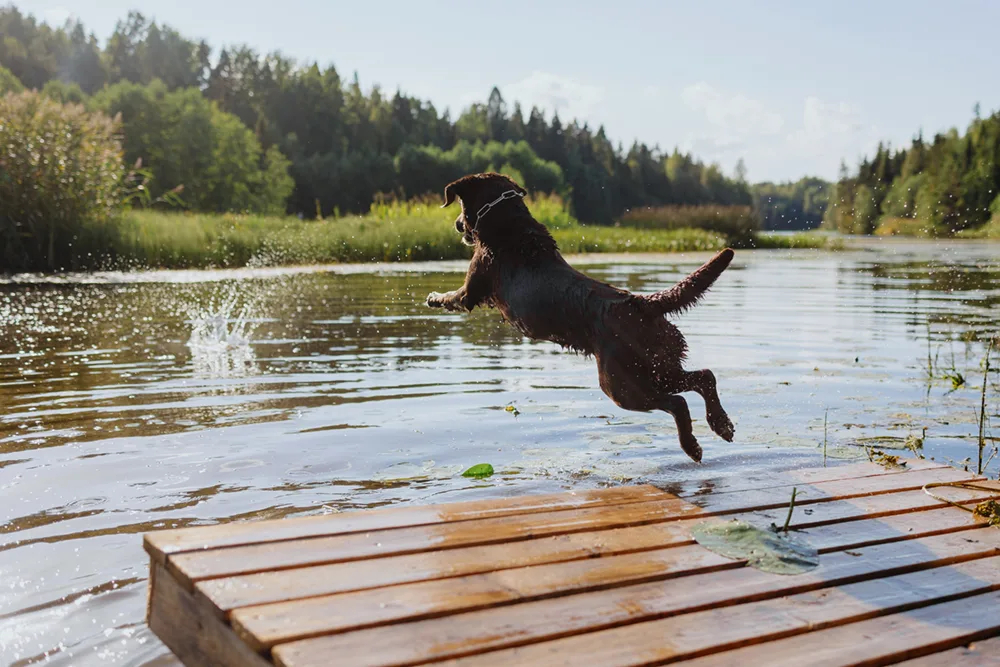
AVOID WATER INGESTION
Swallowing seawater can cause vomiting and diarrhoea due to its high salt content, which draws water out of the digestive tract and can cause dehydration even though the dog has been in water. Freshwater ingestion from dams, rivers, or lakes increases infection risk from bacteria like leptospirosis or parasites like Giardia that thrive in these environments.
Repeated gulping while swimming is a warning sign that your dog is struggling–either they're swallowing water because they can't keep their head up properly, or they're drinking excessively out of distress. Calling your dog out early when this pattern appears prevents escalation to obvious distress.

PROTECT EARS, SKIN, AND PAWS
Dry ears thoroughly after swimming, especially in floppy–eared dogs whose ear canals trap moisture and create perfect conditions for bacterial or yeast infections. Use a soft towel or cotton wool to gently absorb water from the visible parts of the ear canal without pushing debris deeper. Rinse salt, sand, or dam water from the coat as soon as possible after swimming to prevent skin irritation, hot spots, or dermatitis from prolonged contact with contaminants.
Check paw pads for abrasions, cuts, or embedded debris that may not be immediately obvious when the paw is wet and numb from cold water. Persistent head shaking, ear redness, foul odour from the ears, or discharge should be assessed promptly by your vet. Ear infections that develop after swimming can become chronic and painful if not treated early.

SUPERVISE
Dogs should never swim unsupervised, not even dogs who are strong swimmers in familiar water. Fatigue can occur suddenly, especially when excitement and adrenaline mask the body's warning signals. A dog who seems fine can go from swimming confidently to struggling in seconds, and if no one is watching, those seconds become critical.
Use long lines or flotation devices for uncertain swimmers, but understand that these are management tools, not safety guarantees. A long line lets you pull your dog to safety if they tire, but it also needs to be managed carefully to prevent tangling. Flotation devices reduce fatigue but don't eliminate drowning risk if the dog panics or the device shifts.
Swimming is not a ‘safe off–lead break’ without oversight. The water doesn't make recall reliable, and it doesn't prevent your dog from getting into trouble; it just changes the nature of the risks.

WHEN TO SKIP SWIMMING
- Open wounds or recent surgery where water exposure can introduce infection or delay healing.
- Active ear infections that will be worsened by moisture and may spread bacteria to other dogs sharing the water.
- Gastrointestinal illness that increases the risk of contaminating shared water and makes your dog more vulnerable to infections from the environment.
- Mobility or balance issues that compromise swimming safety and increase exhaustion or drowning risk.
Water exposure can delay healing or worsen existing conditions, turning what should be a minor issue into a major setback. Waiting until conditions fully resolve reduces these risks.

FINAL THOUGHTS
Swimming can be safe, enjoyable, and enriching when managed thoughtfully. Most summer swimming incidents are preventable with supervision, moderation, and realistic expectations about what your dog can handle and what the environment presents.
Fun in the water should leave your dog tired and comfortable, not stressed, sore, or sick. Dogs who emerge from water panting excessively, shaking, vomiting, or showing signs of distress have exceeded safe limits. Shorter sessions, calmer water, or avoiding swimming entirely may be necessary.
Managing guests
when your
dog
struggles
socially
Why not all dogs want to be festive
The holidays bring people together, but for many dogs, a house full of guests is not a celebration. It's noise, unpredictability, lost routines, unfamiliar scents, and pressure to engage in ways that feel overwhelming or threatening.
When dogs struggle socially during busy periods, it's never about poor manners and rarely even about inadequate training. It's normally about overstimulation, fear, or both, and recognising the cause is key to preventing distress and protecting your dog's wellbeing.
OVERSTIMULATION VS FEAR
Although the behaviours can look similar on the surface, overstimulation and fear are driven by different internal states and require different management approaches. Confusing the two can lead to strategies that inadvertently worsen the problem.
Overstimulation is often seen in dogs who are sensitive to movement and noise, struggle to settle even in familiar environments, and become excitable, jumpy, or mouthy when arousal levels climb. Behaviour may include pacing back and forth, barking at every sound or movement, difficulty lying down and staying down, and impulsive interactions in which the dog seems unable to control his responses.

Overstimulated dogs are not necessarily afraid; they are overloaded and unable to regulate. Their nervous system is running too hot, and they lack the internal resources to downshift. Think of it like being over–caffeinated: everything feels urgent, nothing feels comfortable, and self–control becomes nearly impossible.
Fear–based responses, by contrast, are rooted in perceived threat. The dog's nervous system has shifted into defensive mode, prioritising survival over everything else. Behaviour may include avoidance or hiding, sometimes in surprisingly creative places. Freezing – going very still in the hope of not being noticed – is a common but often missed sign. Growling or snapping when approached represents escalated communication, usually because earlier signals were ignored. Trembling or excessive panting reflects the physiological activation of the fear response.
Fear escalates when dogs feel trapped, pressured, or ignored. When a fearful dog's attempts to create distance are blocked or punished, they may move up the ladder of aggression, not out of malice, but out of desperation.

Mistaking fear for overstimulation, or vice versa, can lead to management strategies that make things worse. An overstimulated dog doesn't need more space and quiet (though they won't be harmed by it); a fearful dog absolutely requires it. A fearful dog forced into social interaction can become dangerously defensive, while an overstimulated dog simply becomes more chaotic.

WHY SOCIAL PRESSURE INCREASES STRESS
Dogs do not experience hospitality the way humans do. They don't feel joy at a full house or pride in being good hosts. Being expected to tolerate touching from strangers, engage with unfamiliar people who may smell, sound, and move differently from anyone they know, and remain ‘polite’ while emotionally and sensorially overwhelmed adds social pressure to an already demanding environment.
Stress compounds when dogs are unable to retreat to safety, repeatedly approached despite clear avoidance signals, restrained while visibly uncomfortable (being held for patting, blocked from leaving a room), or corrected for communicating their distress through growling or moving away. Punishing warning signs doesn't eliminate fear–it removes the dog's ability to communicate distress. The fear remains while the communication stops, which increases bite risk.
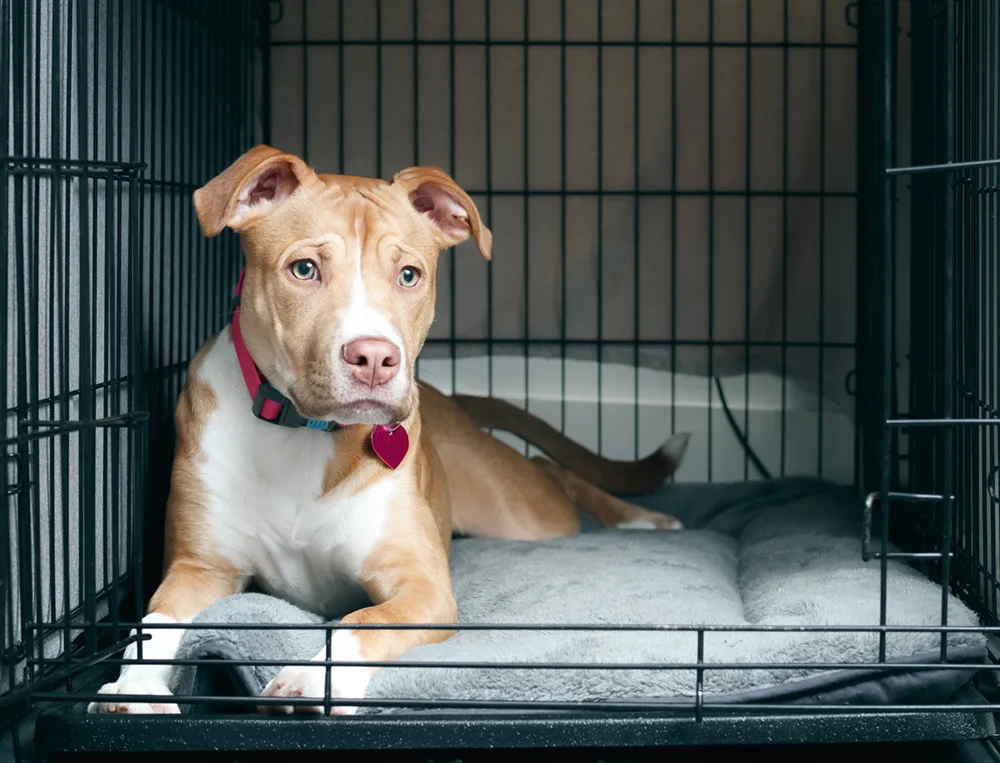
CRATE MYTHS
Crates are often misunderstood, viewed either as essential tools or as cruel confinement, depending on who you ask. The reality is more nuanced and depends entirely on the individual dog's relationship with the crate and how it's being used.
Crates are helpful when the dog has been positively conditioned to view the crate as a den, when the crate is always a choice rather than a punishment, when it's placed in a quiet, low–traffic area away from the chaos, and when guests are clearly instructed not to disturb the dog or interact through the bars.
Crates become harmful when the dog is confined while already distressed, when guests lean over to look at or talk to the dog through the crate, when the crate becomes a ‘timeout’ for unwanted behaviour, or when the dog cannot leave if they become overwhelmed. A crate should represent relief, not restriction. It should be the place a dog actively chooses when things feel too big, not the place they're put when they've ‘misbehaved.’
For dogs who dislike crates, become more anxious when confined, or have negative associations with crating, an alternative safe space, such as a bedroom with the door closed, a study where they can observe from a distance, or even a quiet corner behind a baby gate, may be more appropriate. The goal is refuge, not confinement.

WHAT ACTUALLY HELPS DURING THIS PERIOD
Predictable daily routines matter more during chaos, not less. Keep meal times, walk times, and sleep schedules as consistent as possible. Protected rest periods give dogs time to recover from social exposure before the next wave of guests arrives. Controlled access to guests means deciding when and how your dog interacts, rather than leaving it to chance or allowing free–for–all greetings at the door.
Clear boundaries around interaction protect both dogs and guests. This might mean instructing visitors not to approach your dog at all, or it might mean allowing brief, structured greetings followed by separation. Calm enrichment – sniffing activities, licking mats, appropriate chewing – helps dogs self–regulate and provides an alternative focus. Early intervention before stress escalates prevents crisis management later.
Management is not avoidance; it's prevention. Management creates conditions where dogs can succeed rather than setting them up to fail.

SCRIPTS THAT PROTECT YOUR DOG
Many owners struggle more with managing people than managing dogs. There's a social awkwardness to telling guests not to pet your dog, a fear of seeming rude or overprotective. Having clear, rehearsed scripts helps remove emotion from the moment and makes boundary–setting feel less confrontational.
Try phrases like: ‘Please don't touch him – he always just needs a bit of space to settle,’ which frames it as a management strategy rather than a criticism. ‘She's not a social dog, so she's much happier watching from a distance’ normalises the dog's needs without apologising for them. ‘He's resting right now, we'll say hello later if he chooses’ centres the dog's agency and makes interaction conditional on his comfort. ‘Please ignore her completely; that helps her feel safe’ gives guests a concrete action that's actually helpful. ‘Please don’t feed from the table, even small treats upset his stomach’, provides a health–based reason that's hard to argue with.

Clear communication is an act of care, not rudeness. People who genuinely care about your dog's wellbeing will respect boundaries. Those who push back are prioritising their own desire to interact over your dog's comfort, and that's information worth having.
THE TAKEAWAY
Not all dogs enjoy social gatherings, and that's okay. Some dogs are temperamentally unsuited to busy environments. Others might have managed in the past but are now older, more anxious, or recovering from illness. Some simply haven't had the socialisation experiences that would make crowds feel safe.
Protecting a dog's emotional wellbeing during busy periods isn't about isolation or overcontrol. It's about choice, predictability, and respect for nervous system limits that have real consequences when exceeded.
Clear advocacy reduces stress for everyone. Guests relax when expectations are clear. Dogs relax when they feel protected.
Dogs who struggle most during the holidays often need the clearest boundaries and most consistent advocacy.

New year,
calmer dog
What actually changes behaviour long-term
January is traditionally framed as a reset. New routines, new classes, new goals. For many dog owners, it's also the moment they decide it's finally time to ‘fix’ whatever feels difficult – reactivity, pulling, barking, poor recall, anxiety.
And yet, January is one of the most common points of dropout from training programmes.
This isn't because people don't care, and it's not because dogs ‘aren't trainable.’ It's because behaviour change doesn't respond well to resolution culture. It responds to habit, environment, and welfare–led planning. The cultural moment that feels most motivating for change is often the worst time actually to attempt it.

MOTIVATION VS HABITS
Motivation is emotional. It's high at the start of the year, fuelled by optimism, social pressure, and the collective sense that this time will be different. It feels powerful in the moment, but it's fundamentally unstable. Habits, by contrast, are neurological shortcuts built through repetition in stable contexts. They don't require inspiration or willpower; they simply happen because the conditions reliably trigger them.
Behaviour science shows that habits form when actions are small, repeatable, and predictable. They thrive in consistency, not intensity. Motivation spikes are unreliable and short–lived, lasting days or weeks before reality reasserts itself. Behaviour change fails when expectations outpace nervous system capacity, when we ask more than the dog (or ourselves) can sustain.
Dogs change when their daily environment supports regulation and learning, not in response to owner motivation. What's still happening in March matters more than what was resolved in January.

WHY JANUARY CLASSES OFTEN FAIL
Group classes can be valuable under the right circumstances, but January presents unique challenges that are often overlooked. Dogs are already recovering from festive overstimulation, commonly weeks of disrupted routines, house guests, travel, noise, and dietary changes. Their nervous systems haven't reset. Routines have been disrupted for weeks, and re–establishing them takes time. Handlers are often anxious and outcome–focused, carrying the pressure of New Year expectations into training sessions. Class environments are busy, noisy, and unpredictable, filled with other dogs who may also be dysregulated.
For dogs who struggle with arousal, fear, or frustration, January classes can feel like too much, too soon. When learning capacity is exceeded, behaviour deteriorates rather than improves. The cortisol that's been accumulating since mid–December doesn't vanish overnight, and asking a stressed dog to learn complex new skills in a chaotic environment is like asking an exhausted person to run a marathon.
This leads to owner frustration when progress doesn't match expectations, dog shutdown or escalation as they hit their stress threshold, and premature abandonment of training plans when early sessions feel like failure. But it's not failure, it's poor timing. The problem isn't the dog or the training method; it's the mismatch between what the dog needs and what the environment demands.
BEHAVIOUR CHANGE IS A WELFARE ISSUE
Long–term behavioural improvement depends on adequate sleep, which allows the brain to consolidate learning and process stress. It depends on predictable routines that reduce the cognitive load of constantly anticipating what comes next. It requires manageable stress levels because chronic stress shrinks the window in which learning can occur. Physical comfort matters – pain, discomfort, or illness all reduce a dog's capacity to engage with training. Emotional safety is foundational; dogs cannot learn effectively when they don't feel secure.
Training layered on top of a dysregulated nervous system rarely sticks. You might get short–term compliance through pressure or management, but it erodes quickly because the underlying capacity isn't there. Supporting regulation before adding training demands produces more lasting change than control–based approaches.

SETTING WELFARE-FIRST GOALS
Welfare–first goals shift focus from outcomes to capacity. They ask not ‘what do I want my dog to stop doing’ but ‘what does my dog need to feel safe and capable.’
Instead of setting goals like ‘stop barking,’ ‘be better on lead,’ or ‘socialise more’, which focus on eliminating unwanted behaviour without addressing why it's happening, try goals like ‘help my dog recover faster from stress,’ ‘build reliable settling skills,’ or ‘reduce exposure to overwhelming environments.’
These welfare–first goals are measurable without the pressure to perform. You can track how long it takes your dog to settle after a walk, how many times they choose their bed unprompted, or how they respond to known triggers. They support emotional resilience by building the dog's capacity to cope rather than simply suppressing their responses. They create space for learning by reducing the stressors that make learning impossible.
Progress may look quieter as there are no dramatic before–and–after videos, and no triumphant moment when everything suddenly works, but it's far more durable. Quiet progress compounds over time.
THE THREE MONTH PLAN
This isn't about completion or achievement. It's about creating conditions where change becomes possible.
MONTH1: STABILISE
Focus on regulation, not performance. This is the hardest month because nothing looks like progress in the traditional sense. Rebuild predictable daily routines using the same walk times, same meal times, and same bedtime wherever possible. Prioritise sleep and downtime, treating rest as essential rather than optional. Reduce exposure to high–arousal environments, even if that means skipping activities that once seemed important. Introduce calm–enrichment activities like sniffing, licking, and chewing, which support nervous–system downregulation. Pause non–essential training demands and give your dog permission to simply exist without constant requirements simply.
The goal for this month is to lower baseline stress and restore recovery capacity. You're not training new behaviours; you're creating the physiological conditions that make future learning possible.

MONTH 2: STRENGTHEN
Begin layering gentle learning, but only after the first month has genuinely stabilised your dog's routine. Reinforce settling behaviours like rewarding your dog for lying down calmly, for choosing to rest, and for disengaging from stimuli. Practice skills in low–distraction environments where success is easy and stress is minimal. Increase predictability before increasing difficulty; your dog should know exactly what you're asking and feel confident they can deliver it. Track what helps your dog feel safe and focused – certain times of day, particular locations, specific types of reinforcement.
The goal is building confidence and clarity without pressure. Training should feel collaborative and understandable rather than evaluative.
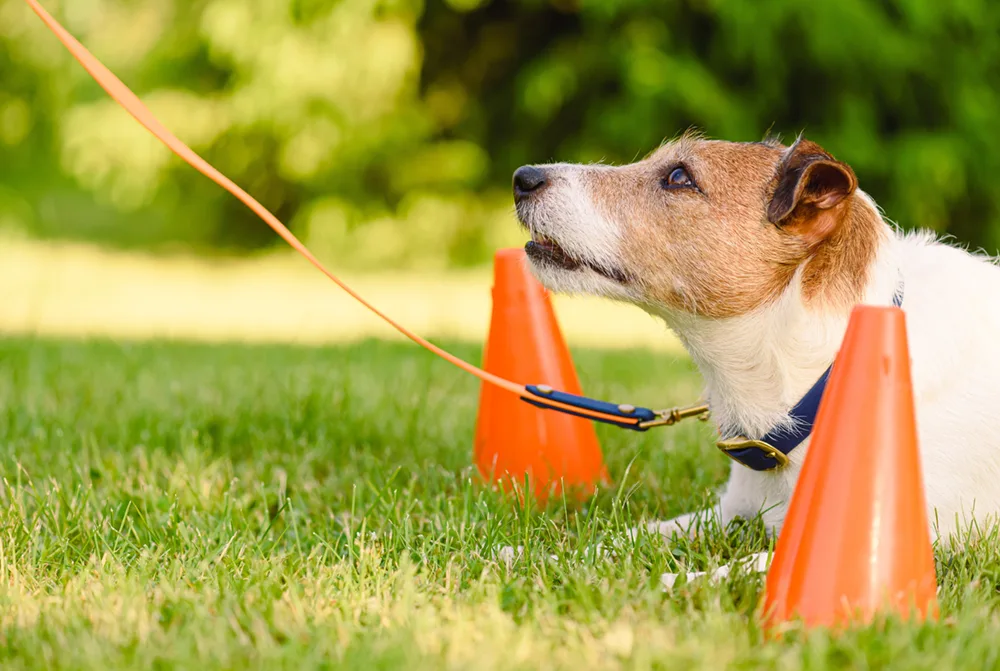
MONTH 3: STRETCH
Only now consider structured training challenges. Reintroduce classes selectively, if appropriate for your dog, choosing those that match their current capacity rather than your aspirations. Gradually increase complexity and exposure, but never so much that the dog's stress response kicks in. Maintain rest days and recovery time even as you expand. Don't fall into the trap of thinking that more training always equals better outcomes. Adjust goals based on your dog's feedback, not your timeline.
The goal is to support growth without overwhelming the nervous system. If month three feels too ambitious, repeat month two. There's no prize for speed.
FINAL THOUGHTS
Real behavioural change doesn't begin with a resolution but rather with realistic planning.
Prioritising understanding over urgency makes behaviour change sustainable. Long–term improvement typically comes from consistent foundation–building rather than intensive early effort.
HOLIDAY MYTHS BUSTED
Six common assumptions that don't hold up
MYTH 1:
‘A tired dog is a calm dog.’
Fatigue suppresses behaviour temporarily but doesn't teach regulation. Chronically overtired dogs are often more reactive, restless, and unable to settle, as their nervous systems remain activated even when their bodies are exhausted. Calm comes from nervous system regulation, not exhaustion. A dog who has been run ragged may collapse, but they haven't learned how to self–soothe or downshift arousal. The moment they recover physically, the reactivity returns because nothing has changed about their capacity to regulate.
MYTH 2:
‘My dog loves all the attention – it's good socialisation.’
Tolerance is not enjoyment. Many dogs cope politely with unwanted attention until they can't, and the breaking point often comes without warning. What looks like a social, friendly dog may actually be a dog under chronic social pressure who has learned that objecting makes things worse. Forced interaction during busy gatherings often increases stress and can worsen fear–based behaviour in the long term. Effective socialisation means dogs have agency – they can move away, their communication is respected, and social interaction is optional rather than obligatory.

MYTH 3:
‘He's used to the heat – he'll be fine.’
Heat tolerance is not immunity. Dogs do not acclimatise to heat the way humans do, and even dogs who live in warm climates year–round remain vulnerable to heat stress. Excitement, humidity, poor airflow, and limited recovery time all increase risk regardless of where a dog lives or what they're ‘used to.’ The belief that familiarity creates safety is dangerous because it leads to complacency. Heat stroke doesn't care about your dog's history; it cares about the temperature, the humidity, and the dog's ability to dissipate heat in that specific moment.

MYTH 4:
‘It's just one treat – it won't matter.’
Holiday illness is rarely caused by one indulgence in isolation. It's the accumulation of fatty, unfamiliar foods over several days – the chicken skin from dinner, the cheese from the platter, the gravy–soaked leftovers, the sample of Christmas pudding – that overwhelms the digestive system and increases pancreatitis risk. Each ‘just one treat’ seems harmless, but the pancreas is responding to the cumulative load. By the time symptoms appear, the damage has been building for days. What feels like generosity in the moment becomes a veterinary emergency by Boxing Day.
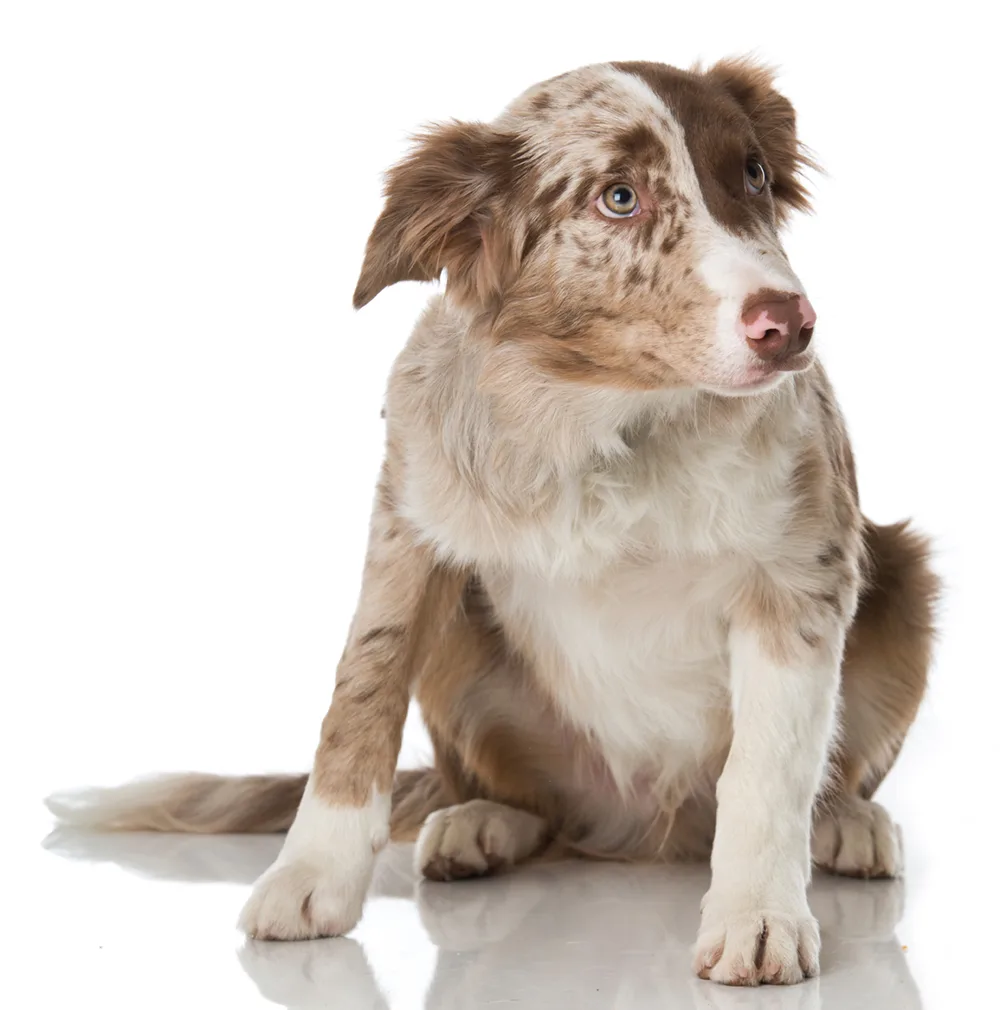
MYTH 5:
‘Fireworks are once a year – dogs just have to cope.’
Fear learning happens fast, but recovery takes time. A single terrifying experience can establish a phobia that persists for years, while undoing that fear requires weeks or months of careful, gradual work. Unmanaged exposure doesn't build resilience; it reinforces anxiety and worsens responses year after year. Each unprotected fireworks season makes the next one harder, not easier. Preparation matters more than toughness. A dog who ‘just copes’ is often a dog who is suffering in silence, and that suffering accumulates into increasingly severe fear responses.

MYTH 6:
‘January training will fix everything.’
Behaviour doesn't reset with the calendar. The cultural moment of New Year's resolutions has nothing to do with your dog's nervous system capacity or learning readiness. Long–term change depends on habits built through consistent repetition, environments structured to support regulation rather than demand performance, and welfare–first planning that addresses why behaviour is happening before trying to change what behaviour looks like. Motivation spikes are emotionally satisfying but behaviourally irrelevant. What matters is what you're still doing in March, not what you resolved to do in January.

THE TAKEAWAY
Holiday problems aren't caused by 'bad dogs' or careless owners; they're caused by misunderstood biology and unrealistic expectations. Adjusting assumptions and replacing myths with evidence–based management improves outcomes by creating conditions where dogs can succeed.
Year-end
welfare snapshot
What rescues actually faced in 2025
As the year draws to a close, social media often fills with adoption success stories and festive appeals. While these moments matter, they tell only part of the story. For animal welfare organisations, December is not an ending, it’s often a pressure point.
What rescues faced in 2025 reflects broader, ongoing challenges: sustained intake, limited capacity, and the compounding effects of economic strain, seasonal disruption, and unrealistic expectations around pet ownership. The festive period doesn't create these problems, but it amplifies them in ways that make an already difficult situation critical.
INTAKE TRENDS
Rescue intake in 2025 remained consistently high, with many organisations reporting that numbers no longer spike only during traditionally ‘busy’ months; they remain elevated year–round. The seasonal fluctuations that once allowed organisations to plan and recover have flattened into relentless, sustained pressure.
Several trends stood out. Owner surrenders continued to rise, often linked to financial strain that makes veterinary care or even basic food unaffordable, housing insecurity where landlords suddenly enforce no–pet policies or tenants are forced to move to smaller accommodation, or behavioural challenges that owners feel ill–equipped to manage without professional support they cannot access or afford.

Adult dogs made up a larger proportion of intakes than in previous years, particularly dogs surrendered after adolescence when the ‘cute puppy’ phase has passed, and behavioural issues have emerged. These dogs are harder to place than puppies, stay in the system longer, and require more behavioural rehabilitation. Behavioural complexity in ‘surrenders’ increased overall, with more dogs arriving overstimulated from chaotic home environments, under–socialised because owners didn't have the knowledge or resources to properly expose them to the world, or struggling with anxiety that manifests as reactivity, destructiveness, or shutdown.
Medical needs were more common than previously, increasing both immediate veterinary costs and length of stay while dogs recover from untreated conditions. For many rescues, intake was not the biggest challenge; the capacity to move dogs through the system safely was. When every kennel is full, and every foster home is occupied, intake becomes a crisis management exercise rather than a planned process.

THE INCREASED RISK DURING THE FESTIVE PERIOD
December introduces a unique set of pressures that layer on top of the baseline challenges rescues already face. During the festive season, rescues often see dogs surrendered due to holiday travel plans where owners can't or won't arrange care, dogs abandoned after firework–related fear escalates and owners feel overwhelmed, animals returned shortly after impulsive adoptions when the reality doesn't match the fantasy, reduced volunteer availability as people travel or focus on their own families, and higher operational costs with fewer regular donations because people redirect their giving toward festive causes.
At the same time, public perception often shifts toward celebration rather than preparedness. The narrative becomes about giving a dog ‘the best Christmas gift’ or ‘rescuing’ an animal in time for the holidays, framing adoption as an act of seasonal generosity rather than a carefully considered, long–term commitment.
Dogs adopted impulsively during this period are statistically more likely to be returned once routines resume in January and February. The result is a cycle where good intentions unintentionally increase strain: more adoptions in December often mean more returns in the new year, more traumatised dogs, and more resources consumed by failed placements.
WHY IMPULSE ADOPTIONS CAUSE HARM
Adoption is not a single act; it is a long–term commitment that requires time, stability, and realistic expectations. The decision to bring a dog into your home should be made during periods of normalcy, not during the most chaotic, emotionally charged time of the year.
Impulse adoptions often fail because routines are already disrupted by visitors, travel, and schedule changes. Training and integration are delayed because everyone is busy with festivities rather than focused on helping the dog settle. Stress behaviours are misunderstood – what gets labelled as ‘naughtiness’ is often a dog struggling to cope with overwhelming sensory input and lack of structure. And ultimately, post–holiday realities don't match festive optimism, once the guests leave, the decorations come down, and the family returns to work and school.

Returns are not neutral events. They increase stress and regression in dogs who have just begun to settle into what they thought was their permanent home. They reduce future adoptability because dogs who are returned multiple times often develop more severe behavioural issues and carry the label of ‘difficult.’ They consume limited rescue resources that could be used to help other animals – intake assessments, veterinary checks, transport, and administrative processing, all duplicated. They contribute to emotional fatigue among staff and volunteers who invest deeply in each placement and feel the failure personally.
For rescues, the cost of a failed placement is high, even when everyone involved had good intentions. The dog pays the highest price, but the ripple effects touch everyone in the system.
WAYS TO HELP
Support does not have to mean adoption, especially during the festive period. In fact, during December, adoption may be one of the less helpful ways to engage with animal welfare.
Meaningful ways to help include fostering, which creates space immediately and allows rescues to assess dogs in home environments rather than kennels. Temporary care is often more urgently needed than permanent homes because it increases capacity without requiring long–term commitment. Financial support matters year–round, and even small, regular donations help cover food, veterinary care, and transport, particularly during high–cost months when operational expenses spike.
Skills–based volunteering is often more urgently needed than hands–on dog handling. Photography that makes dogs more adoptable, transport to move animals between facilities or to vet appointments, admin support to process applications and maintain records, social media expertise to increase visibility, and fundraising skills to secure sustainable income – these contributions fill critical gaps that many organisations struggle to address.
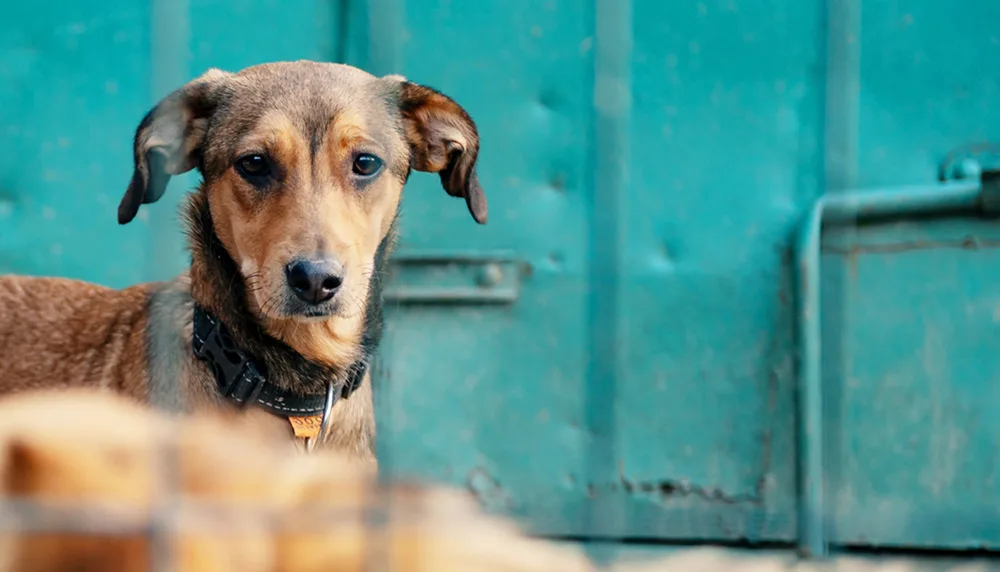
Advocacy and education have a lasting impact beyond immediate crisis response. Sharing accurate information about responsible ownership, behaviour support resources, and the realities of welfare challenges helps shift public understanding and prevents future surrenders. Further, encouraging delayed adoption, waiting until January or February when routines are stable, improves outcomes for both dogs and adopters. A dog adopted in February has a much better chance of staying in that home permanently than one adopted impulsively on Christmas Eve.
THE BIGGER PICTURE
What rescues faced in 2025 was not a crisis caused by one season or one group of people. It was the result of systemic pressure, economic, social, and emotional, playing out in real time through thousands of individual decisions that, in aggregate, created an unsustainable situation.
Sustainable change doesn't come from urgency. It comes from informed decision–making by potential adopters who understand what they're committing to, long–term commitment from supporters who give consistently rather than seasonally, and supporting organisations year–round, not only when it feels festive or when a viral post stirs momentary emotion.

THE TAKEAWAY
Rescues don't need saviours in December. They need partners.
As the year ends, the most valuable gift we can offer is not impulse, but stability. For dogs already living with uncertainty, that matters more than anything else. The dog who waits until January for adoption but stays in that home permanently is infinitely better off than the dog adopted in December and returned in February.
Support that continues beyond December – in March, July, and the following year – creates much more lasting impact.

YOUR DOG QUESTIONS ANSWERED
A practical, evidence-based Q&A for the festive season
The festive period often brings an increase in veterinary consultations, not because dogs suddenly become fragile, but because heat, routine changes, travel, and diet disruption all converge at once. The challenges aren't new, but their timing and combination create a perfect storm for health complications.
Here are clear, science-based answers to some of the most common December dog health concerns.

Heat stroke

Can dogs really get heat stroke if they're ‘used to the heat’?

Yes. Heat tolerance is not immunity. Dogs do not adapt to heat in the same way humans do.
While humans can acclimatise by producing sweat more efficiently and adjusting cardiovascular responses, dogs have limited physiological options for improving heat tolerance. Even dogs living in warm climates remain vulnerable to heat stress, especially when humidity is high, airflow is limited, exercise or excitement increases body temperature, or recovery time is inadequate between heat exposures.
The common myth goes: ‘My dog is acclimatised, so heat stroke won't happen.’ The reality is that acclimatisation may improve tolerance slightly, shaving a few degrees off the temperature at which a dog becomes distressed, but it does not eliminate risk. A dog who seems comfortable at 28°C can still suffer heat stroke at 35°C, regardless of where they live.
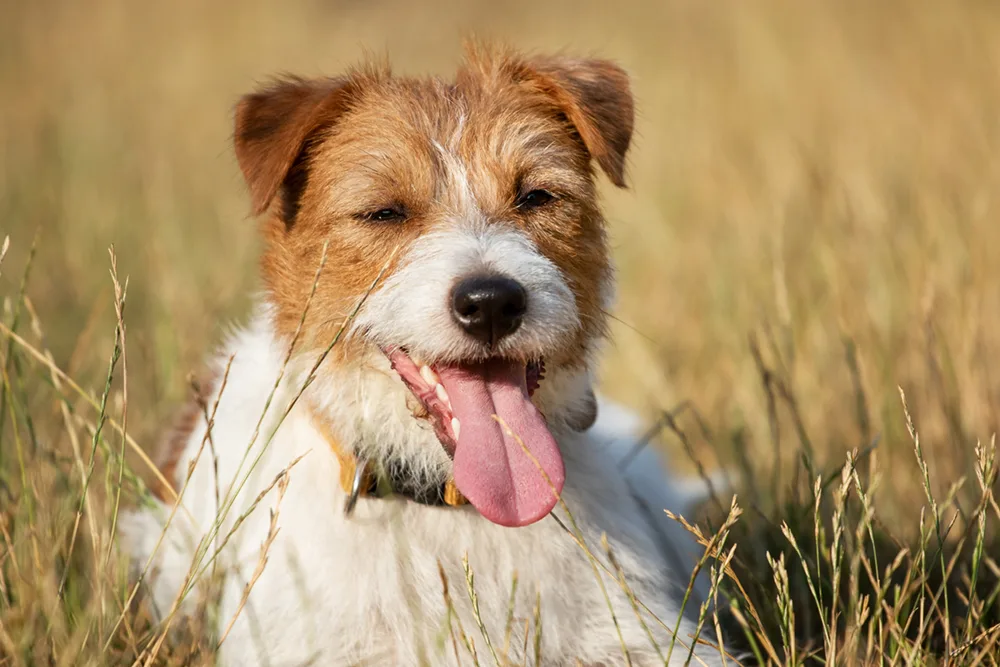
Heat stroke can occur during car travel even with windows cracked, short bursts of activity that seem innocuous, play at social gatherings where excitement overrides the dog's normal self-regulation, or time spent outdoors without adequate shade or airflow. Early signs include excessive panting that doesn't resolve with rest, drooling that seems abnormal in volume, restlessness and an inability to settle, and reluctance to lie down even when clearly tired.
Heat-related illness can escalate rapidly - sometimes within minutes - and should always be treated as urgent. By the time a dog is stumbling or collapsing, irreversible organ damage may already be occurring.

Digestive issues
Is it normal for dogs to get diarrhoea after the holidays?
It's common, but not normal, and it shouldn't be ignored.
Post-holiday diarrhoea is usually linked to sudden dietary changes where the microbiome doesn't have time to adjust, fatty or unfamiliar foods that stress the pancreas and digestive system, multiple small ‘extras’ over several days that accumulate beyond what seems significant in the moment, and stress and disrupted routines that affect gut motility and immune function.
While many cases are mild and self-limiting, resolving within 24 to 48 hours with supportive care, diarrhoea is a sign that the gastrointestinal system is under strain. It's your dog's body telling you something has exceeded its capacity to cope.
You should monitor closely and if stools remain loose for more than 24 to 48 hours without improvement, your dog appears lethargic or less engaged than usual, vomiting is also present (which suggests more systemic involvement), appetite is reduced beyond just being picky, or there is blood or mucus in the stool, you should contact your vet immediately. These signs indicate that the problem may be more than simple dietary indiscretion.
Dogs with previous gastrointestinal disease, pancreatitis, or chronic conditions may deteriorate more quickly and should be assessed sooner rather than later. What's manageable in a healthy young dog can become serious in a dog with underlying health vulnerabilities.

When should I worry, and when is it okay to wait?
This is one of the hardest decisions for owners, especially during holidays when access to care may be limited, emergency clinics are overrun, and the guilt of ‘wasting’ a vet's time weighs heavily.
It may be reasonable to monitor at home if your dog is bright, alert, and responsive to their environment, appetite is only mildly reduced rather than completely absent, symptoms are mild and short-lived rather than escalating, and hydration is maintained (you can check by gently pinching the skin at the scruff of the neck and it should snap back quickly).
Seek veterinary advice promptly if you notice collapse or weakness that's unusual for your dog, persistent vomiting or diarrhoea that continues beyond a few episodes, signs of abdominal pain like a hunched posture, reluctance to move, or vocalisation when touched, heat stress symptoms including excessive panting, drooling, disorientation, or elevated temperature, refusal to drink even small amounts of water, rapid deterioration where your dog seems markedly worse within hours, or any symptoms in very young, elderly, or chronically ill dogs whose systems are less resilient.
When in doubt, err on the side of caution. Delays during the festive period can complicate otherwise manageable conditions. A phone call to your vet costs nothing and can provide clarity when you're unsure. Most veterinary professionals would rather reassure you than treat a preventable emergency.

Are there things owners do with good intentions that make problems worse?
Yes. The impulse to help can sometimes lead to interventions that complicate rather than resolve the problem.
Well-intended actions that can cause harm include forcing food or water into a dog who is actively nauseous or distressed (which can cause aspiration or worsen vomiting), overusing supplements or home remedies without understanding dosing or interactions, exercising sick dogs to ‘flush things out’ or tire them when what they actually need is rest, delaying care because symptoms seem minor and owners worry about overreacting, and assuming stress-related signs like panting or pacing are purely behavioural when they may indicate pain or illness.
Holiday health issues are rarely about a single mistake. They're usually the result of cumulative strain - multiple small stressors compounding over days until the dog's system can no longer compensate. Early intervention often prevents escalation from a minor issue that resolves with rest to a major crisis requiring hospitalisation.
The takeaway
December dog health issues are rarely dramatic in their onset, but they are predictable in their pattern. Heat, food changes, stress, and disrupted routines all place pressure on the body. Most problems are manageable when recognised early and approached calmly.

Products we love
Shopping fun

PaleoPet Pure 100% Green Beef Tripe for Dogs
Humans may find tripe to be somewhat of an acquired taste (and smell), but dogs absolutely love it! Our tripe has been thoroughly washed and cleaned for you, while retaining all the nutrition of unbleached tripe. It’s easy to serve and store and has so many health benefits for adult and senior dogs especially.
Tripe is rich in trace minerals, while moderate in protein and fat. It is a great complementary raw food addition to a diet for dogs who may struggle with constipation or need foods that are easier to digest. Tripe doesn’t contain any bone, but still maintains a perfect calcium phosphorus balance, which is rare for animal protein without bone content.
Tripe can be used as a basis for a ketogenic diet for dogs with cancer or epilepsy where one should feed low to no carbohydrate, moderate protein, and high fat. Tripe can also entice dogs who may not feel all that well and are reticent to eat.
Our 100% Green Beef Tripe (and nothing else) is made from the best quality local beef with no preservatives, colourants, or artificial flavourants.
The PaleoPet Pure range is FSA Food Safety certified and DALRRD registered. Also available in convenient, pre-frozen 1.5 Kg and 750g tubs or as a box of 12 individually wrapped 100g Patties. The tubs are re-usable, recyclable, and PBA-free.
Products can be purchased online at www.paleopetpure.com and delivered to your door or bought at selected retailers.
follow us on Instagram @dogquarterlymag and Facebook dqmagazine
stay tuned for the next issue of