SOUTH AFRICA'S PREMIER DOG MAGAZINE
DIGITAL ISSUE 15A | 2025


Welcome!
We’re thrilled to have you here for another issue of DQ Magazine.
This issue is jam-packed with the kind of content we love best. From the science of enrichment and the subtle rise of ‘dog loneliness,’ to the myths around black dog syndrome and the truth about heat, coats and shaving, this edition is about looking closer, thinking deeper, and supporting our dogs with more awareness than ever before.
We’re also bringing you evidence-led guidance on senior behaviour changes, arthritis, Librella®️, itchy dogs, gut health, nutrition choices, and the biggest trends shaping canine wellbeing in 2025. These are not just topics for today; they’re conversations that matter for the long-term health, comfort and emotional lives of our companions.
As always, our goal is to translate research, veterinary insight and behavioural science into practical, compassionate advice. Whether you share your life with a high-energy youngster, a thoughtful middle-ager, or a golden-hearted senior, we hope this issue gives you clarity, reassurance, and a few ‘aha’ moments along the way.
Thank you for reading, learning, and caring so deeply about the dogs who trust us with everything.
Lizzie and
the DQ team xxx
Dr Lizzie Harrison | Editor
Designer | Mauray Wolff
DIGITAL ISSUE 15A | 2025
CONTENTS
What we’re getting wrong about enrichment
Why ‘more activity’ isn’t always better
Black dog syndrome
Myth, bias or reality?
Trends, myths and break- throughs
Your evidence-based guide to what’s shaping canine health this year
The itchy dog checklist
Allergies, yeast, diet or environment?
Librella® for dogs
What owners need to know about this new osteoarthritis treatment
Senior dog behaviour changes
that should not be ignored
The rise of ‘dog loneliness’
Are our pets becoming emotionally understimulated?
The truth about dog coats and heat
Why shaving is (usually) the wrong choice
Ask DQ
Your questions answered
Products we love
Shopping

What we’re getting wrong about enrichment
(and how to fix it)
Why ‘more activity’ isn’t always better
Over the last decade, enrichment has become a buzzword in dog ownership. Social media is full of ‘must-do’ activities – stuffed Kongs, lick mats, puzzle toys, agility-style home setups, sniffaris, treadmill sessions, flirt poles, fetch routines…the list goes on. And, we can’t lie, we’ve also jumped on the enrichment bandwagon in a very big way.
The issue is that while the intention is good. The execution is often less so.
Many owners now feel pressured to fill every minute of their dog’s day with stimulation. Others feel guilty if their dog isn’t constantly ‘busy.’ Some dogs are being over-exercised, over-aroused, or overwhelmed, all in the name of enrichment.
The truth is this:
Enrichment isn’t about doing more. It’s about meeting the right needs.
And many of us are getting it wrong.
Here’s what’s happening, and how to fix it.

1. WE CONFUSE ADRENALINE WITH ENRICHMENT
Fetch. Flirt poles. High-speed dog park chases. Rough play. Sprinting behind bicycles.
These activities produce an enormous surge of adrenaline and cortisol, and dogs often appear excited or ‘happy’ while engaging in them. But high arousal ≠ healthy stimulation.
WHAT GOES WRONG:
- Overexcited dogs become more reactive
- Stress hormones remain elevated for hours afterwards
- Sleep quality and behaviour deteriorate
- Some dogs can’t ‘come down’ after this kind of play
- Many develop repetitive, obsessive patterns (especially ball-chasers)
THE FIX:
Swap high-arousal activities for low-arousal, brain-based enrichment:
- sniffing and scent work
- long-line decompression walks
- slow foraging
- problem-solving games
- relaxed training sessions
- natural movement (woods, trails, uneven surfaces)
Dogs aren’t meant to live in a high-adrenaline state. Real enrichment builds calmness, not chaos.

2. WE FOCUS ON PHYSICAL ACTIVITY AND FORGET AGENCY
Many owners assume exercising their dog more will ‘calm them down.’ But dogs aren’t machines; they’re emotional mammals.
If a dog has no agency, no freedom to make choices, or is constantly micromanaged (‘heel, sit, leave it!’), they cannot self-regulate.
WHAT GOES WRONG:
- Anxiety increases
- Independence decreases
- Behaviour worsens
- Dogs shut down, or become frantic for stimulation
THE FIX:
Incorporate choice-based enrichment:
- allow dogs to sniff where they want on walks
- let them pick their route occasionally
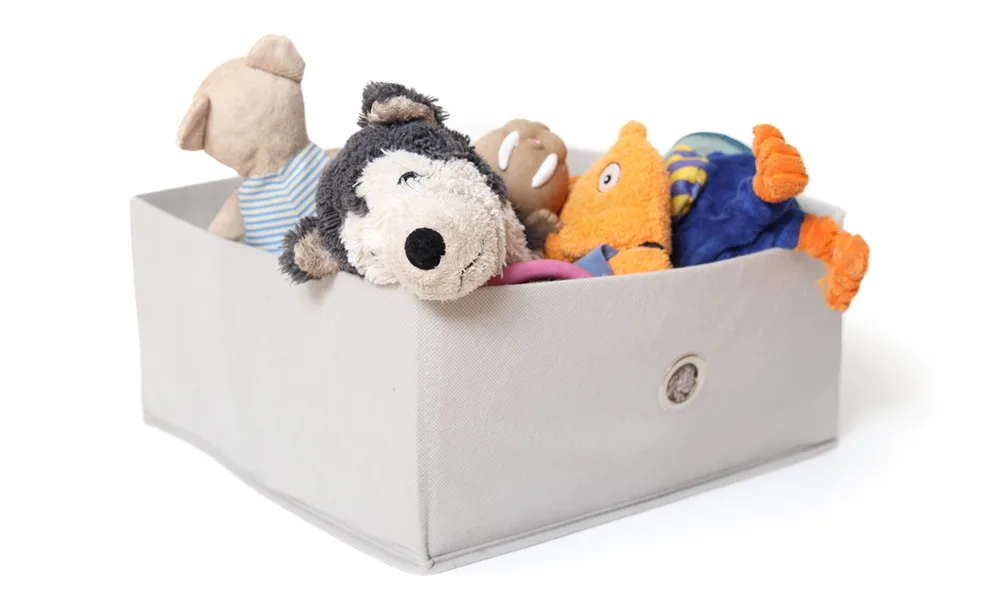
- offer different types of chews, textures and resting areas
- provide dig pits, shredding boxes, or nosework they can explore at their own pace
- let them say ‘no’ to interactions with strangers or other dogs
Enrichment should support a dog’s autonomy, not just tire their body.
3. WE FORGET THAT REST IS ENRICHMENT TOO
Dogs typically require 14–18 hours of sleep per day. Puppies need even more.
A dog constantly kept ‘busy’ becomes a dog who cannot relax, and chronic fatigue leads to behaviour issues, irritability, and poor learning.
WHAT GOES WRONG:
- Owners fill every ‘quiet moment’ with more activities
- Dogs struggle with separation or boredom
- Hypervigilance and reactivity increase
THE FIX:
Create environments that support deep rest:
- low-stimulation rest areas
- predictable routines
- ‘quiet hours’ for napping
- decompression walks instead of high-energy play
- calming scent diffusers or music
- boundary training (so dogs learn how to settle)
Rest is a biological necessity.
Without it, enrichment does more harm than good.

4. WE TREAT ENRICHMENT LIKE A CHECKLIST, NOT A LIFESTYLE
Real enrichment isn’t:
> one Kong
> one puzzle toy
> one walk
> done.
Dogs need a varied, holistic life that supports all their instinctive drives:
THE FIVE CORE ENRICHMENT NEEDS
- Cognitive – thinking, problem-solving
- Sensory – sniffing, touching, seeing, tasting
- Physical – natural movement, climbing, digging
- Social – safe interactions with humans or dogs (if the dog enjoys it)
- Environmental – novel textures, spaces, surfaces, and smells
Many dogs get one or two of these.
Very few get all five.
THE FIX:
Think of enrichment as a weekly rhythm, not a daily task.
Rotate activities. Keep it interesting. Keep it balanced.

5. WE IGNORE THE DOG IN FRONT OF US
Not every dog needs – or wants – the same enrichment.
For example:
- Some dogs love puzzles; others find them stressful.
- Some adore scent work; others prefer calm chews.
- High-drive working breeds need more mental structure.
- Seniors may need gentler sensory tasks.
- Fearful dogs benefit from predictable, low-demand enrichment.
THE FIX:
Observe your dog’s:
- energy levels
- frustration threshold
- preferences
- body language
- emotional needs
- health status
If an activity increases anxiety, overstimulation, or frustration, it’s not enrichment – no matter what social media says.
The key here is that enrichment should regulate the dog, not dysregulate them.
6. WE'RE NOT USING ENRICHMENT TO PREVENT BEHAVIOUR PROBLEMS, BUT WE SHOULD
Many behaviour issues stem from unmet behavioural needs:
- resource guarding (lack of safe spaces)
- reactivity (chronic stress, poor decompression)
- destructiveness (boredom, unmet oral needs)
- pulling on walks (lack of autonomy)
- separation anxiety (inadequate rest or predictability)
THE FIX:
Use enrichment proactively, not reactively.
Build emotional resilience through:
- daily sniffing opportunities
- chew sessions
- calm training routines
- structured feeding rituals
- gentle novelty
- confidence-building tasks (e.g., low platforms, textured surfaces)
Enrichment is mental health care.
6. WHAT GREAT ENRICHMENT LOOKS LIKE
Real enrichment is:
- calming
- choice-driven
- confidence building
- mentally stimulating
- low-arousal
- tailored to the individual dog
- grounded in science
- supportive of behavioural wellness
And above all:
It helps dogs feel safe, fulfilled and understood.

FINAL THOUGHTS
The world has become busier, louder and more pressured and our idea of enrichment for dogs has followed.
We need to remember that the goal isn’t to create ‘busy dogs.’ It’s to create balanced dogs.
Enrichment should nurture calmness, resilience, curiosity and emotional wellbeing. When we move away from ‘more, more, more’ and toward ‘what does this dog truly need?’, we transform enrichment from a trend into good welfare.
Black
dog
syndrome
Myth, bias or reality?
For decades, shelters across the world have spoken about ‘black dog syndrome’. This is the idea that black dogs are adopted less often, wait longer for homes, and are more likely to be euthanised. But is this really true, or is it simply an echo of a narrative that has been repeated long enough to feel factual?
The short answer: it’s complicated.
The long answer: it’s rooted in human psychology, shelter environments, and unconscious bias more than anything the dogs themselves do.
LET'S UNPACK IT.

IS BLACK DOG SYNDROME REAL?
The data says: partly yes, partly no
Several studies (including analyses from US shelters, UK rescues and Australian adoption data) show a consistent pattern:
- Black dogs often have longer shelter stays than lighter-coloured dogs, especially compared to ‘standout’ colours like merle, cream, tan or spotted coats.
- Large black dogs, especially mixed breeds, remain the hardest to home.
- But smaller black dogs and those with unusual features (scruffy coats, bright eyes, distinctive markings) do not show the same trend.
So the syndrome isn’t universal…
But for large, plain-coated black dogs? Yes, it’s still very much a thing.

WHY DOES THIS HAPPEN? THE PSYCHOLOGY BEHIND THE BIAS
1. THEY'RE HARDER TO PHOTOGRAPH IN SHELTERS
Dark fur in low light disappears against background shadows leading to:
- photos where the dog looks expressionless
- indistinct features
- ‘all the photos look the same’ syndrome
Good photography dramatically increases adoption interest.
2. UNCONSCIOUS BIAS PLAYS A ROLE
Studies in human perception show that people often (without realising it) associate dark colours with:
- seriousness
- intensity
- anxiety triggers
- ambiguity
This spills over into how people interpret dog faces.

3. FACIAL FEATURES DON'T STAND OUT AS EASILY
Shelter visitors naturally look for:
- eye contact
- facial expression
- ‘softness’ in the face
Black dogs’ eyes and expressions are harder to read from a distance, especially in dim kennels.
4. POP CULTURE HASN'T HELPED
Media tropes equate:
- black animals = mysterious
- big black dogs = scary
- wolves/dark canines = villains
Even if we know better, these associations live quietly in the subconscious.
5. SHELTER ENVIRONMENTS DISADVANTAGE DARK DOGS
Concrete buildings and poor lighting and bars and shadows amplify the issue.
The same dog looks completely different in natural daylight.

SO WHAT'S THE TRUTH?
Is there something ‘wrong’ with black dogs?
Absolutely not.
Black dogs are not:
- more aggressive
- more anxious
- less intelligent
- less friendly
- harder to train
They’re simply victims of perception, not behaviour.
HOW ADOPTERS CAN HELP, AND WHY BLACK FRIDAY IS THE PERFECT TIME?
1. LOOK PAST THE SHADOW
Meet the dog outside the kennel. Let them show who they actually are. And remember, appearance is only ‘fur deep’.
2. ASK FOR NATURAL-LIGHT PHOTOS OR VIDEOS
Shelters are often happy to send these. You’ll see the ‘real dog’ more clearly.
3. REMEMBER: TEMPERAMENT > COLOUR
Every behaviourist will tell you: Coat colour has zero impact on personality.
4. IF YOU'RE DRAWN TO 'OVERLOOKED DOGS'; THIS IS YOUR MOMENT
Choosing the dog who always gets passed over may be the most meaningful adoption you ever make.

THE BOTTOM LINE
Black dog syndrome is not superstition; it’s a mix of camera physics, shelter lighting, psychology, and human bias. And this Black Friday season, while everyone else is chasing sales, we have an opportunity to highlight something far more valuable:
The beauty of the dogs no one notices at first glance. The ones waiting longer. The ones who deserve better.
The 2025 dog
health report:
Trends,
myths and
break
throughs
Your evidence-based guide to what’s shaping canine health this year
The way we care for dogs is changing. Fast.
In 2025, owners are more informed than ever, vets are seeing new patterns of disease linked to modern lifestyles, and scientific research is finally catching up to decades of anecdotal wisdom. At the same time, misinformation spreads at lightning speed, leaving many owners overwhelmed by contradictory advice, miracle cures, and the theories of social-media ‘experts.’
This report aims to cut through some of that noise.
Here, we highlight the biggest health trends, most persistent myths, and meaningful breakthroughs shaping the wellbeing of dogs today – all grounded in real research, veterinary insight, and practical welfare.
MAJOR HEALTH TRENDS SHAPING 2025
1. THE RISE OF CHRONIC LOW-GRADE INFLAMMATION
Vets worldwide report a surge in conditions rooted in inflammation:
- osteoarthritis
- allergies and skin disease
- gut disorders
- chronic pain
- immune dysregulation
This trend has shifted focus toward diet quality, fatty acid balance, and environmental triggers, rather than simply treating symptoms.
The key takeaway: 2025 is the year we stop blaming ‘old age’ and start recognising chronic inflammation early.

2. MENTAL HEALTH IN DOGS IS FINALLY BEING TAKEN SERIOUSLY
Behaviourists, vets and neuroscientists now openly acknowledge:
- Dogs experience low mood
- Chronic stress alters immune function
- Anxiety presents as ‘naughtiness’
- Pain and behaviour are inseparable
2025 has given us clearer frameworks linking behaviour, pain, stress and brain chemistry, with polyvagal theory and the gut–brain axis now entering mainstream veterinary conversation.
3. THE MOVEMENT TOWARDS BREED-RESPONSIBLE OWNERSHIP
More owners are questioning:
- exaggerated brachycephalic features
- hereditary diseases
- poor skin and eye conformation
- unethical colour breeding
Vet bodies worldwide are publishing stricter breeding guidelines, and insurance companies are increasing premiums for high-risk breeds.
2025 marks a clear shift: Health over aesthetics. Welfare over fashion.
4. PRECISION NUTRITION AND TARGETED SUPPLEMENTATION
Owners are moving away from generic advice toward:
- vet-led nutrition consults
- microbiome-supportive diets
- supplements with clinically proven ingredients
- food tailored to life stage, work level, or disease risk
This is partly due to the huge rise in GI disorders, allergies, and behaviour issues linked to gut health.
5. The big rethink of exercise and enrichment
2025 has shifted the conversation from ‘exercise more’ to enrich better.
Key areas include:
- scent-based enrichment
- decompression walks
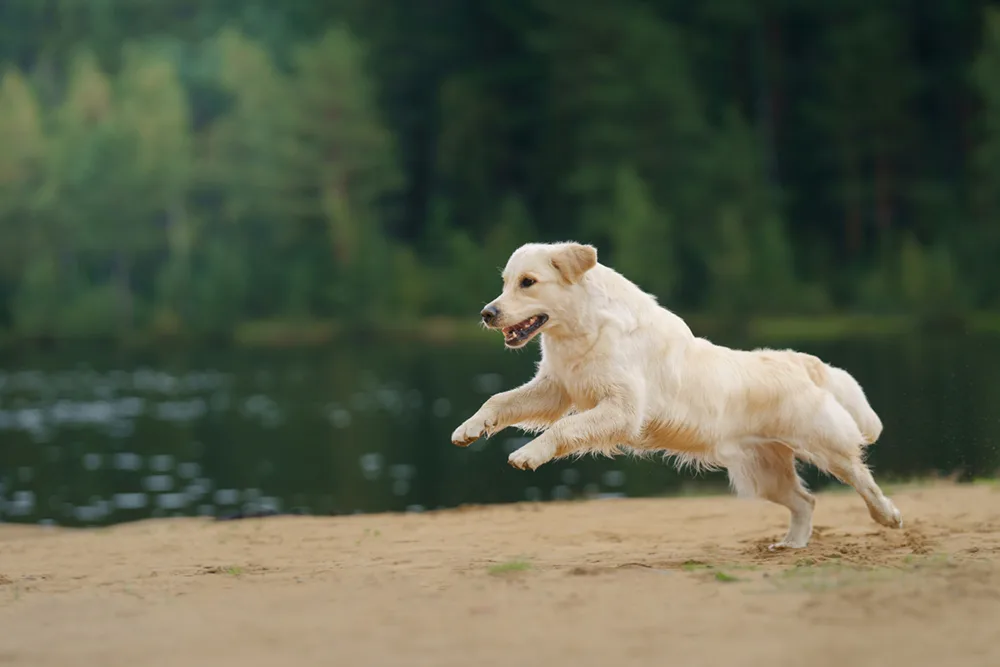
- slow, natural movement
- reducing high-arousal play in anxious dogs
- avoiding over-exercise in young dogs
This movement focuses on the quality of stimulation, not just quantity.

THE BIGGEST MYTHS OWNERS STILL BELIEVE (AND MUST STOP)

THE BREAKTHROUGHS SHAPING CANINE CARE
1. THE GUT-BRAIN AXIS BECOMES MAINSTREAM
We now have strong evidence that the microbiome influences:
- anxiety
- reactivity
- digestion
- immunity
- chronic inflammation
Vets are using probiotics more strategically, and diets are being reformulated to improve microbial diversity.
2. PAIN RECOGNITION TOOLS IMPROVE EARLY DIAGNOSIS
Newer vet tools and owner checklists help detect subtle pain in:
- joints
- spine
- abdomen
- dental structures
Telemedicine even allows early triage and behaviour-based pain assessment.

3. OMEGA-3 RESEARCH ADVANCES
EPA and DHA are now recognised as clinically proven anti-inflammatory fatty acids.
2025 sees:
- higher-quality supplements
- therapeutic dosing guidelines
- more vets recommending them in multimodal arthritis care

4. WEARABLE TECH FOR DOGS
Smart collars now track:
- sleep quality
- movement patterns
- heart rate variability (stress indicator)
- early lameness patterns
We are entering a new era of preventative dog health.
5. A STRONGER UNDERSTANDING OF CANINE EMOTIONAL NEEDS
Breakthroughs in behavioural science show that dogs need:
- predictable routines
- agency and choice
- decompression time
- safe social contact
- non-confrontational training
This is transforming training methods across the world.

THE FUTURE
Based on emerging research and veterinary trends, we predict that by 2026:
- microbiome testing will be routine
- custom diets will replace generic formulas
- early socialisation will be more structured
- arthritis will be treated far earlier and more effectively
- behavioural medicine will become a standard veterinary speciality
- owners will be more educated, thoughtful and welfare-focused than ever
The future of canine health is more scientific, more compassionate, and more individualised.
FINAL THOUGHTS
The dog world is changing, and we’re excited to say that it seems to be changing in the right direction.
2025 marks a turning point, where owners demand clarity, veterinarians push for earlier diagnosis, and science is finally unravelling the complex links between gut health, pain, behaviour, and emotional wellbeing.
At DQ, our goal is simple: to translate this science into practical, compassionate, real-world advice that helps you give your dog the healthiest, happiest life possible.
The
itchy dog
checklist
Allergies, yeast, diet or environment?
Itching is one of the top five reasons dogs visit the vet, and yet it’s one of the most misunderstood symptoms. Owners often assume it must be ‘allergies,’ but itching has multiple causes, many of which overlap or even trigger each other.

The key to solving itchiness is not to guess, but to identify the root cause. This checklist helps you narrow it down using clear signs, patterns, and vet-backed logic, but of course, if your dog has an issue with itching, you should take him to the vet as a first step.

1. ALLERGIES – FOOD, ENVIRONMENTAL OR FLEA?
‘Allergies’ is a huge umbrella term. Dogs can be allergic to:
- proteins (chicken, beef, dairy, eggs, etc.)
- environmental triggers (grass, dust mites, mould, pollen)
- fleas (the number one allergy worldwide)
Signs allergy-driven itching is likely:
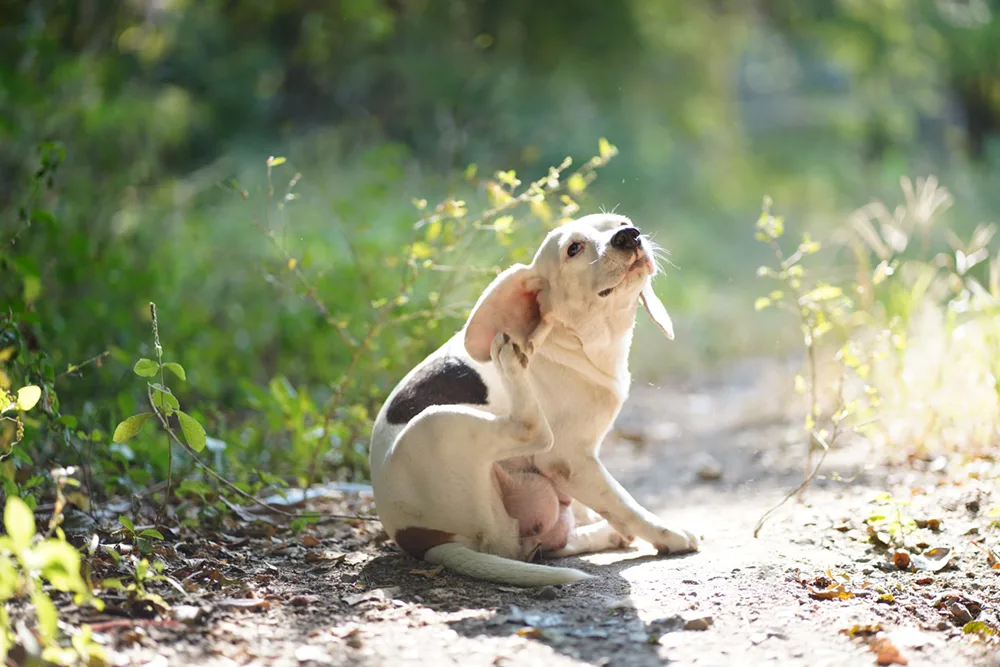
- chronic or recurring itching
- chewing paws (especially at night)
- redness between toes
- ear infections or smelly ears
- belly, armpit or groin redness
- seasonal patterns (spring/summer)
- sudden worsening after walks on long grass
- improvement with anti-itch medication from the vet
Quick home questions:
- Does the itch worsen after eating a certain protein?
- Does it flare after walks in specific areas?
- Do paws smell ‘corn chip–like’?
- Has flea protection lapsed?
The next step:
- Rule out fleas (always step one)
- Start a six to eight week food elimination trial guided by your vet
- Keep an itch diary noting weather, food, and walk locations
2. YEAST OVERGROWTH – THE OFTEN-MISSED CULPRIT
Yeast thrives in warm, moist areas and often masquerades as ‘bad allergies.’ Many itchy dogs have a mixture of both.
Signs of yeast-driven itching:
- a sweet, musty, or cheesy smell
- greasy or flaky skin
- rust-coloured staining on paws
- constant paw licking
- thickened skin (elephant skin)
- recurrent ear infections
- itching that gets worse in hot, humid weather
Quick home questions:
- Does your dog smell yeasty, even after a bath?
- Are certain areas especially greasy?
- Do symptoms spike in summer?
The next step:
Yeast needs targeted treatment, not just allergy medication.
Your vet may recommend:
- medicated antifungal shampoos
- ear drops
- probiotics supportive of the skin microbiome
- ruling out underlying causes (like food sensitivities)

3. DIET – THE SILENT DRIVER OF SKIN HEALTH
A dog’s skin is the largest organ in the body and relies on:
- high-quality protein
- sufficient omega-3 fatty acids (EPA and DHA)
- micronutrients like zinc, copper, biotin
- a healthy gut microbiome
If these are lacking, itching may follow.
Signs diet might be contributing:
- dull coat
- slow hair regrowth
- dry or flaky skin
- chronic gut upsets (soft stools, gas)
- recurring skin infections
- itching that improves with supplement support
Quick home questions:
- Is your dog on a highly processed diet with little omega-3?
- Has itching improved when adding fish oil, probiotics or fresh foods?
- Is your dog sensitive to chicken or beef (common triggers)?
- Does stool quality decline after certain foods?
The next step:
- review diet with a vet or canine nutritionist
- consider an omega-3 supplement (EPA/DHA have proven anti-inflammatory effects)
- simplify the diet while observing patterns
- improve gut health with fibre and good probiotics
A healthier gut = healthier skin.

4. ENVIRONMENTAL TRIGGERS – THE WORLD OUTSIDE (AND INSIDE)
Dogs can react to airborne allergens or irritants such as:
- pollen and grasses
- dust mites
- mould spores
- cleaning products
- lawn treatments
- perfumes or scented candles
- laundry detergents
- new carpets or fabrics
Signs the environment is the issue:
- seasonal itching (especially spring/summer)
- itching after playing on grass
- inflamed skin on belly or paws
- red eyes or sneezing
- worse at night when dust mites peak
- improved symptoms in different environments
Quick home questions:
- Is the home cleaned with scented products?
- Do symptoms spike after mowing or gardening?
- Does the dog roll in grass before itching begins?
The next step:
- wipe paws after outdoor walks
- switch to unscented detergents
- vacuum weekly (especially bedding)
- wash dog bedding at 60°C
- discuss antihistamine or anti-itch plans with your vet

5. PARASITES – THE ONE CAUSE WE MUST RULE OUT FIRST
Even a single flea bite can trigger flea allergy dermatitis, causing intense itching.
Signs parasites are involved:
- itching focused on the lower back, thighs, tail base
- scabs along the spine
- sudden onset itching
- other animals in the home also
scratching - flea dirt found with a flea comb
The next step:
- ensure ALL pets are on vet-approved flea control
- treat the environment
- re-check for improvement over
two weeks
Until fleas are ruled out, you can’t diagnose anything else.

6. MEDICAL CONDITIONS – LESS COMMON BUT IMPORTANT
Occasionally, itching can be caused by:
- hypothyroidism
- autoimmune disease
- endocrine disorders (like Cushing’s)
- bacterial skin infections
- contact dermatitis (rare but real)
If itching is severe or persistent, and other causes have been excluded, your vet may recommend further testing.

THE ITCHY DOG CHECKLIST (SAVE AND SCREENSHOT!)
- Is your dog protected against fleas?
- Is there a pattern (seasonal, dietary, environmental)?
- Is there odour, greasiness, or redness between toes?
- Do ears get dirty or infected?
- Does the itch worsen in heat or humidity?
- Is the coat dull or flaky?
- Are paws constantly licked?
- Are particular locations or foods triggering symptoms?
- Have you recently changed shampoo, detergent, cleaning products?
- Is the gut affected too?
This checklist gives direction, not diagnosis. Your vet is your partner in solving the puzzle.

FINAL THOUGHTS: ITCHY DOGS AREN'T 'NAUGHTY' – THEY'RE UNCOMFORTABLE
When a dog scratches, chews or licks obsessively, it’s not a behavioural problem. It’s communication. Understanding the why behind the itch transforms how we help our dogs, from short-term fixes to long-term relief.
Librella® for dogs
What owners need to know about this new osteoarthritis treatment
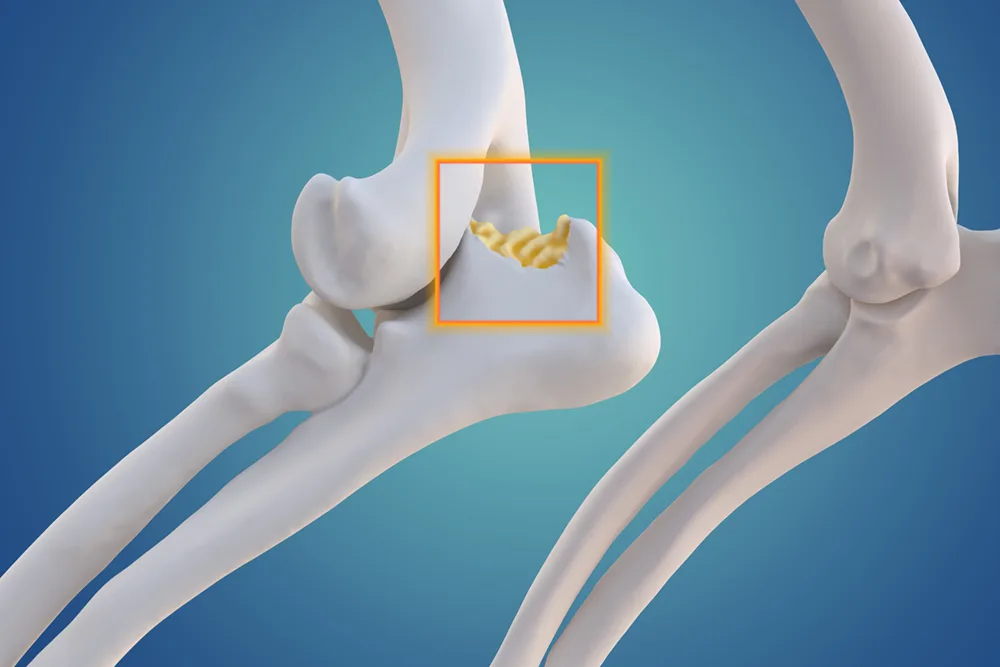
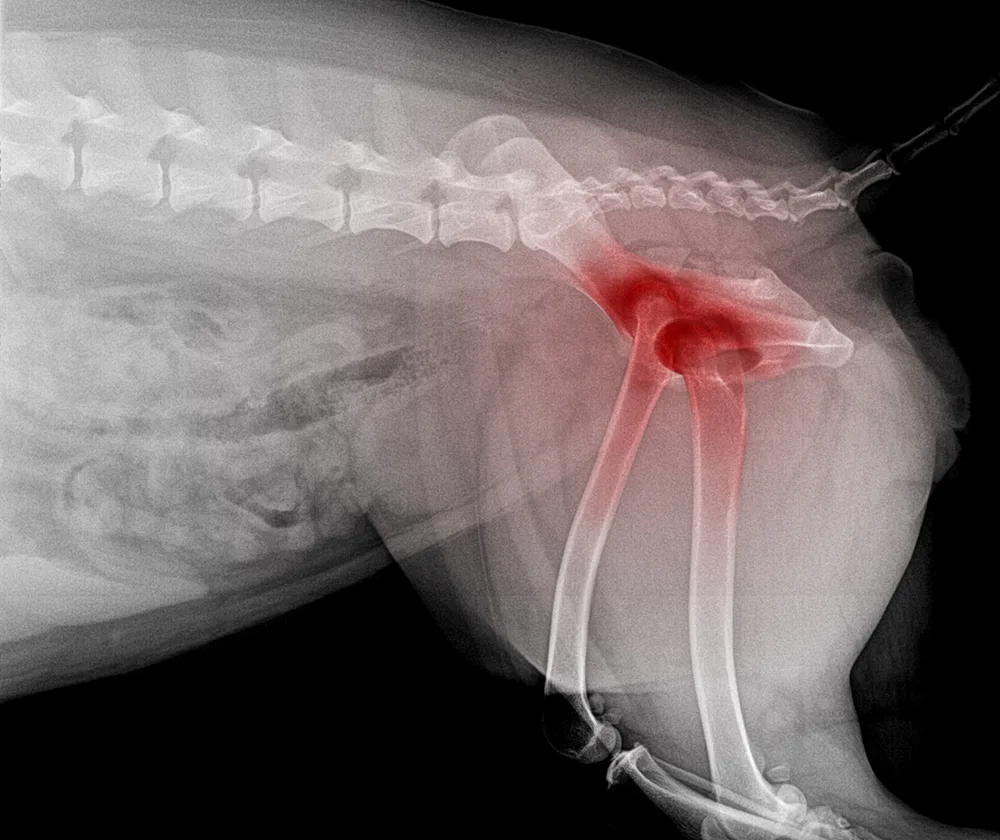
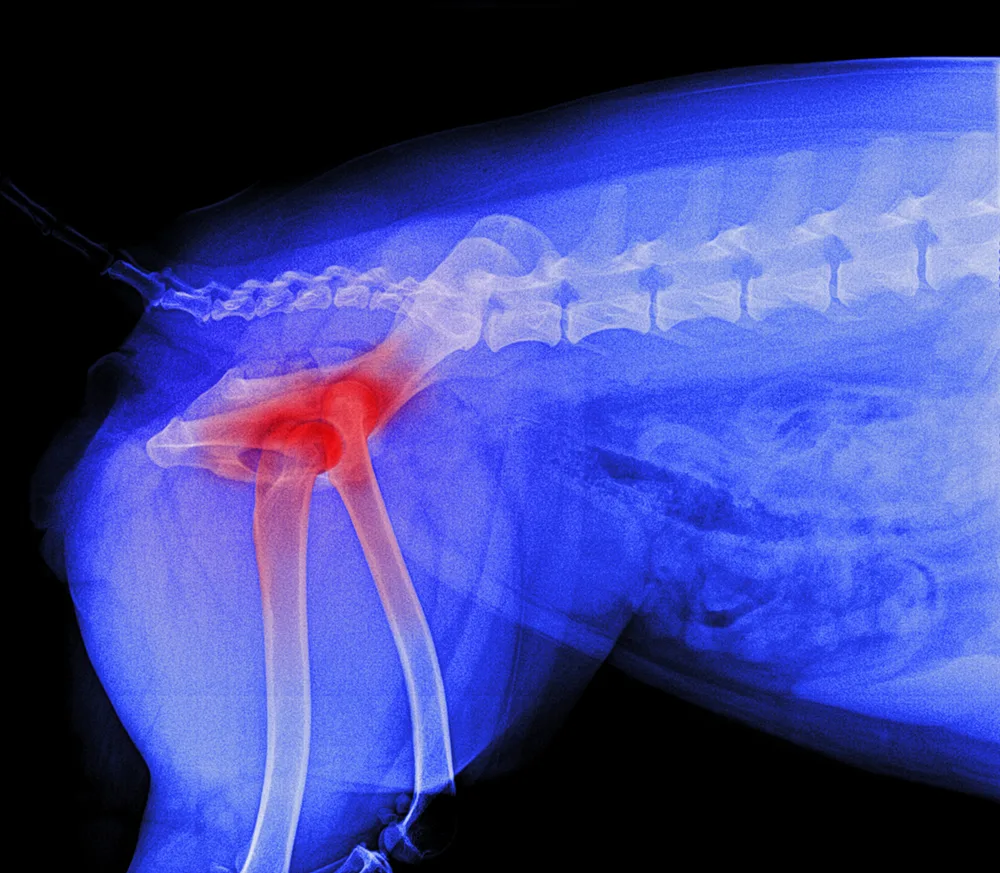
Osteoarthritis (OA) is one of the most common chronic conditions in dogs, and one of the most misunderstood. Many owners attribute stiffness, slowing down or irritability to ‘just getting old,’ when in reality these are signs of pain. Until recently, canine OA treatment options focused mainly on non-steroidal anti-inflammatory drugs (NSAIDs), joint supplements, weight management and physiotherapy.
But the release of Librella® (bedinvetmab) has introduced an entirely new class of pain relief: one that is long-acting, targeted, and specifically designed for chronic arthritis in dogs. If your dog has OA or is showing early signs, this medication may be part of the future of comfort-focused care.
Here’s everything owners should know.
WHAT IS EXACTLY OSLIBRELLA®?
Librella® is a monoclonal antibody (mAb), which is a type of biologic therapy. Instead of acting like a traditional drug, monoclonal antibodies mimic processes the body naturally uses to regulate itself.
Librella® works by targeting nerve growth factor (NGF), a key driver of osteoarthritis pain. When NGF attaches to its receptors, it increases the sensitivity of pain pathways. Librella® binds to NGF, blocking its activity and reducing pain signalling.
Because it acts on a very specific mechanism that dogs naturally have, it is highly targeted, long-lasting, and gentler on the body than traditional NSAIDs.
HOW IS IT GIVEN?
Librella® is administered once a month by your veterinarian as a subcutaneous injection (under the skin). There are no daily tablets, no struggle at home, and no need to remember dosing schedules.
For many owners, this is one of the biggest advantages.
WHAT CONDITION IS LIBRELLA® USED FOR?
Librella® is licensed specifically for the control of pain associated with osteoarthritis in dogs. It is not a general painkiller, as it is targeted to chronic joint pain.
Your vet may recommend it if your dog:
- Shows stiffness after resting
- Becomes reluctant to jump into the car or onto furniture
- Slows down on walks
- Has difficulty standing up
- Becomes grumpy when touched
- Shows lameness that comes and goes
Earlier intervention leads to better outcomes, and many vets are now using Librella® as part of multimodal pain management, even in early OA.
HOW EFFECTIVE IS IT?
Clinical studies show that Librella®:
- Reduces pain levels significantly
- Improves mobility and willingness to exercise
- Enhances quality of life for both dog and owner
- Has a sustained effect across the full month
Many owners report seeing results within days, although the full effect may build over several doses.
IS LIBRELLA® safe?
One of the major benefits of monoclonal antibodies is that they are broken down like proteins, not like drugs.
This means:
- No strain on the liver
- No strain on the kidneys
- Very low risk of gastrointestinal side effects
- Safe for long-term use in most dogs
This makes Librella® especially helpful for:
- Senior dogs
- Dogs that cannot tolerate NSAIDs
- Dogs with kidney or liver disease
- Dogs needing year-round pain management
As with any medication, there can be side effects, but these are generally mild and uncommon.

DOES LIBRELLA® REPLACE OTHER TREATMENTS?
Not necessarily. OA management works best as a team effort, combining:
- Weight control
- Controlled exercise
- Physiotherapy and hydrotherapy
- Joint supplements (in some cases)
- Home environment changes
- NSAIDs (occasionally, although many dogs need less once on Librella®)
Your vet will tailor the combination to your dog’s condition.
NOTE
Librella® is not suitable for every dog; your vet will decide based on medical history.
WHAT ARE THE LIMITATIONS?
Librella® is groundbreaking, but owners should be aware of the following:
- It is not a cure; it controls pain but it doesn’t reverse joint damage.
- Not all dogs respond equally (though most show significant improvement).
- It must be given monthly by a vet, not at home.
- It can be more expensive than traditional medications, particularly in bigger dogs as it is dosed by weight.
- Rare side effects are possible (typically mild injection-site reactions or lethargy).

WHICH DOGS BENEFIT MOST?
Librella® may be especially valuable for:
- Dogs with confirmed osteoarthritis
- Dogs who cannot tolerate or should not take NSAIDs
- Senior dogs struggling with mobility
- Overweight dogs with joint strain
- Dogs with multi-joint arthritis
- Dogs in which owners want the simplest, most consistent dosing system
WHAT OWNERS NOTICE MOST?
In follow-up studies and anecdotal reports, owners describe:
- Better mood
- More eagerness to play
- Increased movement
- Improved sleep
- Less stiffness after resting
- A happier, more engaged dog

SHOULD YOU ASK YOUR VET ABOUT LIBRELLA®?
Librella® may be especially valuable for:
- Dogs with confirmed osteoarthritis
- Dogs who cannot tolerate or should not take NSAIDs
- Senior dogs struggling with mobility
- Overweight dogs with joint strain
- Dogs with multi-joint arthritis
- Dogs in which owners want the simplest, most consistent dosing system
WHAT OWNERS NOTICE MOST?
In follow-up studies and anecdotal reports, owners describe:
- Better mood
- More eagerness to play
- Increased movement
- Improved sleep
- Less stiffness after resting
- A happier, more engaged dog

Senior dog behaviour changes
that should not be ignored
As dogs grow older, subtle shifts in behaviour can feel easy to dismiss: a little more sleep, a touch of grumpiness, or moments of seeming ‘stubbornness.’ But ageing is not a disease and meaningful changes in behaviour are often your dog’s way of telling you that something deeper is happening. Early recognition makes an enormous difference to quality of life. Here are the senior-dog behaviour changes that should never be ignored, and what they may be signalling.

1. INCREASED IRRITABILITY OR AVOIDANCE
A dog who becomes snappy when touched, avoids interaction, or growls during routine handling is almost always telling you they’re uncomfortable.
Possible causes:
- Pain (arthritis, dental disease, spinal discomfort)
- Sensory decline (hearing or vision loss leading to startle responses)
- Cognitive dysfunction
What to do: Have a vet assess for pain first, as behavioural changes are one of the most common indicators of chronic discomfort in senior dogs.

2. NEW ANXIETY OR CLINGINESS
A previously confident dog who suddenly hates being alone, becomes restless at night, or follows you obsessively may be experiencing a change in how their brain processes stress.
Possible causes:
- Age-related cognitive decline
- Deteriorating hearing or eyesight
- Night-time disorientation
What to do: Keep routines predictable, increase environmental support (night lights, ramps, clear pathways), and consult your vet regarding senior-safe anxiety management.
3. DISRUPTED SLEEP-WAKE CYCLES
A previously confident dog who suddenly hates being alone, becomes restless at night, or follows you obsessively may be experiencing a change in how their brain processes stress.
Possible causes:
- Canine cognitive dysfunction (often compared to Alzheimer’s disease)
- Pain that worsens at night
- Endocrine disorders such as hypothyroidism or Cushing’s
What to do: A full medical work-up is essential. Many dogs improve significantly with pain control, cognitive-support diets, or supplements.
4. HOUSE-SOILING ACCIDENTS
When an older, previously housetrained dog begins urinating or defecating indoors, it is not ‘bad behaviour.’
Possible causes:
- Urinary tract infections
- Kidney disease
- Hormonal disorders
- Neurological decline
- Confusion or forgetting learned routines
What to do: Seek veterinary evaluation immediately; house soiling is one of the earliest medical red flags in senior pets.
5. CHANGES IN APPETITE OR WATER INTAKE
Eating less, eating more, drinking excessively, or fussiness about food may all indicate an underlying condition.
Possible causes:
- Dental pain
- Nausea
- Kidney disease
- Diabetes
- Cognitive decline affecting food recognition
What to do: Senior dogs should have their oral health checked regularly and blood tests performed at least annually, or sooner when changes appear.
What are ‘senior medications’ for dogs?
These are prescription or vet-recommended medications commonly used to manage conditions that appear more frequently in older dogs.
1. Pain management/arthritis medication
• NSAIDs (e.g. carprofen, firocoxib, meloxicam)
• Gabapentin (nerve pain + anxiety in seniors)
• Amantadine (central pain modulation; used with NSAIDs)
• Tramadol (less commonly used now but still prescribed in certain cases)
These medications help reduce chronic pain, increase mobility and improve quality of life.
2. Cognitive dysfunction (doggie dementia) medication
• Selegiline (licensed for canine cognitive dysfunction)
Helps with disorientation, night pacing, anxiety, altered sleep cycles and confusion.
3. Heart disease medications
• Pimobendan
• ACE inhibitors (e.g. benazepril, enalapril)
• Furosemide
4. Endocrine disease medication
For conditions more common in seniors:
• Thyroxine (hypothyroidism)
• Trilostane (Cushing’s disease)
• Insulin (diabetes mellitus)
5. Gastrointestinal and nausea support
Older dogs often have gut sensitivity:
• Anti-nausea medications: maropitant (Cerenia), ondansetron
• Appetite stimulants: mirtazapine
6. Anxiety and sleep medications
• Trazodone
• Gabapentin (dual-use)
• Melatonin (natural sleep-wake support)

6. GETTING 'LOST' IN FAMILIAR PLACES
Standing in corners, staring at walls, hesitating at doorways, or struggling to navigate well-known spaces are key indicators of neurological change.
Possible causes:
- Cognitive dysfunction
- Vision loss
What to do: Introduce night lights, avoid rearranging furniture, maintain consistent routines, and consult your vet about cognitive-support treatments.
7. DECLINING MOBILITY, OR SUDDEN SLOWING DOWN
A dog who struggles to rise, hesitates on stairs, stops jumping onto furniture, or tires on walks is not just ‘getting old.’
Possible causes:
- Arthritis
- Muscle loss
- Spinal pain
- Neurological conditions
What to do: Early pain management is crucial. Joint supplements, anti-inflammatory medication, physiotherapy, and strengthening exercises can dramatically improve quality of life.
What are ‘senior supportive treatments’?
These are non-prescription therapies and interventions that support comfort, mobility, cognition and overall wellness.
1. Joint supplements
• Omega-3 fatty acids (EPA/DHA)
• Green-lipped mussel extract
• Glucosamine & chondroitin
• MSM
• Collagen peptides
These reduce inflammation, support cartilage health and help mobility.
2. Cognitive-support supplements
• Medium-chain triglycerides (MCT oils)
• Antioxidants (Vitamin E, Vitamin C)
• SAMe
• DHA for brain health
3. Physiotherapy/physical rehab
• Hydrotherapy
• Laser therapy
• Therapeutic ultrasound
• Strengthening exercises
Crucial for arthritis and mobility decline.
4. Acupuncture and chiropractic care
Used often alongside traditional veterinary medicine to manage chronic pain.
5. Senior dietary support
• Senior-specific diets
• Easily digestible, anti-inflammatory foods
• Diets rich in omega-3s and antioxidants
• Diets designed for kidney or heart support
6. Environmental modifications
Not ‘treatments’ per se but deeply important:
• Ramps instead of stairs
• Orthopaedic beds
• Night lights for cognitive decline
• Non-slip mats on floors
7. Stress and enrichment support
Again, not ‘treatments’ but very helpful for older dogs.
• Scentwork
• Gentle enrichment tailored to mobility
• Predictable routines
8. BEHAVIOURAL REGRESSION OR 'ACTING LIKE A PUPPY'
Odd behaviours such as chewing inappropriate objects, barking unexpectedly, or forgetting basic training can indicate cognitive or sensory decline.
Possible causes:
- Cognitive dysfunction
- Disorientation
- Frustration from sensory loss
What to do: Provide enrichment suited to seniors - scentwork, puzzle feeders, short training sessions - and ask your vet about cognitive-support medications or supplements.
THE KEY MESSAGE
Ageing dogs are excellent communicators, but their signals are often subtle. Behavioural changes are rarely ‘just old age.’ They are clinical signs and deserve the same attention as limping, coughing, or vomiting. With prompt veterinary support, environmental adjustments and appropriate treatment, senior dogs can enjoy comfort, clarity and joy well into their golden years.
If you notice any of these changes, trust your instincts and speak to your vet. Early intervention transforms senior wellbeing and ensures that your dog’s later years are their happiest.

The rise of
‘dog loneliness’
Are our pets becoming emotionally understimulated?
Over the past few years, veterinarians, trainers and behaviourists have reported something new - a quiet but noticeable rise in what many are calling dog loneliness. It’s not quite separation anxiety, nor is it quite boredom. Instead, it sits somewhere in between: a subtle form of emotional understimulation that leaves dogs more dependent, more restless, and often more confused than owners realise.
In a world where our lifestyles are shifting faster than our dogs can adapt, it’s worth asking: are modern dogs becoming lonelier than ever before?
LIFE HAS CHANGED, AND OUR DOGS FEEL IT FIRST
Over the past decade, the daily rhythm of the average dog’s life has transformed.
- During the COVID years, dogs experienced unprecedented human presence: constant company, frequent walks, more touch, and more emotional availability.
- Then, almost overnight, many owners returned to work, resumed social lives, and reinstated long hours away from home.
- Hybrid work schedules mean routines are now inconsistent from week to week.
- Increased cost-of-living stress leaves many owners tired, unavailable, and less interactive.
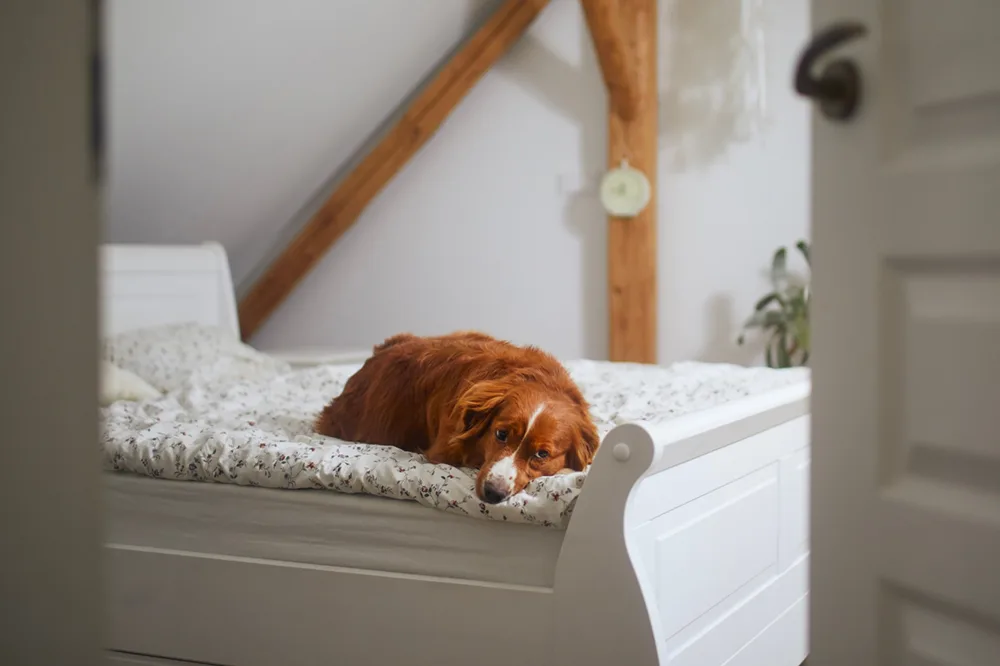
For dogs, who thrive on predictability, this inconsistency creates emotional friction.
They haven’t ‘gone backwards’ in training or temperament; they’re simply struggling to match their internal expectations with external reality.
Behaviourists are seeing more dogs who:
- follow their owners room-to-room
- can’t settle unless someone is close
- vocalise softly when left alone
- sleep more due to lack of stimulation
- lose interest quickly in toys or activities
- seem ‘clingy’ or ‘flat’ without an obvious medical cause
This cluster doesn’t fit the classic symptoms of separation anxiety, but it isn’t normal either.

LONELINESS VS SEPARATION ANXIETY: WHAT'S THE DIFFERENCE
Many owners worry as soon as their dog shows any sign of clinginess, but the two conditions are distinct.
SEPARATION ANXIETY
A panic disorder triggered by being separated from a specific person.
It involves:
- acute distress
- destructive behaviour
- intense vocalisation
- escape attempts
- physiological symptoms (drooling, pacing, panting)
LONELINESS OR EMOTIONAL UNDERSTIMULATION
A chronic low-level emotional dissatisfaction.
It looks like:
- quiet following
- difficulty self-soothing
- restlessness or inactivity
- mild vocalisations
- dependency on human presence
- a ‘flat’ or disengaged demeanour
Loneliness doesn’t present as panic; it presents as a lack of emotional saturation.
Dogs feel underfilled.
And unlike separation anxiety, loneliness often arises from a mismatch between the dog’s needs and the owner's modern lifestyle, not a disorder.

HOW TIKTOK CONFUSES REAL BEHAVIOUR WITH TRENDS
Social media has made it fashionable to label every behaviour as clinginess, trauma or ‘anxiety.’ But what you often see online are dogs reacting to:
- over-handling for cute videos
- staged ‘tests’ that intentionally confuse the dog
- owners rewarding attention-seeking inadvertently
- dogs filmed during intentionally stressful situations (e.g., fake leaving routines)
This gives owners a skewed sense of what anxiety looks like and often normalises signs of actual loneliness. Meanwhile, genuine behavioural distress is dismissed as ‘quirky’ or ‘cute,’ which delays early intervention. Dogs do not perform for TikTok; they communicate. And many are communicating a need we’re not hearing.

THE SCIENCE OF ENRICHMENT AND WHY IT MATTERS MORE NOW
A dog’s mental well-being is not sustained simply by food, water, and a daily walk.
Behaviour researchers now emphasise cognitive and emotional enrichment: activities that tap into species-specific behaviours, such as:
- sniffing
- scavenging
- problem-solving
- chewing
- exploring
- social interaction
- learning new tasks
- experiencing novelty in safe doses
Recent studies show that dogs who receive daily cognitive challenges:
- exhibit lower cortisol
- sleep better
- show fewer repetitive behaviours
- bond more securely
- cope better when alone
In other words: enrichment builds emotional resilience.
Without it, chronic under-stimulation becomes inevitable.
HOW TO GIVE YOUR DOG A RICHER EMOTIONAL LIFE
These strategies are designed to promote independence, fulfil instinctive needs, and rebuild a stable emotional baseline.
1. Predictable routines
Dogs don’t need strict schedules, but they need rhythms they can anticipate.
Regular wake-up times, feeding times, and alone-time practices lower anxiety dramatically.
2. Independent enrichment (not owner-dependent play)
Activities your dog can do alone:
- snuffle mats
- long-lasting chews
- scatter feeding
- lick mats
- puzzle feeders
- cardboard shredding boxes
- DIY scent trails
These teach dogs that good things happen without human presence.

3. Structured decompression walks
Not power walks. Not leash-marching. Let them sniff, pause, investigate, and experience sensory variety. Sniffing is one of the most powerful stress relievers for dogs.
4. Emotional variety
Dogs need:
- moments of calm
- moments of excitement
- moments of novelty
- moments of rest
- moments of social connection
A flat emotional landscape leads to a flat dog.
5. Micro-interactions that matter
Short, gentle, predictable moments of connection. For insance, a hand on the chest, a soft word or a shared pause, fill your dog’s emotional tank far more than constant stimulation.
6. Rethink ‘guilt enrichment’
Buying 20 toys after a long day isn’t enrichment. Quality interaction and cognitive opportunities matter far more than quantity.

SO… ARE MODERN DOGS LONELIER?
In many ways, yes. Not because owners care less, but because our lives have outpaced our dogs' ability to adapt. Dogs are emotionally intelligent, socially driven animals living in an increasingly distracted world. Loneliness has become the silent outcome of modern life.
The good news? Dogs are remarkably responsive to change, and small, consistent adjustments can completely transform their emotional landscape. With attention, enrichment, and empathy, loneliness is reversible. Dogs don’t need perfect owners, just owners who notice, adjust, and stay connected.
The truth about dog coats and heat
Why shaving is (usually) the wrong choice
Every summer, as South Africa heats up, vets and groomers brace for an annual wave of well-meaning owners asking the same question:
‘Should I shave my dog to help them stay cool?’
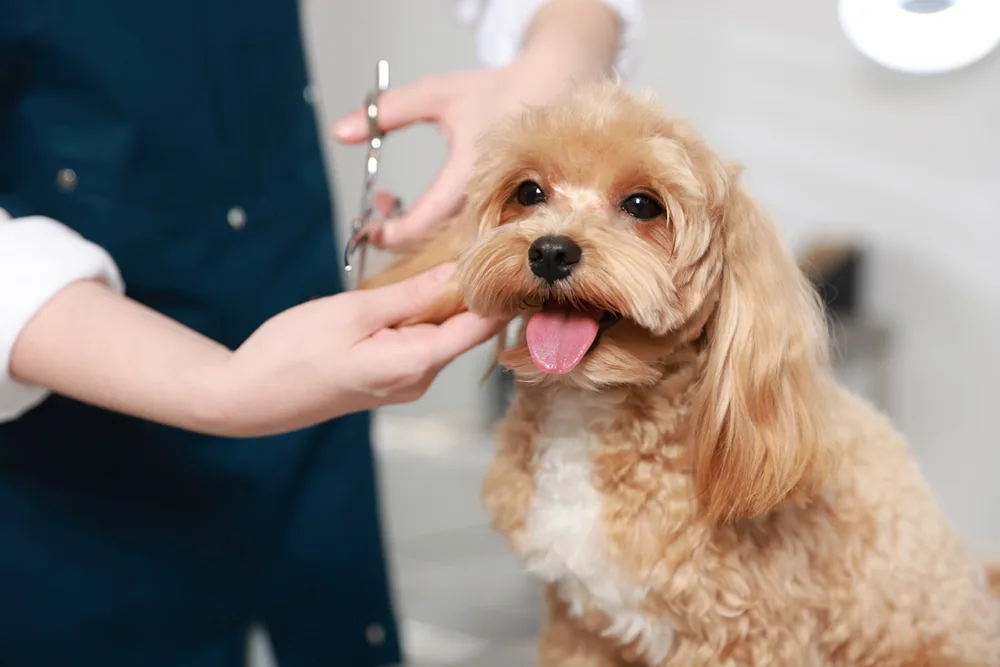
It feels logical: less hair should equal less heat. But with dogs, biology works differently. A coat isn’t just protection from cold. It’s also protection from heat, UV radiation, and skin trauma. Understanding what your dog’s coat actually does is the key to keeping them safe in summer.

DOUBLE COAT VS SINGLE COAT – WHAT'S THE DIFFERENCE?
Before deciding on grooming, you need to know which type of coat your dog has.
DOUBLE-COATED DOGS
Breeds like:
- Huskies
- Border Collies
- German Shepherds
- Golden Retrievers
- Malamutes
- Pomeranians
- Australian Shepherds
- Pekingese
These dogs have two layers:
- A dense, woolly undercoat that insulates and regulates temperature
- A protective topcoat (guard hairs) that block UV rays, repel water, and shield the skin
This system acts like high-performance climate control.
SINGLE-COATED DOGS
Breeds like:
- Poodles
- Maltese
- Yorkies
- Schnauzers
- Greyhounds
- Whippets
These coats grow continuously and don’t shed seasonally. They can be clipped and styled because they lack the insulating undercoat. The biggest mistake is treating double-coated breeds like single-coated ones.
HOW DOG COATS ACTUALLY REGULATE HEAT
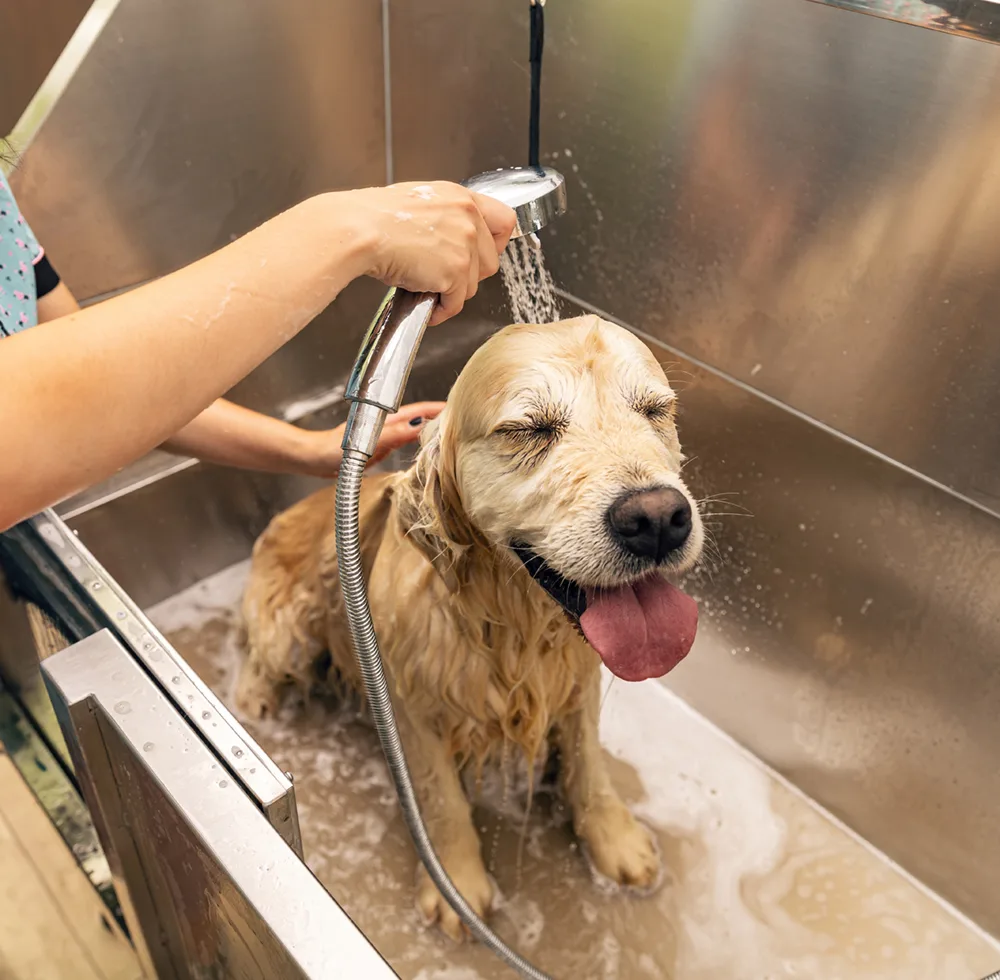
Many owners assume dogs ‘overheat’ because of their coats.
But the coat itself is not the cause - heat management failure is.
A HEALTHY DOUBLE COAT
1. Traps cool air
Just like insulation prevents heat from rushing in or out, a dog’s undercoat helps keep cooler air close to the skin in hot weather.
2. Protects from sunburn and UV damage
Shaving removes the natural barrier against UV exposure, increasing cancer and heatstroke risk.
3. Prevents heat penetration
Guard hairs deflect sunlight and reduce the thermal load on the skin.
4. Supports efficient air flow
When brushed out, a double coat allows air to flow through, helping the dog cool via panting and convection.
A properly maintained coat keeps the dog far cooler than a shaved one.

WHY SHAVING A DOUBLE COAT USUALLY CAUSES HARM
Shaving may offer quick visual relief, but biologically it creates a cascade of problems.
1. It disrupts natural temperature regulation
Without the insulating layer, heat penetrates faster, meaning shaved dogs often overheat more, not less.
2. Guard hairs may not grow back correctly
Once cut, the coat often grows back patchy, fuzzy or permanently altered. Some dogs develop ‘coat funk,’ where the coat never regains its original texture.
3. Increased risk of sunburn and skin cancer
Dogs with shaved coats are particularly vulnerable to UV damage in the South African climate.
4. Higher risk of heatstroke
Paradoxically, shaving removes their built-in heat shield.
5. The undercoat grows faster than guard hairs
This creates a thick, woolly mat that traps heat, which is the exact opposite of what the owner intended.
In short: Shaving a double coat is rarely in the dog’s best interest.

WHEN SHAVING IS APPROPRIATE
There are a few controlled, welfare-focused exceptions:
- Severe matting: Where brushing would be painful or impossible.
- Medical reasons: Wound access, skin disease treatment, diagnostic procedures.
- Geriatric dogs needing hygiene clips: Sanitary areas may be clipped for comfort.
- Certain single-coated breeds: As part of regular grooming, provided the coat structure supports it.
But even in these cases, the shave should be targeted, not full-body, and ideally carried out by a qualified groomer or vet.

SAFE, SCIENCE-BACKED ALTERNATIVES FOR HEAT MANAGEMENT
Instead of shaving, focus on coat maintenance and environmental cooling:
1. Deep brushing and undercoat removal
Regular brushing removes dead undercoat that traps heat and impedes airflow.
Tools like undercoat rakes, slicker brushes and blow-outs can transform heat tolerance.
2. Cool water misting or damp flannels
Focus on paws, belly, and armpits, where heat exchange is most efficient.
3. Hydration enrichment
Ice cubes, frozen lick mats, broth ice blocks, and cold water enrichment help regulate temperature internally.
4. Controlled exercise timing
Walk early morning or evening; avoid peak heat hours.
5. Shade and ventilation
Access to cool tiles, shaded gardens, airflow and indoor rest spaces is essential.
6. Cooling mats or vests
Designed to pull heat away without affecting coat structure.
7. Weight management
Excess weight dramatically increases heat stress risk.

SO… SHOULD YOU SHAVE YOUR DOG THIS SUMMER?
If your dog has a double coat, the answer is almost always no. Their coat is not the enemy; it’s a sophisticated piece of biological engineering designed to keep them cool and protected. Instead of clipping away their natural armour, focus on coat care, environmental cooling, and smart routine management. Your dog will stay cooler, healthier, and far more comfortable, naturally.

YOUR DOG QUESTIONS ANSWERED


‘Should I feed raw, cooked or kibble, or mix them?

All three feeding styles can support excellent health if they’re balanced, high-quality and suited to your dog’s needs. The best choice depends on your dog’s age, lifestyle, medical history and your ability to handle each feeding method safely.
RAW DIET
Pros:
• Highly palatable for most dogs
• Less processed; closer to a natural diet
• Can support good coat and dental health
• High moisture content
Cons:
• Must be perfectly balanced (calcium:phosphorus ratio, essential fatty acids, trace minerals)
• Food safety concerns: Salmonella, E. coli, Listeria
• Not recommended for immunocompromised dogs or households with high-risk humans
• Harder to control calories
COOKED /LIGHTLY COOKED DIET
Pros:
• Easier digestibility
• Lower pathogen risk than raw
• Great for sensitive stomachs
• Highly customisable
• Excellent for dogs with allergies, pancreatitis or inflammatory bowel disorders
Cons:
• Needs a veterinary nutritionist formulation to avoid nutrient gaps
• Requires prep time
• Can be more expensive
KIBBLE
Pros:
• Convenient and shelf-stable
• Easy to portion-control
• Good for puzzle/toy feeding
• Complete and balanced in some cases
Cons:
• Processing may reduce nutrient integrity
• Some dogs find it less exciting
• Quality varies dramatically between brands
CAN YOU MIX THEM?
Yes - but with caution. Many dogs thrive on a combination of:
• Kibble and fresh toppers
• Kibble and cooked
• Raw and cooked rotations (not in the same bowl)
Avoid mixing raw and kibble in the same meal if your dog has gut sensitivity, because the different digestion speeds can cause upset in some dogs.
THE BOTTOM LINE
There is no single ‘best’ diet for all dogs.
What matters is:
• Nutritional balance
• Digestive tolerance
• Safety
• Your dog’s individual needs
If you’re unsure, a veterinary nutrition consult is ideal.

My dog looks stiff after resting; is it arthritis?
Stiffness after rest, especially when rising from sleep, is one of the earliest and most common signs of canine osteoarthritis, particularly in middle-aged and senior dogs.
SIGNS SUGGESTING ARTHRITIS
• Slow to stand after lying down
• Hesitation on stairs or jumping into cars
• ‘Bunny hopping’ or altered gait
• Less interest in long walks
• Stiffness that improves as they ‘warm up’
• Irritability when touched over hips, back or elbows
OTHER CONDITIONS THAR MIMIC ARTHRITIS
• Muscle strain
• Cruciate ligament disease
• Neurological weakness
• Hip or elbow dysplasia
• Lyme disease or immune-mediated joint disease
A vet exam and possibly X-rays are the best way to confirm.
WHAT YOU CAN DO NOW
• Weight control: the number one proven treatment
• Joint supplements: omega-3s, glucosamine, chondroitin, green-lipped mussel
• Supportive surfaces: soft bedding, non-slip flooring
• Controlled exercise: regular, gentle walks; avoid stop-start chasing
• Physiotherapy and conditioning to maintain muscle
• Pain medication if needed (modern arthritis meds are safe and life-changing)
WHEN TO WORRY
If stiffness turns into lameness, crying, dragging toes, or refusal to move, seek urgent veterinary care.

Why does my dog suddenly lick the floor?
Sudden, repetitive floor-licking in dogs is more than a quirky habit; it’s a behaviour known as Excessive Licking of Surfaces (ELS), and it usually signals an underlying issue rather than boredom or defiance.
1. GASTROINTESTINAL DISCOMFORT
Research from veterinary behaviourists has shown that most cases of ELS are linked to gut problems. These may include:
• Acid reflux
• Nausea
• Gastritis
• Pancreatic irritation
• Food intolerances
A dog experiencing nausea may lick the floor, carpets, furniture or even the air in an attempt to soothe the sensation.
What to look for: gulping, lip-licking, drooling, grass eating, restlessness after meals.
2. PAIN OR DISCOMFORT
Dogs sometimes lick the floor when they’re uncomfortable and seeking distraction. Musculoskeletal pain - especially back or abdominal discomfort - can trigger unusual self-soothing behaviours.
3. ANXIETY OR COMPULSION
Stress, sudden changes in household routine, or noise sensitivities can trigger compulsive licking. If your dog licks floors during thunderstorms, fireworks or when left alone, anxiety may be the root cause.
4. HUNGER OR NUTRIENT DEFICIENCY
Some dogs lick floors excessively when:
• They’re very hungry
• They’re on low-calorie diets
• They have deficiencies affecting appetite or nausea
5. SOMETHING SPILLED THERE
Sometimes the simplest explanation is true - a scent, residue or spilled food can prompt intense licking.
WHEN TO SEE THE VET
If the behaviour is new, intense, repetitive, or accompanied by vomiting, diarrhoea, inappetence or restlessness, a vet check is essential. Treating the underlying problem often stops the floor-licking completely.
What’s the difference between allergies and intolerances?
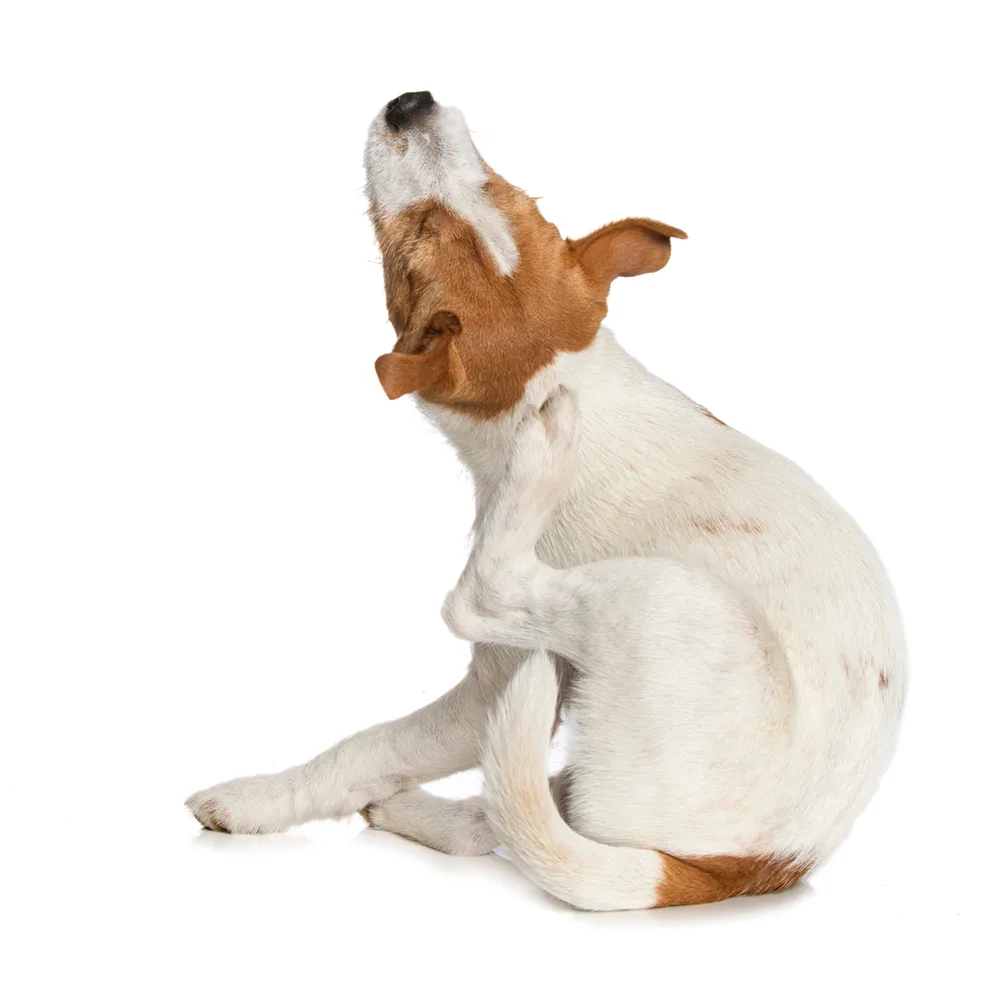
Although both cause unpleasant symptoms, allergies and intolerances are completely different biological processes, and understanding the distinction is key to treating them correctly.
ALLERGIES
Allergies are an immune system immune system problem.
A true allergy is an inappropriate immune reaction to something harmless (like chicken or pollen). The immune system triggers inflammation, histamine release and itching.
Signs of dog allergies:
• Itchy paws, face, ears
• Ear infections
• Red skin, rashes, hot spots
• Sneezing (less common)
• Secondary yeast or bacterial infections
Types of allergies:
• Environmental: pollen, grasses, dust mites (most common)
• Food allergies: usually proteins (chicken, beef, dairy, eggs)
• Flea allergy: severe reaction to flea saliva
INTOLERANCES
Intolerances, on the other hand, are a digestive problem.
An intolerance does not involve the immune system. Instead, the gut struggles to process a food, leading to digestive signs.
Signs of intolerances:
• Gas
• Soft stools
• Diarrhoea
• Vomiting
• Bloating
• Rumbling stomach
TESTING AND DIAGNOSIS
• Allergies > often require elimination diets, dermatology consults or blood tests
• Intolerances > managed with dietary changes, fibre adjustments and gut support
THE KEY TAKEAWAY
Both can occur together, but:
• Allergies = itchy skin
• Intolerances = upset stomach
Knowing which one you’re dealing with prevents months of frustration and discomfort for your dog.

How do I safely socialise a nervous dog?
Socialisation isn’t about exposing your dog to everything; it’s about teaching them to feel safe and confident around the world. For a nervous dog, slow, controlled, confidence-building experiences are essential.
1. START WITH DISTANCE AND SAFETY
Your dog should always be far enough away from the trigger to stay below their fear threshold. That means:
• No trembling
• No cowering
• No hiding
• No barking or lunging
• No pinned ears or tucked tail
If they are showing these signs, you're too close.
2. PAIR EXPOSURE WITH SOMETHING POSITIVE
Use treats, play or calm praise as your dog observes the world from a comfortable distance. This forms positive associations.
3. AVOID FORCED INTERACTIONS
Never:
• Push them toward people or dogs
• Let strangers pet a fearful dog
• ‘Flood’ them with busy environments
Forced contact teaches them that humans ignore their boundaries.
4. CHOOSE CALM CANINE ROLE MODELS
A steady, well-socialised dog can help a nervous one learn by imitation. Avoid highly excitable or pushy dogs.
5. KEEP SESSIONS SHORT
Five to ten-minute sessions are ideal. Stop before your dog becomes overwhelmed.
6. WORK WITH A QUALIFIED BEHAVIOURIST
Especially one with experience in fear-based behaviour and positive reinforcement training.
7. CELEBRATE SMALL WINS
A tail lift, quicker recovery time, interest in sniffing, or calm watching are all signs of progress.
THE GOAL
Not a dog who ‘loves everyone’, but a dog who feels safe, predictable, and supported enough to navigate the world with confidence.

Products we love
Shopping fun

PaleoPet Pure 100% Green Beef Tripe for Dogs
Humans may find tripe to be somewhat of an acquired taste (and smell), but dogs absolutely love it! Our tripe has been thoroughly washed and cleaned for you, while retaining all the nutrition of unbleached tripe. It’s easy to serve and store and has so many health benefits for adult and senior dogs especially.
Tripe is rich in trace minerals, while moderate in protein and fat. It is a great complementary raw food addition to a diet for dogs who may struggle with constipation or need foods that are easier to digest. Tripe doesn’t contain any bone, but still maintains a perfect calcium phosphorus balance, which is rare for animal protein without bone content.
Tripe can be used as a basis for a ketogenic diet for dogs with cancer or epilepsy where one should feed low to no carbohydrate, moderate protein, and high fat. Tripe can also entice dogs who may not feel all that well and are reticent to eat.
Our 100% Green Beef Tripe (and nothing else) is made from the best quality local beef with no preservatives, colourants, or artificial flavourants.
The PaleoPet Pure range is FSA Food Safety certified and DALRRD registered. Also available in convenient, pre-frozen 1.5 Kg and 750g tubs or as a box of 12 individually wrapped 100g Patties. The tubs are re-usable, recyclable, and PBA-free.
Products can be purchased online at www.paleopetpure.com and delivered to your door or bought at selected retailers.
follow us on Instagram @dogquarterlymag and Facebook dqmagazine
stay tuned for the next issue of


