SOUTH AFRICA'S PREMIER DOG MAGAZINE
DIGITAL ISSUE 14B | 2025


Welcome to DQ Magazine
This edition of DQ explores the quiet complexities of canine health, physical, mental, and emotional.
We look at how depression can manifest in dogs and what it tells us about their emotional worlds and why gastrointestinal health matters more than ever in understanding enteropathies.
You’ll also find a balanced look at the rise of fish-based diets – are they the next frontier in nutrition, or clever marketing? – and a feature on green-lipped mussels, one of nature’s most intriguing anti-inflammatory ingredients. Finally, we explore a modern challenge many owners face: the overstimulated dog, and why calmness matters more than excitement in training and daily life.
At its heart, this issue is about awareness – learning to listen more closely to what our dogs’ bodies and behaviour are really telling us.
We hope you enjoy it!
Lizzie and
the DQ team xxx
Dr Lizzie Harrison | Editor
Designer | Mauray Wolff
DIGITAL ISSUE 14C | 2025
CONTENTS
Low mood
Understanding depression in dogs
The rise of chronic pain in dogs
Are we missing the signs?
Understanding enteropathies in dogs
When a dog’s gut goes wrong, it can affect far more than digestion.
Intriguing ingredients
Green-lipped mussels
Are fish-based diets the next trend
Or just clever marketing?
The overstimulated dog
Why busy isn’t always better
Ask DQ
Your questions answered
Products we love
Shopping


LOW MOOD
understanding depression in dogs
Dogs are celebrated for their joy - their enthusiasm for a walk, a meal, or simply our company. So when that spark fades, it’s unsettling. A dog who once bounced to the door may now stay in bed. A wag that once greeted every human might slow to a half-hearted thump. Could it be depression? And if so, what does that really mean for a species so emotionally intertwined with our own?

CAN DOGS TRULY GET DEPRESSED?
The short answer is yes - sort of. Dogs don’t experience depression in quite the same complex cognitive way humans do, but they do experience low mood and anhedonia - the loss of interest or pleasure in things they previously enjoyed.
Veterinary behaviourists often describe canine depression as a cluster of symptoms: withdrawal, reduced play, changes in appetite or sleep, and altered social behaviour. These changes reflect shifts in the brain’s neurochemistry - particularly involving serotonin, dopamine, and cortisol, the same chemicals linked to human mood disorders.
In other words, while your dog may not be pondering existential questions, their emotional state can still fall into imbalance.
WHAT CAUSES IT?
Canine depression usually develops secondary to life changes, chronic stress, or illness. The most common triggers include:
- Loss or separation – the death of a companion (human or animal) or prolonged absence.
- Change in environment – moving house, routine disruption, or a new baby or pet.
- Owner stress – dogs mirror our emotions; high household tension can affect their behaviour and cortisol levels.
- Illness or pain – physical discomfort often presents as emotional withdrawal.
- Boredom and under-stimulation – long periods of inactivity can deplete the dopamine system that drives motivation and joy.
WHAT IT LOOKS LIKE
The signs of depression are subtle at first. You might notice:
- A quieter or less social dog.
- Less enthusiasm for play or walks.
Sleeping more than usual. - Loss of appetite or slow eating.
- Changes in posture – head low, tail down, little movement.
- Increased clinginess or detachment.
- Reduced curiosity about surroundings.
Some dogs also regress in training, while others may start to lick or chew themselves obsessively. These can overlap with signs of pain or other health conditions, so a veterinary exam is always the first step before assuming emotional causes.

DIAGNOSIS AND THE BODY-MIND CONNECTION
Because dogs can’t describe their feelings, diagnosing depression is a process of exclusion and observation.
Veterinarians first rule out conditions like thyroid disease, arthritis, digestive pain or neurological issues. If physical causes are cleared, a behavioural history helps identify emotional triggers. This will include when the changes began, what life events occurred, and how the dog’s relationships or environment have shifted.
Research also shows that chronic stress changes the body itself. Prolonged high cortisol levels can dull the immune system, alter gut bacteria, and impair serotonin production, reinforcing a cycle of lethargy and low mood.

HOW TO HELP A LOW-MOOD DOG
1. Restore routine
Dogs find safety in predictability. Mealtimes, walks, and sleep schedules should remain stable, even if enthusiasm is low.
2. Encourage gentle engagement
Don’t overwhelm your dog with activity, but offer opportunities for success - short sniffing walks, puzzle feeders, soft social contact. These small wins reignite dopamine release.
3. Increase social contact
If your dog has lost a companion, try short, positive interactions with other friendly dogs or new environments that aren’t overstimulating.
4. Mirror calm
Dogs are emotional barometers. Speaking softly, keeping routines steady and managing your own stress help your dog’s system rebalance.
5. Consider professional help
For prolonged or severe depression, a veterinary behaviourist may suggest targeted behaviour modification, pheromone therapy, or, in some cases, medication to stabilise serotonin and restore engagement.

WHEN THE LIGHT RETURNS
Recovery is usually gradual and occurs as a reawakening rather than like a switch being flicked. The first signs of improvement might be a brighter eye, a renewed interest in food, or a tentative tail wag.
For many dogs, depression is temporary once underlying issues are addressed. But for those with chronic pain, loss or trauma, it may require ongoing management and patience.
The key is recognition. Depression isn’t defiance or laziness; it’s communication. And when we notice, adjust, and support, most dogs find their way back to joy.
FINAL THOUGHTS
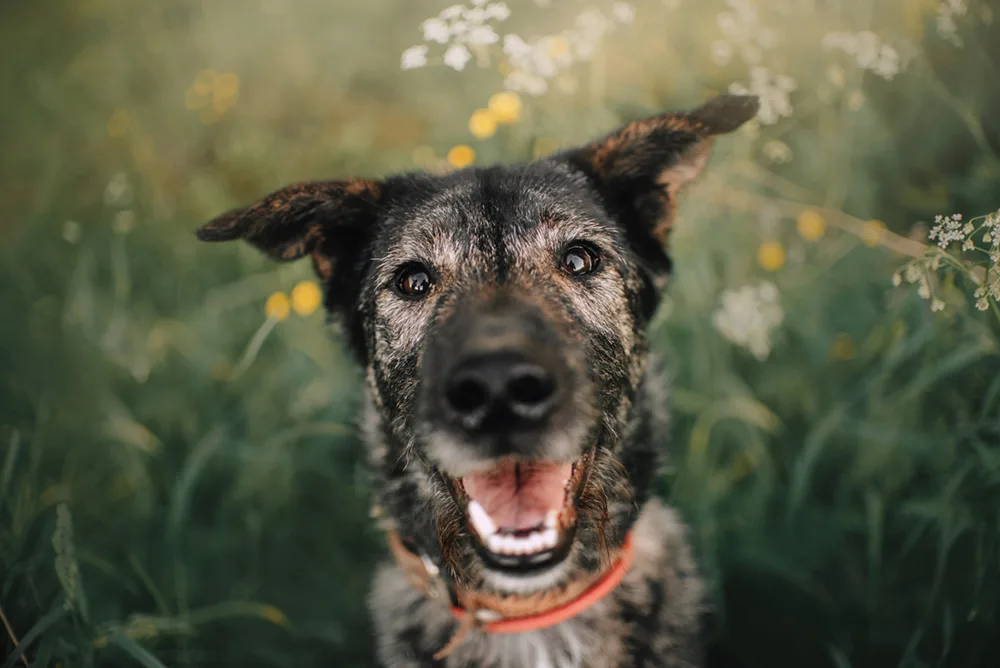
Depression in dogs isn’t an abstract concept. It’s a physiological, emotional and social reality for lots of dogs. Caring for their mental health isn’t indulgent; it’s part of good welfare.
The rise of
CHRONIC
PAIN IN DOGS
Are we missing the signs?
EARLY WARNING SIGNS
One of the greatest challenges is that cancer can look like many other, less serious conditions. Owners should always investigate:
- new lumps or bumps, or changes in existing ones
- unexplained weight loss or loss of appetite
- persistent lameness or swelling of a limb
- lethargy, weakness, or collapse
- wounds or sores that don’t heal
- changes in the mouth, such as pigmented patches, bleeding, or bad odour
- bloated abdomen
- sudden weakness
Pain in dogs doesn’t always look like pain. There’s rarely limping, yelping, or obvious injury. More often, chronic pain whispers rather than shouts, showing up as restlessness, irritability, reluctance, or a quiet withdrawal that’s easy to misread as just getting older.’
Vets and behaviourists are increasingly concerned that chronic pain is one of the most under-recognised welfare issues in companion dogs today. And when left undiagnosed, it can lead to what many owners interpret as ‘bad behaviour’ or ‘withdrawal’.

MUCH MORE COMMON THAN WE THINK
Recent studies estimate that up to 40% of dogs over the age of seven experience some degree of chronic pain - most commonly due to arthritis, muscle tension, or spinal discomfort. But even younger dogs can be affected through undiagnosed injuries, poor biomechanics, or conditions like hip dysplasia and dental disease.
Because dogs adapt so well, they often learn to live with ongoing discomfort. Their brains release endorphins to help them cope, masking the signs for months or even years. Over time, though, that pain subtly alters the way they move, sleep, and react to the world.

WHEN BEHAVIOUR TELLS THE STORY
Many behaviour changes we label as training issues may actually be pain issues in disguise. A dog who growls when being brushed, refuses to jump into the car, or hesitates before climbing stairs may not be ‘stubborn’ but uncomfortable.
Here are some common behavioural red flags linked to underlying pain:
- Avoiding touch or suddenly flinching when stroked
- Growling, snapping, or showing irritability during handling
- Reluctance to play, jump, or perform known commands
- Restlessness or frequent position changes while lying down
- Changes in posture, such as arched backs or tucked tails
- Excessive licking of a specific area (even when the skin looks normal)
- Withdrawal or loss of enthusiasm for walks
If these changes appear gradually, owners often assume it’s ageing or mood. In reality, it’s often the dog’s only way to communicate that something hurts.

THE LINK BETWEEN PAIN AND BEHAVIOUR
Chronic pain doesn’t just affect the body; it changes the brain.
Persistent discomfort keeps stress hormones like cortisol elevated, which in turn lowers a dog’s threshold for frustration or fear. A previously calm, social dog might begin reacting aggressively to other dogs or appear anxious in situations they once enjoyed.
Pain can also erode the bond between dog and human. When a dog’s body hurts, they may start avoiding interaction altogether, spending more and more time alone.
Addressing the pain early doesn’t just relieve suffering: it can restore confidence, rebuild trust, and prevent behavioural spirals that later require complex training interventions.

FINDING THE ANSWER
If you suspect pain, your vet is the first stop, but don’t be afraid to seek a thorough, whole-body assessment rather than a quick check-up. Mention any subtle behavioural shifts you’ve noticed; these clues are invaluable and, ultimately, you know your dog best.
Diagnostic imaging, mobility scoring, and manual palpation can reveal pain that isn’t obvious externally. Some owners also benefit from referral to veterinary physiotherapists, hydrotherapists, or canine chiropractors for a full musculoskeletal review.
For long-term management, your vet may recommend:
- Anti-inflammatory or pain-modulating medication
- Weight optimisation and joint supplements
- Controlled exercise and hydrotherapy
- Bodywork or massage to release tension
- Acupuncture or laser therapy for chronic cases

SMALL CHANGES HAVE A BIG IMPACT
You can make your dog’s world easier - and kinder - starting today:
- Swap slippery floors for rugs or mats.
- Use ramps to avoid jumping into cars or up onto couches.
- Keep exercise gentle and consistent rather than high-impact.
- Provide orthopaedic bedding and a warm, dry sleeping area.
- Regularly review the fit of harnesses.
Even small environmental changes can dramatically reduce strain and improve comfort.

FINAL THOUGHTS
Living with dogs teaches us that behaviour is communication. When a once-bubbly companion becomes grumpy, hesitant, or withdrawn, it isn’t defiance; it’s a sign we need to pay attention to. By learning to interpret these quieter signals, we can offer earlier relief, prevent frustration-driven aggression, and, most importantly, give our dogs the comfort and dignity they deserve.

Understanding enteropathies in dogs
When a dog’s gut goes wrong, it can affect far more than digestion.
The term enteropathy simply means ‘disease of the intestine.’ In dogs, it refers to a group of conditions that cause chronic inflammation or dysfunction of the small or large intestines. These disorders interfere with nutrient absorption, disrupt the gut microbiome, and often result in long-term digestive upset.
Veterinary specialists typically classify enteropathies according to how they respond to treatment:
- food-responsive enteropathy (FRE)
- antibiotic-responsive enteropathy (ARE)
- steroid-responsive enteropathy (SRE), also known as inflammatory bowel disease (IBD)
Although their causes and severity differ, these conditions can look very similar at first glance - chronic diarrhoea, vomiting, weight loss, or a dull coat are all possible signs.

WHEN IT ISN'T JUST A 'SENSITIVE STOMACH'
Many dogs experience occasional digestive upset, often related to scavenging or dietary changes. However, if loose stools, flatulence, or reduced appetite persist for more than three weeks, an underlying enteropathy should be suspected.
Affected dogs may:
- lose weight despite eating well
- have frequent or urgent bowel movements
- pass mucus-covered or soft stools
- appear uncomfortable after meals
- become lethargic or ‘off’ in behaviour
Chronic inflammation of the intestinal lining prevents proper digestion and absorption, so even nutrient-rich diets can leave dogs malnourished.

THE ROLE OF THE IMMUNE SYSTEM AND MICROBIOME
Most canine enteropathies are immune-mediated, meaning the dog’s immune system overreacts to normal gut contents such as bacteria or food proteins. This response damages the intestinal wall, allowing more antigens to pass through and perpetuating inflammation.
Research has also shown that dogs with chronic enteropathies have dysbiosis, or an imbalance in their intestinal bacteria. Beneficial microbes are reduced, while inflammatory species increase. The result is a vicious cycle: inflammation alters the microbiome, and the altered microbiome fuels further inflammation.
DIAGNOSING CHRONIC ENTEROPATHY
Because symptoms overlap with many other disorders, diagnosis involves ruling out parasites, infections, pancreatic disease, and metabolic issues. Veterinarians may perform:
- faecal testing for parasites and pathogens
- bloodwork to assess protein levels and inflammation
- imaging such as ultrasound
- endoscopic or surgical biopsies, which remain the gold standard for confirming intestinal inflammation
Once other causes are excluded, treatment trials help determine which category of enteropathy a dog has.
TREATMENT OPTIONS
1. Dietary management
A strict elimination diet, using a novel protein (such as venison or duck) or a hydrolysed diet, is commonly the first step. Dogs that improve within two to four weeks are considered to have food-responsive enteropathy. Long-term dietary management usually keeps these dogs healthy.
2. Antibiotic therapy
If diet alone doesn’t help, a course of antibiotics such as tylosin or metronidazole may be tried to modify the gut microbiome. Some dogs respond dramatically, although routine use is now approached with caution due to concerns about antimicrobial resistance.
3. Immunosuppressive therapy
For dogs that fail to respond to diet or antibiotics, corticosteroids (prednisolone, budesonide) or other immunosuppressants are used to reduce inflammation and control immune-mediated damage. This form, steroid-responsive enteropathy, closely mirrors human inflammatory bowel disease.
4. Supportive care
Probiotics, prebiotics, omega-3 fatty acids, and vitamin supplementation may all aid recovery by restoring microbial balance and reducing intestinal inflammation.

LIVING WITH A DOG WITH CHRONIC ENTEROPATHY
Management can be lifelong. Owners play a key role in:
- maintaining consistent feeding routines
- avoiding treats or scraps that may trigger relapse
- monitoring stool quality and weight
- working closely with their vet to adjust therapy when needed
Stress reduction, regular exercise, and enrichment also help support gut health via the gut–brain axis, now recognised as an important factor in chronic digestive disorders.

THE BIGGER PICTURE
Canine enteropathies remind us that the gut is not an isolated system; it influences immunity, skin health, mood, and even behaviour. Advances in microbiome research are offering new hope, from tailored probiotics to faecal microbiota transplantation, though these remain specialist treatments for now.
Early recognition and a science-based approach give affected dogs an excellent quality of life. Behind every chronic tummy issue may be a complex interplay of diet, bacteria, and immune function, but with patience and veterinary support, balance can be restored.

References:
1. Jergens, A.E. et al. (2019). Chronic enteropathies in dogs: Advances in understanding pathogenesis and management. Journal of Veterinary Internal Medicine.
2. Allenspach, K. (2020). Canine chronic enteropathies – diagnostic and therapeutic update. Veterinary Clinics: Small Animal Practice.
3. Redfern, R.E. et al. (2023). Microbiome modulation in canine inflammatory bowel disease: current insights. Frontiers in Veterinary Science.
Intriguing ingredients
Green-lipped mussels
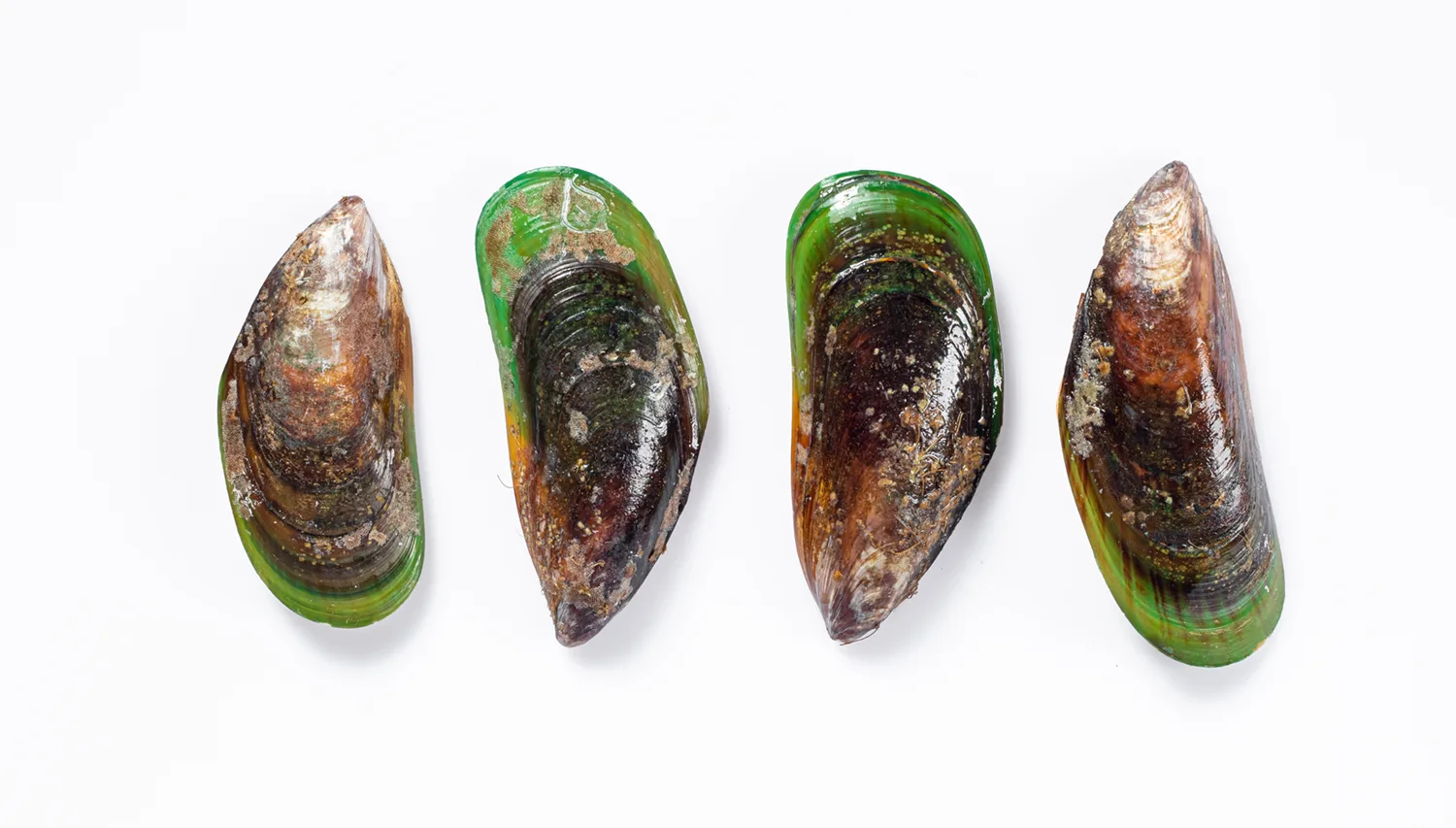
Green-lipped mussels (Perna canaliculus) might sound like an exotic fad, but in canine nutrition, they’ve quietly built a strong scientific reputation, particularly for joint health. Native to the pristine waters around New Zealand, these shellfish contain a unique blend of omega-3 fatty acids, amino acids, antioxidants and glycosaminoglycans that make them more than just another fish-oil supplement.

THE SCIENCE BENEATH THE SHELL
Unlike standard marine oils, green-lipped mussels contain a rare omega-3 known as eicosatetraenoic acid (ETA). ETA helps to block key enzymes involved in inflammation, such as COX and LOX, and can dampen the cascade of inflammatory signals that lead to joint pain and swelling.
They also provide EPA and DHA, the same fatty acids found in fish oil, but the presence of ETA gives green-lipped mussels a broader anti-inflammatory profile.
In addition, the mussels are naturally rich in glycosaminoglycans - the building blocks of cartilage - as well as chondroitin sulphate and hyaluronic acid, which help maintain the cushioning and fluid balance inside joints. This dual action - reducing inflammation and supporting repair - is what sets them apart.
WHAT THE RESSEARCH SAYS
Multiple studies in both dogs and humans suggest that green-lipped mussel extract can reduce joint stiffness, improve mobility, and decrease pain scores in cases of osteoarthritis. Results vary with the product and dosage used, but many dogs show measurable improvements within six to eight weeks.
Interestingly, the extract also appears to benefit skin and coat health, likely through its omega-3 content and antioxidant action, making it a useful addition for dogs with chronic inflammatory skin issues.

WHEN TO CONSIDER THEM
Green-lipped mussels are often recommended for:
- Dogs with early signs of osteoarthritis or joint wear
- Senior dogs whose mobility is starting to decline
- Working or sporting dogs under high physical strain
- Dogs recovering from orthopaedic injury or surgery
They can be fed as a powder, capsule or chew, often as part of a joint supplement formula. For most dogs, green-lipped mussel extract is safe and well-tolerated, but because it’s a shellfish derivative, owners should use caution in dogs with seafood allergies.
HOW COMMON ARE SEAFOOD ALLERGIES IN DOGS?
- Overall, food allergies in dogs are rare: a large veterinary overview found that only about 0.2% of dogs were affected by true food allergies.
- Specifically for fish/seafood: studies suggest only a small percentage of dogs with food allergy issues react to fish. For example, one Japanese study found ~1.3% of dogs with food allergy/intolerance reacted to fish in one sample of 297 dogs.
- Another resource says fish allergies in dogs are ‘rare, but can happen.’
So seafood allergies do exist, but in reality are extremely rare. The most common allergens in dogs tend to be proteins like beef, chicken, dairy, and eggs.
CHOOSING THE RIGHT SUPPLEMENT?
Look for products that specify the amount of active extract per dose, not just ‘contains green-lipped mussel.’ A standard effective amount ranges from 200–500 mg of extract per 10 kg body weight, though this varies between formulations. Cold-processed or freeze-dried products tend to retain more active compounds than heat-treated versions.

THE BOTTOM LINE
Green-lipped mussels are more than just another wellness trend for dogs; they represent one of the best examples of a naturally derived, evidence-based joint support for dogs. They won’t replace veterinary treatment, but as part of a multimodal approach to joint health, they can make a real difference in comfort and quality of life.

ARE FISH-BASED DIETS THE NEXT TREND
Or just clever marketing?
Walk down any pet food aisle and you’ll notice it: more and more bags and tins boasting ‘salmon,’ ‘whitefish,’ or ‘ocean blend.’ Fish-based diets are being hailed as the new superfood for dogs - promising glossy coats, better joints, and high-quality protein. But are these diets genuinely superior, or are we seeing another wave of clever marketing dressed in omega-rich packaging?

THE CASE FOR FISH
Fish can be an excellent protein source for dogs. It’s rich in omega-3 fatty acids, particularly EPA and DHA, which help reduce inflammation, support brain function, and maintain healthy skin and joints.
For dogs with joint disease or inflammatory skin conditions, these fatty acids can make a real difference. Studies show they can reduce itching, improve coat quality, and even help manage arthritis symptoms.
Fish protein is also highly digestible and naturally lean, making it suitable for dogs with sensitive stomachs or those who need a lower-fat diet. And because certain fish proteins (like salmon or whitefish) are novel to many dogs, they’re often recommended in elimination diets for dogs with suspected food allergies.
So far, so good.

SUSTAINABILITY
But behind the health claims lurks a tougher question: how sustainable is our enthusiasm for fish?
While many brands use by-products from the human fishing industry (like fish trimmings or heads), others rely on wild-caught fish or farmed salmon. These sources raise environmental concerns - from overfishing to the ecological impact of intensive aquaculture.
The World Wildlife Fund and other sustainability advocates warn that fishmeal production contributes to the depletion of small ‘forage fish’ species, which are vital to marine ecosystems. Farmed fish, meanwhile, can pose challenges related to antibiotic use, waste, and escape into wild populations.
For truly eco-conscious dog owners, it’s important to check whether your brand is sourcing certified sustainable fish, such as those approved by the Marine Stewardship Council (MSC) or Aquaculture Stewardship Council (ASC).
Alternatively, some brands are now turning to algae-based omega-3 oils, which deliver the same benefits without the environmental cost of fishing.
HEALTH AND ALLERGY BALANCE
Despite the marketing glow, fish isn’t a magic ingredient, and it’s not risk-free.
For one, while fish allergies are uncommon in dogs, they do exist. As fish becomes more common in pet foods, it’s likely to appear in more cases of canine food allergy, simply because exposure increases risk.
Another issue is contaminant load. Certain fish species can accumulate heavy metals, such as mercury, and environmental pollutants, such as PCBs and dioxins. Commercial dog foods usually test within safe limits, but owners who feed homemade or raw fish diets need to be especially careful about sourcing and variety.
And not all fish are created equal. Salmon and sardines, for example, are high in omega-3s and low in mercury, while large predatory fish (like tuna or swordfish) should generally be avoided.

MARKETING AND MEANINGFUL PROGRESS
The surge in fish-based diets reflects a broader shift in how we think about functional feeding, using food to support specific health outcomes rather than just meet nutritional needs. That’s a good thing. But some of the hype is undeniably marketing.
Adding ‘with salmon’ to a kibble that contains 4% fish may not offer measurable health benefits, yet it can create a perception of premium quality. What matters most is the formulation, not the flavour.
A high-quality fish-based diet should:
- Name its protein sources clearly (‘salmon,’ ‘whitefish’) rather than ‘fish meal.’
- Include a balanced omega-3 to omega-6 ratio.
- Be tested for heavy metals and toxins.
- Come from verifiably sustainable sources.
If those boxes aren’t ticked, the health halo around ‘fish’ becomes more style than substance.

SO SHOULD YOU SWITCH?
For dogs with skin issues, inflammatory conditions, or food sensitivities, a fish-based diet can be genuinely beneficial. But for healthy dogs already thriving on a balanced food, there’s no evidence they need fish over other protein sources.
The best choice - as always - depends on the individual dog, the quality of the formulation, and the values of the owner.
If you do switch, do it gradually, and watch your dog’s coat, energy, and digestion closely. The best diet is one that’s nutritionally complete, sustainably sourced, and makes your dog feel great.

IN SUMMARY
Fish-based diets can be both a science-backed option and a marketing trend, depending on how thoughtfully they’re made and chosen. The real challenge for the modern dog owner isn’t deciding whether fish is good; it’s deciding which fish, from where, and for whom.
THE
OVERSTIMULATED DOG
Why busy isn’t always better
We live in an age of activity. Our dogs go to daycare, agility, scent work, beach runs, and park playdates. Social media tells us to ‘enrich more,’ ‘train daily,’ and ‘burn off energy.’ Yet, beneath the overload of advice, many modern dogs are quietly exhausted - not from too little exercise, but from too much stimulation.
Overstimulation isn’t about doing too much physically; it’s about asking the nervous system to stay switched on for too long. And just like people, dogs who never truly rest can begin to show anxiety, reactivity, and unpredictable behaviour, which often gets mislabelled as ‘bad manners’ or ‘training failure.’
THE NEUROSCIENCE OF CALM
At its simplest, a dog’s nervous system operates between two modes: arousal (the ‘on’ state, preparing for action) and rest-and-digest (the recovery state, where the body repairs and the brain processes information).
Many modern routines keep dogs in near-constant arousal: from early-morning ball throws to high-intensity play and fast-paced obedience work. Each activity releases adrenaline and dopamine, powerful chemicals that make the dog feel good in the moment but can leave them unable to self-regulate afterwards.
Over time, dogs who live in that high-arousal loop can lose the ability to settle; they may pace, bark, or demand constant attention. What looks like endless energy is often a stress response, not joy.
Just as human athletes build rest days into their schedules, dogs need space for their bodies and minds to come back into balance.

EXCITEMENT ≠ HAPPINESS
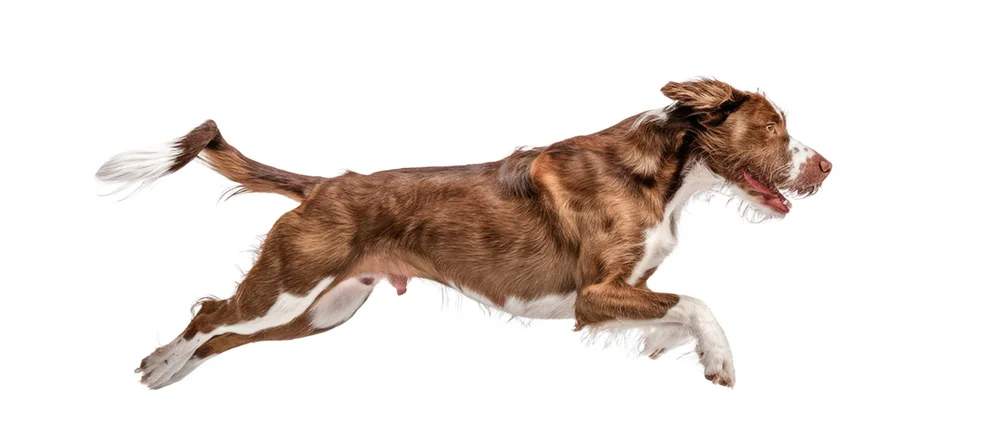
We often confuse excitement with happiness with a wagging tail, a bark, or zoomies seeming like joy. However, arousal and joy are not the same thing.
A calm dog is not a bored dog. In fact, a calm dog is one who feels safe enough to rest, to observe, and to simply be. True wellbeing isn’t measured by how fast a dog runs or how many toys they have; it’s measured by their ability to relax, nap, and recover between bursts of activity.
REST BUILDS LEARNING
Calmness isn’t just good for behaviour; it’s essential for learning. When a dog is overstimulated, the part of their brain responsible for decision-making and memory (the prefrontal cortex) effectively switches off. They can’t process new information or respond thoughtfully.
Rest and sleep, on the other hand, consolidate learning. During deep rest, the brain literally reorganises and stores the day’s experiences. Dogs who sleep well and enjoy structured downtime are more responsive in training, quicker to learn new skills, and less likely to show frustration or fear-based reactions.
So when you build ‘training time’ into your dog’s routine, remember: rest is part of that training too.
The art of doing less
Helping a dog learn to be calm isn’t about deprivation; it’s about teaching regulation. Here are a few gentle ways to begin:
1. Slow your walks
Allow sniffing, pausing, and exploring. Sniffing lowers heart rate and releases calming neurochemicals; it’s the dog’s version of mindfulness.
2. Replace ‘burning energy’ with ‘using the brain’
Low-arousal enrichment (lick mats, scatter feeding, scent puzzles) encourages focus without the adrenaline spikes.
3. Create a safe space
A consistent resting area, ideally in a quiet part of the home, helps the nervous system associate that spot with calmness.
4. Encourage decompression days
Every few days, skip the high-energy playdates or agility class. Go for a slow sniff walk, cuddle, or simply stay home.
5. Model calmness yourself
Dogs mirror our energy. Soft tones, slow movements, and predictable routines help them settle more easily.

BEHAVIOUR PROBLEMS OR BURNOUT
Many common ‘problem behaviours’ - barking, leash reactivity, overexcitement, attention-seeking - are symptoms of emotional overload, not disobedience. When we meet these behaviours with more activity (‘He just needs to get it out of his system’), we often feed the very stress we’re trying to relieve.
The solution is counterintuitive: less stimulation, more structure, and permission to rest.
When dogs learn to decompress, they become more resilient and adaptable.
CALM AS AN ACT OF CARE
The best gift we can give our dogs isn’t constant excitement; it’s emotional balance. Rest is where trust grows. It’s where the nervous system learns safety.
So the next time you feel pressure to do more with your dog - more enrichment, more training, more outings - pause and ask: does my dog really need this, or do they need quiet?
Sometimes it’s okay to do nothing at all!

YOUR DOG QUESTIONS ANSWERED


Why does my dog lick his paws?

Paw licking is one of the most common canine habits, and one of the easiest to misinterpret. Occasional licking is perfectly normal; it’s how dogs groom and soothe themselves. But when it becomes excessive, persistent, or focused on one paw, it’s a sign that something’s not right.
The causes range from allergies (to grass, pollen, food, or dust mites) to skin infections, foreign bodies like grass seeds, or even joint pain. Chronic licking can create what’s known as a lick granuloma, which is a sore spot that becomes self-perpetuating because the act of licking releases endorphins, giving temporary relief while worsening the irritation.
If your dog is licking daily, check for redness, swelling, or smell between the toes, and talk to your vet. Identifying the underlying trigger, whether it’s environmental, dietary, or pain-related, is key. As with most things, you don’t just need to treat the symptom but rather find the source.

Should I worry if my dog sleeps all day?
Dogs sleep far more than humans - typically 12–14 hours per day, and even up to 18 hours for large breeds, puppies, and seniors. Rest is a vital part of their biology: during sleep, dogs consolidate learning, regulate hormones, and repair tissue.
However, a noticeable increase in sleep or lethargy can sometimes indicate illness, pain, depression, or age-related changes. Watch for subtle clues: slower movement, reluctance to play, changes in appetite, or panting at rest. These can point to joint discomfort, thyroid imbalances, or metabolic issues.
If your dog is otherwise bright, eating well, and eager on walks, extra naps are likely just part of their normal rhythm. But if sleep replaces engagement - especially in younger dogs - it’s worth a vet check. Sometimes, ‘just tired’ is your dog’s way of showing something isn’t quite right.

Is positive reinforcement always best?
Positive reinforcement - rewarding wanted behaviours rather than punishing unwanted ones - is the gold standard in modern dog training. It builds trust, motivation, and emotional safety, leading to stronger learning and a happier partnership.
However, ‘always best’ doesn’t mean ‘never boundaries.’ True positive training includes structure, timing, and clarity. Dogs thrive when they understand what earns reward and what ends the game. The key is fairness, not permissiveness.
Sometimes, what people call ‘positive’ is actually overstimulation - rapid-fire treats or excitement that pushes the dog’s arousal too high to think clearly. The best trainers focus on calm reinforcement and help dogs learn emotional regulation, not just tricks.
So yes, positive reinforcement is the foundation. But the real art lies in balance: clear communication, consistent feedback, and respect for the individual dog’s stress limits.

Do dogs need probiotics?
Not all dogs need them, but many benefit from them. Probiotics are live bacteria that support gut health, helping digestion, immunity, and even mood regulation via the gut–brain axis.
Dogs with digestive issues, antibiotic use, allergies, or chronic stress often have disrupted gut microbiomes. A good probiotic supplement can restore balance, reduce inflammation, and even improve stool quality.
However, not all probiotics are equal. Look for canine-specific strains (such as Enterococcus faecium or Bifidobacterium animalis), clearly labelled colony counts (CFUs), and vet-approved formulations. Some fermented foods like plain yoghurt or kefir can offer mild support, but they don’t replace well-researched probiotic blends.
In healthy dogs, a balanced diet rich in prebiotic fibre (like beet pulp or inulin) may provide enough natural fuel for good bacteria without supplements.

Are grain-free diets really dangerous?
This has become one of the most debated topics in canine nutrition. Grain-free diets aren’t inherently dangerous, but some may increase risk of heart disease (DCM – dilated cardiomyopathy) when poorly formulated.
The concern arose when researchers found links between certain grain-free, legume-heavy diets and DCM in dogs not genetically predisposed to it. The issue wasn’t ‘grains’ themselves, but imbalances in amino acids (like taurine) and excessive use of lentils or peas that interfered with nutrient absorption.
High-quality grain-free diets formulated by veterinary nutritionists can still be safe, especially for dogs with genuine grain allergies. The takeaway? Choose reputable brands that conduct feeding trials and disclose nutritional testing.
Grains like rice, oats, and barley aren’t ‘fillers’; they’re digestible carbohydrate sources that provide energy and fibre. Unless there’s a medical reason, most dogs do well with them.

What’s a good daily routine?
Dogs thrive on predictability. A balanced daily routine provides structure, reduces anxiety, and strengthens trust.
A simple, healthy framework could include:
- Morning: a calm walk, breakfast, and a short training or scent session
- Midday: quiet rest, enrichment (like chew toys or lick mats)
- Afternoon: social time, walk, or play
- Evening: wind-down, gentle affection, and consistency in bedtime
Consistency doesn’t mean rigidity as dogs also need novelty to stay mentally healthy. The goal is rhythm, not strict scheduling. When dogs know what’s coming, their nervous systems relax, and their behaviour follows.

Products we love
Shopping fun

PaleoPet Pure 100% Green Beef Tripe for Dogs
Humans may find tripe to be somewhat of an acquired taste (and smell), but dogs absolutely love it! Our tripe has been thoroughly washed and cleaned for you, while retaining all the nutrition of unbleached tripe. It’s easy to serve and store and has so many health benefits for adult and senior dogs especially.
Tripe is rich in trace minerals, while moderate in protein and fat. It is a great complementary raw food addition to a diet for dogs who may struggle with constipation or need foods that are easier to digest. Tripe doesn’t contain any bone, but still maintains a perfect calcium phosphorus balance, which is rare for animal protein without bone content.
Tripe can be used as a basis for a ketogenic diet for dogs with cancer or epilepsy where one should feed low to no carbohydrate, moderate protein, and high fat. Tripe can also entice dogs who may not feel all that well and are reticent to eat.
Our 100% Green Beef Tripe (and nothing else) is made from the best quality local beef with no preservatives, colourants, or artificial flavourants.
The PaleoPet Pure range is FSA Food Safety certified and DALRRD registered. Also available in convenient, pre-frozen 1.5 Kg and 750g tubs or as a box of 12 individually wrapped 100g Patties. The tubs are re-usable, recyclable, and PBA-free.
Products can be purchased online at www.paleopetpure.com and delivered to your door or bought at selected retailers.
follow us on Instagram @dogquarterlymag and Facebook dqmagazine
stay tuned for the next issue of


