SOUTH AFRICA'S PREMIER DOG MAGAZINE
DIGITAL ISSUE 13C | 2025


Welcome to our latest issue of DQ Magazine.
From our slightly tongue-in-cheek dog dictionary, to a host of enrichment activities on a budget, a comprehensive review of feeding for behaviour and a look at consent based handling, there is something here for every dog lover.
We hope you enjoy the content we’ve chosen for this issue, and would love to hear your feedback and any article suggestions for the future.
As always, we extend a huge thank you to our advertisers Kyron and Paleopet, whose support keeps the magazine going each month.
Thank you for reading and for being part of our growing DQ community.
With love,
Lizzie and
the DQ team xxx
Dr Lizzie Harrison | Editor
Designer | Mauray Wolff
DIGITAL ISSUE 13C | 2025
CONTENTS
The dog dictionary
The world according to dogs
What does dog welfare really mean in 2025
A modern reframe of the Five Freedoms
The price of popularity
How the rise of the French Bulldog reveals the welfare cost of breeding for looks
Enrichment on a budget
Cost-effective, simple ways to boost your dog’s quality of life
Training with heart
The rise of consent-based dog handling
Feeding for behaviour
The gut-brain connection in dogs – and how food influences emotion, focus, and resilience
Rethinking routine
Why early neutering is no longer the gold standard
Fear isn't disobedience
Why ‘stubborn’ dogs aren’t being difficult – they’re often just scared.
Ask DQ
Your questions answered
Products we love
Shopping

THE DOG
DICTIONARY
The world according to dogs
If dogs wrote the dictionary… here’s what you’d find:
WHAT DOES
dog welfare really mean
IN 2025?
A MODERN REFRAME OF THE FIVE FREEDOMS
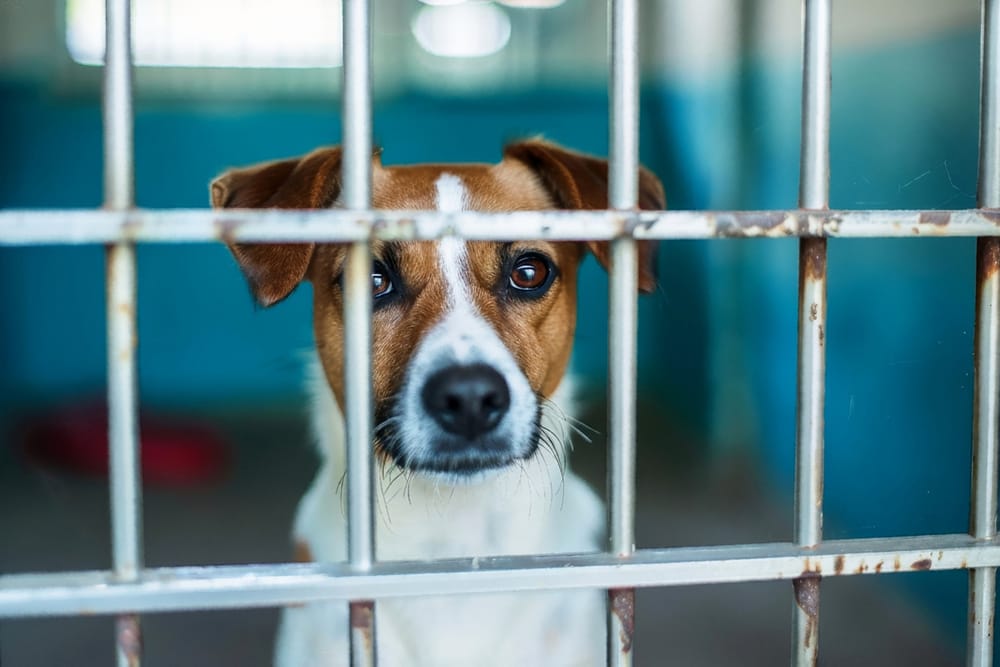
In the past, welfare meant food, water, shelter, and a warm place to sleep. A full bowl, a dry bed, and an annual vet visit – once these were all ticked off, the boxes were checked. But in 2025, our dogs live in a dramatically different world – one shaped by urban densification, loneliness, fast-paced human lifestyles, and, paradoxically, both under- and over-stimulation.
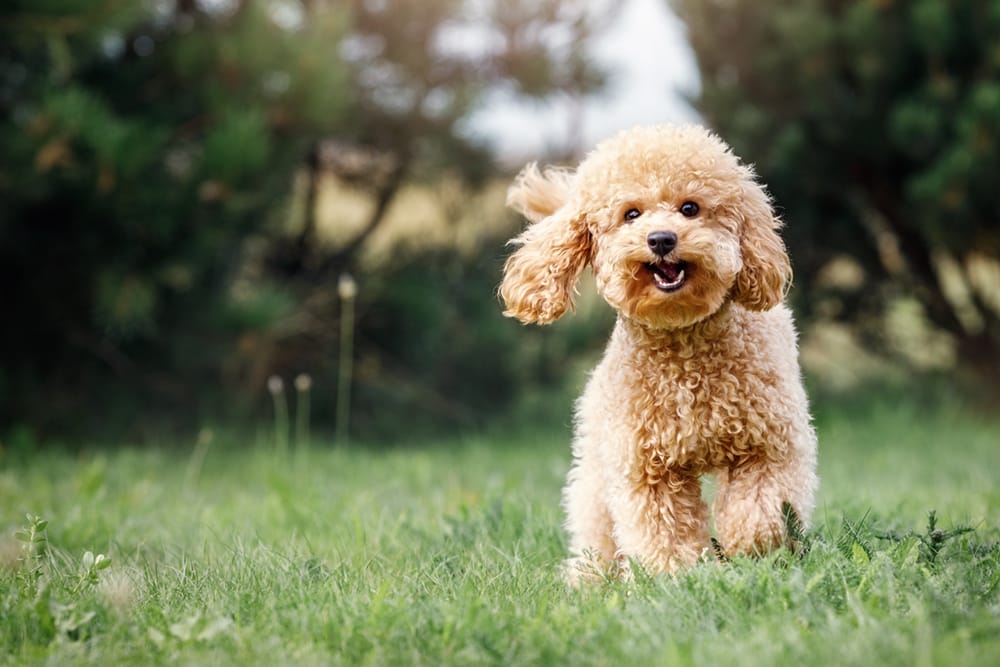
Dog ownership has evolved – and so must our understanding of what good welfare truly means.
THE FIVE FREEDOMS REIMAGINED
The ‘Five Freedoms’ have long underpinned animal welfare thinking. Originally developed for livestock, they have been adopted widely across animal shelters, veterinary standards, and welfare policy.
But it’s time we move from simply avoiding suffering to actively creating conditions in which dogs can thrive.
Here, we take a fresh look at each freedom and what it means for South African dogs in 2025.
FREEDOM 1
FREEDOM FROM HUNGER AND THIRST
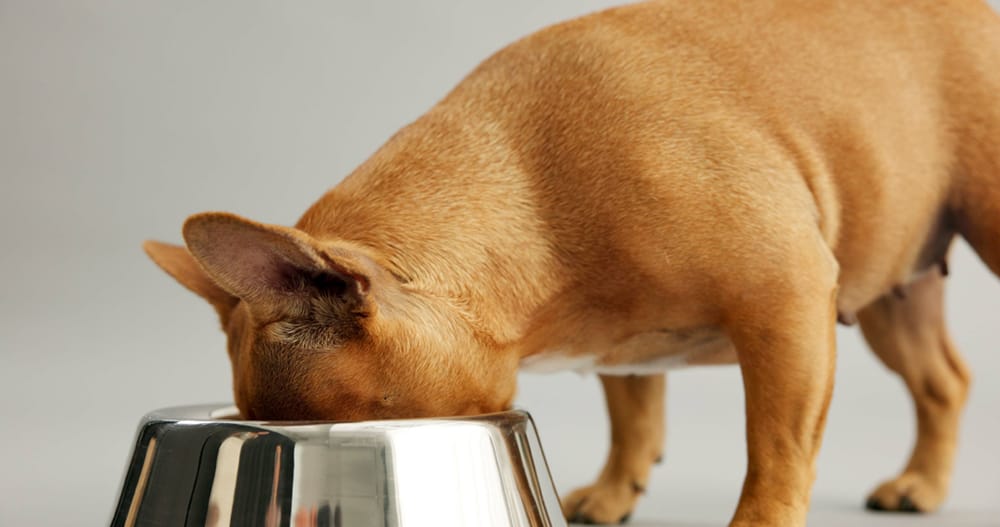
Modern welfare means more than a full bowl; it means nutritional relevance. Is your dog’s diet species-appropriate, digestible, and tailored to their needs?
In some areas, we see overweight dogs consuming commercial diets loaded with fillers. In other settings, dogs may survive on maize meal and scraps. Meanwhile, high-performance dogs may be fed for energy but not gut health.
Reframed: Freedom from nutritional imbalance – where every dog receives food and hydration that supports long-term health, cognitive function, and physical resilience.

FREEDOM 2
FREEDOM FROM DISCOMFORT
We tend to think of ‘comfort’ as a soft bed or warm kennel. But discomfort isn’t always visible – it can be pain from dental disease, pressure from poorly fitted harnesses, joint pain secondary to obesity or temperature extremes in urban flats where dogs are left all day without airflow.
Reframed: Freedom from invisible suffering – including chronic pain, dental disease, skin allergies, and poorly understood discomforts that reduce quality of life.

FREEDOM 3
FREEDOM FROM PAIN, INJURY OR DISEASE
Vaccination, parasite control, and veterinary care are still cornerstones of this freedom, but new challenges have emerged.
We now recognise that dogs bred for aesthetics (e.g., brachycephalic dogs like French Bulldogs) often live with daily suffering from breathing problems. Working dogs often lack access to preventive care, and many owners simply don’t notice pain until it becomes severe.
Reframed: Freedom from preventable health decline – where welfare includes proactive care, ethical breeding, and pain literacy in owners.
FREEDOM 4
FREEDOM TO EXPRESS NORMAL BEHAVIOUR
This is the most overlooked freedom in modern urban life. Dogs are walked less, left alone more, and forced to suppress their instincts. In the name of ‘good behaviour,’ we often punish barking, digging, chewing, and chasing – all of which are completely natural.
Border Collies live in flats. Huskies live in the Lowveld. Toy dogs are carried more than they’re walked. And yet we wonder why they develop anxiety or frustration.
Reframed: Freedom to be a dog – with meaningful outlets for movement, social interaction, sniffing, chewing, digging, and play.
FREEDOM 5
FREEDOM FROM FEAR AND DISTRESS
Fear is still too often mislabelled as disobedience. Dogs who hide, shake, growl, or lunge are seen as ‘badly trained,’ rather than as animals trying to cope in a world that overwhelms them.
In South Africa, many dogs live in chaotic or unpredictable environments, from fireworks season to high traffic past their fences with sudden loud noises and conflicts.
Reframed: Freedom from emotional suppression – where we foster safety, predictability, and agency, and where training is consent-based, not control-based.

FREEDOM FROM BOREDOM: WHY ENRICHMENT IS ESSENTIAL
In 2025, behavioural vets agree: boredom is a welfare issue. A dog with nothing to do will often develop coping strategies – barking, destructive chewing, licking, pacing – that we mislabel as ‘problem behaviour.’
• Sniffari walks (letting your dog sniff freely) are better than perfect heelwork.
• Food puzzles turn meals into 20 minutes of brain work.
• Rotate toys weekly to keep interest high.
• Teach scent games or trick training to offer challenge and bonding.
Enrichment isn’t a luxury – it’s a biological need.

WHOSE WELFARE ARE WE TALKING ABOUT?
It’s easy to think of ‘welfare’ only in terms of dogs in shelters or extreme neglect, but welfare applies to your dog, too. The beloved agility champion with chronic pressure to perform. The boutique puppy sold before eight weeks old. The family dog left alone all day. All dogs have welfare needs, and all dogs deserve to have them met.
WELFARE IS A VERB
Welfare in 2025 isn’t about looking good on paper. It’s about daily choices: How do we house, handle, feed, teach, and love our dogs?
We can’t eliminate all suffering, but we can create a world in which dogs are not only safe and fed, but also seen, understood, and joyful.
It’s time to reframe the five freedoms and strive for more for our canine companions.
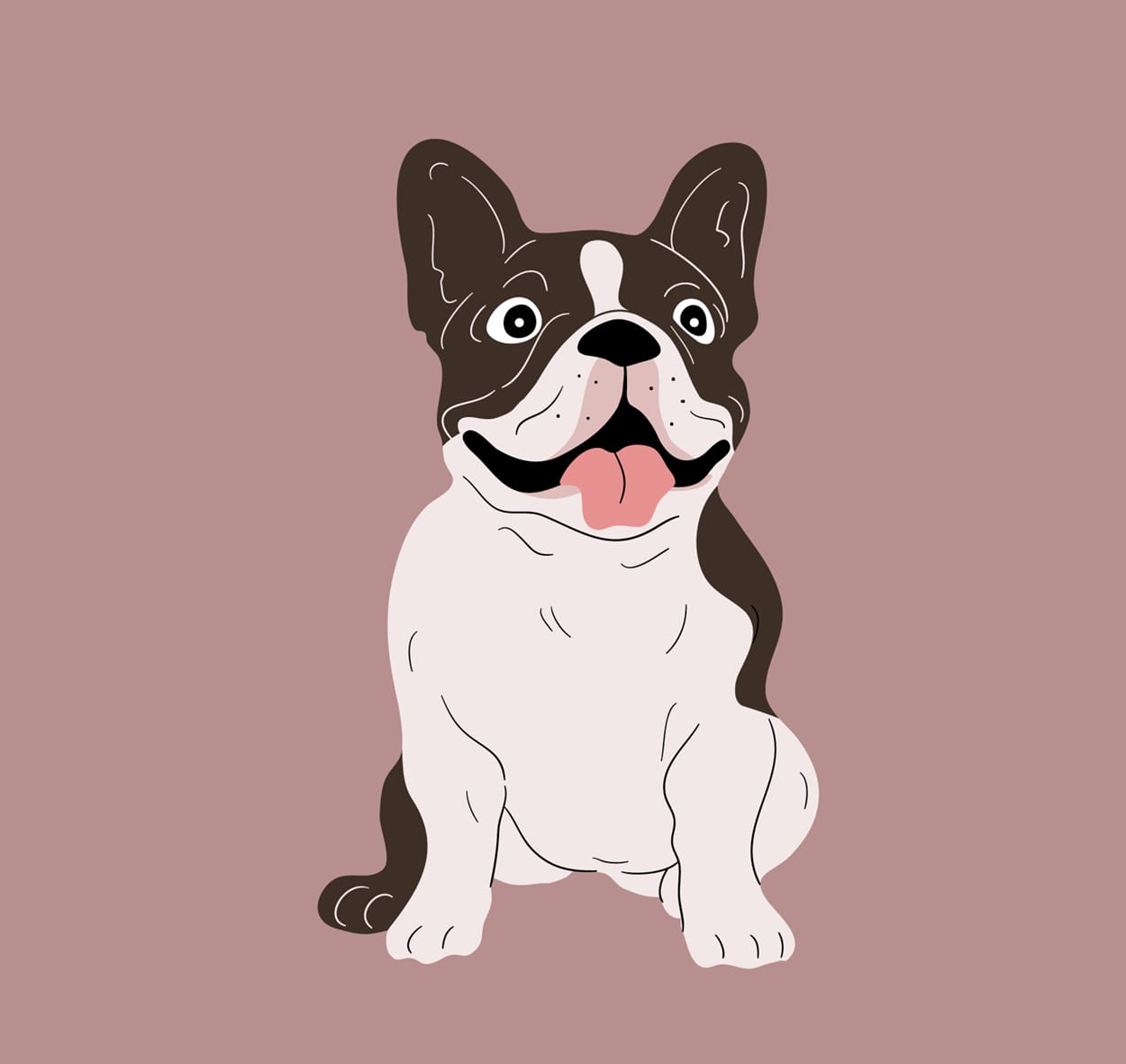
The price of popularity
HOW THE RISE OF THE FRENCH BULLDOG REVEALS THE WEFARE COST OF BREEDING FOR LOOKS
They're small, stocky, and irresistibly snorty – and South Africa can't seem to get enough of them.
Over the past decade, the French Bulldog has gone from relative obscurity to Instagram royalty. Once a quirky companion dog seen mainly in European cities, the Frenchie is now one of the most popular breeds in South Africa – appearing in influencer posts, boutique adverts, and local parks from Sandton to Sea Point.
But behind the charm lies a troubling reality: popularity has a price, and for Frenchies, that price is paid in breath, skin, spine, and, ultimately, suffering.

A BREED IN DEMAND – BUT AT WHAT COST?
In South Africa, French Bulldogs are increasingly common in both urban homes and veterinary clinics. Their appeal is obvious: they’re compact, affectionate, funny, and adapt well to apartment living.
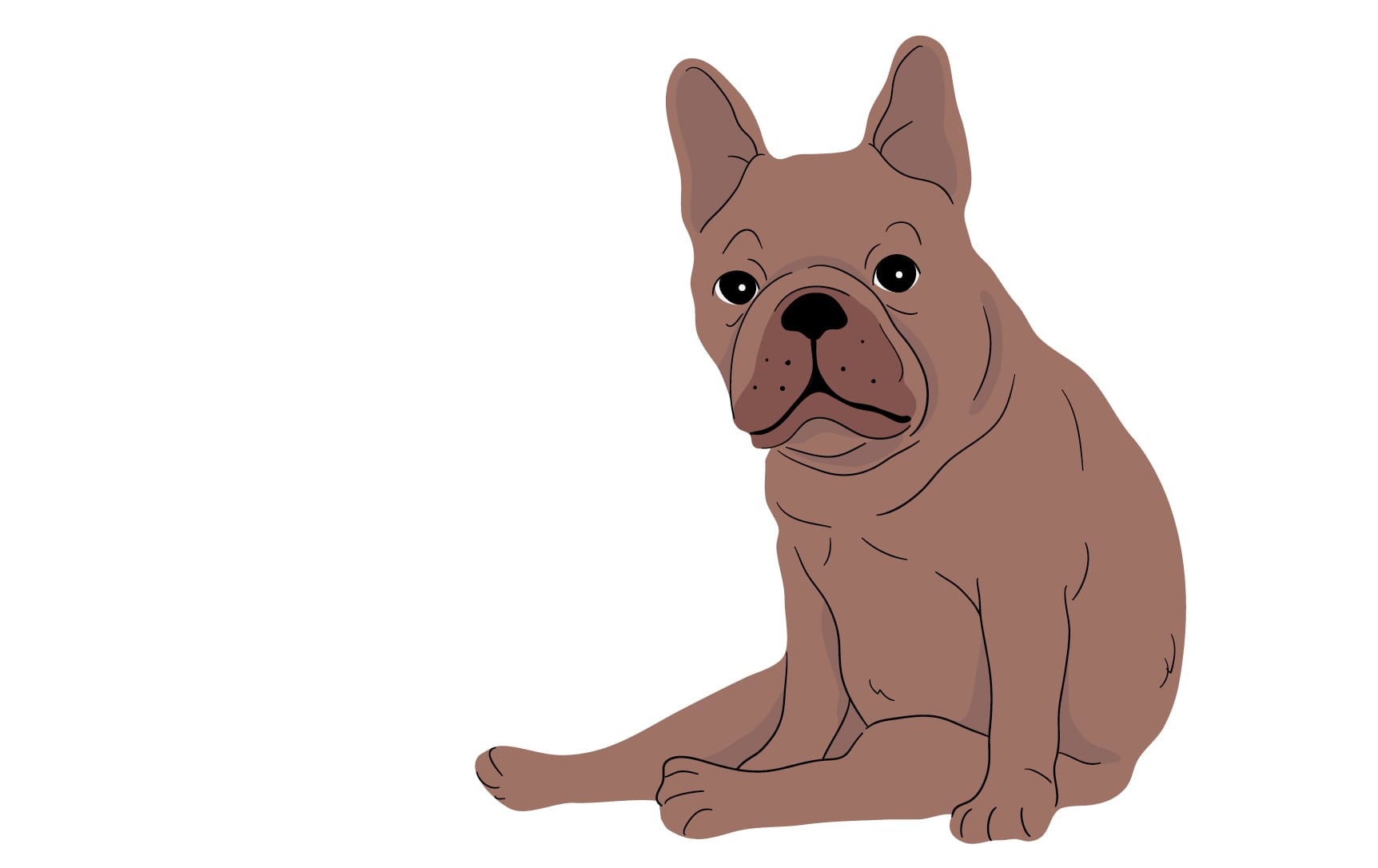
But Frenchies are a brachycephalic breed, meaning they have a flat-faced, short-muzzled skull shape. And while this look is part of their appeal, it comes with severe and often lifelong health consequences.
BREATHING PROBLEMS
Many French Bulldogs suffer from Brachycephalic Obstructive Airway Syndrome (BOAS) – a condition that affects breathing, especially during heat, excitement, or exercise.
BOAS is caused by physical deformities of the airways, including:
- Narrow nostrils
- Elongated soft palates
- Abnormally small windpipes
These changes make breathing laboured and noisy, sometimes to the point of distress or collapse. Owners may assume their dog’s snoring or panting is normal, but instead, it is a red flag that their dog is in difficulty.
OTHER ISSUES
Other common welfare issues in Frenchies include:
- Spinal deformities (e.g. hemivertebrae), which can lead to weakness or paralysis
- Skin fold infections, especially in facial wrinkles and under the tail
- Eye injuries, due to shallow sockets and exposed corneas
- Reproductive problems, often requiring artificial insemination and caesarean sections
These aren’t rare complications. In many cases, they’re routine – even expected – outcomes of breeding for extreme conformation.

THE INFLUENCE OF TREND-DRIVEN BREEDING
With increased demand has come a surge in breeders, some reputable, but many focused more on profits than health.
Unusual coat colours, such as blue, lilac, or merle – often advertised at a premium – are associated with additional risks, including skin issues and deafness. These colours fall outside traditional breed standards but remain popular due to their novelty on social media.
When aesthetics overtake function, dogs pay the price.
SHOULD WE STILL BE BREEDING FRENCHIES?
French Bulldogs are affectionate and characterful companions, but modern breeding has pushed them to a point where suffering is inherent. This raises serious ethical concerns about continuing to produce dogs whose anatomy is incompatible with basic welfare.
That doesn’t mean condemning owners – many love and care deeply for their Frenchies. But it does mean shifting our focus as a society.
If you already own a French Bulldog, supportive veterinary care and proactive management can improve his quality of life. If you’re considering one, it’s important to research breeders carefully, prioritise health over colour or cuteness, and consider adoption where possible, as many flat-faced breeds are surrendered when owners realise the care involved.

WHAT CAN CHANGE?
Some countries are already responding. The Netherlands has banned the breeding of dogs that cannot breathe normally. In the UK and Australia, major veterinary associations are calling for updated breed standards that prioritise function over form.
In South Africa, change may take longer, but awareness is growing. Breed clubs, veterinary professionals, and welfare organisations are beginning to speak more openly about the consequences of extreme conformation.
The future of the Frenchie, and breeds like it, depends on us asking harder questions – and making more informed choices.
BOAS – WHAT YOU NEED TO KNOW?
What is BOAS?
Brachycephalic Obstructive Airway Syndrome is a group of anatomical defects that restrict a dog’s ability to breathe. It’s common in flat-faced breeds, such as French Bulldogs, Pugs, and Boston Terriers.
Signs to watch for:
• Loud or laboured breathing
• Snoring while awake
• Gagging or vomiting after exercise
• Intolerance to heat or exertion
• Cyanosis (bluish gums) or collapse
What can you do?
• Use a harness, not a collar, to avoid airway pressure.
• Keep your dog cool and avoid exercise during peak heat.
• Maintain a healthy weight to reduce respiratory strain.
• Ask your vet about surgical options if symptoms are severe.
• Avoid breeding from affected dogs.
Early intervention can significantly improve comfort and quality of life, so if you are concerned, speak to your vet today.
TAKE HOME MESSAGE
When we choose a dog based on its appearance – instead of its character – we risk creating a life of quiet, ongoing discomfort for that animal.
We owe dogs more than that, because trends should never come before welfare.
Enrichment
on a budget
Cost-effective, simple ways to boost
your dog’s quality of life
When we think of enrichment, it’s easy to imagine expensive toys, complex training courses, or subscription boxes filled with premium puzzles and treats. But true enrichment isn’t about big spend – it’s about meeting your dog’s need for stimulation, agency, and joy.
The good news? You don’t need to spend much (or anything at all) to make your dog’s world bigger, better, and more fulfilling. With a little creativity, enrichment can become part of your everyday routine – no credit card required.
Here are some low-cost (and often no-cost) enrichment ideas that support your dog’s wellbeing, keep boredom at bay, and strengthen your bond.

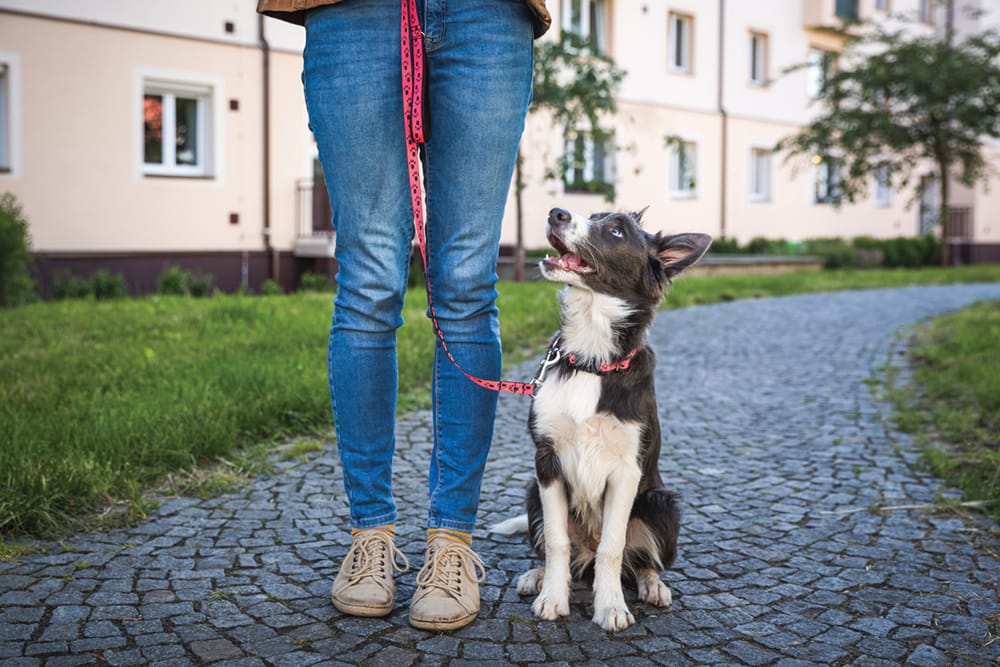
1. SNIFFARI WALKS
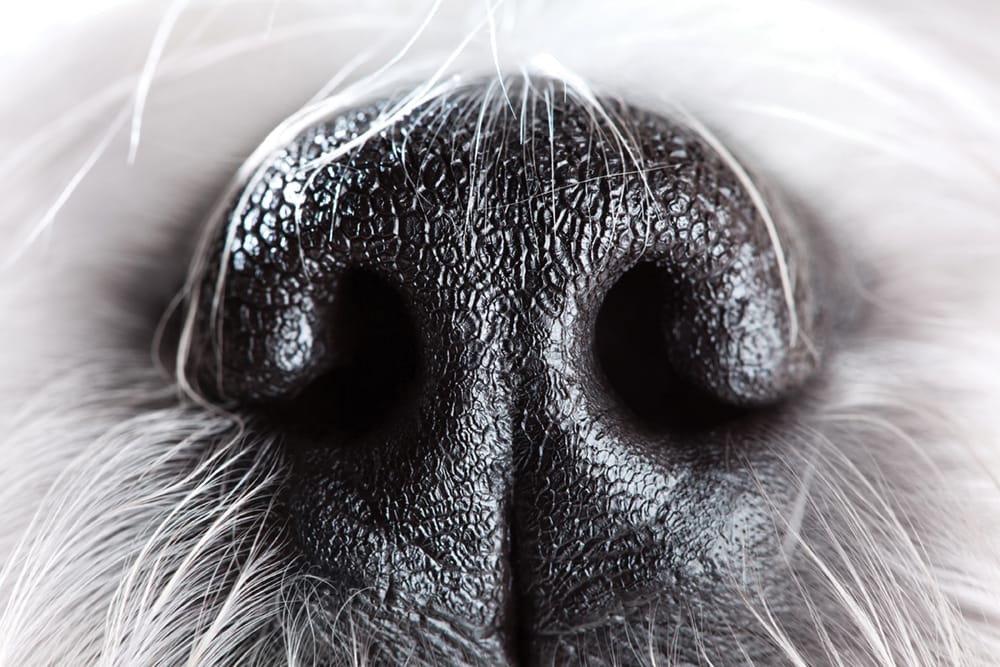
A ‘sniffari’ is a walk where the goal isn’t distance or exercise, but exploration. Research shows that sniffing lowers a dog’s heart rate, reduces stress, and provides vital mental stimulation.
Cost: Free
Time investment: 15–30 minutes
Enrichment value: High
TOP TIP
Use a longer lead (two to three metres) and allow your dog to stop whenever they wish (provided it is safe to do so). Let your dog choose the route if possible.
2. DIY PUZZLE FEEDERS
You don’t need fancy slow-feeding bowls to turn mealtime into brain time. Dogs love to work for their food – so let them!
Ideas:
- Towel roll-up: Sprinkle kibble along a towel, roll it up, and let your dog unroll it to find food.
- Muffin tin treasure: Place kibble in a muffin tray, then cover each hole with a ball.
- Toilet roll hunt: Fold kibble into empty toilet roll tubes and hide them in different rooms.
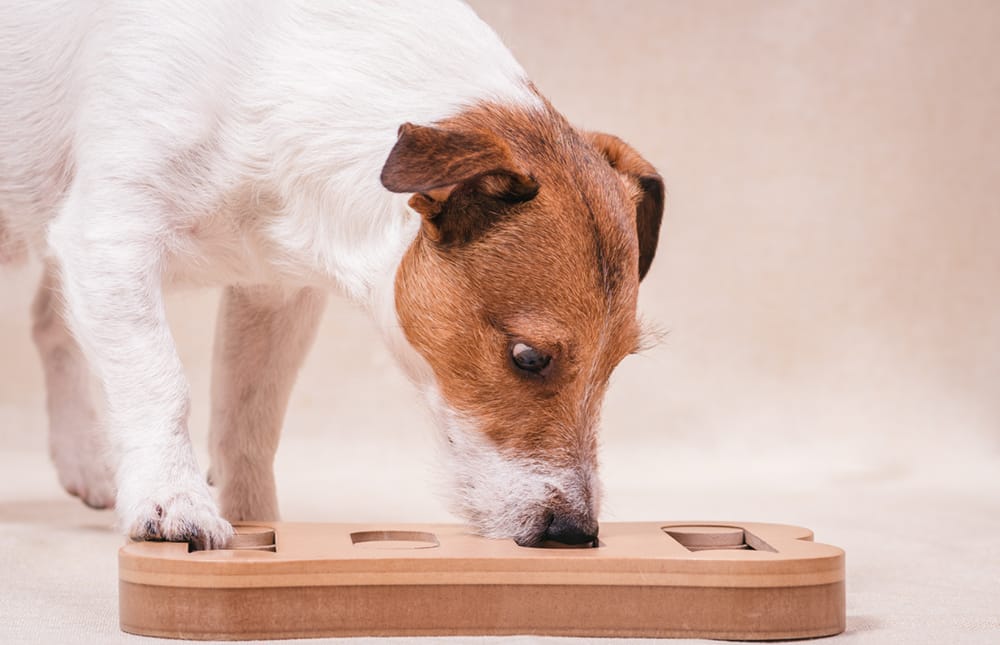
Bonus: Rotating puzzle types keeps interest high and reduces frustration.
Cost: Free – R30
Time investment: 5 minutes prep
Enrichment value: Excellent for cognitive stimulation
TOP TIP
If your dog becomes frustrated searching for the kibble make it easier for them. Over time most dogs come to enjoy the hunt.

3. SCENT GAMES IN THE HOME
Scentwork isn’t just for working dogs – it’s deeply satisfying for all dogs.
Try this simple game:
- Place your dog in another room.
- Hide a few treats (or kibble) around the house at nose height or lower.
- Let them ‘go find it!’
Start easy, then increase difficulty as they get the hang of it.
Cost: Free
Time investment: 10–15 minutes
Enrichment value: Stimulates natural foraging behaviours and reduces boredom
4. ROTATE THE TOY BOX
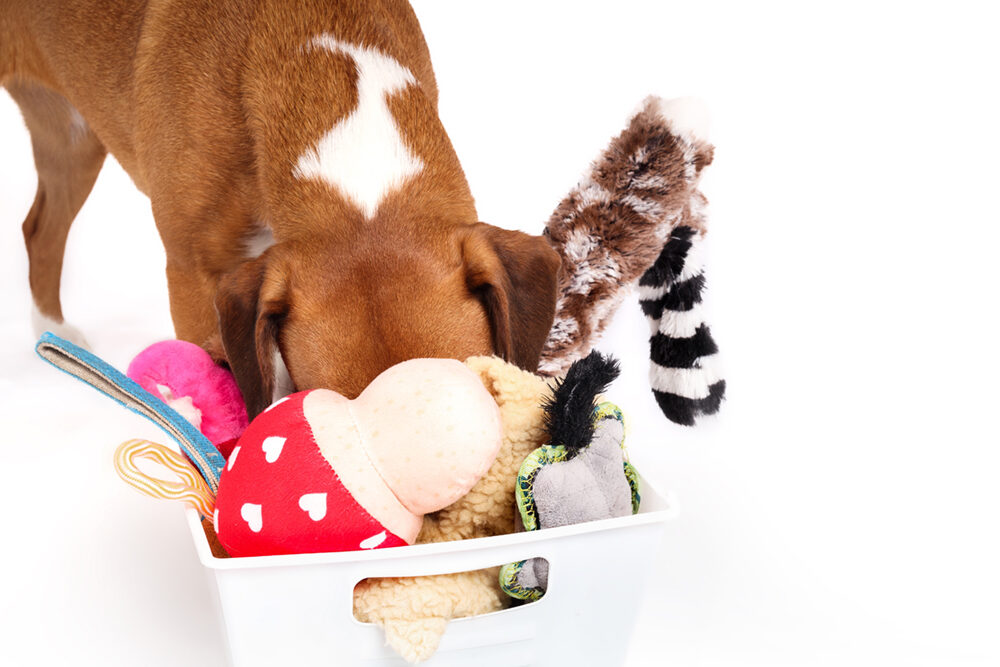
Dogs, like kids, get bored with the same toys. But that doesn’t mean you need more, you just need a smarter system.
Here’s how:
- Divide toys into three or four groups.
- Only keep one group out at a time.
- Rotate every few days to ‘refresh’ their interest.
Cost: Free
Time investment: 5 minutes every few days
Enrichment value: Keeps play fresh and engaging
TOP TIP
Add new life to old toys by rubbing them with something smelly (like a treat), or by playing with them yourself to reignite your dog’s curiosity.
5. TRAINING AS ENRICHMENT
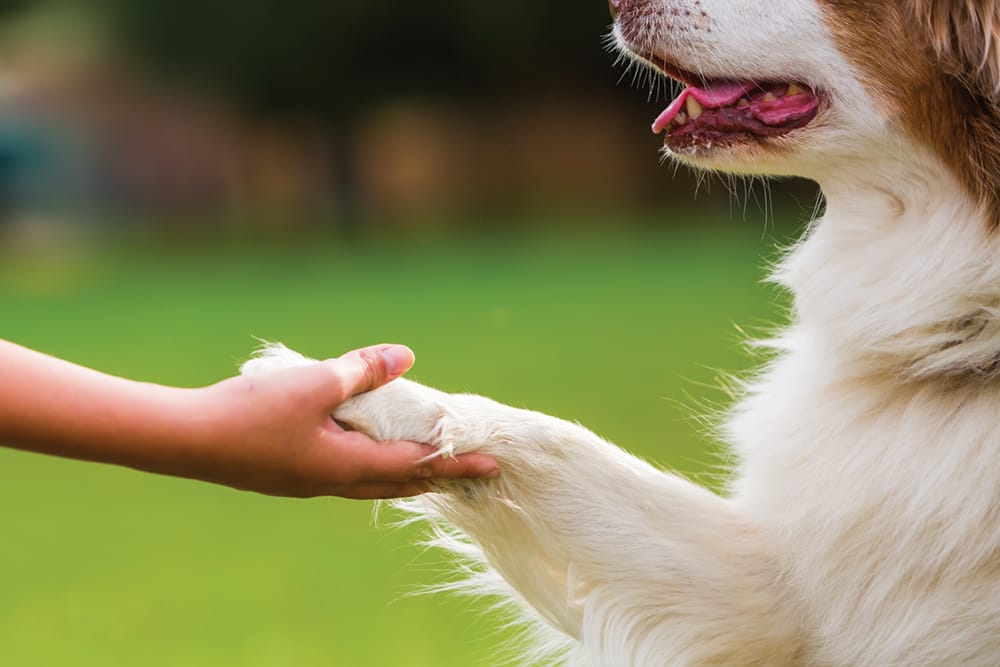
Teaching new cues or tricks isn’t just about obedience – it’s mentally enriching and builds your dog’s confidence.
Start with fun basics:
- Shake
- Spin
- Back up
- Touch your hand
- Nose to object
- ‘Find the toy’
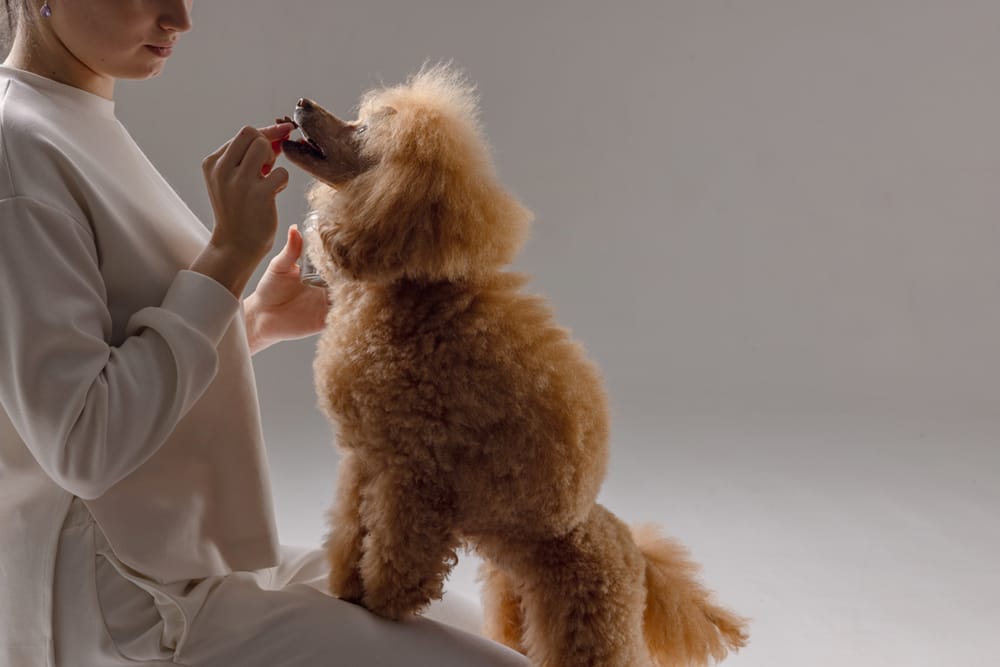
Use tiny food rewards or praise. Keep sessions short, upbeat, and pressure-free.
Cost: Free
Time investment: 5–10 minutes a day
Enrichment value: High, especially for nervous or under-stimulated dogs
BONUS
Trick training is especially helpful for shy or anxious dogs – it gives them a sense of agency and structure.
6. NATURAL TEXTURES AND TERRAIN
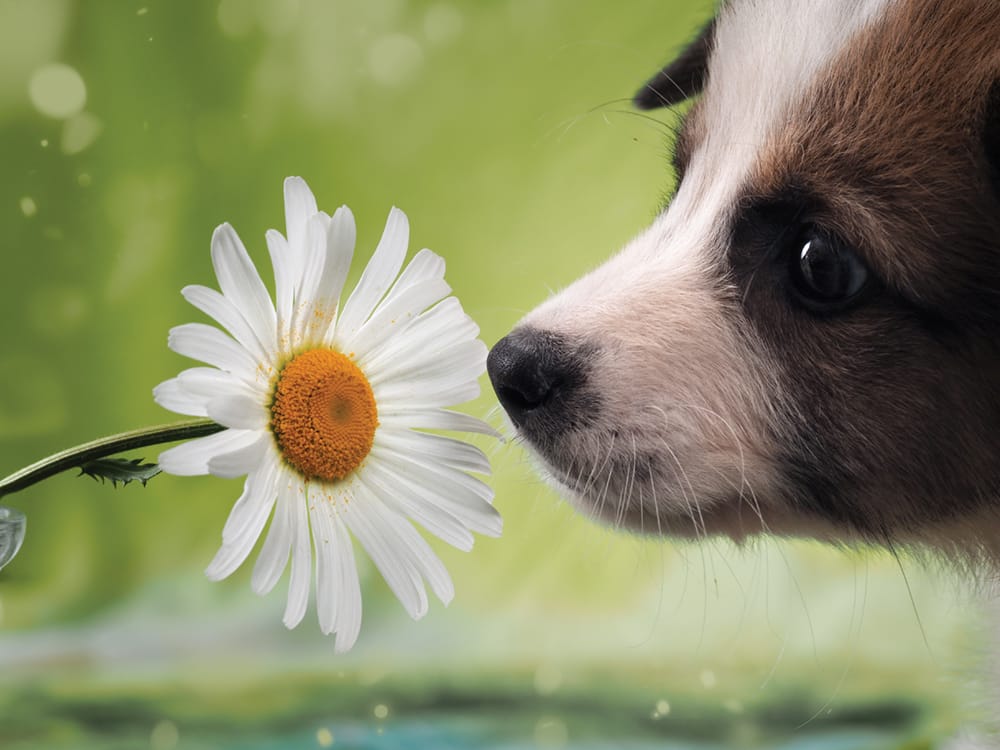
Let your dog engage with the world. Sensory diversity matters: the feel of bark under paw, the smell of wet leaves, the sound of a bird call.
Take a different route on your walk. Visit a quiet hiking trail. Let them stroll on gravel one day, sand the next.
Don’t underestimate the richness of novelty – it nourishes their brain (and ours too!)
Cost: Free
Time investment: Built into daily walk
Enrichment value: Multi-sensory and grounding
FINAL THOUGHT
Enrichment doesn’t need to be Instagrammable or expensive.
Dogs who are given opportunities to sniff, solve, chew, choose, and explore are happier, calmer, and better able to cope with life’s challenges.
So next time your dog is pestering you or chewing a slipper, ask yourself – what need are they trying to meet? And how can you help them meet it in a fun and creative way?
Training with
heart
The rise of consent-based dog handling
Imagine walking into a room, and someone grabs your arm without asking. They mean no harm – they’re brushing something off your sleeve – but you weren’t ready. You flinch, pull back, brace yourself.
Now imagine that happening to your dog, every time they’re groomed, leashed, lifted, or handled at the vet.
For generations, we’ve taught dogs to tolerate human touch and direction. But in 2025, a growing number of behaviourists, trainers, and groomers are shifting the paradigm – from tolerance to trust, from compliance to consent.
Welcome to the world of consent-based dog handling, where emotional safety is prioritised, and where the dog’s voice matters as much as ours.
WHAT IS CONSENT-BASED HANDLING?
Consent-based handling means working with your dog, not just on them. It’s about:
- Watching for subtle signs of stress
- Giving dogs the ability to say ‘yes’ – or ‘not yet’
- Creating rituals that build trust over time
- Reinforcing calm engagement, not forced submission
- Using cooperative care techniques to build confidence
In practical terms, this could look like:
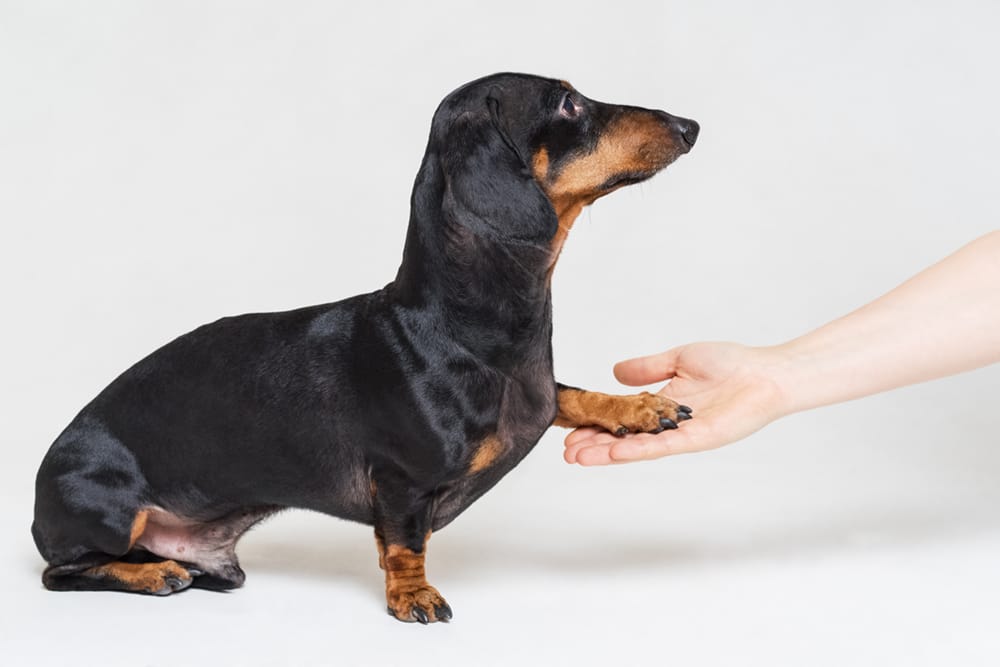
- Waiting for a dog to offer a paw rather than grabbing it
- Brushing only while the dog chooses to stay on a mat
- Teaching a chin-rest cue for ear checks or vaccinations
- Stopping when a dog licks their lips, turns away, or freezes
This isn’t about never doing necessary things – it’s about doing them with empathy, and teaching dogs how to participate willingly.

GROOMING WITH EMPATHY
Grooming is one of the most emotionally charged experiences in a dog’s life. It involves restraint, unfamiliar sensations, sharp tools, noise, and prolonged physical contact – often from a stranger.
Many dogs cope. Some don’t. And far too often, fear is mistaken for ‘naughtiness.’
Across South Africa, a small but growing number of groomers are shifting toward low-stress, fear-free grooming.
These professionals build slow trust over multiple visits, use positive reinforcement (like licki-mats or food tubes), and let dogs opt in to being touched, dried, or clipped, rather than forcing them through the process.
The result? Calmer dogs. Safer groomers. And a grooming experience that doesn’t require sedation or trauma recovery.
TRAINING WITH CHOICE
Traditional obedience training often focuses on dominance, correction, and submission. But research and lived experience have shown that force-based methods increase fear, shutdown, and reactivity.
Consent-based training, rooted in positive reinforcement (R+), teaches dogs that engaging with us brings reward, not risk.
Dogs learn faster, retain information better, and show fewer stress signals when they:
- Are allowed to make choices
- Feel safe to disengage
- Are never punished for fear or confusion
This is especially transformative for:
- Rescued or traumatised dogs
- Puppies in sensitive developmental windows
- Dogs with sound sensitivity, touch aversion, or vet/grooming anxiety
Training with heart means asking: Does my dog feel safe right now? Do they understand what I’m asking? Do they trust me enough to say yes?
LOCAL PERSPECTIVES
Across South Africa, trainers and behaviourists are beginning to embrace this approach.
Whether working with show dogs, township rescues, or family pets, these professionals report consistent results:
- Shorter recovery times after handling
- Fewer bite risks
- Stronger human–dog relationships
- Happier, more cooperative dogs
SIGNS YOUR DOG IS SAYING 'NO'
Dogs rarely shout but they are constantly communicating.
Watch for these subtle cues during grooming, vet visits, or training:
- Lip licking (without food present)
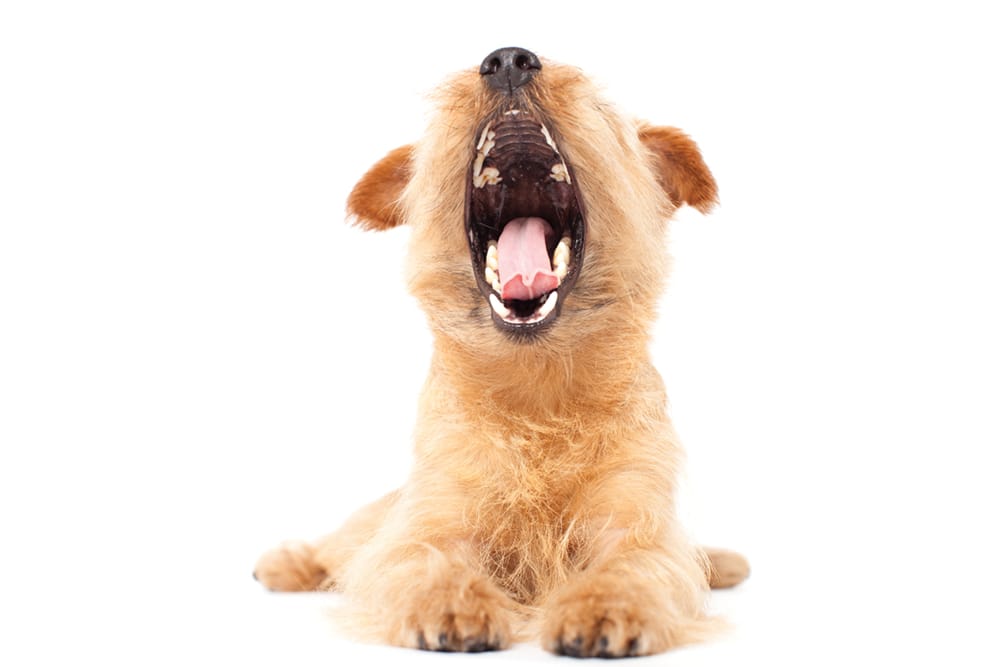
- Yawning, freezing, turning away
- Tense posture or wide eyes
- Holding breath or rapid breathing
- Panting without exertion
- Sudden stillness or retreat
If you see these signs, pause. Reassure. Reassess.
HOW TO START USING CONSENT AT HOME
- Observe before acting. Pause and read your dog’s body language.
- Use start buttons. Teach a cue like a chin rest or paw target that the dog uses to ‘say yes.’
- Practice co-operative care. Use treats to pair handling activities (such as nail filing or tooth brushing) with positive associations.
- Give an escape route. Allow your dog to walk away. Respect it, and rebuild trust.
- Work with a certified R+ trainer. Look for professionals who use fear-free, force-free methods.
TRAINING BUILT ON TRUST
Consent isn’t about letting dogs ‘do whatever they want’. It’s about building emotional resilience, mutual respect, and safety.
It’s about creating a world where a dog doesn’t just obey, but understands, participates, and feels heard.
Because when a dog chooses to work with you, that’s when the real magic happens.
The rise of consent-based dog handling
Consent-based training begins with a simple question:
‘Are you ready for this?’
But how do we ask it in a way our dogs understand?
That’s where consent cues come in – behaviours that dogs can offer to indicate they’re comfortable and willing to participate in a procedure like grooming, vet handling, or training. When taught properly, these cues give dogs a voice, agency, and confidence, turning fearful restraint into calm cooperation.
Two of the most powerful tools are the chin rest and mat work. Here’s how to teach them.
WHAT IS A CONSENT CUE
A consent cue is a trained behaviour that:
- The dog can offer voluntarily
- Signals readiness to begin or continue
- Can be withdrawn at any time, and respected
When the dog removes the cue (lifts their head, leaves the mat, etc.), you stop the activity, rebuild confidence, and only proceed when they re-offer the cue.
It’s about choice, not control.
CHIN REST
What it is:
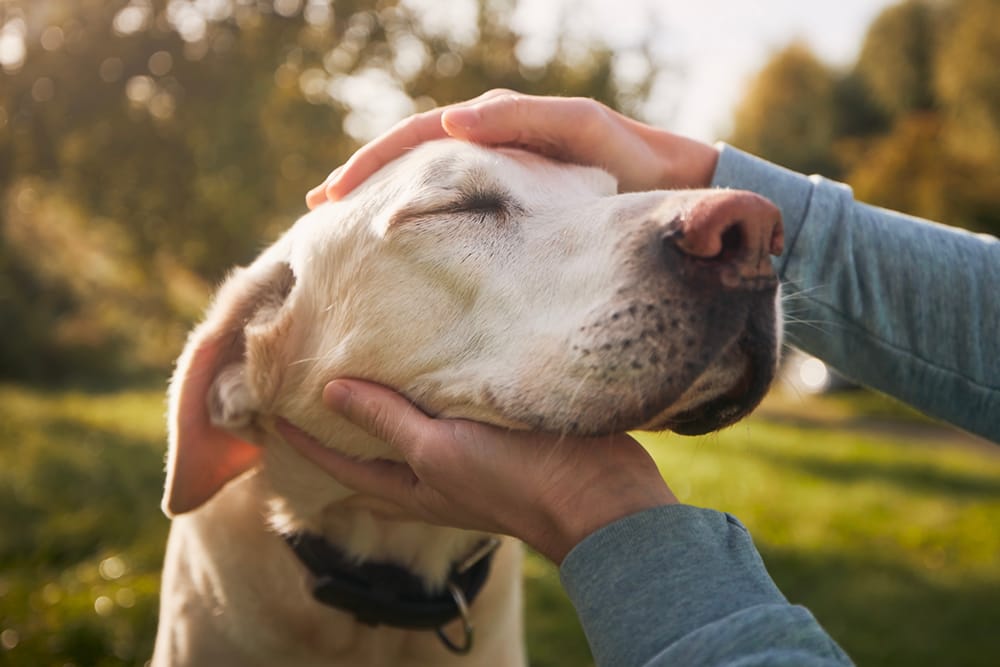
The dog gently places their chin in your hand (or on a towel, knee, or cushion) and keeps it there while you perform a task, such as inspecting eyes, applying eye drops, checking ears, or trimming facial fur.
How to teach it:
Step 1: Shape the behaviour
- Sit in front of your dog with your open palm or a soft surface (e.g. towel on your lap).
- When your dog moves their head toward or touches your hand, mark with a clicker or a ‘yes,’ and give a treat.
- Repeat until they reliably rest their chin.
Step 2: Build duration
- Slowly delay your marker/reward by a second or two as the dog keeps their chin in place.
- Keep sessions short and upbeat. Stop if your dog gets frustrated or walks away.
Step 3: Pair with gentle handling
- Once your dog is comfortable holding the chin rest for 5–10 seconds, begin pairing it with very light, brief handling (e.g. touching their ear).
- Reward after each success. If they lift their head or move away, stop – and go back a step.
When to use it:
- Eye, ear, or mouth checks
- Grooming the face
- Vet exams
- Slow desensitisation to handling after trauma or fear
MAT WORK
What it is:
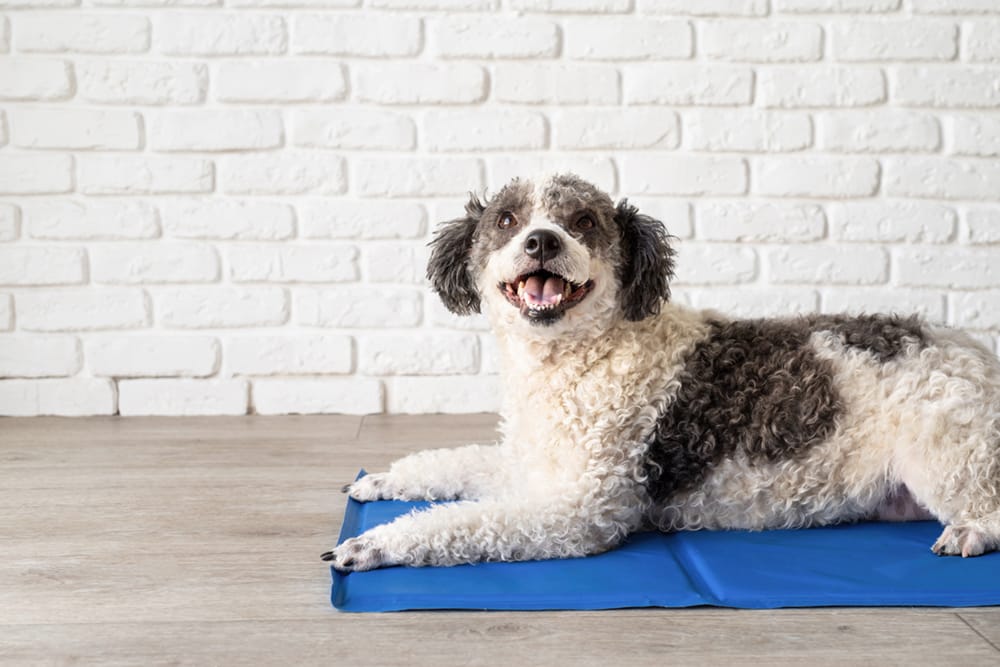
The dog learns to go to a mat, settle, and remain calmly while being handled or groomed. The mat becomes a predictable, safe space for cooperative care.
How to teach it:
Step 1: Create positive association
- Place a towel, yoga mat, or bath mat on the floor.
- Lure or wait for your dog to step on it.
- Mark and treat on the mat.
- Repeat until they go there willingly.
Step 2: Shape ‘settle’ behaviour
- Reward sitting or lying on the mat.
- Gradually reward longer stays.
- Use calm reinforcement (gentle praise, food on the mat).
Step 3: Introduce grooming or care tasks
- Once your dog is relaxed on the mat, start brushing, wiping paws, or clipping nails slowly and positively.
- Always respect the dog’s decision to leave. That’s the cue to stop, not to hold them down.
When to use it:
- Nail trims
- Brushing or drying
- Towelling off after walks
- Introducing grooming tools
- ‘Stationing’ during home training

CONSENT-BASED HANDLING: THE BIG PICTURE
These cues aren’t tricks; they’re communication. They reduce stress, deepen trust, and empower dogs to actively participate in their own care.
When dogs learn that they have a voice – and that we’re listening – something shifts.
They stop bracing and they start choosing, and that’s where cooperative care really begins.
FEEDING FOR BEHAVIOUR
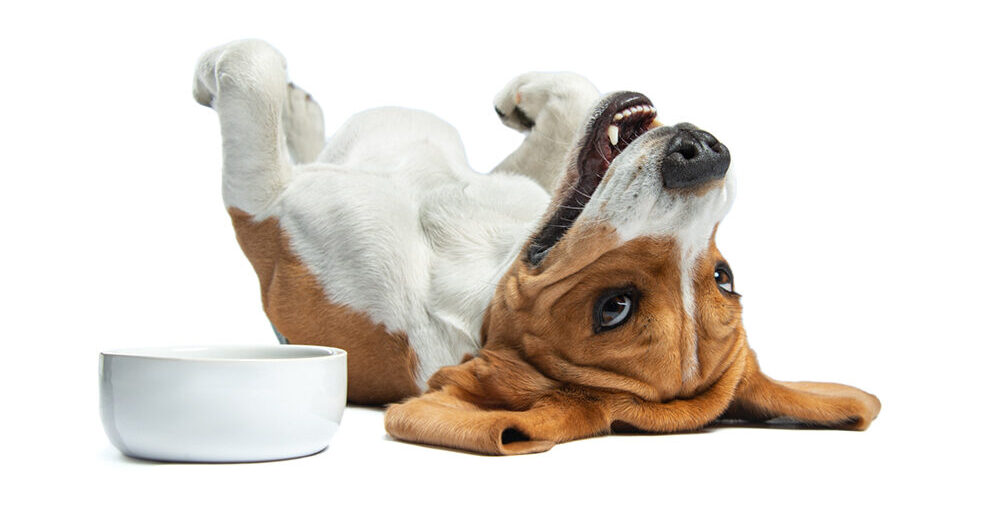
The gut-brain connection in dogs – and how food influences emotion, focus, and resilience
We’ve long understood that what we feed our dogs affects their bodies. But emerging research reveals something even more fascinating: diet also shapes how dogs feel, think, and behave.
From anxiety and reactivity to focus and emotional stability, your dog’s brain is deeply influenced by what happens in their gut.
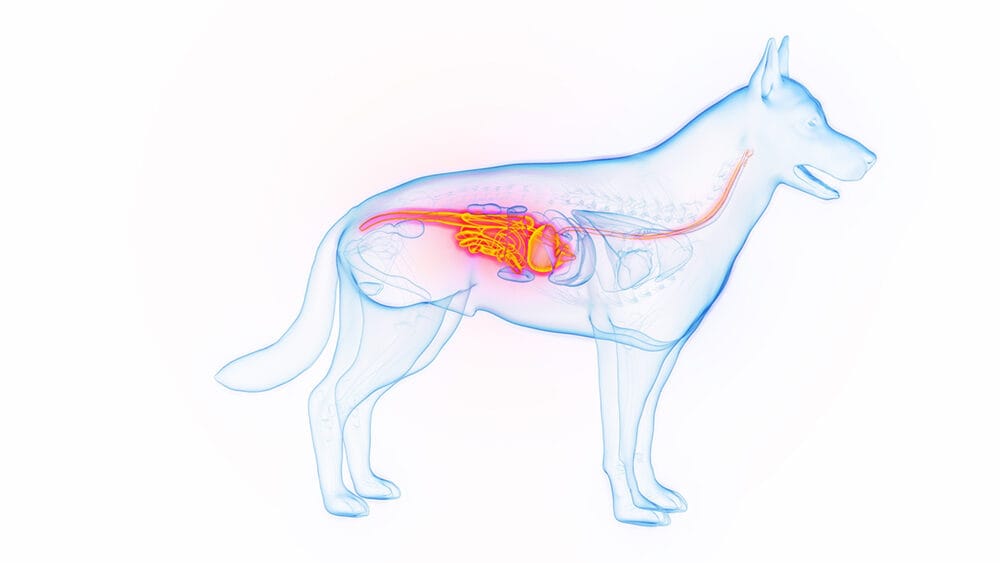
This phenomenon occurs thanks to the gut-brain axis, a two-way communication system between the gastrointestinal tract and the nervous system, which is driven by microbes, hormones, and immune signals.
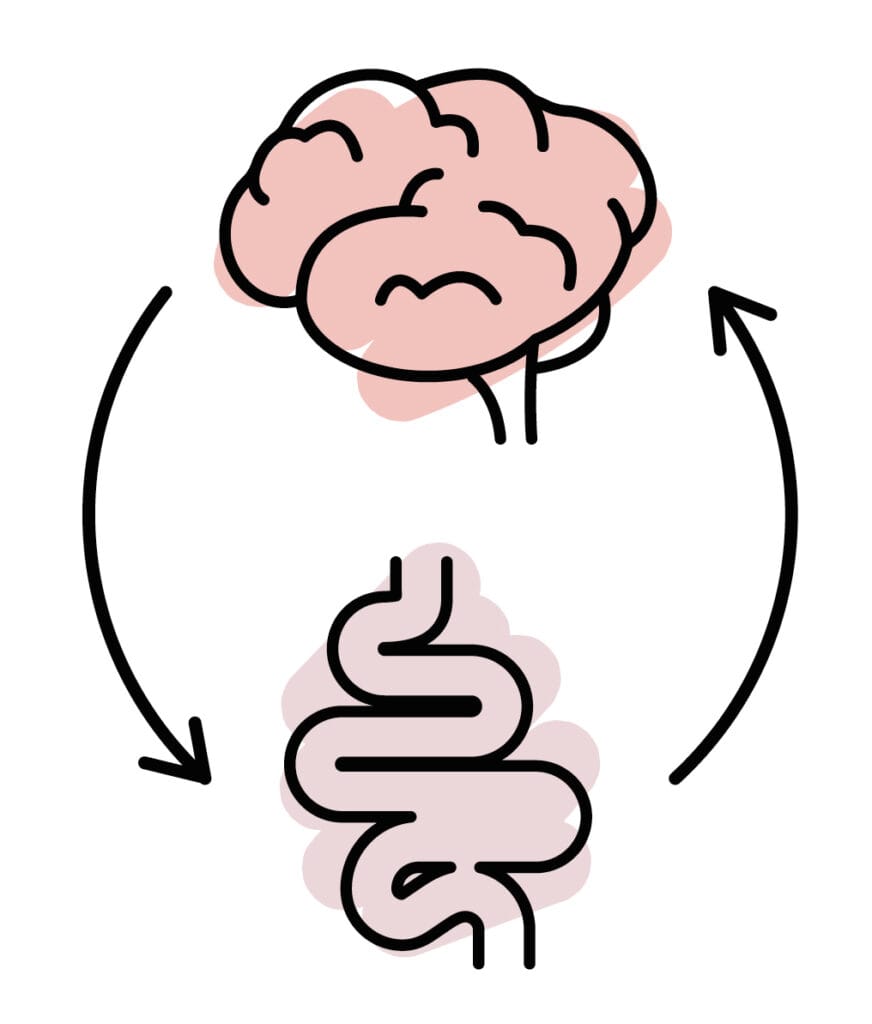
GUT FEELINGS
Within your dog’s digestive tract resides a vast and dynamic ecosystem of bacteria, fungi, and other microbes, collectively referred to as the microbiome. These organisms:
- Digest fibre and produce short-chain fatty acids
- Train the immune system
- Produce neurotransmitters like serotonin, dopamine, and GABA
- Influence inflammation levels, stress response, and even fear-based behaviours
In fact, about 90% of serotonin – the ‘feel-good’ neurotransmitter – is produced in the gut.
When the gut microbiome is balanced, dogs are more likely to be calm, adaptable, and cognitively sharp. When it’s disrupted, they may be more anxious, reactive, or sluggish.
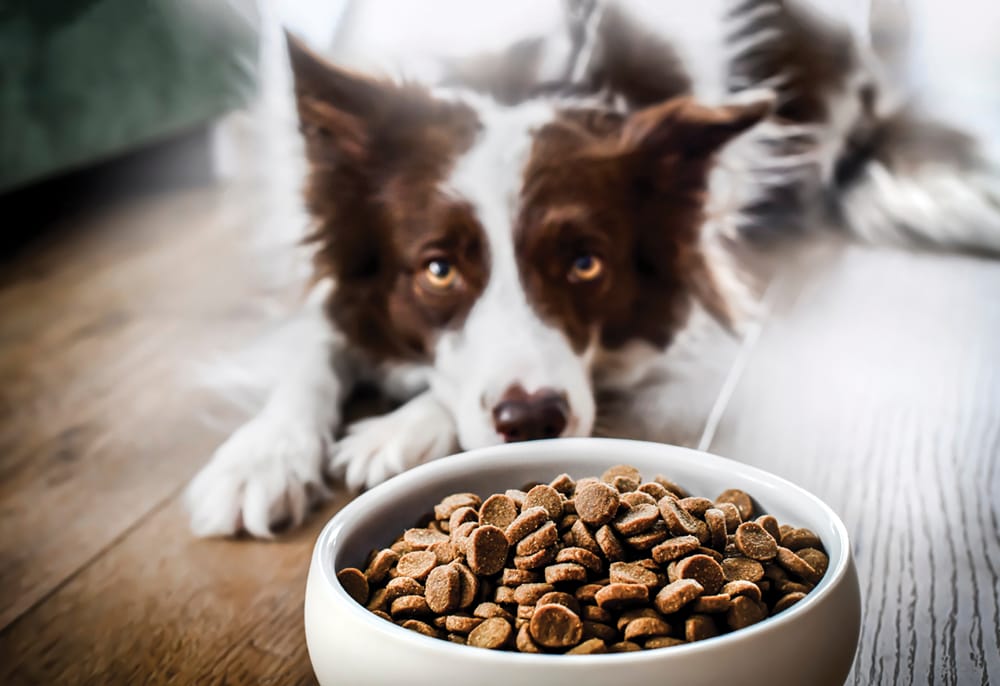
HOW DIET SHAPES MOOD AND MIND
1. PROCESSED DIETS AND DYSBIOSIS
Highly processed, carbohydrate-heavy diets (especially those with artificial colours, flavours, and preservatives) may contribute to dysbiosis – an imbalance in gut microbes that increases inflammation and alters brain chemistry.
Some dogs on poor-quality diets may exhibit:
- Irritability or over-arousal
- Poor impulse control
- Low energy or ‘brain fog’
- Chronic itching, gas, or soft stools
2. PROTEIN AND AMINO ACIDS
Proteins break down into amino acids – the building blocks of neurotransmitters. Tryptophan, for example, is needed to make serotonin.
A low-protein or poorly balanced diet can leave dogs mentally flat or emotionally unstable. On the flip side, too much protein in sensitive dogs may increase arousal or frustration, particularly in working breeds.
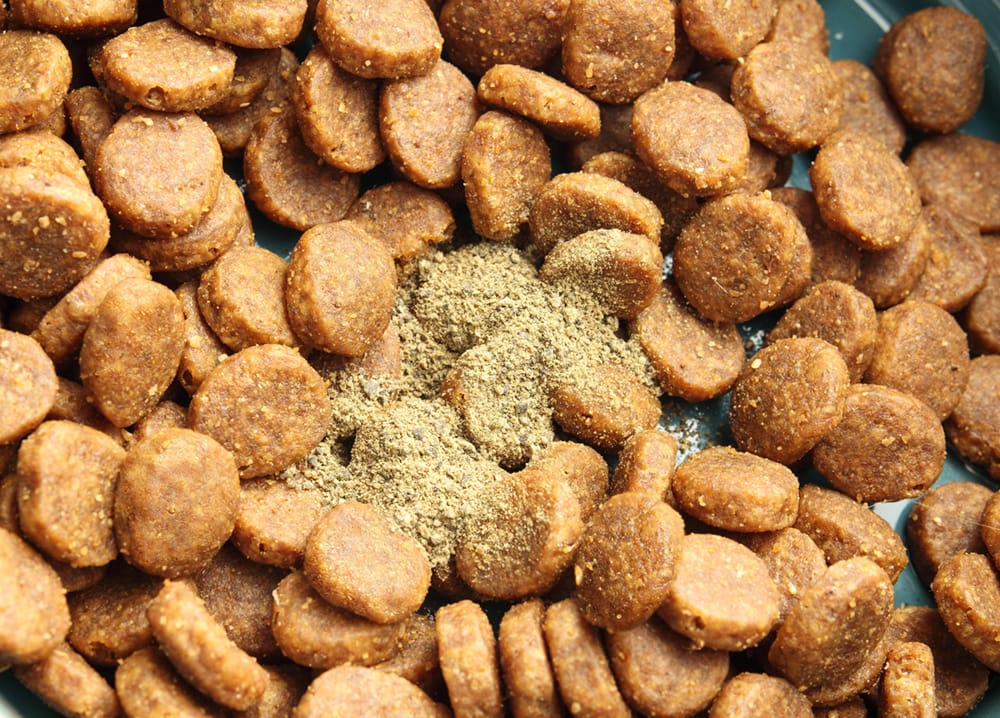
3. FATS AND OMEGA-3S DIETS AND DYSBIOSIS
The brain is nearly 60% fat, and it thrives on the right kinds of fats. Omega-3 fatty acids, particularly DHA, are vital for brain health, memory, and emotional regulation.
Many commercial diets are low in omega-3 fatty acids, especially if not supplemented or protected from oxidation.
4. FIBRE AND FERMENTATION
Prebiotic fibres (found in vegetables, fruits, and certain grains) feed beneficial bacteria. These bacteria, in turn, ferment fibre into short-chain fatty acids that reduce inflammation and support brain function.
Low-fibre diets or dogs on long-term antibiotics may lack this fermentation support, impacting everything from mood to immune resilience.
REAL-WORLD BEHAVIOUR SHIFTS
For the reasons given above, for some dogs, changing their diet can dramatically reduce:
- Separation anxiety
- Noise phobias
- Reactivity to strangers or other dogs
- Hyperactivity or attention problems
- Cognitive decline in senior dogs
In practice, these shifts are often subtle but significant: a dog that settles more easily after meals. A fearful rescue who begins to explore. A senior who regains curiosity and engagement.

PRACTICAL FEEDING TIPS FOR BEHAVIOURAL WELLNESS
- You don’t need to switch to raw or gourmet meals to support your dog’s brain, but intentional changes can go a long way.
- Choose diets with whole, recognisable ingredients. Minimise artificial additives and fillers.
- Feed prebiotics and probiotics. Look for foods with added inulin, fructooligosaccharides (FOS), or live cultures, or speak to your vet about reputable supplements.
- Incorporate fermented foods (if tolerated). Small amounts of plain kefir, sauerkraut brine, or fermented vegetables can offer microbial diversity.
- Add omega-3s. Look for fish oil supplements with DHA and EPA, or foods that include marine oils.
- Avoid constant switching. Sudden diet changes can disrupt the gut microbiome. Transition slowly, especially in sensitive or anxious dogs.
- Talk to your vet about any persistent gastrointestinal (GI) or behavioural symptoms. Sometimes, issues like fearfulness, hypervigilance, or GI distress may be gut-linked, but may also signal deeper medical conditions.

FEEDING THE WHOLE DOG
We often look to training to fix behavioural problems, and training is vital, but if the brain isn’t nourished, no amount of repetition will help your dog feel truly calm, confident, or safe.
Food is not a cure-all. However, when combined with thoughtful handling, a suitable environment, and empathy, it becomes one of the most powerful tools we have for behaviour change.
Rethinking the routine
Why early neutering is no longer the gold standard
For decades, early spay and neuter (also known as sterilisation) have been championed as essential parts of responsible dog ownership. Backed by strong public health goals, from population control to disease prevention, sterilisation has become a near-automatic procedure in both shelters and private homes, often done before a dog reaches six months of age.
But as our understanding of canine development, hormones, and welfare deepens, so too does our view of when, and even whether, to neuter in every case.
In 2025, progressive vets are urging a more nuanced approach. It’s no longer a one-size-fits-all decision. Instead, age, breed, sex, lifestyle, and welfare outcomes all matter, and the old blanket policies may be doing some dogs more harm than good.
WHY EARLY NEUTERING WAS POPULAR
Historically, early sterilisation was promoted to:
- Prevent unwanted litters
- Reduce roaming and aggression
- Lower risk of reproductive cancers (e.g. mammary tumours)
- Simplify procedures with less bleeding and faster recovery in young animals
And, in South Africa, where street dog populations, shelter overcrowding, and zoonotic diseases remain major challenges, early neutering remains vital in many high-risk, underserved communities.
“In public sector work or township outreach, we absolutely still support early sterilisation,” says one vet, who works with community animal clinics in Gauteng. “It’s a matter of preventing suffering, not just individual outcomes.”
WHAT THE NEW RESEARCH SHOWS
But outside of population control contexts, a growing body of evidence is questioning whether early sterilisation is always the best choice, especially for owned pets and working dogs.
Hormones like oestrogen and testosterone do more than control reproduction. They play a crucial role in bone growth, muscle development, behaviour regulation, and immune system maturation.
Studies have linked early spay and neuter (under six to twelve months) with:
- Higher risk of joint disorders (hip dysplasia, cranial cruciate ligament rupture)
- Increased risk of certain cancers (osteosarcoma, hemangiosarcoma, lymphoma – especially in larger breeds)
- Greater likelihood of urinary incontinence in spayed females
- Higher incidence of anxiety and noise phobias, particularly in neutered males
Essentially, research is showing that hormones play a role in some cases in helping a dog become stable, both physically and emotionally. For some dogs, removing the hormonal influence too soon can create other issues.

SO, WHEN SHOULD YOU NEUTER?
That depends.
SIZE MATTERS
- Small-breed dogs (under 15kg) mature earlier and are less prone to hormone-related joint issues. Spaying/neutering between six to nine months may still be appropriate.
- Medium and large-breed dogs mature more slowly. Waiting until 12–18 months after growth plates have closed may reduce the risk of orthopaedic disease.
PURPOSE MATTERS
- Working dogs or dogs with known anxiety may benefit from delayed neutering to support optimal physical and behavioural development.
ENVIRONMENT MATTERS
- In high-risk environments (e.g., township dogs, free-roaming dogs, shelters), the risks of not neutering often outweigh the potential downsides of neutering at an early age.
SEX MATTERS
- Female dogs are often spayed before their first heat to reduce the risk of mammary tumours, but some research now supports waiting until after one heat in certain breeds.
- Male dogs may benefit from staying intact for longer periods, particularly in terms of muscle mass and joint stability.

THE SOUTH AFRICAN BALANCING ACT
South Africa straddles two very different dog worlds. This creates a welfare tension: what is best for population control isn’t always what is best for an individual dog’s long-term health.
The most ethical decision is the informed one, so talk to your vet and understand the risks and benefits involved.
WHAT TO ASK YOUR VET
Before booking your dog’s sterilisation, ask:
- What’s the best timing for my dog’s breed and lifestyle?
- Are there medical reasons to do it earlier or later?
- What are the behavioural considerations for this specific dog?
- Can I monitor my female dog safely through a heat if we wait?
THE ANSWER IS INDIVIDUAL
There’s no universal answer. Neutering remains a vital welfare tool – especially in South Africa, where unwanted litters lead directly to suffering and death. But early-age sterilisation should not be automatic for every dog, especially in private ownership.
Instead of asking, ‘When should I neuter?’, it’s better to ask: ‘What’s best for this individual dog’s long-term health and wellbeing?’
Fear isn’t disobedience
Why ‘stubborn’ dogs aren’t being difficult
– they’re often just scared.
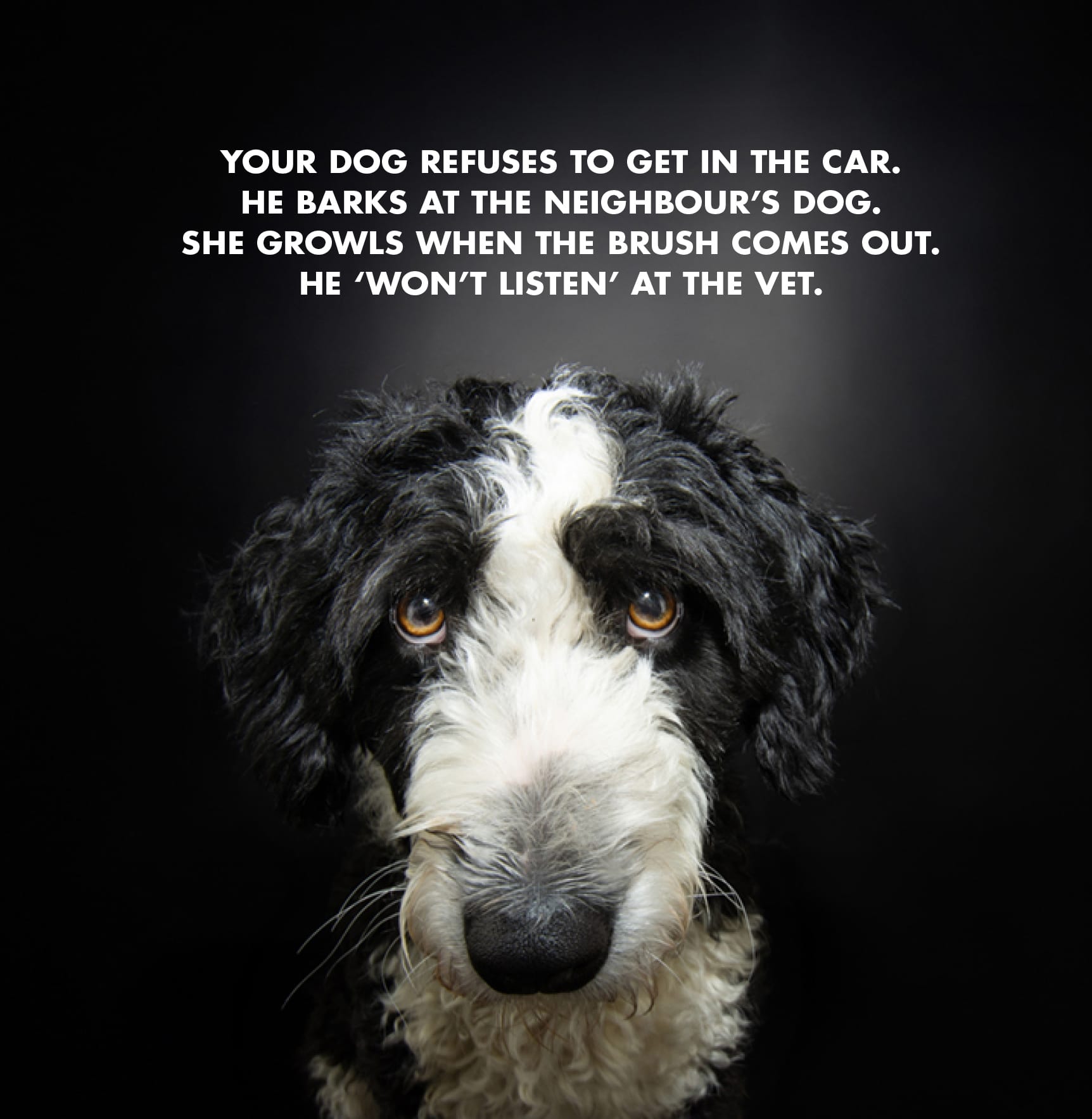
It’s tempting to see these moments as disobedience, but more often than not, they are something else entirely: fear in disguise.
In dog training and behaviour, we’ve come a long way, but one misunderstanding remains stubbornly persistent: the belief that dogs ‘act out’ to defy us. In truth, most so-called bad behaviour is rooted not in defiance, but in distress.

Fear isn’t always loud. Sometimes it’s subtle, misunderstood, or punished before it’s even recognised. But when we learn to see fear for what it is, and respond with compassion rather than correction, everything changes.

THE BIOLOGY OF FEAR
Fear is a survival response. It triggers the fight, flight, freeze, or fidget system in all mammals, including dogs. What we interpret as ‘reactivity’ (barking, lunging), ‘stubbornness’ (refusing to move), or ‘defiance’ (growling, pulling away) is often the dog’s way of saying:
‘I don’t feel safe.’
Unlike humans, dogs can’t rationalise fear and they don’t fake it. If a dog shows avoidance, aggression, or shutdown behaviours, it’s because their nervous system genuinely perceives a threat, even if we don’t see one.
And when we punish that fear? We don’t teach confidence. We teach them not to show us how scared they are.
COMMON WAYS FEAR SHOWS UP
Fear can wear many masks. If you know what to look for, you’ll begin to see the emotional truth beneath the behaviour.
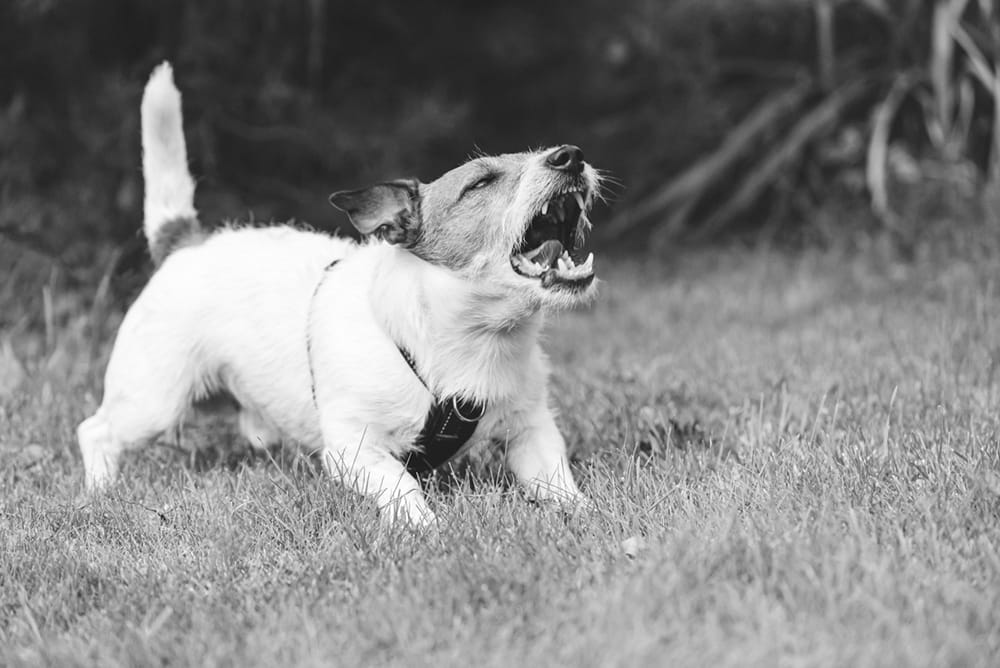
- Reactivity: Barking, lunging, spinning are often a fear responses in disguise, especially on lead.
- ‘Stubbornness’: Refusing to walk, pulling away, shutting down are classic signs of uncertainty or emotional overload.
- Growling or snapping: A communication of discomfort is not ‘bad behaviour’ but a boundary.
- Hyperactivity: Zoomies, panting, jumping are sometimes stress responses, not excitement.
- Avoidance: Hiding, turning away, flinching, yawning and lip-licking are subtle but important signals.
- Shaking, whining, or toileting indoors can all be signs of underlying fear
Every dog will express fear differently, some loudly, some silently, and neither should be ignored.
FEAR-FREE HANDLING TIPS
• Slow down. Don’t rush touch, introductions, or new environments. Let the dog set the pace.
• Observe body language. Look for yawning, panting, turning away, wide eyes, and tail tension.
• Give choice. Let them walk away. Let them sniff. Let them opt out and opt in again.
• Pair handling with treats. This builds positive associations and reduces anxiety.
• Start small. Desensitise to tools (nail clippers, brushes) slowly and positively.
• Use cooperative care cues. Teach behaviours like chin rest or mat work that let the dog say ‘yes’ (see our article on consent based handling in this edition).
• Seek professional help. Work with a qualified, force-free trainer or vet behaviourist for fear-based issues.
HANDLING AND GROOMING: WHERE FEAR IS COMMONLY MISREAD
Routine procedures like nail trimming, ear cleaning, brushing, bathing, or vet checks are among the most fear-inducing experiences for many dogs, especially rescues, puppies with poor early socialisation, or brachycephalic breeds who feel vulnerable being restrained.
A dog that squirms, growls, or tries to escape during grooming isn’t being ‘naughty’, they’re trying to protect themselves.
WHY PUNISHMENT BACKFIRES
Correcting fear-based behaviours (shouting, leash jerks, alpha rolls, or electric collars) may suppress the outward behaviour, but at what cost?
• It increases emotional stress, which can make fear worse
• It erodes trust, teaching your dog not to seek safety with you
• It often causes escalation and a dog that stops growling may go straight to biting next time.
• It can result in learned helplessness, where the dog shuts down completely, but still suffers inside.
If your dog is scared, they don’t need obedience. They need support.

A NEW LENS ON BEHAVIOUR
When a dog growls, he isn’t trying to dominate you; he’s asking for space. When a dog barks at another dog, he isn’t being aggressive; he’s asking for distance. When a dog freezes during grooming, he isn’t being difficult; he’s overwhelmed. Fear is not a training failure. It’s communication – and it deserves to be heard.
RED FLAGS TO WATCH OUT FOR IN DOG TRAINING
Not all training methods support emotional safety.
Be cautious of anyone who:
• Uses phrases like ‘pack leader,’ ‘alpha,’ or ‘dominance-based’.
• Advocates for physical corrections (e.g., leash pops, alpha rolls, spray bottles).
• Uses shock, prong, or choke collars.
• Dismisses signs of fear as ‘acting out’.
• Encourages ignoring growling, barking, or avoidance.
• Promises ‘quick fixes’ or guaranteed obedience
Look for trainers who use:
• Positive reinforcement (R+)
• Fear-free or force-free language
• Cooperative care techniques
• Evidence-based methods
• And have respect for canine emotions

FINAL THOUGHTS
The next time your dog struggles, ask not ‘How do I stop this?’ but ‘What are you afraid of – and how can I help you feel safe?’
Ask HQ?
Ask
DQ
?
YOUR DOG QUESTIONS ANSWERED


Is it okay to let my dog sleep in my bed?

Absolutely, if it works for both of you.
Letting your dog sleep in your bed does not create behavioural problems or dominance (despite what outdated training advice may say). In fact, it can support bonding and emotional security. The only time it’s not ideal is if it disrupts your sleep, causes resource guarding, or complicates allergies.
My senior dog is becoming more anxious and clingy. Is this just old age, or should I be worried?
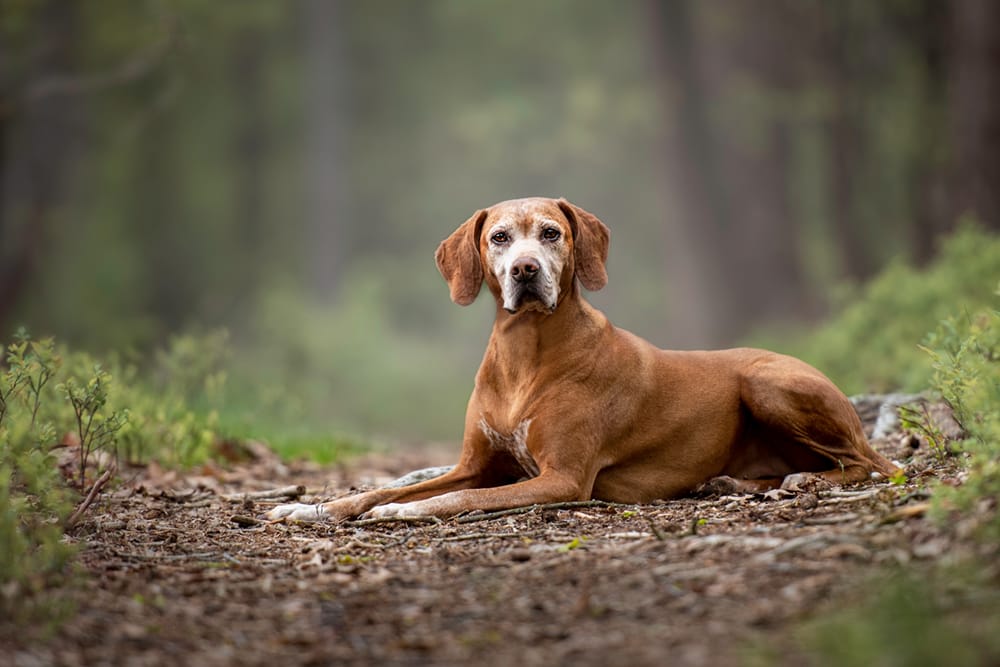
It’s a little of both. Ageing brings physical and cognitive changes that can absolutely affect your dog’s emotional state.
Hearing and vision loss can make the world feel less predictable. Joint pain can cause irritability. Cognitive decline, often called canine cognitive dysfunction (CCD), is similar to dementia and can lead to pacing, restlessness, confusion, or even house-soiling.
What looks like clinginess may actually be increased insecurity; your dog is seeking reassurance because their world doesn’t feel quite right anymore.
This is a time for compassion and careful observation. Schedule a vet check to rule out pain, thyroid issues, or early signs of CCD. Consider environmental adaptations like night lights, softer bedding, and predictable routines. You can also talk to your vet about brain-supportive diets or supplements like omega-3s, SAMe, or antioxidants. Most importantly just be there for your dog. You can be their greatest source of comfort when they need you most.
With a little preparation, your dogs can stay snug, safe, and happy throughout the winter season. As always, if you’re unsure about your dogs’ needs, your vet can offer advice tailored to their age, breed, and health.

Is it bad to cuddle my dog a lot? I’ve heard too much affection can cause separation anxiety.
No, cuddling your dog doesn't cause separation anxiety. That’s a myth that’s thankfully fading. Affection strengthens the human–dog bond and gives your dog a secure emotional base, which is actually protective, not problematic.
Separation anxiety happens when a dog has no coping strategy for being alone, often because they were never taught that alone time is safe and predictable. It’s not about how much you cuddle, but how you prepare them for separation.
If your dog struggles when you leave, start with short absences, pair your departures with positive associations (like food puzzles), and avoid dramatic exits or reunions. If the anxiety is intense, you may need help from a behaviourist. But please don’t feel guilty for showing love; security and affection are vital to emotional resilience.
Affection isn’t one-size-fits-all
Cuddling can be wonderful but only if your dog enjoys it. Some dogs love being draped across your lap. Others prefer affection at arm’s length, or only on their terms.
To check if your dog is genuinely comfortable with cuddling, try the ‘consent test’
Consent test:
• Gently stroke your dog for a few seconds, then stop.
• If they nudge you, lean in, or reposition themselves for more - great!
• If they move away, shake off, or avoid eye contact, they may not have been enjoying it.
Watch for these signs of discomfort:
• Licking lips or yawning during the cuddle
• Stiff body or turning head away
• Whale eye (showing the whites of the eyes)
• Moving away or avoiding the interaction entirely
Every dog is different. Some want full-on snuggles. Others prefer gentle head scratches or sitting beside you without touch.
Let your dog choose how connection looks for them.

My dog seems to ignore me at the dog park, even though he listens perfectly at home. Why does he do this?
One of the most common misconceptions in dog training is that a dog who ‘knows’ something at home should be able to do it anywhere.
But dogs aren’t generalists; they learn contextually. For example, a sit in the kitchen doesn't automatically translate to a sit at the park, especially when there are squirrels, smells, and other dogs to compete with your voice.
In the busy outdoor setting when there is a lot going on, your dog is overwhelmed, distracted, or just not yet fluent in ‘outdoor obedience.’ Go back to basics, start with calmer outdoor environments and reward generously before heading back to the dog park to try again.

What’s the best chew for a teething puppy?
Teething pups need soft but durable chews.
Try frozen carrots, rolled-up wet cloths frozen overnight, or soft puppy-safe rubber toys. Avoid cooked bones or hard chews that could crack teeth. Chewing helps relieve gum discomfort, and can give your furniture and new slippers a bit of a break!
Products we love
Shopping fun

PaleoPet Pure 100% Green Beef Tripe for Dogs
Humans may find tripe to be somewhat of an acquired taste (and smell), but dogs absolutely love it! Our tripe has been thoroughly washed and cleaned for you, while retaining all the nutrition of unbleached tripe. It’s easy to serve and store and has so many health benefits for adult and senior dogs especially.
Tripe is rich in trace minerals, while moderate in protein and fat. It is a great complementary raw food addition to a diet for dogs who may struggle with constipation or need foods that are easier to digest. Tripe doesn’t contain any bone, but still maintains a perfect calcium phosphorus balance, which is rare for animal protein without bone content.
Tripe can be used as a basis for a ketogenic diet for dogs with cancer or epilepsy where one should feed low to no carbohydrate, moderate protein, and high fat. Tripe can also entice dogs who may not feel all that well and are reticent to eat.
Our 100% Green Beef Tripe (and nothing else) is made from the best quality local beef with no preservatives, colourants, or artificial flavourants.
The PaleoPet Pure range is FSA Food Safety certified and DALRRD registered. Also available in convenient, pre-frozen 1.5 Kg and 750g tubs or as a box of 12 individually wrapped 100g Patties. The tubs are re-usable, recyclable, and PBA-free.
Products can be purchased online at www.paleopetpure.com and delivered to your door or bought at selected retailers.
follow us on Instagram @dogquarterlymag and Facebook dqmagazine
stay tuned for the next issue of