Welcome to this edition of DQ Magazine!
As dog lovers, we know that our four-legged friends bring so much joy, companionship, and even a little chaos into our lives. That’s why every issue of DQ is packed with useful insights, expert advice, and fun features to help you strengthen your bond with your pup.
In this issue, we explore a wide range of topics from the use of CBD in dogs, to eco-friendly pet ownership and the sport of dancing with dogs. We also meet the Lhasa Apso in our breed profile, throw in some training tips, and give you a recipe to bake some treats for your dog with super-ingredient rooibos.
Whether you’re a seasoned dog owner or welcoming a new pup into your home, we hope you find something here to inspire, educate, and entertain you.
Happy reading – and give your dog a belly rub from us!
Dr Lizzie Harrison | Editor
Designer | Mauray Wolff
The regal sentinel with a big heart
What you need to know
Weird and wonderful beliefs about man’s best friend
Sustainable pet products and practices
Training and teamwork to music!
What South African dog owners need to know
Blanket treatment vs. targeted testing
Miracle cure or just a fad?
How to make homemade rooibos dog treats
Your questions answered
Shopping fun
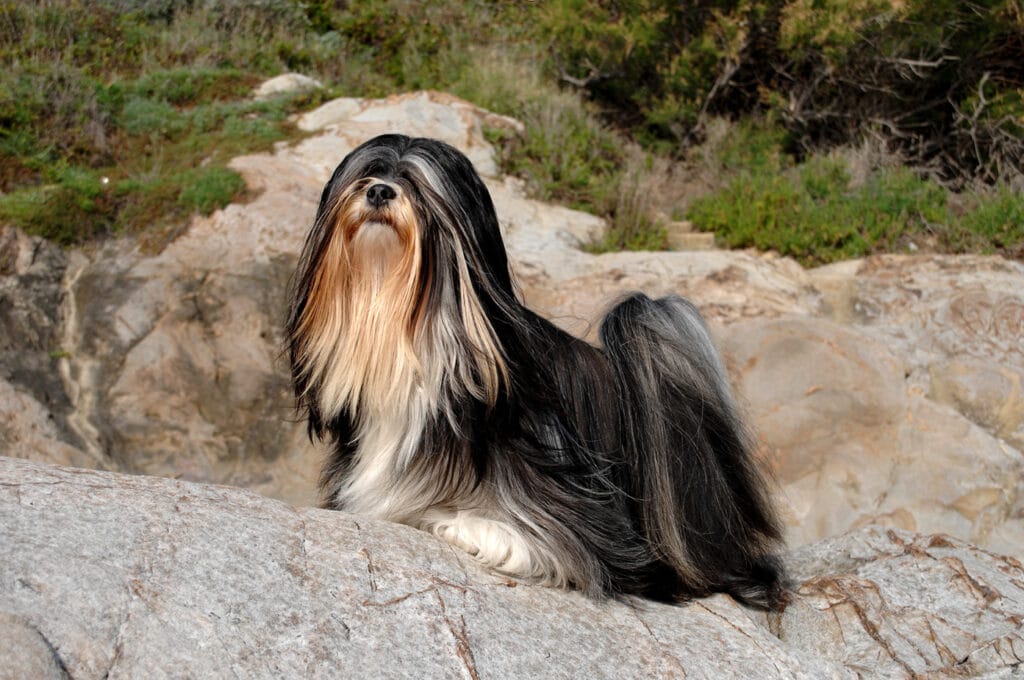
The Lhasa Apso, a small yet sturdy breed with a luxurious coat and a confident demeanour, has long been revered as both a companion and a guardian. Originally bred in Tibet to guard monasteries, this ancient breed boasts a fascinating history and a big personality.
Hailing from the Himalayan region of Tibet, the Lhasa Apso has a lineage that dates back over a thousand years. These dogs were highly prized by Tibetan monks and nobles, serving as watchdogs inside monasteries while their larger counterparts, the Tibetan Mastiffs, patrolled the exterior. Named after Tibet’s capital city, Lhasa, these little sentinels were believed to bring good fortune and were rarely given away, except as gifts of great honour.
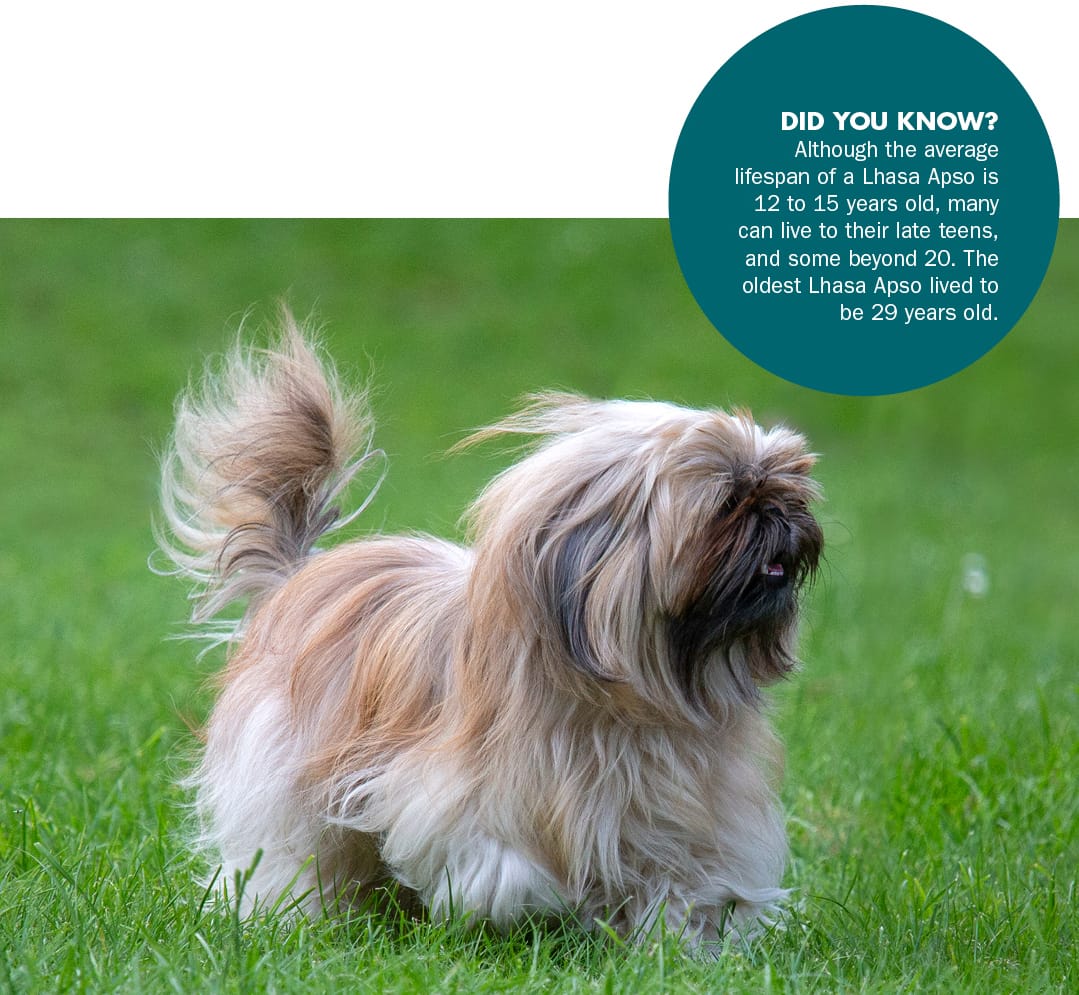
The Lhasa Apso is a small breed, standing between 25 to 28 cm at the shoulder and weighing between 5 to 8 kg. Yet, despite their elegant appearance, they are surprisingly sturdy and well-muscled.
They are known for their long, flowing double coats, which come in various colours, including gold, red, white, black, dark grizzle, golden, honey, parti-colour, sandy, slate-coloured and smoke coloured. The thick and heavy coat has a hard straight outer coat and a medium undercoat. Their expressive, dark eyes and distinctive beard and whiskers give them an air of wisdom and dignity. Their ears are pendant shaped and their tail is curved, sometimes with a kink at the tip, and should be carried over the back.
It is thought that Lhasa Apsos sent to China were used to develop the Shih Tzu breed.
In Tibet, the Lhasa Apso goes by his original name, Abso Seng Kye, which means Bark Lion Sentinel Dog. The Lhasa Apso was also associated with the mythical Snow Lion, which Tibetans believe to be a guardian of their country.
While they may look like lap dogs, Lhasa Apsos are known for their strong-willed and independent nature. They are naturally alert and can be pretty wary of strangers, making them excellent watchdogs. However, they are intensely loyal to their families and thrive on affection. They are intelligent and can be trained effectively with patience and positive reinforcement. Their playful and sometimes mischievous attitude makes them entertaining companions, though they often have a stubborn streak.
One of the Lhasa Apso's most distinctive features is its long, dense coat, which requires regular maintenance. Daily brushing is recommended to prevent tangles and matting, and regular bathing helps keep the coat clean and healthy. Many owners opt for a shorter ‘puppy cut’ for easier upkeep. Additionally, routine eye and ear cleaning, along with dental care, are essential for the Lhasa Apso's overall well-being.
Despite their small size, Lhasa Apsos have moderate energy levels and enjoy daily walks and play sessions. However, it is very important with this super smart breed to remember that mental stimulation is just as important as physical exercise. While they can be stubborn, and experience ‘selective hearing’ at times, they respond well to consistent training and early socialisation.
Lhasa Apsos are generally a hardy breed with a lifespan of 12 to 15 years, though many live even longer with proper care. Some common health concerns include hip dysplasia, progressive retinal atrophy (PRA), atopic dermatitis, and kidney issues. Regular veterinary check-ups and a balanced diet contribute to long, healthy lives.
Lhasa Apsos have found a dedicated following in South Africa, where their affectionate yet protective nature makes them well-suited to both urban and suburban living. Their small size makes them adaptable to apartment life, provided they receive enough mental and physical stimulation. Our warm climate means owners should be mindful of their thick coat and ensure they remain cool and comfortable during hotter months.

Lhasa Apsos are very popular as family pets, and many 20th and 21st century celebs have owned them, including Liberace, Elizabeth Taylor, Kurt Vonnegut, Ellen DeGeneres, Jane Lynch, and Gwen Stefani.
The Lhasa Apso is an excellent choice for experienced dog owners who appreciate an independent yet loving companion. They thrive in households that can provide them with stimulation, regular grooming, and plenty of love. While they may not be the most obedient breed, their charm, intelligence, and devotion mean that once you’ve lived with a Lhasa Apso you’ll never want to be without!
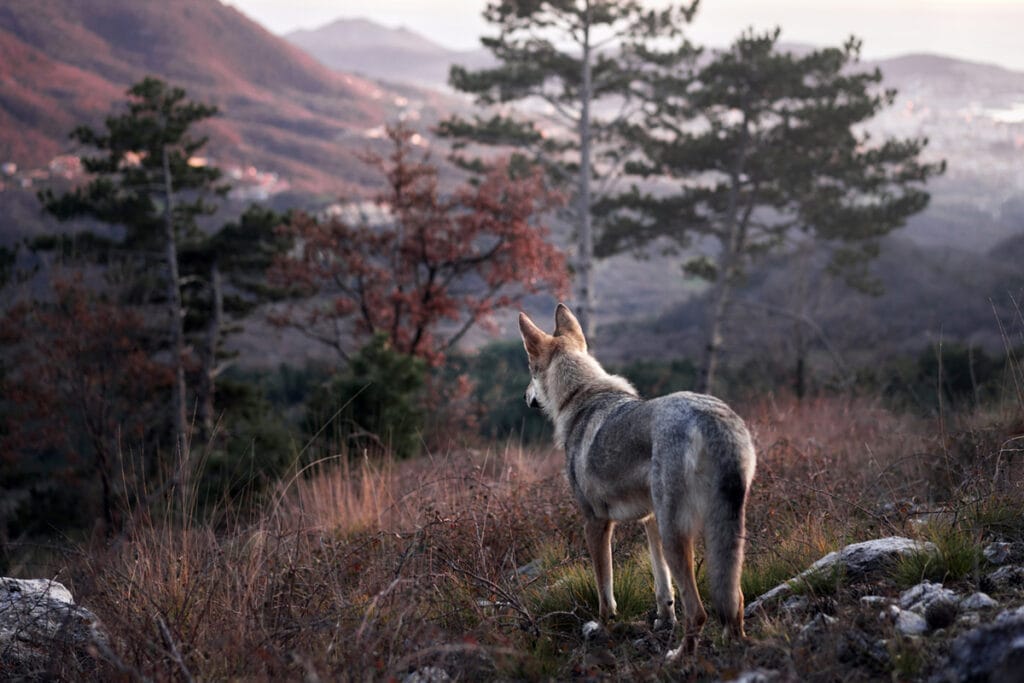
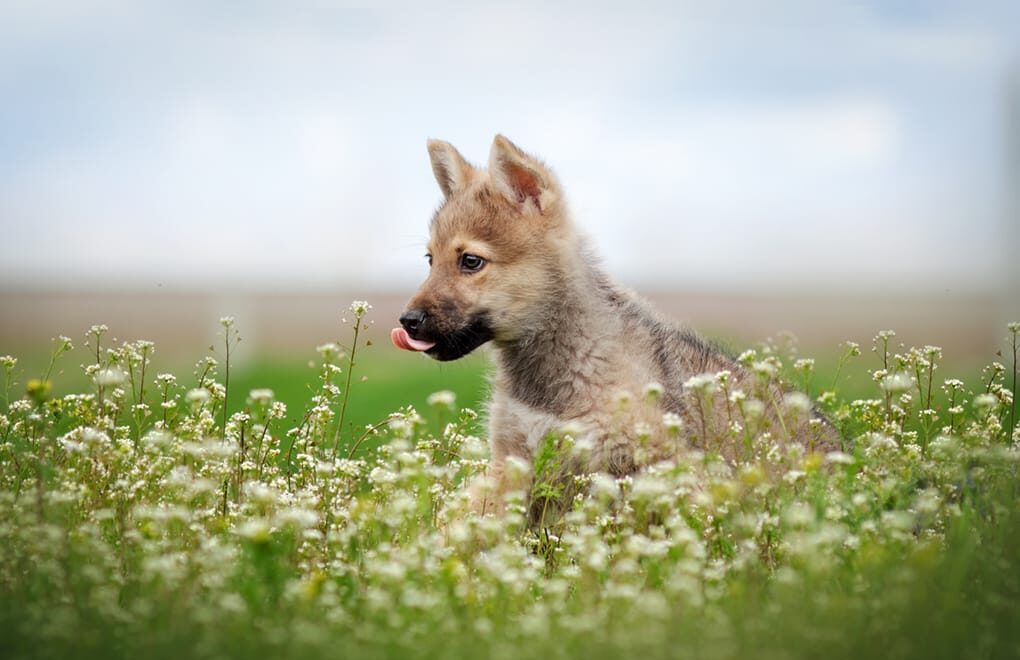
The Wolfdog is a creature that captures the imagination and curiosity of dog lovers and wildlife enthusiasts worldwide. With its lupine looks and untamed energy, the Wolfdog is not your average pet, and in South Africa, it’s a breed that sparks plenty of admiration but also debate and caution.

A Wolfdog is a hybrid between a domestic dog (Canis lupus familiaris) and a wolf (Canis lupus). Depending on the percentage of wolf ancestry, these dogs can have varying physical traits and temperaments. Some Wolfdogs have only a small amount of wolf heritage, while others are considered ‘high-content’, meaning they retain a stronger wolf-like genetic makeup and behaviours.
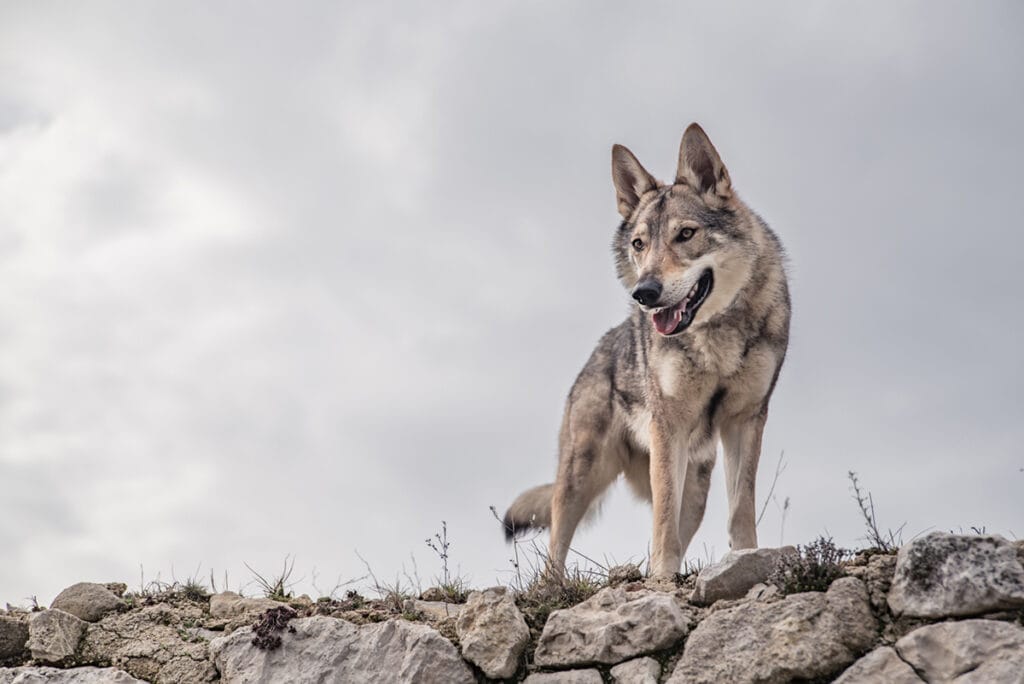
Most Wolfdogs are strikingly beautiful animals, with their wild, piercing eyes, dense double coat, strong bone structure, and erect ears. Their coat colours can range from classic grey wolf shades to white, black, or sable.
Wolfdogs are known for their intelligence, independence, and high prey drive. While they can bond closely with their humans, they are not generally suited to life as a pet. They require lots of space, mental stimulation, and close management as unlike typical domestic breeds,
Wolfdogs can display more unpredictable behaviours, especially if not socialised early. Many are shy or aloof with strangers and need careful management around small animals and often children due to their prey instincts.
Wolfdogs occupy a unique space in the animal world and this means that are often misunderstood; they are neither domesticated dogs nor fully wild wolves, falling in the gap between the two. Their instincts make them challenging to train, and they often do not respond well to traditional training, but they are not fully ‘wild’ either.
Wolfdogs often spark strong opinions within both the animal welfare and dog-owning communities. On one hand, their beauty and connection to the wild inspire awe. On the other, concerns about their welfare, temperament, and suitability as domestic pets have led to heated debates globally — including here in South Africa.
Animal welfare organisations warn that many Wolfdogs are misunderstood, resulting in them being surrendered to shelters when owners realise the animal’s needs exceed what a typical home can provide. Their high energy, unpredictability, and difficulty adjusting to urban life make them prone to behavioural issues in unsuitable environments.
Conservationists also raise concerns about Wolfdogs potentially threatening wildlife if they escape into the wild. Additionally, in areas where wolves are endangered, the ethical implications of breeding hybrids add to the controversy.
Supporters argue that when responsibly bred, well-socialised, and raised in the right setting, Wolfdogs can thrive and bond deeply with their owners. However, many experts agree they are not suited to most households and are best kept by highly experienced handlers who understand the unique balance between their wolf instincts and domestic dog behaviours.
Wolfdogs vary widely depending on their wolf content and the breeds they are crossed with.
THE MOST COMMON TYPES INCLUDE:
Low-content Wolfdog
Typically under 25% wolf heritage. These dogs resemble domestic breeds more closely and tend to be more manageable in terms of behaviour and training. Some may look like Northern breeds such as Huskies or Malamutes.
Mid-content Wolfdog
These dogs often have a stronger wolf appearance and temperament. They may be more aloof, have heightened prey drives, and require experienced handling. Mid-content Wolfdogs usually range between 25–50% wolf ancestry.
High-content Wolfdog
With over 50% wolf DNA, high-content Wolfdogs tend to behave much more like wolves. They can be shy, territorial, and difficult to train using conventional methods. They often struggle to adapt to domestic environments and need specialised care and secure housing.
Breed-specific crosses
Some of the more established types of Wolfdogs include:
• Czechoslovakian Wolfdog: A recognised breed, created by crossing German Shepherds with Carpathian wolves, known for loyalty and endurance.
• Saarloos Wolfdog: A Dutch breed combining German Shepherds with European wolves, bred initially for working purposes but now known for their shy, sensitive nature.
Each type requires a deep understanding of both canine and wolf behaviour to ensure their wellbeing and successful integration into a human household.
Loki the Wolfdog (check him out on Instagram) is a ‘low content’ Wolfdog.
Wolfdogs fall into a grey area in terms of legality. In some provinces, ownership may require special permits, particularly if the animal has a high percentage of wolf ancestry. It’s vital to check with local authorities and conservation bodies before considering one.
South Africa’s National Environmental Management: Biodiversity Act (NEMBA) also places restrictions on the import and breeding of certain exotic species, and this can extend to high-content Wolfdogs depending on how they are classified.
Although less common here than in North America or Europe, Wolfdogs are gaining popularity among exotic animal lovers and on social media platforms, where their wolfish looks captivate audiences. However, rescue centres and animal welfare organisations in South Africa warn that these animals often end up in shelters due to owners underestimating the demands of such a unique breed.
Wolfdogs are fascinating and powerful animals, embodying the raw spirit of the wild. However, they are not suitable pets for the average person. In South Africa, responsible ownership means understanding their special needs, respecting their heritage, and ensuring their welfare and the safety of those around them comes first.
Dogs have been by our sides for thousands of years, not just as loyal companions but also as symbols of luck, omens, and even supernatural guardians. Across different cultures, dogs have been both revered and feared, associated with everything from good fortune to ghostly apparitions. Here we uncover some of the most fascinating dog superstitions from across the globe.
In British and European folklore, black dogs are often seen as ghostly apparitions. Known by names like Black Shuck or the Barghest, these supernatural hounds are said to be omens of death or misfortune. Some legends claim that if you see a black dog at night, it means danger is near. However, in some cultures, a black dog is also believed to be a protective spirit that guards travellers.
Many cultures believe that a dog howling at night is a sign of impending doom. In some parts of Africa and India, it is thought that dogs can see spirits, and their howling means that a ghost or death is near. In Mexico, where Día de los Muertos (Day of the Dead) is celebrated, some believe that dogs guide spirits to the afterlife.
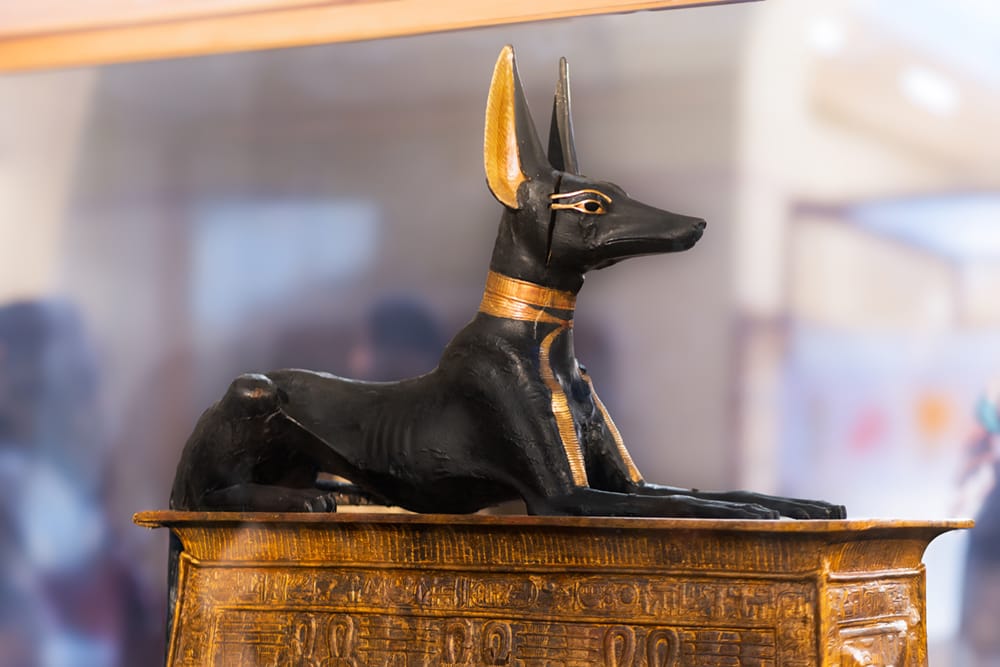
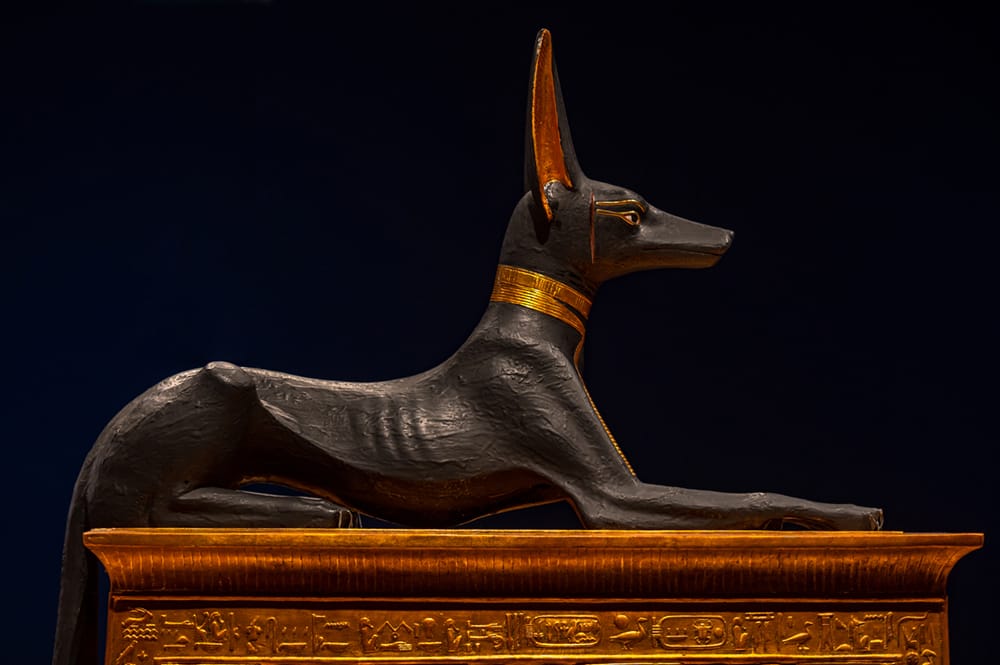
In Ancient China, dogs were believed to protect people from evil spirits, and statues of guardian dogs, known as Foo Dogs, were placed outside homes and temples. Meanwhile, in ancient Egypt, the god Anubis, depicted with a jackal head, was responsible for guiding souls to the afterlife, making dogs sacred creatures in Egyptian mythology.
In Italy, it is said that if a stray dog follows you home, it brings good luck. Similarly, in Japan, the statue of the Akita Inu dog represents loyalty and good fortune.
A popular tradition is to give small figurines of Akita dogs as gifts to wish someone health and happiness.
In Russia, it’s believed that a dog scratching on the floor or barking for no reason might be sensing hidden treasure nearby. In the Philippines, some believe that feeding a black dog on New Year’s Eve will bring prosperity in the coming year.
Many Native American tribes see dogs as spiritual healers. Some believe that sleeping next to a dog can help cure illnesses. In ancient Celtic traditions, dogs were associated with healing gods, and their presence was thought to bring physical and emotional well-being (and we’d have to agree that it does!)
In Persian folklore, if a dog talks to you, it is considered an omen of bad luck, signalling that something terrible is about to happen.
In ancient Greece, the three-headed dog Cerberus guarded the entrance to the underworld, preventing the dead from escaping and the living from entering.
In some parts of India and Turkey, a dog crossing your path is considered a sign of bad luck, especially if it happens in the morning. Some believe that stopping for a few moments or taking a different route can help avoid misfortune.
In Scottish and Irish folklore, white dogs are often associated with the supernatural. They are believed to be protectors against ghosts and evil spirits. Some tales even suggest that they are spirits themselves, guiding lost souls.
In parts of Mexico and South America, a dog being present when a baby is born is thought to bring good luck and protection to the child. Some families even ensure that their dog meets the newborn first to form a lifelong bond of protection and loyalty.
Dogs have played many roles in different cultures – guardians of the spirit world, bringers of luck, or harbingers of doom. Whether you believe in these superstitions or not, one thing is certain: dogs have left a lasting mark on human history and imagination. The next time your dog howls at the moon or follows you home, you might just wonder if there’s a little magic involved…
As awareness of environmental sustainability grows, more pet owners are looking for ways to reduce their carbon pawprint. From eco-friendly pet products to sustainable practices, there are many ways to be a responsible dog owner while protecting the planet. Here’s how you can make greener choices for your furry friend.
The pet food industry has a significant environmental impact, particularly in terms of meat production and packaging waste. Consider these eco-friendly alternatives:
Many traditional pet products contain plastic and synthetic materials that harm the environment. Instead, opt for:
Snuffle mats are often made out of scraps of fabric that would otherwise go to waste.
Supporting animal shelters and responsible breeding practices helps prevent overpopulation and reduces strain on resources:
Small changes in daily habits can significantly impact the environment:
South Africa has an emerging market for sustainable pet products. Look for brands that:
Being an eco-friendly dog owner in South Africa doesn’t mean sacrificing quality or convenience. By making conscious choices in food, products, and daily care, you can reduce your dog’s environmental impact while still providing him with a happy and healthy life. Small changes add up—start with one sustainable swap and build from there!
Have you ever seen a dog twirl, sidestep, or weave between their handler’s legs, all in perfect time to music? Welcome to the fascinating and fun-filled world of dog dancing. This captivating sport, consisting of two main styles – Heelwork to Music (HTM) and Canine Freestyle – blends obedience, tricks, and creativity, resulting in a harmonious routine between dog and handler.
Dog dancing is an exciting canine sport where dogs and their handlers perform choreographed routines set to music. There are generally two styles:
HEELWORK TO MUSIC:
This discipline emphasises the dog and handler's synchronised movements, with a strong focus on accuracy and precision in heeling positions.
Heelwork:
A significant portion of the routine (at least two-thirds) must involve the dog working at heel in one of the eight official heelwork positions (see below).
Rules:
There are specific rules regarding the positions and movements, making it a more structured and controlled sport.
Emphasis:
The partnership between handler and dog, walking and moving at heel, and choreographing the heelwork to the music is the focus.
CANINE FREESTYLE (DOG DANCING):
This discipline allows for a broader range of tricks, movements, and choreography, with less emphasis on strict heeling positions.
Freedom:
Handlers are free to create routines that include a variety of moves, including heeling, but also spins, weaves, and other tricks.
Rules:
While there are rules regarding the routine structure and music, there is more flexibility in the movements and tricks performed.
Emphasis:
Teamwork, artistry, athleticism, and interpretation of the music are key elements of the sport.
So, to summarise:
Heelwork to Music:
More structured and emphasises heeling and obedience, with a focus on accuracy.
Canine Freestyle:
More free-form, allowing for a wider range of tricks and movements, with a focus on artistry and teamwork.
Dog dancing is not only a crowd-pleaser, but it also brings numerous benefits:
In competitive Heelwork to Music, there are traditionally eight heelwork positions recognised internationally, although some variations exist depending on the organisation. These positions refer to where the dog is positioned in relation to the handler, and all are performed while maintaining a controlled ‘heel’ as the combination moves in various directions. The standard eight are:
1. Position 1: Dog on the left side of the handler, facing forward (classic heel position).
2. Position 2: Dog on the right side of the handler, facing forward (reverse heel).
3. Position 3: Dog in front of the handler, facing the handler (front-facing heel).
4. Position 4: Dog behind the handler, facing the handler’s back (rear heel).
5. Position 5: Dog on the handler’s left, facing sideways toward the handler.
6. Position 6: Dog on the handler’s right, facing sideways toward the handler.
7. Position 7: Dog in front of the handler, facing away (dog looking forward, handler behind).
8. Position 8: Dog behind the handler, facing away from the handler (dog and handler facing the same direction, but the dog is behind).
Handlers can smoothly transition between these positions as part of their HTM routines, often moving in straight lines, circles, diagonals, or even reverse.

Absolutely! One of the beauties of canine freestyle is its inclusivity. Whether you have a Border Collie, a Golden Retriever, a Poodle, or even a Dachshund or rescue dog, all breeds and mixed breeds can participate. Age isn’t a barrier eithe – young and senior dogs alike can enjoy dog dancing, provided routines are adjusted to suit their physical capabilities.
Technically, yes – proficiency in heelwork is essential to do well in Heelwork to Music. HTM routines rely heavily on the dog maintaining precise heel positions relative to the handler while moving to music. It’s about teamwork and synchronisation, so both dog and handler need to be comfortable with clean, accurate heelwork across multiple positions.
However, you don’t need to be a seasoned competition obedience handler to start HTM! Many handlers build up heelwork skills progressively as they train for HTM. The key is:
Many teams begin with freestyle elements, learning tricks and basic musical routines, then gradually incorporate more heelwork as they progress. So, while heelwork is a core skill in HTM, it’s something you can work on and develop specifically for this sport.
While Heelwork to Music and Canine Freestyle are more established in countries like the UK and the USA, they are steadily gaining momentum in South Africa. Local dog clubs and trainers are increasingly offering dog dancing workshops, and some obedience and agility trainers now incorporate dance elements into their training. You may even spot HTM or Canine Freestyle performances at dog shows and pet expos around the country. Clubs affiliated with organisations like the Kennel Union of Southern Africa (KUSA) often host HTM or Freestyle events and competitions.
Ready to give dog dancing a whirl? Here’s how to start:
Dog dancing is about joy, creativity, and partnership. Whether you want to compete or have a blast dancing around the garden with your dog, this sport will strengthen your bond while giving you both plenty of exercise and, most importantly, FUN!
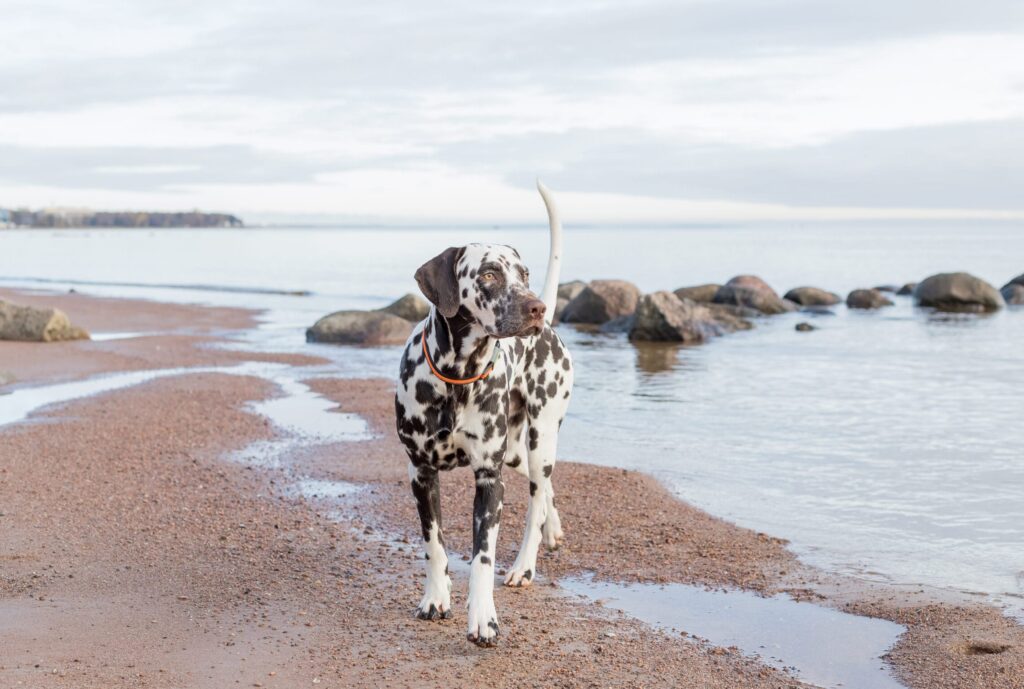
There’s nothing quite like a day at the beach with your four-legged friend – watching them run through the sand, splash in the waves, and enjoy the fresh sea air. But while a beach trip can be a fantastic adventure, it also requires some preparation and training to ensure your dog is well-mannered, respectful of others and, most importantly, safe. Here’s how to raise a polite beach dog that will be a joy to take along on your seaside outings.
Before heading to the beach, your dog should have a solid foundation in obedience. Essential commands include:
Not all dogs take to water naturally, so introduce them gradually:
A well-mannered beach dog should be respectful of people, wildlife, and other dogs:
The beach is a high-energy environment, and some dogs get overly excited:
Dogs can overheat quickly on a hot day, so be mindful of their comfort:
Being a responsible dog owner means leaving the beach as beautiful as you found it:
Taking your dog to the beach can be a rewarding experience for both of you! By preparing in advance and reinforcing good manners, you can ensure that your pup is a welcome guest at any dog-friendly beach!
For decades, dog owners have followed a familiar routine: every few months, pop a deworming tablet into their pet’s mouth and rest easy knowing their dog is protected. But as science and veterinary practices evolve, there’s a growing debate in the dog world—should we continue with routine, blanket deworming, or is it time to test first and treat only when necessary?
Worm infestations in dogs, caused by parasites like roundworms, hookworms, whipworms, and tapeworms, can lead to health issues ranging from mild digestive upsets to severe malnutrition, anaemia, and even organ damage. Puppies, seniors, and immunocompromised dogs are particularly vulnerable. Some worms can also pose risks to humans, especially young children, through zoonotic transmission (i.e. between animals and humans).
The traditional approach has been simple: deworm dogs every three to six months as a preventative measure. Blanket deworming is convenient, accessible, and often cost-effective. It’s also based on the understanding that dogs can pick up parasites from contaminated environments, raw meat, infected prey, and even from mother to pup.
By routinely deworming, pet owners can reduce the risk of worm build-up and potential health problems, especially in areas where parasitic loads are high. This strategy has been the go-to for busy households, shelters, and kennels where environmental exposure is constant.
However, an increasing number of veterinarians and parasitologists are advocating for a more targeted approach. Faecal egg count (FEC) testing, which checks for parasite eggs in a stool sample, allows dog owners to identify if their dog is actually carrying a worm burden and if so, of which worms, before medicating.
A faecal egg count quantifies the number of worm eggs in your pet’s faeces, which provides an indication of the number of adult female worms in your dog’s gut. Each species of worm egg is identified and, where appropriate, quantified to give an indication of the level of infestation.
Faecal testing is particularly recommended for healthy adult dogs with lower exposure to high-risk environments and for owners who want to reduce unnecessary medication use.
While the test-and-treat model is gaining traction, there are still scenarios where blanket deworming is advisable:
Ultimately, the decision comes down to lifestyle, location, and your veterinarian’s guidance. A hybrid approach is often ideal:
While blanket deworming has long been the norm, there is growing awareness around targeted parasite control. Testing before treating helps promote responsible deworming, reduces the risk of resistance, and allows for tailored care. Before changing your dog’s routine, consult your veterinarian to determine what’s best for your dog’s unique situation.
Cannabidiol (CBD) has gained popularity in the pet industry, with claims that it helps with anxiety, pain, and even seizures in dogs. But is CBD a revolutionary treatment for canine health, or is it just another wellness trend? Let’s explore the potential benefits, risks, and what science says about giving CBD to your dog.
CBD is a non-psychoactive compound derived from the cannabis plant. Unlike THC (tetrahydrocannabinol), which is toxic to dogs, CBD does not produce a ‘high’ but interacts with the endocannabinoid system, which regulates pain, mood, and inflammation.
Anecdotal reports and early research suggest that CBD may help dogs in several ways:
While there are risks and benefits of CBD oil, don’t give your dog any product containing CBD without your veterinarian’s explicit approval.
Cannabis is a plant that contains many active ingredients. The most significant are CBD and THC (tetrahydrocannabinol).
The difference between CBD and THC is that THC has a psychoactive property that can cause the feeling of being ‘high,’ and CBD does not. CBD is almost always in oil form, while THC comes in many forms. This includes the green plant. NOTE: THC is toxic to dogs.
CBD works in people by attaching to specific receptors in their central nervous system (brain and spinal cord), intestines, muscles, bones, liver, spleen, heart, and lungs to enhance certain body functions. It is believed that the same happens in dogs, but further research is needed to confirm this.
Despite its potential, CBD is not without risks:
Research on CBD for dogs is still in its early stages. Some studies, such as those conducted by veterinary schools in the US, suggest promising results for pain and seizure management. However, long-term effects and proper dosages require further investigation.
If you and your vet decide that you should try CBD as a treatment for your dog, there are a few things to keep in mind when purchasing CBD oil:
The use of CBD oil in dogs can have side effects, such as:
Contact your vet immediately if you notice any of these symptoms when taking a CBD supplement. They may advise you to take your dog to the nearest veterinary hospital.
CBD shows promise as a natural remedy for certain canine health issues, but more research is needed to confirm its long-term safety and effectiveness. While some dogs may benefit, it’s essential to approach CBD with caution, ensuring you use a high-quality, properly dosed product under veterinary supervision.
As interest in CBD for pets grows, future studies will help determine whether it’s a true breakthrough in veterinary medicine or just another passing trend.
Rooibos tea, a local staple, is well known for its health benefits. Packed with antioxidants, low in tannins, and caffeine-free, it’s a great addition to your dog’s diet. These homemade rooibos dog treats are not only tasty but also provide a natural boost to your pup’s well-being. Here’s how to make them!
Rooibos is known for its anti-inflammatory and immune-boosting properties. It can help soothe itchy skin, support digestion, and promote overall health. Many pet owners already use rooibos in their dogs’ diets, and these homemade treats are a fun and delicious way to incorporate it.
Making your own dog treats is a rewarding way to ensure your furry friend gets only the best natural ingredients. With rooibos' health benefits and delicious flavour, these treats are bound to be a hit. Give them a try, and let us know how your pup enjoys them!


While biltong is delicious snack for us, it’s not always safe for dogs. Many store-bought versions contain high levels of salt and spices, which can be harmful.
Some biltong also has added preservatives and flavourings that may upset your dog’s stomach. If you want to give your dog a treat, plain, unsalted, and unseasoned dried meat in moderation is a safer alternative.
However, you should always check with your vet before introducing new foods.


If you find a stray, approach cautiously and check for a collar or identification tag.
If the dog seems friendly, you can take them to a vet or shelter to check for a microchip. You can also post on local lost pet groups or notify nearby animal welfare organisations.
If the dog appears injured or aggressive, contact a local rescue group or SPCA for assistance rather than handling the dog yourself.
Humans may find tripe to be somewhat of an acquired taste (and smell), but dogs absolutely love it! Our tripe has been thoroughly washed and cleaned for you, while retaining all the nutrition of unbleached tripe. It’s easy to serve and store and has so many health benefits for adult and senior dogs especially.
Tripe is rich in trace minerals, while moderate in protein and fat. It is a great complementary raw food addition to a diet for dogs who may struggle with constipation or need foods that are easier to digest. Tripe doesn’t contain any bone, but still maintains a perfect calcium phosphorus balance, which is rare for animal protein without bone content.
Tripe can be used as a basis for a ketogenic diet for dogs with cancer or epilepsy where one should feed low to no carbohydrate, moderate protein, and high fat. Tripe can also entice dogs who may not feel all that well and are reticent to eat.
Our 100% Green Beef Tripe (and nothing else) is made from the best quality local beef with no preservatives, colourants, or artificial flavourants.
The PaleoPet Pure range is FSA Food Safety certified and DALRRD registered. Also available in convenient, pre-frozen 1.5 Kg and 750g tubs or as a box of 12 individually wrapped 100g Patties. The tubs are re-usable, recyclable, and PBA-free.
Products can be purchased online at www.paleopetpure.com and delivered to your door or bought at selected retailers.