DISTINCTIVE APPEARANCE
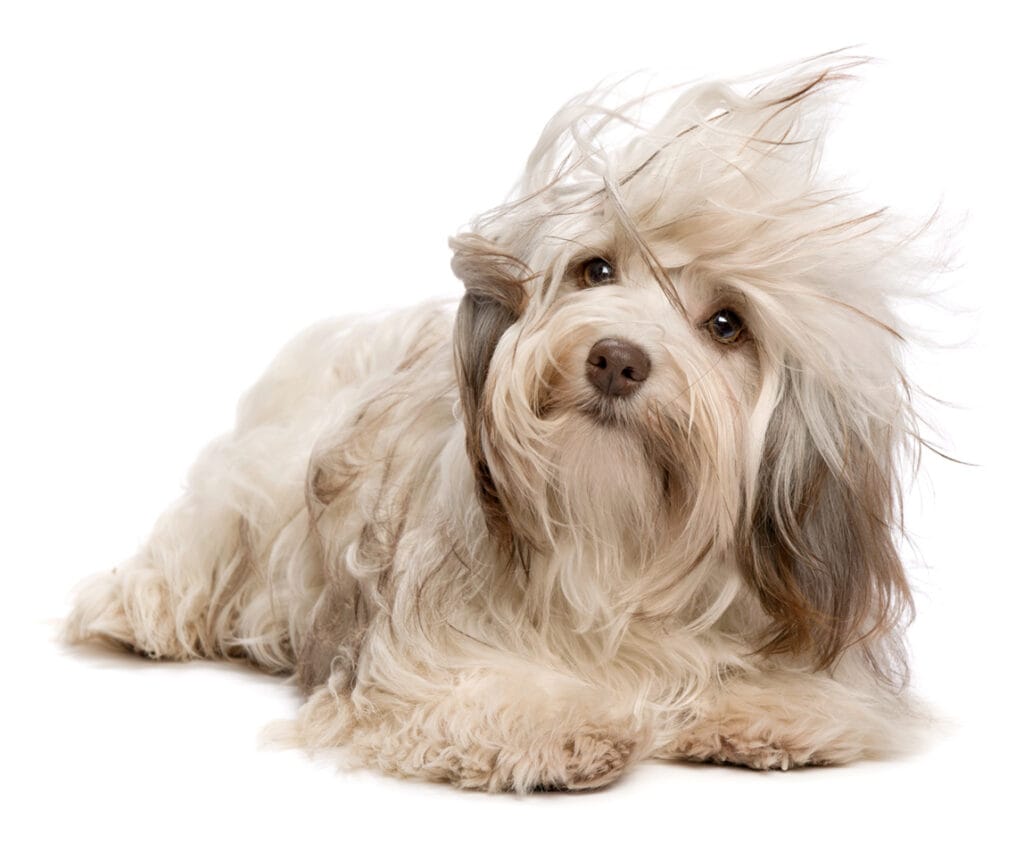
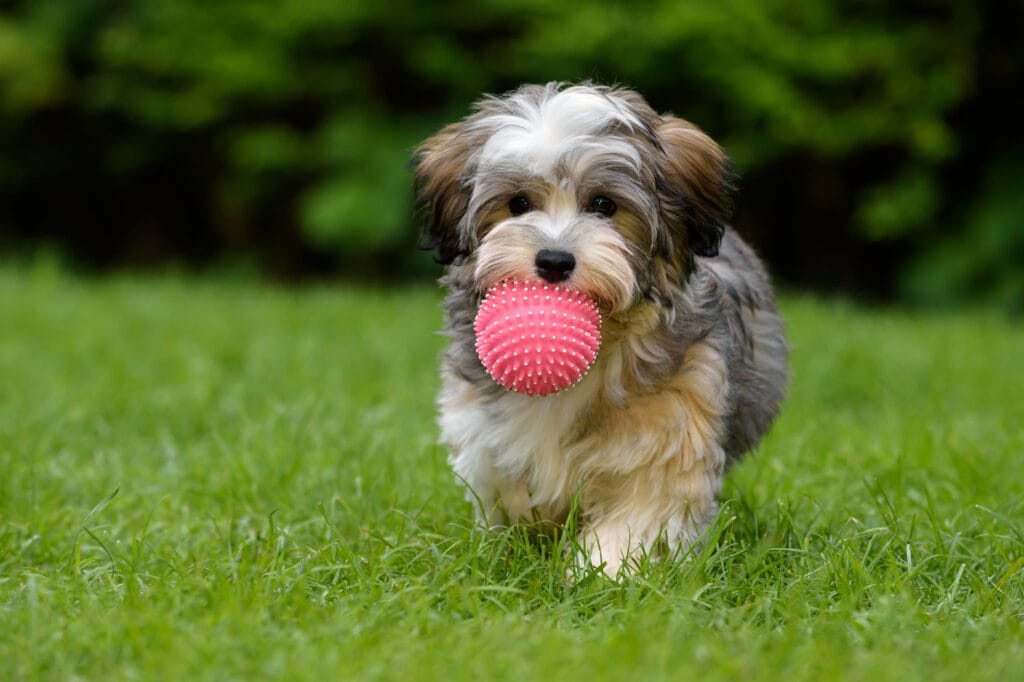
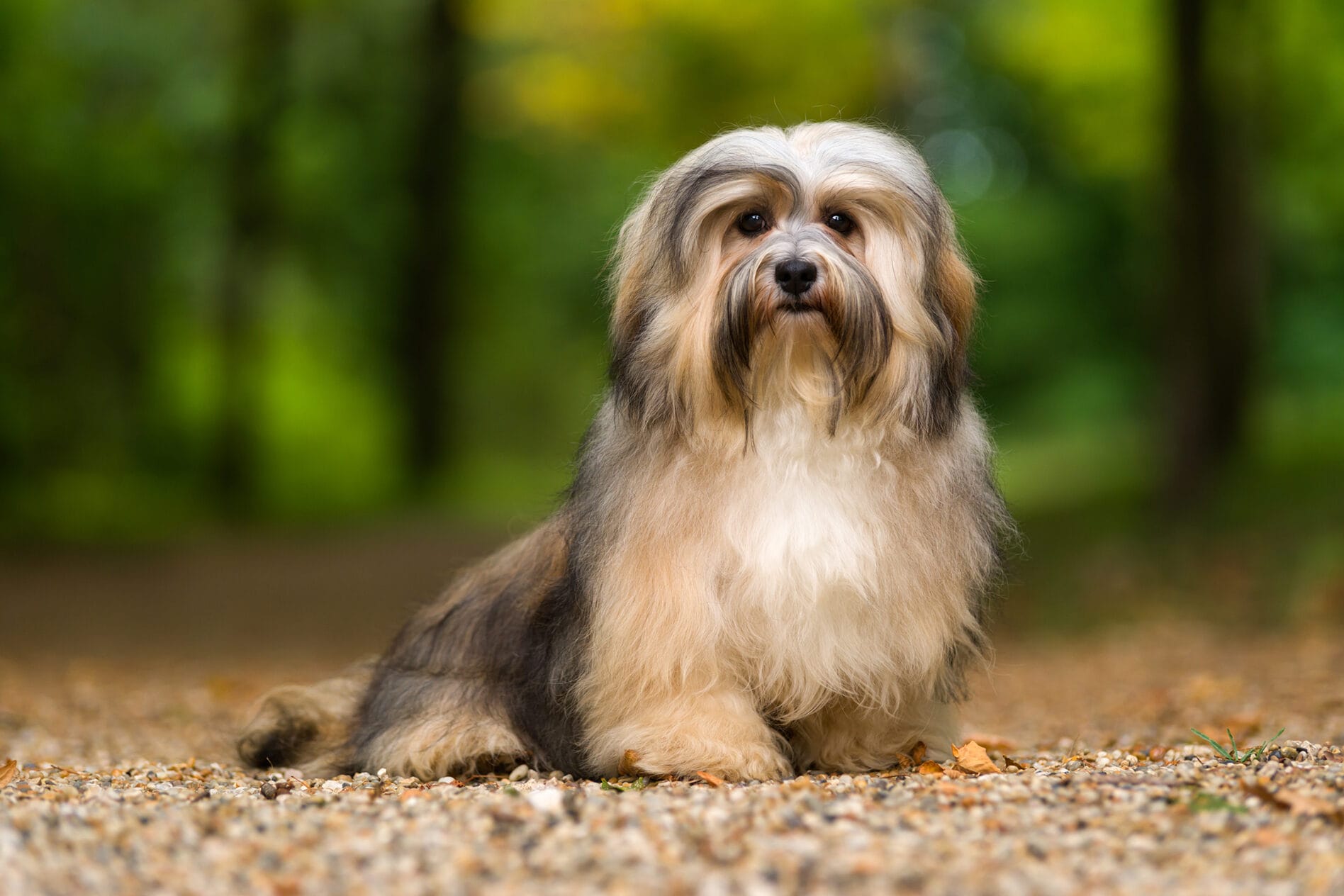
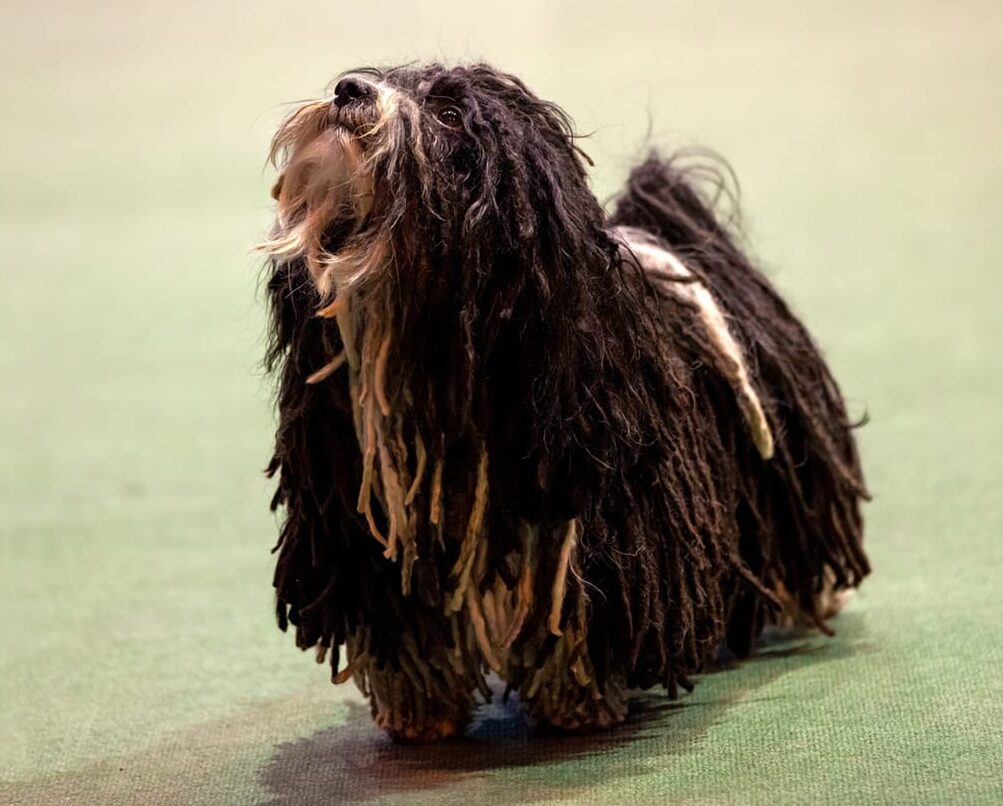
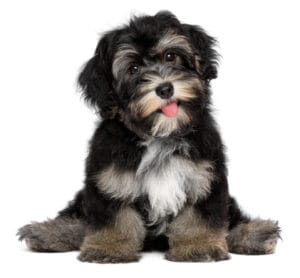
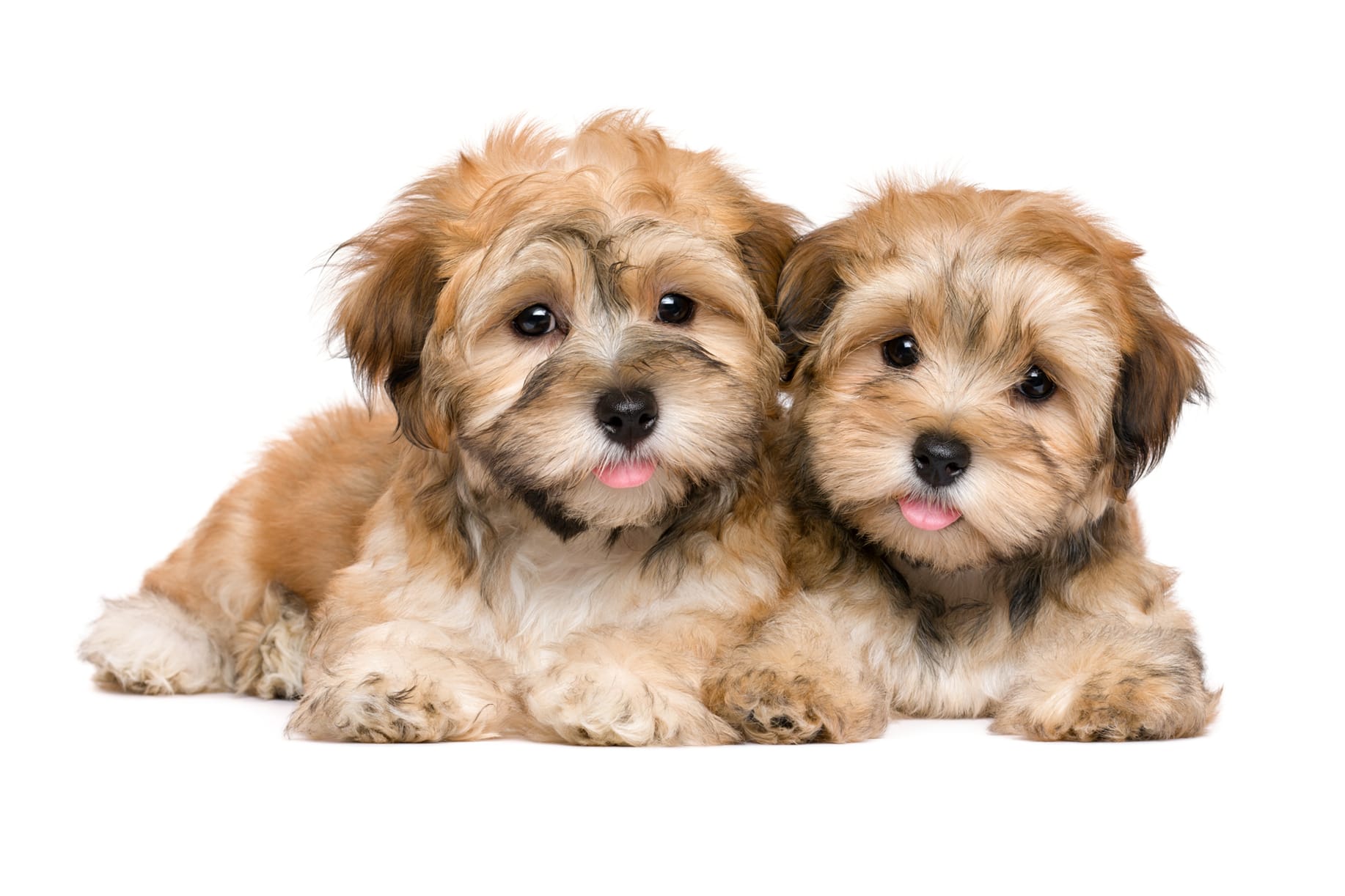
One of the most notable features of the Havanese is his long, silky, double coat, which can be straight, wavy, or curly. This breed comes in a variety of colours, including white, black, fawn, chocolate, and combinations of these. Despite their long coats, Havanese are hypoallergenic, making them an excellent choice for allergy sufferers. Regular grooming is, however, essential to prevent tangles and mats. The plumed tail is carried arched forward up over the back. The breed displays a unique springy gait, which is considered essential to ‘type’.
PERSONALITY AND TEMPERAMENT
Havanese dogs are affectionate, playful, and highly social. They thrive on human interaction and do not like being left alone for long periods. Their friendly nature makes them excellent companions for children and other pets. They are known for their intelligence and eagerness to please, making them highly trainable. Many Havanese excel in dog sports such as agility and obedience.
EXERCISE NEEDS
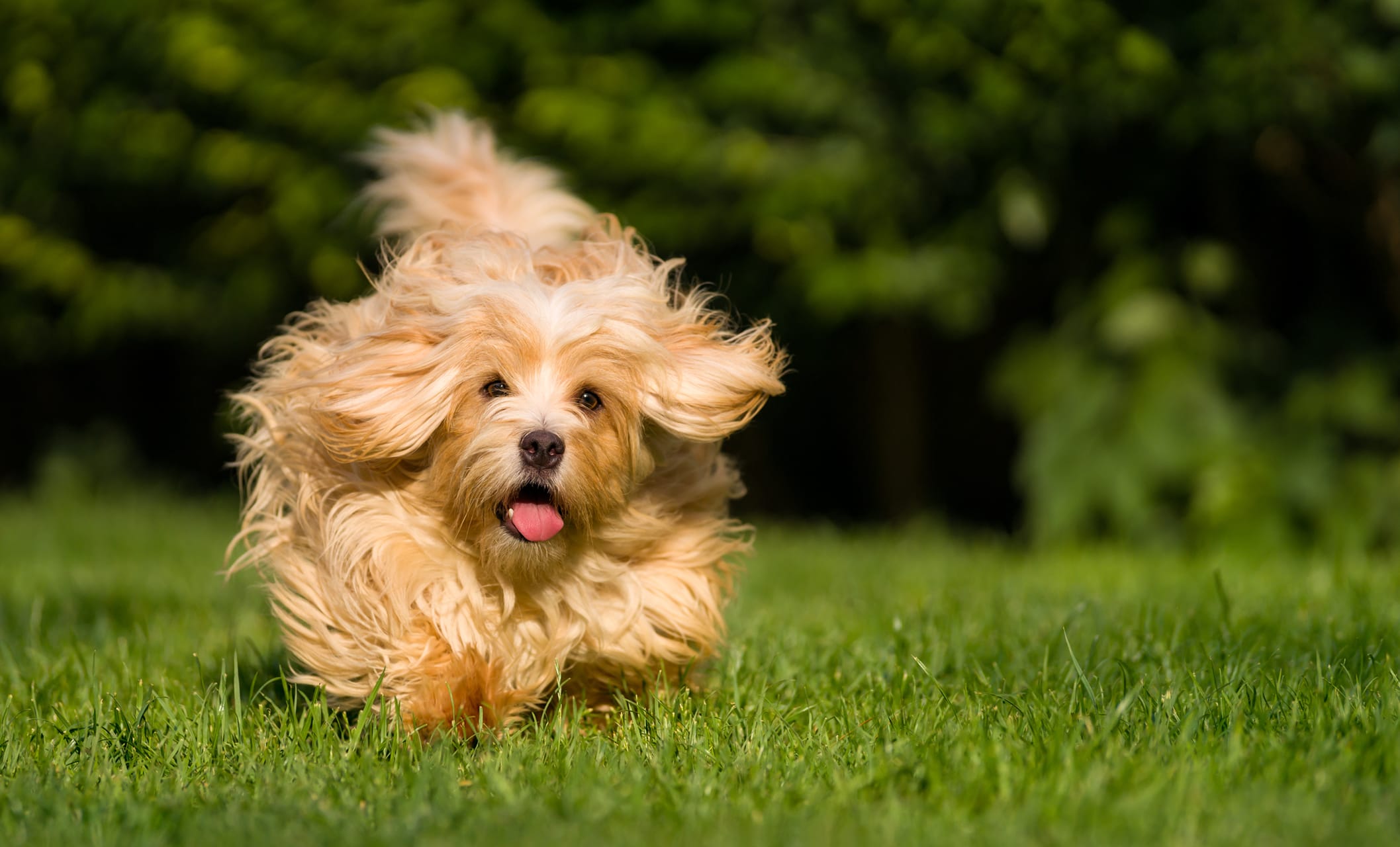
Despite their small size, Havanese are energetic and require daily exercise to stay happy and healthy. A mix of playtime, short walks, and mental stimulation through training or puzzle toys is ideal. However, the American Kennel Club (AKC) note that whilst the breed has moderate exercise needs, these dogs should never be over-exercised, whatever their age. In the words of the AKC, ‘if they are panting and struggling to keep up, it is time to go home.’
HEALTH AND CARE
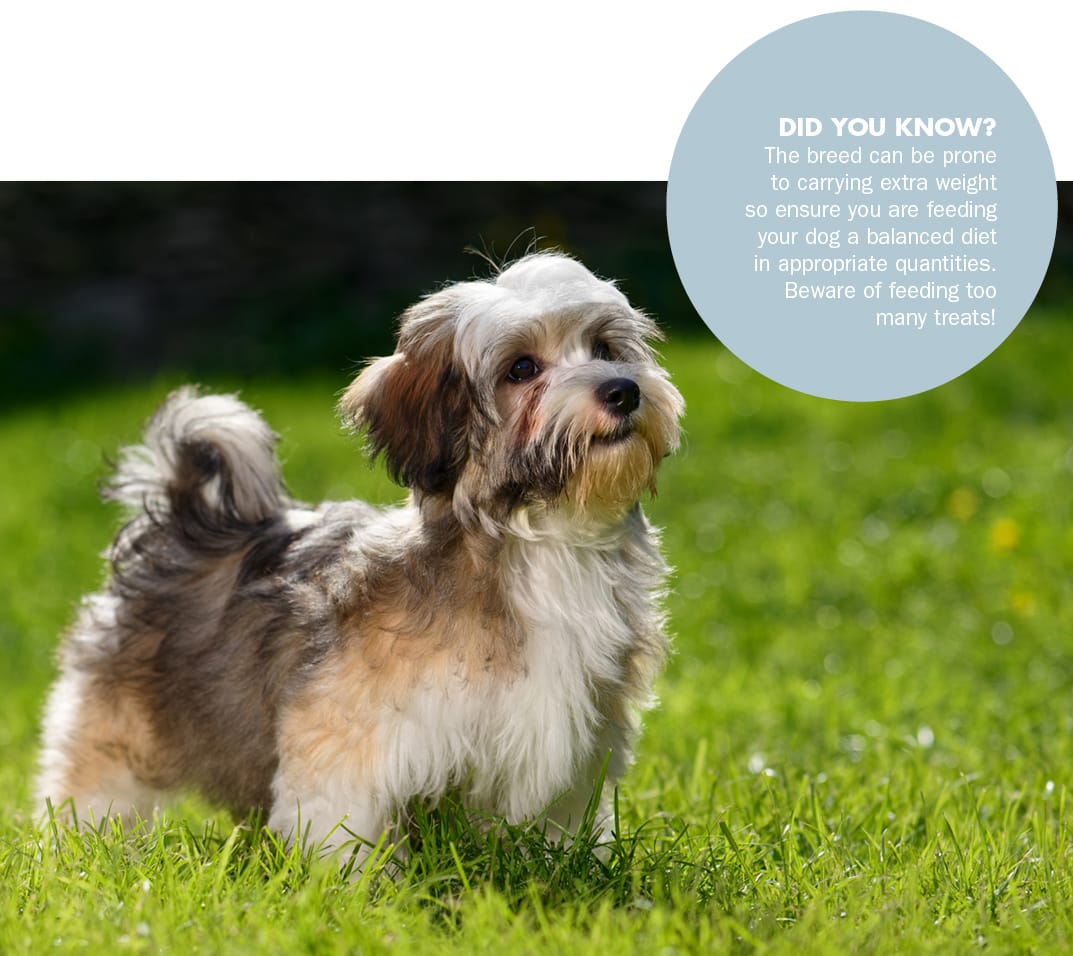
Havanese are generally a healthy breed with a lifespan of 14-16 years. However, they can be prone to certain genetic conditions, such as hip dysplasia, patellar luxation, deafness, and eye disorders. Regular vet check-ups, a nutritious diet, and proper dental care help maintain their well-being. Their coats require frequent brushing to avoid mats, and many owners opt for professional grooming to keep them looking their best.
IS THE HAVANESE RIGHT FOR YOU?
If you’re looking for a devoted, intelligent, and affectionate companion, the Havanese could be the perfect addition to your family. They do best in homes where they can receive plenty of attention and companionship; they are a breed full of personality, intelligence, and unwavering loyalty. If you’re ready for a dog that will become an integral part of your family, the Havanese might just be the perfect match.




2. Training and trick learning
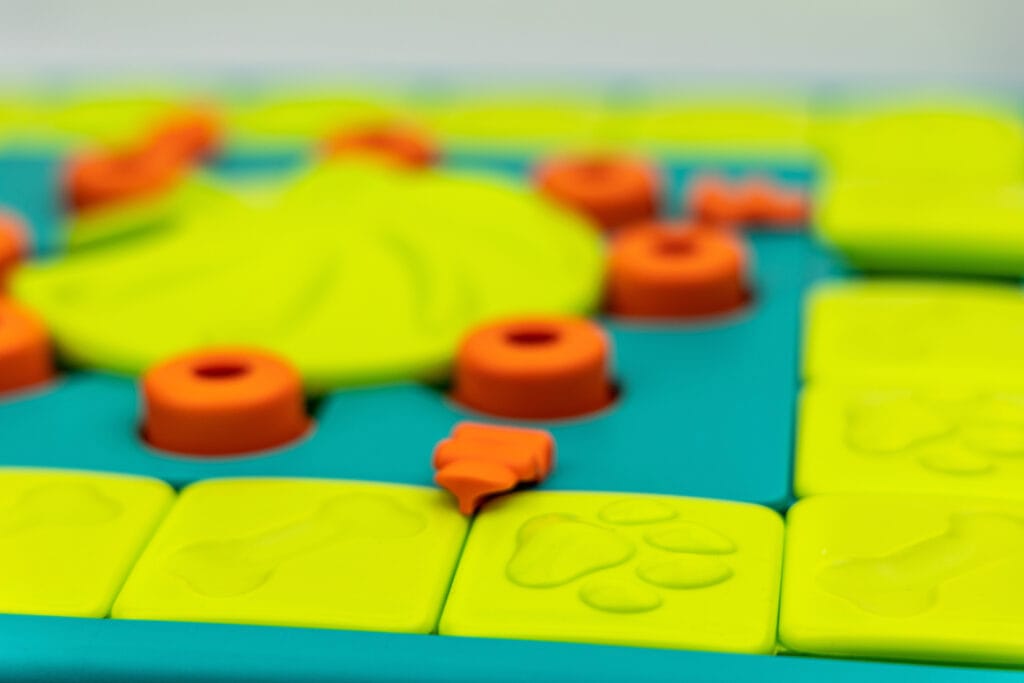
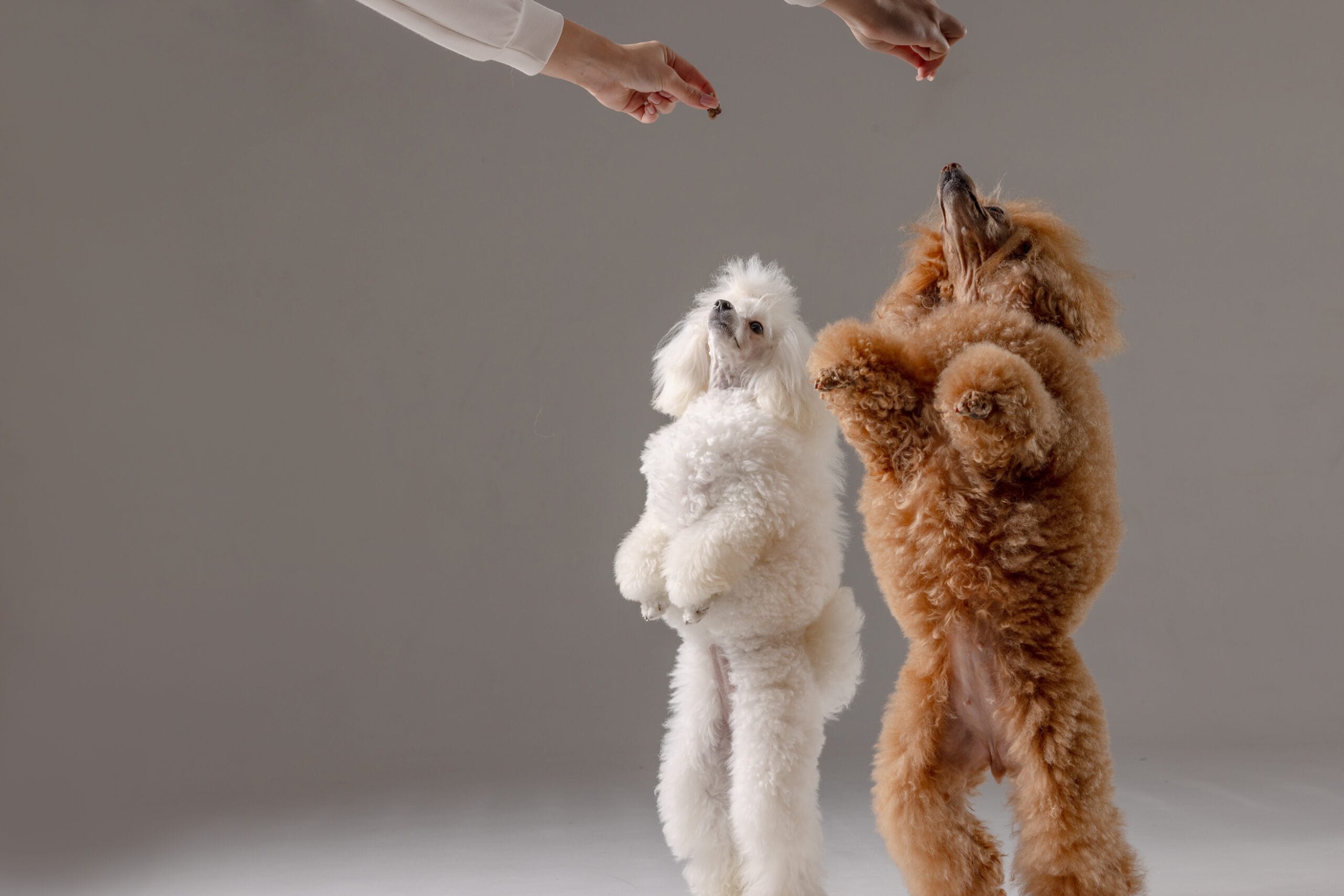
Teaching your dog new tricks or reinforcing old ones is a fantastic way to keep their mind active. Even simple commands like ‘sit,’ ‘stay,’ and ‘paw’ can be fun with positive reinforcement. Advanced tricks like rolling over, playing dead, or fetching specific items add an extra layer of challenge.
4. Food-based enrichment activities
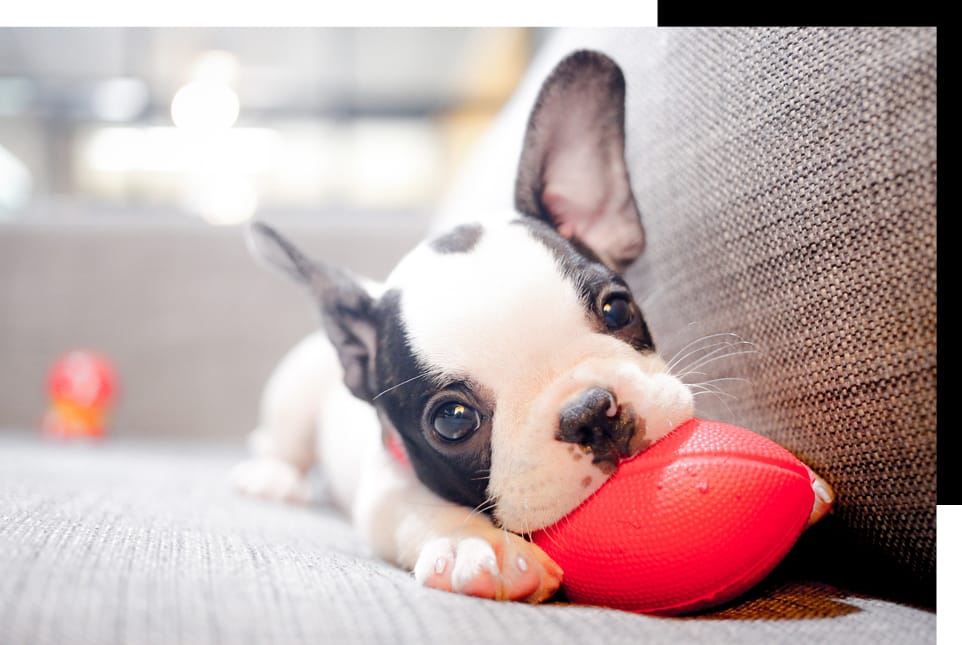
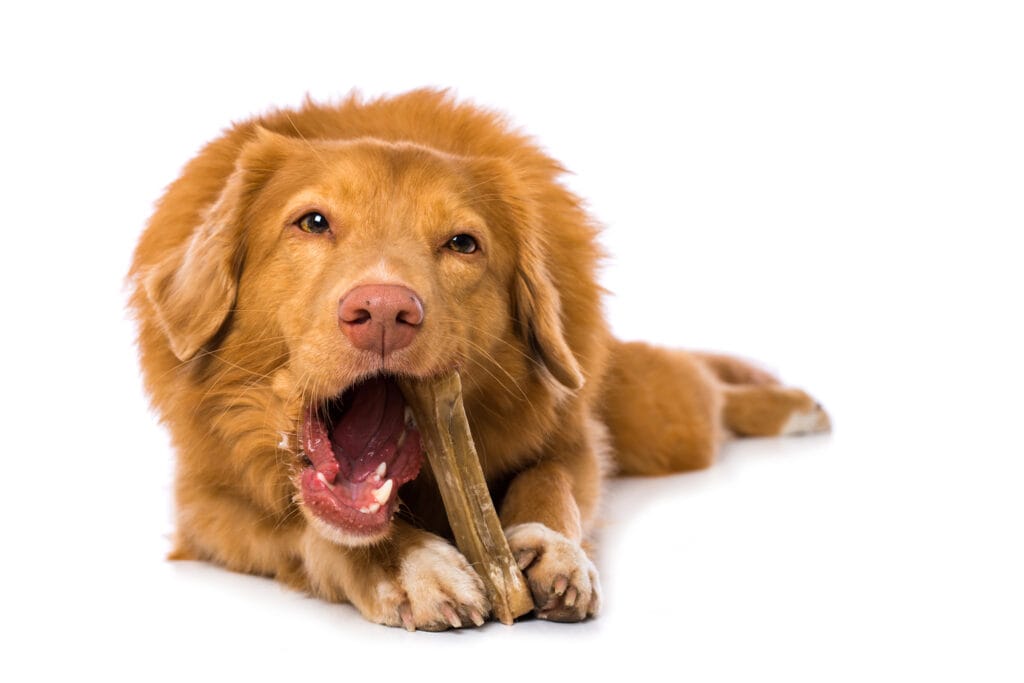
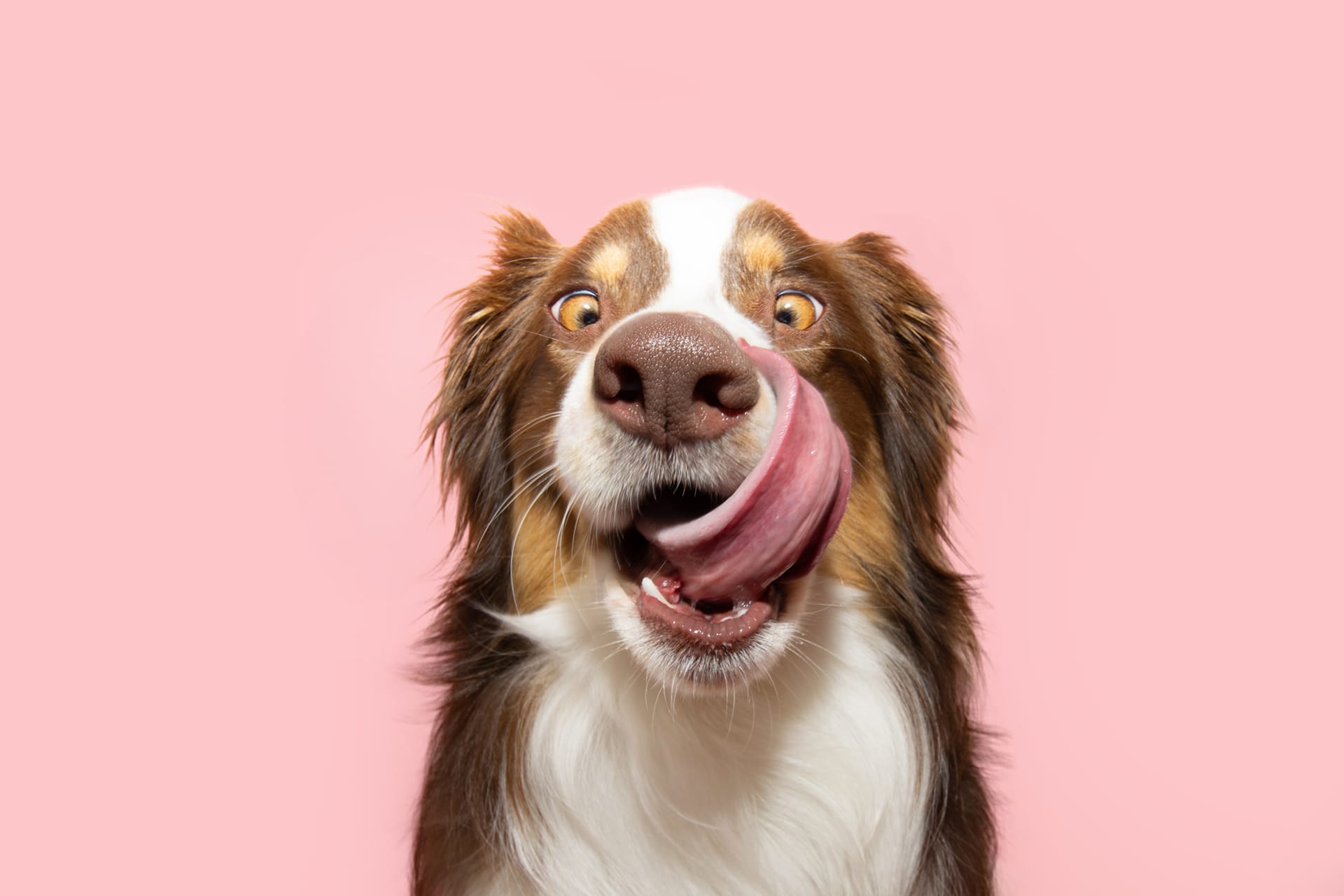
Licking and chewing are naturally soothing for dogs. Offer frozen treats, stuffed Kongs, or safe chew toys filled with peanut butter or yoghurt to keep them occupied. This not only provides a mental workout but also helps with stress relief.
7. Music and TV for dogs
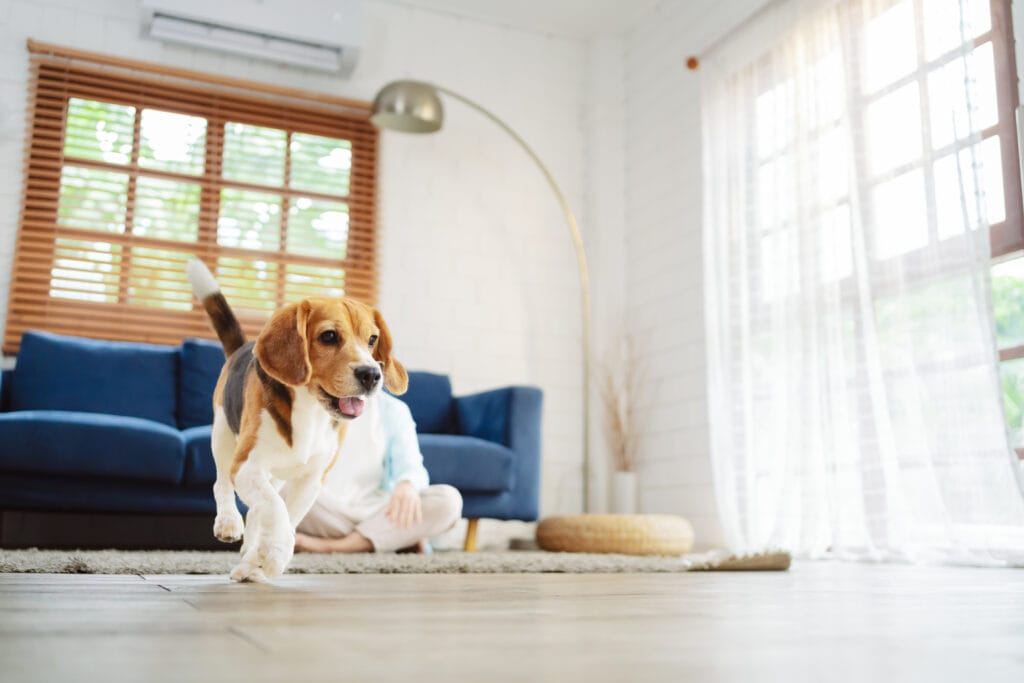
Calming music or dog-friendly TV shows can provide passive enrichment, especially for dogs that suffer from separation anxiety. Certain channels even offer visuals and sounds designed to capture a dog’s attention.
ABOUT THE VIRUS
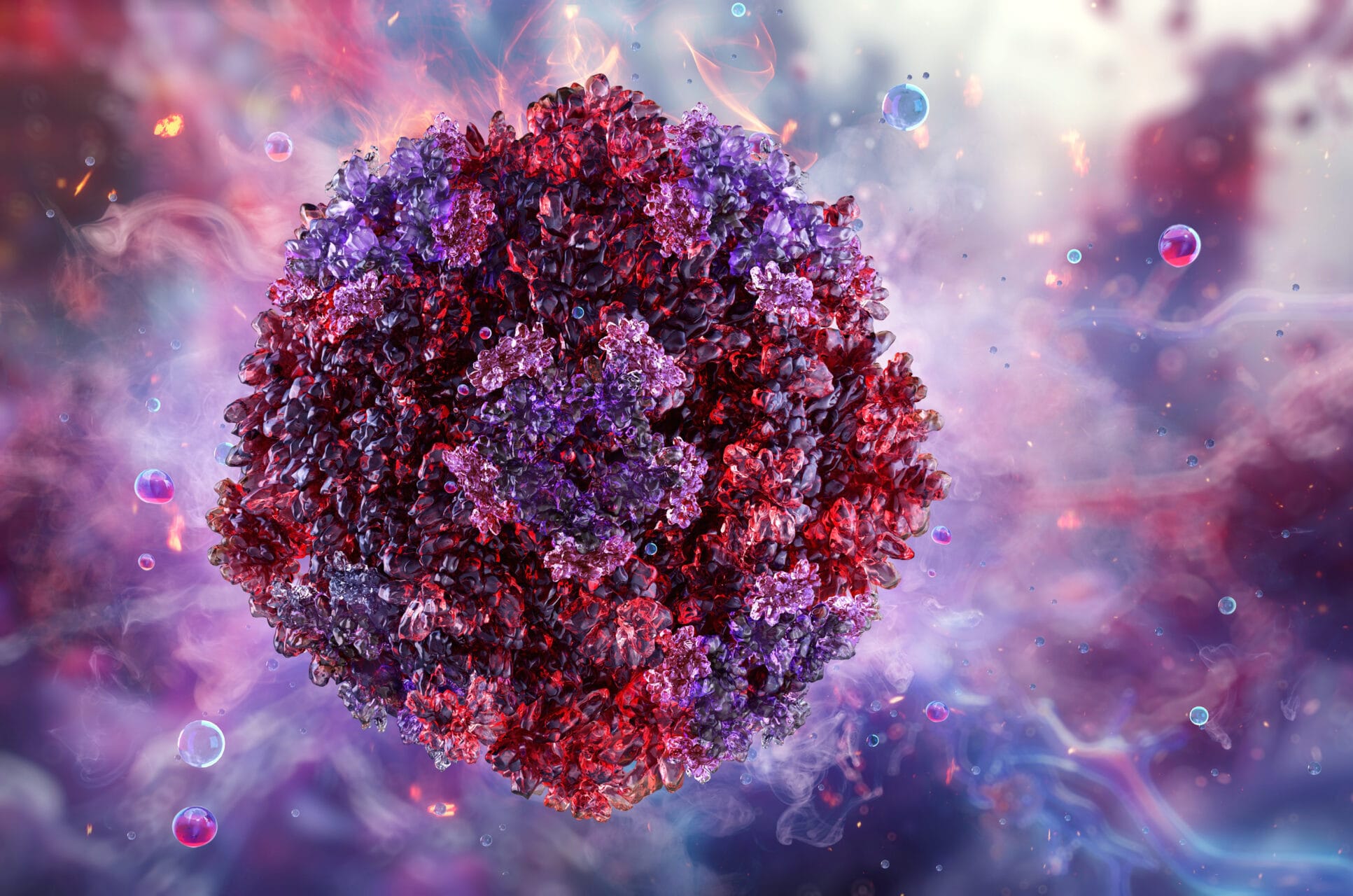
Parvovirus is a small, non-enveloped DNA virus belonging to the Parvoviridae family. Specifically, canine parvovirus (CPV) is classified as a single-stranded DNA virus that primarily targets rapidly dividing cells, such as those in the intestines, bone marrow, and lymphoid tissues. Its structure makes it highly resistant to environmental factors, allowing it to survive on surfaces for extended periods and making decontamination challenging. Unlike some viruses, parvovirus does not have an outer lipid envelope, which contributes to its resilience against disinfectants and harsh conditions.
PARVOVIRUS IN ADULT DOGS
While parvovirus is most commonly associated with puppies, adult dogs can also contract the virus, especially if they are unvaccinated or have a weakened immune system. Symptoms in adult dogs are often milder than in puppies, but in severe cases, they can experience the same life-threatening effects. Senior dogs and those with underlying health conditions are particularly at risk. Vaccination remains crucial for adult dogs to prevent infection and reduce the severity of the disease.
SYMPTOMS OF PARVO IN PUPPIES AND ADULT DOGS
Parvo manifests through a range of symptoms that worsen rapidly. If your dog shows any of the following signs, immediate veterinary attention is crucial:
- Severe vomiting – Continuous and forceful vomiting, often with a foul smell.
- Diarrhoea (often bloody) – Frequent, watery, and foul-smelling stools that may contain blood.
- Lethargy – Extreme tiredness and reluctance to move.
- Loss of appetite – Refusal to eat or drink.
- Fever or low body temperature – Fever may occur initially, but as the disease progresses, the dog’s body temperature may drop dangerously low.
- Dehydration – Resulting from vomiting and diarrhoea, dehydration can quickly become life-threatening.


PREVENTING PARVO
Prevention is far more effective than treatment when it comes to parvo.
Here’s how you can protect your dog:
- Vaccination – Puppies should receive their first parvo vaccine at 6–8 weeks old, with booster shots at 10–12 weeks and 14–16 weeks. A final booster at one year and continued annual vaccinations are essential. Adult dogs should receive regular booster shots to maintain immunity.
- Limit exposure – Avoid taking unvaccinated dogs to public places such as dog parks, pet stores, or other high-risk areas.
- Disinfection – Regularly clean areas where your dog eats, sleeps, and plays using a disinfectant that kills parvovirus (such as diluted bleach solutions).
- Responsible breeding practices – Ensure that breeders vaccinate their litters before selling puppies to new owners.

FINAL THOUGHTS
Parvovirus is a deadly but preventable disease. By vaccinating your dog, maintaining good hygiene, and seeking immediate veterinary care if symptoms appear, you can greatly increase your pet’s chances of a healthy and happy life. If you suspect your dog has parvo, act fast – early intervention is key to survival.
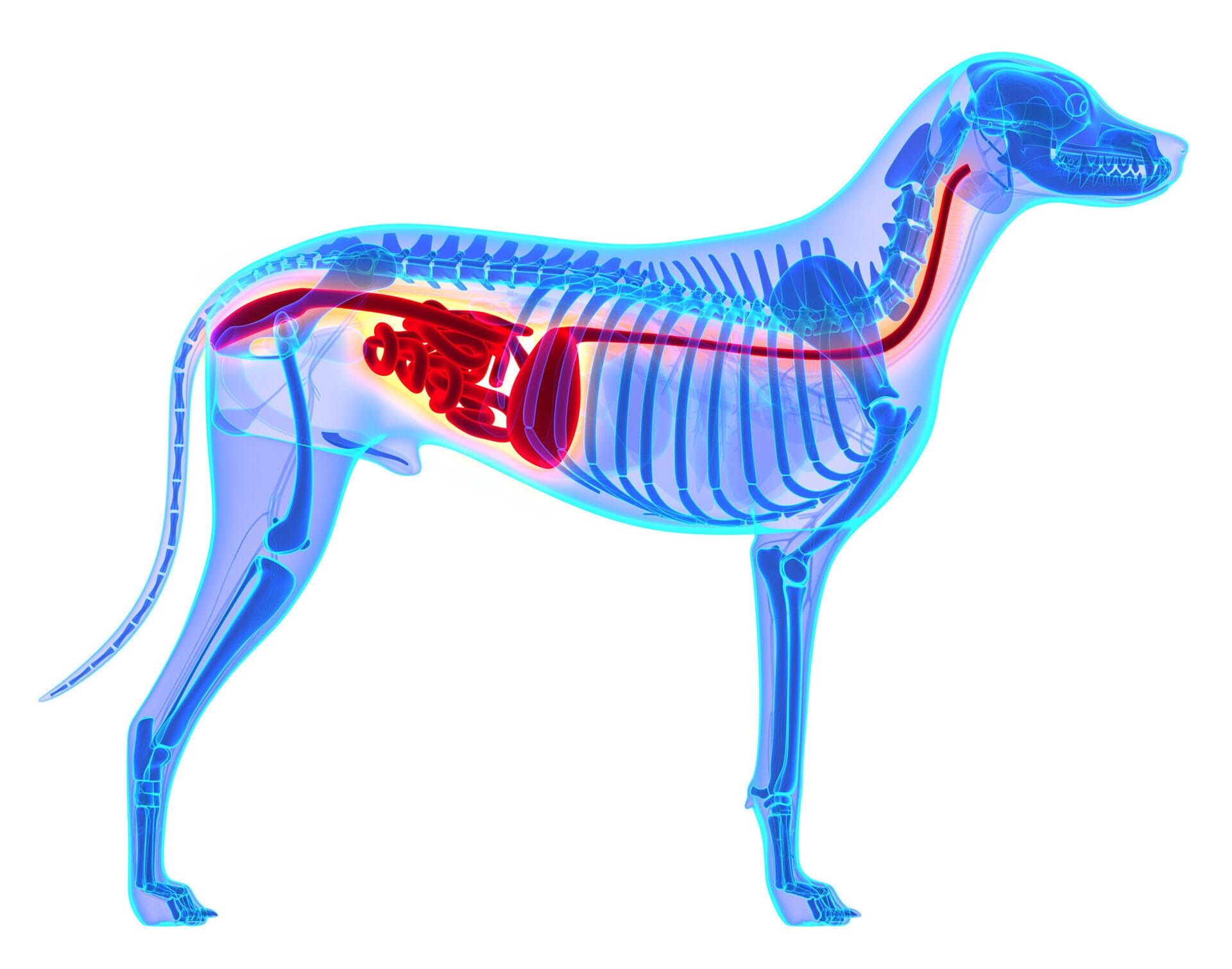

A healthy gut is essential for overall well-being, and just like in humans, the balance of bacteria in your dog’s digestive system plays a crucial role in maintaining gut health. Prebiotics, probiotics, and postbiotics each contribute to establishing, re-establishing or maintaining digestive health for our canine companions. Understanding the differences between these three ‘biotics’ can help dog owners make informed decisions about their pet’s nutrition and well-being.
PROBIOTICS: THE BENEFICIAL BACTERIA
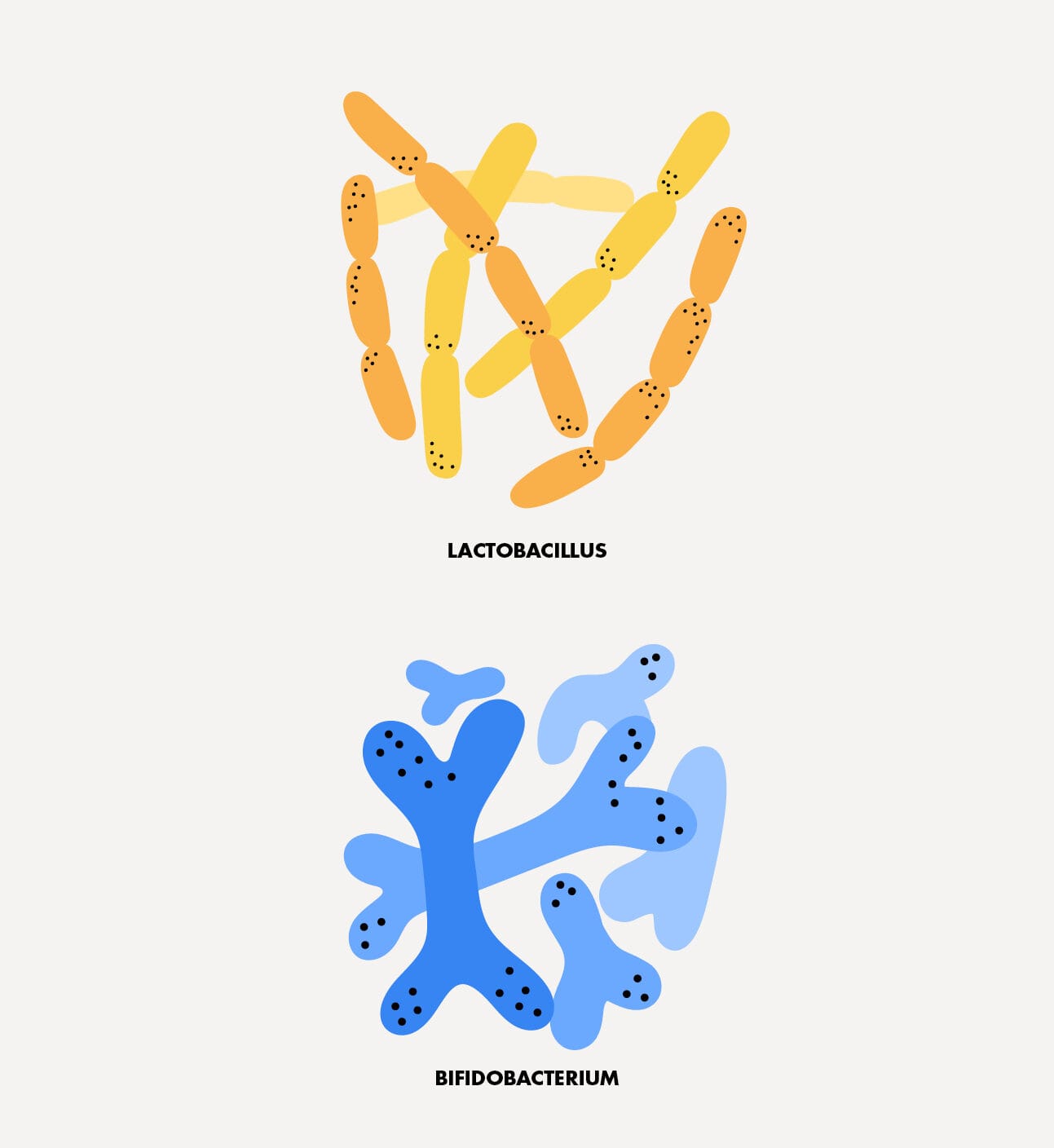
Probiotics are live beneficial bacteria that support the balance of gut flora. These microorganisms aid digestion, enhance nutrient absorption, and help prevent harmful bacteria from overgrowing within the digestive tract. Many probiotics belong to the Lactobacillus and Bifidobacterium families, which are commonly found in fermented foods and supplements.
For dogs, probiotics can be particularly useful after a course of antibiotics, which can disrupt the natural gut flora, or during times of stress, which may lead to digestive issues like diarrhoea. They also contribute to a stronger immune system by interacting with the gut-associated lymphoid tissue (GALT), a key component of immune defence.
PREBIOTICS: THE FUEL FOR THE GOOD BACTERIA
Prebiotics are non-digestible fibres that serve as ‘food’ for beneficial bacteria. Unlike probiotics, which introduce new bacteria to the gut, prebiotics help nourish and support the growth of the beneficial bacteria already present (or those introduced through the addition of probiotics).
Common prebiotics include:
- Inulin
- Fructooligosaccharides (FOS)
- Galactooligosaccharides (GOS)
These fibres are naturally found in foods like bananas, chicory root, garlic, and certain whole grains. When prebiotics are included in a dog’s diet, they promote a stable and healthy gut environment, supporting digestion and reducing the risk of gastrointestinal disorders.
POSTBIOTICS: THE END PRODUCTS OF FERMENTATION
Postbiotics are the bioactive compounds produced when probiotics break down prebiotics. These substances include short-chain fatty acids (SCFAs), enzymes, peptides, and other metabolites that benefit the health of the gut and immune system.
Key benefits of postbiotics for dogs include:
- Strengthening the gut barrier to prevent harmful pathogens from entering the bloodstream
- Reducing inflammation in the digestive tract
- Enhancing immune function
Unlike probiotics, which, as living organisms, need to survive the journey through the digestive tract, postbiotics are stable and effective even in supplement form, making them an emerging focus in pet nutrition.
HOW TO SUPPORT YOUR DOG'S GUT HEALTH
Ensuring your dog has a well-balanced gut microbiome involves a combination of prebiotics, probiotics, and postbiotics. Many high-quality commercial dog foods and supplements now include these components as standard. If you’re considering adding them to your dog’s diet, consult a vet to find the best option based on your pet’s specific needs.
Maintaining a healthy gut microbiome not only improves digestion but also contributes to overall health, including skin condition, immune function, and even mood. By incorporating prebiotics, probiotics, and postbiotics into your dog’s routine, you’re setting him up for a healthier, happier life!
WHAT IS LEPTOSPIROSIS?
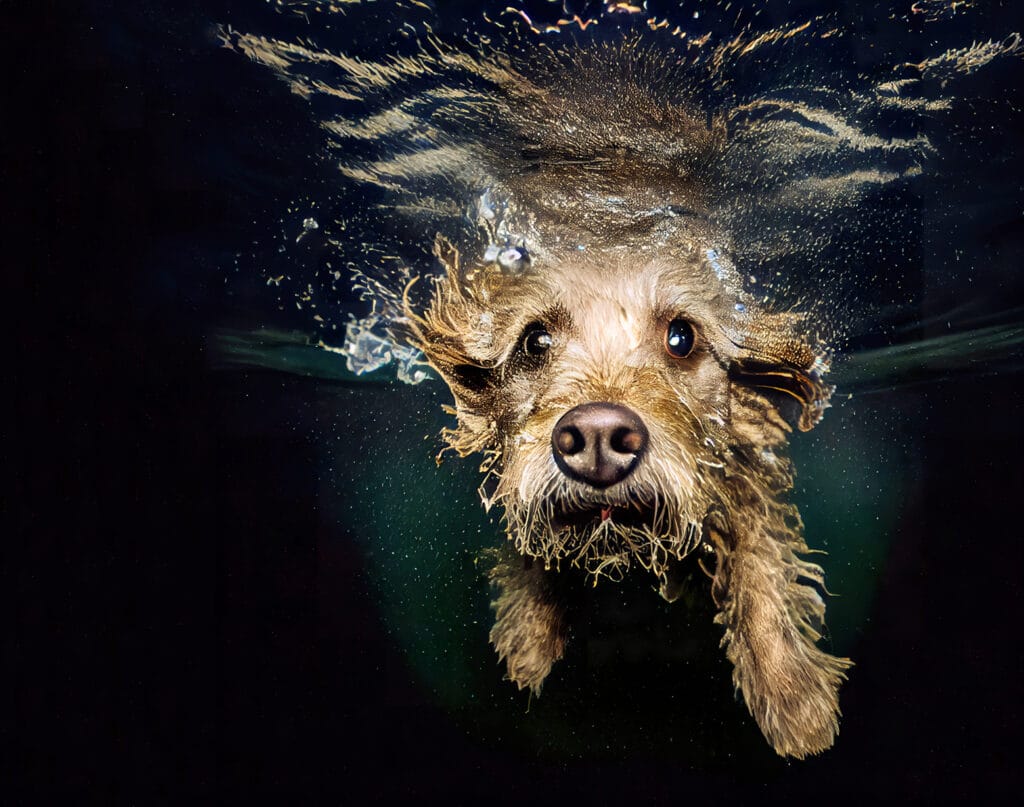
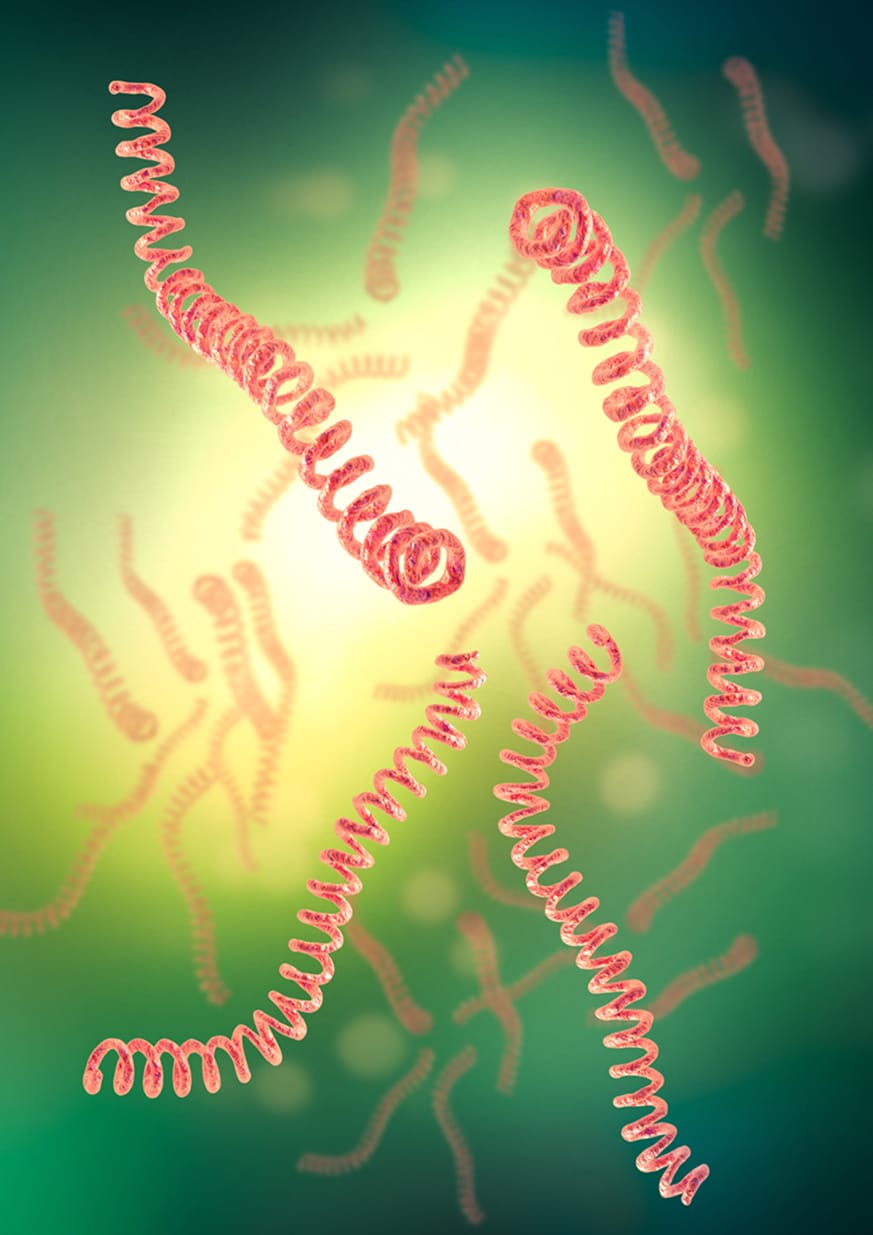
Leptospirosis is caused by bacteria of the Leptospira genus. These bacteria thrive in wet environments and are commonly found in water sources contaminated by the urine of infected animals, such as rodents, livestock, and wildlife. Dogs become infected when they drink, swim in, or walk through contaminated water or soil. The bacteria enter the body through mucous membranes (such as the eyes, nose, or mouth) or small cuts in the skin.
SYMPTOMS
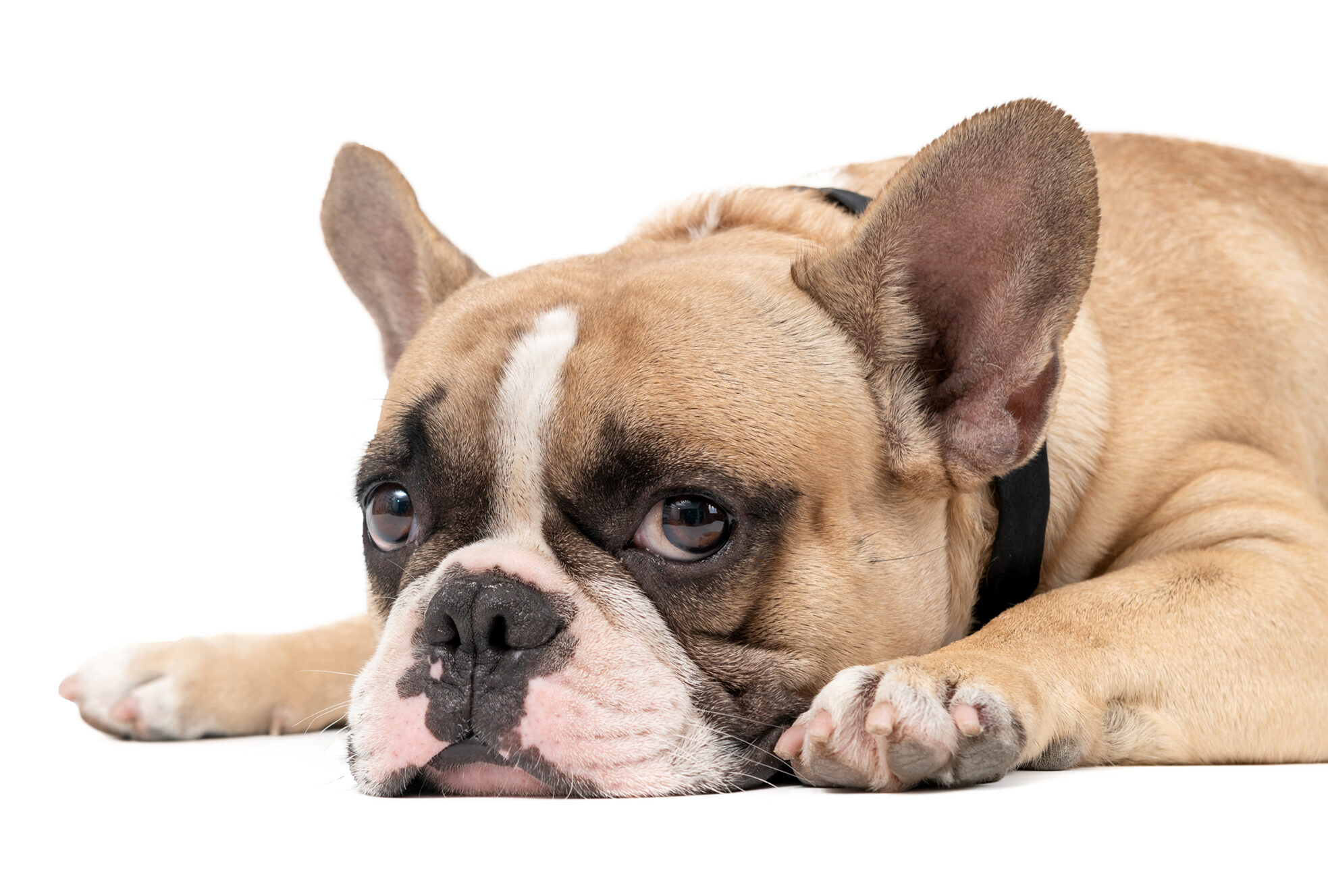
Leptospirosis can affect multiple organs, including the liver and kidneys, and symptoms may range from mild to severe. Watch for the following signs:
- Fever and lethargy
- Vomiting and diarrhoea
- Loss of appetite
- Increased thirst and urination (a sign of kidney involvement)
- Jaundice (yellowing of the skin and gums)
- Muscle pain and reluctance to move
- Difficulty breathing
In severe cases, leptospirosis can lead to kidney or liver failure, which can be fatal if left untreated.
DIAGNOSIS
If your dog shows any of the above symptoms, especially after exposure to potentially contaminated water, consult your vet immediately. Diagnosis involves blood tests and urine analysis to detect the bacteria or measure antibody levels.
TREATMENT AND PROGNOSIS
Leptospirosis is treated with antibiotics, usually doxycycline or penicillin-based medications. Dogs with severe infections may require hospitalisation, intravenous fluids, and supportive care. Early treatment increases the chances of recovery, but some dogs may suffer long-term kidney or liver damage.
PREVENTING LEPTOSPIROSIS IN DOGS
Prevention is key to keeping your dog safe from leptospirosis. Here’s how you can reduce the risk:
- Vaccination: The leptospirosis vaccine is available and recommended for dogs at risk, particularly those living in high-risk areas or those that frequently swim in lakes, rivers, or dams.
- Rodent control: Keep your home and garden free from rodents, as they are common carriers of leptospirosis.
- Avoid stagnant water: Prevent your dog from drinking or playing in stagnant or potentially contaminated water.
- Good hygiene practices: Wash your hands thoroughly after handling your dog, especially if they have been exposed to water or mud outdoors.
CAN LEPTOSPIROSIS SPREAD TO HUMANS
Leptospirosis is a zoonotic disease, meaning it can spread from animals to humans. People can become infected through contact with contaminated water, soil, or infected animal urine. Symptoms in humans resemble those of a flu-like illness but can escalate to severe complications. If your dog is diagnosed with leptospirosis, follow strict hygiene measures and consult a doctor if you develop symptoms.
FINAL THOUGHTS
Leptospirosis is a dangerous but preventable disease. South African dog owners should be aware of the risks, especially in areas with high rainfall and standing water. By vaccinating your dog, avoiding contaminated water, and maintaining good hygiene, you can significantly reduce the risk of infection and keep both your pet and your family safe.
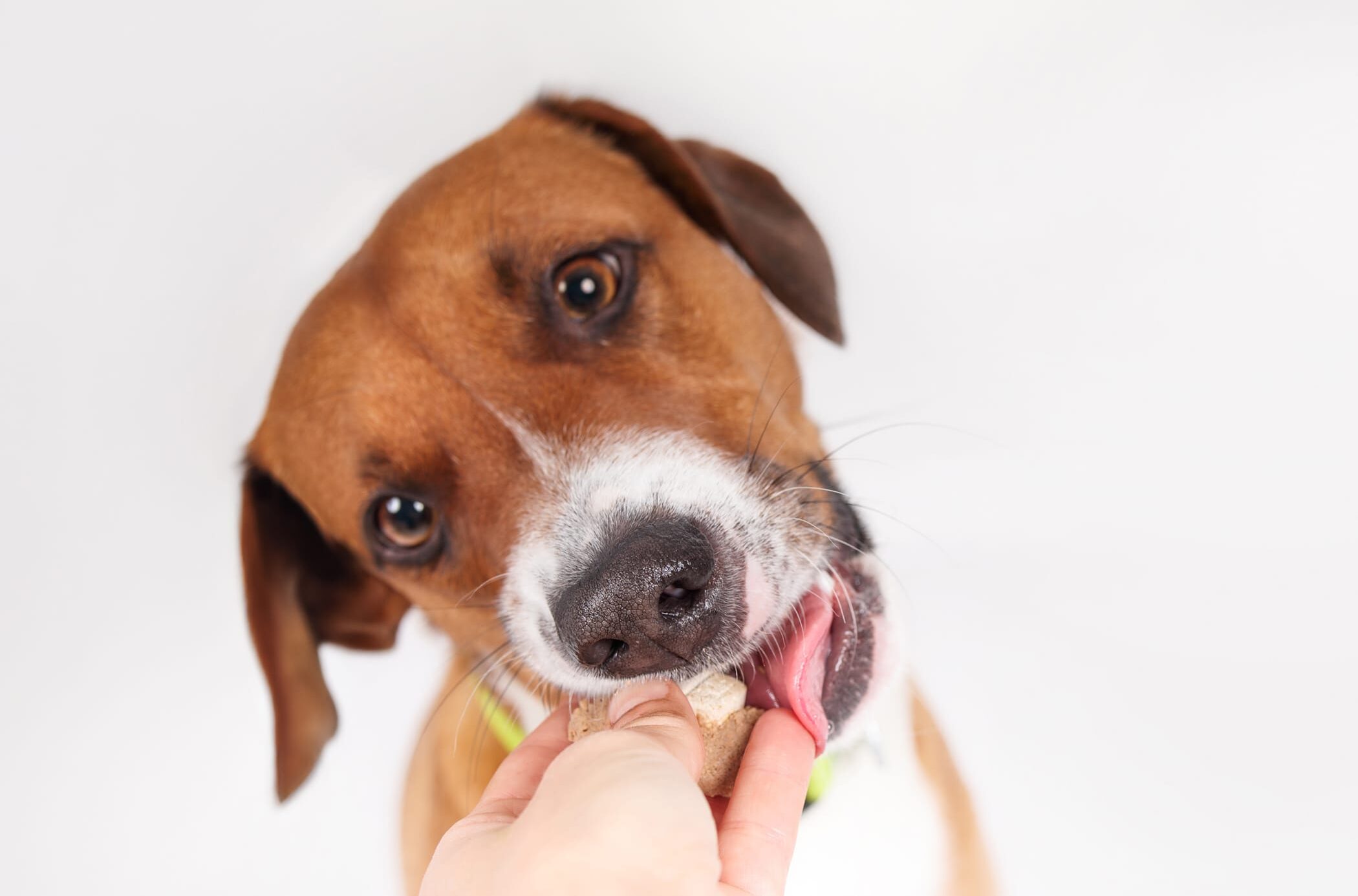
1. GIVING YOUR DOG PILLS
HIDING PILLS IN FOOD
One of the easiest ways to give your dog a pill is to disguise it in a tasty treat. Try these options:
- Pill pockets: Specially designed soft treats with a built-in pocket for medication.
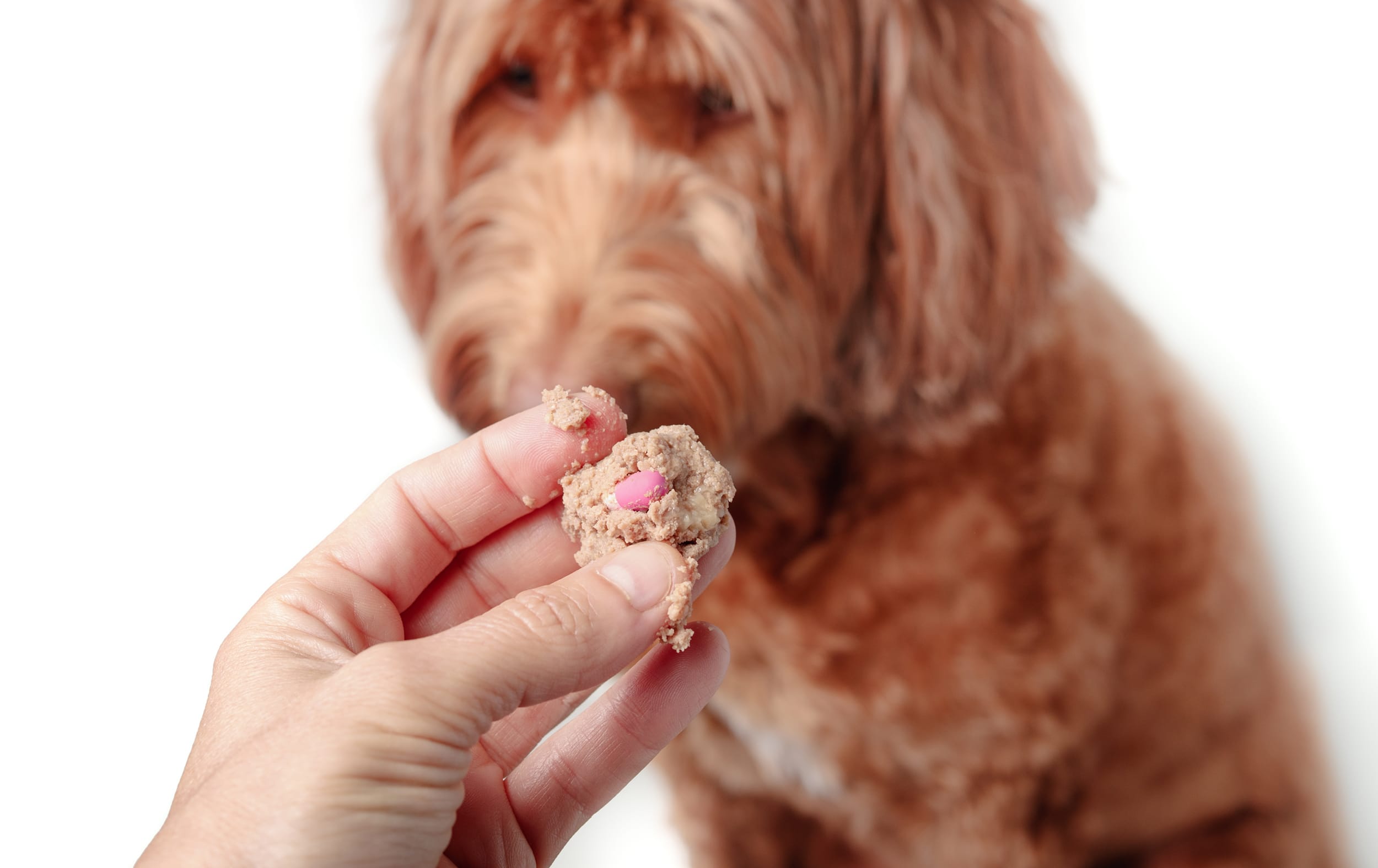
- Peanut butter: A small amount of xylitol-free peanut butter can mask the pill’s taste.
- Cheese or meat: A piece of cheese, deli meat, or cooked chicken can easily hide the pill.
- Canned dog food: Mixing the pill into wet food may help disguise it.
HAND-ADMINISTERING A PILL
If your dog refuses to take a pill in food, you may need to place it directly in their mouth:
- Hold your dog’s upper jaw with one hand and tilt their head slightly upward.
- Use your other hand to gently open their lower jaw.
- Place the pill as far back on the tongue as possible.
- Close their mouth and hold it shut while gently massaging their throat to encourage swallowing.
- Offer a small treat afterward as a reward to help make the process smoother next time.
USING A PILL DISPENSER
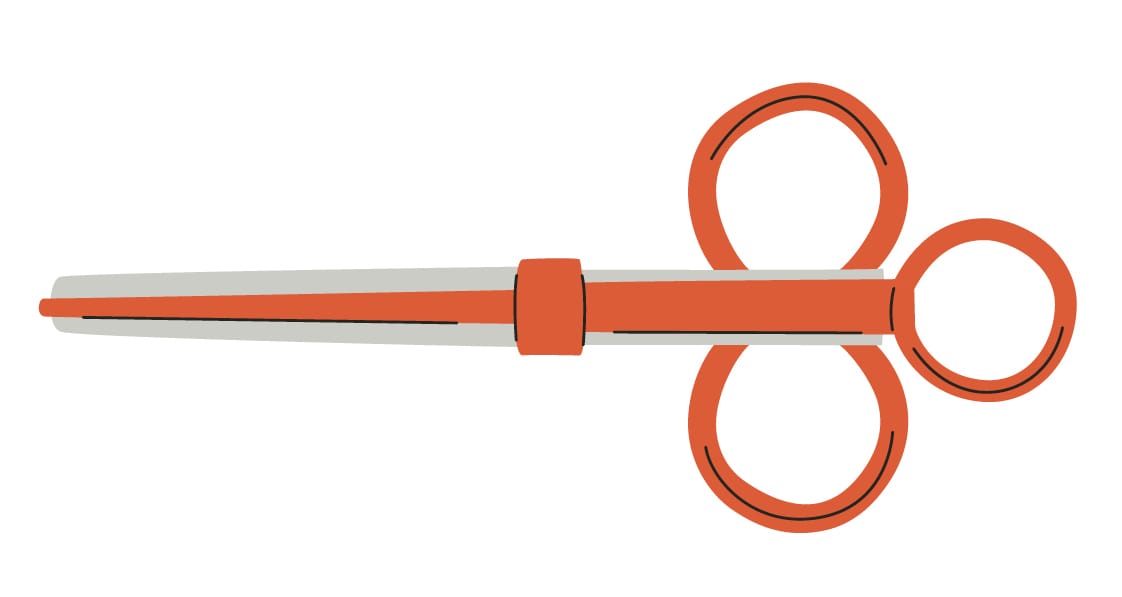
A pill dispenser (also called a pill popper) is a useful tool to safely insert a pill into your dog’s mouth without risking a bite. Simply load the pill into the dispenser, place it in the back of the throat, and press the plunger to release the pill.
2. ADMINISTERING LIQUID MEDICATION
Liquid medication is often prescribed for dogs who have trouble swallowing pills. Here’s how to do it effectively:
- Use a syringe or dropper: Your vet will usually provide a syringe or dropper for accurate dosing.
- Position your dog: Hold your dog’s head slightly tilted but not too far back to avoid choking.
- Administer slowly: Place the syringe inside the cheek pouch and slowly squirt the liquid.
- Reward your dog: Give a treat or praise afterward to make future doses easier.
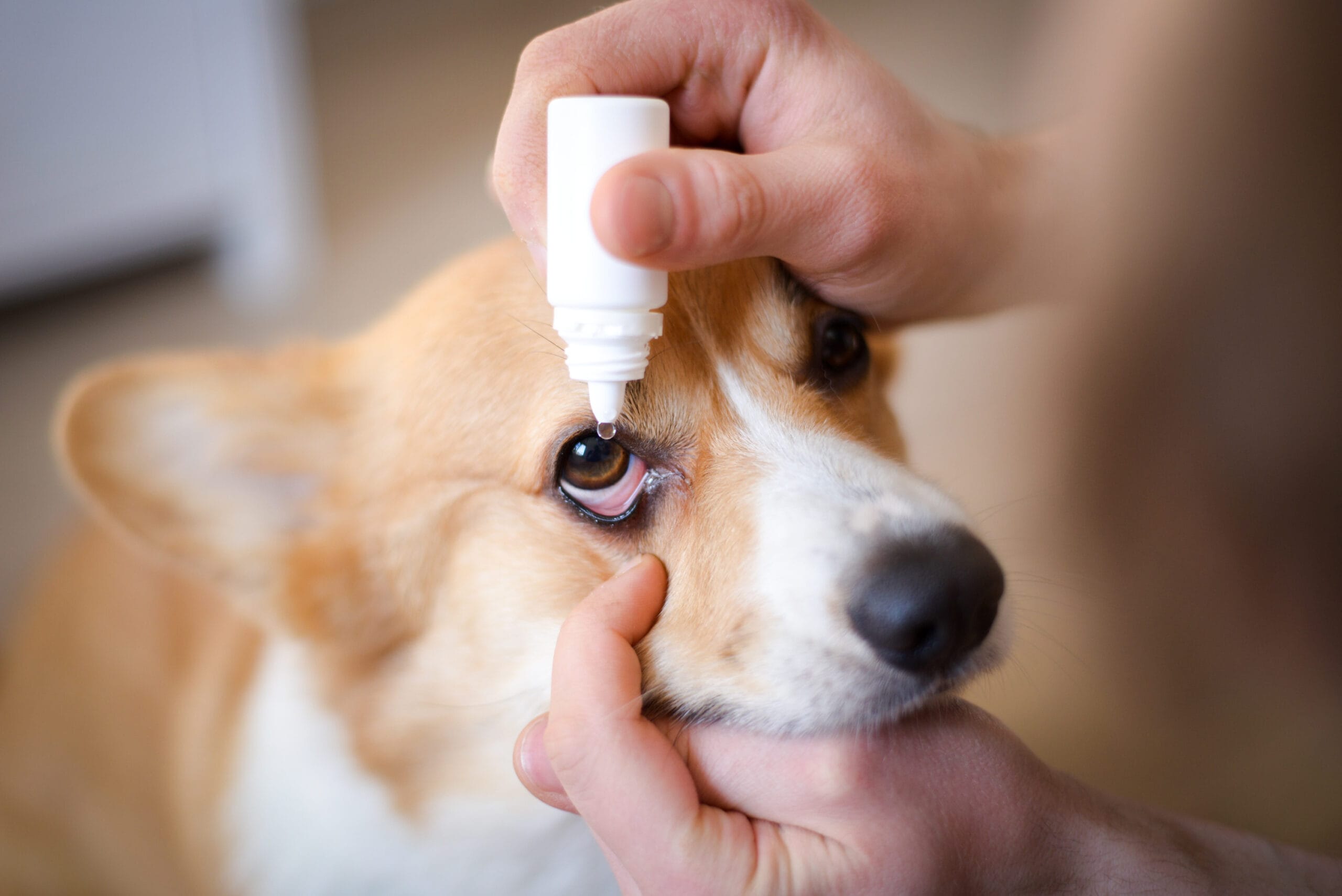
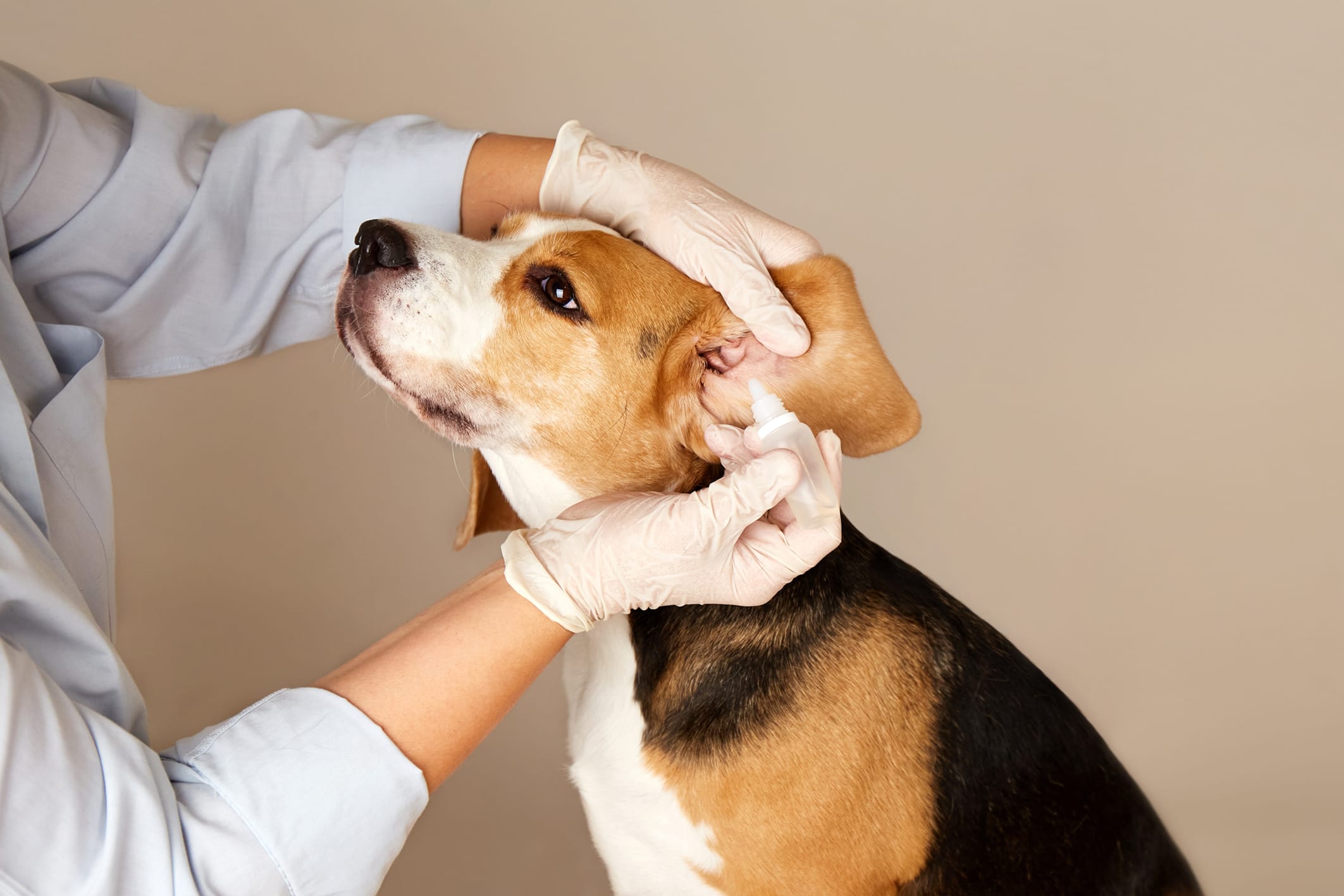
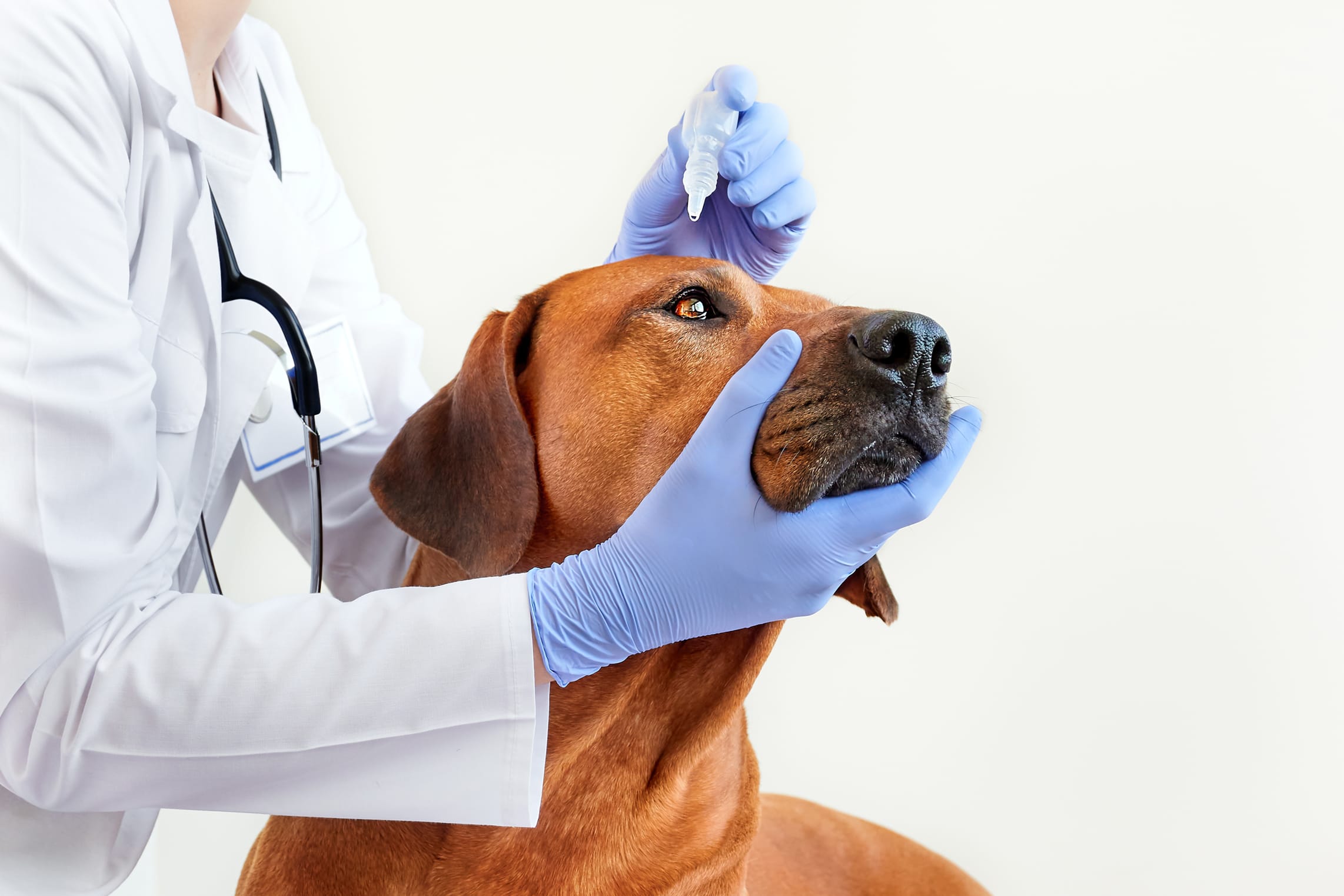
3. APPLYING TOPICAL MEDICATION
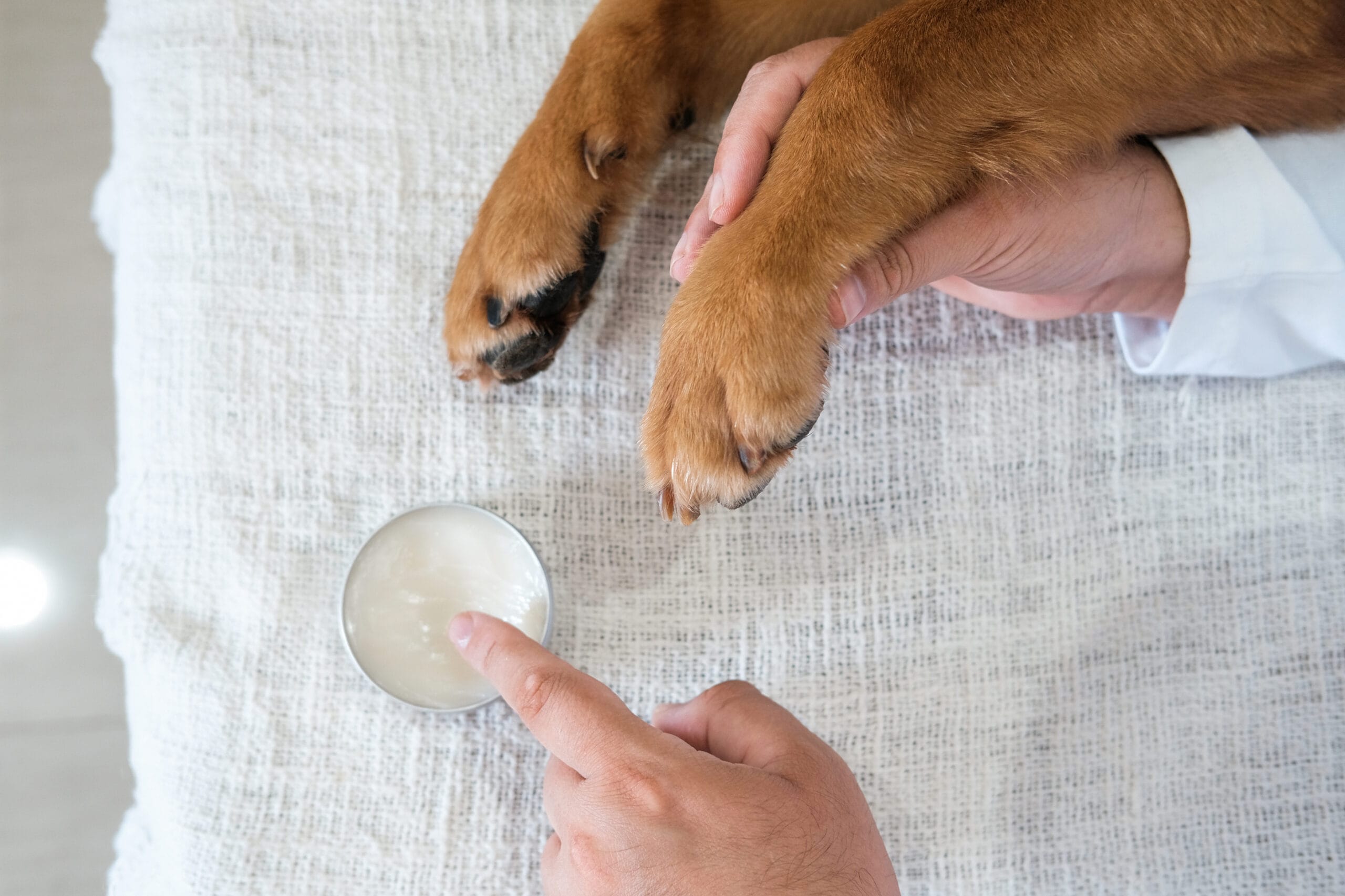
Some medications, such as ointments, creams, or spot-on flea treatments, require skin or ear application. Follow these steps for a smooth process:
- Read instructions carefully: Ensure the area is clean and dry before applying.
- Distract your dog: Keep them occupied with treats or a chew toy.
- Apply in a calm setting: Avoid applying when your dog is overly excited or restless.
- Prevent licking: Some dogs may try to lick off the medication. Use an Elizabethan collar (cone) if needed.
CREATING A POSITIVE EXPERIENCE
Regardless of the method, making medication time a positive experience is key:
- Stay calm: Dogs can sense frustration or nervousness, so approach the process with confidence.
- Use praise and rewards: Reinforce good behaviour with treats, affection, or playtime.
- Practice regular handling: Get your dog used to having their mouth, ears, and paws handled to make administering medication easier in the future.
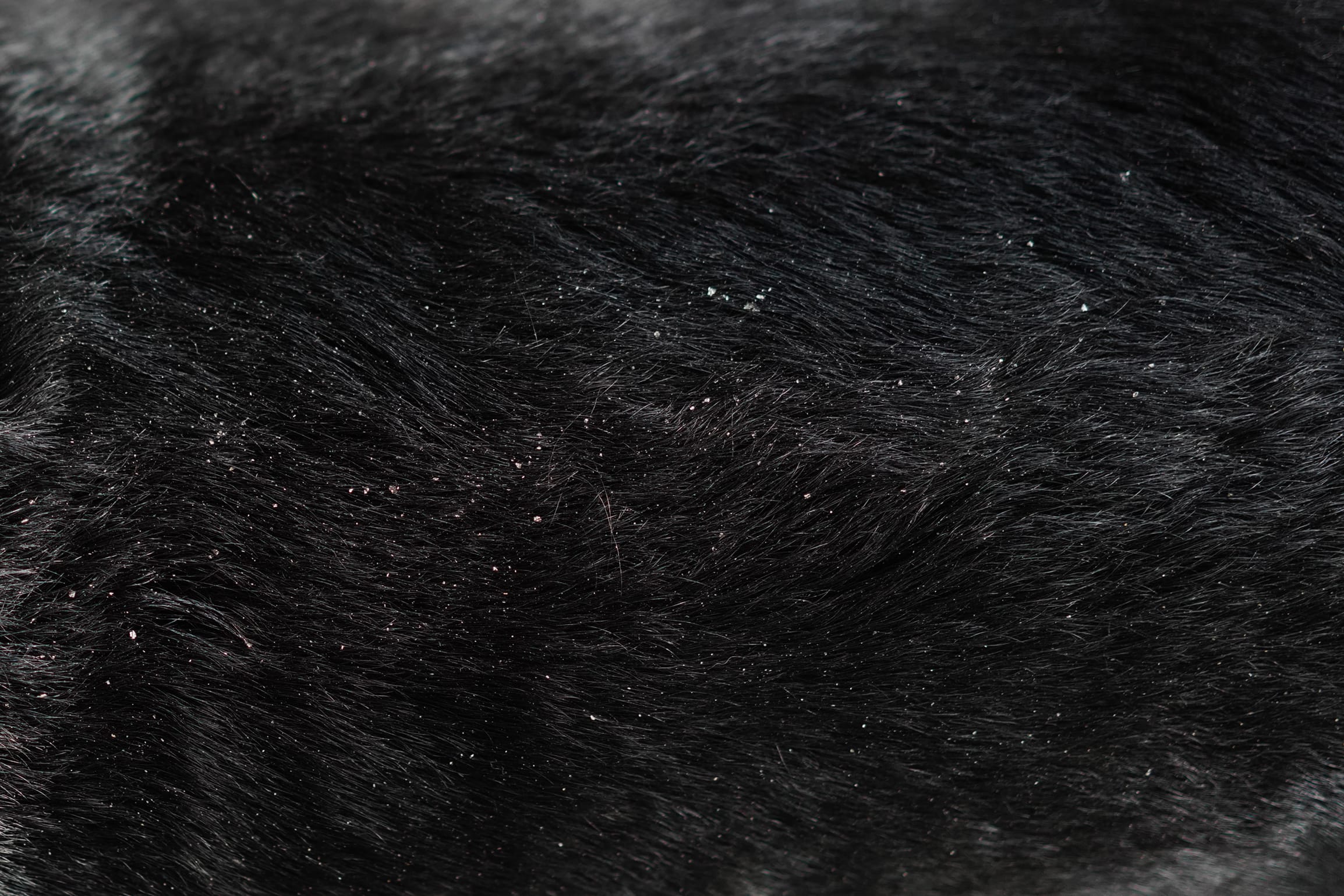
WHAT DOES DOG DANDRUFF LOOK LIKE?
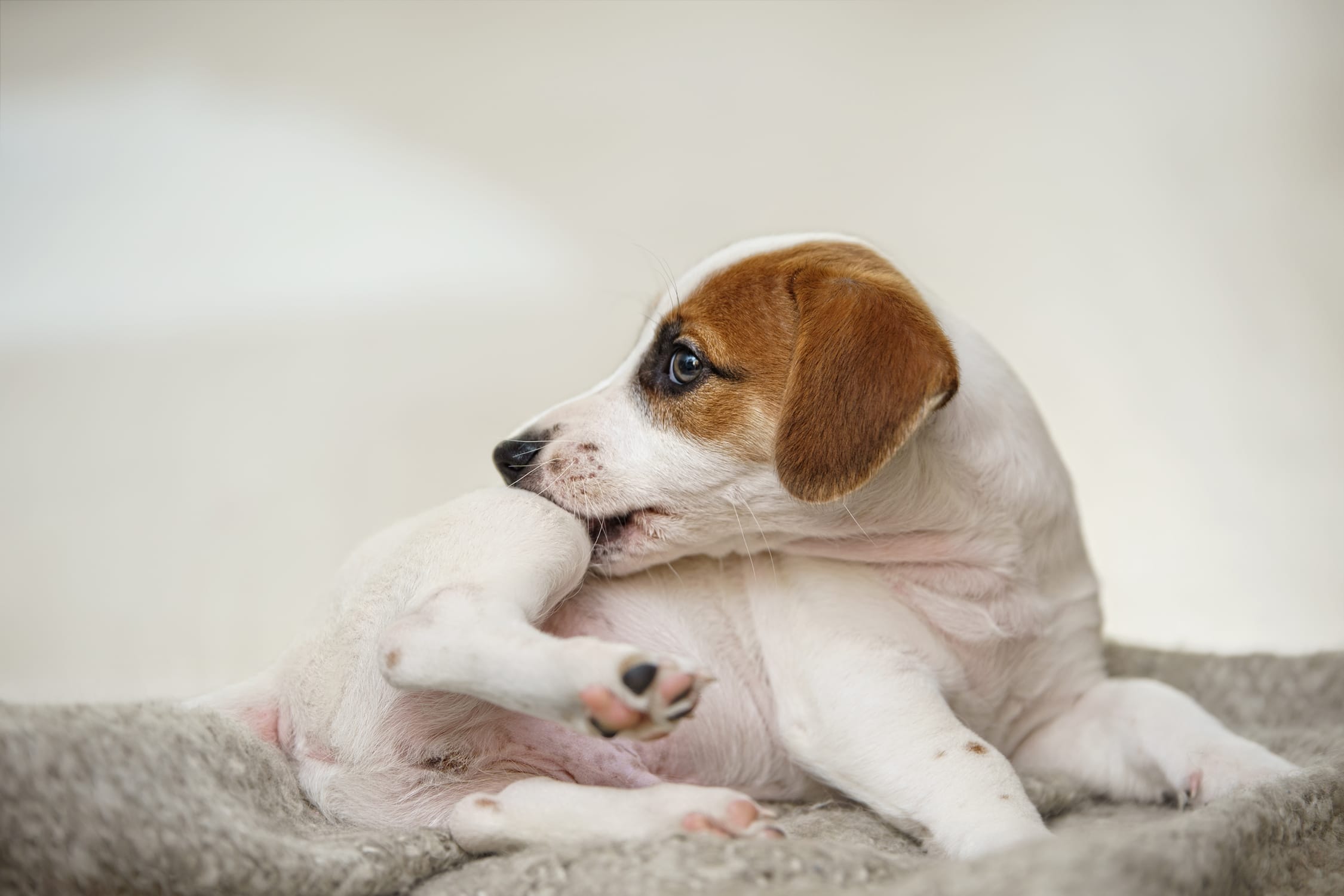
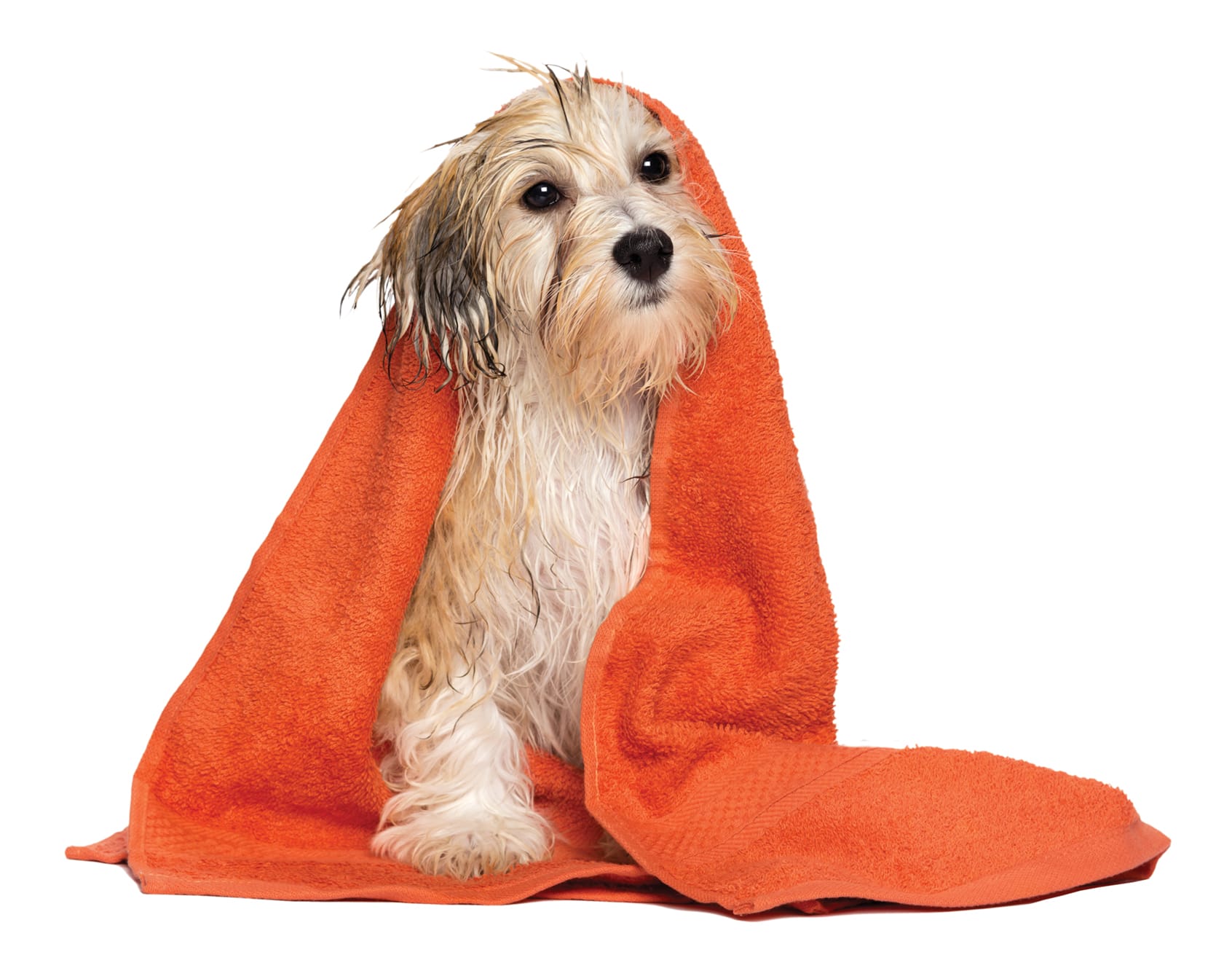
Dog dandruff appears as small, white flakes in your pet’s fur, often more noticeable on darker-coloured coats. It may be accompanied by dry or itchy skin, excessive shedding, and, in some cases, redness or irritation. If your dog is scratching frequently or seems uncomfortable, dandruff might be contributing to their discomfort.
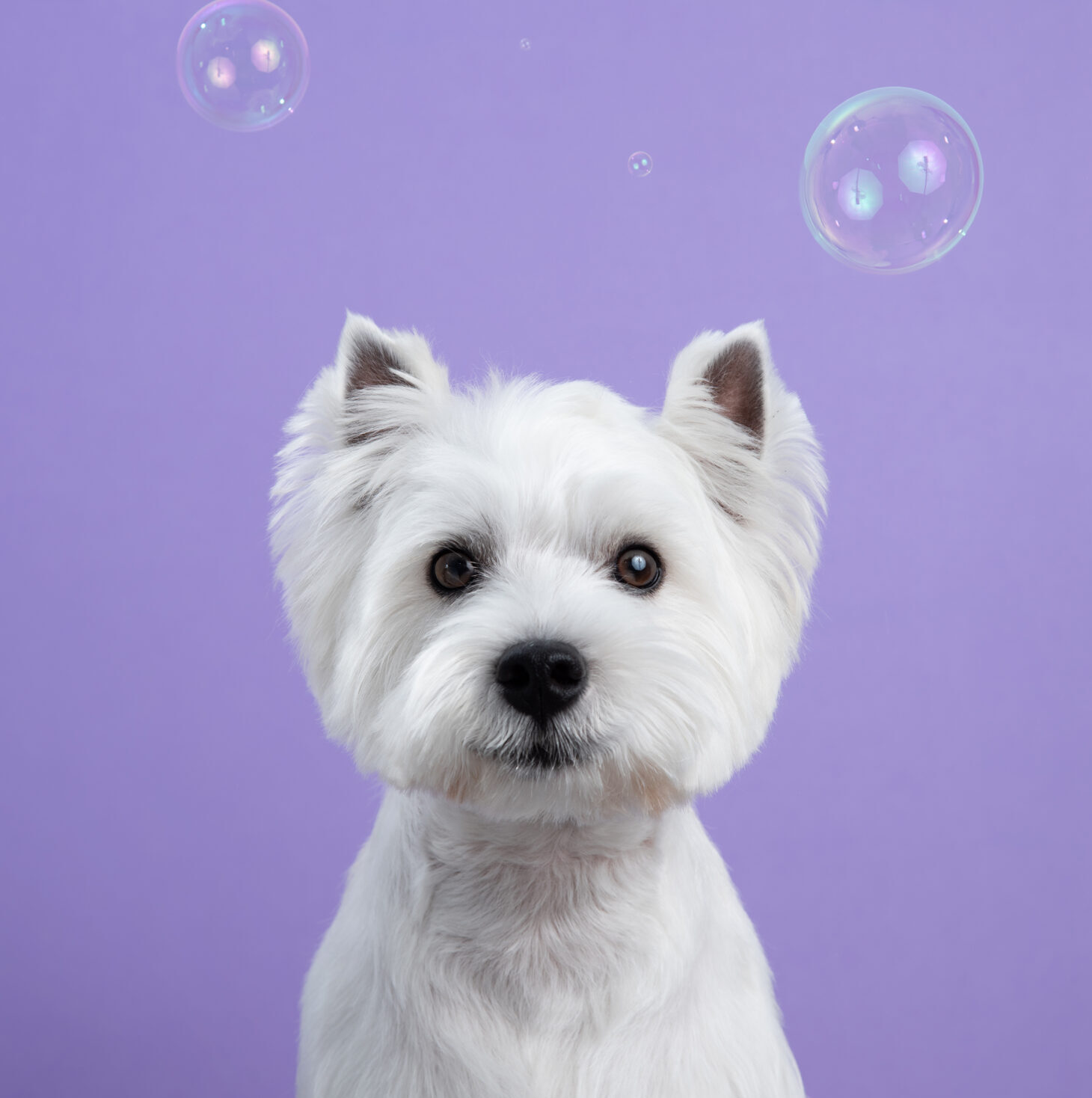
COMMON CAUSES
Dandruff in dogs can stem from several factors, including:
- Dry skin – Dry indoor air, cold weather, or inadequate hydration can lead to flaky skin.
- Poor diet – A lack of essential fatty acids and proper nutrition can affect skin health.
- Allergies – Environmental or food allergies can cause flaky, irritated skin.
- Parasites – Mites, fleas, and other pests can cause dandruff-like symptoms, especially in conditions like Cheyletiellosis (often called ‘walking dandruff’).
- Skin infections – Bacterial or fungal infections may result in excessive flaking and irritation.
- Underlying health conditions – Issues such as hypothyroidism or seborrhoea (a skin disorder causing excess oil production) can contribute to dandruff.
- Poor grooming habits – Infrequent brushing or bathing with harsh shampoos may dry out your dog’s skin.
WHEN SHOULD YOU WORRY ABOUT DOG DANDRUFF?
Occasional dandruff is usually harmless, but there are times when it signals a more serious problem. Consult your vet if:
- Your dog is excessively scratching, licking, or biting at their skin.
- Sores, redness, or a bad odour accompany the dandruff.
- There are signs of hair loss or unusual patches on their coat.
- The flakes appear greasy or crusty, indicating a possible infection or medical condition.
- You notice other symptoms like lethargy, weight loss, or behavioural changes.
HOW TO MANAGE AND TREAT DOG DANDRUFF
If your dog’s dandruff isn’t linked to an underlying illness, there are several ways to help keep their skin healthy:
- Improve their diet – Ensure your dog’s food contains high-quality proteins, omega-3 and omega-6 fatty acids, and essential vitamins.
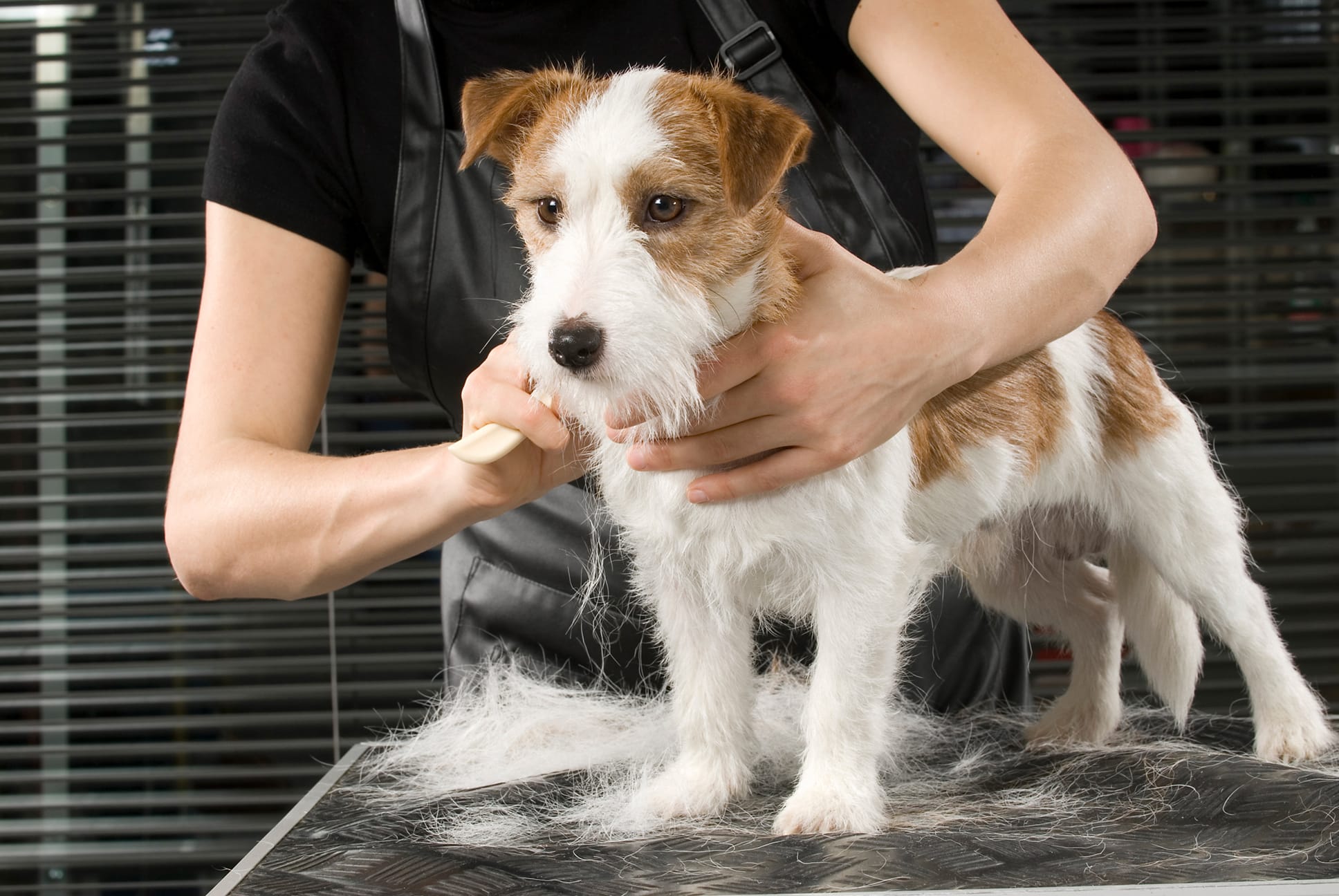
- Regular grooming – Brush your dog’s coat frequently to remove dead skin and distribute natural oils.
- Proper hydration – Make sure your dog has access to clean water at all times.
- Use the right shampoo – Opt for moisturising, hypoallergenic, or medicated shampoos as recommended by your vet.
- Control parasites – Keep up with flea and mite prevention to avoid infestations.
- Increase humidity indoors – Running a humidifier in dry seasons can prevent skin dryness.
FINAL THOUGHTS
Dog dandruff is a common issue but can usually be managed with the proper care and attention. By keeping an eye on your dog’s skin health, providing a balanced diet, and regularly grooming your dog, you can help prevent and treat dandruff effectively. However, if your dog’s condition worsens or doesn’t improve with at-home care, seeking veterinary advice is the best course of action. Your furry friend deserves to feel comfortable and itch-free!
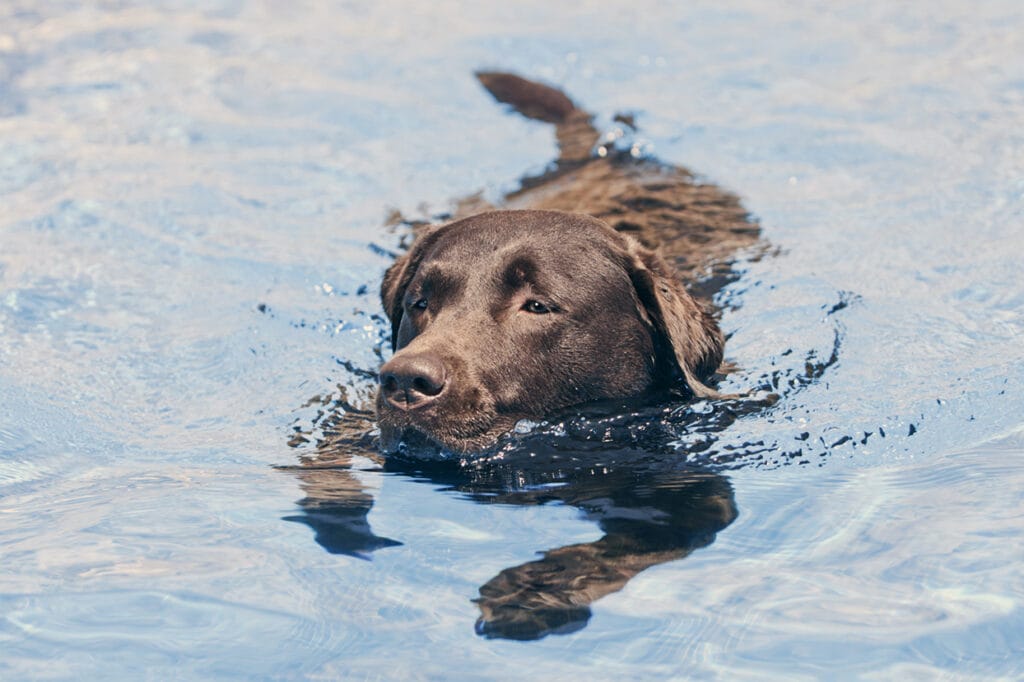

My Labrador loves swimming, but I’ve heard that too much water exposure can lead to ear infections. How can I prevent this?

You’re absolutely right—water-loving breeds like Labradors are prone to ear infections due to moisture getting trapped in their ears, creating a perfect environment for bacteria and yeast to thrive.

My dog seems scared of thunderstorms. How can I help him stay calm?
Thunderstorm anxiety is common in dogs, especially with the sudden weather changes and extreme storms we experience in South Africa.
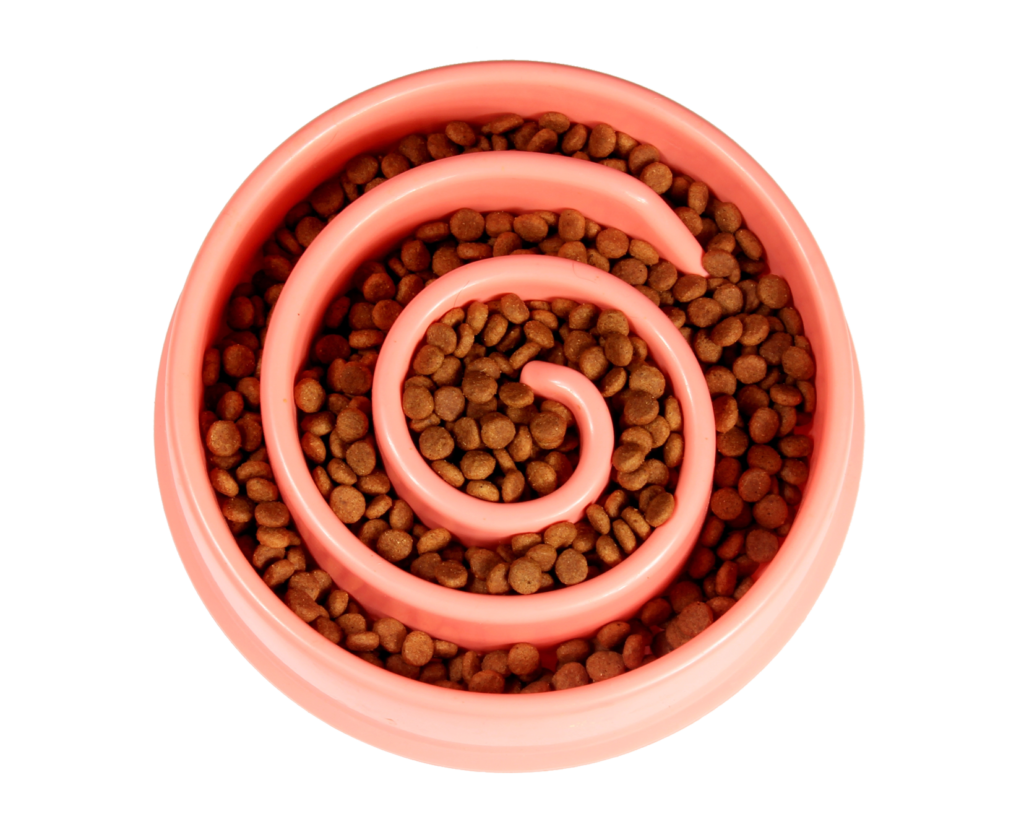
My dog eats too fast, and I’m worried it might be bad for his health. How can I slow him down?
Eating too quickly can lead to digestive issues, choking, and even a dangerous condition called bloat.
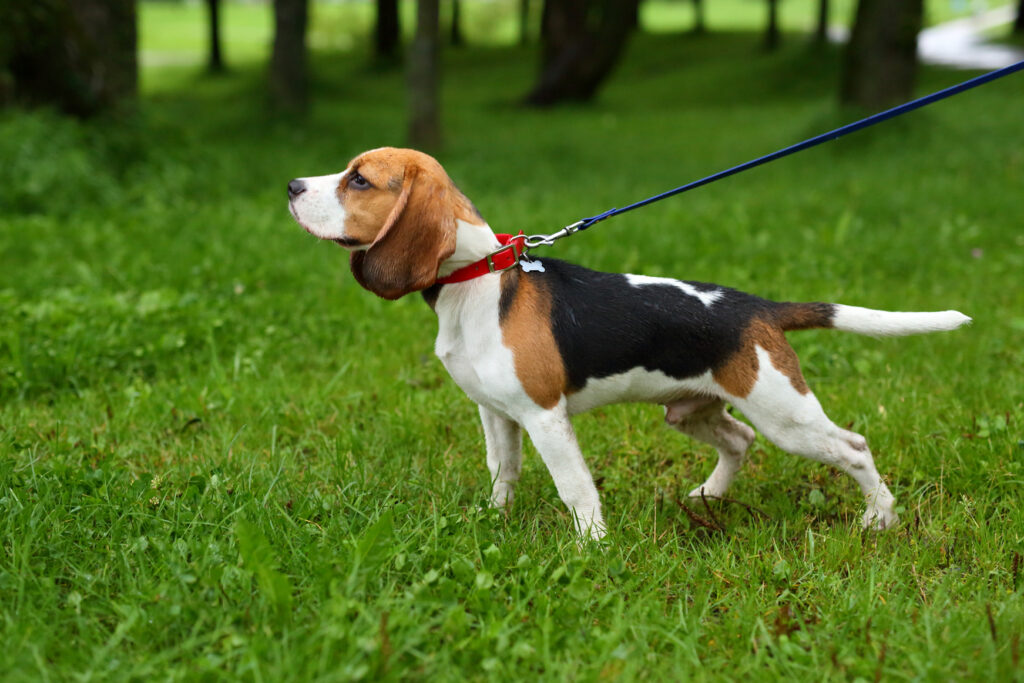
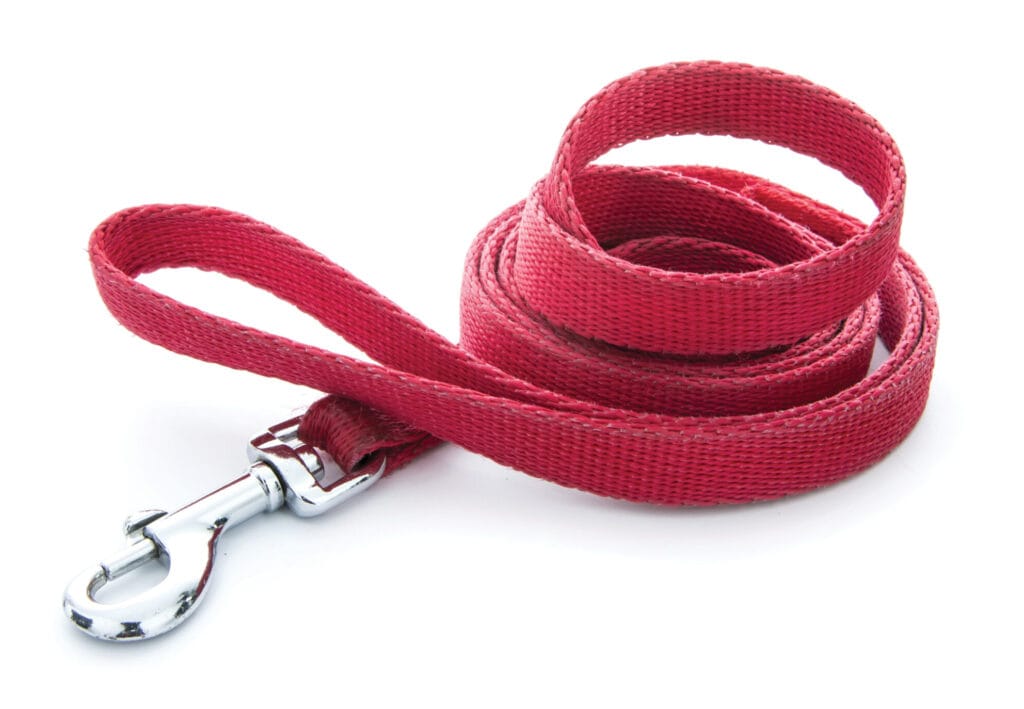
I love walking my dog, but he pulls a lot on the lead. How can I teach him to walk with me rather than towing me along?
Lead pulling is a common problem, but with consistency and patience, you can teach your dog to walk with you rather than pulling you.