Dear readers,
As 2024 draws to a close and we embark on a festive week of celebrations, we want to express our gratitude for your support this past year.
Of course, this magazine would not be possible without our incredible advertisers, and we’d like to extend a huge thank you to them for partnering with us this year to bring you the content you love.
We hope you enjoy our (mostly) festive edition and that you have a wonderful time with your four-legged family this month.
Here’s to a joyful holiday season and a tail-waggingly wonderful start to 2025!
Dr Lizzie Harrison | Editor
Cover photography | Ashleigh K Photography
Designer | Mauray Wolff
Test your knowledge
Hidden dangers to watch out for
Peanut butter and pumpkin biscuits
Managing your dog’s first trip to the beach
Frozen yoghurt and blueberry stars or snowflakes
Hidden dangers to watch out for
Apple cinnamon pupcakes
Building confidence and managing holiday challenges
for the New Year
Your questions answered
Our top choices
1. Multiple Choice
Which of the following dog breeds is originally from Japan?
A. Golden Retriever
B. Akita
C. Boxer
D. Dalmatian
2. True or False
The Dachshund was originally bred to hunt badgers.
3. Fill in the Blank
The ________ is the national dog of France and is known for its curly coat and intelligence.
4. Matching
Match the breed to its country of origin:
• A. German Shepherd
• B. Chihuahua
• C. Australian Shepherd
• D. Basenji
1. Mexico
2. Germany
3. Congo
4. United States
5. Multiple Choice
Which dog breed is considered the tallest in the world?
A. Great Dane
B. Irish Wolfhound
C. Saint Bernard
D. Newfoundland
6. True or False
The Siberian Husky is a descendant of wolves and cannot survive in warm climates.
7. Multiple Choice
Which dog breed is known for its wrinkled face and blue-black tongue?
A. Beagle
B. Shar-Pei
C. Pug
D. Boxer
8. True or False
The Labrador Retriever has been the most popular dog breed in the United States for more than 20 years.
9. Open-ended
What is the name of the dog breed that originated in Scotland, is known for herding sheep, and has a long, flowing coat?
10. Multiple Choice
Which dog breed is famously associated with fire stations in the United States?
A. Dalmatian
B. Doberman
C. Boxer
D. Poodle
11. True or False
The Border Collie is considered one of the most intelligent dog breeds.
12. Matching
Match the breed to its distinctive feature:
A. Afghan Hound
B. Bloodhound
C. Basset Hound
D. Shih Tzu
1. Long, silky coat
2. Long, droopy ears
3. Wrinkled face and keen scent-tracking ability
4. Flat, pushed-in nose
13. Multiple Choice
Which breed is often nicknamed ‘the nanny dog’ for its gentle and protective nature with children?
A. German Shepherd
B. Bull Terrier
C. Staffordshire Bull Terrier
D. Great Pyrenees
14. True or False
The Alaskan Malamute and the Siberian Husky are the same breed.
15. Multiple Choice
What is the primary purpose of the Saint Bernard in the Swiss Alps?
A. Herding livestock
B. Search and rescue in snowy conditions
C. Guarding homes
D. Pulling sleds
16. True or False
The Great Dane is originally from Denmark.
17. Open-ended
What dog breed is known as the ‘king of terriers’ and is the largest of all terrier breeds?
18. True or False
Dalmatians are born with their distinctive black spots.
19. Fill in the Blank
The ________ is a sleek, short-coated breed that is known for its speed and elegance.
20. Multiple Choice
Which of these breeds was originally bred for retrieving waterfowl during hunting?
A. Weimaraner
B. Labrador Retriever
C. Irish Setter
D. Dalmatian
21. Open-ended
What small, tri-coloured breed is often associated with fox hunting and is known for its lively personality?
22. Multiple Choice
Which of these dog breeds has a tongue that is blue-black in colour?
A. Shih Tzu
B. Chow Chow
C. Dalmatian
D. Cocker Spaniel
23. True or False
The Basenji dog does not bark but instead makes a yodel-like sound.
24. Fill in the Blank
The ________ has a corded coat that forms natural dreadlocks and is often called the ‘mop dog.’
25. Multiple Choice
Which breed is known for its ‘split nose’, a feature that gives it an incredible sense of smell?
A. Catahoula Leopard Dog
B. Norwegian Lundehund
C. Peruvian Inca Orchid
D. Catalburun
26. True or False
The Norwegian Lundehund has six toes on each foot and extra flexibility, making it excellent for climbing rocky cliffs.
27. Open-ended
What dog breed has a ridge of hair along its back that grows in the opposite direction to the rest of its coat?
28. Multiple Choice
Which dog breed is hairless, with smooth skin and large, bat-like ears?
A. Afghan Hound
B. Xoloitzcuintli (Mexican Hairless)
C. Bedlington Terrier
D. Borzoi
29. Fill in the Blank
The ________ breed is known for its unique ‘butterfly-shaped’ ears and elegant appearance.
30. Matching
Match the breed to its unique physical feature:
• A. Dalmatian
• B. Shar-Pei
• C. Irish Wolfhound
• D. Borzoi
1. Wrinkled skin
2. Tallest dog breed
3. Spotted coat
4. Long, slender snout
31. True or False
The Pekingese is known for its lion-like mane and flat face.
32. Open-ended
What ancient Egyptian-looking dog breed is known for its amber eyes and ability to ‘blush’ when excited?
33. Fill in the Blank
The ________ is a French breed with a moustache-like facial feature, giving it a distinctive, comical expression.
34. Multiple Choice
Which dog breed is known for its exceptionally long ears, which help direct scents toward its nose?
A. Beagle
B. Basset Hound
C. Coonhound
D. Dachshund
35. True or False
The Afghan Hound is considered hypoallergenic due to its fine, silky coat.
36. Open-ended
Which breed has webbed feet, making it an excellent swimmer and a popular choice for water rescues?
37. Multiple Choice
Which dog breed's coat resembles sheep wool and requires regular grooming to prevent matting?
A. Samoyed
B. Poodle
C. Old English Sheepdog
D. Bergamasco Sheepdog
38. Fill in the Blank
The ________ is a rare dog breed from Turkey known for having eyes that are often two different colours (heterochromia).
39. True or False
The Tibetan Mastiff's thick double coat allows it to survive in temperatures as low as -40°F (-40°C).
40. Open-ended
What ancient breed from China has a curled tail, a lion-like mane, and is considered one of the oldest known dog breeds?
41. Matching
Match the breed to its coat type:
• A. Bedlington Terrier
• B. Siberian Husky
• C. Afghan Hound
• D. Wire Fox Terrier
1. Wool-like coat
2. Double coat for cold climates
3. Long, silky flowing hair
4. Wiry, dense coat
42. Multiple Choice
Which rare dog breed is known as the ‘royal dog of Madagascar’?
A. Coton de Tulear
B. Thai Ridgeback
C. Kooikerhondje
D. Bergamasco Sheepdog
43. True or False
The Azawakh is a rare sighthound breed from Africa, known for its slim and elegant frame.
44. Fill in the Blank
The ________ is an ancient Japanese breed that nearly went extinct during World War II but has been revived in modern times.
45. Multiple Choice
Which rare breed is a Norwegian herding dog with a curled tail and upright ears?
A. Swedish Vallhund
B. Norwegian Elkhound
C. Buhund
D. Icelandic Sheepdog
46. True or False
The Karelian Bear Dog was originally developed to hunt and control bears in Finland.
47. Open-ended
What breed, native to Peru, comes in both hairless and coated varieties and is considered a national treasure?
48. Matching
Match the rare breed to its country of origin:
• A. Thai Ridgeback
• B. Lagotto Romagnolo
• C. Kooikerhondje
• D. Azawakh
1. The Netherlands
2. Thailand
3. Italy
4. Mali
49. Fill in the Blank
The ________ is a small, water-loving breed from Portugal, used for herding fish into nets.
50. True or False
The Xoloitzcuintli, also called the Mexican Hairless Dog, is recognised as one of the oldest and rarest breeds in the world.
51. Open-ended
What rare breed from Hungary has a curly, waterproof coat and is often used for waterfowl hunting?
52. True or False
The Telomian, a rare breed from Malaysia, is known for its ability to climb like a cat.
53. Multiple Choice
Which breed, considered one of the rarest in the United States, is known for its loyalty and is native to Israel?
A. Basenji
B. Canaan Dog
C. Sloughi
D. Saluki
54. Fill in the Blank
The ________ is a fluffy, spitz-type dog from Finland, traditionally used for hunting birds and small game.
55. True or False
The Bergamasco Sheepdog is known for its long, matted coat, which provides protection from cold weather.
56. Open-ended
What rare dog breed from Turkey is known for guarding livestock and has a strong bond with its flock?
57. Multiple Choice
Which breed is one of the rarest terriers, originating from Ireland and known for its blue-grey coat?
A. Glen of Imaal Terrier
B. Kerry Blue Terrier
C. Irish Terrier
D. Bedlington Terrier
58. True or False
The Sloughi is a rare desert dog breed from North Africa, prized for its speed and endurance.
59. Fill in the Blank
The ________ is a small, red and white spaniel from the Netherlands, used historically to lure ducks into traps.
60. Open-ended
Which ancient breed from the Czech Republic was bred for hunting wild boar and is one of the rarest hound breeds?
61. True or False
The Border Collie is classified as a working dog.
62. Fill in the Blank
The ________ is a breed known for pulling sledges and competing in races like the Iditarod.
63. Multiple Choice
Which breed is often used by police forces for detection and protection work?
A. Rottweiler
B. German Shepherd
C. Belgian Malinois
D. All of the above
64. Matching
Match the working dog to its best suited task:
• A. Boxer
• B. Akita
• C. Doberman Pinscher
• D. Great Pyrenees
1. Livestock guardian
2. Personal protection
3. Search and rescue
4. Guarding homes and property
65. True or False
Labrador Retrievers are commonly used as guide dogs for the visually impaired.
66. Fill in the Blank
The ________ is a small working breed that excels in pest control, often used to catch rats and other vermin.
67. True or False
The Kuvasz is a Hungarian breed traditionally used for guarding livestock.
68. Matching
Match the working breed to its most notable characteristic:
• A. Rottweiler
• B. Malamute
• C. Siberian Husky
• D. Doberman Pinscher
1. Known for pulling heavy loads
2. Sleek and muscular, bred for protection
3. Loyal and confident, used in herding cattle
4. Agile and fast sled dog
69. Open-ended
What ancient Roman breed is the ancestor of modern-day Rottweilers, used to guard livestock and pull carts?
70. Multiple Choice
Which breed was developed in South Africa as a farm protector and is known for its courage?
A. Boerboel
B. Mastiff
C. Anatolian Shepherd
D. Basenji
71. True or False
The Akita is a versatile working breed known for guarding and hunting.
72. Fill in the Blank
The ________ is a fluffy toy breed often associated with royalty, particularly Queen Victoria.
73. Multiple Choice
Which toy breed was originally bred to warm the laps of Chinese royalty?
A. Shih Tzu
B. Pekingese
C. Maltese
D. Japanese Chin
74. True or False
The Italian Greyhound, a toy version of the standard Greyhound, was popular among European nobility.
75. Open-ended
What toy breed, originally from Japan, is known for its aristocratic appearance and playful yet reserved nature?
76. Multiple Choice
Which toy breed is known for its distinctive ‘apple-shaped’ head?
A. Chihuahua
B. Yorkie
C. Pomeranian
D. Papillon
77. Matching
Match the toy breed to its description:
• A. Cavalier King Charles Spaniel
• B. Affenpinscher
• C. Yorkshire Terrier
• D. Pug
1. Known as the ‘monkey dog’ due to its playful and curious nature
2. Small but elegant, with long, flowing hair
3. A beloved lapdog with a short, wrinkled muzzle and curly tail
4. A royal companion with a history linked to English nobility
78. Fill in the Blank
The ________ is a small, brachycephalic breed from China, easily recognised by its curled tail and wrinkled face.
79. True or False
The Cavalier King Charles Spaniel was bred to hunt rats.
80. Multiple Choice
Which breed is often referred to as a ‘purse dog’ due to its small size and popularity as a celebrity accessory?
A. Papillon
B. Chihuahua
C. Maltese
D. Pekingese
81. True or False
The Toy Poodle is the smallest version of the Poodle and was bred solely for companionship.
82. Matching
Match the toy breed to its notable characteristic:
• A. Shih Tzu
• B. Italian Greyhound
• C. Yorkie
• D. Pomeranian
1. Compact body with long, silky hair
2. Miniature and elegant, with a love for sprinting
3. Double coat with a fox-like appearance
4. A royal breed with a lion-like mane
83. Fill in the Blank
The ________ is a lively, fearless toy terrier that originated in Manchester, England.
84. True or False
The Affenpinscher is a relatively new breed, first developed in the 20th century.
85. Multiple Choice
Which sporting breed is famous for its distinctive ‘otter tail’?
A. Labrador Retriever
B. Golden Retriever
C. Chesapeake Bay Retriever
D. English Setter
86. True or False
The Weimaraner is nicknamed the ‘Grey Ghost’ because of its sleek silver coat and graceful movements.
87. Fill in the Blank
The ________ is a Spanish breed with a curly, waterproof coat, used historically for waterfowl retrieval.
88. Multiple Choice
Which breed in the sporting group is best known for its distinctive feathered coat and origins in Scotland?
A. Irish Setter
B. Golden Retriever
C. Gordon Setter
D. English Springer Spaniel
89. True or False
The Brittany is a versatile breed often used for both pointing and retrieving game.
90. Open-ended
What breed, originally from Hungary, is known for its striking golden rust coat and is an excellent hunting companion?
91. Fill in the Blank
The ________ is a German sporting breed known for its unique spotted coat and excellent tracking skills.
92. Multiple Choice
Which sporting dog was bred in Nova Scotia to lure waterfowl and is known for its high energy and playful nature?
A. Chesapeake Bay Retriever
B. Nova Scotia Duck Tolling Retriever
C. Flat-Coated Retriever
D. American Water Spaniel
93. True or False
The Irish Setter is part of the hound group because of its long legs and hunting instincts.
94. Matching
Match the sporting breed to its characteristics:
• A. Golden Retriever
• B. American Cocker Spaniel
• C. Chesapeake Bay Retriever
• D. English Setter
1. Known for its wavy coat and love of water
2. Smallest member of the sporting group, popular as a companion and show dog
3. Gentle and friendly with a golden coat
4. Elegant and speckled, used for pointing game birds
95. Open-ended
What sporting breed, originally from Wales, has a vibrant red coat and excels in retrieving game on land and water?
96. Fill in the Blank
The ________ is a medium-sized spaniel breed with a curly coat, originating in the United States, and often used for waterfowl hunting.
97. True or False
The German Wirehaired Pointer is a close relative of the German Shepherd.
98. Matching
Match the sporting breed to its country of origin:
• A. Labrador Retriever
• B. Vizsla
• C. Clumber Spaniel
• D. Irish Setter
1. Hungary
2. England
3. Newfoundland (Canada)
4. Ireland
99. Multiple Choice
Which breed is known for its love of swimming and a coat designed to protect it from icy waters?
A. Golden Retriever
B. Chesapeake Bay Retriever
C. Labrador Retriever
D. All of the above
100. True or False
The English Springer Spaniel is so named because of its ability to ‘spring’ game birds into the air during hunts.
The Christmas season is a time for joy, family gatherings, and festive treats, but it can also present unexpected dangers for our canine companions. With decorations, special foods, and an abundance of new sights and smells, it’s important to ensure that your dog stays safe and happy throughout the holidays.
Here’s what to watch out for:
While we indulge in holiday feasts, many traditional Christmas foods can be harmful – even toxic – to dogs:
What to do: Keep food well out of reach, clean up spills immediately, and remind guests not to feed scraps to your dog.
Many festive plants that decorate our homes during Christmas can pose risks to curious pups:
What to do: Keep plants out of reach or opt for pet-safe alternatives. If you use a real Christmas tree, vacuum regularly to reduce the risk of pine needle ingestion.
What to do: Place decorations higher up on the tree, keep presents with small parts out of reach, and monitor your dog around decorations.
Candles, fireplaces, and even scented oil burners can pose risks:
What to do: Keep candles and fireplaces monitored at all times, and use flameless candles
for a safer alternative.
With guests coming and going, loud noises, and festive chaos, dogs can quickly become stressed or overexcited. This can lead to accidents like knocking over decorations, dashing out of an open door, or ingesting something they shouldn’t.
What to do: Create a safe, quiet space for your dog to retreat to when the festivities become overwhelming. Ensure doors and gates are secure, and give your dog plenty of exercise and attention throughout the day.
Not all beaches in South Africa are dog-friendly. Before you pack your bags, research beaches with dog access, such as those in Cape Town (like Sunset Beach or Mouille Point) or Durban’s Umhlanga Lagoon. Ensure your dog is allowed off-lead if that’s your preference, and be prepared to clean up after them.
Introduce your dog to the beach slowly. Some dogs may be wary of the sand or the sound of crashing waves. Walk them on the lead and let them explore at their own pace. Reward calm behaviour with treats and praise.
Not all dogs are natural swimmers. If your dog seems interested in the water, start in shallow areas and stay close. Use a dog life jacket for extra safety, especially if the waves are big. Never force your dog into the water—it could create fear rather than fun.
Always carry waste bags and pick up after your dog. Not only is it polite, but it also helps keep South Africa’s beaches clean and safe for everyone.
Watch your dog for signs of exhaustion, dehydration, or overstimulation. End the day on a positive note before your dog gets too tired or cranky.
Rinse your dog with fresh water to remove sand and salt, which can irritate their skin. Check their paws for cuts or abrasions and dry their coat thoroughly.
South Africa’s summer can be both a blessing and a challenge for dog owners. While the sunshine brings opportunities for lots of outdoor fun, the heat can be harsh on our canine companions. Dogs are especially vulnerable to overheating and dehydration, but with the proper care, you can help your four-legged friend stay safe and comfortable during the hottest months of the year. Here’s our comprehensive guide to managing dogs through the heat of the summer:
Dogs struggle to lose heat in hot weather primarily because their cooling mechanisms are less efficient than those of humans.
1. Limited sweating mechanism
Unlike humans, dogs don’t have sweat glands throughout their bodies. Instead, they sweat only through their paw pads and noses, which is not enough to cool their entire bodies effectively.
2. Relying on panting
Dogs cool down by panting, which allows heat to escape through moisture evaporation from their tongues and respiratory tract. However, this method is less efficient, especially in extreme heat or high humidity, where evaporation is slower.
3. Thick coats
Dogs with thick or double coats, like Huskies or German Shepherds, have fur designed to insulate against cold. While their coats can provide some protection from direct heat, they also trap body heat, making it harder to cool down.
4. Body size and shape
Larger breeds and overweight dogs generate more body heat and have more difficulty dissipating it. Short-nosed (brachycephalic) breeds like Bulldogs and Pugs have smaller airways, making panting less effective for cooling.
Thick-coated breeds, senior dogs, puppies, brachycephalic dogs, overweight dogs and dogs with health issues are particularly at risk of overheating. Recognising the signs of heat stress, such as excessive panting, lethargy, drooling, and red gums, is crucial for preventing heatstroke, a potentially fatal condition.
5. Rapid overheating
Dogs’ bodies can heat up quickly during exercise, in direct sunlight, or in poorly ventilated areas like kennels. Their limited cooling capacity makes it harder for them to recover once overheated.
6. High core temperature
Dogs have a higher baseline body temperature than humans (around 38.3–39.2°). Because of this, even a slight increase in environmental temperature can push their bodies into dangerous heat levels.
1. Provide plenty of water
Ensure your dog always has access to fresh, clean water. You may need to refill your dog’s bowl multiple times a day in hotter months. If you take your dog out during the day, make sure to bring portable water bottles and bowls along with you.
2. Create shady retreats
If your dog spends time outside, make sure there’s ample shade. Trees, awnings, or a dog-friendly sunshade can provide a cool retreat. Avoid confining your dog to areas with limited airflow, such as kennels, during the heat of the day.
3. Adjust walks and playtime
Exercise your dog during the cooler parts of the day—early morning or late evening. Avoid hot pavements or tar, which can burn sensitive paw pads. Instead, opt for grassy areas or bring protective booties for their feet.
4. Offer cooling treats
Frozen treats are a great way to help your dog cool down. You can freeze small pieces of dog-safe fruits like watermelon (seedless) or make ice lollies using low-sodium chicken broth.
Dogs rely on us to recognise signs of overheating, such as excessive panting, drooling, or lethargy. Without intervention, they can quickly develop heatstroke. Always keep a close eye on your dog in hot weather to ensure you pick up on signs of overheating before your dog becomes unwell.
5. Use water
Cool (not ice-cold) water is a great way to cool your dog. For instance, you can let your dog play with supervision in a shallow pool or sprinkler; lightly spray them with cool (not ice-cold) water; or wipe their paw pads, belly and ears with a damp, cool cloth to take the edge off the heat.
6. Invest in cooling products
Cooling mats, vests, and bandanas designed for dogs can help regulate body temperature. Wetting a bandana with cool water and tying it around your dog’s neck is an easy and effective DIY solution.
THICK-COATED BREEDS
Double-coated breeds like Huskies, Malamutes, and German Shepherds are naturally insulated, but their thick fur can trap heat during summer. Regular grooming helps remove excess undercoat, improving airflow. However, avoid shaving their fur, which can disrupt their coat’s natural cooling mechanism and expose their skin to sunburn.
SENIOR DOGS
Older dogs may struggle more with heat due to reduced stamina and potential underlying health issues. Keep them indoors during peak heat hours and monitor them closely for signs of discomfort. Canine cooling products and the use of air conditioning and fans can really help these dogs manage the heat of summer.
PUPPIES
Puppies are less efficient at regulating their body temperature. Limit their outdoor activity and provide frequent hydration breaks during the hotter months. Supervise them closely to ensure they don’t overexert themselves.
BRACHYCEPHALIC BREEDS
Dogs with short noses, such as Bulldogs, Pugs, and Boxers, are more prone to heat stress because their anatomy makes panting less effective. Keep these breeds in air-conditioned environments whenever possible and avoid outdoor activities during hot weather.
Heatstroke is a serious and potentially life-threatening condition in dogs. Recognising the signs early can save your dog's life. Here are the key symptoms to watch for:
EARLY SIGNS OF HEATSTROKE
1. Excessive panting
Rapid and heavy panting is often the first sign as dogs attempt to cool themselves down.
2. Increased drooling
Thick, sticky, or excessive saliva is a common sign of overheating.
3. Lethargy or weakness
Your dog may seem unusually tired, reluctant to move, or unable to stand.
4. Red or pale gums and tongue
Bright red gums indicate overheating, while pale gums can signal progressing heatstroke.
ADVANCED SIGNS OF HEATSTROKE
5. Vomiting or diarrhoea
Dogs may experience gastrointestinal distress, sometimes with blood in vomit or stools.
6. Confusion or dizziness
Your dog may appear disoriented, stumble, or have difficulty maintaining balance.
7. Rapid heart rate
Feel your dog's chest; a racing heartbeat could indicate overheating.
8. Collapse or seizures
Severe cases may lead to fainting, seizures, or loss of consciousness.
9. Glassy eyes
A dazed, unfocused look can signal severe distress.
10. Body temperature
A body temperature above 40 degrees is a red flag for heatstroke.
If your dog shows signs of heatstroke—such as heavy panting, vomiting, confusion, or collapse – act quickly. Move them to a cooler area, wet their body with lukewarm water (never ice-cold), and seek immediate veterinary assistance.
Summer in South Africa is a time to enjoy the outdoors, but it’s also a season to be vigilant about your dog’s wellbeing. By understanding their needs and taking proactive measures, you can ensure your dog stays happy, healthy, and cool no matter how high the temperature climbs.
Shy dogs can be a joy, but their sensitive nature requires extra care and understanding. Whether you're working to build their confidence or navigating the bustling holiday season, these tips will help you support your shy dog and create a more comfortable environment for them.
Shyness in dogs can result from various factors, including genetics, early experiences, and life circumstances. Here's a closer look at why some dogs might exhibit shy or fearful behaviour:
1. Genetics
Just like humans, dogs inherit personality traits from their parents. Some breeds or individual dogs are naturally more reserved or cautious due to their genetic makeup. For example, herding breeds like Border Collies are often highly sensitive and may be more prone to shyness.
2. Lack of socialisation
The critical socialisation period for dogs occurs between 3 and 14 weeks of age. If puppies don’t encounter a variety of people, places, and situations during this time, they may grow up fearful or shy around unfamiliar things. A lack of exposure to positive experiences early in life can make it harder for them to adapt as adults.
3. Traumatic experiences
A dog who has experienced trauma, such as abuse, neglect, or a frightening event, may develop shyness as a coping mechanism. Even a single negative experience—like being frightened by a loud noise—can lead to long-term fearfulness if not addressed.
4. Inconsistent or harsh training/treatment
Dogs that have been punished harshly or inconsistently may become fearful and hesitant. A lack of clear guidance can make them insecure and unsure of how to respond in different situations.
5. Medical issues
Sometimes, shyness or sudden fearfulness in dogs can be linked to health problems. Pain, hearing loss, or vision issues might cause a dog to become more withdrawn or wary of their surroundings.
6. Sensitive temperament
Some dogs naturally have more sensitive personalities. These dogs may be more reactive to environmental changes and take longer to adjust to new situations.
A shy dog thrives when they feel safe and secure. Here are some ways to help them feel safe:
1. Create a safe space: Provide a quiet area where your dog can retreat when they feel overwhelmed. A cosy bed in a low-traffic room works well. This space should be their sanctuary, free from disturbances.
2. Use positive reinforcement: Reward your dog for small steps outside their comfort zone. For example, praise and treat them when they approach new people or explore unfamiliar environments. This helps them associate new experiences with positive outcomes.
3. Socialisation at their pace: Gradually introduce your dog to new situations and people. Avoid pushing them too quickly, as this can reinforce their fears. Start with quiet settings and work your way up to busier environments.
4. Build skills through play: Interactive games like hide-and-seek or puzzle toys can boost your dog’s confidence and create a bond between you. These activities give them a sense of accomplishment in a non-threatening way.
5. Enlist professional help: If your dog’s shyness is severe, consider working with a certified dog trainer or behaviourist. They can provide tailored strategies to help your dog overcome their fears.
The holiday season can be incredibly daunting for shy dogs. With new people, noise, and changes in routine, it's important to plan ahead:
1. Prepare your dog in advance: If you know guests are coming, acclimate your dog to small changes gradually. Introduce holiday decorations slowly, and consider playing recordings of doorbells or chatter to desensitise them.
2. Set boundaries for guests: Let visitors know your dog is shy and needs space. Encourage them to avoid direct eye contact and let your dog approach on their own terms. Giving treats to guests for your dog can help create positive associations.
3. Keep their routine consistent: Stick to regular feeding, walking, and bedtime schedules as much as possible. Familiar routines offer comfort and predictability.
4. Provide an escape route: Ensure your dog can easily access their safe space if the festivities become overwhelming. Make it clear to guests that this space is off-limits.
5. Use calming aids: Consider calming sprays, anxiety wraps, or background music designed for dogs. These can help your pup relax during stressful times.
It's essential to advocate for your shy dog, especially when others may not understand their behaviour.
1. Educate your guests: Explain your dog’s fears in a way that fosters empathy. For example, “Our dog is a little nervous around new people, so he needs time to warm up. Please let him approach you when he’s ready.”
2. Use visual cues: Consider a bandana or leash with messages like ‘I’m shy’ or ‘Need space.’ These signals can alert strangers to approach gently or not at all.
3. Model patience: Show your guests how to interact calmly with your dog. Demonstrating a soft voice, slow movements, and a relaxed demeanour can set the tone for others.
4. Share your dog’s progress: Let visitors know when your dog makes progress. Hearing about progress can encourage others to participate positively in your dog’s journey.
Every shy dog is unique, and progress may come in small steps. Celebrate these milestones, no matter how small, as they’re significant for your pup. With patience, love, and the right strategies, you can help your shy dog feel more confident and enjoy life – even during the festive period!
The New Year is a perfect time to try something new with your dog! Fresh experiences can strengthen your bond, provide mental and physical stimulation, and add fun to your routine. Here are some creative and exciting ideas to explore with your furry friend this year.
Introduce your dog to an exciting world of dog sports. Agility, flyball, dock diving, or even canine freestyle (dog dancing) are great options. These activities provide exercise and mental stimulation while building your teamwork. Look for local clubs or classes to get started.
Expand your dog’s skills by enrolling in a training course. Beyond basic obedience, explore options like trick training, scent work, or therapy dog certification. These classes are not only fun but also enhance your dog’s confidence and responsiveness.
Explore hobbies like paddleboarding, kayaking, or camping that include your dog. Many outdoor activities can be adapted to include canine companions, offering both of you a chance to bond and enjoy nature.
Explore new places together by planning a road trip. Look for dog-friendly accommodations and destinations like beaches or hiking trails. Travelling with your dog is a great way to create lasting memories.
If your dog enjoys socialising, host a playdate with friends and their dogs. You can organise games like fetch or tug-of-war, or simply let the dogs interact in a secure, enclosed space. It’s a fun way to improve your dog’s social skills.
Spice up your daily walks by exploring different trails or parks. Use an app to find nearby dog-friendly walking spots, or set a goal to visit a new location every month. The variety will keep both you and your dog engaged.
Check for local events like dog-friendly fun runs, pet expos, or charity walks. These activities provide a chance to meet other dog lovers and immerse yourself in your community while keeping your pup active.
Introduce puzzle feeders, snuffle mats, or interactive toys to challenge your dog mentally. These toys keep your dog entertained and help reduce boredom on days when outdoor activities aren’t possible.
Try your hand at cooking or baking some new canine delights in 2025 to tickle your dog’s tastebuds. Your dog will enjoy sampling novel flavours, and if you’re clever with the ingredient choice, you can boost their health with some ‘canine superfoods’ at the same time.
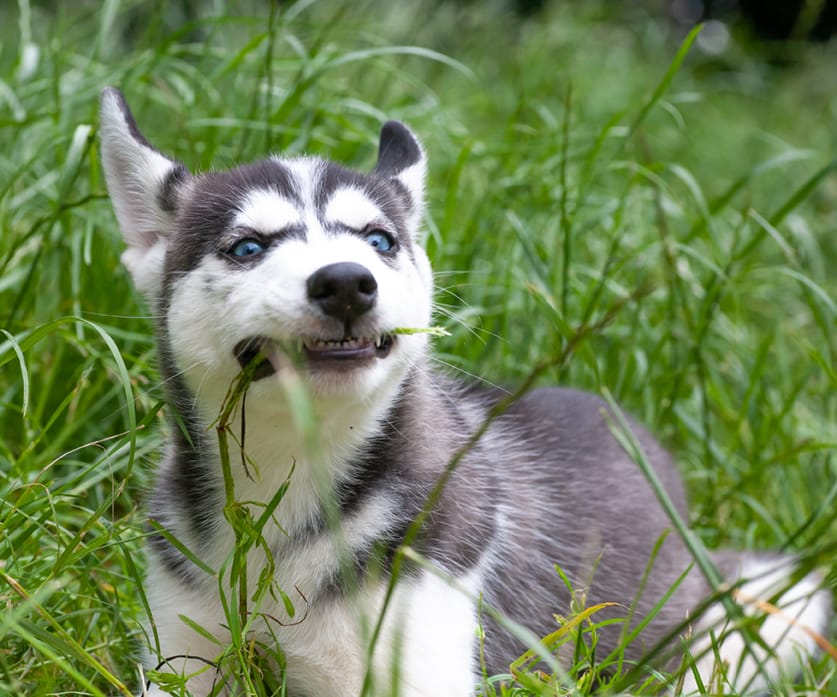
Start a photo or video diary showcasing your dog’s adventures throughout the year. Capturing these moments is a great way to keep track of everything you do with your dog and gives you lots to look back on at the end of 2025!
The New Year is full of possibilities for you and your dog. By trying new activities and adventures, you’ll create a more fulfilling life together while keeping your pup happy and healthy. Cheers to a year of discovery and fun!


Dogs eating grass is a common behaviour for many canines. While the exact cause does vary from dog to dog and situation to situation, the most common reasons are as follows:
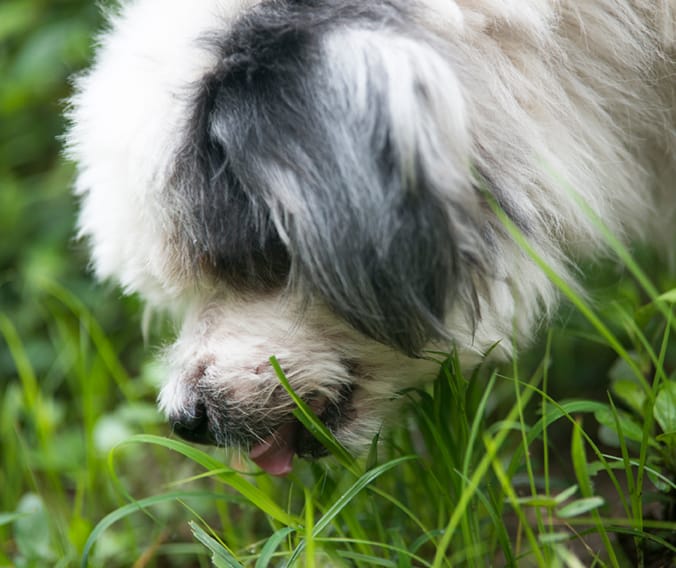
1. Natural instinct: Dogs are omnivores by nature, and their ancestors likely ate grass or plants as part of their diet. Eating grass could be a remnant of this instinct.
2. Looking for fibre: Grass contains fibre, which may help with digestion. If your dog’s diet is low in fibre, they might turn to grass as a supplement.
NOTE
Grass treated with chemicals, pesticides, or fertilisers can be toxic to dogs.
Always ensure your dog’s grass source is safe.
3. Nausea: Some dogs eat grass when they feel nauseous. The grass may induce vomiting, helping them get rid of something in their stomach that’s bothering them.
4. Boredom: If your dog isn’t getting enough mental or physical stimulation, they might nibble on grass out of boredom.
5. Curiosity: Puppies, in particular, may chew on grass while exploring their environment.
6. Enjoyment: Some dogs simply enjoy the taste or texture of grass.
7. Self-soothing: Eating grass can be a self-soothing behaviour for dogs feeling anxious or stressed.
WHEN TO CALL THE VET
Grass eating is usually harmless, but there are times when you should take notice. For instance, if your dog is eating grass and vomiting regularly, which suggests gastrointestinal issues, or if your dog seems to be obsessively eating grass, which suggests anxiety, you should call your vet. If grass eating is a regular occupation for your pup, you could also chat with your vet about possible dietary changes that might improve the situation.
TAKE HOME MESSAGE
In most cases, eating grass is a normal behaviour for dogs. However, understanding the root cause will help you determine whether it’s harmless or requires attention.


Fleas found on dogs and cats can be similar but not always identical, and they can spread between pets and occasionally to humans.
The most common flea species found on both dogs and cats is the cat flea (Ctenocephalides felis). Despite its name, this flea can infest dogs, cats, and even wild animals. It is highly adaptable and the primary culprit in most flea infestations. Dogs can also be infested by the dog flea (Ctenocephalides canis), but this species is less common. In general, Ctenocephalides felis is responsible for the majority of flea problems in both cats and dogs.
Unfortunately, fleas can jump between cats and dogs if they share the same environment. Fleas are opportunistic and will infest any suitable host in close proximity. If one pet in your household has fleas, all pets are likely at risk.
In terms of spread to humans, fleas prefer animal hosts, but they can bite humans, especially if the infestation is severe or if pets aren’t available. Both cat and dog fleas are known to bite humans, causing itchy red bumps, particularly on the legs and ankles.
DID YOU KNOW?
Fleas are wingless, parasitic insects that feed on blood. They can jump 20cm high and 30cm across, so they can easily spread between animals.
Fleas are not only irritating but can also transmit diseases like tapeworms and, in rare cases, bacterial infections such as cat scratch fever (caused by Bartonella bacteria). Some dogs also develop an allergy to flea saliva, leading to flea allergy dermatitis (FAD), which can cause intense irritation. For humans, flea bites are usually more of a nuisance than a health threat, though allergic reactions or secondary infections from scratching can occur.
If you suspect your dog or cat has fleas, you should take the following steps to treat them:
Humans may find tripe to be somewhat of an acquired taste (and smell), but dogs absolutely love it! Our tripe has been thoroughly washed and cleaned for you, while retaining all the nutrition of unbleached tripe. It’s easy to serve and store and has so many health benefits for adult and senior dogs especially.
Tripe is rich in trace minerals, while moderate in protein and fat. It is a great complementary raw food addition to a diet for dogs who may struggle with constipation or need foods that are easier to digest. Tripe doesn’t contain any bone, but still maintains a perfect calcium phosphorus balance, which is rare for animal protein without bone content.
Tripe can be used as a basis for a ketogenic diet for dogs with cancer or epilepsy where one should feed low to no carbohydrate, moderate protein, and high fat. Tripe can also entice dogs who may not feel all that well and are reticent to eat.
Our 100% Green Beef Tripe (and nothing else) is made from the best quality local beef with no preservatives, colourants, or artificial flavourants.
The PaleoPet Pure range is FSA Food Safety certified and DALRRD registered. Also available in convenient, pre-frozen 1.5 Kg and 750g tubs or as a box of 12 individually wrapped 100g Patties. The tubs are re-usable, recyclable, and PBA-free.
Products can be purchased online at www.paleopetpure.com and delivered to your door or bought at selected retailers.