DIGITAL ISSUE 11C | 2024


Welcome!
Welcome to Issue 11C of DQ Magazine. We’re already starting to feel festive in the DQ Office, so prepare for a big Christmas Special in Edition 12A, due out on December 15th.
In the meantime, we hope this edition will keep your dog info cravings at bay. In it, we feature articles on the Komondor (the breed of the month), amputation in dogs, the benefits of window watching for reactive dogs, and the traits that we would ‘select’ for when choosing an ethical breeder, to name just a few.
It’s an eclectic mix of all things dog, and we hope you enjoy reading it as much as we enjoyed putting it together.
Until next time!
Lizzie and
the DQ team xxx
Dr Lizzie Harrison | Editor
Designer | Mauray Wolff
DIGITAL ISSUE 11C | 2024
CONTENTS
Komondor
The fearless and distinctive hungarian guardian
What kind of dog owner are you?
Discover the three categories of dog owners
Turning your pup into an influencer
Top tips for achieving canine celebrity status
Finding an ethical breeder
These are the traits we'd select for
The benefits of window watching
With reactive dogs
How to reduce shedding
Tips for keeping shedding under control
Understanding amputation
What every pet owner should know
AskDQ
Your questions answered
Products we love
Our top choices


Komondor
THE FEARLESS AND DISTINCTIVE HUNGARIAN GUARDIAN
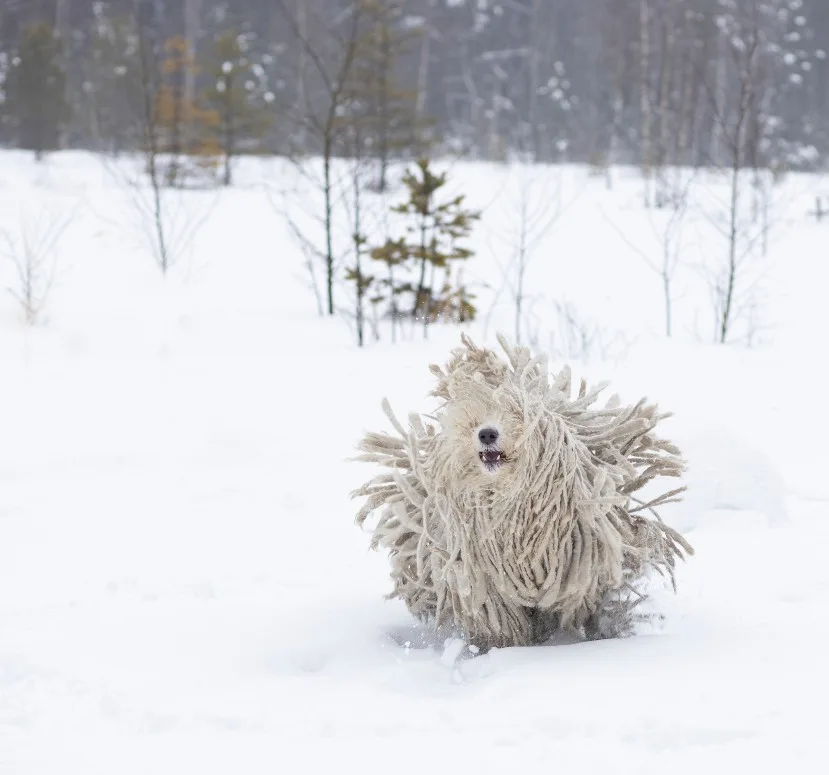
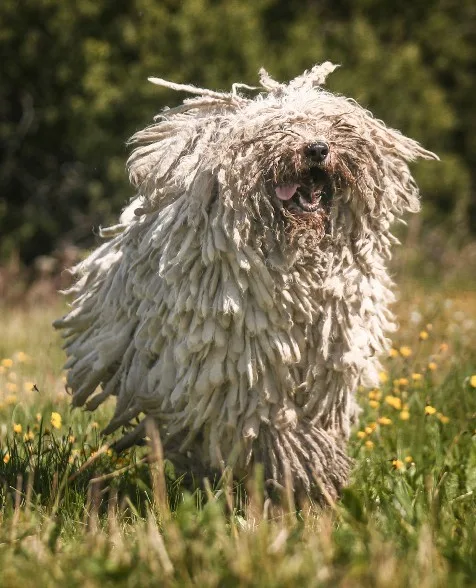
The Komondor, often called the ‘Hungarian sheepdog’ or the ‘mop dog,’ is one of the most striking and unique-looking dogs in the world. With its long, corded coat that resembles dreadlocks, the Komondor is instantly recognisable. However, beyond its unique appearance, the Komondor has a rich history, impressive strength, and a fiercely loyal and protective temperament.
This ancient breed has been guarding Hungarian flocks and homesteads for centuries, and today, it remains a steadfast protector and affectionate companion.
ORIGINS AND HISTORY
The Komondor has a long history dating back over 1,000 years. Originally from Hungary, the breed is believed to have descended from dogs brought to the region by the nomadic Cumans, a Turkic people who settled in Hungary around the 12th century. These dogs were bred specifically to guard livestock, such as sheep and cattle, from wolves, bears, and human thieves. The Komondor's white, corded coat allowed it to blend in with the sheep while remaining nearly impervious to attacks.
The Komondor’s role as a guard dog continued into the 20th century, and it was officially recognised as a distinct breed in Hungary in the early 1900s. Though its numbers declined after World War II, interest in the breed has grown over the last few decades. Today, Komondors can be found in many countries around the world. However, the breed remains relatively rare outside its homeland.

PHYSICAL CHARACTERISTICS
SIZE AND BUILD
The Komondor is a large, muscular dog with a powerful build designed for protection. Males typically stand 70 cm or taller at the shoulder, while females measure around 65 cm or more. The breed's weight ranges from 35 kg to 45 kg for females and 45 kg to 60 kg for males, making it one of the largest guardian breeds. Their size, combined with a fearless disposition, makes them an imposing presence.

COAT AND COLOUR
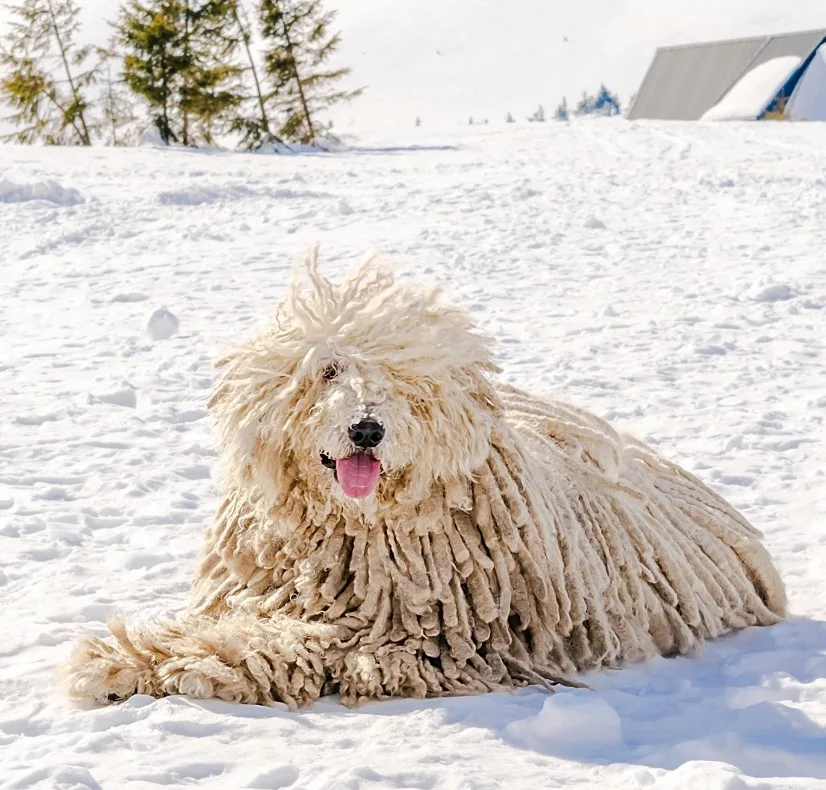
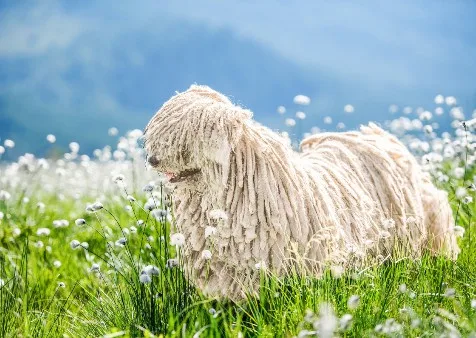
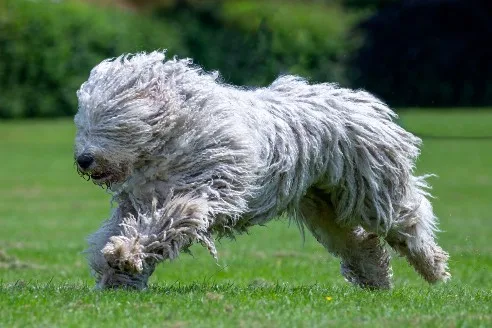
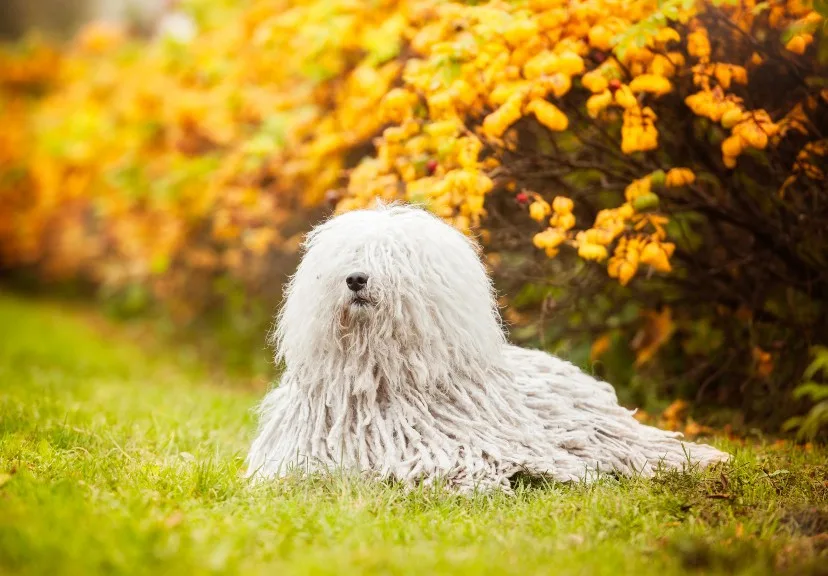
The Komondor's most distinctive feature is its coat, which forms natural, dense cords that give it a ‘mop-like’ appearance. The coat begins to cord naturally as the dog matures, usually between the ages of 1 and 2 years. These cords act as natural armor, protecting the dog from predators and harsh weather.
The Komondor’s coat is always white, although the cords may darken slightly with age. This coloration helped them blend in with the flock of sheep or other livestock they were guarding. Beneath the thick corded coat is a dense undercoat, providing further insulation.
EAR AND EYE SHAPE
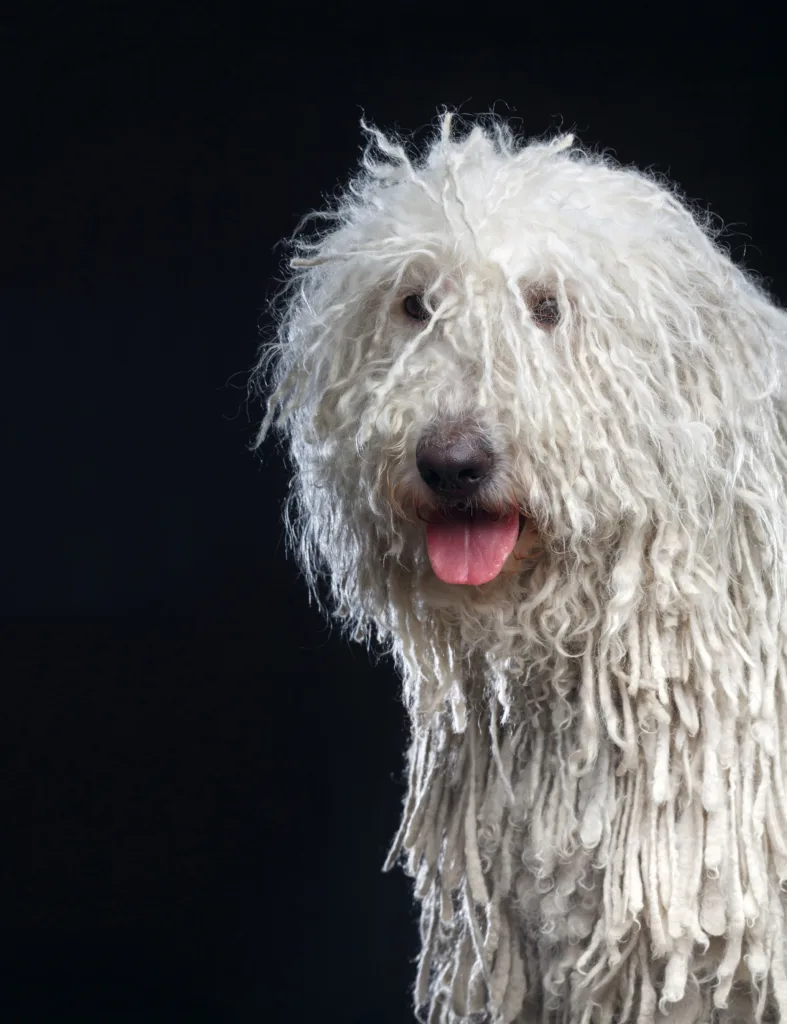
Komondors have almond-shaped eyes that are typically dark brown, giving them a calm, intelligent expression. Their ears are medium-sized, set high and lie close to the head.
TEMPERAMENT AND PERSONALITY
The Komondor is known for its loyalty, intelligence, and fierce protective instincts. These traits make it an exceptional guard dog, but they also mean it requires careful socialisation and training.
PROTECTIVE INSTINCTS
The Komondor’s primary role for centuries has been to guard livestock and property. This instinct remains strong, and they tend to be very protective of their family. Komondors are naturally suspicious of strangers and may react defensively if they perceive a threat. However, with proper training, they learn to distinguish between a real threat and everyday situations.
AFFECTIONATE WITH FAMILY
Despite its formidable appearance and protective nature, the Komondor is known to be affectionate with its family. These dogs often form strong bonds with their human companions and can be gentle, especially with children in the household.
INDEPENDENT AND INTELLIGENT
As a working breed, the Komondor is intelligent and capable of making decisions independently. This trait can sometimes make training challenging, as they may be stubborn or resistant to repetitive commands. However, positive reinforcement training, combined with early socialisation, can help bring out the best in Komondor.
TRAINING AND SOCIALISATION
The Komondor’s size, strength, and protective nature make early training and socialisation essential. As an intelligent breed, the Komondor learns quickly but also has an independent streak. Here are some important considerations for training a Komondor:
- Start early: Socialisation should begin as early as possible, exposing the Komondor to a variety of people, animals, and environments. Proper socialisation helps the dog develop a balanced temperament and reduces the likelihood of aggression towards strangers.
- Consistency and patience: Komondors respond best to consistent, firm, yet gentle training. Positive reinforcement methods, such as treats and praise, work well.
- Protection training: While the Komondor’s natural protective instincts make it a vigilant guard, professional protection training is not generally recommended. This breed already has a strong guarding drive, and formal protection training can amplify their aggression.
- Mental stimulation: Komondors are intelligent and enjoy mental challenges. Puzzle toys, obedience training, and tasks that mimic their guardian role can help keep them engaged and happy.

CARE AND GROOMING
The Komondor’s unique coat requires special grooming techniques to maintain its health and appearance.
CORDED COAT MAINTENANCE
The Komondor’s coat forms cords naturally, but the process requires some guidance from owners. As the dog grows, the cords may need to be manually separated to prevent matting. Bathing a Komondor can be time-consuming, as the cords need thorough rinsing and a very long drying time (up to 24 hours). Professional grooming or dedicated at-home care is essential for the breed.

BRUSHING AND TRIMMING
Unlike other breeds, Komondors do not require regular brushing; in fact, brushing disrupts the corded structure. However, they may need trimming around the mouth and eyes to keep these areas clean and prevent debris from accumulating.
HEALTH CARE
Komondors are generally healthy, but they can be prone to hip dysplasia and bloat (gastric torsion), which is common in large breeds. Owners should monitor the dog’s weight, provide a high-quality diet, and avoid vigorous exercise right after meals to reduce the risk of bloat. Regular check-ups with a veterinarian are important to maintain the breed’s overall health.
LIVING WITH A KOMONDOR
Owning a Komondor requires commitment, space, and an understanding of the breed’s unique needs. They are well-suited to homes with large, fenced yards where they can roam and patrol, fulfilling their natural guardian instincts. Apartment living is generally not ideal due to the Komondor’s size and need for space.
The Komondor thrives in households where it can fulfill a purpose, whether protecting the family, watching over property, or simply staying close to its human companions. They are not overly energetic but need daily exercise to keep fit and mentally stimulated. While they are protective, they are not aggressive without cause and can be a loyal, loving family pet when given proper training, socialisation, and care.
IS THE KOMONDOR RIGHT FOR YOU?
The Komondor is not a breed for every owner. Its size, protective instincts, and grooming requirements mean it demands a committed, experienced handler who understands its needs. However, for those who are willing to invest time in training and care, the Komondor offers unparalleled loyalty, companionship, and protection. This breed is ideal for those looking for a guardian, a loyal family dog, and a unique, one-of-a-kind companion.

COAT AND COLOUR
The Komondor's most distinctive feature is its coat, which forms natural, dense cords that give it a ‘mop-like’ appearance. The coat begins to cord naturally as the dog matures, usually between the ages of 1 and 2 years. These cords act as natural armor, protecting the dog from predators and harsh weather.
The Komondor’s coat is always white, although the cords may darken slightly with age. This coloration helped them blend in with the flock of sheep or other livestock they were guarding. Beneath the thick corded coat is a dense undercoat, providing further insulation.
WHAT KIND OF
DOG OWNER ARE YOU?
DISCOVER THE THREE CATEGORIES OF DOG OWNERS
Dogs have been our loyal companions for centuries, but a recent study from Eötvös Loránd University in Hungary suggests there are three unique ways that we bond with our furry friends.
Researchers surveyed 800 dog owners and found that, despite the diverse roles dogs play in our lives, most owners fall into one of three categories: friendly colleagues, dog parents, and companions.
What do you think, and which type of owner would you classify yourself as?

ONE
THE FRIENDLY COLLEAGUE (31.1% OF OWNERS)
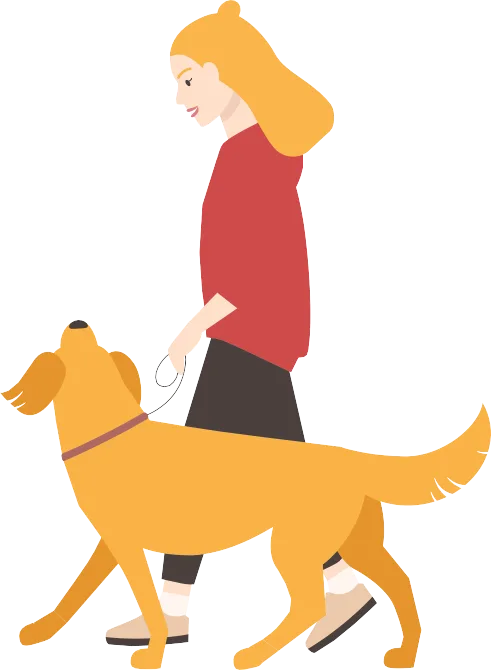
These owners see their dogs as partners, fulfilling practical and emotional roles. Whether guarding the home or helping with daily tasks, these dogs are viewed as teammates who also happen to tug at their owner’s heartstrings.
- Breeds commonly owned: Border Collies, Belgian Shepherds, German Shepherds
- Traits of the relationship: Dogs are trained with professional methods, like clicker training, and are seen as obedient and hardworking.
- Why owners love them: These dogs provide security or fulfill another purpose while also providing companionship.
TWO
THE DOG PARENT (49.5% OF OWNERS)
For nearly half of dog owners, their pet is more than a companion—it’s a family member. These owners forge a human-like bond with their dogs, seeing them as ‘furry children’ rather than animals with practical functions.
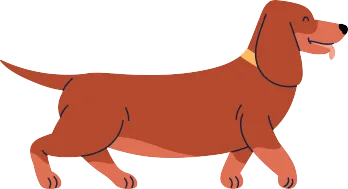
- Breeds commonly owned: Vizslas, Boxers, Dachshunds
- Traits of the relationship: The focus is on emotional connection and unconditional love, with little emphasis on practical roles.
- Why owners love them: They enjoy the comfort, beauty, and affection their dogs bring into their lives.

three
For some, dogs are primarily companions, offering quiet company without a deep emotional connection. These owners value their dogs for their presence but keep a certain level of emotional distance.
- Breeds commonly owned: Mudis, English Cocker Spaniels, Labrador Retrievers
- Traits of the relationship: These dogs are cherished for their loyalty and companionship, though they may not play a central emotional role in their owner’s life.
- Why owners love them: Their steady presence and companionship suit owners seeking a quieter bond.
WHAT THE STUDY REVEALS ABOUT DOG OWNERSHIP
The survey revealed that nearly all owners cherish physical affection (97.6%) and the unconditional love their dogs provide (93.7%). Yet, how dogs fit into their lives varies widely:
- Some owners train their dogs for specific tasks, while others focus on emotional bonding.
- Preferences for breeds often align with the roles these dogs play.
Professor Eniko Kubinyi, the study's co-author, noted that "dogs can fill multiple roles simultaneously in their owners' lives," highlighting the complexity of the human-dog relationship.

READER POLL
FINAL THOUGHTS
Whether your dog is a trusted partner, a beloved family member, or a quiet companion, their role in your life reflects your unique bond.
No matter the category, one thing is clear: our lives are better with dogs by our side. So, what kind of dog owner are you?
DOG FAME
TURNING YOUR
PUP INTO AN
INFLUENCER
TOP TIPS FOR ACHIEVING CANINE CELEBRITY STATUS

In the age of Instagram and TikTok, your dog could become the next viral sensation!
With their adorable faces, hilarious quirks, and lovable antics, dogs have an instant appeal on social media. But growing a pet's online presence takes more than just cute photos; it requires creativity, consistency, and a bit of marketing know-how. Here’s how to make your dog an influencer and share your furry friend with the world.
1. DEFINE YOUR DOG’S UNIQUE STYLE AND PERSONALITY
To stand out in a crowded field of pet influencers, it’s important to find a unique angle for your dog's social media presence. Think about what makes your dog special:
- Quirky looks or traits: Does your dog have distinct markings, or funny facial expressions? Is he playful, silly, or ‘talkative’? Whatever his ‘standout’ trait is, make this the centerpiece of the posts.
- Special skills or talents: Dogs that do tricks, compete in sports, or have special skills are always interesting for viewers.
By defining your dog’s online ‘persona,’ you create a consistent theme that followers can connect with and recognize instantly.

2. CAPTURE HIGH-QUALITY PHOTOS AND VIDEOS
Social media is visual, so high-quality images and videos are key. You don’t need to be a professional photographer, but following a few simple guidelines will help you create appealing content:
- Use good lighting: Natural light is the best, especially outdoor light, which helps capture details. Avoid harsh shadows or dark indoor photos.
- Focus on the eyes: The eyes are the most expressive part of a dog’s face, so keep them sharp and in focus for engaging photos.
- Capture candid moments: Authenticity resonates with audiences. Catching your dog in cute, spontaneous actions like yawning, playing, or lounging is more engaging than posing every shot.
- Use props: Toys, blankets, seasonal decorations, or dog accessories add personality to photos.
- Experiment with angles: Get down to your dog’s level, try close-ups, or even bird’s-eye views to mix up your visuals.

3. BUILD A CONSISTENT POSTING SCHEDULE
Social media success is often about consistency. Posting regularly helps keep your followers engaged and reminds them to check back for more cute content. Aim to post several times a week, at minimum. Here’s a guide for managing your pup’s content:
- Frequency: Two to three posts per week is ideal to maintain visibility and engagement without overwhelming followers.
- Time of day: Look at your engagement analytics (available on platforms like Instagram) to identify when your followers are most active, then schedule posts accordingly.
- Variety of content: Mix it up between photos, videos, stories, and reels. Many platforms give preference to video content, so create a few fun short clips in addition to photos.
Try not to get discouraged if growth is slow at first. Consistent posting builds momentum, so patience and persistence are key.

4. MASTER HASHTAGS AND CAPTIONS
Hashtags are essential for reaching a broader audience, especially when starting out. They help users discover your dog’s posts even if they don’t follow you. Here’s how to use them effectively:
- Use relevant hashtags: Start with popular hashtags in the dog community, like #dogsofinstagram, #doglover, #dogstagram, #puppylove, and #petinfluencer. Then, add more specific ones that apply to your dog’s breed (#goldenretriever, #frenchbulldog), location (#dogsofsa), and unique traits (#blueeyeddog, #puglife).
- Create your own hashtags: Develop a unique hashtag for your dog (like #BuddyTheBasset or #AdventureWithArchie) to help people find all your dog’s posts easily.
- Engaging captions: Write captions that add personality, such as describing what your dog ‘might’ be thinking or adding humorous commentary. Good captions are short, engaging, and give followers a reason to ‘like’ and comment.

5. INTERACT WITH YOUR FOLLOWERS AND OTHER ACCOUNTS
Social media is a two-way street. Engaging with your followers builds loyalty and helps you grow faster.
HERE’S HOW:
- Reply to comments: Acknowledge those who comment on your posts to create a sense of community.
- Like and comment on other posts: Follow and engage with other dog accounts, both big and small. Leaving genuine comments increases your dog’s visibility.
- Join dog communities: Participate in pet-related Facebook groups or online communities where you can share content and connect with others.
Connecting with followers, other pet parents, and influencers in your niche helps create a supportive network that can elevate your account.

6. USE TRENDS AND CHALLENGES TO YOUR ADVANTAGE
Participating in social media trends or challenges is a great way to increase visibility and grow your following. Keep an eye out for popular challenges, whether it’s a hashtag trend, filter, sound clip, or photo theme, and join in with your own twist:
- Seasonal content: Post themed content around holidays or seasonal changes, like Halloween, summer beach vibes, or festive holiday scenes.
- Popular challenges: If there’s a trending TikTok challenge that fits your dog’s personality, create a video and use the trending hashtag.
- Meme-able moments: If your dog has an especially funny face or action, capitalize on it by turning it into a meme or captioning it with a funny quote.
Social media algorithms often reward accounts that use trending hashtags or sounds, increasing your chances of going viral.

7. COLLABORATE WITH BRANDS AND OTHER INFLUENCERS
Once you’ve established your account with a good following, reach out to brands for potential collaborations. Many pet-related brands, from food companies to pet accessory stores, are eager to work with pet influencers. Here’s how to get started:
- Showcase your dog’s personality: Brands look for pet influencers with strong engagement and an audience that matches their target customer.
- Start small: Reach out to smaller brands or local pet businesses for a trial partnership.
- Be professional: Create a media kit that outlines your dog’s personality, following, engagement stats, and previous successful posts. A polished media kit makes it easier to approach brands.
- Collaborate with other influencers: Joint posts or shoutouts with other influencers expose both audiences to new content and can help increase follower count.

8. STAY GENUINE AND PUT YOUR DOG’S WELL-BEING FIRST
Above all, prioritize your dog’s well-being and happiness. Never push your dog into uncomfortable situations or activities for the sake of a post.
Your followers will appreciate the genuine relationship you share with your pet, and an authentic account builds a loyal following.

 WRAPPING UP: SOCIAL MEDIA STARDOM,
ONE PAW AT A TIME
Making your dog an influencer can be a fun and rewarding experience for both of you. While the journey to social media stardom may take some time, focus on enjoying the process and capturing the everyday moments that make your dog special.
With patience, creativity, and a few dog treats along the way, you might just have the next social media sensation on your hands!
FINDING AN
ethical breeder
THESE ARE THE TRAITS WE’D ‘SELECT’ FOR
An ethical dog breeder prioritizes the health, well-being, and future of their dogs above profit or convenience.
Here are the key traits that define an ethical breeder:
1. FOCUS ON HEALTH
• Genetic testing: Ethical breeders conduct thorough health screenings and genetic testing for breed-specific diseases and conditions, ensuring their dogs are as healthy as possible.
• Health guarantees: Many offer health guarantees for their puppies and are transparent about any genetic issues that could potentially arise.
2. EMPHASIS ON SOCIALISATION AND ENVIRONMENT
• Home environment: Puppies are raised in a clean, safe, and loving environment, typically in the breeder’s home. This helps them grow up in a familiar, social setting.
• Early socialisation: They expose puppies to various stimuli, including other people, pets, and household sounds, helping them develop well-rounded temperaments.

3. PRIORITISES BREED STANDARDS AND PURPOSEFUL BREEDING
• Knowledge of breed standards: Ethical breeders have a deep understanding of their breed’s physical and behavioural standards and work to maintain these traits responsibly.
• No overbreeding: They carefully plan each litter, spacing out breedings to allow adequate recovery time for the mother and focusing on improving the breed with each generation.

4. TRANSPARENT AND SELECTIVE IN PUPPY PLACEMENT
• Rigorous screening for potential owners: Ethical breeders take the time to interview prospective owners, ensuring their puppies go to committed, responsible homes.
• Lifetime commitment: Many ethical breeders require a signed contract stating that the dog should be returned to them if the owner can no longer care for it, guaranteeing the dog’s lifelong well-being.

5. PROVIDES ONGOING SUPPORT AND EDUCATION
• Open communication: They offer ongoing support to puppy buyers, answering questions and providing guidance about training, health, and care throughout the dog’s life.
• Follow-up: Ethical breeders often keep in touch with owners, sometimes even requesting updates and photos, showing genuine care for their dogs’ lives.

6. REGISTERED AND ACTIVELY INVOLVED IN DOG COMMUNITIES
• Affiliation with breed clubs: Many ethical breeders are registered with reputable kennel clubs or breed-specific organisations, staying informed about breed standards and health research.
• Participation in dog sports or shows: Ethical breeders often participate in shows, trials, or other activities that demonstrate their commitment to maintaining the breed’s integrity and standards.

7. AVOIDS USING INTERMEDIARIES
• Direct contact only: They don’t sell through pet stores or brokers, ensuring they can screen each buyer and build relationships directly.
FINAL THOUGHTS
In essence, ethical breeders see breeding as a responsibility, not a business. They invest time, resources, and dedication into ensuring each puppy is healthy, well-socialized, and placed in a loving home where they will thrive.
THE BENEFITS OF
WINDOW WATCHING
WITH REACTIVE DOGS
HOW LOOKING OUTSIDE CAN HELP CALM YOUR DOG

For many reactive dogs—those that bark, lunge, or get overly excited at certain triggers—window watching can provide a unique outlet for their curiosity and energy. While it might seem counterintuitive, giving a reactive dog controlled access to the sights and sounds outside while you are present can be a valuable training tool and a way to help them manage their reactions. Let’s explore how window watching, when handled correctly, can support reactive dogs in building confidence, honing focus, and reducing reactivity.
- BUILDS CONFIDENCE BY ALLOWING CONTROLLED EXPOSURE
Many reactive dogs feel a heightened sense of alertness in the presence of unfamiliar sounds, sights, or people. Window watching provides a safe way to expose them to these stimuli at a distance, reducing the intensity of their reactions and helping them build tolerance to common triggers. By reducing the novelty of these triggers in a controlled way, reactive dogs can experience less stress in real-life scenarios.

2. DESENSITISATION IN A SAFE SPACE
Window watching allows your dog to observe potential triggers—like other dogs, people, or passing cars—from the safety of home. This "protected contact" can be especially beneficial for nervous or fearful dogs. Over time, repeatedly seeing the triggers can reduce the novelty and anxiety associated with these stimuli.
• Controlled, predictable environment: Because your dog is at home and with you, they are less likely to feel threatened, which can help lower stress levels and encourage calmness over time, even in the presence of normal triggers.
• Empowering the dog: When dogs feel they’re in a safe, controlled environment, they’re more likely to feel empowered and less reactive. Window watching allows dogs to observe without needing to respond, which can improve their confidence and sense of control over their environment.
3. PROVIDES MENTAL STIMULATION AS WELL AS AN ENERGY OUTLET
For many reactive dogs, window watching is like their own version of TV. Dogs are naturally curious animals, and watching the world outside provides them with mental stimulation that’s low-impact but highly engaging.
• Enrichment opportunity: Reactive dogs often have a high need for enrichment. Giving them a comfortable spot to watch the outside world provides variety and novelty to their day, which can help prevent boredom and associated behaviours like barking or chewing.
• Satisfying natural instincts: Reactive dogs often have a strong instinct to monitor their surroundings. A safe window seat allows them to fulfill this instinct without causing disruption.
• Channelling energy positively: Providing a designated time and place for your dog to watch the outside world can help release some excess energy, especially for dogs that need extra outlets beyond physical exercise.


4. HELPS IMPROVE FOCUS AND IMPULSE CONTROL
With guidance, window watching can teach your dog valuable skills, such as controlling their impulses and responding to you rather than reacting automatically to outside stimuli.
• Practice calm behaviors: Use window watching as a training opportunity to encourage calm behaviors. When your dog sees a trigger outside, reward them for staying calm or looking at you instead of barking or lunging at the window.
• Redirecting attention: This practice, sometimes called "Look at That" training, helps your dog learn to look at a trigger and then return their focus to you for a reward. Over time, this method can help reactive dogs maintain better control when faced with triggers, even outside the house.

TIPS FOR MANAGING WINDOW WATCHING WITH A REACTIVE DOG
While window watching can be beneficial, it’s essential to set boundaries and use techniques that promote calm behaviour:
• Designate a window-watching spot: Choose a single window with a comfortable perch for your dog. This will help them understand that window-watching happens only in a particular space, reinforcing their sense of control over the environment.
• Practice quiet commands: If your dog starts to bark or growl, gently guide them to sit or lie down and reward them for being calm. Over time, this will teach them to observe without reacting.
• Limit overstimulation: If your dog becomes too excitable, it may be helpful to limit window-watching time to certain periods of the day or to pull the shades when needed. Keeping window-watching short and structured can prevent it from becoming an overstimulating activity.

FINAL THOUGHTS
Window watching can be a powerful tool for helping reactive dogs build confidence, learn impulse control, and become more familiar with everyday triggers. By offering this controlled environment, you’re empowering your dog to be curious and calm—skills that ultimately benefit them both at home and in the outside world.
READER POLL
DOG GROOMING
HOW TO REDUCE
SHEDDING
TIPS FOR KEEPING SHEDDING UNDER CONTROL


If you're a dog parent, you've probably faced the never-ending battle with fur! Shedding is natural for dogs, but with a few strategic steps, you can reduce loose hair around your home and keep your pup’s coat in top shape. Here’s a guide to understanding why dogs shed, how you can manage it, and when shedding might signal a health issue.
WHY DO DOGS SHED?
Shedding is a natural process in dogs where they lose old or damaged fur to make room for new growth. Some breeds shed year-round, while others have seasonal shedding, especially in spring and autumn. Factors like breed, age, diet, and overall health all affect how much a dog sheds.

TIPS TO REDUCE SHEDDING
- Choose the right brush and brush often
Different coat types require different types of brushes. Regular brushing helps catch loose hairs before they end up on your couch and distributes natural oils to keep the coat healthy.
• Short-coated breeds (like Beagles or Boxers): A rubber curry brush or grooming glove is gentle and effective for these breeds.
• Double-coated breeds (like Golden Retrievers or Huskies): Use an undercoat rake or de-shedding tool to target the dense underlayer of the coat.
• Long-haired breeds (like Shih Tzus or Afghan Hounds): A slicker brush and a comb help detangle and remove loose hairs without pulling and creating discomfort.
TOP TIP
For best results, brush your dog a few times a week or daily during heavy shedding seasons.
2. Use quality de-shedding tools
Deshedding tools, like the popular FURminator, are designed to remove loose undercoat hair without damaging the top coat. They’re ideal for dogs with thick or double coats and can significantly reduce shedding with weekly use. Always follow instructions to avoid skin irritation or discomfort for your dog.

3. Bathe your dog with shampoo for shedding control
Regular baths help wash away loose fur, dirt, and dander. For dogs that shed heavily, using a shedding-control or oatmeal-based shampoo once a month can reduce hair loss by conditioning the skin and coat.
• Frequency: Avoid overbathing, as it can strip natural oils from your dog’s coat, leading to more shedding.
• Water temperature: Use lukewarm water, as hot water can dry out the skin and increase shedding.
4. Feed a high-quality diet rich in omega fatty acids
Nutrition plays a crucial role in coat health. Omega-3 and Omega-6 fatty acids are especially beneficial, as they keep the coat shiny and prevent excessive shedding by nourishing the skin.
• Fatty fish and supplements: Look for food with salmon, sardines, or fish oils, or consider adding omega supplements after consulting with your vet.
• Avoid fillers: Low-quality dog foods with fillers and artificial additives can cause skin irritation, which may increase shedding.

5. Maintain a healthy hydration level
Dehydration can lead to dry, flaky skin and excess shedding. Ensure your dog has access to fresh water throughout the day, and consider wet dog food if your pup struggles to drink enough water.

6. Try regular coconut oil or olive oil treatments
Adding a small amount of coconut oil or olive oil to your dog’s diet can help moisturize their skin and coat from the inside out, reducing dryness and shedding. As with any dietary addition, check with your vet for the correct dosage based on your dog's size and breed.

7. Manage stress and anxiety
Stress can contribute to excess shedding. Everyday stressors for dogs include separation anxiety, changes in routine, or loud noises. Addressing stress with more exercise, interactive toys, or calming treats can help reduce stress-related shedding.
WHEN TO VISIT THE VET
While some shedding is normal, excessive hair loss can indicate underlying health issues.
Look out for signs like:
• Bald spots or areas with thinning fur
• Excessive scratching, biting, or licking
• Red, inflamed, or irritated skin
If your dog displays any of these symptoms,
consult your vet to rule out skin allergies,
hormonal imbalances, or parasites.

FINAL THOUGHTS
Reducing shedding takes a combination of proper grooming, nutrition, and care, but the result is a cleaner home and a healthier, happier dog. Remember that shedding is natural and varies by breed, so don’t aim to eliminate it altogether. With these strategies, you’ll be well on your way to managing shedding and creating a more fur-friendly environment.
UNDERSTANDING
amputation
WHAT EVERY PET OWNER
SHOULD KNOW
Amputation in dogs can sound overwhelming, but it is often a life-saving and empowering solution for dogs who are struggling with pain, infection, or deformities. This article provides an overview of why amputation may be recommended, how dogs recover and adapt, and the steps owners can take to support their dog’s life as a ‘tripod’ (a term affectionately used for three-legged dogs). Additionally, we’ll explore the growing role of prosthetics in enhancing mobility and quality of life for some dogs.
WHY DO DOGS UNDERGO AMPUTATION?
Amputation can become necessary for dogs due to a variety of medical and structural reasons. Here are some common scenarios in which a limb may need to be removed:
• Congenital limb deformities: Some dogs are born with congenital limb deformities or missing parts of a limb. If the affected limb causes discomfort or restricts movement, amputation may be recommended.
• Cancer: Bone cancer, or osteosarcoma, is the most common reason for amputation in dogs. Removing the limb can help control the spread of cancer and alleviate severe pain.
• Severe trauma or injury: Accidents can cause damage to a limb that is too severe to be repaired through surgery, and amputation may be the best option for the dog’s comfort and mobility.
• Infection or necrosis: When a limb has a severe infection or tissue death that doesn’t respond to treatment, amputation can help prevent the spread of infection and alleviate pain.

RECOVERY AFTER AMPUTATION
Dogs are incredibly resilient animals, and they often adapt to life on three legs faster than most people expect. However, recovery requires both medical support and patience. Here’s an overview of what the process entails:
• Post-surgery care: After surgery, your dog will require rest and limited movement for a few weeks. Pain management will be key, so expect to administer pain medications and monitor your dog’s incision site closely for any signs of infection.
• Physical therapy: Physical therapy can aid in recovery by strengthening remaining limbs, reducing strain on joints, and helping your dog regain balance. Hydrotherapy, or swimming, is a low-impact option that allows dogs to exercise their muscles without overstraining their bodies.
• Gradual return to normal activity: It can take several weeks for a dog to adjust to their new balance and stride. Most dogs return to regular activity within three to six weeks, although this can vary depending on their age, health, and individual temperament.

HOW DOGS COPE WITH AMPUTATION
One of the most inspiring aspects of veterinary medicine is witnessing how well most dogs cope with amputation. Dogs are naturally adaptable and, without self-consciousness, quickly learn to move around on three legs.
• Adjusting to balance: Dogs instinctively shift their weight to the remaining limbs and usually develop a smooth gait within a few weeks. While larger dogs may face a slightly longer adjustment period due to their weight, most dogs adapt successfully and continue to lead full, active lives.
• Emotional and behavioral adaptation: Emotionally, dogs often handle amputation better than people anticipate. They are quick to accept their new mobility and tend to resume their usual activities as soon as they feel comfortable. Offering plenty of positive reinforcement, love, and patience during the transition period can help your dog feel confident and supported.


SPECIAL MEASURES FOR DOGS WITH AMPUTATIONS
While most dogs adapt quickly, there are special considerations to help ensure their long-term health and comfort:
• Weight management: Keeping your dog at a healthy weight is crucial. Extra weight puts unnecessary strain on their remaining limbs and joints, so it’s important to provide a balanced diet and appropriate exercise.
• Joint and muscle health: Regular, low-impact exercise can help maintain muscle tone and joint health in the remaining limbs. Veterinary-recommended supplements, such as glucosamine and chondroitin, may also support joint health.
• Foot and joint protection: Dogs with amputation tend to put more strain on their remaining limbs, making them more susceptible to joint issues or calluses. Soft bedding, paw protection (like booties), and routine joint health check-ups can help.
• Environmental adjustments: If your dog has difficulty with stairs, consider using ramps, especially for older dogs or those with arthritis. Nonslip mats around the home can help prevent accidental slips, and raised food bowls can reduce strain during meal times.

THE ROLE OF PROSTHETICS IN DOG AMPUTATION
In recent years, advances in veterinary prosthetics have provided some dogs with amputated limbs with a new mobility option. Prosthetics are artificial limbs designed to replace a missing leg, which can improve mobility and reduce strain on the remaining limbs. Here’s what you should know about prosthetics for dogs:
• When prosthetics are beneficial: Prosthetics can be particularly beneficial for dogs with a partial amputation, where part of the leg remains, as they can stabilize the limb and support walking. Dogs missing entire limbs may not always benefit from prosthetics due to balance and weight distribution challenges.
• Customization and fit: Each prosthetic limb is custom-made to fit a dog’s anatomy and walking style. Proper fit is essential for comfort and mobility, so it’s important to work with an experienced veterinary specialist if you’re considering this option.
• Adjustment period: It can take time for dogs to get used to wearing a prosthetic, and physical therapy is often recommended to help them adjust. Some dogs may need a gradual introduction to wearing their prosthetic before using it regularly.
Not all dogs with amputations need or want prosthetics, and many lead happy, active lives on three legs. However, prosthetics can be a wonderful option for certain dogs, especially those with a unique need for added support.

LIVING A HAPPY, ACTIVE LIFE AFTER AMPUTATION
Amputation is not the end of an active, fulfilling life for a dog. Whether your dog adapts to being a ‘tripod’ or is fitted with a prosthetic, they will often embrace life with their usual enthusiasm and spirit.
Ultimately, dogs remind us that resilience and happiness are possible no matter the circumstance, and with a bit of extra help, they’ll continue to enjoy life to the fullest!

MYXOMATOUS MITRAL VALVE DISEASE (MMVD)

Myxomatous Mitral Valve Disease (MMVD) is a common degenerative heart condition in dogs, especially in small to medium-sized breeds. It affects the mitral valve, one of the valves in the heart responsible for ensuring blood flows in the correct direction.
WHAT HAPPENS IN MMVD?
The disease involves the gradual thickening and weakening of the mitral valve's leaflets, which become deformed and can no longer close properly. This causes blood to leak backward (regurgitation) into the left atrium when the heart pumps. Over time, this regurgitation can lead to:
- Increased pressure in the heart: The heart has to work harder to compensate, leading to enlargement of the left atrium and left ventricle.
- Fluid accumulation: As the condition progresses, it can result in congestive heart failure, with fluid accumulating in the lungs (pulmonary oedema).

WHO IS AFFECTED?
- Breeds: Common in small and toy breeds like Cavalier King Charles Spaniels, Dachshunds, Chihuahuas, and Poodles.
- Age: Most cases develop in middle-aged to older dogs.
- Gender: Both males and females are affected, though some breeds may show a slight predisposition in one gender.
SYMPTOMS OF MMVD
In the early stages, MMVD may not cause any noticeable symptoms. As the disease progresses, signs can include:
- A heart murmur detected during routine veterinary exams.
- Coughing, particularly at night or after exercise.
- Difficulty breathing (dyspnoea).
- Reduced stamina or exercise intolerance.
- Rapid or irregular heartbeat.
- Collapse or fainting episodes in severe cases.

DIAGNOSIS
MMVD is often suspected when a veterinarian hears a characteristic heart murmur during auscultation. To confirm the diagnosis and determine its severity, additional tests may be performed:
- Echocardiography (ultrasound of the heart): Evaluates valve function, heart size, and regurgitation severity.
- Chest X-rays: Checks for heart enlargement or fluid in the lungs.
- Electrocardiography (ECG): Detects irregular heart rhythms.
- Blood tests: Biomarkers like NT-proBNP can help assess heart strain.

LATEST RESEARCH
A recent study aimed to develop a machine-learning model to analyze heart sounds from electronic stethoscopes to identify heart murmurs and stage MMVD. The goal was to address variability in veterinary interpretation of murmurs and reduce the need for costly diagnostics like echocardiography.
The researchers collected a large dataset from 756 dogs, including both healthy dogs and those with various heart conditions. The dogs underwent complete clinical and echocardiographic exams by specialists to determine murmur intensity and MMVD stage. A machine-learning model, originally developed for humans, was fine-tuned using the dog heart sound data to classify murmur intensity and detect MMVD stages.
The results showed that the algorithm successfully detected murmurs with a sensitivity of 87.9% and specificity of 81.7%. It accurately matched expert cardiologist murmur grades in 57% of cases and was within one grade in 95% of cases.
Ultimately, the model showed potential in detecting common cardiac diseases such as MMVD, pulmonic stenosis, and aortic stenosis. The study's findings suggest that machine learning can be an effective tool for improving heart murmur detection and classification in conditions like MMVD, ultimately aiding in better management of cardiac diseases in dogs.
Reference:
Andrew McDonald et al. ‘A machine learning algorithm to grade canine heart murmurs and stage preclinical myxomatous mitral valve disease.’ Journal of Veterinary Internal Medicine (2024). DOI: 10.1111/jvim.17224

TREATMENT
There is no cure for MMVD, but treatment aims to manage symptoms and slow disease progression:
1. Medications:
- Pimobendan: Improves heart muscle function and delays the onset of heart failure in dogs with moderate to severe MMVD.
- ACE Inhibitors: Reduce blood pressure and ease the heart's workload.
- Diuretics: Help remove excess fluid from the lungs in cases of heart failure.
2. Lifestyle adjustments:
- Regular, moderate exercise.
- Maintaining a healthy weight to reduce the strain on the heart.
3. Monitoring:
- Regular check-ups to adjust treatment as needed.
PROGNOSIS
Many dogs with MMVD live for years with proper management, especially when diagnosed and treated in the early stages. However, in advanced cases, complications like congestive heart failure can significantly impact quality of life and longevity.
FINAL THOUGHTS
MMVD is a progressive condition, but early detection and tailored care can significantly improve a dog’s quality of life. Regular veterinary check-ups are essential for breeds prone to this disease.
Ask HQ?
Ask
DQ
?
YOUR DOG QUESTIONS ANSWERED


Why do dogs dig?

Dogs dig for various reasons, many of which are rooted in their natural instincts. While digging can sometimes be destructive, it’s an entirely normal behaviour that serves different purposes depending on the situation. Here are the most common reasons why dogs dig:
- Instinctive behaviour
In the wild, digging serves as a survival skill. Modern dogs have inherited these instincts, even if they don’t necessarily need them for survival.
- Burrowing for safety: Dogs may dig to create a safe space to rest or protect themselves from harsh weather conditions.
- Hunting prey: Some dogs dig to chase burrowing animals like moles or rabbits. This behaviour is often seen in breeds with a strong prey drive.
- Regulating temperature
Dogs may dig shallow holes to escape extreme temperatures.
- Cooling down: In hot weather, the ground beneath the surface is cooler, and dogs may dig to create a cool spot to lie down.
- Warming up: In cold weather, digging a hole can create a wind-protected area for warmth.

HOW TO MANAGE DIGGING
If digging becomes problematic, consider these tips to redirect the behaviour:
- Provide plenty of exercise: Tired dogs are less likely to dig out of boredom or excess energy.
- Offer mental stimulation: Toys, puzzles, and training exercises can keep your dog’s mind busy.
- Create a designated digging zone: Designate a specific area where your dog can dig freely, such as a sandbox, and encourage them to use it.
- Address anxiety: Ensure your dog feels secure and has enough companionship. Consider calming aids if necessary.
3. Seeking entertainment
Digging can be a way for dogs to relieve boredom or burn off excess energy, particularly if they’re not getting enough physical or mental stimulation. That said, some dogs, regardless of the amount of activity they have had in their day, still love to dig to explore the ‘world underground’. These dogs are unlikely to stop despite plenty of physical and mental stimulation from other sources.
4. Storing items
Some dogs dig to hide their prized possessions, like toys or treats. This behaviour mimics their ancestors’ habit of burying food to store it for later consumption.
5. Anxiety
Digging can be a coping mechanism for dogs feeling anxious or stressed. For example, dogs left alone who suffer from separation anxiety might dig to alleviate stress or dig under fences or gates to escape.
6. Nesting behaviour
Female dogs, particularly those who are pregnant or experiencing a false pregnancy, may dig to prepare a ‘nest’ for their puppies. This instinctual behaviour is driven by hormones.
7. Breed trait
Some breeds are more prone to digging due to their genetics.
• Terriers and Dachshunds: These breeds were bred to dig for prey like rodents.
• Huskies and Malamutes: These breeds often dig to create resting spots in snow or dirt, a behaviour rooted in their cold-weather origins.
In summary, digging is a natural part of being a dog and understanding the reasons behind it can help you manage it effectively while keeping your pup happy and healthy.
Products we love
Shopping fun

PaleoPet Pure 100% Green Beef Tripe for Dogs
Humans may find tripe to be somewhat of an acquired taste (and smell), but dogs absolutely love it! Our tripe has been thoroughly washed and cleaned for you, while retaining all the nutrition of unbleached tripe. It’s easy to serve and store and has so many health benefits for adult and senior dogs especially.
Tripe is rich in trace minerals, while moderate in protein and fat. It is a great complementary raw food addition to a diet for dogs who may struggle with constipation or need foods that are easier to digest. Tripe doesn’t contain any bone, but still maintains a perfect calcium phosphorus balance, which is rare for animal protein without bone content.
Tripe can be used as a basis for a ketogenic diet for dogs with cancer or epilepsy where one should feed low to no carbohydrate, moderate protein, and high fat. Tripe can also entice dogs who may not feel all that well and are reticent to eat.
Our 100% Green Beef Tripe (and nothing else) is made from the best quality local beef with no preservatives, colourants, or artificial flavourants.
The PaleoPet Pure range is FSA Food Safety certified and DALRRD registered. Also available in convenient, pre-frozen 1.5 Kg and 750g tubs or as a box of 12 individually wrapped 100g Patties. The tubs are re-usable, recyclable, and PBA-free.
Products can be purchased online at www.paleopetpure.com and delivered to your door or bought at selected retailers.
follow us on Instagram @dogquarterlymag and Facebook dqmagazine
stay tuned for the next issue of

