Lameness in dogs can be a sign of injury, discomfort, or a more serious underlying condition. If your dog is lame you need to make a vet’s appointment as a priority, but recognising which leg is causing the issue in advance can assist in management while you await your appointment.
The process of determining which leg your dog is lame on can seem a little daunting (those legs move so fast!), but with careful observation, you can usually pinpoint the problem and look out for that leg while you await appropriate veterinary care.
In this article, we’ll cover some key steps and tips to help you identify the affected limb.
Signs of an emergency
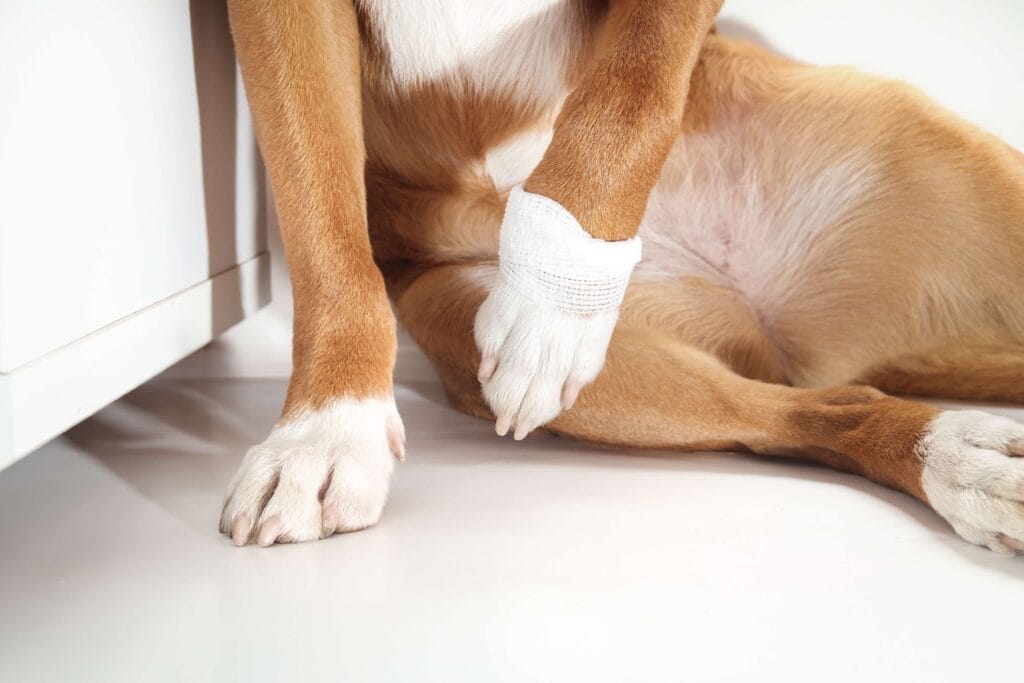
Sudden lameness after trauma or accompanied by symptoms like swelling, visible injury, severe pain, or lethargy should prompt an immediate visit to the vet, as conditions like fractures, ligament tears, or infections may require urgent treatment.
Step 1: Observe your dog’s overall movement
The first step in identifying lameness is to observe how your dog is moving, remembering that a dog will typically try to avoid placing full weight on an injured or painful leg.

Here’s what to look for:
– Uneven gait: Watch your dog as he walks, trots, and runs. You may notice an uneven or hobbling gait as he attempts to avoid putting weight on the sore leg.
– Abnormal posture: Watch how your dog stands or lies. If he appears to be protecting a limb or area this can give you a good idea where the issue is originating.
– Head movement: Dogs will often shift their head in response to pain. For example, with a front leg issue, a dog will raise his head when the sore leg touches the ground in walk and lower it when the healthy leg takes the weight.
– Hip movement: In hind leg lameness, you may notice an exaggerated sway or ‘bobbing’ of the hips as your dog moves. The hips may shift or rise as they attempt to reduce pressure on the painful leg.
Step 2: Check for signs of pain or swelling
Once you’ve observed your dog’s gait, the next step is to examine him more closely. Be gentle, as handling the sore area could cause discomfort.
Start by inspecting each leg for signs of:
– Swelling: Compare each limb for any swelling or inflammation. This is often more noticeable in cases of joint, ligament, or muscle injury.
– Tenderness: Lightly press or move your dog’s joints, muscles, and paws to check for signs of tenderness. If a particular area is painful, your dog may pull away or whimper.
– Heat: Injuries or infections often cause warmth in the affected area. Feel each leg to detect any noticeable temperature differences.
Note
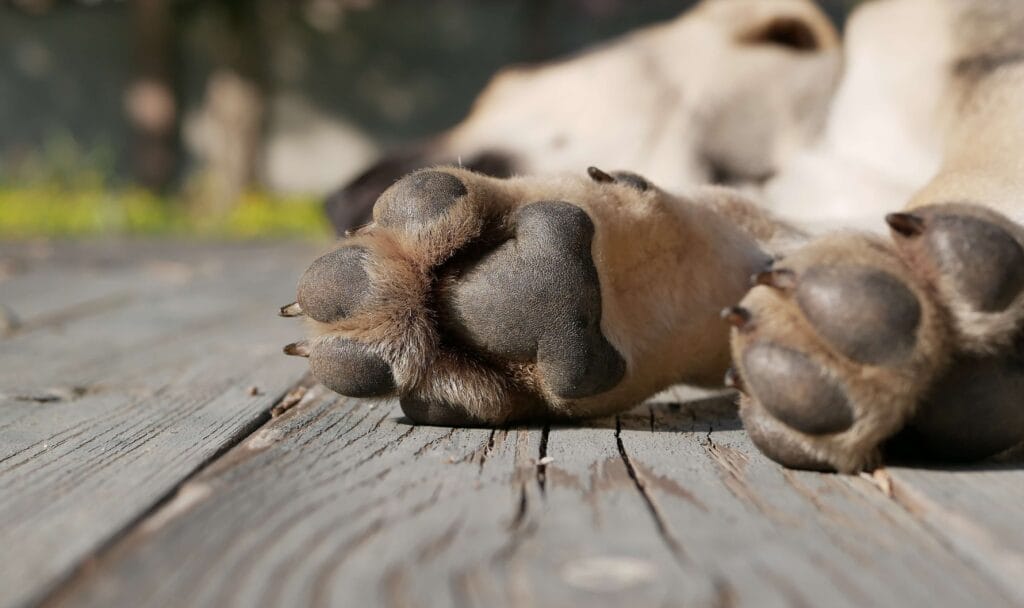
Thorns in the paw pads or broken nails can cause lameness that will recover quickly. If you notice these issues, remove any obvious debris and monitor your dog. If the lameness does not resolve rapidly, see your vet.
Step 3: Is it the front or back leg?
If after observation and palpation you are still not sure which leg is involved, simply focus on whether the lameness is in the front or back legs.
Here’s how to distinguish between the two:
– Front leg lameness: When the issue is in a front leg, the dog will usually lift their head when the lame leg touches the ground. You may also notice a reluctance to lower their body during certain activities, such as bending down to eat or play.
– Hind leg lameness: Dogs with a hind leg issue often raise their hips or shift their weight forward, placing more pressure on their front legs. They may also show signs of stiffness after lying down or difficulty jumping or climbing stairs.
Think outside the box
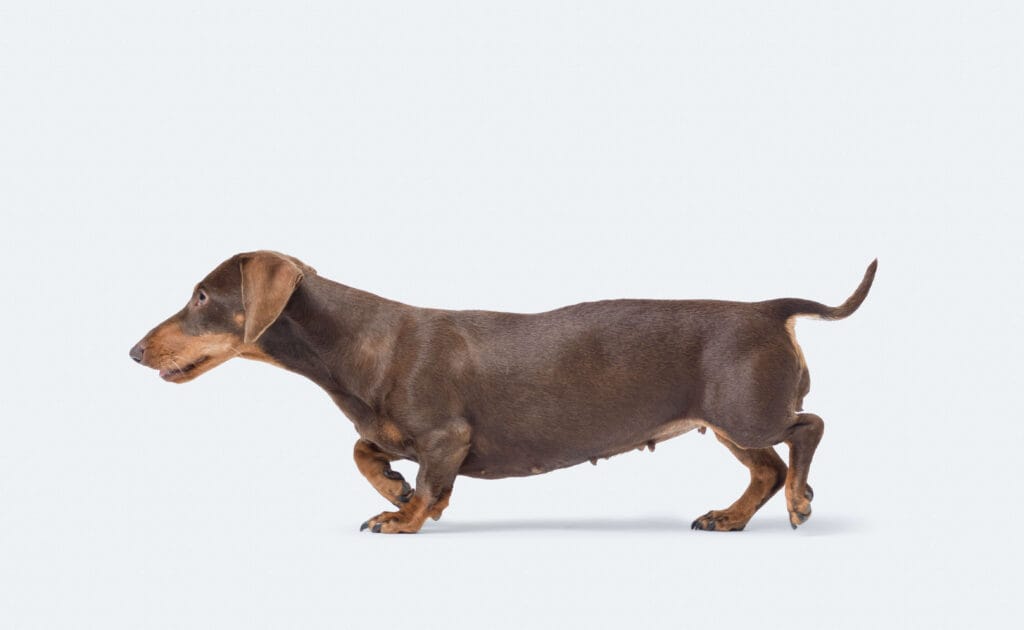
Not all limping is caused by leg or paw injuries. Some dogs may appear lame due to pain in other parts of the body, such as the back, neck, or hips. If your dog’s movement seems stiff or off-balance, but you can’t pinpoint the exact leg, it could indicate an issue with their spine or a systemic problem, like arthritis or a neurological disorder. You vet will be able to help with the diagnosis.
Step 4: Take notes
Pay attention to how long your dog has been lame and whether the condition changes throughout the day. Some dogs may limp more after rest, while others might worsen after activity. Note any differences between lameness during walks versus resting time and whether the limp improves with gentle movement. This extra information can help your vet to identify the issue.
Common causes of limping in dogs
- Sprain or strain
- Cut or object in paw
- Torn nail
- Bite from an insect or other animal
- Arthritis
- Dislocation
- Fracture
- Hip or elbow dysplasia
- Cruciate ligament disease
- Infection
- Congenital malformation
- Neurological disorder

Conclusion
Determining which leg your dog is lame on requires close attention to their movement, physical examination, and patience. By following these steps, you’ll be better equipped to help your dog and ensure they receive the care they need. Whether it’s a minor injury or a more serious issue, early detection is key to getting your furry friend back on all four paws!