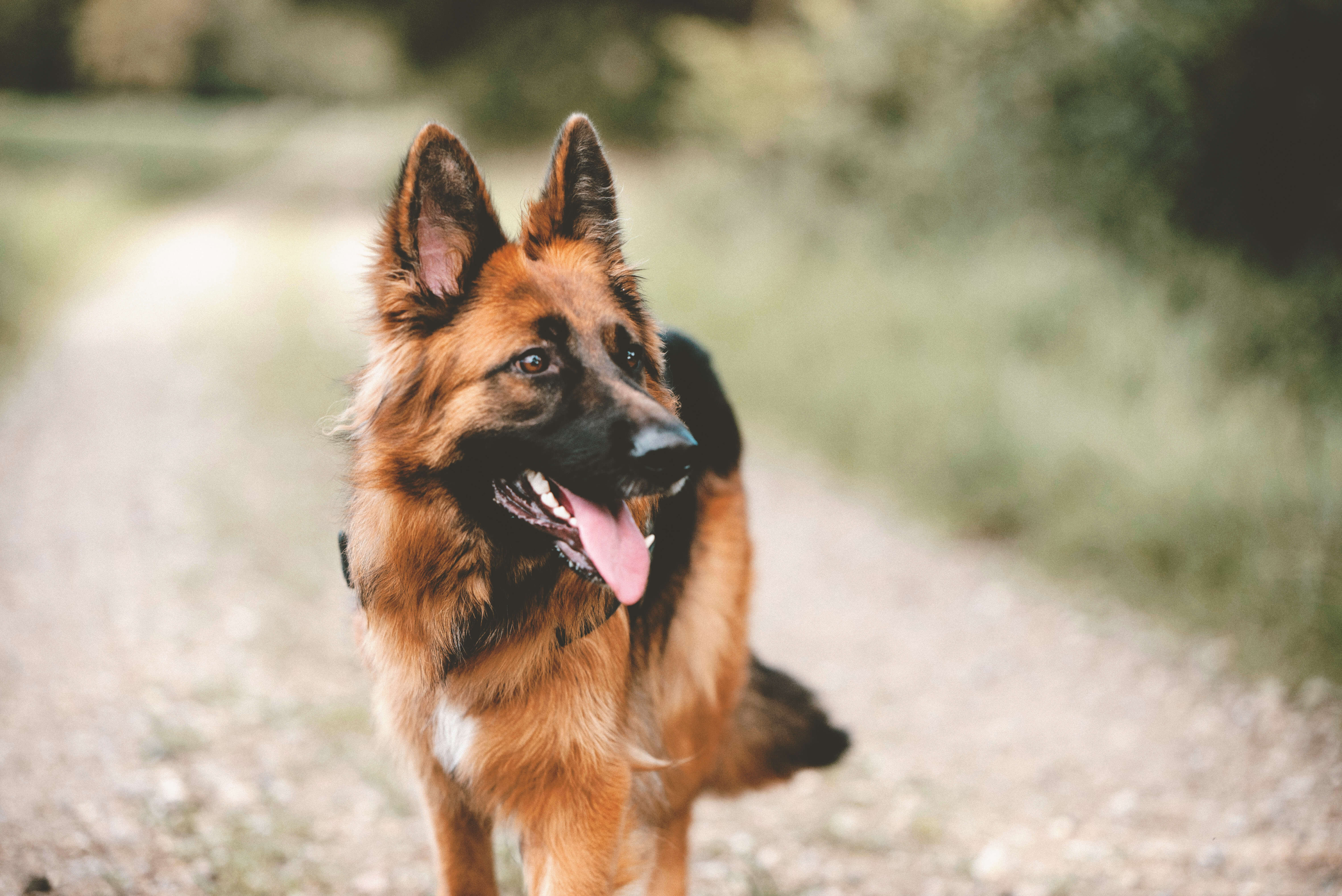
Kennel Cough (infectious tracheobronchitis) is a term used to describe both viral and bacterial respiratory infections that cause inflammation of the dog’s voice box (larynx) and windpipe. It is a form of bronchitis and similar to a chest cold in a human. Though Kennel Cough usually resolves on its own with no long-lasting effects, it is highly contagious to other dogs.
Causes
Kennel Cough can spread through aerosols in the air, meaning it often spreads in areas with poor air circulation, like kennels or animal shelters (hence the name). Kennel Cough can also spread through direct contact between dogs, for instance, when they greet each other or even through contaminated objects, like shared water bowls. Cold temperatures, exposure to dust or cigarette smoke or travel-induced stress are also considered to be factors.
Some of the viruses and bacteria that can cause Kennel Cough include adenovirus type-2, parainfluenza virus, canine respiratory coronavirus, and the bacteria Bordetella bronchiseptica. Often a dog will have both a viral and bacterial infection simultaneously, as the viral infections tend to make the dog more susceptible to Bordetella infection.
Certain dogs are more prone to getting Kennel Cough. These include young dogs or dogs who have frequent contact with other dogs, especially in enclosed areas.
Symptoms
Generally, dogs with Kennel Cough appear well but have a persistent dry cough with a ‘honking’ sound. However, in more severe cases or more vulnerable dogs, you may see fever, decreased appetite, low energy, coughing up of white foamy phlegm, wheezing, swollen tonsils, runny eyes, gagging and nasal discharge.
Most dogs with Kennel Cough will cough when the throat is rubbed or during or after exercise.
Treatment
See your vet if your dog develops a cough of any kind. This is because, whilst Kennel Cough is usually mild, a cough of this nature can signify a more severe illness. For instance, canine distemper and canine influenza viruses both start off with symptoms which are nearly identical to those of Kennel Cough. Other conditions that cause coughing include a collapsing trachea, bronchitis, asthma and even heart disease. Your vet needs to rule out these conditions for your dog’s safety, so even though Kennel Cough is generally mild, you don’t want to delay getting to your vet.
NOTE: Tell your vet that you suspect Kennel Cough, as they may come and see your dog at home or ask you to attend the practice at a quiet time to avoid infecting other dogs.
Once your vet has confirmed you are dealing with Kennel Cough, you can usually simply let the illness run its course. However, even in these mild cases, you should do the following:
- Keep your dog isolated from other dogs.
- Provide your dog with plenty of rest.
- Use a humidifier or steam from a shower to provide relief for irritated breathing passages.
- Avoid exposing the dog to irritating fumes, like cigarette smoke.
- Use a harness rather than a collar, as a collar can aggravate the issue and even cause damage to the trachea.
- Make sure your dog keeps eating and drinking and is as stress-free as possible.
In some cases, your vet may prescribe an antimicrobial agent or cough suppressant for your dog. These should be given as prescribed.
Recovery
In most cases, the signs of Kennel Cough gradually disappear over three weeks. Young puppies, elderly dogs and other immunocompromised animals may take six weeks or more to recover. Serious cases of Kennel Cough can be dangerous as they may lead to pneumonia if left untreated.
Signs that should prompt a return visit to the vet are:
- If the condition does not improve at all after one week.
- If your dog has nasal discharge.
- If the dog is breathing rapidly.
- If the dog refuses to eat or drink.
- If the dog is lethargic.
NOTE: Animals may remain infectious for long periods even after the symptoms have cleared up.
Prevention
The best way to prevent Kennel Cough is to avoid exposure. Vaccinations are also available for several of the agents involved in Kennel Cough, such as parainfluenza, Bordetella and Adenovirus-2. You can ask your vet about these vaccines.
NOTE: While vaccinations may help, they do not guarantee protection because Kennel Cough can be caused by many different bacteria and viruses.