South Africa’s summer can be both a blessing and a challenge for dog owners. While the sunshine brings opportunities for lots of outdoor fun, the heat can be harsh on our canine companions. Dogs are especially vulnerable to overheating and dehydration, but with the proper care, you can help your four-legged friend stay safe and comfortable during the hottest months of the year. Here’s our comprehensive guide to managing dogs through the heat of the summer:

Understanding the risk
Dogs struggle to lose heat in hot weather primarily because their cooling mechanisms are less efficient than those of humans.
- Limited sweating mechanism
- Unlike humans, dogs don’t have sweat glands throughout their bodies. Instead, they sweat only through their paw pads and noses, which is not enough to cool their entire bodies effectively.
- Relying on panting
- Dogs cool down by panting, which allows heat to escape through moisture evaporation from their tongues and respiratory tract. However, this method is less efficient, especially in extreme heat or high humidity, where evaporation is slower.
- Thick coats
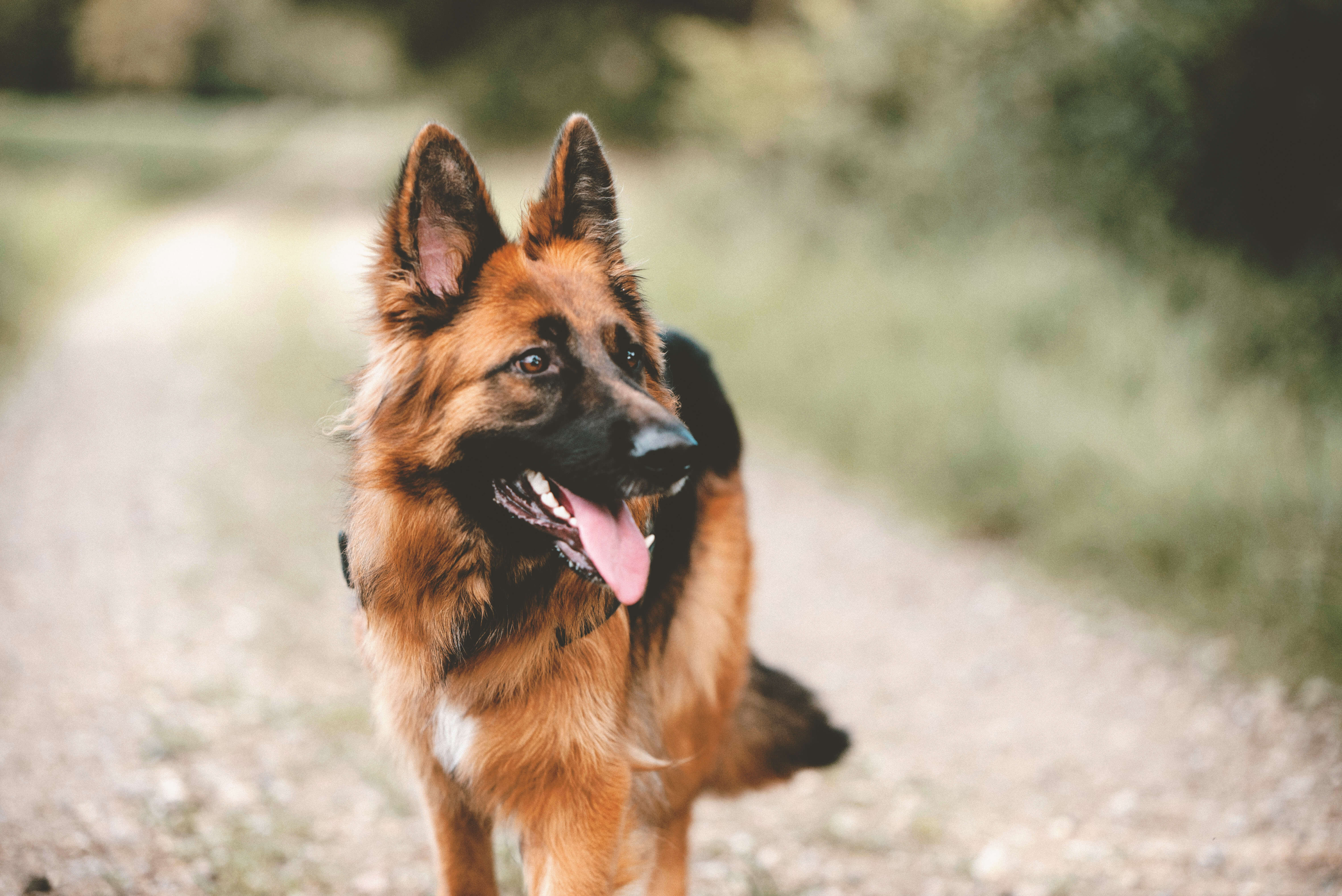
- Dogs with thick or double coats, like Huskies or German Shepherds, have fur designed to insulate against cold. While their coats can provide some protection from direct heat, they also trap body heat, making it harder to cool down.
- Body size and shape
- Larger breeds and overweight dogs generate more body heat and have more difficulty dissipating it. Short-nosed (brachycephalic) breeds like Bulldogs and Pugs have smaller airways, making panting less effective for cooling.
- Rapid overheating
- Dogs’ bodies can heat up quickly during exercise, in direct sunlight, or in poorly ventilated areas like kennels. Their limited cooling capacity makes it harder for them to recover once overheated.
- High core temperature
- Dogs have a higher baseline body temperature than humans (around 38.3–39.2°). Because of this, even a slight increase in environmental temperature can push their bodies into dangerous heat levels.
Remember
Dogs rely on us to recognise signs of overheating, such as excessive panting, drooling, or lethargy. Without intervention, they can quickly develop heatstroke. Always keep a close eye on your dog in hot weather to ensure you pick up on signs of overheating before your dog becomes unwell.

Key symptoms
Heatstroke is a serious and potentially life-threatening condition in dogs. Recognising the signs early can save your dog’s life. Here are the key symptoms to watch for:
Early signs of heatstroke
- Excessive panting
- Rapid and heavy panting is often the first sign as dogs attempt to cool themselves down.
- Increased drooling
- Thick, sticky, or excessive saliva is a common sign of overheating.
- Lethargy or weakness
- Your dog may seem unusually tired, reluctant to move, or unable to stand.
- Red or pale gums and tongue
- Bright red gums indicate overheating, while pale gums can signal progressing heatstroke.
Advanced signs of heatstroke
- Vomiting or diarrhoea
- Dogs may experience gastrointestinal distress, sometimes with blood in vomit or stools.
- Confusion or dizziness
- Your dog may appear disoriented, stumble, or have difficulty maintaining balance.
- Rapid heart rate
- Feel your dog’s chest; a racing heartbeat could indicate overheating.
- Collapse or seizures
- Severe cases may lead to fainting, seizures, or loss of consciousness.
- Glassy eyes
- A dazed, unfocused look can signal severe distress.
- Body temperature
- A body temperature above 40 degrees is a red flag for heatstroke.

Tips for keeping dogs cool
- Provide plenty of water
Ensure your dog always has access to fresh, clean water. You may need to refill your dog’s bowl multiple times a day in hotter months. If you take your dog out during the day, make sure to bring portable water bottles and bowls along with you.
- Create shady retreats
If your dog spends time outside, make sure there’s ample shade. Trees, awnings, or a dog-friendly sunshade can provide a cool retreat. Avoid confining your dog to areas with limited airflow, such as kennels, during the heat of the day.
- Adjust walks and playtime
Exercise your dog during the cooler parts of the day—early morning or late evening. Avoid hot pavements or tar, which can burn sensitive paw pads. Instead, opt for grassy areas or bring protective booties for their feet.
- Offer cooling treats
Frozen treats are a great way to help your dog cool down. You can freeze small pieces of dog-safe fruits like watermelon (seedless) or make ice lollies using low-sodium chicken broth.
- Use water
Cool (not ice-cold) water is a great way to cool your dog. For instance, you can let your dog play with supervision in a shallow pool or sprinkler; lightly spray them with cool (not ice-cold) water; or wipe their paw pads, belly and ears with a damp, cool cloth to take the edge off the heat.
- Invest in cooling products
Cooling mats, vests, and bandanas designed for dogs can help regulate body temperature. Wetting a bandana with cool water and tying it around your dog’s neck is an easy and effective DIY solution.

Caring for dogs with different needs

Thick-coated breeds
Double-coated breeds like Huskies, Malamutes, and German Shepherds are naturally insulated, but their thick fur can trap heat during summer. Regular grooming helps remove excess undercoat, improving airflow. However, avoid shaving their fur, which can disrupt their coat’s natural cooling mechanism and expose their skin to sunburn.
Senior dogs
Older dogs may struggle more with heat due to reduced stamina and potential underlying health issues. Keep them indoors during peak heat hours and monitor them closely for signs of discomfort. Canine cooling products and the use of air conditioning and fans can really help these dogs manage the heat of summer.
Puppies
Puppies are less efficient at regulating their body temperature. Limit their outdoor activity and provide frequent hydration breaks during the hotter months. Supervise them closely to ensure they don’t overexert themselves.
Brachycephalic breeds
Dogs with short noses, such as Bulldogs, Pugs, and Boxers, are more prone to heat stress because their anatomy makes panting less effective. Keep these breeds in air-conditioned environments whenever possible and avoid outdoor activities during hot weather.

Additional tips for summer safety
- Never leave dogs in a parked car. Even with the windows cracked, the temperatures inside a car can skyrocket in minutes.
- Watch out for sunburn: Light-coloured and thin-coated dogs are susceptible to sunburn. Apply pet-safe sunscreen to exposed areas like the nose and ears.
- Be mindful of water safety: While swimming can help dogs cool off, always supervise them around pools or at the beach.
When to call the vet
If your dog shows signs of heatstroke—such as heavy panting, vomiting, confusion, or collapse—act quickly. Move them to a cooler area, wet their body with lukewarm water (never ice-cold), and seek immediate veterinary assistance.
Final thoughts
Summer in South Africa is a time to enjoy the outdoors, but it’s also a season to be vigilant about your dog’s wellbeing. By understanding their needs and taking proactive measures, you can ensure your dog stays happy, healthy, and cool no matter how high the temperature climbs.