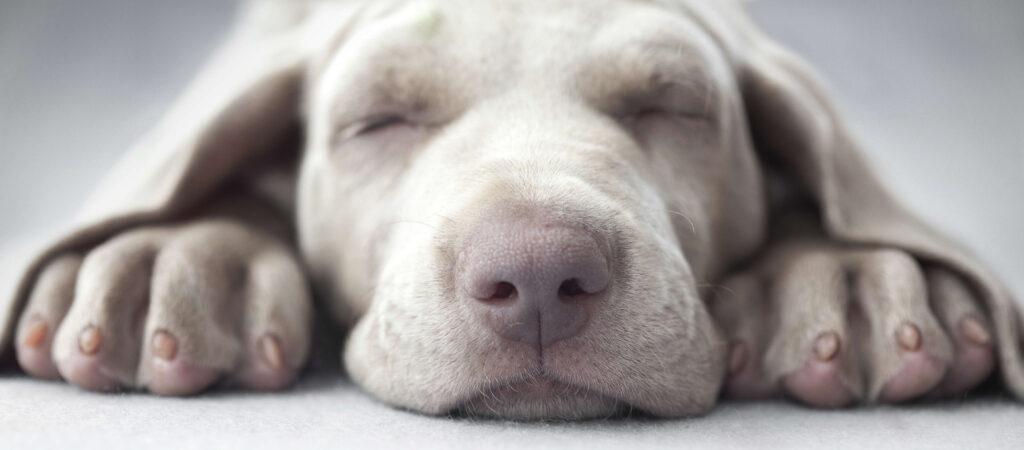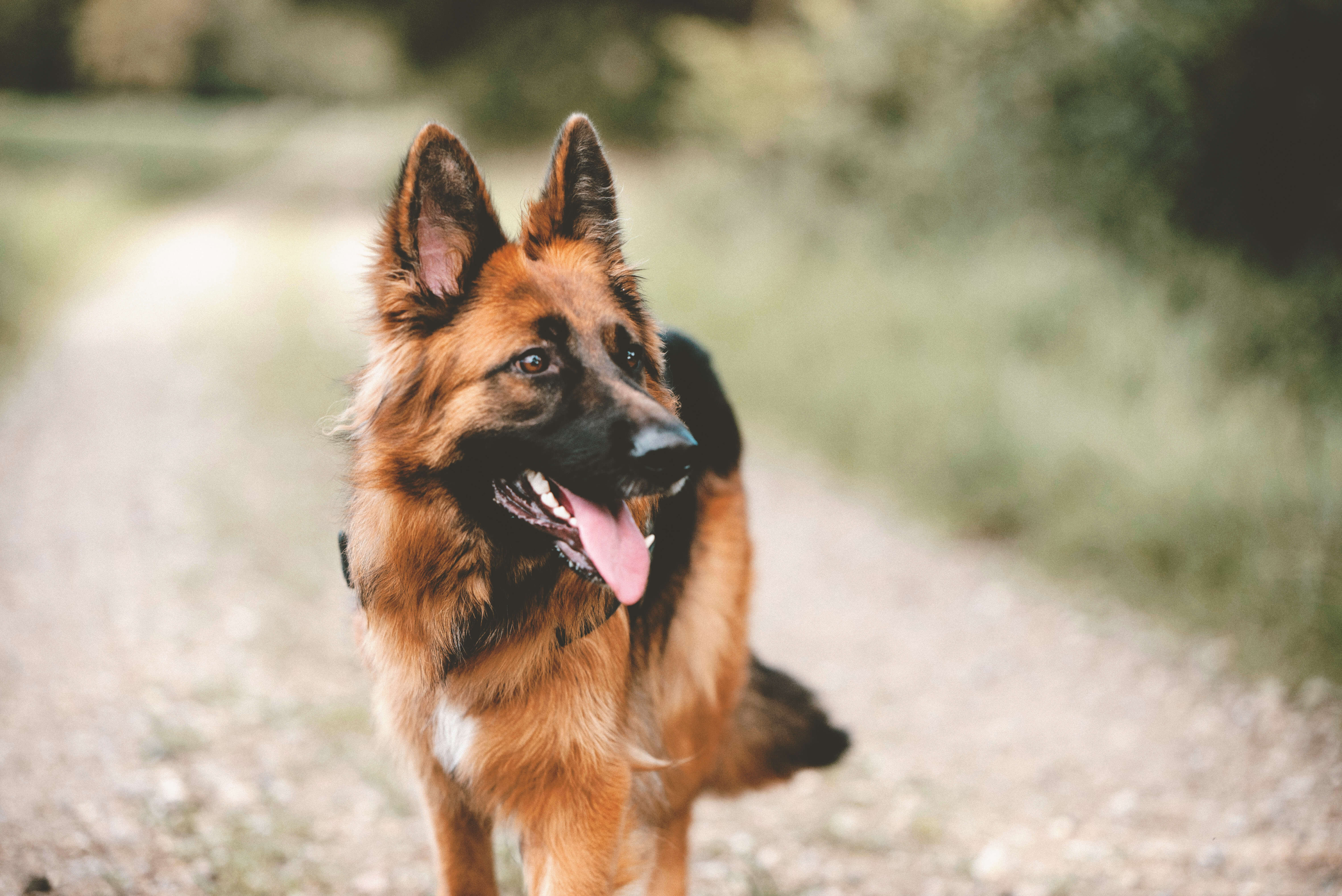
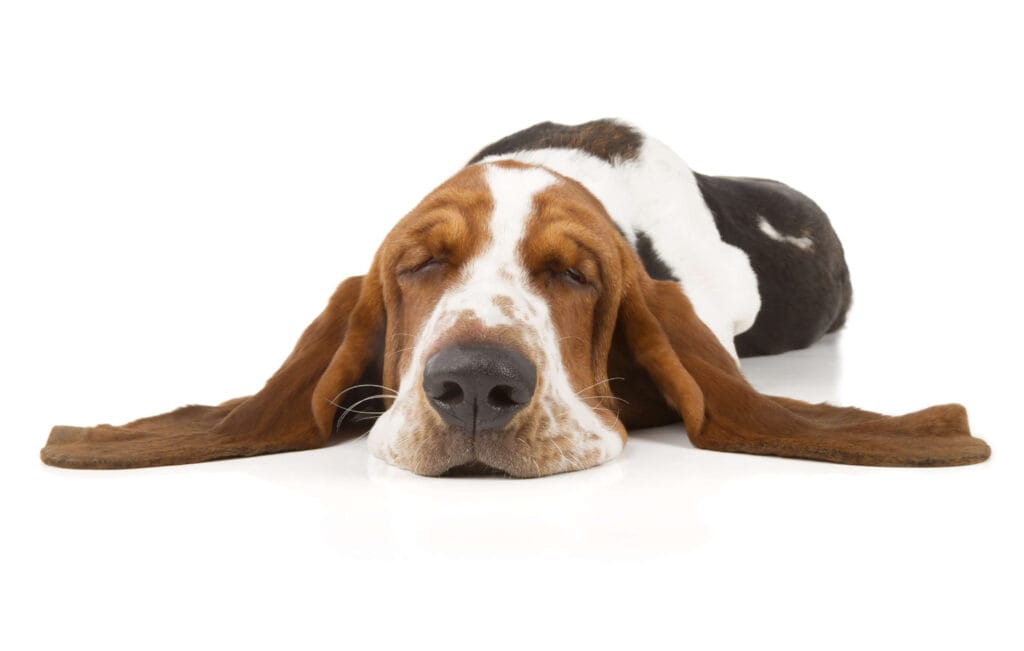
Ear health is a critical aspect of canine wellness, often overlooked until problems become evident. Dogs, especially those with floppy ears or those who love swimming, are particularly susceptible to ear issues. Common ear problems can range from infections to mites, and understanding these conditions can help dog owners prevent serious complications and ensure their pets remain comfortable and healthy.
Common ear problems in dogs
Several ear health issues can affect dogs, each with distinct causes and symptoms:
Otitis externa:
- Description: This is an inflammation of the outer ear canal, which is one of the most common ear issues in dogs.
- Symptoms: Itching, redness, odour, discharge, and frequent shaking or scratching of the head.
- Causes: Allergies, bacterial or yeast infections, ear mites, excessive moisture, and accumulation of wax.
Ear mites:
- Description: Ear mites are tiny parasites that live in the ear canal.
- Symptoms: Intense itching, redness, and a coffee ground-like discharge.
- Treatment: Requires antiparasitic medication prescribed by a vet.
Yeast infections:
- Description: Yeast infections in the ear are caused by the overgrowth of fungi, typically Candida.
- Symptoms: Brown, yellow, or bloody discharge, strong odour, redness, and swelling.
- Causes: Often occur in dogs with allergies or those with floppy ears that trap moisture.
Foreign bodies:
- Description: Grass seeds, burrs, and other outdoor debris can become lodged in a dog’s ear canal.
- Symptoms: Sudden onset of head shaking, pawing at the ear, and anxiety.
- Treatment: Veterinary removal is necessary to prevent further irritation or injury.
Otitis media:
- Description: Otitis media is an inflammation or infection of the middle ear, which is the space located just behind the eardrum.
- Symptoms: Pain, head tilting and shaking, balance problems or circling, discharge and facial paralysis, head tilting and shaking.
- Causes: In dogs, otitis media often occurs as a progression from otitis externa, although it can also arise from respiratory infections, foreign bodies or trauma.
- Treatment: Medication is usually necessary, and this can be given topically (through eardrops) or systemically. In severe cases where complications have occurred, or there is a heavy build-up of debris or fluid, surgical intervention may be required.
Otitis interna:
- Description: Otitis interna refers to inflammation or infection of the inner ear. This is less common than otitis externa or otitis media.
- Symptoms: Head tilting, circling or rolling, involuntary eye movements, loss of balance, unsteady gait, nausea and vomiting, hearing loss, and pain.
- Causes: Untreated otitis media that spreads to the inner ear, head trauma, autoimmune diseases or severe systemic infections.
- Treatment: Treatment includes antibiotics or antifungals administered by mouth or by injection, supportive care (like anti-nausea medications), anti-inflammatory medication, surgery and rehabilitation exercises for balance.
Prevention and care
Maintaining your dog’s ear health involves regular care and monitoring:
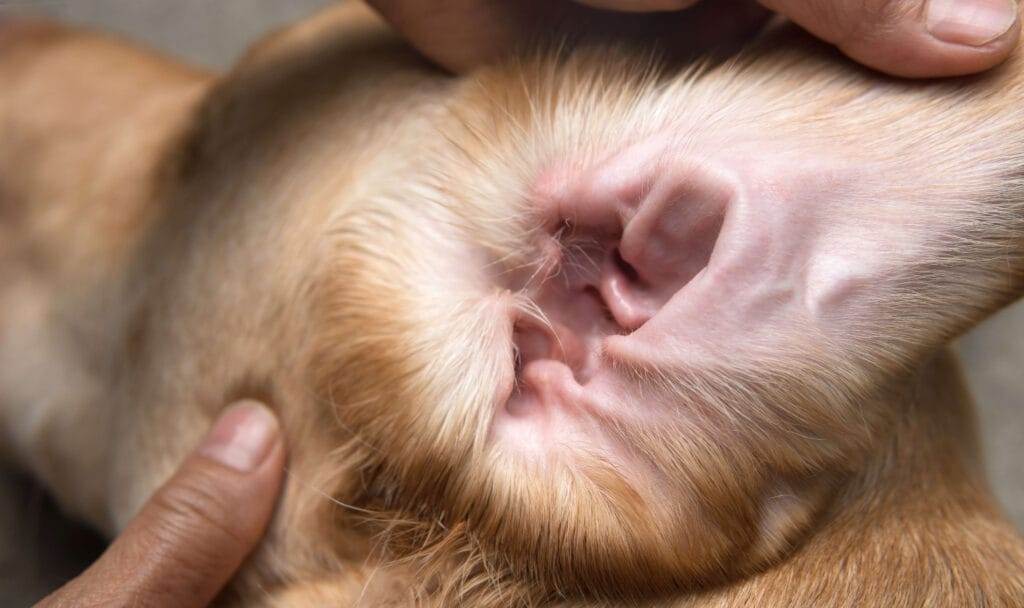
- Regular checks: Examine your dog’s ears weekly for signs of irritation, infection, or wax build-up. The inside of the ear should be pale pink with no excessive dirty build-up or smell.
- Cleaning: Use a vet-recommended ear cleaner. Apply the cleaner to a cotton ball and gently wipe out the ear until clean. Avoid inserting cotton swabs into the ear canal.
- Drying: Always dry your dog’s ears thoroughly after swimming or bathing to prevent moisture accumulation, which can lead to infections.
- Grooming: For breeds with heavy or floppy ears, regular grooming can ensure better air circulation around the ear canal.
Treatment
Treatment depends on the specific condition and its severity:
- Medication: Bacterial infections require antibiotics, while antifungal drugs are necessary for yeast infections. Both may require topical, oral or injectable medications as prescribed by a vet.
- Cleaning and care: Regular cleaning with medicated solutions may be necessary to resolve some infections.
- Follow-up: Revisits to the vet to ensure the infection is cleared up completely; otherwise, chronic problems can develop.
When to see a vet
Consult your vet if you notice any of the following:
- Persistent scratching or pawing at the ears.
- Bad odour or discharge from the ears.
- Redness or swelling in the ear canal.
- Signs of pain or discomfort when the ears are touched.
Take home message
Proactive attention to ear health can prevent many common issues afflicting dogs. Regular cleaning, monitoring, and immediate response to potential problems are critical components of effective ear care. Always consult your vet when in doubt, as early detection and treatment can prevent discomfort and more severe health issues in your pet. Keeping your dog’s ears clean and dry is the cornerstone of good ear health management.