
What a murmur really means, how heart disease is found and managed, and the one thing worth watching at home.
Few phrases unsettle a dog owner as quickly as ‘the vet heard a heart murmur.’ It sounds like a verdict but very often it is not. Heart disease in dogs is common; it is usually slow, and in most cases it is something to be managed rather than feared. The dogs who do best are the ones whose owners understand what is happening, know what to watch for, and work with their vet over the long term rather than lurching from crisis to crisis.
This piece is written for owners who want more than reassurance. It explains what a murmur does and does not tell you, the two diseases behind most cases, how the heart is investigated, when treatment starts, and the single most useful thing you can do at home. None of it replaces your own vet, who can examine your actual dog. It should, though, let you ask better questions and make calmer decisions.
Heart disease is not the same as heart failure
First things first, heart disease is not the same as heart failure.
Heart disease means there is something structurally or functionally wrong with the heart: a leaking valve, a thickened or weakened muscle, an abnormal rhythm. A dog can have heart disease for years and feel completely well.
Heart failure is not a disease in itself. It is the point at which a diseased heart can no longer keep up, and fluid backs up (most often into the lungs) or the output the heart produces drops. This is when a dog becomes unwell: breathless, tiring, coughing, sometimes collapsing.
The gap between the two can be long and much of good cardiac care is about spending as much time as possible in the first stage and delaying the second. That is why a murmur on its own, in a dog who is otherwise thriving, is usually a reason to monitor rather than to panic.
Murmurs: what they do and don’t mean
A murmur is a sound, not a diagnosis. It is the noise of turbulent blood flow, picked up through a stethoscope. It tells your vet that something is worth looking at. It doesn’t, by itself, tell them what it is, how serious it is, or whether your dog needs treatment.
Vets grade murmurs from 1 to 6 by loudness. A grade 1 murmur is barely audible in a quiet room; a grade 6 is loud enough to feel as a vibration through the chest wall. Loudness is a rough guide only; it reflects turbulence of blood flow, but not always the seriousness of the underlying problem, so a soft murmur is not automatically harmless and a loud one is not automatically a disaster.
Two things we as owners most often get wrong:
- A murmur does not always mean disease. Puppies frequently have soft ‘flow’ murmurs that mean nothing and fade as they grow. Fever, excitement, anaemia and being very athletic can all create harmless murmurs. A loud murmur in a puppy, however, should always be investigated, because it can signal a congenital defect.
- No murmur does not mean no disease. This is the tricky one; some of the most serious canine heart disease, particularly dilated cardiomyopathy in large breeds, often produces no murmur at all until late. A clean stethoscope check is reassuring, but is not proof that heart disease is not an issue.


The two diseases behind most cases
Most acquired canine heart disease comes down to two conditions. Knowing which one your breed is prone to tells you a great deal about what to expect and what to watch for.
Myxomatous mitral valve disease (MMVD)
MMVD is by far the most common acquired heart disease in dogs. In this disease, the mitral valve, which separates the two chambers on the left side of the heart, slowly degenerates and thickens, so it no longer closes cleanly. Blood leaks backwards, which is the murmur your vet hears, and over time the left side of the heart enlarges to cope with the leaky valve.
MMVD is overwhelmingly a small and medium breed disease. The Cavalier King Charles Spaniel is the classic example, developing it earlier and more often than almost any other breed, but Dachshunds, Chihuahuas, Poodles, Yorkshire Terriers and many other small breeds are also prone to the condition. It usually progresses slowly, over months to years, which is why monitoring matters: thankfully, there is a long window in which to act.
Dilated cardiomyopathy (DCM)
DCM is a disease of the heart muscle itself. The muscle weakens, the chambers stretch and enlarge, and the heart pumps less and less effectively. Where MMVD is a plumbing problem with a leaking valve, DCM is a pump problem with the heart itself.
DCM is largely a large and giant breed disease. Dobermann Pinschers are particularly at risk, along with Great Danes, Irish Wolfhounds and other giant breeds. Boxers have their own related form that tends to cause rhythm disturbances. The Cocker Spaniel is a notable smaller-breed exception.
DCM is more treacherous than MMVD for one reason: it often has a long silent phase. A dog can have significant muscle disease with no murmur and no obvious signs, and the first indication can be a fainting episode, a dangerous rhythm, or sudden death. This is why at-risk breeds benefit from active screening rather than waiting for symptoms, covered further below.
Congenital versus acquired disease
The diseases above are acquired: they develop as a dog ages. Congenital heart disease is present from birth, on the other hand, and it is a different conversation because it usually shows up in puppies.
The most common congenital defect is a patent ductus arteriosus (PDA), where a blood vessel that should close shortly after birth stays open. It produces a distinctive continuous murmur, and, importantly, it is often correctable: caught early, closing it can give the dog a normal life. Other congenital problems include narrowing of the valves leaving the heart (pulmonic and aortic stenosis), holes between chambers (septal defects) and malformed valves.
The practical message: a loud murmur in a puppy is not something to ‘wait and see’ on. Some congenital conditions can be fixed or greatly improved, and outcomes are usually far better when they are picked up early rather than after the heart has already been damaged.
How the heart is investigated
A murmur or a suspicious sign is the start of a process, not the end. These are the tools your vet has, roughly in the order they usually use them.
- Listening (auscultation). The starting point. It flags a problem and offers clues, but it can’t measure it.
- Chest X-rays (radiographs). These show the overall size and shape of the heart and, crucially, whether there is fluid in the lungs. They are the main way to confirm heart failure. Vets often measure heart size against the spine to track enlargement over time.
- Echocardiography (heart ultrasound). The gold standard for diagnosis. It shows the heart moving in real time: the valves, the muscle, the chamber sizes and how well it is pumping. It is what turns ‘there is a murmur’ into a precise diagnosis and stage. In South Africa this is usually done by a specially trained vet or at a referral centre rather than at every practice.
- ECG and Holter monitoring. An ECG reads the electrical rhythm and catches arrhythmias. A Holter is a wearable ECG worn for around 24 hours at home, which matters because dangerous rhythms (especially in Dobermanns and Boxers) can be intermittent and missed in a short clinic recording.
- Blood biomarkers. A blood test called NT-proBNP rises when the heart muscle is stretched or strained. It is useful for screening and, very practically, for helping tell whether a coughing or breathless dog has a heart problem or a lung problem. Cardiac troponin can indicate heart-muscle injury.
- Blood pressure. Measured because high blood pressure can both cause and complicate heart disease.
Staging: how vets describe where a dog is
Once heart disease is confirmed, vets often place a dog on a simple ladder of stages. It sounds technical, but it is genuinely useful for owners because it tells you what phase you are in and what, if anything, should be done now. In broad terms:
- Stage A: an at-risk breed with a normal heart. No disease yet, just a reason to keep an eye out.
- Stage B1: disease is present (there is a murmur), but the heart has not enlarged and the dog is well.
- Stage B2: disease is present and the heart has started to enlarge, but the dog still has no symptoms. This is a pivotal stage, because it is usually where preventive treatment begins.
- Stage C: the dog has had, or currently has, heart failure and needs treatment for it.
- Stage D: advanced disease that no longer responds well to standard treatment.
The reason B2 matters so much is this: strong evidence shows that starting the right medication at that stage, before any symptoms, buys the dog extra time before heart failure arrives. That is only possible if the dog is being monitored and the transition is caught early.
Monitoring the dog with no obvious symptoms
A dog who has a murmur, or belongs to an at-risk breed, but seems perfectly healthy is not a dog to forget about. It is a dog to keep under quiet observation, because the whole aim is to catch the moment the heart starts to change while there is still time to act.
In practice, this means periodic vet checks, and for some dogs repeat imaging or an NT-proBNP blood test, at intervals your vet sets based on the breed and findings. For high-risk breeds such as the Dobermann, formal screening (typically a Holter and an echocardiogram) is recommended specifically because their disease is so often silent until it is advanced. Screening is not being alarmist; it is the only way to find a problem that hides.
For you at home, monitoring a symptomless dog comes down mostly to one measurement: resting breathing rate, which is important enough to have its own section below.
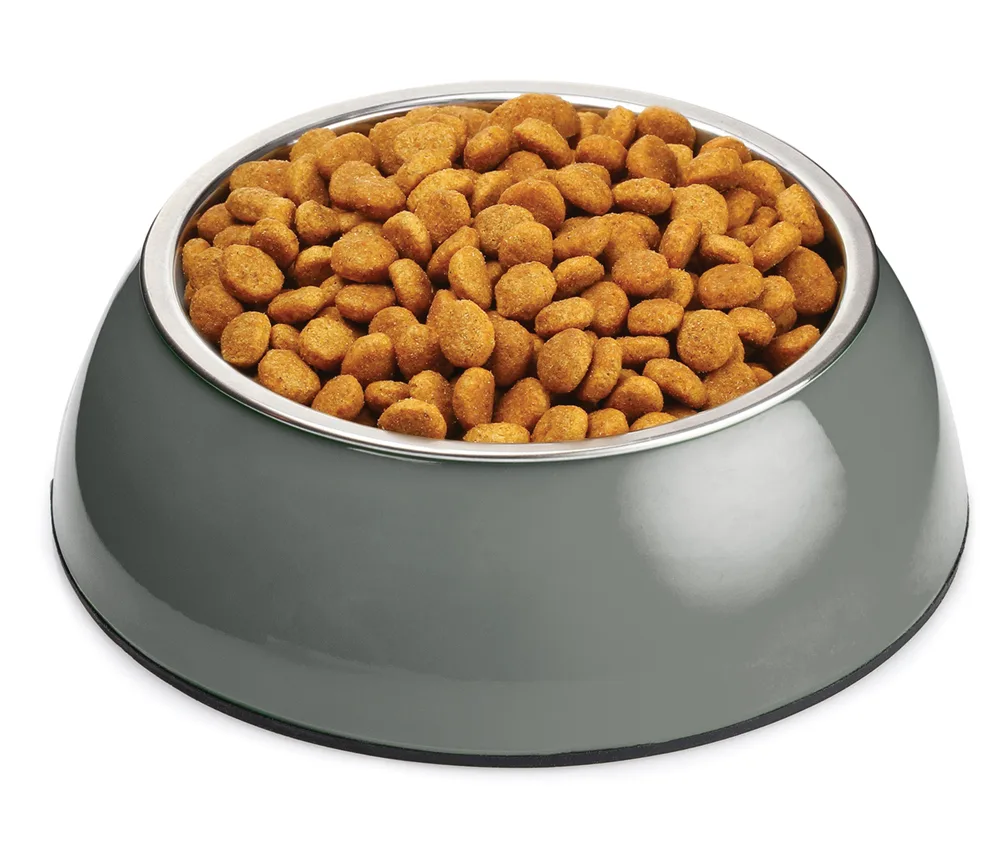
The grain-free and diet question
No canine heart topic generates more noise, or more anxiety, than diet, so it is worth setting out calmly and accurately, because the story has changed since the original headlines.
In 2018 the United States FDA reported a possible link between certain diets and dilated cardiomyopathy in dogs, including in breeds not usually prone to it. The diets under suspicion were widely labelled ‘grain-free,’ and that is the phrase that stuck in the public mind. The picture that has emerged since is more specific and more nuanced.
What the evidence now suggests:
- The signal points to diets high in pulses (peas, lentils, chickpeas and beans) near the top of the ingredient list, and this includes both grain-free and grain-containing diets. It does not appear to be about the presence or absence of grain as such.
- It is not simply a taurine deficiency. Taurine-responsive cases occur in some breeds, but the mechanism is still not understood and likely involves several factors.
- Diet-associated DCM can improve when the diet is changed, especially if it is caught early, which sets it apart from the genetic form.
- Reported cases surged after the 2018 publicity and have since fallen, and recent controlled studies have found no harmful cardiac changes in dogs fed complete, well-balanced diets, grain-free or not. Some of the early alarm reflected the fact that publicising a suspected link makes people report it more, which inflates the apparent numbers.
The best position we can take is to feed a complete and balanced diet from a manufacturer with genuine nutritional expertise and a track record of feeding trials. Be cautious about boutique or exotic formulations that carry pulses very high in the ingredient list. Do not switch a diet in a panic purely because it says ‘grain-free,’ and do not make a major diet change for a dog with any heart concern without talking to your vet, who can test and image if there is genuine reason to. This remains an evolving area, and the answers are still being worked out.
Medication: what it does
With the important exception of some congenital defects that can be corrected, canine heart disease is generally managed rather than cured. The good news is that the medication available is genuinely effective, and modern cardiac drugs have changed what a diagnosis means. These are the main players, all prescription-only and prescribed to the individual dog.
- Pimobendan. The cornerstone drug for both MMVD and DCM. It helps the heart contract more effectively and eases the load on it. Its most striking use is preventive: in the enlarged-but-symptomless stage (B2) of mitral valve disease, starting it has been shown to delay the onset of heart failure by roughly a year on average. That is a large gain, and it is the single best argument for closely monitoring a well dog.
- Diuretics (such as frusemide). Used once heart failure has developed, to clear the fluid that backs up into the lungs. They treat congestion directly and are often the drug that makes a breathless dog comfortable again.
- ACE inhibitors and spironolactone. These work on the hormonal systems that a struggling heart switches on, systems that are helpful in the short term but harmful over time. They are commonly used as part of the longer-term combination in heart failure.
- Anti-arrhythmic drugs. Used where the problem is an abnormal rhythm rather than, or as well as, a pump or valve problem, as is often the case in Dobermans and Boxers.
Dogs on these medications, particularly diuretics, usually need periodic blood tests to check kidney values and electrolytes. Never adjust or stop cardiac medication without your vet, and never dose a dog with human heart medication.
Exercise: how much, and when to hold back
Owners often assume a heart diagnosis means wrapping the dog in cotton wool, but for most dogs that is the wrong instinct.
A dog with stable, compensated heart disease usually benefits from regular, moderate exercise. Consistency matters more than intensity: steady daily activity is better than nothing all week and then having a hard weekend. Let the dog set the pace, keep exertion moderate, and avoid heat and humidity, which strain the heart. Keeping the dog lean is one of the most useful things you can do, because excess weight makes the heart work harder.
The situations that call for restraint:
- During an episode of heart failure, or before a dog is stabilised, rest is the priority; exercise resumes gently once the vet is happy.
- In breeds prone to dangerous rhythms (Dobermanns, Boxers), strenuous or highly exciting exertion carries a real risk of collapse or sudden death, which is another reason those breeds should be screened.
- Any dog that wants to stop, slows down, or tires unusually quickly should be allowed to stop. Pushing through is not a virtue here.
What you can monitor at home
This is where an informed owner adds the most value, because we see our dogs every day and our vet see them only occasionally. Several things are worth tracking, but one stands above the rest.
The single most useful measure: resting breathing rate
When a heart starts to fail, fluid gathers in the lungs, and the dog breathes a little faster to compensate, often days before he looks distressed. Counting the resting breathing rate lets you catch that early, at home, for free.
How to do it:
1. Wait until your dog is asleep or resting calmly, not panting, in a comfortable room.
2. Count each breath (one rise and fall of the chest is one breath) for 30 seconds, and double it, or count for a full minute.
3. Do it every few days when your dog is well, so you learn their normal, and write it down.
What is normal: a healthy resting dog breathes comfortably under 30 breaths a minute, and often well under. What matters most is the trend. A steady climb over several days, or readings consistently above about 30 to 35 at rest, is an early warning of fluid on the lungs and a reason to contact your vet promptly, before the dog is in obvious distress.
Alongside that, keep an eye on
- Exercise tolerance. Tiring sooner than usual, reluctance to walk, or needing to stop and rest is often the earliest behavioural sign of a heart that is struggling.
- Fainting or collapse (syncope). Brief episodes, often triggered by excitement, exertion or a bout of coughing, from which the dog recovers quickly. Note when they happen and what preceded them. Unlike a seizure, a faint is usually short with a rapid, complete recovery.
- Gum colour. Healthy gums are pink. Pale, grey or bluish gums are an emergency.
- Appetite, weight and muscle. Advanced heart disease can cause gradual loss of weight and muscle even when a dog is eating. At the other end, keeping a dog from becoming overweight protects the heart.
- A swelling belly. Fluid building in the abdomen, especially with breathing difficulty, signals the right side of the heart is involved and needs veterinary attention.
A diary, or one of the free heart-monitoring apps that log breathing rate, turns all of this information into something really useful for your vet as trends are much more informative than once off readings.
Myth-buster: is that cough coming from the heart?
Owners very often assume a coughing dog has a failing heart. In small breeds, chronic coughing is frequently an airway problem, such as a collapsing windpipe or chronic bronchitis, rather than a cardiac one. To complicate it, a very enlarged heart can physically press on an airway and cause a cough mechanically, without fluid on the lungs.
The useful rule: a true cardiac cough, from fluid on the lungs, almost always comes with a raised resting breathing rate and increased effort. A dog that coughs now and then but breathes normally at rest, at a normal rate, is less likely to be in heart failure. When in doubt, the breathing rate and a quick vet check (an X-ray or an NT-proBNP test) settle it. Do not assume; get it checked.
Red flags: contact a vet straight away
Any of these warrant urgent veterinary attention, day or night:
• Laboured, rapid or distressed breathing while at rest
• Gums that are pale, grey or blue-tinged
• Collapse, fainting or sudden severe weakness
• A distended, swollen belly, especially with any breathing difficulty
When in doubt, breathing difficulty at rest is always a reason to act now rather than wait for morning.

Which dogs are most at risk
Breed predispositions are a guide, not a guarantee: any dog can be affected, and this list is not exhaustive. Still, knowing your breed’s typical risk tells you what to watch for and whether screening is worth discussing.
| Breed or group | Main risk | Worth knowing |
| Cavalier King Charles Spaniel | Mitral valve disease (MMVD) | Develops it earlier and more often than almost any breed; monitor from young. |
| Small and toy breeds (Dachshund, Chihuahua, Poodle, Yorkshire Terrier and others) | Mitral valve disease (MMVD) | The most common acquired heart disease; usually slow, with a long window to act. |
| Dobermann Pinscher | Dilated cardiomyopathy (DCM) | Long silent phase and sudden-death risk; screening with Holter and echo is advised. |
| Boxer | Boxer cardiomyopathy (rhythm-based) | Tends to cause dangerous rhythms, fainting and sudden death; screening advised. |
| Great Dane, Irish Wolfhound and other giant breeds | Dilated cardiomyopathy (DCM) | Large-breed muscle disease; discuss screening with your vet. |
| Cocker Spaniel | Dilated cardiomyopathy (DCM) | A smaller-breed exception; some cases respond to taurine. |
The long term view
A heart diagnosis is frightening to hear, but it is worth holding onto the fact that many dogs live well for a long time after it, often for years, with a good quality of life, on medication that is relatively straightforward to administer Cardiac care is usually a marathon rather than an emergency sprint: regular rechecks, small adjustments, and a partnership with your vet in which your home observations carry real weight.
There may come a point, in advanced disease, where treatment can no longer keep a dog comfortable, and decisions about quality of life become part of the conversation. Those decisions are deeply personal and best made with your vet, and generally are not something to dwell on at diagnosis. For most owners reading this, the immediate task is simpler and more hopeful: know your dog’s normal, watch the right things, and act early.
The essentials
- A murmur is just a sound. It means ‘look closer,’ not ‘prepare for the worst.’
- No murmur does not mean no disease, especially in large breeds prone to DCM.
- Heart disease and heart failure are different stages; much of good care is about delaying the second.
- Echocardiography is the gold standard for a real diagnosis of heart disease.
- Treatment can delay heart failure if started at the right stage, which is why monitoring a well dog matters.
- Your resting-breathing-rate count is the most valuable thing you can do at home.
- Feed a complete, balanced diet from a reputable maker, and do not panic-switch over the word ‘grain-free.’
- Know the red flags, and treat breathing difficulty at rest as an emergency.
Selected sources and further reading
FDA Centre for Veterinary Medicine, questions and answers on non-hereditary DCM in dogs. Tufts University Petfoodology, updates on diet-associated DCM. ACVIM consensus guidelines on the diagnosis and treatment of myxomatous mitral valve disease (Keene et al.). The EPIC study on pimobendan in preclinical MMVD (Boswood et al.). Confirm and format these to DQ house style before publishing.