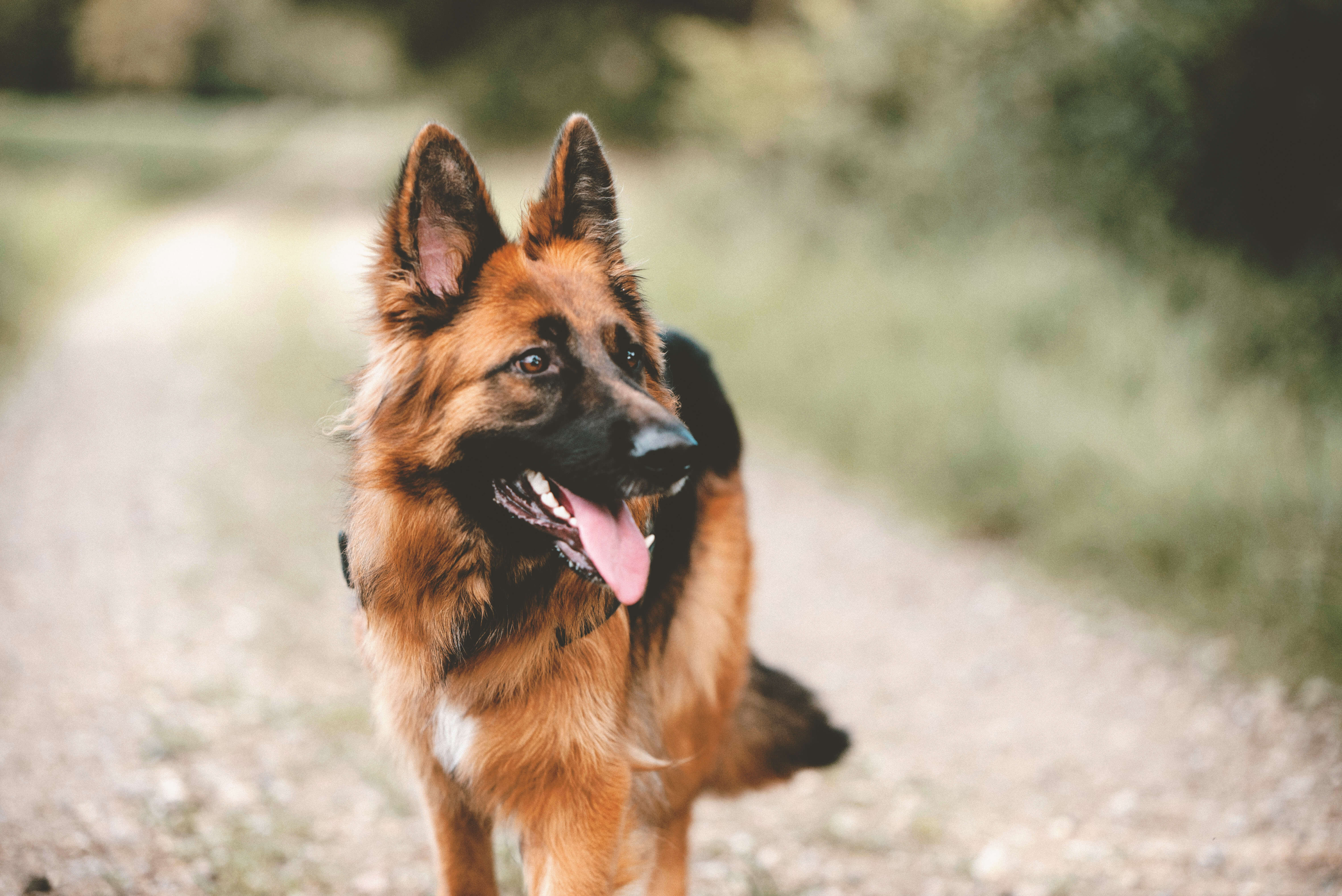
Choosing the right food for your dog is essential for their health and well-being. With so many options on the market, how can you tell if the food you’re giving your dog is truly the best fit? Here are key signs to help you determine if your dog’s diet is on track and what to look out for if it’s not.
Signs of a healthy diet
1. Shiny coat and healthy skin: One of the first indicators of good nutrition is your dog’s coat. A shiny, soft coat and clear skin often signal that their food is providing the right balance of nutrients, including healthy fats and oils.
2. Steady energy levels: Is your dog energetic and playful or sluggish and tired? A healthy dog with a well-balanced diet will have steady energy throughout the day without extreme highs and lows.
3. Good weight maintenance: Keeping your dog at a healthy weight is crucial. If they’re maintaining a proper weight without frequent fluctuations, it’s a good sign that their food is right for them. Be sure to check for an appropriate muscle-to-fat ratio as well (see article on this edition on how to assess this).
4. Small, firm stools: Your dog’s digestion can reveal a lot about their diet. Healthy dogs should have small, firm stools that are easy to pass. If their stool is consistently loose or has a foul odour, it could indicate that the food isn’t agreeing with them.
5. Healthy appetite: Dogs eating the right food should have a steady appetite without being overly hungry or disinterested in meals. If your dog refuses to eat or seems ravenous all the time, it might be worth reassessing their diet.
Red flags to watch out for
- Dull coat and itchy skin: If your dog’s coat becomes dull or their skin seems dry and itchy, they may not be getting enough essential fatty acids or other key nutrients.
- Digestive issues: Frequent vomiting, diarrhoea, or gas can signal food intolerances or sensitivities, as well as other health issues. It’s important to monitor for these symptoms and consider switching to a different food, and/or consulting your vet.
- Unexplained weight gain or loss: Sudden changes in your dog’s weight could indicate that their food isn’t providing the right balance of calories and nutrients. Consult your vet if you notice any significant changes.
- Lethargy or hyperactivity: If your dog seems lethargic or unusually hyper, their food might be lacking in, or overloaded with, certain nutrients. These imbalances can affect their behaviour and overall well-being.
Choosing the right food
To ensure your dog is getting the best nutrition, choose a food that is:
– Complete and balanced so as to meet your dog’s nutritional needs.
– Age and size appropriate: Puppies, adults, and senior dogs all have different nutritional needs. Similarly, larger breeds may need different formulas compared to smaller ones.
– Specific to any health needs: If your dog has allergies, sensitivities, or health conditions, you may need to choose a special diet. Consult with your vet for guidance.
Complete and balanced
Complete: This means the food contains all the essential nutrients your dog needs.
Balanced: The nutrients are present in the correct ratios to support your dog’s overall health.
Finding a complete and balanced food for your dog can be a challenge, particularly as dog food isn’t regulated in the same way as human foods. Chat to your vet for assistance in getting the right nutritional mix for your dog.
When to consult your vet
If you’re ever unsure about whether your dog’s food is meeting their nutritional needs, it’s always a good idea to consult with your vet. They can help assess your dog’s health and recommend a food that best suits their unique requirements.
By monitoring these signs, you can ensure that your dog’s diet is helping him live a long, happy, and healthy life.