A: Dogs dig for various reasons, many of which are rooted in their natural instincts. While digging can sometimes be destructive, it’s an entirely normal behaviour that serves different purposes depending on the situation. Here are the most common reasons why dogs dig:
- Instinctive behaviour
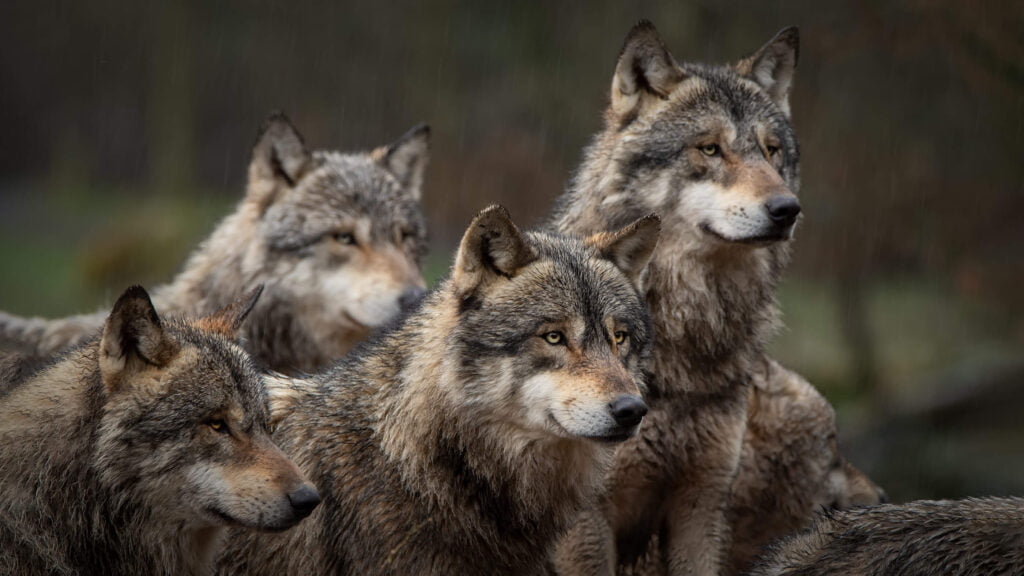
In the wild, digging serves as a survival skill. Modern dogs have inherited these instincts, even if they don’t necessarily need them for survival.
– Burrowing for safety: Dogs may dig to create a safe space to rest or protect themselves from harsh weather conditions.
– Hunting prey: Some dogs dig to chase burrowing animals like moles or rabbits. This behaviour is often seen in breeds with a strong prey drive.
- Regulating temperature
Dogs may dig shallow holes to escape extreme temperatures.
– Cooling down: In hot weather, the ground beneath the surface is cooler, and dogs may dig to create a cool spot to lie down.
– Warming up: In cold weather, digging a hole can create a wind-protected area for warmth.
- Seeking entertainment
Digging can be a way for dogs to relieve boredom or burn off excess energy, particularly if they’re not getting enough physical or mental stimulation. Having said this, some dogs, regardless of the amount of activity they have had in their day, still love to dig to explore the ‘world underground’. These dogs are unlikely to stop despite plenty of physical and mental stimulation from other sources.
- Storing items
Some dogs dig to hide their prized possessions, like toys or treats. This behaviour mimics their ancestors’ habit of burying food to store it for later consumption.
- Anxiety
Digging can be a coping mechanism for dogs feeling anxious or stressed. For example, dogs left alone who suffer from separation anxiety might dig to alleviate stress or dig under fences or gates to escape.
- Nesting behaviour
Female dogs, particularly those who are pregnant or experiencing a false pregnancy, may dig to prepare a ‘nest’ for their puppies. This instinctual behaviour is driven by hormones.
- Breed trait
Some breeds are more prone to digging due to their genetics.
– Terriers and Dachshunds: These breeds were bred to dig for prey like rodents.
– Huskies and Malamutes: These breeds often dig to create resting spots in snow or dirt, a behaviour rooted in their cold-weather origins.
How to manage digging
If digging becomes problematic, consider these tips to redirect the behaviour:
- Provide plenty of exercise: Tired dogs are less likely to dig out of boredom or excess energy.
- Offer mental stimulation: Toys, puzzles, and training exercises can keep your dog’s mind busy.
- Create a designated digging zone: Designate a specific area where your dog can dig freely, such as a sandbox, and encourage them to use it.
- Address anxiety: Ensure your dog feels secure and has enough companionship. Consider calming aids if necessary.
In summary, digging is a natural part of being a dog and understanding the reasons behind it can help you manage it effectively while keeping your pup happy and healthy.