Hip dysplasia is one of the most commonly discussed conditions in the dog world, and yet it remains widely misunderstood. It is not a single disease with a single cause, a single presentation, or a single solution, but rather a complex, multifactorial condition, part genetic, part developmental, part environmental, that exists on a spectrum from mildly abnormal imaging findings with no outward signs to severely debilitating joint disease that profoundly affects a dog’s quality of life.
For owners of affected dogs, and for anyone buying or breeding dogs, understanding what hip dysplasia actually is, and what current science says about preventing and managing it, this guide is for you.
What is hip dysplasia?
Hip dysplasia, formally known as canine hip dysplasia, or CHD, is a developmental orthopaedic condition in which the hip joint fails to form correctly. The hip is a ball-and-socket joint: the rounded head of the femur (thigh bone) sits within the cup-shaped socket of the pelvis, called the acetabulum. In a normal, healthy hip, these two surfaces fit snugly together, lined by protective cartilage, distributing load evenly and allowing smooth, pain-free movement.
In a dysplastic hip, this fit is imperfect. The primary problem is laxity (looseness) in the joint. The femoral head does not sit firmly in the acetabulum, leading to abnormal movement and instability. Over time, this instability causes the joint surfaces to wear unevenly, damaging the articular cartilage that lines the joint and triggering the body’s inflammatory response. The result is secondary osteoarthritis, a progressive, degenerative joint disease that causes pain, stiffness, and reduced mobility.
Crucially, hip dysplasia is not present at birth in a fixed, final form. It develops during the growing period, and the severity of the resulting osteoarthritis can vary dramatically between individuals, even those with similar degrees of initial joint laxity (looseness). This variability is one of the reasons the condition is so challenging for vets to predict and manage.
Which dogs are affected?
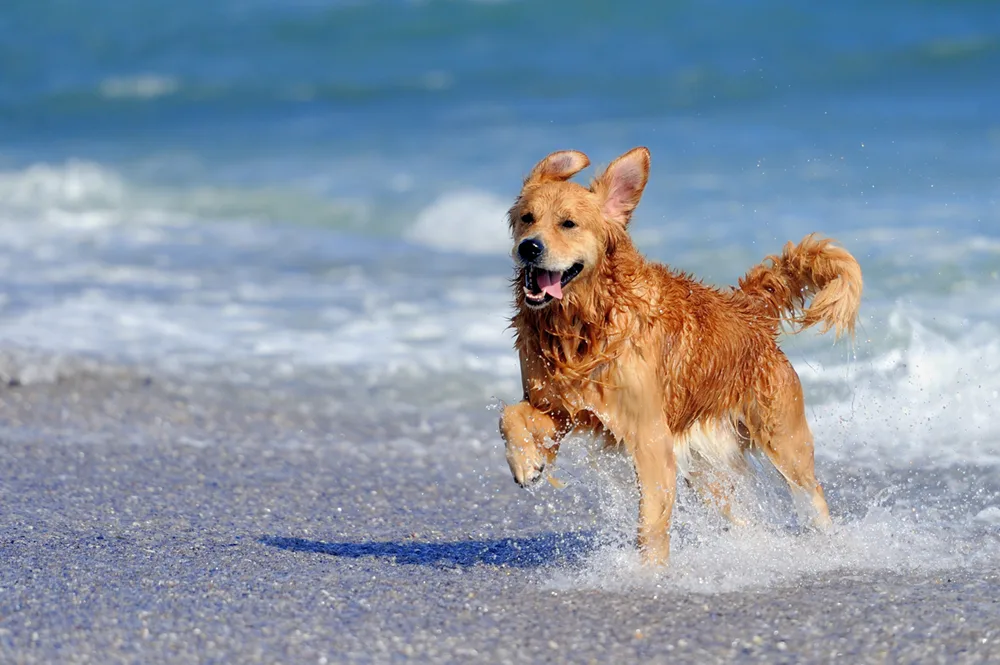
Hip dysplasia is most commonly associated with large and giant breeds. German Shepherd Dogs, Labrador Retrievers, Golden Retrievers, Rottweilers, Bernese Mountain Dogs, and Great Danes are among the breeds with historically high prevalence rates. However, the condition is not exclusive to large dogs. It occurs in medium-sized breeds and, less commonly, in small breeds too.
Prevalence data from the Orthopaedic Foundation for Animals (OFA) shows significant variation between breeds. Some breeds have seen meaningful improvement in average hip scores over decades of selective breeding and screening programmes, demonstrating that the condition is genuinely responsive to careful breeding decisions. Others remain at stubbornly high rates, reflecting the challenges of selecting against a polygenic (multi-gene) trait in these breeds.
Causes: Genetics, environment, and the interaction between them
Hip dysplasia is described scientifically as a polygenic, multifactorial condition. This means it is influenced by many genes, not a single mutation, interacting with a range of environmental and developmental factors. Understanding this complexity is essential for interpreting both risk and responsibility.
The genetic component
The heritability of hip dysplasia is well-established. Dogs from parents with good hip scores are statistically less likely to develop severe dysplasia than dogs from parents with poor scores, though this is a probabilistic relationship, not a guarantee. Even dogs with excellent hip scores from both parents can develop hip dysplasia, and vice versa, because the many genes involved mean that no screening approach yet available can perfectly predict which dogs will be affected.
A 2024 genome-wide association study in Swedish Labrador Retrievers published in Scientific Reports identified specific genetic loci (areas) associated with both hip dysplasia and body weight, reinforcing the understanding that the genetic architecture of hip dysplasia is genuinely complex and interacts with other heritable traits. The search for reliable genetic markers continues, but current consensus is clear: screening (radiographic assessment of hip conformation) remains the best available tool for breeders, as no genetic test yet provides sufficient predictive power on its own.
Environmental and developmental factors
Genetics loads the gun, but environment can pull the trigger, and this is particularly true in hip dysplasia. Several environmental factors have been identified as influencing whether a genetically predisposed dog develops clinical disease:
- Body weight and nutrition. Excess weight during the growth phase places significantly greater mechanical load on developing joints. Overfeeding large-breed puppies, particularly providing excess calcium, phosphorus, or overall energy, has been clearly associated with accelerated skeletal development that outpaces the maturation of supporting soft tissues, worsening joint laxity. Keeping large-breed puppies lean during growth is one of the most evidence-backed interventions available to breeders and owners.
- Exercise type and intensity during puppyhood. The developing joints of large-breed puppies are vulnerable. Repetitive, high-impact exercise on hard surfaces, including excessive road walking and forced running, during the growth period can exacerbate joint instability in susceptible individuals. Research has also found associations between certain types of early exercise (such as stair climbing in very young puppies) and increased hip dysplasia risk. This does not mean puppies should be inactive, appropriate free play and gentle exercise are important for healthy development, but high-impact, repetitive loading should be moderated during the critical growth window.
- Neutering timing. A body of evidence, including studies from the University of California, Davis, has found associations between early neutering (before 12 months in large breeds) and increased risk of joint disorders, including hip dysplasia. The relationship is thought to involve the role of sex hormones in skeletal development and joint maturation. This is an area of active research and ongoing debate, but it is a conversation worth having with your vet when making decisions about timing.
Recognising the signs
Hip dysplasia does not always announce itself clearly. The signs can be subtle, particularly in the early stages or in young dogs, and may be mistaken for other conditions, including simple growing pains or soft tissue injuries.
Signs in young dogs (typically five–18 months):
- Difficulty rising after rest.
- A ‘bunny-hopping’ gait when running with both hind legs moving together rather than alternating.
- Reluctance to climb stairs, jump into cars, or engage in vigorous play.
- Reduced exercise tolerance.
- A swaying or rolling hindquarter gait.
- Audible or palpable clicking in the hip joint.
- Muscle asymmetry – one or both hindquarters appearing less muscled than the front.
Signs in older dogs:
- Stiffness after rest, improving with gentle movement.
- Progressive reduction in activity levels.
- Lameness, particularly after exercise.
- Signs of pain when the hips are touched or manipulated.
- Muscle wasting in the hindquarters as the dog compensates by shifting weight forward.
It is important to note that there is not always a clear correlation between radiographic severity and clinical signs. Some dogs with badly dysplastic hips on imaging show minimal signs; others with relatively mild radiographic changes are in significant pain. This is one of the features of the condition that makes management so individual.

Diagnosis
Hip dysplasia is diagnosed through a combination of clinical examination and imaging, almost always requiring sedation or anaesthesia to achieve the relaxation necessary for accurate assessment.
Ortolani Test
During physical examination, a vet may perform the Ortolani test, which involves a manual manipulation of the hip joint designed to detect subluxation (partial dislocation) and the characteristic ‘clunk’ of the femoral head slipping back into the acetabulum (the cup-shaped area of the pelvis). This test is most useful in young dogs with lax joints; in older dogs with established osteoarthritis and fibrosis, the joint becomes progressively stiffer and the test less informative.
Radiographic screening
X-rays remain the cornerstone of hip dysplasia diagnosis. Two main screening approaches are in widespread use:
- OFA (Orthopedic Foundation for Animals) scoring uses a single hip-extended radiographic view, assessed by a panel of board-certified radiologists who assign a score of Excellent, Good, Fair, Borderline, Mild, Moderate, or Severe. OFA evaluation is typically performed at two years of age in the UK and the US, when skeletal maturity is largely complete.
- PennHIP (Pennsylvania Hip Improvement Program) uses three radiographic views – hip-extended, compression, and distraction – and produces a quantitative Distraction Index (DI), which measures the degree of joint laxity. The DI is reported alongside the breed distribution, allowing breeders to see exactly how a dog compares to other tested individuals of the same breed. A key advantage of PennHIP is that it can be performed reliably from 16 weeks of age, enabling earlier decisions. Scientific evidence consistently supports the PennHIP method as the more sensitive and predictive of the two approaches for identifying dogs at risk of developing osteoarthritis.
NOTE:CT imaging is increasingly used in specialist settings for more detailed assessment of joint morphology, particularly when surgical planning is required.
Management
Management of hip dysplasia is highly individualised, based on the dog’s age, the severity of clinical signs, the degree of radiographic change, the dog’s lifestyle, and the owner’s circumstances. There is no single correct approach but rather a spectrum of options ranging from conservative medical management to surgical intervention, often used in combination.
Conservative (non-surgical) management
For many dogs, particularly those with mild to moderate disease, older dogs who are poor surgical candidates, or dogs whose owners prefer a non-surgical route, conservative management can achieve a good quality of life. It is most effective when approached holistically and consistently.
Weight management is arguably the single most impactful non-surgical intervention. Every excess kilogram places additional load on already compromised joint surfaces. Research has demonstrated that weight reduction in overweight dogs with hip osteoarthritis produces measurable improvements in lameness scores and gait analysis parameters.
Exercise management follows closely behind. The goal is not rest, but appropriate, joint-friendly movement. Regular, moderate exercise maintains muscle mass (which helps stabilise the hip joint), supports healthy cartilage nutrition, and maintains range of motion. Short, frequent lead walks on soft surfaces are preferable to long, irregular, high-impact outings. Swimming and hydrotherapy are particularly valuable, as water removes weight-bearing load while allowing full-range muscle activity.
Physiotherapy and rehabilitation have an established evidence base for the management of canine hip dysplasia. Structured physiotherapy programmes, including passive range of motion exercises, proprioception work, therapeutic exercises, massage, and hydrotherapy, have been shown to reduce pain, maintain and build muscle mass, and improve functional mobility. A 2021 update to the physical rehabilitation guidelines for canine hip dysplasia in Veterinary Clinics of North America confirmed the importance of rehabilitation in both conservatively managed dogs and the post-surgical period.
Pain management is central to conservative care and typically involves a combination of approaches. Non-steroidal anti-inflammatory drugs (NSAIDs) are the most commonly prescribed and most evidence-supported pharmacological option for managing osteoarthritis pain in dogs. They should be used at the lowest effective dose and under regular veterinary monitoring, given the potential for gastrointestinal and renal side effects with long-term use.
Joint supplements, including omega-3 fatty acids (particularly EPA and DHA from fish oil), glucosamine, and chondroitin sulphate, are widely used and generally well tolerated. Evidence for their efficacy is variable with omega-3 fatty acids having the strongest scientific support for a modest anti-inflammatory effect, while evidence for glucosamine and chondroitin is mixed. They are unlikely to produce dramatic results on their own but may contribute meaningfully as part of a broader management strategy.
Regenerative therapies, including platelet-rich plasma (PRP) and mesenchymal stem cell therapy, represent an exciting and growing area of veterinary medicine. These treatments aim to modulate inflammation and support tissue repair within the joint environment. Early clinical studies have shown promise. For instance, a pilot study using autologous protein solution (a related regenerative product) found significant improvement in pain and function scores in dogs with hip osteoarthritis. However, larger randomised controlled trials are still needed, and these treatments are currently most available through specialist veterinary practices.
Adjunct physical modalities, including therapeutic laser (photobiomodulation), therapeutic ultrasound, transcutaneous electrical nerve stimulation (TENS), and pulsed electromagnetic field therapy, are used by veterinary rehabilitation specialists, often as part of a broader physiotherapy programme. Evidence quality varies across these modalities, but some have demonstrated useful pain-reducing and tissue-healing effects in clinical settings.
Surgical management
Surgery is typically considered when conservative management fails to provide adequate pain relief and quality of life, or when it offers a clear advantage, particularly in younger dogs where early surgical intervention can prevent or significantly delay the progression of osteoarthritis. Several surgical options exist, each with different indications, outcomes, and recovery profiles.
Juvenile Pubic Symphysiodesis (JPS) is a procedure performed in puppies, typically before 20 weeks of age, in which the growth plate of the pubic symphysis is cauterised. This causes the pelvis to rotate as it continues to grow, thereby improving the acetabular coverage of the femoral head and reducing the risk of the femoral head partially dislocating. It is the least invasive surgical option and most effective when performed early, which is why screening at 16 weeks using PennHIP is clinically valuable.
Triple Pelvic Osteotomy (TPO) and Double Pelvic Osteotomy (DPO) involve cutting and rotating the acetabulum to improve its alignment over the femoral head, then securing it in the new position with a plate. These procedures are most suitable for young dogs (typically under 10–12 months) with hip laxity but minimal osteoarthritic change. Outcomes are generally good when appropriate patient selection is applied.
Femoral Head and Neck Excision (FHO/FHNE) removes the femoral head entirely, eliminating bone-on-bone contact and allowing the body to form a fibrous pseudoarthrosis. While it does not restore normal joint anatomy, it reliably eliminates the source of pain in many dogs, particularly smaller breeds and those that have not responded to other management. Outcomes in large and giant breeds are more variable, and extensive post-operative rehabilitation is important to optimise function.
Total Hip Replacement (THR) is the gold standard surgical treatment for canine hip dysplasia with advanced osteoarthritis, particularly in medium to large breeds. A prosthetic implant replaces both the femoral head and the acetabular cup, restoring near-normal joint mechanics. In appropriately selected candidates, total hip replacement produces excellent long-term outcomes, with the majority of dogs returning to a high level of function. It is a specialist procedure requiring significant post-operative management, and bilateral cases are typically staged rather than performed simultaneously.
Breeding and prevention
Hip dysplasia is not going to be eliminated from the canine population any time soon, as its polygenic nature and the imperfect predictive power of current screening tools make that currently (at least) impossible. However, its prevalence and severity can be meaningfully reduced through sustained, evidence-based breeding practices.
The key principles are straightforward:
Screen breeding dogs. Both parents should have their hips formally assessed by an established screening scheme. Dogs with poor scores should not be bred. This seems obvious, but enforcement in many breeds is far from universal.
Outside of the individual dogs, it is also important to consider the whole picture. Estimated Breeding Values (EBVs), which incorporate hip scores from relatives across multiple generations, provide a more statistically powerful predictor than an individual dog’s score alone. Guide dog programmes using EBVs across multiple generations have achieved remarkable improvements in hip scores, with over 93% of German Shepherd Dogs and 94% of Labrador Retrievers in one programme achieving Excellent hip-extended scores after eight generations of selection. This demonstrates that sustained, data-driven breeding pressure produces real population-level change.
Keep puppies lean. Whatever a puppy’s genetic predisposition, avoiding overfeeding during the growth phase reduces the environmental load on developing hips. This is something breeders and new owners can directly control.
Living well with hip dysplasia
Many dogs with hip dysplasia live long, comfortable, active lives, particularly when the condition is diagnosed early, managed consistently, and supported by an engaged and well-informed owner.
The most important factors in a good outcome are:
- Early diagnosis – don’t wait for lameness to become severe before investigating
- Weight management – this cannot be overstated
- Consistent, appropriate exercise – not restriction, but adaptation
- Regular veterinary review – pain and disease progress over time, and management needs to evolve with the dog
- Physiotherapy – ideally with a qualified canine rehabilitation therapist
- Willingness to consider surgical options when conservative management is no longer sufficient
Hip dysplasia requires commitment. It is a condition managed across a lifetime, not fixed with a single intervention. But with the right support, the right knowledge, and the right team around them, dogs with hip dysplasia can – and regularly do – thrive.
Sources:
PMC review, “Diagnosis, prevention, and management of canine hip dysplasia,” 2018
“Non-surgical pain management for hip joint disease in veterinary medicine,” Veterinary Medicine, 2024
“Physical Rehabilitation for the Management of Canine Hip Dysplasia: 2021 Update,” Veterinary Clinics of North America
Kieler et al., “Genome-wide association study in Swedish Labrador retrievers,” Scientific Reports, 2024
OFA and PennHIP programme data; American Kennel Club genetics guidance, 2025