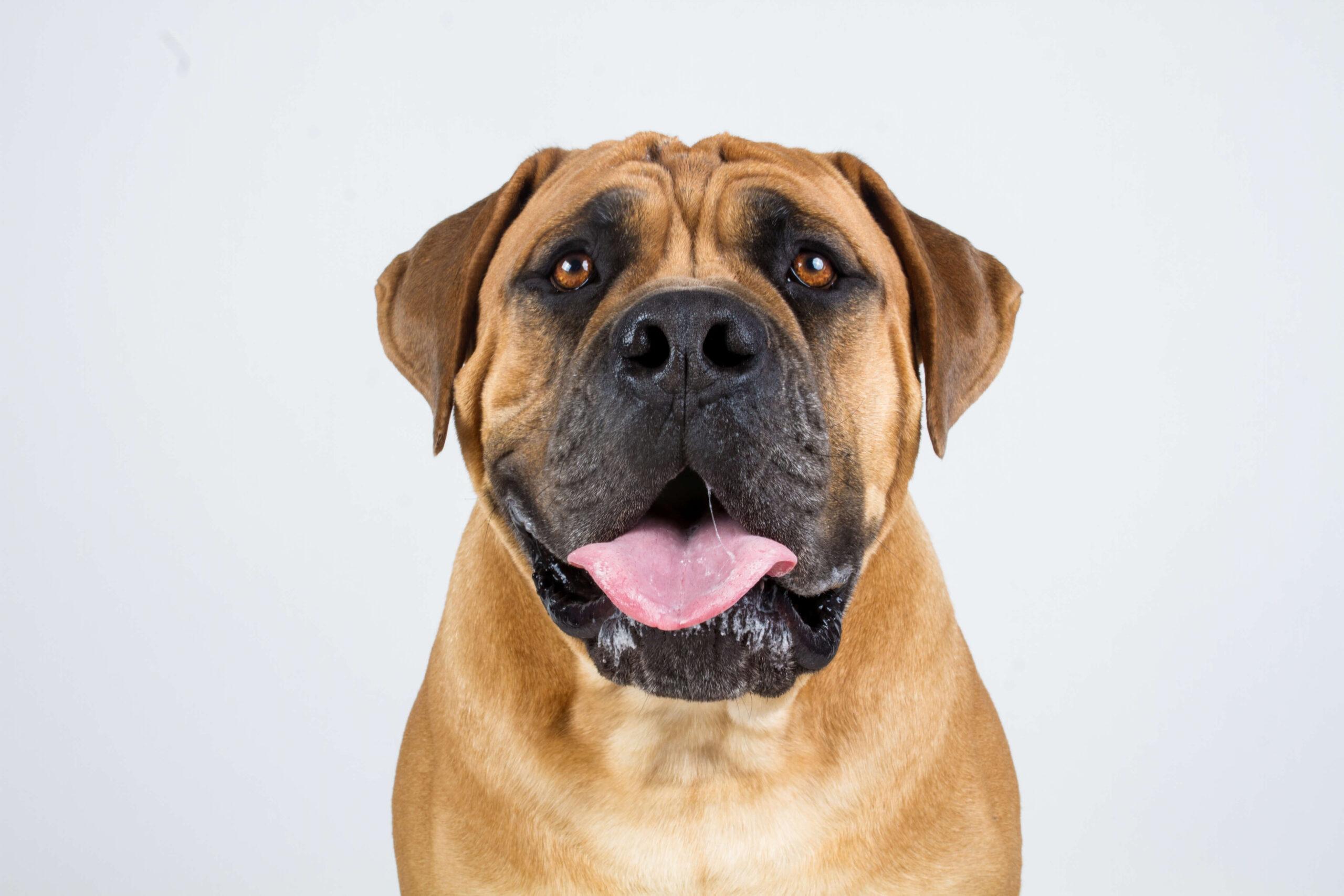
Owner of Inanda Mellberg Rhodesian Ridgeback Kennel
Text: Ashlea Callender-Easby
Recently Ashlea Callender-Easby from the DQ team got in touch with Marie Wijkander, a Rhodesian Ridgeback breeder, and asked her about her experiences and knowledge as a breeder of 19 years.
Q: What aspects about the Rhodesian Ridgeback breed made this breed your breed of choice?
A: To be perfectly honest, it was not at all a conscious or considered choice; I had rather too much red wine at a dinner party, 30+ years ago, and was persuaded to buy a four-or-so-month old family Rhodesian Ridgeback puppy. The owner had decided he would really rather have a Jack Russell.
Q: Why did you decide to become a breeder and in particular a Rhodesian Ridgeback breeder?
A: It was just a natural progression, but I had been “in the breed” for about 15 years by then. And since then I have attended numerous courses on breeding, dog/animal husbandry, nutrition, genetics, training of various kinds etc, both IRL and online, in Scandinavia, the UK and the US.
Q: Where does the origin of the name of your kennel come from?
A: Inanda is (I have been told) a Zulu word that means The Beautiful Place, and Mellberg is the name of the farm where I grew up.
Q: Which one of the dogs that you have ever owned or bred would you consider to be your “heart dog”? What was it about that particular dog which afforded it that title?
A: With 30+ years in the breed, there have been several, and they have all been working/tracking dogs. When I was still in Europe, I did a lot of competitive tracking (as well as showing, agility and some obedience), and all these activities mean that you develop a very strong relationship/bond with the individual.
Q: Which one of the dogs that you personally bred would you consider to be your “pride and joy” and your proudest achievement as a breeder and why?
A: He is not necessarily the one I am the most proud of, but Inanda Mellberg Edelrood is probably the internationally best-known dog I have ever bred. He has an inordinate number of show titles from all over Europe, but is also an enormously talented and successful working dog/tracker, owned and handled and much, much loved by Danish PH Elisabeth Svendsen.
Q: How many dogs do you have in your kennel now and what are their names?
A: I currently have five individuals, all with the prefix Inanda Mellberg; Shantih by Jukati, Nimla by Bolt, Quaraa Hadiya C, Ranston and Stanza.
Q: How often do you breed a litter?
A: Once a year.
Q: What ideals and traits in puppies are you trying to achieve when breeding a litter?
A: Individuals that are correct according to the Breed Standard, with a good nose, an interest in using that nose, and a potentially good work ethic.
Q: Do you hold yourself accountable as an ethical and responsible breeder and what steps or ethos do you follow to achieve this objective?
A: I am a member of KUSA; a member of the SARRC; I X-ray hips, shoulders and elbows; and I do numerous genetic health tests for issues that seem to be common/on the increase in the breed. My litters are whelped in my bedroom and live there till they leave home, and that is at eight weeks at the earliest. I have also never, in 19 litters (19 years) sold a puppy to somebody I had not met in person (Skype, Zoom etc are not enough for me) unless we have good mutual friends that I trust to vouch for the future home.
Q: As an ethical and responsible breeder what is it you are trying to achieve with each new litter and what traits in terms of temperament and conformation are you trying to achieve?
A: It is my hope and ambition that I will continue to breed according to the Breed Standard, and that I will continue to breed dogs that are happy to work.
Q: What is your response as a breeder who upholds these values to those who have bought into the “Adopt Don’t Shop” movement?
A: The two can exist side-by-side, but I do have an issue with those who insist that cross-breeds are inherently a healthier option.
Q: Do you think given the climate in SA, breeders should do more to address the issues surrounding abandoned and sheltered puppies and dogs; and if so how would you suggest they get involved in remedying these issues?
A: I will not be popular for saying this, but if I were no longer able to keep my dogs, I would have them put down. And in my will, I stipulate that any dogs in my possession at the time of my death should be put down.
Q: Are you able to follow up once a pup has left for its new home and is there anything you can do after to get the puppy or dog back once it becomes obvious it is not the home the new owners portrayed?
A: I create WhatsApp groups for each litter, and most of my puppy buyers stay in touch. Because of the care taken in picking the homes, I have only ever had to take a dog back three times.
Q: How do you know Timmy U. Ralfe; the international dog show judge and author of the publication Ridgeback Revealed?
A: She was/is a great admirer of Inanda Mellberg Edelrood, so we met ‘online’ on a RR site via him. That was probably 12 or so years ago.
Q: Do you have any involvement with her publication, “Ridgeback Revealed”, and if so to what extent?
A: I proof-read the original manuscript and have supplied a number of pics.
Q: How much involvement do you have with fellow Rhodesian Ridgeback breeders?
A: I am in regular contact with many of my colleagues around the world, often ask questions and am often asked questions, and I learn from them all the time.
Q: What takeaway message do you have for younger up-and-coming Rhodesian Ridgeback breeders?
A: Pick a good, responsible and actively involved breeder that you can talk with.
Q: How often do you work your dogs and what type of work do you do with them?
A: They are taken for off-the-lead walks in the veld/bush a few times a week, and we go tracking once a week or so.
Q: Are your dogs on some sort of special diet and if so what is it comprised of?
A: I have fed my dogs raw for 20+ years. I use the BARF method, and I buy it ready-made from Pin Oaks in Mnandi. It is possibly more expensive than kibble, but apart from annual jabs, the occasional injury and breeding related matters, I have no vet bills.
Q: Do you have a daily and weekly routine with your dogs?
A: You see, I don’t have a routine. Once you have a routine, dogs start expecting certain things at a certain time, and I don’t really believe in that. They are never fed when I wake up, but quite a bit later (sometimes two hours later, if I ride first), and picking up collars and leads never means walkies…more often than not I put them away again. I really don’t enjoy dogs going hysterical around me because they are expecting something.
Q: What advice would you offer someone who is considering purchasing a Rhodesian Ridgeback?
A: Visit breeders. Go to shows. Read, read and read some more.