
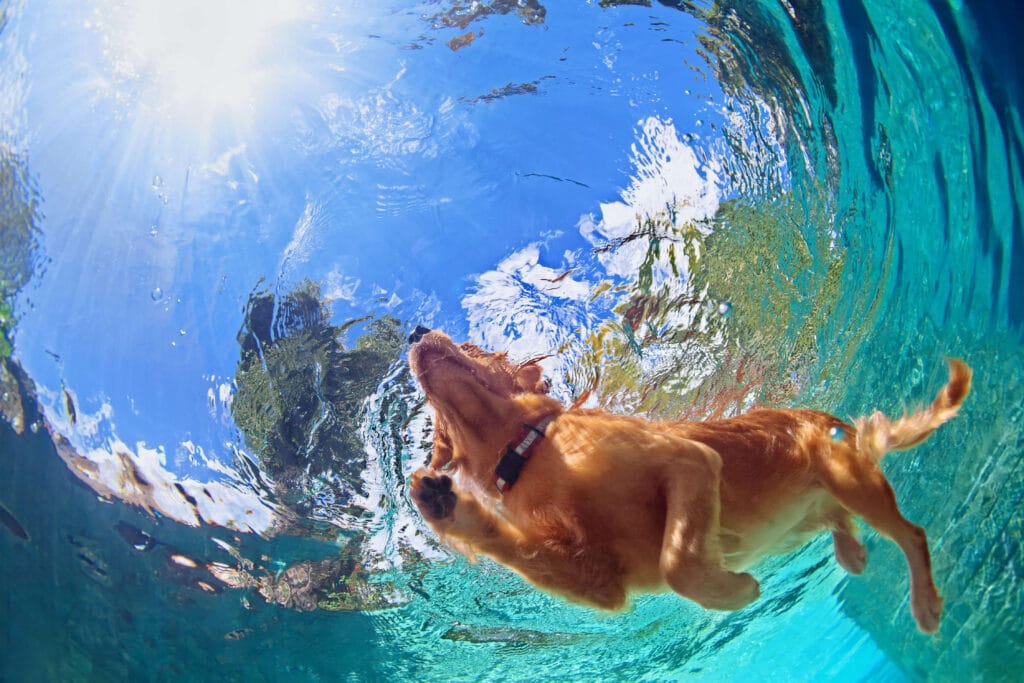
Q: Do certain dog breeds like to swim more than others?
Yes, certain dog breeds are more inclined to enjoy swimming than others, often due to their historical roles and physical attributes. Breeds that were developed for jobs requiring them to work in water tend to be natural swimmers. Here are some examples:
- Labrador Retrievers: Bred as waterfowl retrieving dogs, they have water-resistant coats and webbed feet, making them excellent swimmers.
- Golden Retrievers: Similar to Labradors, they were also bred for retrieving and are known to love water.
- Portuguese Water Dogs: As their name suggests, these dogs were bred to work in the water, helping fishermen by herding fish into nets.
- Newfoundland: This large breed has a water-resistant coat and webbed feet, and they were originally used as working dogs to help haul nets for fishermen and rescue people at risk of drowning.
- Chesapeake Bay Retrievers: Known for their love of water, this breed has an oily coat that provides excellent insulation and water resistance.
- Spanish Water Dog: They have been used for herding and as fishermen’s assistants. They are natural and enthusiastic swimmers.
- Standard Poodles: Despite their reputation as show dogs, Standard Poodles were originally bred as water retrievers and love to swim.
- Irish Water Spaniel: This breed is the largest of the spaniels and was specifically bred to retrieve game from water.
- American Water Spaniel: Developed in the United States as a hunting dog, the American Water Spaniel is well adapted to swimming and retrieving.
- Otterhounds: With their webbed feet and dense, oily double coat, Otterhounds were originally bred for hunting otters in rivers and ponds.
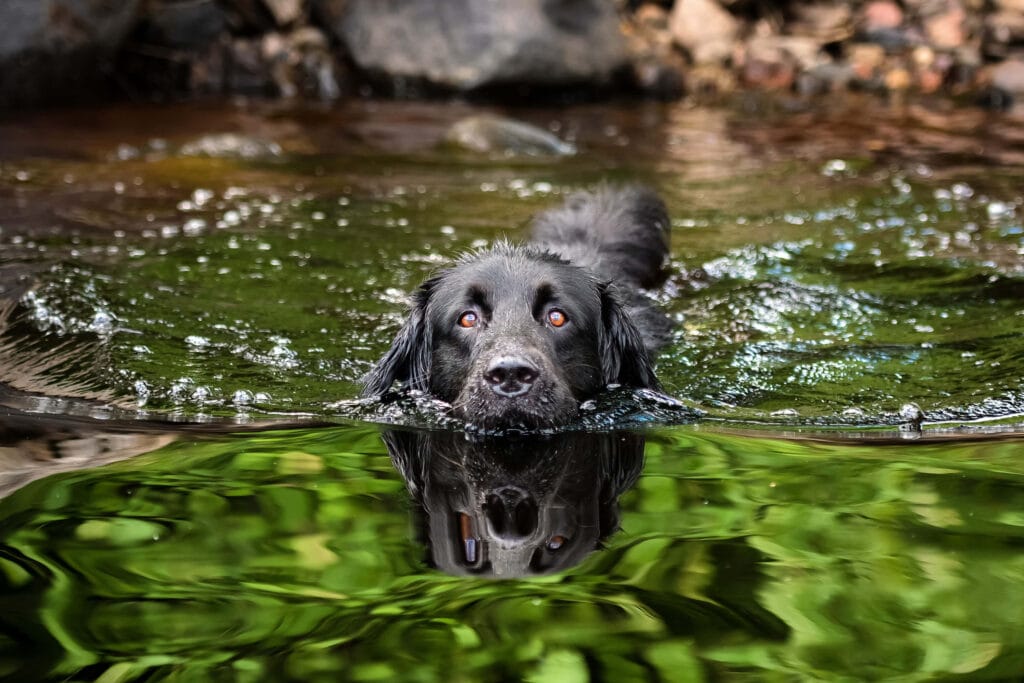
Breeds not traditionally associated with swimming, particularly those with heavy bodies and short legs (like Bulldogs or Dachshunds), may not take to water as naturally due to their physical build. Additionally, brachycephalic breeds (like Pugs and Boxers) may have difficulty keeping their noses above water because of their short muzzles.
Regardless of breed, it’s essential to gradually introduce any dog to water and ensure safety with a life vest if they are learning to swim or are unsure swimmers. Some dogs may have individual preferences and fears, so not all dogs of a breed known for swimming will necessarily enjoy it.

