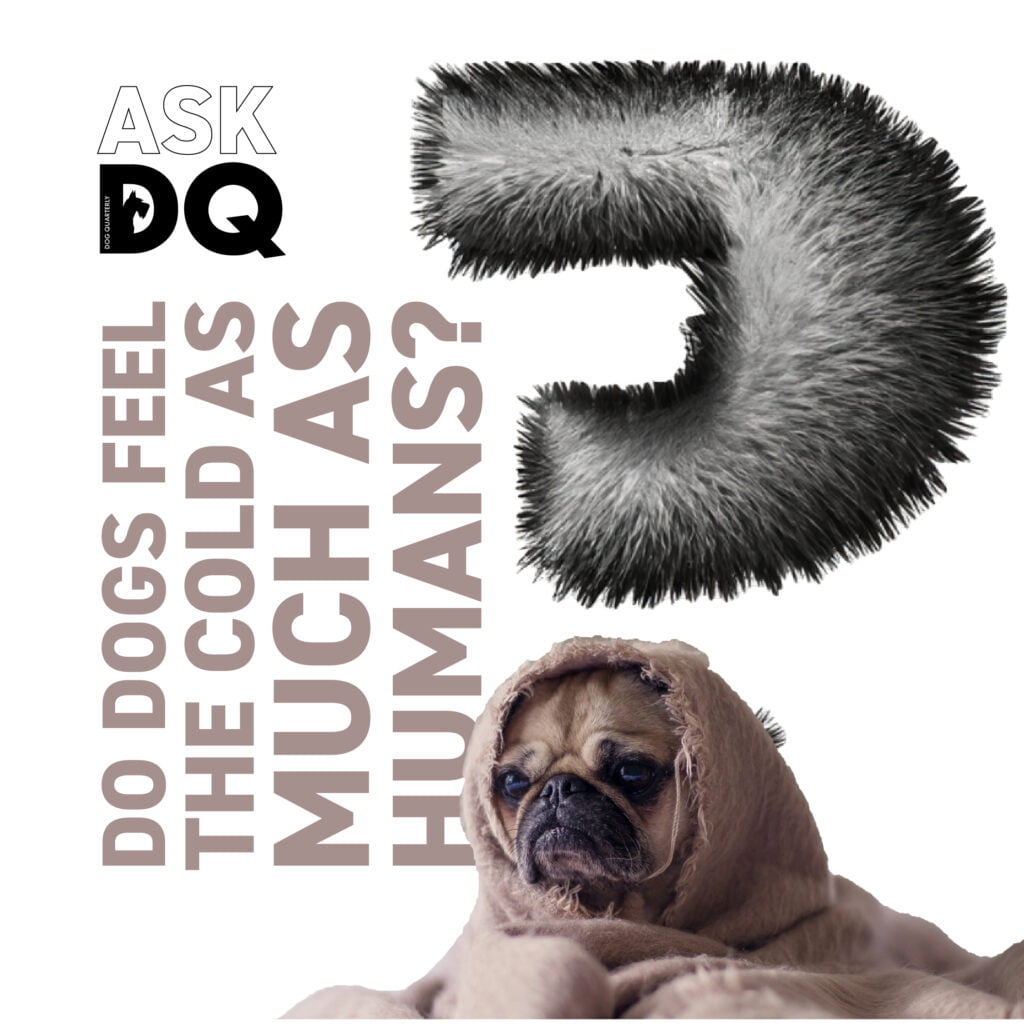
Q: Do dogs feel the cold as much as humans?
A: Dogs feel the cold, but their tolerance and response to cold weather can differ significantly from humans and vary widely among individual dogs. Several factors influence how dogs experience cold weather, including breed, size, coat type, age, and overall health.
Factors affecting cold tolerance
- Breed and coat type
– Thick-coated breeds: Dogs like Siberian Huskies, Alaskan Malamutes, and Saint Bernards have thick, double-layered coats designed for cold climates. They tend to tolerate cold weather better than breeds with thin coats.
– Short-coated breeds: Dogs with short or thin coats, such as Greyhounds, Chihuahuas, and Doberman Pinschers, are more sensitive to cold and may require extra protection.
- Size and body fat
– Smaller dogs: Small dogs and those with less body fat, like Italian Greyhounds and Dachshunds, can lose body heat quickly and may feel the cold more intensely.
– Larger dogs: Larger dogs with more body fat retain heat better and may be more comfortable in cooler temperatures.
- Age and health
– Puppies and elderly dogs: Younger and older dogs are more vulnerable to cold due to their developing or weakened immune systems and lower body fat.
– Health conditions: Dogs with certain health conditions, such as arthritis, heart disease, or hypothyroidism, may feel the cold more and require extra care.
Signs your dog is cold
– Shivering or shaking
– Whining or barking
– Seeking warm places or trying to burrow
– Lifting paws off the ground
– Curling up tightly
– Reluctance to go outside
Keeping your dog warm
– Clothing: Consider dog sweaters or jackets, especially for short-coated or small dogs.
– Shelter: Ensure your dog has a warm, dry place to sleep during cold weather.
– Bedding: Use warm, padded bedding and consider heated pet beds or mats for extra warmth.
– Exercise: Keep your dog active to help generate body heat, but limit exposure during extreme cold and be mindful of icy conditions that can cause injury.
– Booties: Protect your dog’s paws with booties to prevent frostbite and protect them from ice, snow, and salt.
Conclusion
Dogs do feel the cold, but their tolerance varies based on breed, size, coat type, age, and health. By recognising the signs that your dog is cold and taking steps to keep them warm and comfortable, you can ensure they stay safe and healthy during cold weather. Consider your dog’s needs and consult your veterinarian for specific advice tailored to your pet.